
What weakens food security in climate-smart farming plans
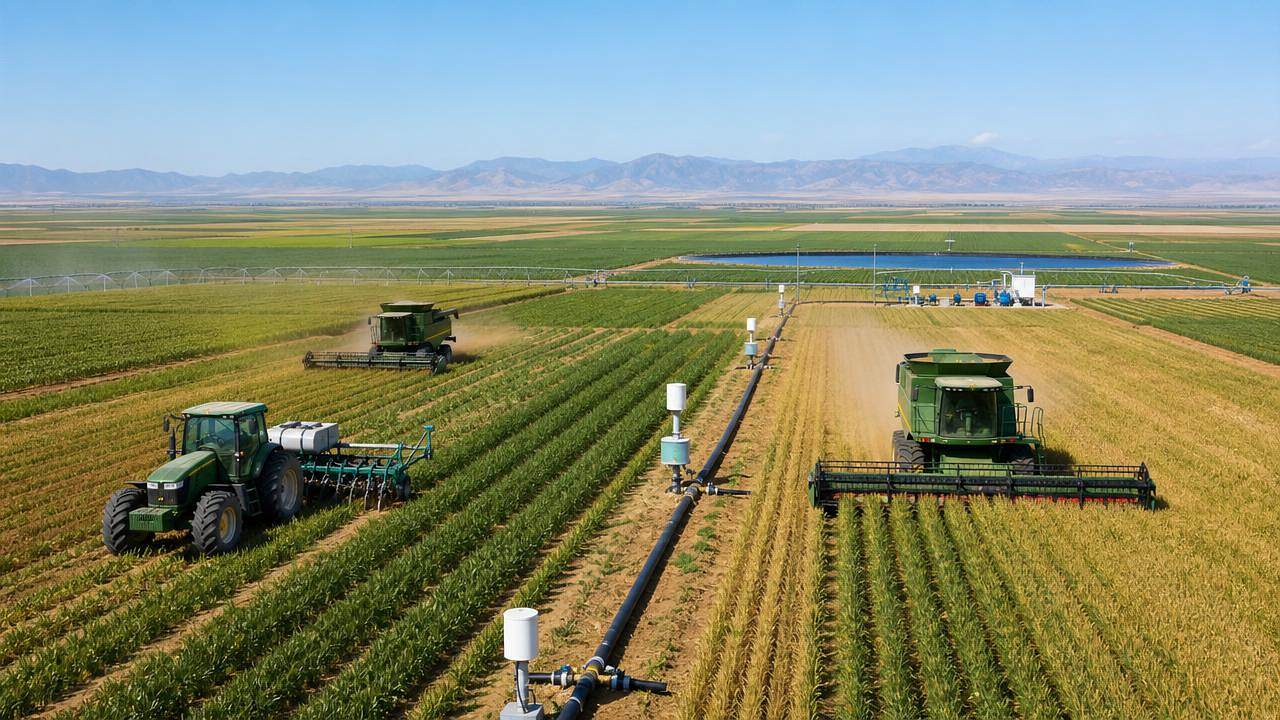




As climate volatility intensifies, climate-smart farming practices for food security face a practical test in real fields, machines, and water networks.
Many plans look strong on paper, yet weaken during drought shocks, delayed planting, harvest loss, or unstable input delivery.
For modern agricultural systems, the real question is not whether a plan is labeled smart.
The real question is whether it can keep yields stable across machinery, irrigation, data, and market pressure.
That is where climate-smart farming practices for food security often succeed or fail.
Why scenario judgment matters in climate-smart farming plans
A dryland grain belt does not need the same resilience design as an irrigated vegetable cluster or a mixed-crop export base.
Weakness emerges when planning frameworks ignore field size, crop timing, machine capacity, and water allocation rules.
Climate-smart farming practices for food security must fit operational reality, not only agronomic theory.
AP-Strategy tracks this gap closely across large-scale agri-machinery, combine harvesting, tractor chassis, intelligent tools, and smart irrigation systems.
In practice, food security weakens when one link modernizes faster than the others.
Scenario 1: Large grain operations with fragmented mechanization
Large grain farms often adopt climate-smart farming practices for food security through conservation tillage, variable-rate inputs, and weather-based scheduling.
However, these gains collapse when machinery fleets are old, mismatched, or poorly synchronized.
A narrow tractor power range can delay land preparation after sudden rain windows.
Uneven planter performance can reduce emergence uniformity, making crops more vulnerable to heat and pest stress.
At harvest, combine losses directly erode food security outcomes that earlier climate-smart investments tried to protect.
The core judgment point is timing capacity per hectare, not only ownership of advanced machines.
Key signs of weakness
- Low field completion rates during short planting windows
- High fuel consumption from outdated tractor chassis
- Poor header matching and grain cleaning loss in combines
- Limited sensor integration across seeding and spraying tools
Scenario 2: Water-stressed regions with weak irrigation governance
In arid and semi-arid zones, climate-smart farming practices for food security depend heavily on water-saving irrigation systems.
Yet efficiency targets weaken when governance remains manual, fragmented, or politically unstable.
Smart valves and drip lines cannot solve poor allocation rules between upstream and downstream users.
If maintenance cycles are irregular, leak losses can offset digital irrigation gains.
If evapotranspiration models use weak local data, irrigation timing may become inaccurate under heat extremes.
The judgment point here is governance quality per water unit delivered.
What often gets overlooked
- Canal reliability and pump energy continuity
- Field-level water metering accuracy
- Repair capacity for filters, emitters, and controllers
- Policy alignment between water pricing and crop choice
Scenario 3: High-value cropping systems with unstable input access
Horticulture, seed production, and intensive mixed farming use climate-smart farming practices for food security differently from staple grain systems.
These operations rely on precise fertigation, crop protection timing, and labor-sensitive harvest quality.
Even strong digital plans weaken when fertilizer supply, spare parts, or specialty seeds become unreliable.
A smart prescription map has little value if no matching input is available during the decision window.
This scenario exposes a wider truth about climate-smart farming practices for food security.
Resilience depends on supply chain continuity as much as field technology.
Scenario 4: Data-rich farms with weak decision integration
Many advanced farms collect satellite imagery, machine telemetry, weather feeds, and soil sensor readings.
Still, climate-smart farming practices for food security can weaken if data remains siloed across platforms.
A harvester may detect losses, while irrigation software tracks stress, yet no one converts signals into unified action.
Poor interoperability slows response during heat spikes, disease pressure, or unexpected rainfall breaks.
The judgment point is not data volume.
It is decision speed from sensing to field execution.
How scenario needs differ across modern agricultural systems
Practical adaptation advice for stronger climate-smart execution
Climate-smart farming practices for food security become more durable when planning teams test each scenario against real operating bottlenecks.
The following actions improve resilience across equipment, water, and intelligence layers.
- Map field operations by critical time window, not by annual machine inventory.
- Measure combine loss, planting uniformity, and irrigation downtime as food security indicators.
- Pair sensor investments with repair parts, operator training, and local service capacity.
- Use water models calibrated with local weather, soil, and crop-stage data.
- Stress-test input supply under price spikes, border delays, or seasonal shortages.
- Connect telemetry, agronomy records, and irrigation controls into one response workflow.
Common misjudgments that weaken food security planning
One common error is treating climate-smart farming practices for food security as a technology checklist.
Buying smart tools without workflow redesign rarely protects production under stress.
Another error is overvaluing yield forecasts while ignoring harvest efficiency, water delivery loss, or spare parts access.
Some plans also assume that digital agriculture scales evenly across regions.
In reality, connectivity, service networks, and operator skill can vary sharply.
A final blind spot is separating sustainability from machine performance.
Food security depends on both resource efficiency and reliable mechanical execution.
What to evaluate next before trusting a climate-smart farming plan
A stronger review starts with scenario matching.
Ask whether the farm system is mainly constrained by machinery timing, water governance, input continuity, or data execution.
Then examine whether climate-smart farming practices for food security are supported by the right backbone.
That backbone includes capable tractor chassis, efficient combines, intelligent farm tools, and water-saving irrigation systems.
It also includes strategic intelligence that converts field signals into timely action.
AP-Strategy follows these links across Agriculture 4.0, helping reveal where resilience is operational and where it is only promised.
When climate-smart farming practices for food security are judged through real scenarios, hidden weaknesses become visible early.
That is the most practical path to protecting yields, strengthening resilience, and securing long-term agricultural value.
Related News
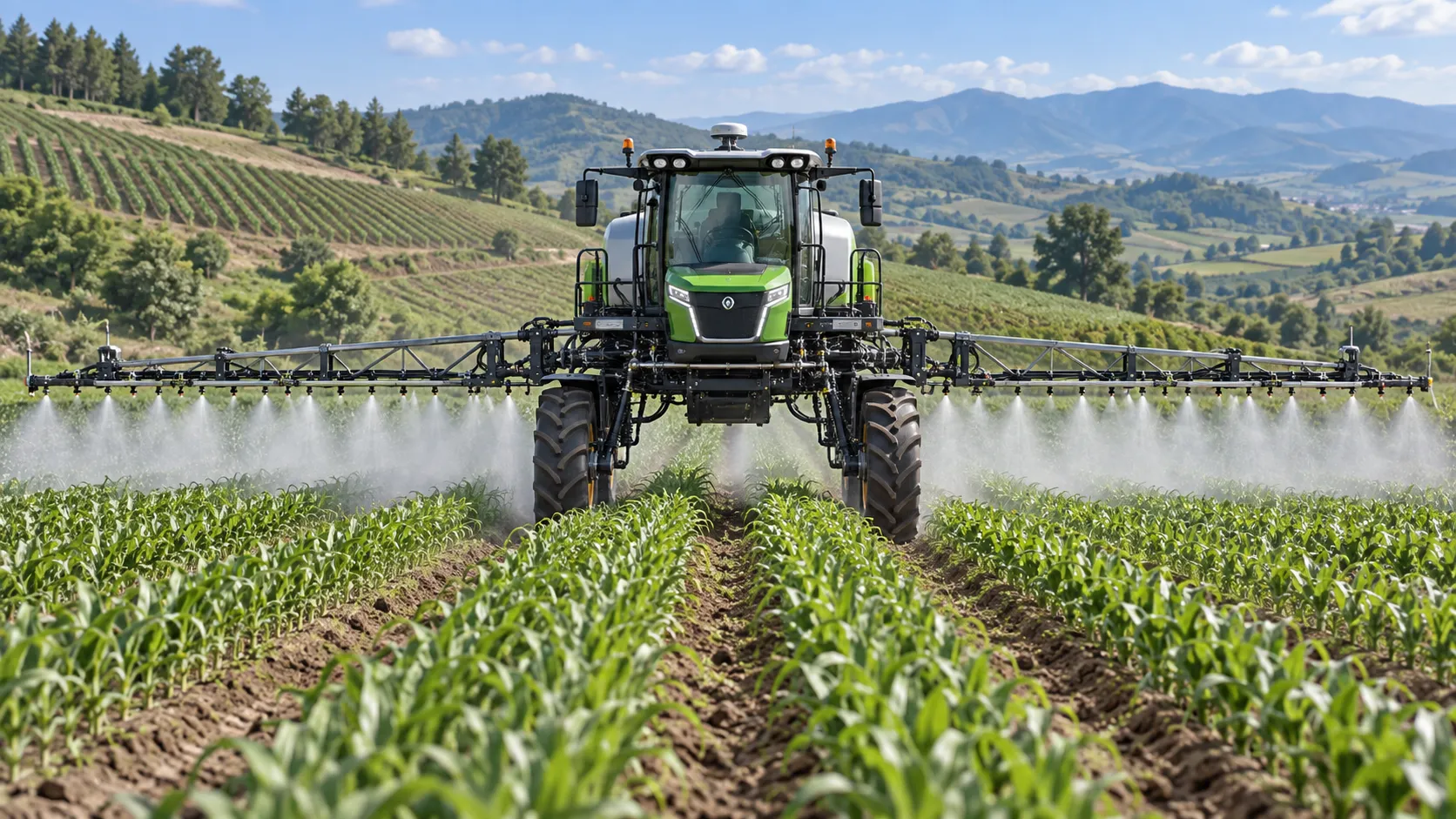
How to Select Precision Crop Protection Equipment for Variable Field Conditions
Precision crop protection equipment selection made simple: compare terrain, canopy, weather, control accuracy, and data workflows for reliable applications.

When Does Agricultural Machinery Leasing Cost Less Than Owning Equipment?
Agricultural machinery leasing can lower farm costs when use is seasonal or uncertain. Compare utilization, maintenance, cash flow, and risk to make a smarter equipment decision.
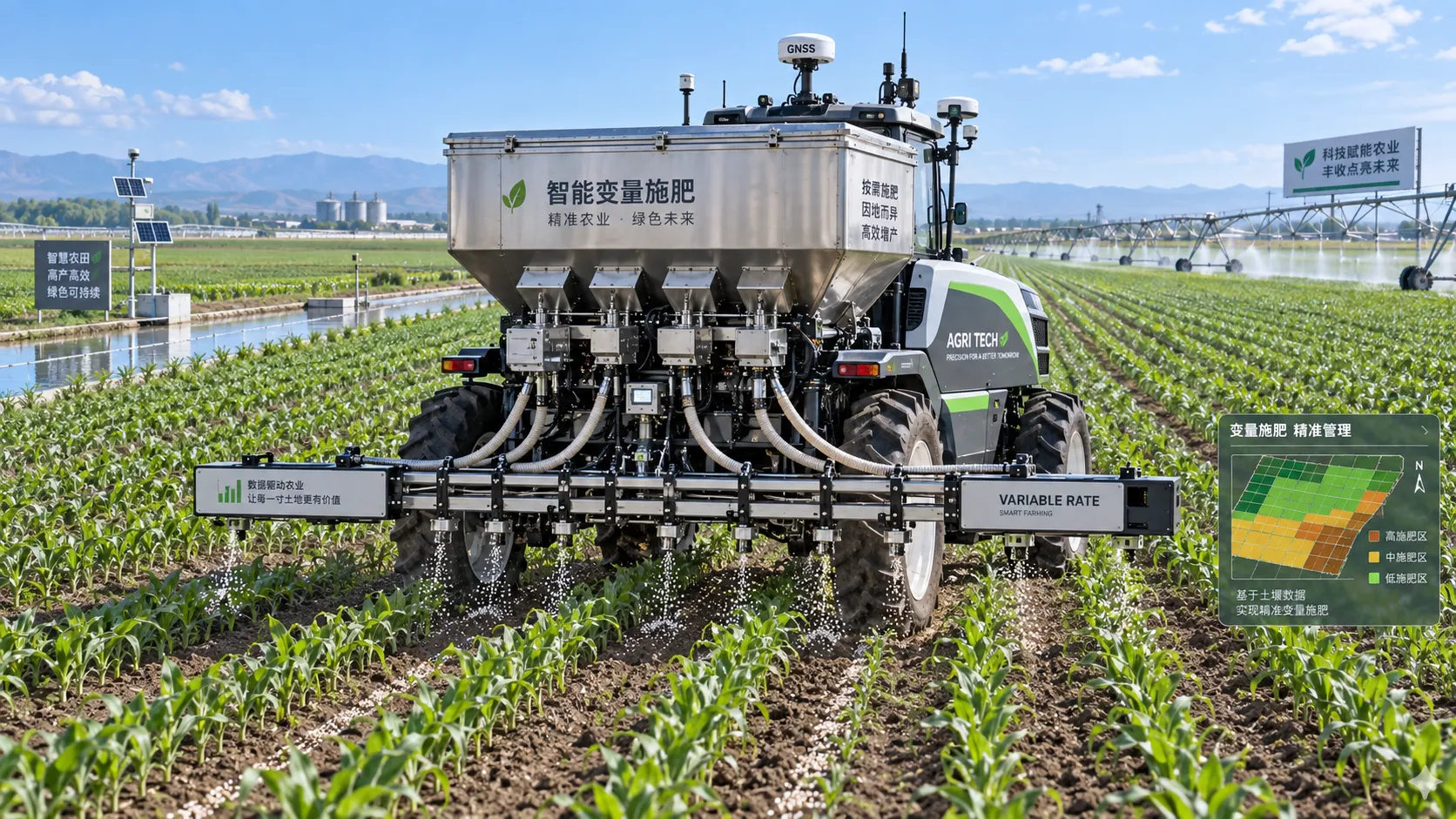
How to Evaluate Precision Fertilization System Suppliers for Farm-Scale Deployment
Precision fertilization systems suppliers: learn how to compare accuracy, integration, uptime, service, and total cost for confident farm-scale deployment.
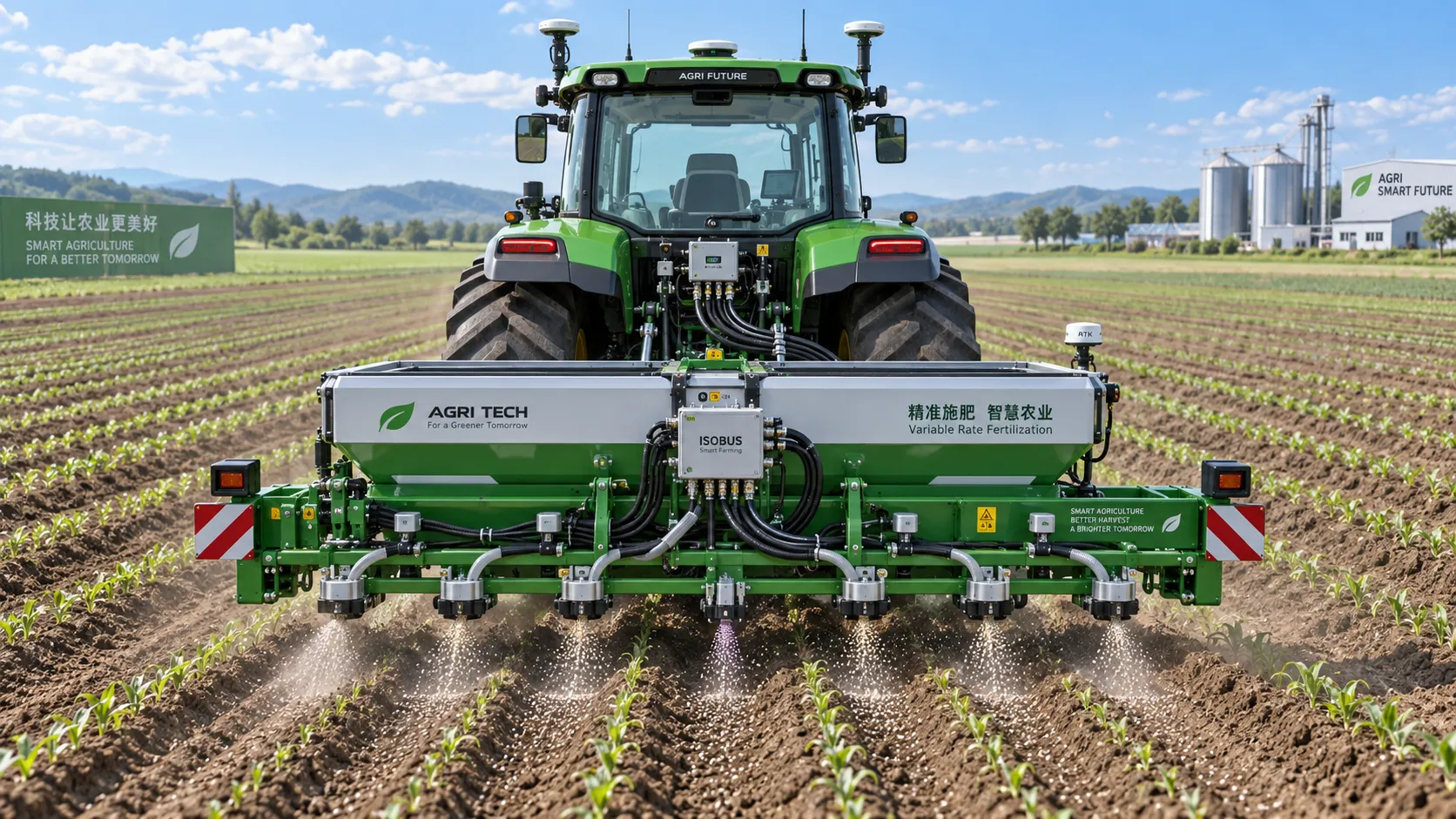
ISOBUS for Smart Agriculture: How It Connects Tractors, Implements, and Farm Data
ISOBUS for smart agriculture connects tractors, implements, terminals, and farm data—helping growers improve precision, documentation, and smarter field decisions.
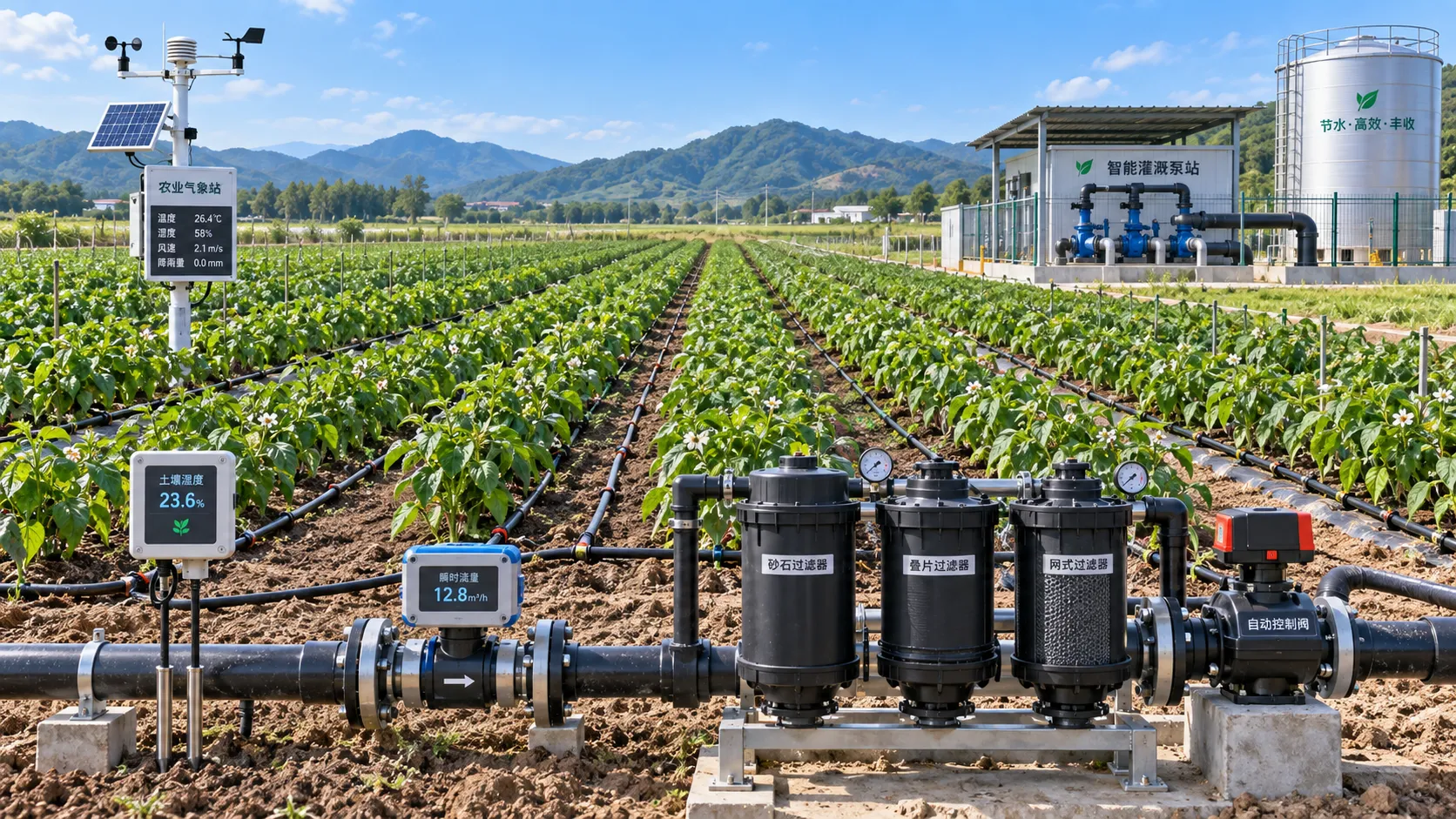
Automated Water-Saving Irrigation: How to Cut Water Use Without Reducing Crop Yields
Automated water-saving irrigation helps farms cut water use, protect crop yields, improve scheduling, and gain reliable control with sensors, flow monitoring, and smart zones.
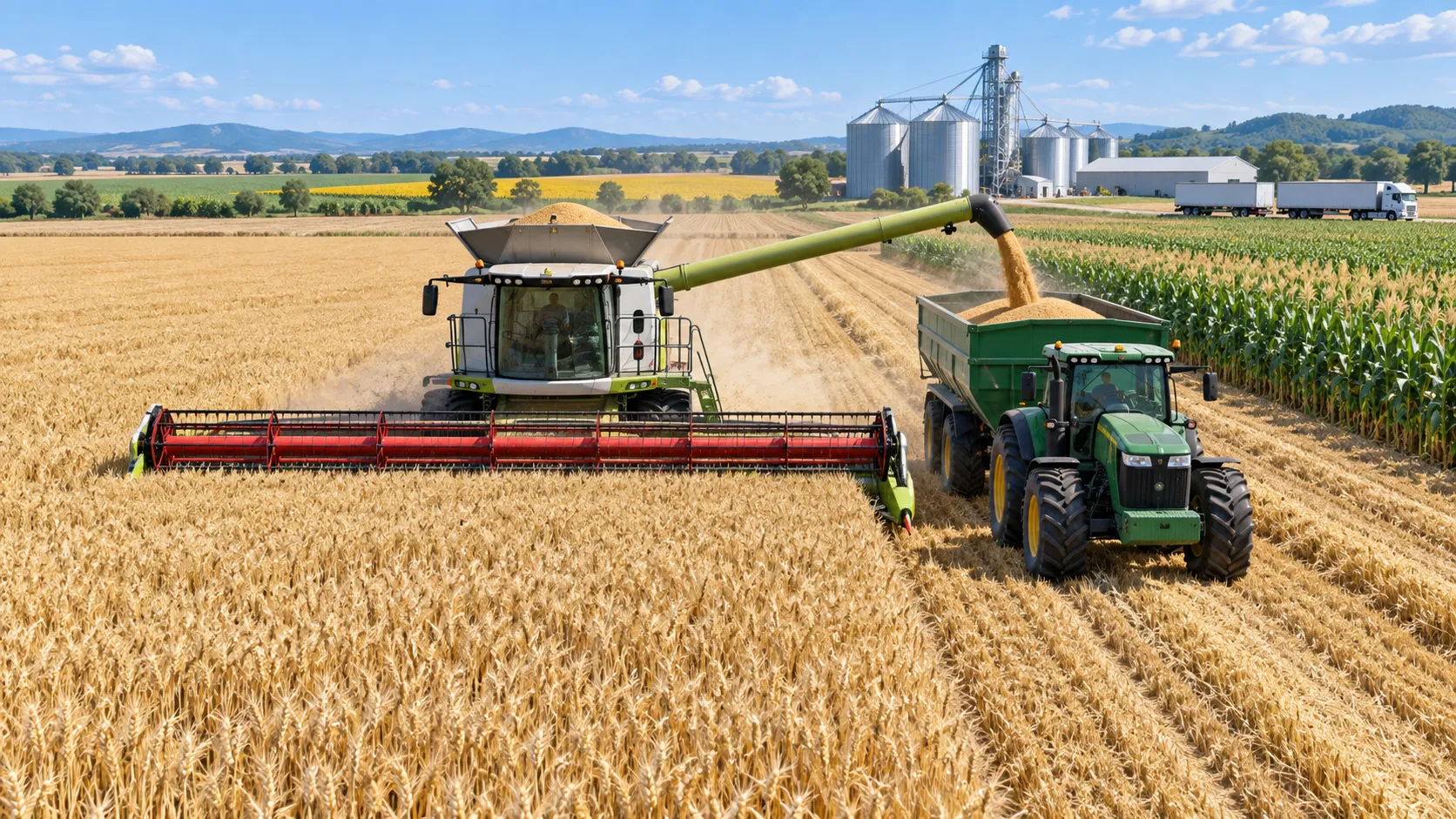
Selecting Grain Farm Equipment by Acreage, Crop Mix, and Harvest Window
Agricultural equipment selection for grain farming: match machinery to acreage, crop mix, and harvest windows to improve uptime, efficiency, and returns.
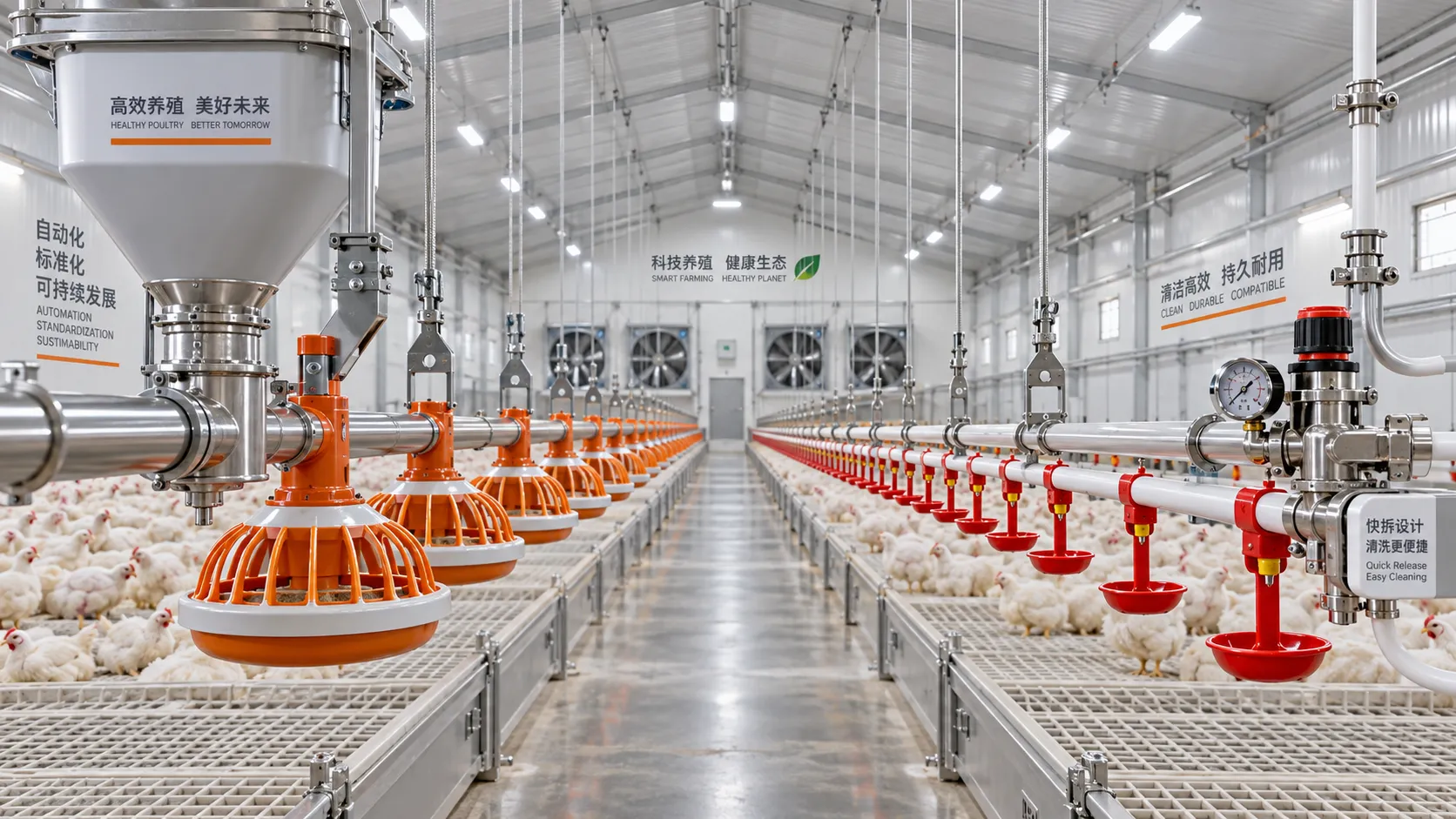
Poultry Equipment Selection: Evaluating Durability, Cleaning, and Compatibility
Poultry equipments selection guide: evaluate durability, cleaning access, and system compatibility to improve hygiene, reduce downtime, and support efficient flock management.
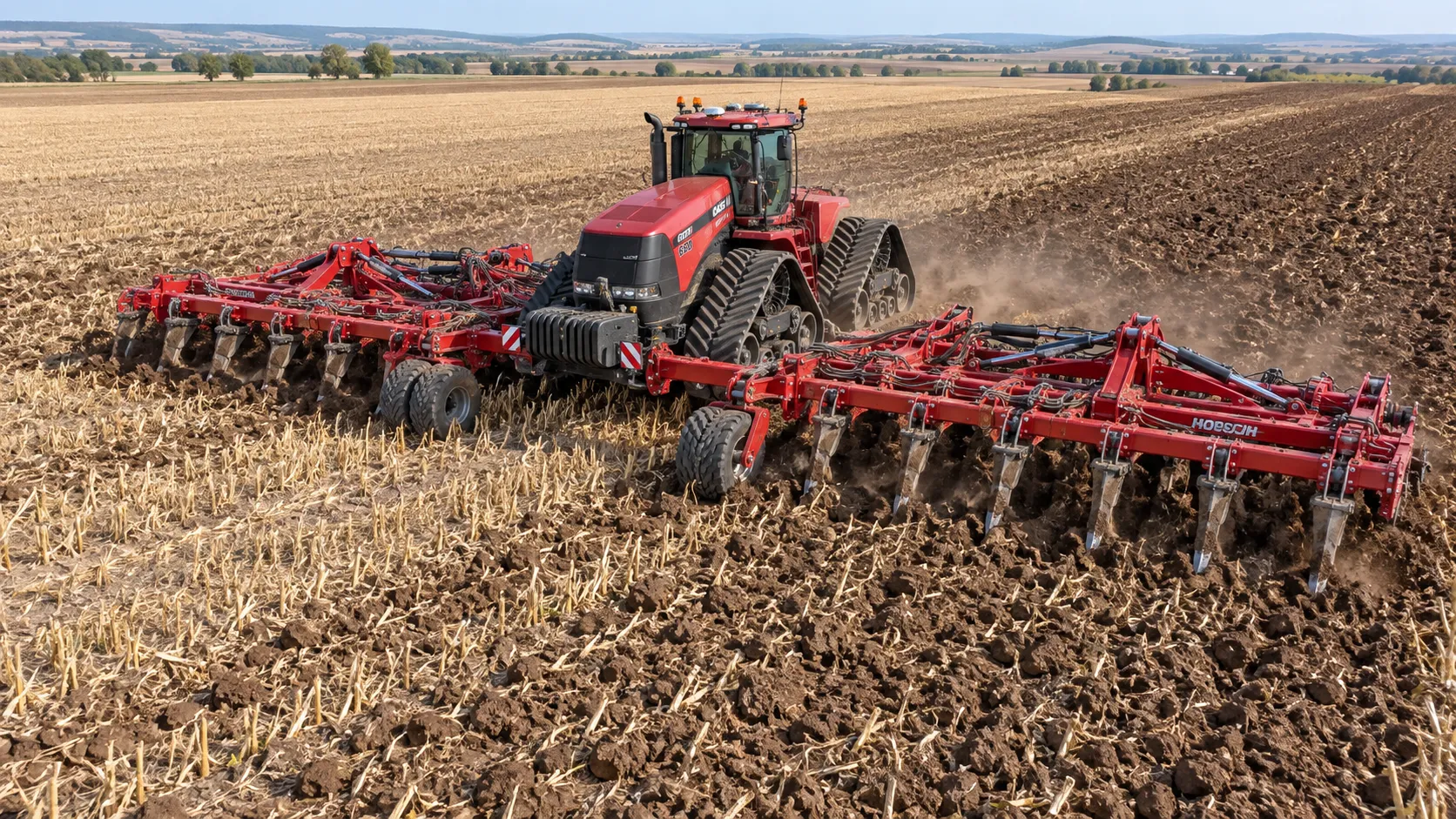
How to Select Heavy-Duty Farm Implements for High-Acreage, High-Horsepower Operations
Heavy duty farm implements: learn how to match draft, hydraulics, hitch capacity, frame strength, and field conditions for reliable high-acreage performance.
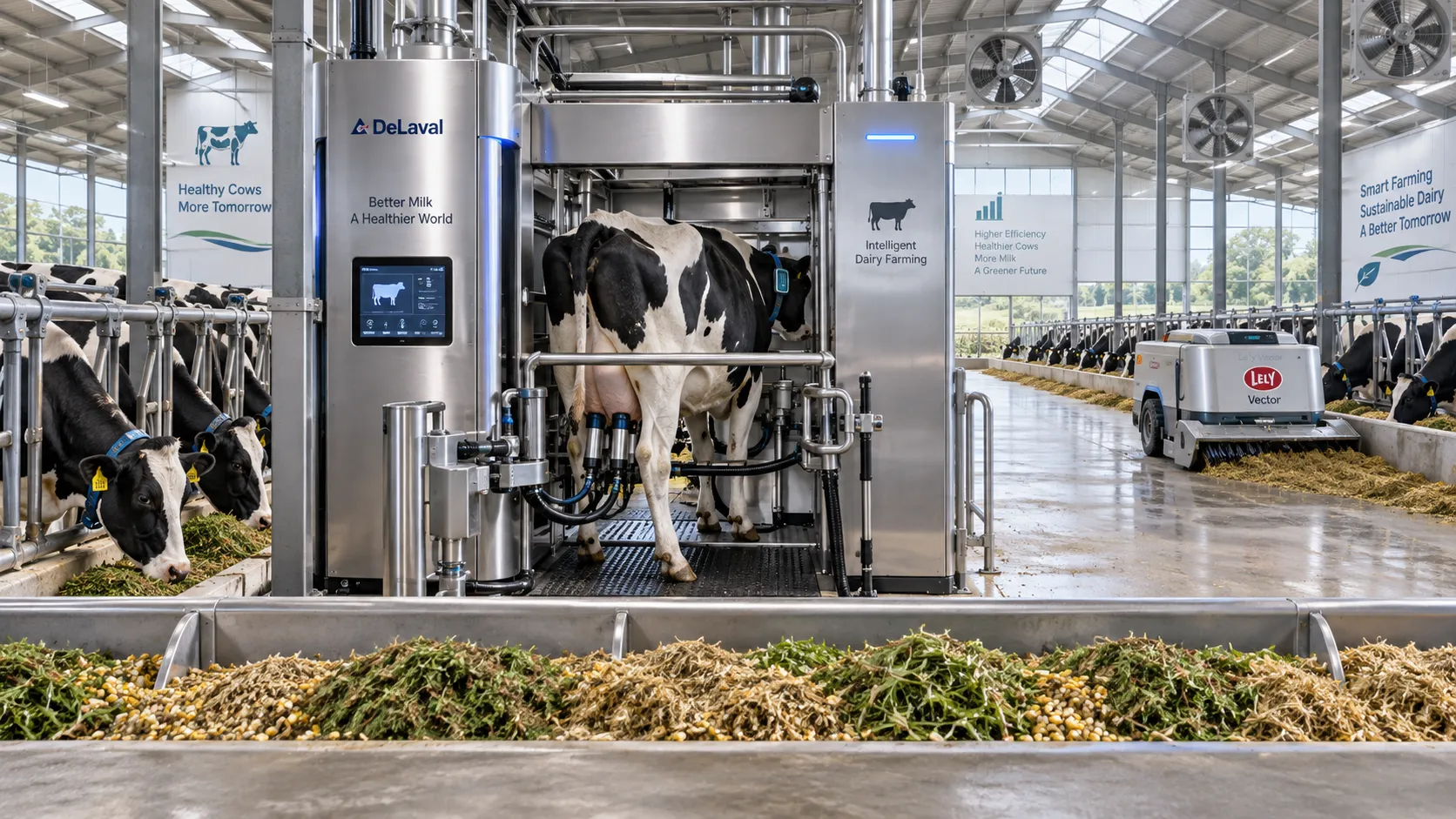
Smart Farming Technology for Dairy Farms: Where Automation Delivers Measurable ROI
Smart farming technology for dairy farms delivers measurable ROI through automation, precision feeding, health monitoring, and data-driven cost control.
Related News
- 00
0000-00
When Does Agricultural Machinery Leasing Cost Less Than Owning Equipment? - 00
0000-00
Selecting Grain Farm Equipment by Acreage, Crop Mix, and Harvest Window - 00
0000-00
Poultry Equipment Selection: Evaluating Durability, Cleaning, and Compatibility - 00
0000-00
How to Select Heavy-Duty Farm Implements for High-Acreage, High-Horsepower Operations - 00
0000-00
Smart Farming Technology for Dairy Farms: Where Automation Delivers Measurable ROI
Popular Tags
Ms. Elena Rodriguez
Weekly Insights
Stay ahead with our curated technology reports delivered every Monday.