
Plant protection solutions that fit precision agriculture better
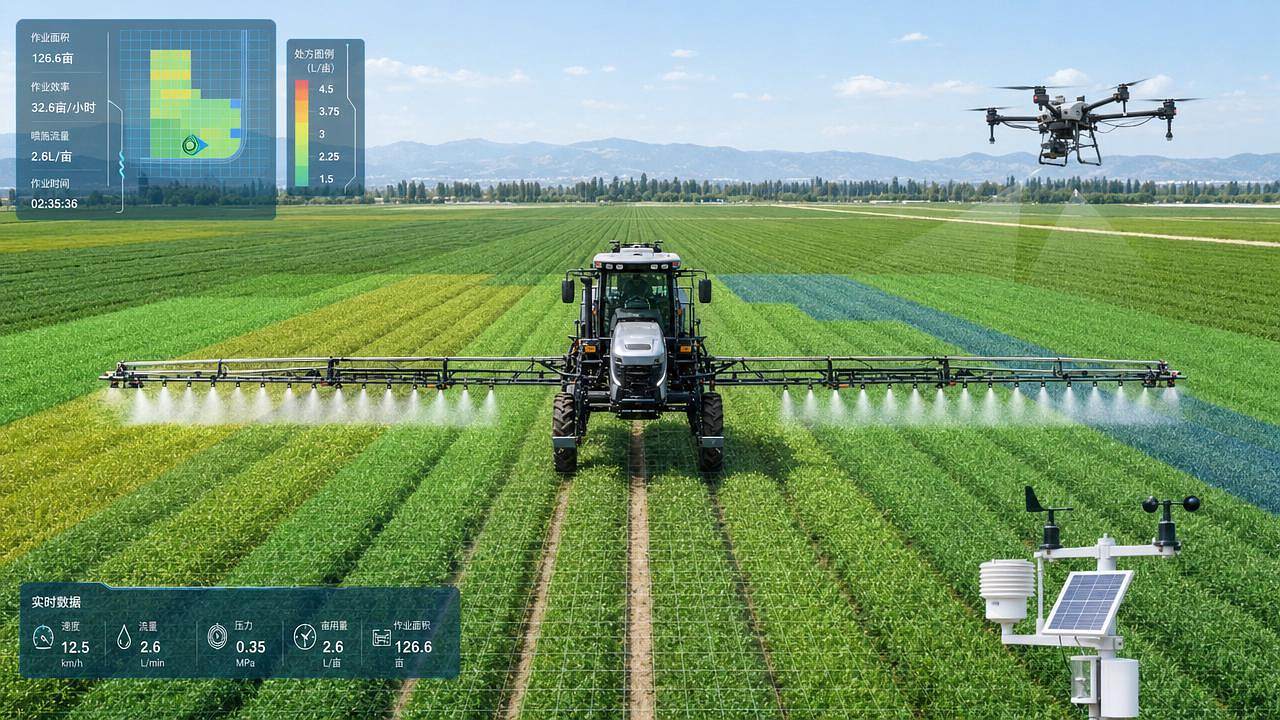




For procurement teams navigating Agriculture 4.0, choosing plant protection solutions for precision agriculture is no longer just about chemical efficacy—it is about compatibility with smart machinery, data-driven field management, and long-term operating efficiency. From large-scale sprayers to sensor-guided application systems, the right solution can reduce input waste, improve crop safety, and strengthen return on investment across modern farming operations.
For buyers responsible for fleet planning, seasonal supply continuity, and technology integration, the decision now touches multiple layers: tank chemistry stability, nozzle accuracy, controller compatibility, telematics connectivity, operator training, and after-sales support. In large-scale farming environments, even a 3% to 5% reduction in spray overlap can materially influence annual input cost.
That is why plant protection solutions for precision agriculture should be evaluated as complete operating systems rather than standalone crop inputs. In the AP-Strategy view, procurement value emerges when agronomy, machinery performance, and field intelligence work together across the full production cycle, from pre-emergence protection to in-season variable-rate treatment.
Why Precision Agriculture Demands a Different Plant Protection Approach
Traditional purchasing often focused on product price per liter or per hectare. In modern operations covering 500 to 5,000 hectares, that approach is too narrow. Precision farming introduces GPS guidance, section control, sensor inputs, and prescription mapping, which means plant protection solutions for precision agriculture must perform consistently under digital application conditions.
A conventional chemical package may still control weeds, pests, or disease, but if its formulation causes unstable flow at low-rate variable application, nozzle clogging during a 10- to 12-hour shift, or compatibility issues with onboard rate controllers, the hidden operating cost rises quickly. Procurement teams therefore need a wider technical checklist.
Core shifts in the buying criteria
- Compatibility with ISOBUS, GPS guidance, and variable-rate control systems
- Stable performance across pressure bands such as 2 to 5 bar and varying droplet sizes
- Tank-mix behavior during long field windows of 6 to 14 hours
- Reduced drift potential under wind thresholds commonly kept below 12 to 15 km/h
- Data traceability for compliance, residue management, and input benchmarking
Where procurement mistakes usually happen
Many buyers still compare offers using only unit price, active ingredient concentration, and supplier lead time. Those remain important, but they do not reveal how the solution behaves inside self-propelled sprayers, trailed booms, drone-assisted scouting workflows, or sensor-guided spot treatment systems. The result is often a mismatch between field potential and application capability.
Another common issue is buying separately across chemistry, hardware, and service. Precision operations work better when nozzles, pumps, filters, mapping software, field records, and agronomic recommendations are aligned. In practice, separating these decisions can add 2 to 3 more service interventions per season and slow operator response during critical spray windows.
A practical definition for buyers
In procurement terms, plant protection solutions for precision agriculture include four connected layers: the crop protection input itself, the application platform, the decision support system, and the service framework. When one layer underperforms, field efficiency, crop safety, and return on assets all decline together.
Key Components of Plant Protection Solutions for Precision Agriculture
To select the right package, buyers should break the offer into measurable components. This makes supplier comparison clearer and reduces the risk of choosing a solution that looks competitive on paper but creates avoidable downtime in the field.
Component-by-component evaluation
The table below outlines the main building blocks procurement teams should examine when reviewing plant protection solutions for precision agriculture across large-field, mechanized operations.
The most important conclusion is that no single component can be purchased in isolation. A high-grade formulation loses value if pressure control is unstable. A digital map creates limited benefit if boom sections cannot execute commands accurately within 20 to 30 centimeters of target boundaries.
Typical application scenarios
Different crops and machine fleets call for different solution bundles. Broadacre cereals, row crops, orchards, and mixed operations each require distinct spray logic, treatment frequency, and sensor support.
- Broadacre cereal farms often prioritize high boom width, overlap reduction, and fast refill cycles.
- Row crop operations usually need variable-rate capability tied to weed patches, vigor zones, or disease pressure.
- High-value crops place more emphasis on canopy penetration, residue management, and stricter operator calibration routines.
- Contract service providers need flexible system interoperability across multiple customer machine brands.
How Procurement Teams Should Compare Solutions
A structured comparison process helps buyers move beyond brochure claims. In many tenders, the winning supplier is not the cheapest at purchase point but the one that delivers lower cost per treated hectare over 2 to 4 seasons. This is especially true when precision functions improve utilization rates across large machinery fleets.
Five decision dimensions that matter most
- Application precision: rate stability, shutoff responsiveness, and drift management
- Operational fit: compatibility with existing sprayers, tractors, and digital platforms
- Total cost: consumables, cleaning time, maintenance, software, and training
- Supply reliability: lead times, local inventory, seasonal surge capacity
- Support quality: field troubleshooting, calibration guidance, and parts availability
A practical supplier comparison matrix
The following matrix can help procurement teams score vendors more objectively when evaluating plant protection solutions for precision agriculture in B2B purchasing processes.
This comparison method helps reveal the difference between nominal price and usable value. A vendor with a 4% higher initial quote may still offer lower annual operating cost if setup time is shorter, part availability is faster, and field accuracy reduces chemical waste by even a modest margin.
Questions buyers should ask before signing
Ask whether the supplier has experience integrating with mixed-brand fleets, how the solution behaves under hard water conditions, what filter and nozzle maintenance intervals are recommended, and whether in-season support is available during the first 30 to 60 days after commissioning. These questions often expose implementation risk earlier than price negotiations do.
Implementation, Risk Control, and Long-Term Value
Even strong procurement decisions can underperform if implementation is rushed. Plant protection solutions for precision agriculture need field validation, operator alignment, and maintenance discipline. In many operations, the first season should be treated as a controlled optimization phase rather than a one-time equipment handover.
A 5-step rollout framework
- Audit current machinery, control systems, and field record practices.
- Match formulations and hardware to crop mix, hectare scale, and spray windows.
- Run calibration tests across at least 2 or 3 representative field conditions.
- Train operators on pressure settings, nozzle changes, and cleaning procedures.
- Review treatment data after the first 100 to 300 hectares and adjust settings.
Common risks and how to reduce them
Three risks deserve special attention. First is mismatch between chemistry and application system, which can lead to sedimentation, foam, or blocked lines. Second is digital underuse, where precision features are purchased but not configured properly. Third is service bottleneck risk during the season, especially when spare nozzles, sensors, or controller components are not stocked locally.
Procurement teams can reduce these risks by specifying acceptance criteria in advance. Examples include application deviation tolerance, training hours per machine, spare parts availability window, and required documentation for calibration and software setup. These measurable points create accountability after delivery.
Maintenance indicators worth tracking
- Nozzle wear checks every 200 to 300 operating hours
- Filter inspection frequency before each high-volume spray cycle
- Controller update review once per season or after major mapping changes
- Tank cleanout time and residue incidence after mixed-product use
Why intelligence-led sourcing is becoming more important
As machinery, agronomy, and sustainability targets become more interconnected, sourcing decisions increasingly depend on reliable market intelligence. That is where AP-Strategy’s perspective is relevant for buyers. Procurement today is no longer only a purchasing function; it is a field performance function linked to food security, resource efficiency, and long-cycle capital planning.
By tracking developments in large-scale agri-machinery, intelligent farm tools, and water-saving systems, procurement leaders can compare plant protection solutions for precision agriculture in the wider context of fleet modernization. This broader view is especially useful when aligning spray platforms with tractor hydraulics, telematics, satellite guidance, and sustainability reporting requirements.
What Stronger Procurement Outcomes Look Like
The best purchasing outcomes are usually visible in four areas: fewer repeat passes, better timing across narrow crop protection windows, more consistent treatment records, and lower hidden labor cost. Those gains may appear incremental at field level, but across large acreages they can materially improve seasonal efficiency and support better budget control.
For organizations comparing suppliers, the priority should be clear: choose plant protection solutions for precision agriculture that fit your machines, your data environment, and your service expectations. Precision value is created not by one product claim, but by the coordinated performance of chemistry, hardware, digital controls, and operational support.
If you are reviewing upcoming sourcing plans for sprayers, smart application systems, or broader Agriculture 4.0 investment priorities, AP-Strategy can help you assess the technical and commercial factors with greater clarity. Contact us to discuss your procurement goals, get a tailored solution view, or learn more about intelligent plant protection strategies for modern farming operations.
Related News
When Does Agricultural Machinery Leasing Cost Less Than Owning Equipment?
Agricultural machinery leasing can lower farm costs when use is seasonal or uncertain. Compare utilization, maintenance, cash flow, and risk to make a smarter equipment decision.
How to Evaluate Precision Fertilization System Suppliers for Farm-Scale Deployment
Precision fertilization systems suppliers: learn how to compare accuracy, integration, uptime, service, and total cost for confident farm-scale deployment.
ISOBUS for Smart Agriculture: How It Connects Tractors, Implements, and Farm Data
ISOBUS for smart agriculture connects tractors, implements, terminals, and farm data—helping growers improve precision, documentation, and smarter field decisions.
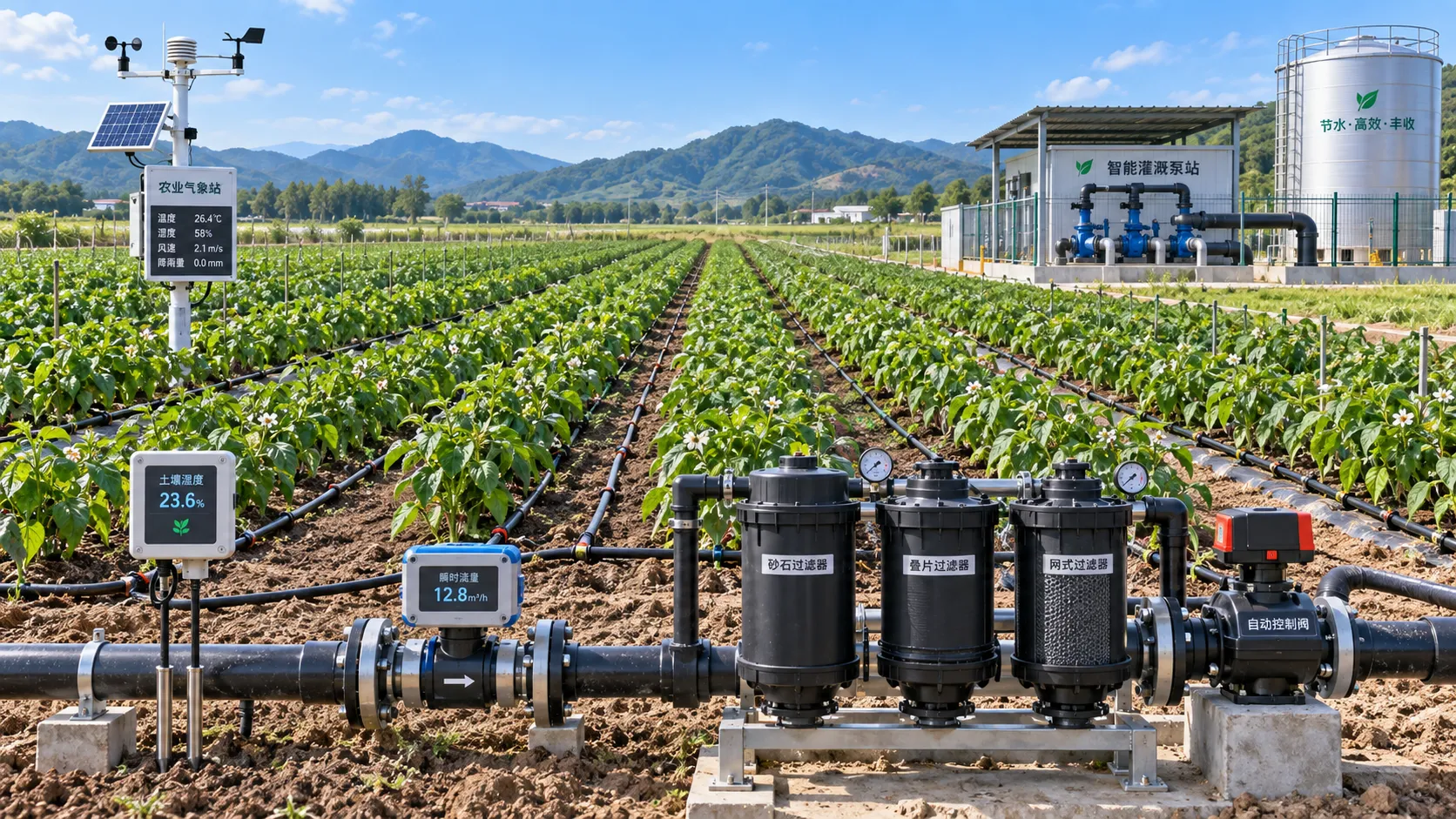
Automated Water-Saving Irrigation: How to Cut Water Use Without Reducing Crop Yields
Automated water-saving irrigation helps farms cut water use, protect crop yields, improve scheduling, and gain reliable control with sensors, flow monitoring, and smart zones.
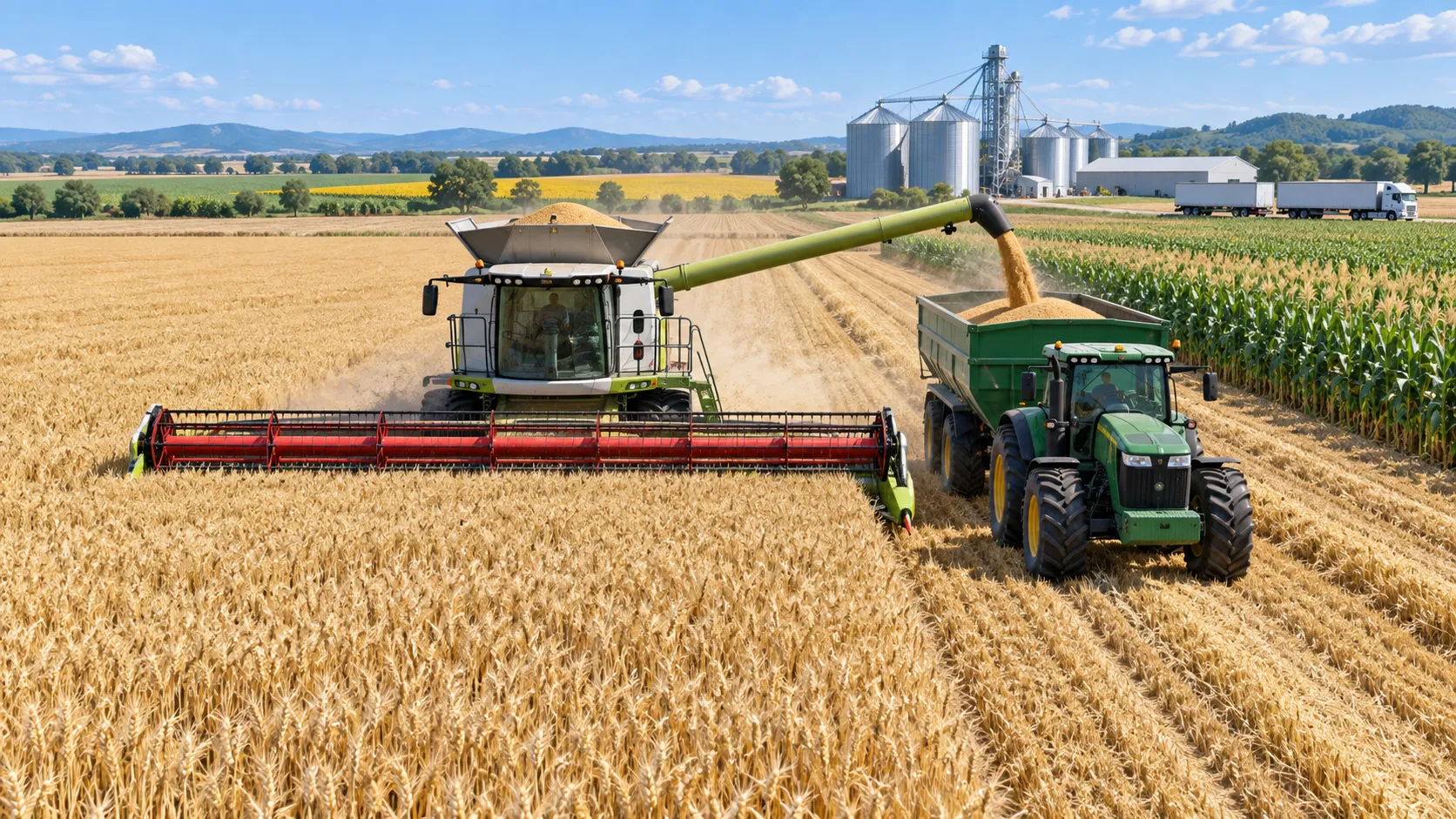
Selecting Grain Farm Equipment by Acreage, Crop Mix, and Harvest Window
Agricultural equipment selection for grain farming: match machinery to acreage, crop mix, and harvest windows to improve uptime, efficiency, and returns.
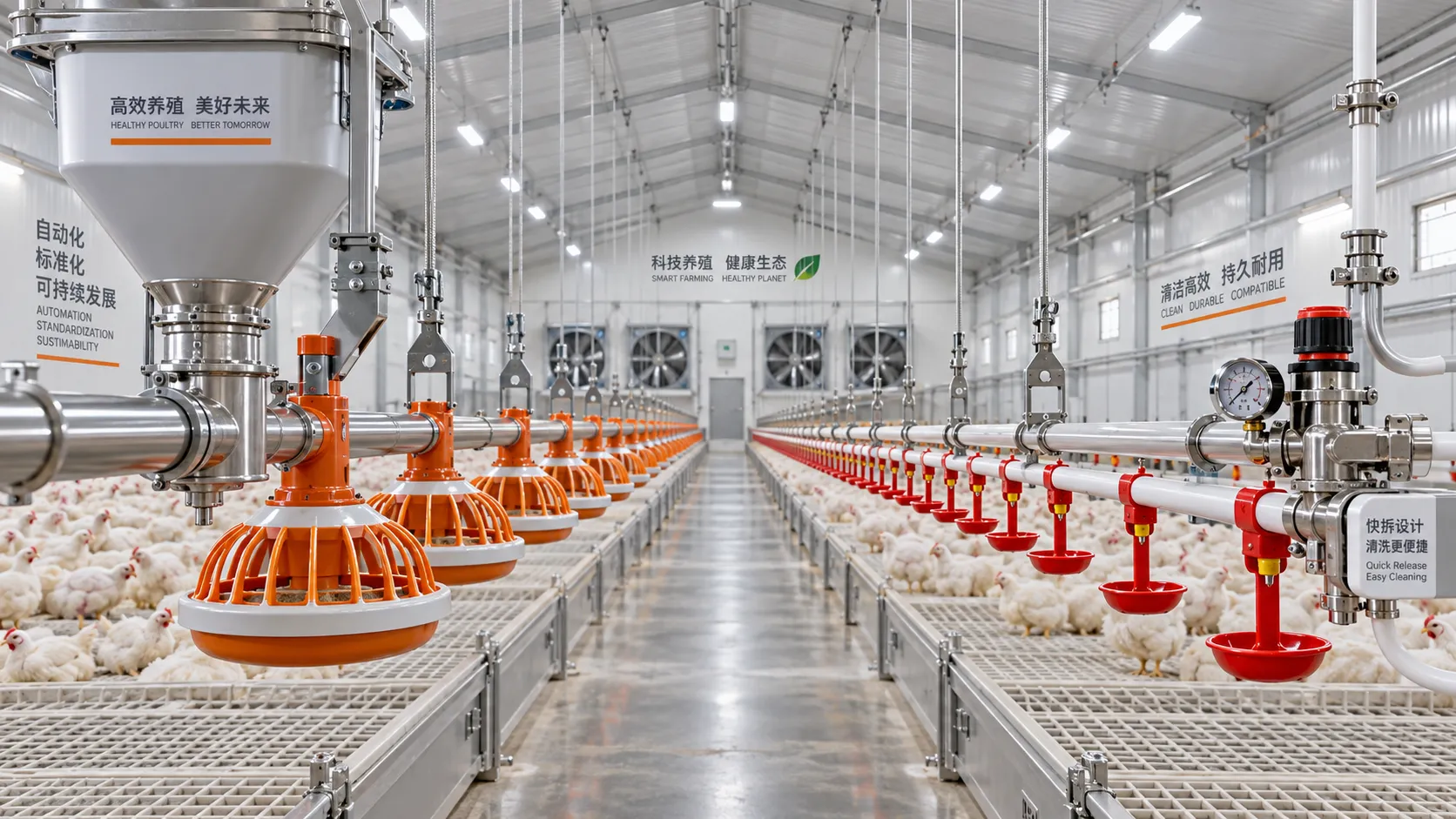
Poultry Equipment Selection: Evaluating Durability, Cleaning, and Compatibility
Poultry equipments selection guide: evaluate durability, cleaning access, and system compatibility to improve hygiene, reduce downtime, and support efficient flock management.
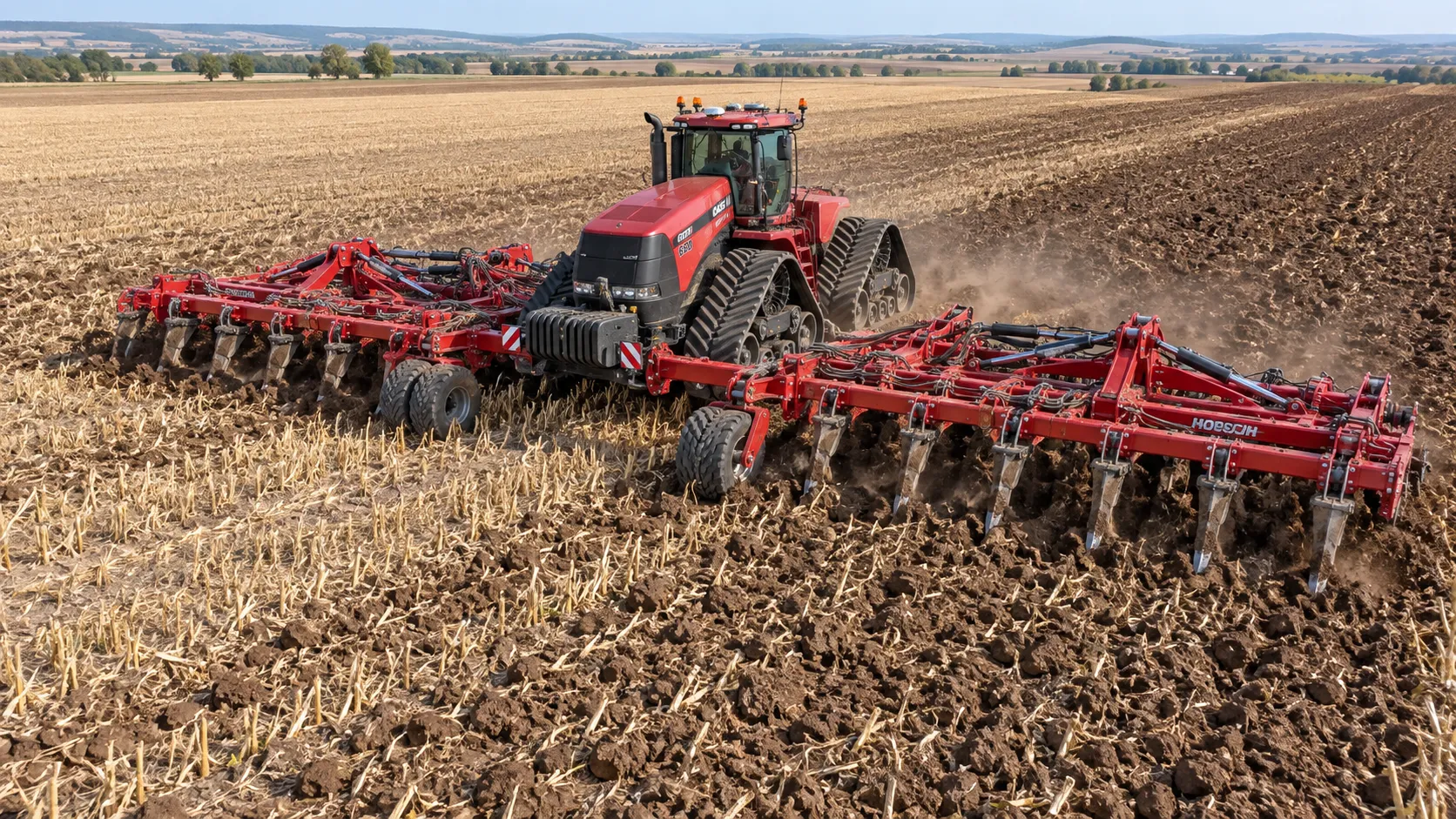
How to Select Heavy-Duty Farm Implements for High-Acreage, High-Horsepower Operations
Heavy duty farm implements: learn how to match draft, hydraulics, hitch capacity, frame strength, and field conditions for reliable high-acreage performance.
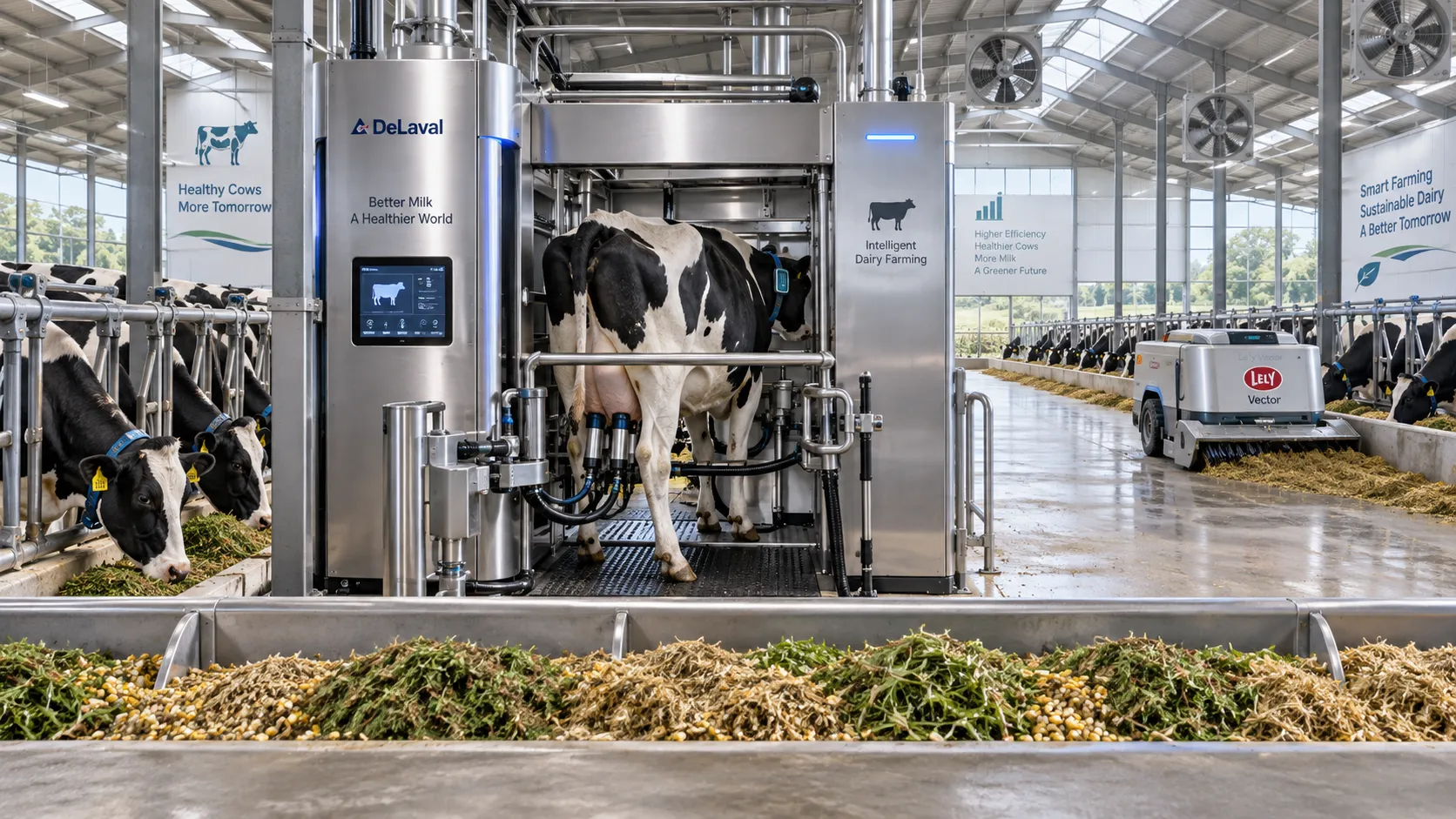
Smart Farming Technology for Dairy Farms: Where Automation Delivers Measurable ROI
Smart farming technology for dairy farms delivers measurable ROI through automation, precision feeding, health monitoring, and data-driven cost control.
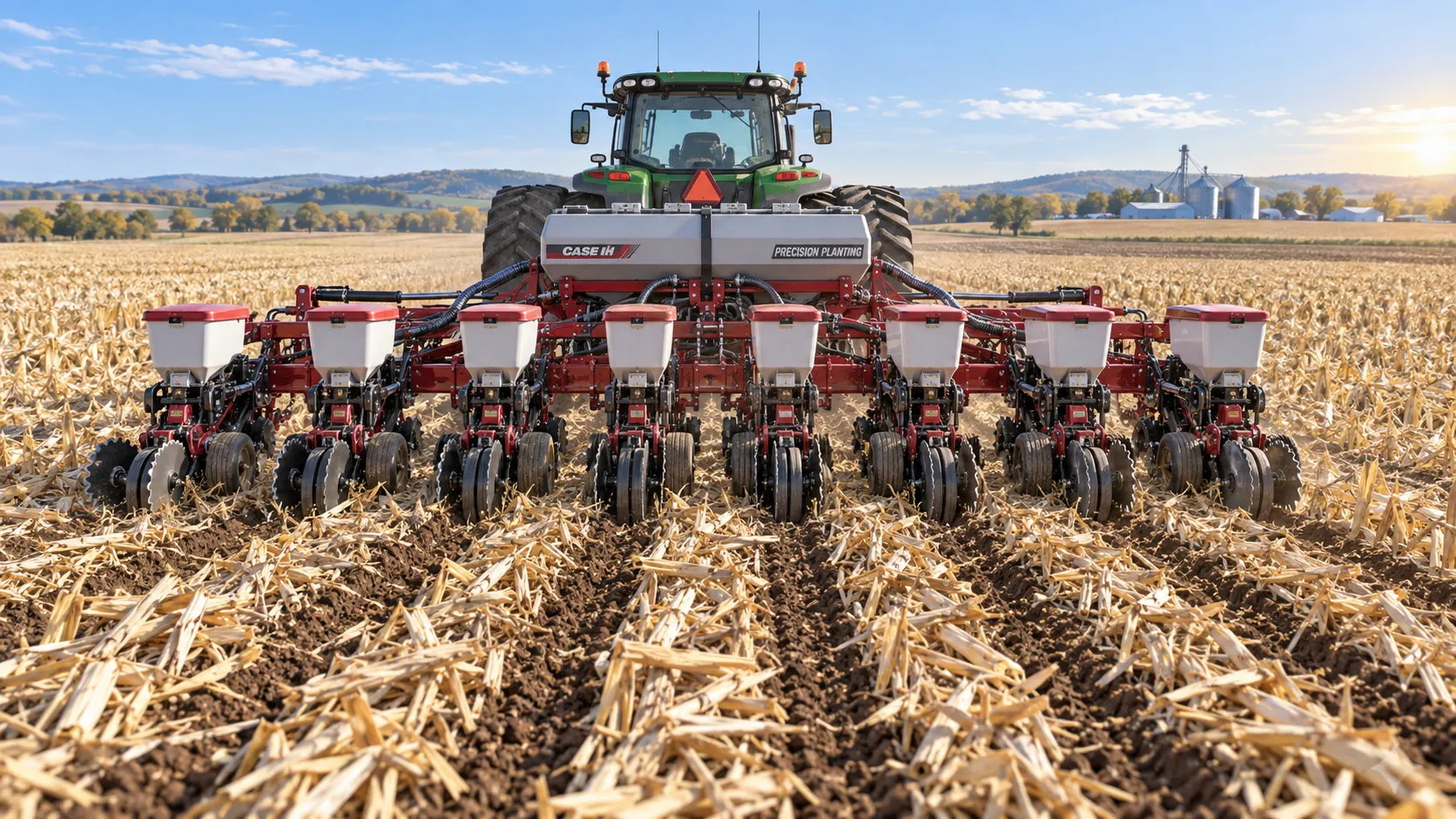
How to Select a Heavy-Duty Seeder for Large Acreage and High-Residue Fields
Heavy duty seeders for large acreage: compare residue handling, depth control, downforce, metering accuracy, and precision features to select the right model.
Related News
- 00
0000-00
How to Choose Plant Protection Equipment for Vineyard Pests - 00
0000-00
How to Read Agricultural Equipment Specifications for Sprayers Before You Compare Models - 00
0000-00
BIS Extends Fast-Track Approval for Self-Propelled Sprayers - 00
0000-00
Intelligent Sprayer Technology: Which Functions Matter Most for Field Efficiency? - 00
0000-00
How to Choose Plant Protection Equipment for Orchards by Tree Height, Row Spacing, and Spray Drift
Popular Tags
Agri-Mechanization Fellow
Weekly Insights
Stay ahead with our curated technology reports delivered every Monday.