
CIBF2026 Launches Global First Fast-Swap Interface Standard for Agricultural EV Batteries
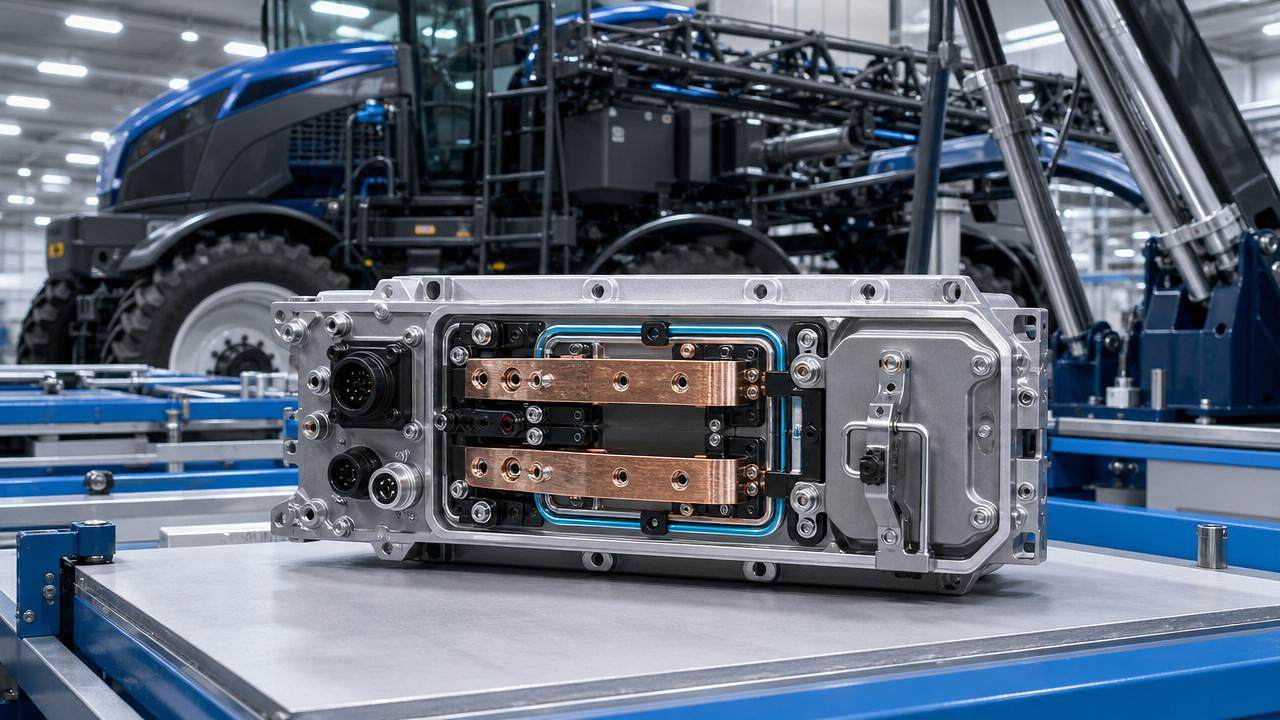




On May 9, 2026, the 18th Shenzhen International Battery Fair (CIBF2026) opened, marking the global debut of the T/CIAPS 026-2026 standard — the first industry specification for fast-swap battery interfaces dedicated to agricultural electric machinery. Its release signals a structural shift in how electrification is being standardized across high-mobility, mission-critical farm equipment — moving beyond passenger vehicles and energy storage into mechanized agriculture, where interoperability, thermal management, and field-deployable serviceability are non-negotiable.
Event Overview
On May 9, 2026, the China Chemical & Physical Power Source Association, in collaboration with CATL and Lovol, launched the General Specification for Fast-Swap Interfaces of Power Batteries for Agricultural Electric Machinery (T/CIAPS 026-2026) at CIBF2026. The standard defines a modular interface applicable to self-propelled sprayers, autonomous field robots, and hydraulic lift systems. It specifies mechanical locking mechanisms, integrated liquid-cooling channels, and CAN FD communication protocols. UL Solutions has granted preliminary recognition; the standard is expected to serve as a technical reference for electric retrofit programs in North America and the EU.
Industries Impacted
Direct Trade Enterprises: Exporters and OEM distributors targeting North American and EU agricultural markets will face new conformity requirements when sourcing or branding battery-integrated machinery. Compliance with T/CIAPS 026-2026 may become a de facto prerequisite for customs clearance or subsidy eligibility — particularly under evolving EU Green Deal agricultural support frameworks and U.S. USDA Electrification Pilot Program guidelines.
Raw Material Procurement Enterprises: Suppliers of aluminum alloys (for interface housings), copper-based busbars (for high-current liquid-cooled terminals), and specialized gasketing materials (for IP67-rated coolant sealing) may see demand shifts. The standard’s dimensional and thermal interface specifications constrain material substitution options — procurement strategies must now align with certified interface geometry and thermal expansion tolerances, not just electrochemical performance.
Manufacturing Enterprises: Battery pack integrators and agricultural OEMs must revise assembly lines to accommodate precision-machined interface modules, dual-path validation (mechanical + thermal + communication), and CAN FD firmware integration. Unlike legacy DC charging architectures, this standard mandates synchronized hardware-software certification — raising time-to-market and validation cost for new platform launches.
Supply Chain Service Providers: Third-party testing labs, certification consultants, and logistics firms offering “pre-clearance” services for North America/EU will need to develop T/CIAPS 026-2026-specific test protocols — especially for mechanical durability under vibration (ISO 10326-2) and coolant leakage under thermal cycling. Absence of harmonized test procedures today means early adopters bear higher verification risk.
Key Focus Areas and Response Measures
Verify interface compatibility across existing product portfolios
Manufacturers should conduct gap analysis between current battery module designs and T/CIAPS 026-2026’s mechanical envelope, coolant port locations, and CAN FD message ID mapping — especially for legacy platforms undergoing incremental electrification.
Engage UL Solutions and EU Notified Bodies early
Given UL’s preliminary recognition but absence of full accreditation, companies planning exports should initiate pre-assessment dialogues now — focusing on interface repeatability testing and firmware audit readiness, rather than waiting for formal adoption timelines.
Update supplier contracts to include interface compliance clauses
Procurement agreements with cell suppliers, BMS vendors, and thermal module makers must explicitly reference T/CIAPS 026-2026’s interface-level integration responsibilities — avoiding ambiguity over who bears rework costs if mechanical or communication mismatches emerge during system validation.
Editorial Perspective / Industry Observation
Observably, this standard does not merely codify an interface — it institutionalizes a service architecture: the fast-swap paradigm assumes battery-as-a-service (BaaS) models, depot-based thermal conditioning, and fleet-level state-of-health tracking. Analysis shows that its real strategic weight lies in enabling cross-OEM battery pooling — a prerequisite for economically viable battery leasing in low-utilization, high-capital-cost farming operations. From an industry perspective, T/CIAPS 026-2026 is better understood as infrastructure enabler than component spec. Current more critical questions involve whether regional regulators will mandate adherence — and whether competing interface proposals (e.g., from ASABE or ISO TC 23/SC 19) will converge or fragment implementation.
Conclusion
The launch of T/CIAPS 026-2026 represents a foundational step toward interoperable, serviceable, and export-ready agricultural electrification. Rather than signaling immediate regulatory enforcement, it establishes a technical consensus point — one that lowers coordination costs among battery makers, machinery OEMs, and after-sales networks. A rational interpretation is that its near-term value lies less in compliance deadlines and more in shaping R&D roadmaps, supply chain investments, and cross-border partnership structures over the next 18–24 months.
Source Attribution
Official publication: China Chemical & Physical Power Source Association (CCPSA), Standard No. T/CIAPS 026-2026, effective May 9, 2026.
UL Solutions Preliminary Recognition Statement (Ref: UL-PR-2026-AG-004), issued May 8, 2026.
Further developments to be monitored: Formal adoption status by EU Commission under Regulation (EU) 2023/1625 (Agri-Machinery Ecodesign); U.S. EPA and USDA alignment with T/CIAPS 026-2026 in upcoming Farm Equipment Electrification Incentive Guidelines.
Related News
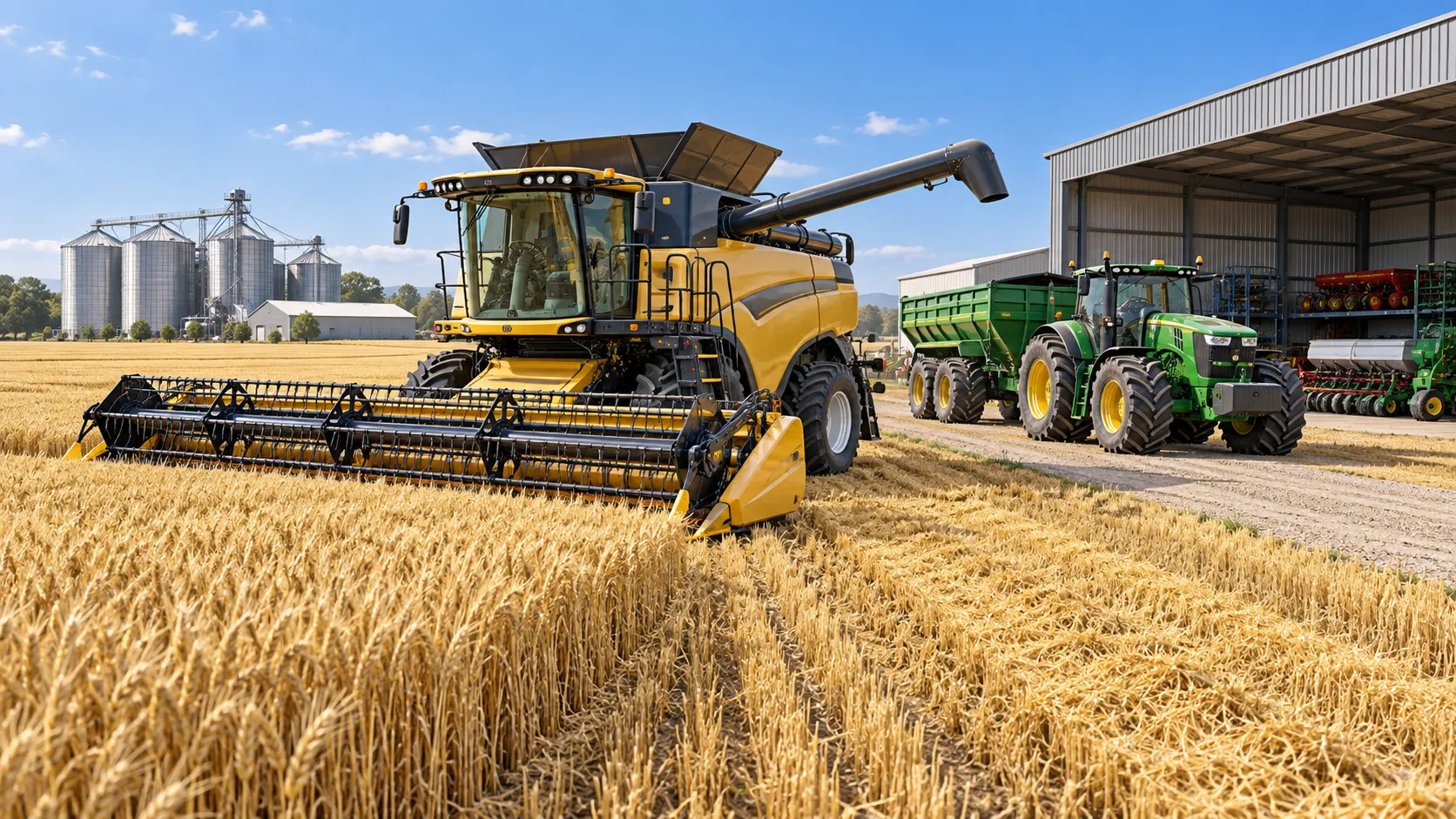
When Does Agricultural Machinery Leasing Cost Less Than Owning Equipment?
Agricultural machinery leasing can lower farm costs when use is seasonal or uncertain. Compare utilization, maintenance, cash flow, and risk to make a smarter equipment decision.
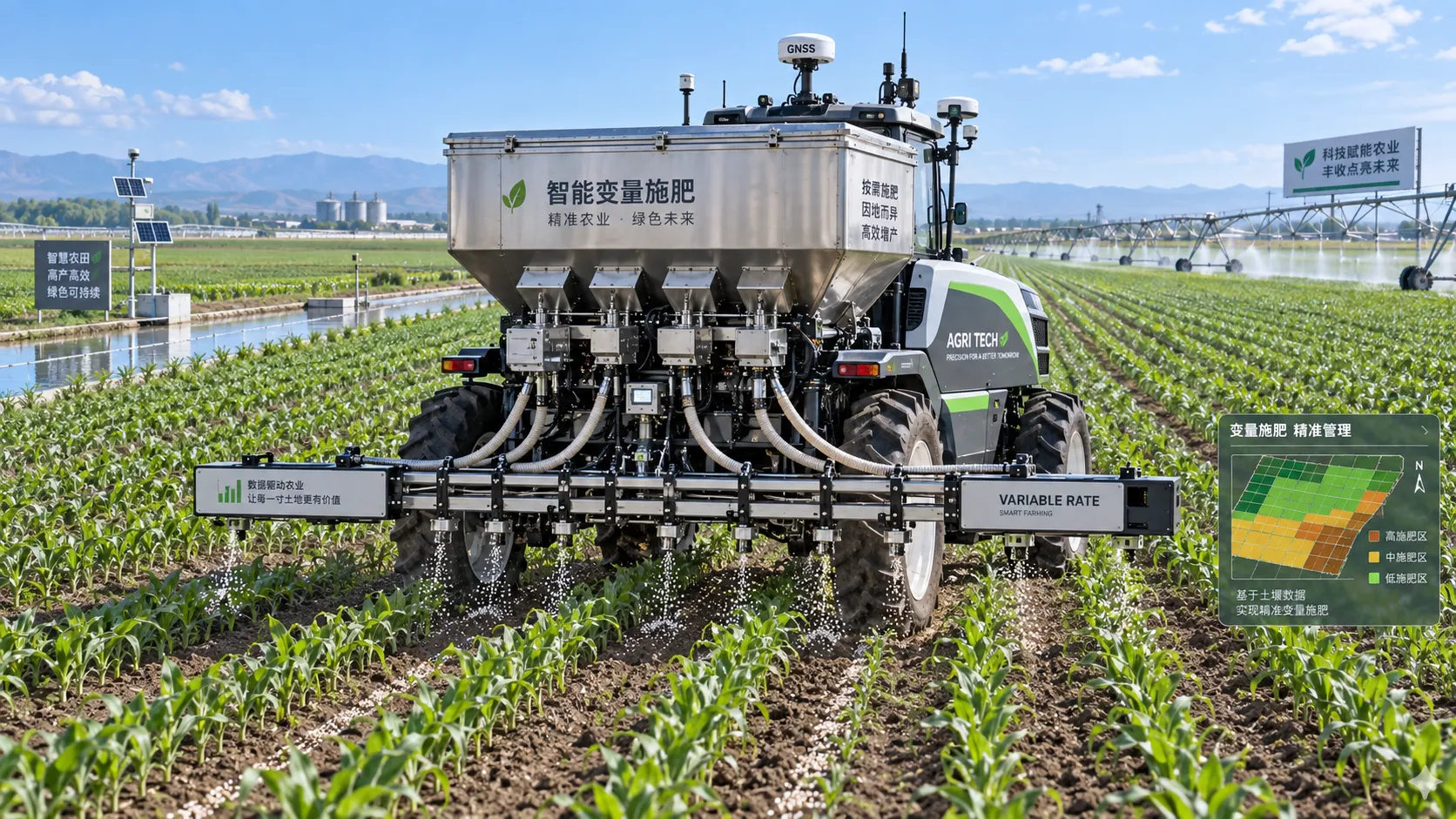
How to Evaluate Precision Fertilization System Suppliers for Farm-Scale Deployment
Precision fertilization systems suppliers: learn how to compare accuracy, integration, uptime, service, and total cost for confident farm-scale deployment.
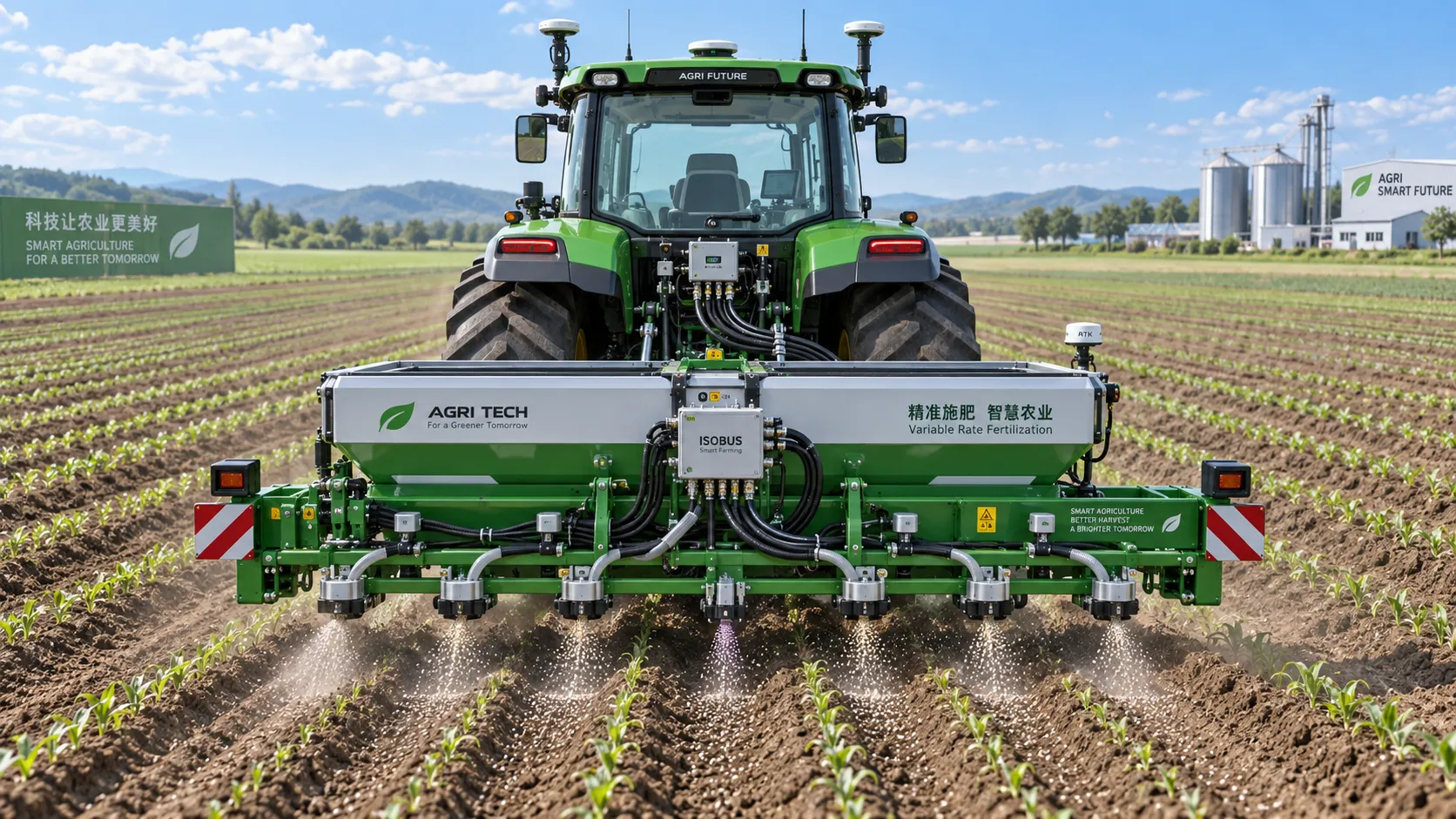
ISOBUS for Smart Agriculture: How It Connects Tractors, Implements, and Farm Data
ISOBUS for smart agriculture connects tractors, implements, terminals, and farm data—helping growers improve precision, documentation, and smarter field decisions.
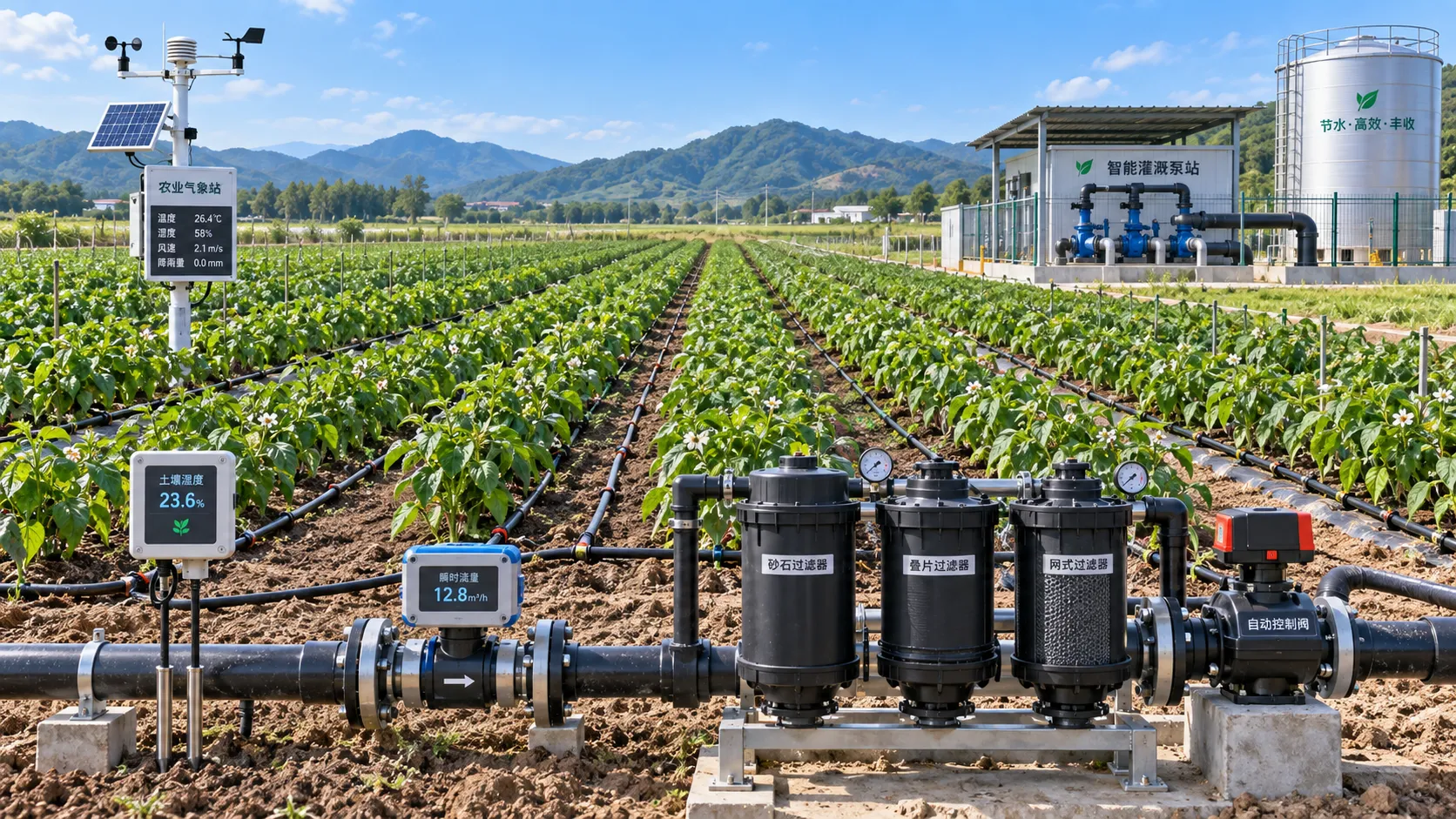
Automated Water-Saving Irrigation: How to Cut Water Use Without Reducing Crop Yields
Automated water-saving irrigation helps farms cut water use, protect crop yields, improve scheduling, and gain reliable control with sensors, flow monitoring, and smart zones.
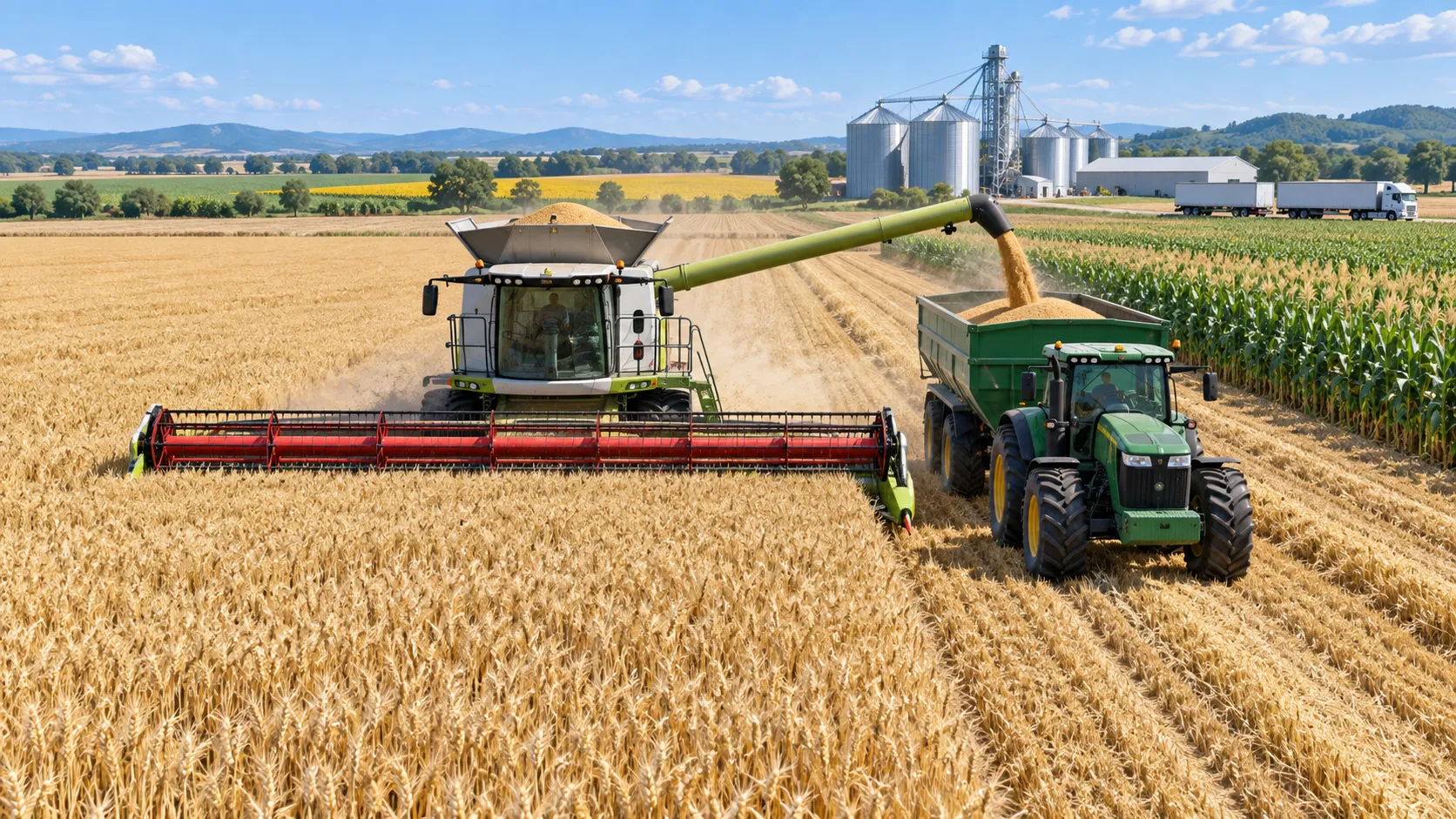
Selecting Grain Farm Equipment by Acreage, Crop Mix, and Harvest Window
Agricultural equipment selection for grain farming: match machinery to acreage, crop mix, and harvest windows to improve uptime, efficiency, and returns.
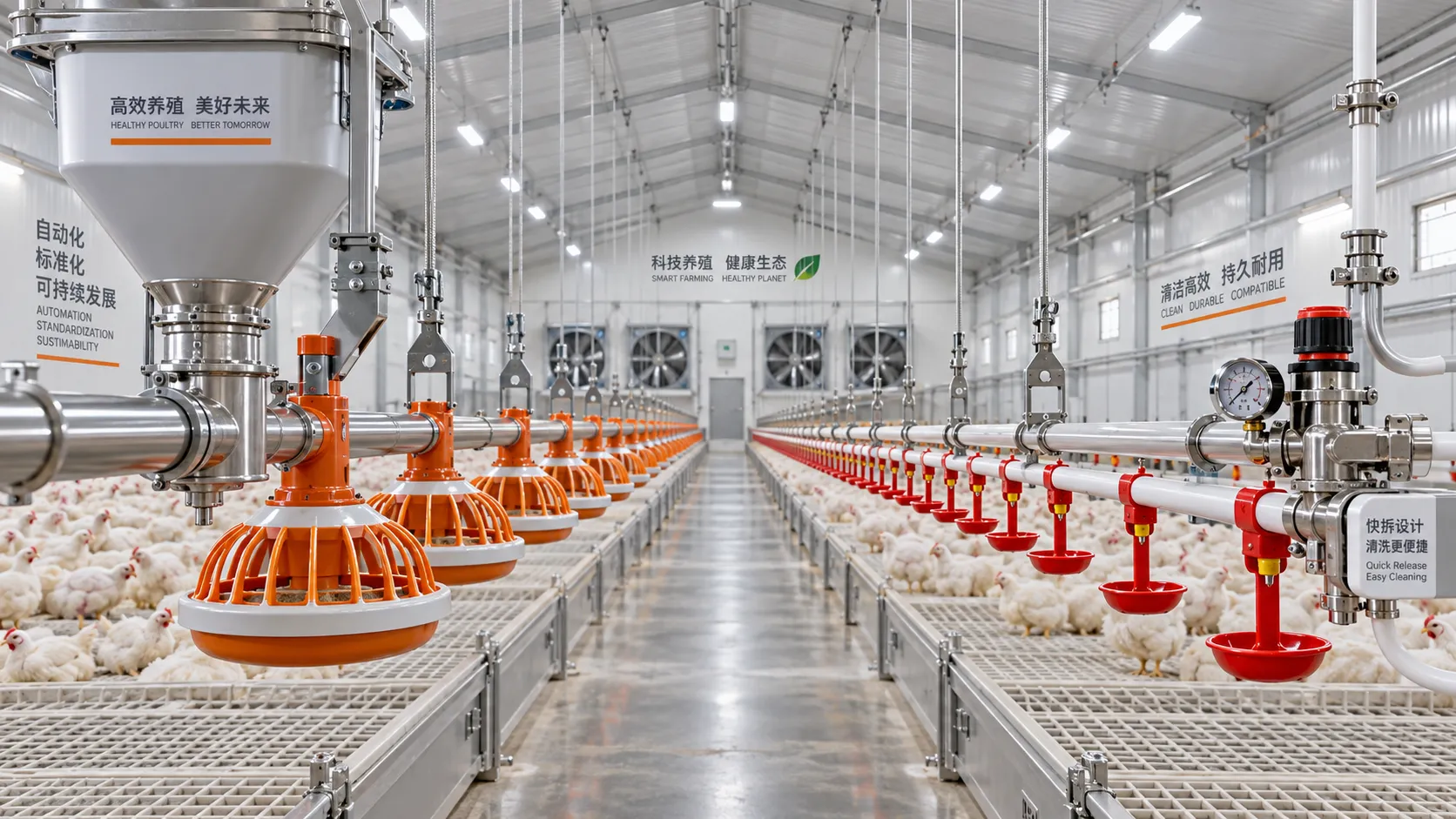
Poultry Equipment Selection: Evaluating Durability, Cleaning, and Compatibility
Poultry equipments selection guide: evaluate durability, cleaning access, and system compatibility to improve hygiene, reduce downtime, and support efficient flock management.
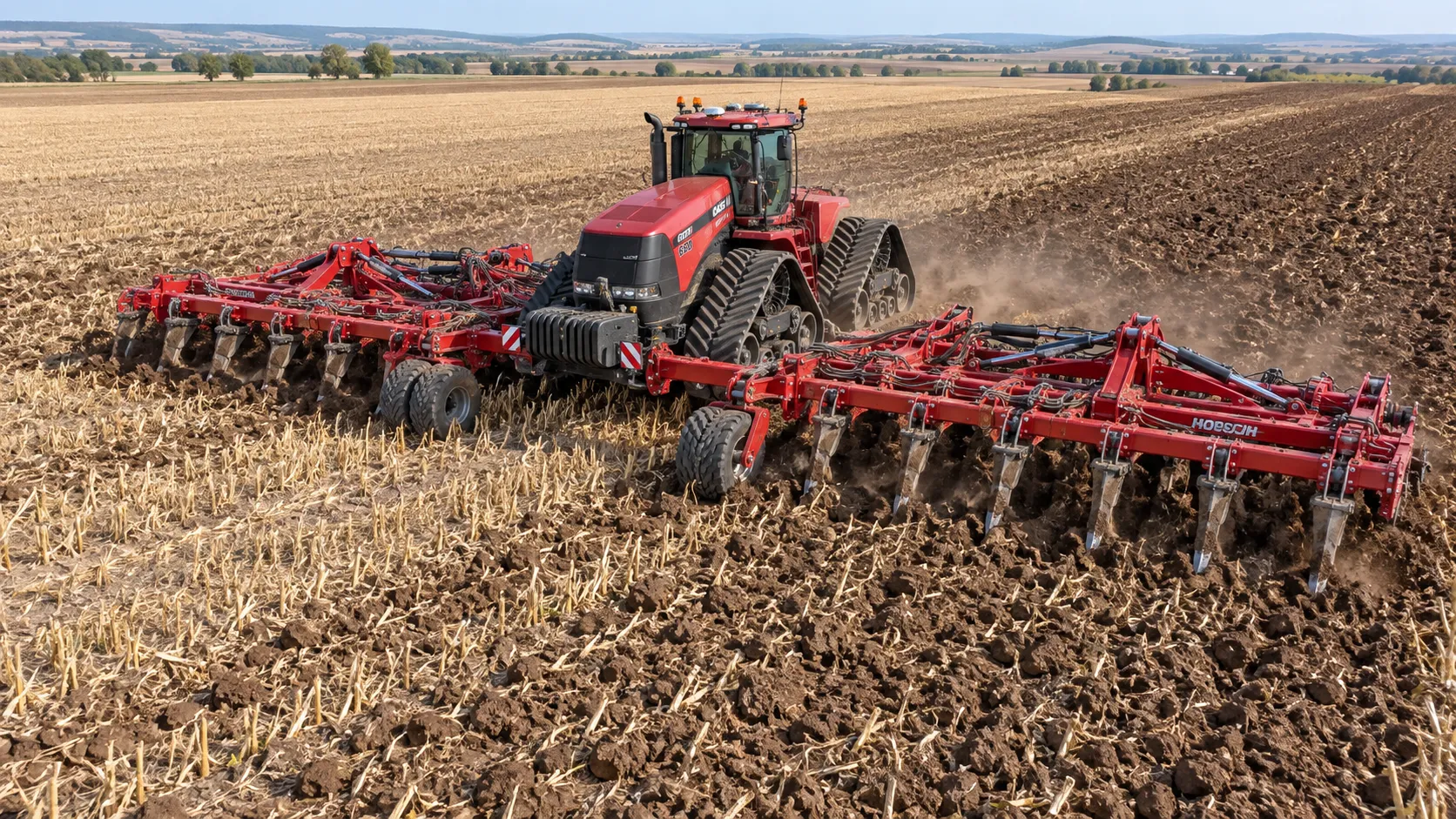
How to Select Heavy-Duty Farm Implements for High-Acreage, High-Horsepower Operations
Heavy duty farm implements: learn how to match draft, hydraulics, hitch capacity, frame strength, and field conditions for reliable high-acreage performance.
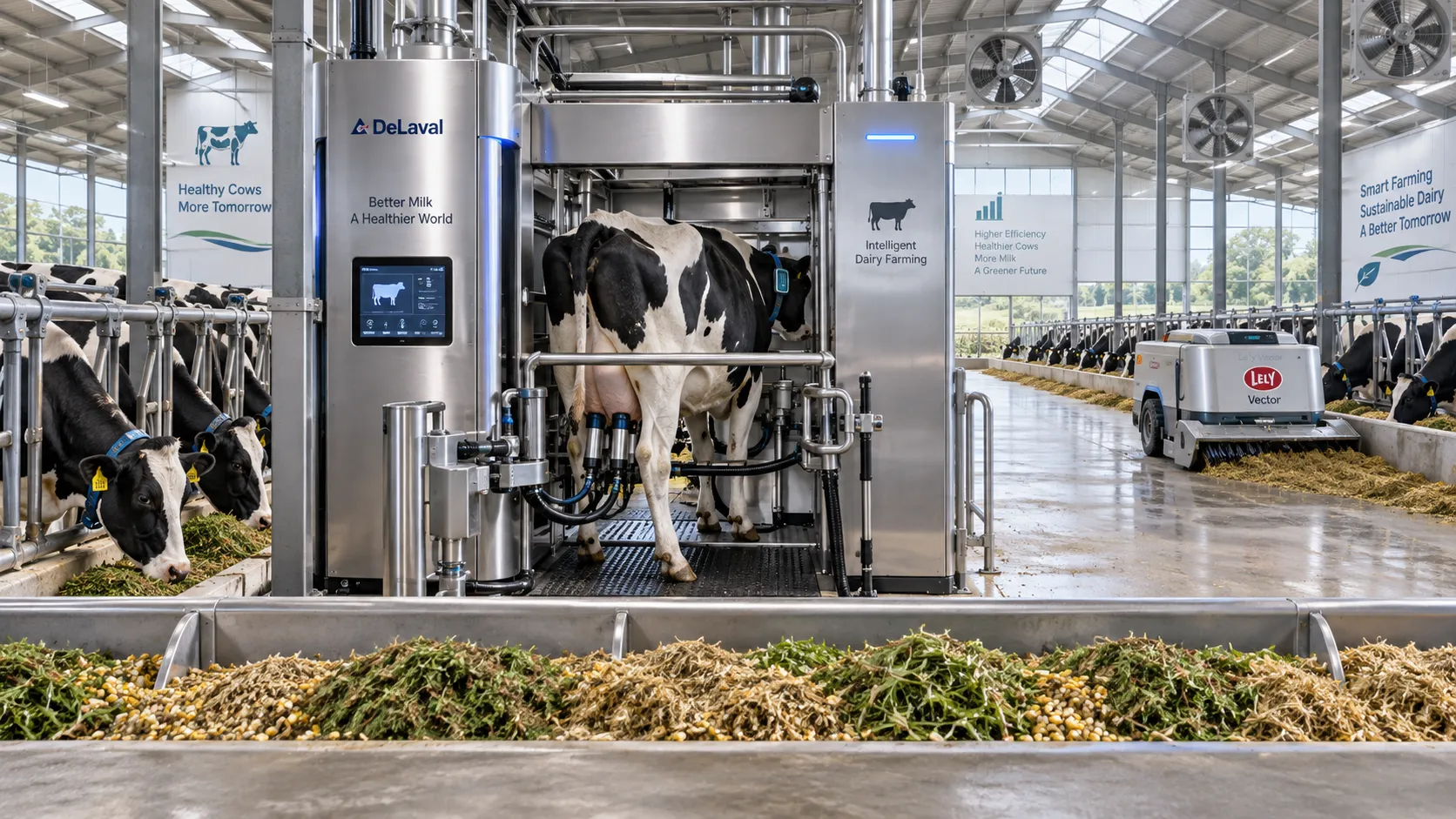
Smart Farming Technology for Dairy Farms: Where Automation Delivers Measurable ROI
Smart farming technology for dairy farms delivers measurable ROI through automation, precision feeding, health monitoring, and data-driven cost control.
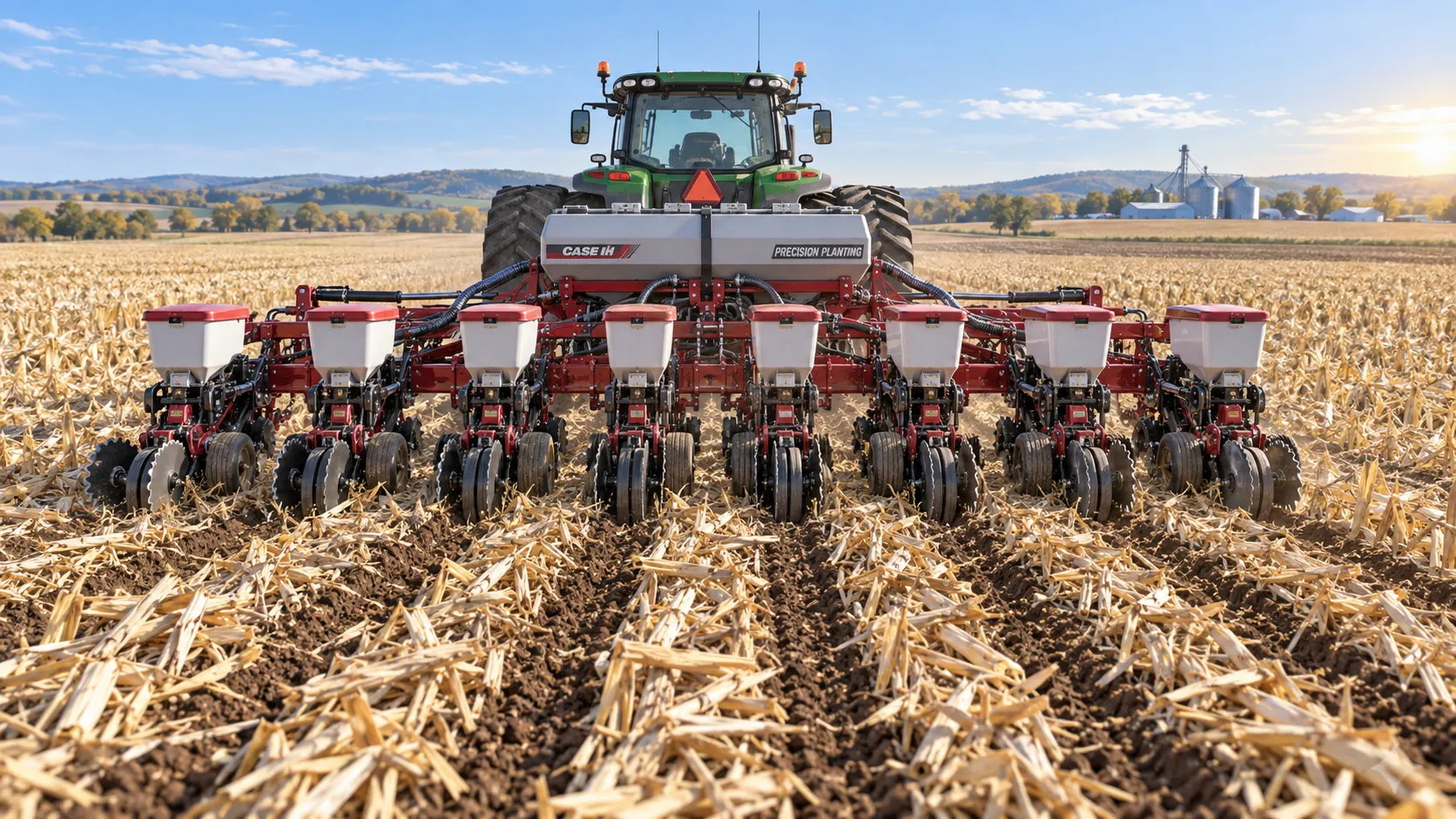
How to Select a Heavy-Duty Seeder for Large Acreage and High-Residue Fields
Heavy duty seeders for large acreage: compare residue handling, depth control, downforce, metering accuracy, and precision features to select the right model.
Related News
- 00
0000-00
How to Choose Plant Protection Equipment for Vineyard Pests - 00
0000-00
How to Read Agricultural Equipment Specifications for Sprayers Before You Compare Models - 00
0000-00
BIS Extends Fast-Track Approval for Self-Propelled Sprayers - 00
0000-00
Intelligent Sprayer Technology: Which Functions Matter Most for Field Efficiency? - 00
0000-00
How to Choose Plant Protection Equipment for Orchards by Tree Height, Row Spacing, and Spray Drift
Popular Tags
Agri-Mechanization Fellow
Weekly Insights
Stay ahead with our curated technology reports delivered every Monday.