
Tianjin Factoring Association Launches AI Training for Smart Agricultural Machinery Receivables
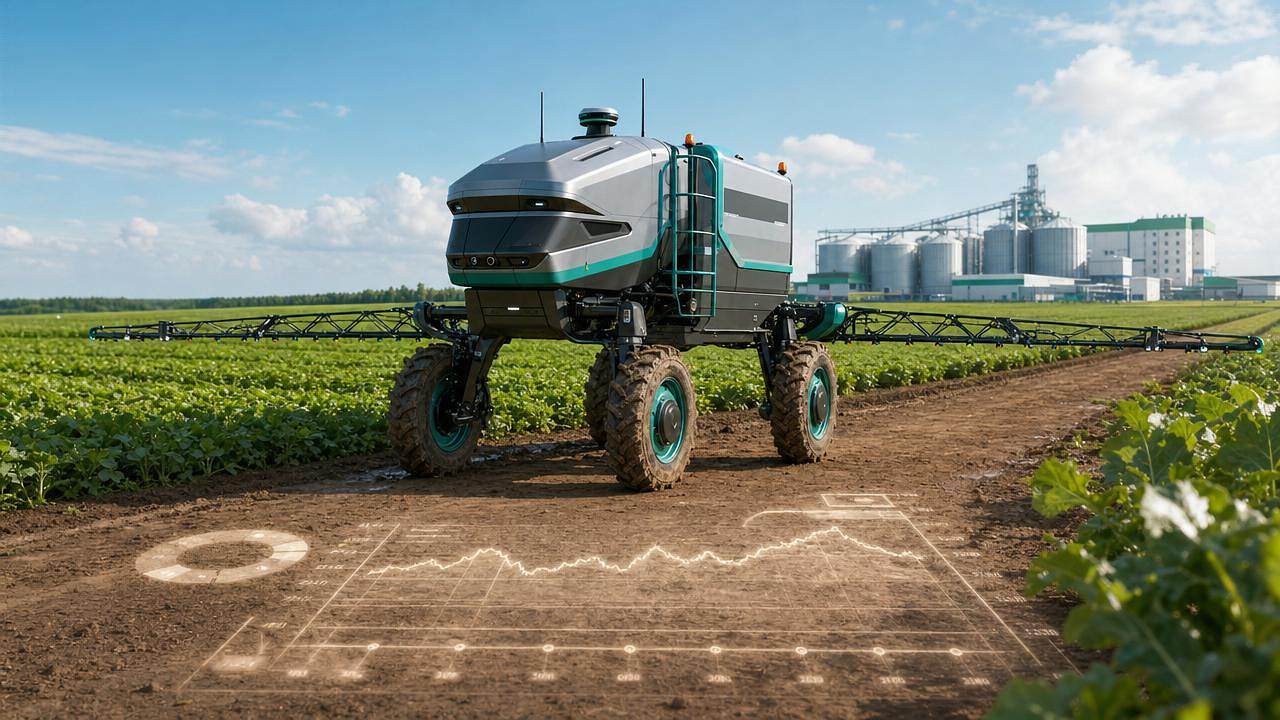




Tianjin Commercial Factoring Association held an online training session on May 6 titled ‘Practical Application of AI Large Models in Factoring Companies’, focusing on intelligent receivables management for Chinese agricultural machinery exporters. The initiative is relevant to manufacturers and exporters of self-propelled sprayers, seeders, and planters — particularly those engaged in cross-border trade with extended delivery and payment cycles — and signals a shift toward data-driven credit risk assessment and working capital optimization in export-oriented equipment finance.
Event Overview
On May 6, the Tianjin Commercial Factoring Association organized the online training ‘Practical Application of AI Large Models in Factoring Companies’. The session covered three technical applications specific to agricultural machinery exports: AI-powered documentary credit (L/C) review, automated identification of L/C clause risks, and modeling the impact of exchange rate fluctuations on accounts receivable collection. No further details about participating institutions, trainer affiliations, or implementation timelines have been publicly disclosed.
Industries Affected
Direct Exporters of Agricultural Machinery
Exporters of self-propelled sprayers, seeders, and planters face long production-to-payment cycles due to overseas distribution structures and installment-based buyer financing. The AI tools introduced aim to shorten average receivables collection by 5–8 days — directly improving cash conversion efficiency and strengthening negotiating leverage over foreign distributors’ payment terms.
Supply Chain Finance Providers
Commercial factoring companies serving agricultural equipment exporters are the primary adopters of this training. Their capacity to model currency risk and automate trade document verification affects both risk pricing accuracy and service scalability. Adoption may influence how quickly such providers expand coverage to mid-tier OEMs or regional dealers outside Tier-1 export channels.
Overseas Distributors & Importers of Farm Equipment
While not direct participants, foreign importers and distributors may experience tighter credit terms or faster invoice validation processes as their Chinese suppliers integrate AI-verified receivables into financing arrangements. This could affect lead-time expectations, documentation turnaround, and flexibility in negotiating deferred payments.
What Relevant Enterprises or Practitioners Should Monitor and Do Now
Track official guidance on AI model validation standards for trade finance
Current training appears focused on operational use rather than regulatory compliance. Enterprises should monitor whether the Tianjin Association or China Banking and Insurance Regulatory Commission (CBIRC) issues technical benchmarks for AI-assisted L/C review — especially regarding auditability, bias mitigation, and alignment with UCP 600.
Assess exposure in high-risk delivery categories
Self-propelled sprayers, seeders, and planters are explicitly cited as beneficiaries due to longer fulfillment timelines. Exporters in these segments should prioritize testing AI-supported receivables workflows — particularly where shipments involve multiple L/C amendments, partial deliveries, or multi-currency invoicing.
Distinguish between pilot capability and scalable deployment
The training reflects early-stage capability building, not yet widespread system integration. Companies should avoid assuming immediate automation of full credit decisioning; instead, focus on targeted use cases like pre-submission L/C clause screening or real-time FX sensitivity dashboards for outstanding invoices.
Prepare internal documentation and staff coordination protocols
AI-assisted review requires structured input: standardized invoice formats, consistent bank instruction language, and clear escalation paths for model-identified discrepancies. Export finance teams should align with logistics, sales, and legal departments to ensure data quality and procedural clarity ahead of any pilot rollout.
Editorial Perspective / Industry Observation
Observably, this initiative represents an early-stage institutional signal — not yet a market-wide capability shift. It reflects growing recognition among domestic factoring associations that AI’s value in trade finance lies less in replacing human judgment and more in augmenting consistency and speed in high-volume, rule-based tasks like documentary compliance checks. Analysis shows the emphasis on agricultural machinery exports suggests prioritization of sectors where receivables risk is both material and relatively structured — making them suitable testbeds before broader application across industrial equipment or construction machinery. From an industry standpoint, this is better understood as a capability-building milestone than an immediate operational change; sustained relevance depends on follow-up standardization efforts and measurable improvements in collection performance beyond pilot groups.
This development underscores a pragmatic evolution in how Chinese export finance infrastructure engages with generative AI: not as a standalone solution, but as a targeted tool to reduce friction in internationally recognized trade mechanisms. Its significance lies not in technological novelty, but in the deliberate alignment of AI application with specific, high-impact pain points in cross-border equipment commerce — particularly where payment timing directly constrains production planning and market expansion.
Information Source: Tianjin Commercial Factoring Association (public announcement of May 6 training). Note: Implementation scope, participating entities, and performance metrics beyond the stated 5–8 day reduction remain unconfirmed and require ongoing observation.
Related News
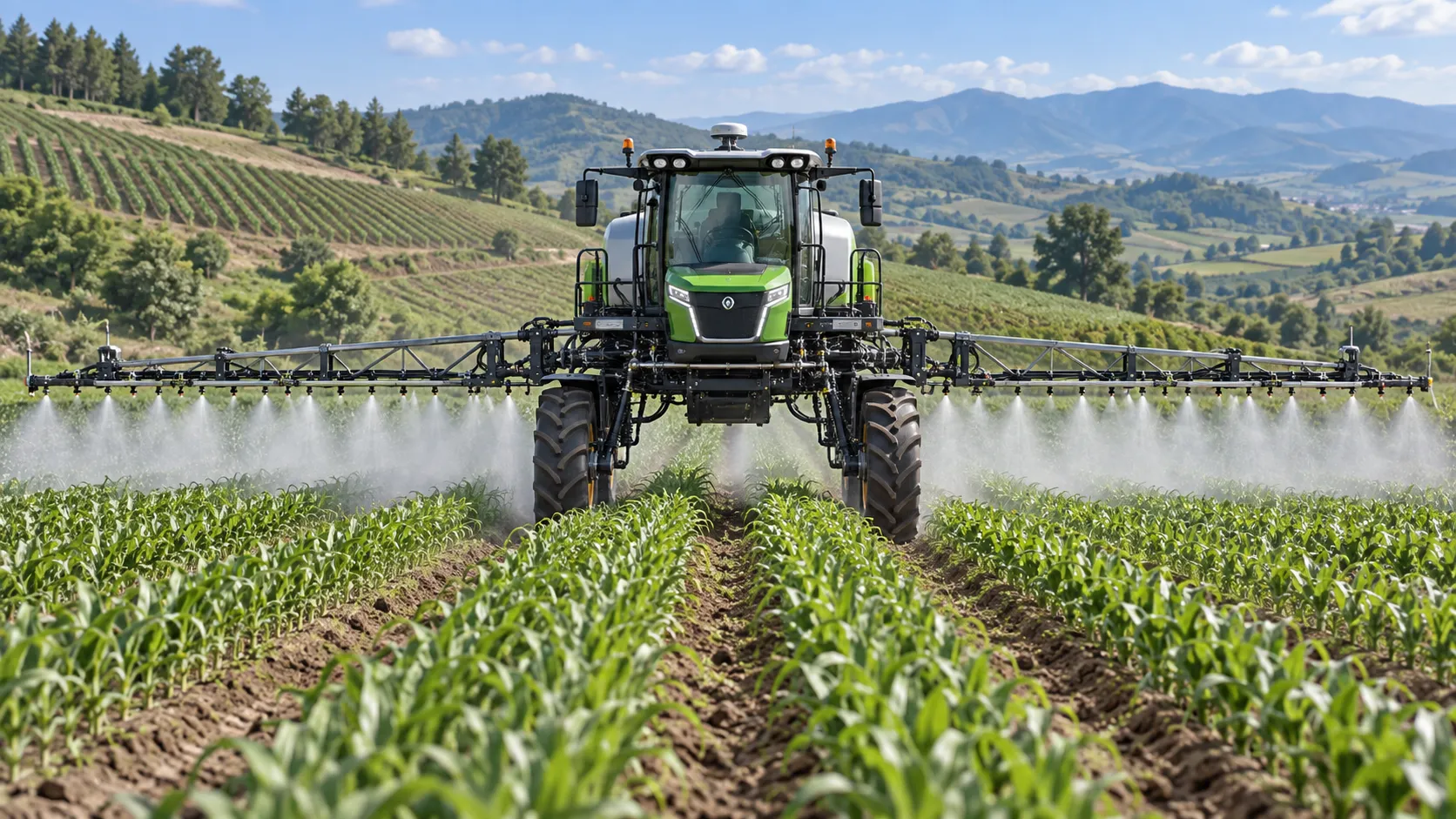
How to Select Precision Crop Protection Equipment for Variable Field Conditions
Precision crop protection equipment selection made simple: compare terrain, canopy, weather, control accuracy, and data workflows for reliable applications.

When Does Agricultural Machinery Leasing Cost Less Than Owning Equipment?
Agricultural machinery leasing can lower farm costs when use is seasonal or uncertain. Compare utilization, maintenance, cash flow, and risk to make a smarter equipment decision.

How to Evaluate Precision Fertilization System Suppliers for Farm-Scale Deployment
Precision fertilization systems suppliers: learn how to compare accuracy, integration, uptime, service, and total cost for confident farm-scale deployment.
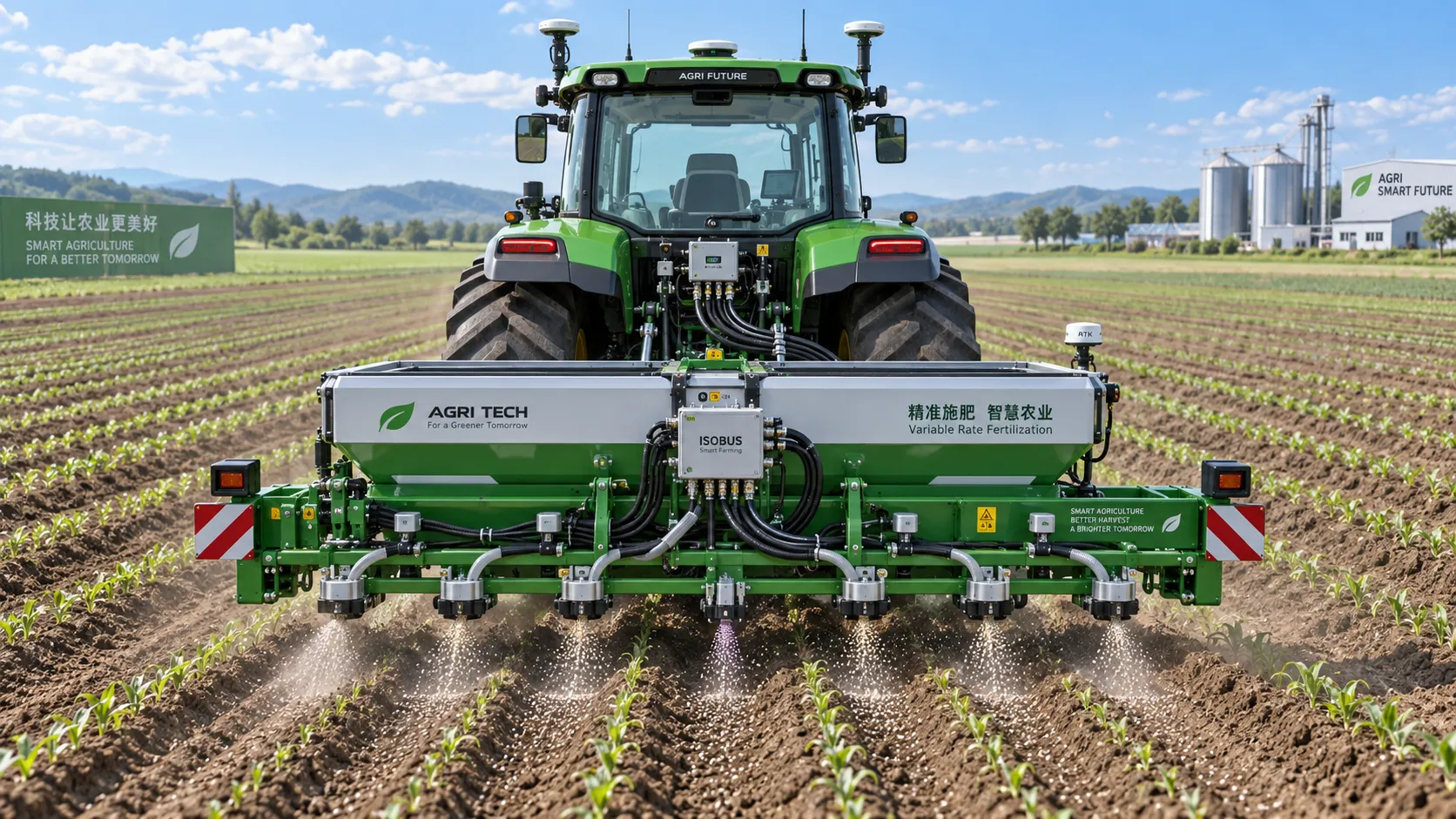
ISOBUS for Smart Agriculture: How It Connects Tractors, Implements, and Farm Data
ISOBUS for smart agriculture connects tractors, implements, terminals, and farm data—helping growers improve precision, documentation, and smarter field decisions.
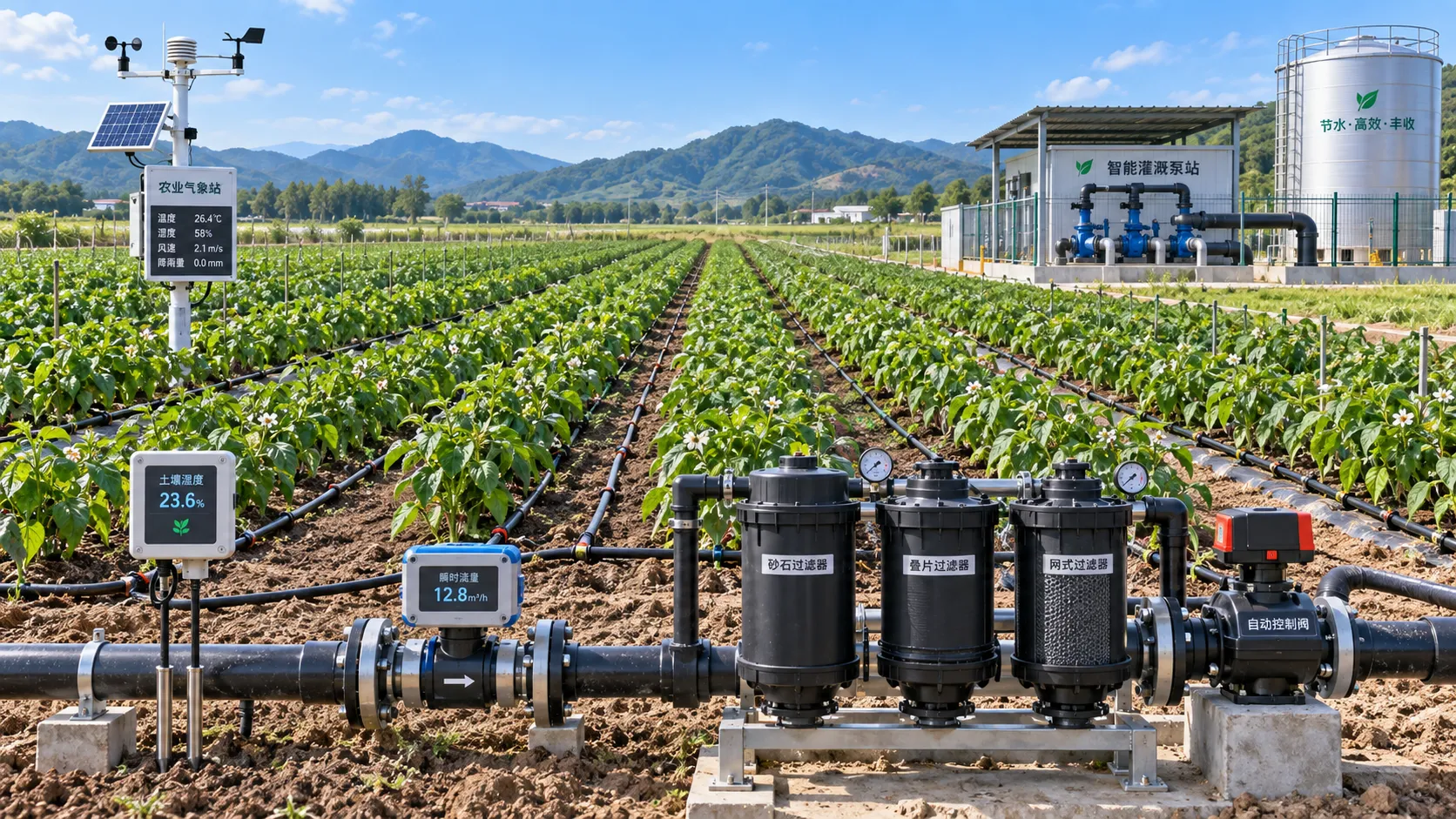
Automated Water-Saving Irrigation: How to Cut Water Use Without Reducing Crop Yields
Automated water-saving irrigation helps farms cut water use, protect crop yields, improve scheduling, and gain reliable control with sensors, flow monitoring, and smart zones.
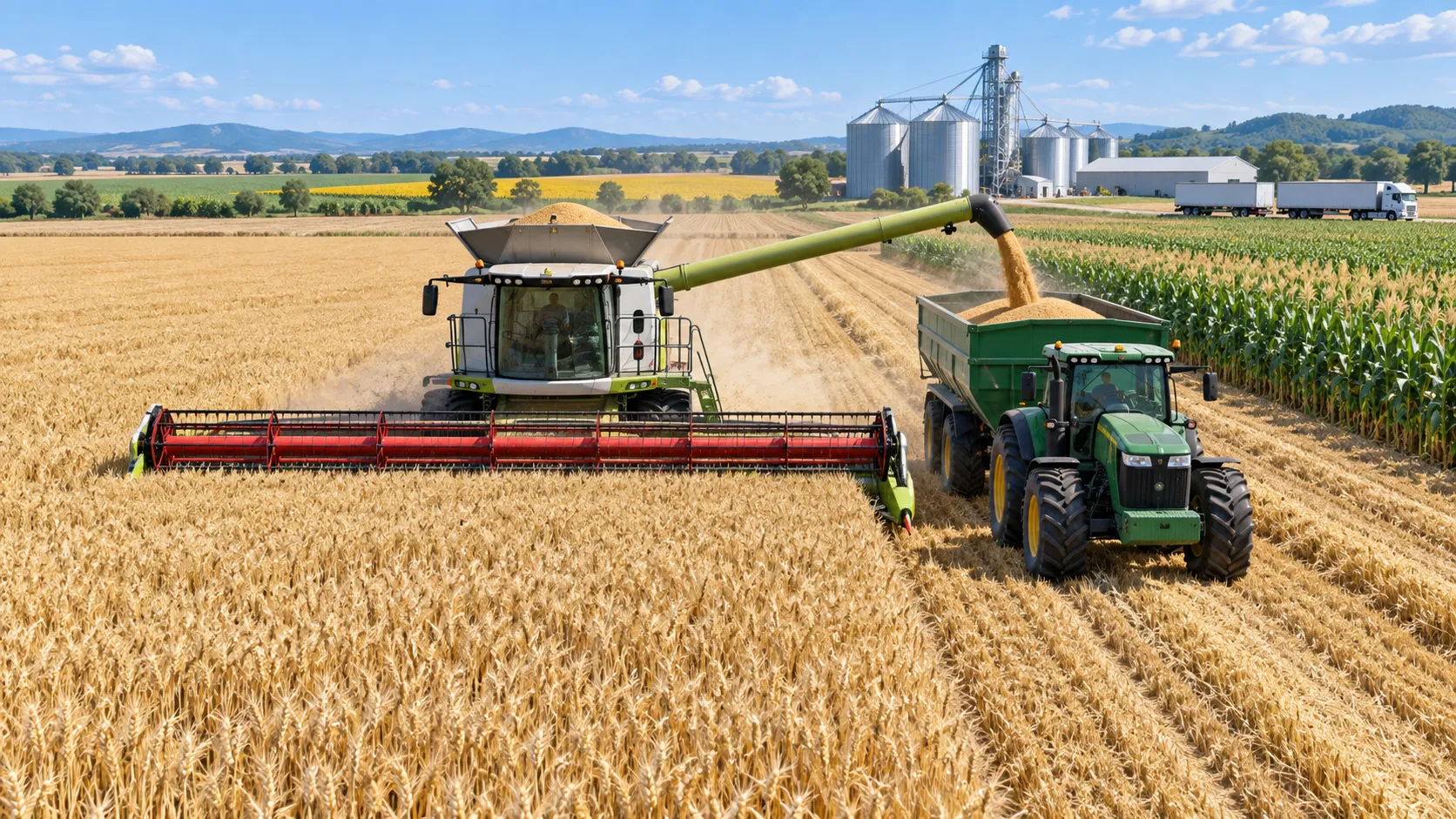
Selecting Grain Farm Equipment by Acreage, Crop Mix, and Harvest Window
Agricultural equipment selection for grain farming: match machinery to acreage, crop mix, and harvest windows to improve uptime, efficiency, and returns.
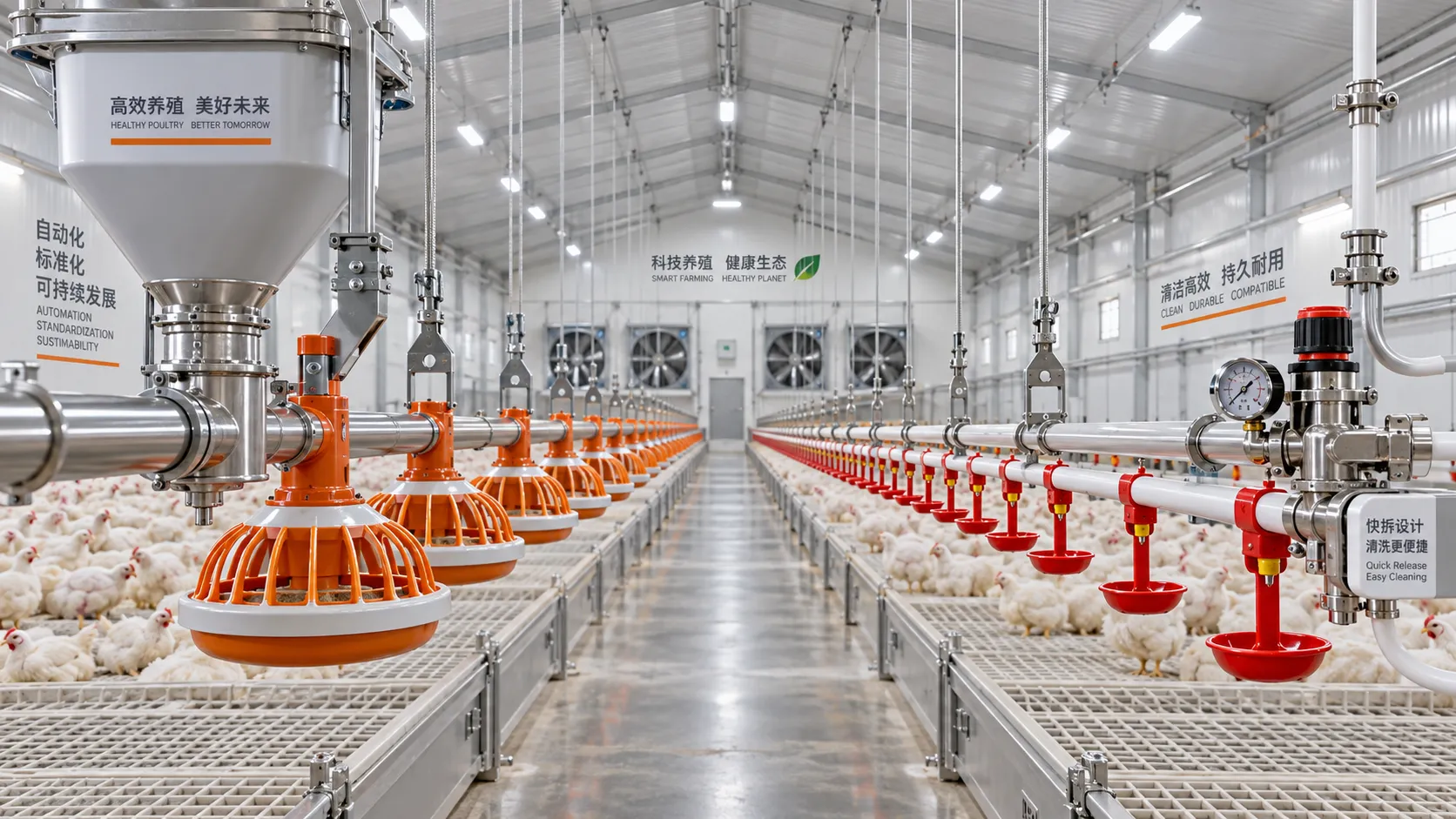
Poultry Equipment Selection: Evaluating Durability, Cleaning, and Compatibility
Poultry equipments selection guide: evaluate durability, cleaning access, and system compatibility to improve hygiene, reduce downtime, and support efficient flock management.
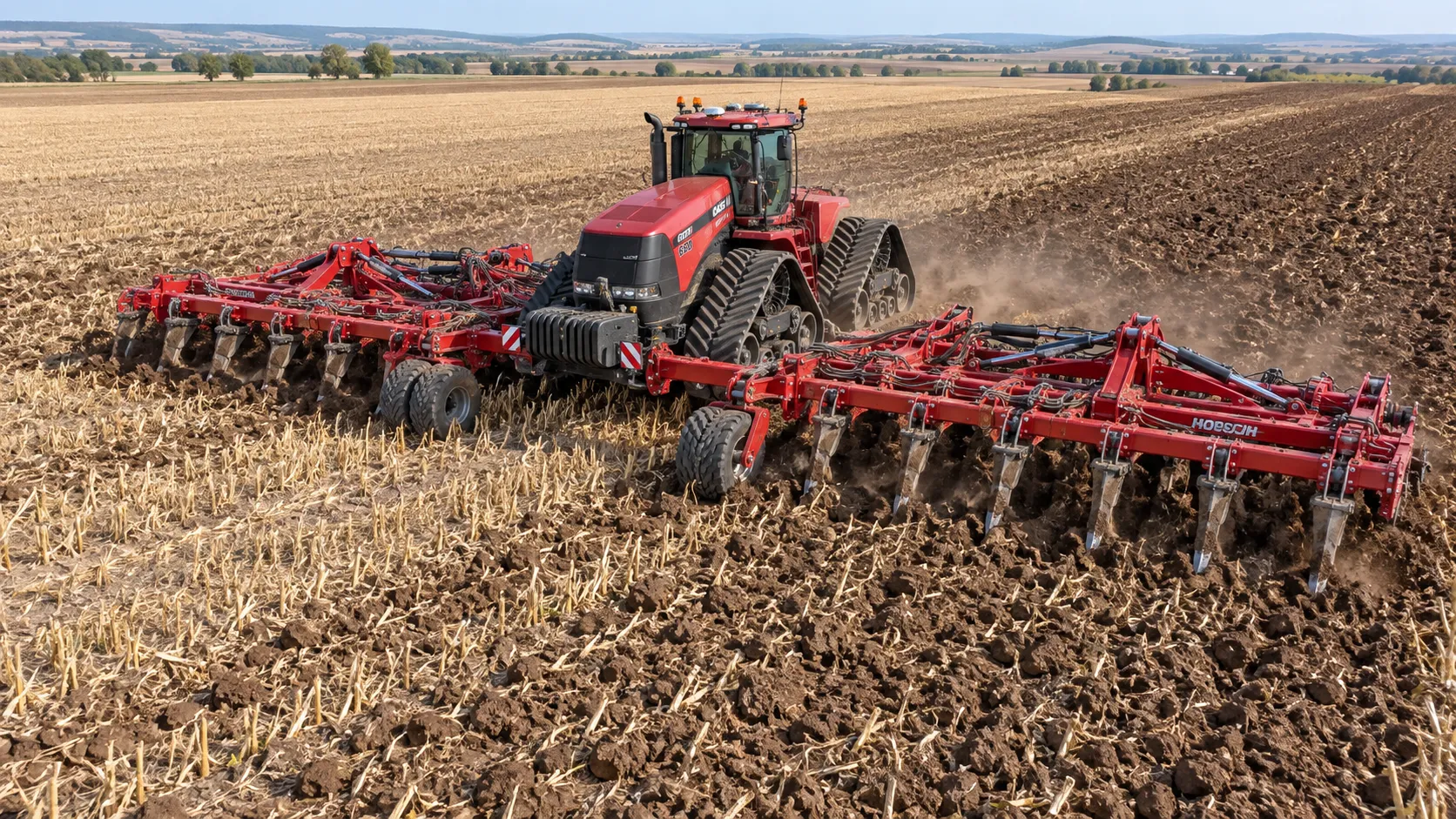
How to Select Heavy-Duty Farm Implements for High-Acreage, High-Horsepower Operations
Heavy duty farm implements: learn how to match draft, hydraulics, hitch capacity, frame strength, and field conditions for reliable high-acreage performance.
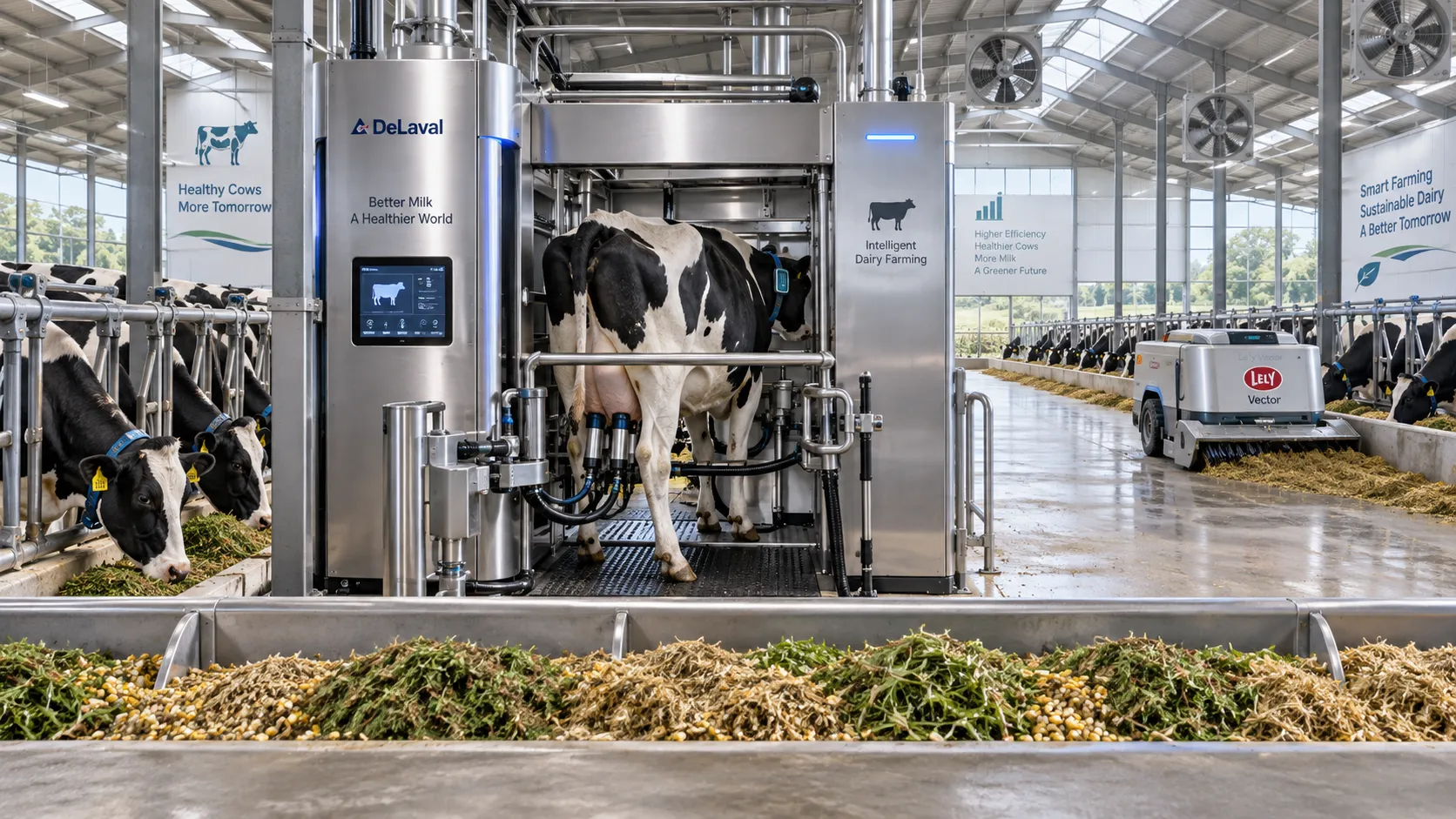
Smart Farming Technology for Dairy Farms: Where Automation Delivers Measurable ROI
Smart farming technology for dairy farms delivers measurable ROI through automation, precision feeding, health monitoring, and data-driven cost control.
Related News
- 00
0000-00
How to Choose Plant Protection Equipment for Vineyard Pests - 00
0000-00
How to Read Agricultural Equipment Specifications for Sprayers Before You Compare Models - 00
0000-00
BIS Extends Fast-Track Approval for Self-Propelled Sprayers - 00
0000-00
Intelligent Sprayer Technology: Which Functions Matter Most for Field Efficiency? - 00
0000-00
How to Choose Plant Protection Equipment for Orchards by Tree Height, Row Spacing, and Spray Drift
Popular Tags
Agri-Mechanization Fellow
Weekly Insights
Stay ahead with our curated technology reports delivered every Monday.