
Plant Protection Gaps Often Start With Timing, Not Chemistry
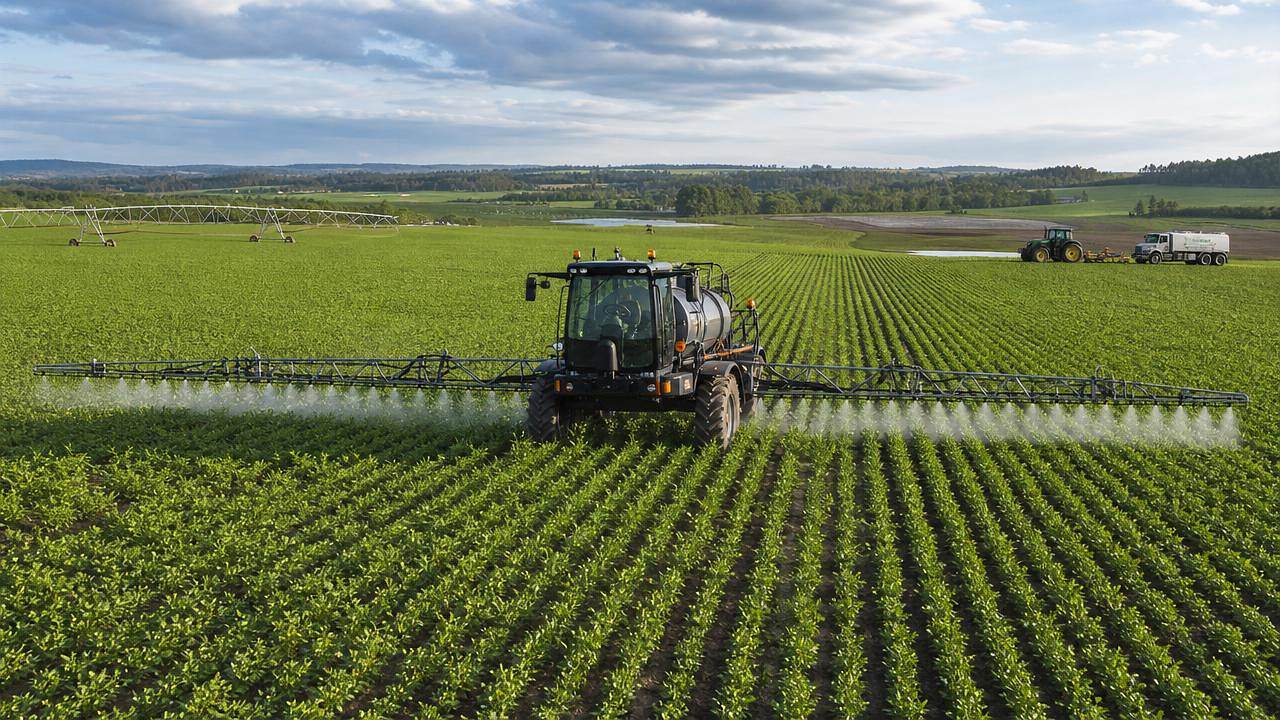




In modern agriculture, plant protection failures often emerge long before visible crop damage appears—and timing is frequently the hidden cause. For project managers overseeing equipment, field operations, or precision-ag implementation, understanding when to act can be more decisive than choosing a stronger chemical. This article explores how better timing strategies can close protection gaps, improve operational efficiency, and support more intelligent, large-scale farm decision-making.
For large farms, contractor networks, and agri-equipment planners, plant protection is no longer a simple question of product selection. The real operational challenge is synchronizing crop stage, weather windows, machine availability, labor scheduling, water access, and application accuracy across hundreds or thousands of hectares. When any one of these variables slips by 24 to 72 hours, protection gaps can widen quickly, even when chemistry remains technically suitable.
This matters especially in Agriculture 4.0 environments, where combines, tractor chassis, intelligent tools, and irrigation systems are connected to broader planning systems. AP-Strategy closely tracks this shift because timing has become a management issue as much as an agronomic one. For project leaders responsible for deployment, procurement, and performance outcomes, stronger execution logic often delivers better field protection than simply escalating active ingredients.
Why Timing Creates More Plant Protection Risk Than Many Teams Expect
Many plant protection programs are built around chemical efficacy charts, but field failure usually begins in the operational chain. A fungicide rated effective within a 5 to 7 day infection-risk window can underperform if rain delays entry, if sprayer capacity is insufficient, or if irrigation scheduling increases canopy humidity at the wrong time. In practice, the gap often appears before anyone questions the product itself.
Project managers see this clearly when they map inputs against execution timing. If a 2,000-hectare operation needs coverage in 48 hours but available machinery can only complete 1,100 to 1,400 hectares in that period, the resulting lag is not a chemistry problem. It is a throughput problem. The same issue appears in insect management, where a 2-day delay during peak hatch can turn a localized pressure event into a farm-wide intervention.
The Three Timing Layers Behind Most Protection Gaps
In large-scale operations, delayed plant protection usually emerges from three overlapping layers rather than one isolated mistake:
- Biological timing: crop growth stage, pest life cycle, weed size, or disease infection window
- Operational timing: machine readiness, operator availability, route planning, refill logistics, and field access
- Environmental timing: wind speed, rainfall probability, temperature range, humidity, and irrigation overlap
When all three align, plant protection efficiency improves significantly. When two are aligned but one is missed, input cost can rise by 10% to 25% without a proportional gain in control. That is why stronger products often fail to compensate for weak scheduling discipline.
A Common Misread in B2B Farm Operations
A frequent mistake in project planning is to treat application timing as a field-level agronomy task only. In reality, timing should be managed at the system level. Machine procurement, tank capacity, nozzle setup, spare parts readiness, telematics response, and water supply all influence whether a farm can complete work within a critical 12 to 36 hour decision window.
The table below outlines how timing-related failures typically appear in mechanized farm systems and what project managers should monitor before they escalate into plant protection loss.
The key conclusion is straightforward: project delays rarely damage plant protection equally across all fields. They usually hit the most biologically sensitive blocks first. That makes prioritization logic essential, especially for high-value crops, variable soil zones, and farms with distributed field clusters.
How Project Managers Can Build a Timing-First Plant Protection Strategy
A timing-first strategy does not reduce the importance of chemistry. It places chemistry inside a more disciplined delivery model. For project managers, that means converting agronomic recommendations into executable plans with measurable thresholds: hectares per hour, refill cycle duration, forecast reliability, operator shifts, and field-by-field priority classes.
On large operations, one practical benchmark is to classify treatment tasks into 3 tiers. Tier 1 may require action within 24 hours, Tier 2 within 48 hours, and Tier 3 within 72 to 96 hours. This approach helps allocate machinery, labor, and water resources according to risk rather than convenience.
Five Planning Controls That Improve Timing Precision
- Define target response windows by crop stage and threat level before the season begins.
- Match machine fleet capacity to the largest likely 48-hour treatment surge, not average weekly demand.
- Integrate local weather monitoring with go/no-go rules for wind, rain probability, and temperature.
- Separate water logistics and chemical logistics to reduce refill congestion during peak application days.
- Use precision-ag mapping to rank fields by value, pressure, and access difficulty.
Even a 15% improvement in daily operational coverage can be enough to keep a fungicide or insecticide within its ideal application window. In high-pressure periods, that gain may matter more than switching to a more expensive input with only marginally broader activity.
Capacity Planning Must Start Before the First Outbreak
Many teams wait for pressure signals before checking whether the fleet can actually respond. That sequence is too late. Capacity planning should begin 4 to 8 weeks before the critical season, especially where tractor chassis compatibility, boom width, hydraulic performance, or service support could limit uptime. Spare nozzles, pumps, filters, hoses, and calibration kits should be prepared before the first field alert is triggered.
For distributed operations, route efficiency is another hidden factor. A machine traveling 25 to 40 kilometers between clusters can lose 1.5 to 3.0 productive hours per day. Over a 6-day spray sequence, that can remove the equivalent of one extra operating day from the plan.
Where Equipment, Irrigation, and Data Systems Influence Plant Protection Timing
Plant protection timing is shaped by more than spray schedules. In integrated operations, large-scale agri-machinery, irrigation timing, and digital decision tools all affect whether a field receives treatment at the right moment. This is where AP-Strategy’s cross-sector perspective is valuable: crop protection performance is often the outcome of how mechanical, hydraulic, and data systems work together.
For example, irrigation can either support or complicate a plant protection program. If irrigation runs 6 to 12 hours before a planned foliar application, field access may be restricted. If it runs immediately after treatment, retention or disease conditions may shift depending on crop type and climate. Smart scheduling therefore needs to connect water management with protection windows, not treat them as separate workflows.
Key System Interfaces to Review
Project teams should review the following interfaces at least once per season and again before major weather transitions:
- Tractor hydraulic response and implement compatibility for consistent field speed
- Sensor feedback quality for canopy condition, moisture, and prescription maps
- Telematics uptime for dispatch visibility across multiple field units
- Irrigation program timing relative to fungicide, herbicide, or insecticide windows
- Operator dashboard accuracy for block priority and completion status
A weak link in any of these interfaces can widen plant protection gaps by 1 to 2 days. That may not sound dramatic on paper, but it is often enough to miss early disease suppression or allow weeds to move beyond the ideal size stage.
The matrix below can help project managers align major system components with likely timing effects in the field.
The practical lesson is that plant protection timing should be managed as a connected field system. Better visibility across machinery, irrigation, and digital tools reduces reaction lag and protects the return on every input already purchased.
Procurement and Implementation Priorities for Timing-Driven Protection Programs
For buyers and project owners, the procurement question is not only which machine or tool performs best in ideal conditions. It is which solution keeps plant protection on schedule during constrained conditions: rain interruptions, labor shortages, narrow field windows, or rapid disease pressure. That changes the evaluation criteria significantly.
Four Procurement Criteria That Matter in Real Operations
- Coverage efficiency: realistic hectares per day, including refill and transport loss
- Integration readiness: compatibility with tractors, telemetry, mapping software, and irrigation plans
- Service response: parts access, maintenance intervals, and breakdown escalation paths
- Decision support: availability of usable field data, alerts, and prioritization tools
A strong plant protection platform should support both execution speed and decision speed. If the equipment is capable but the data pipeline is delayed by 12 hours, teams still lose the timing advantage. Likewise, if software provides alerts but the fleet cannot respond within 48 hours, the warning has limited value.
Implementation Checklist for Project Managers
Before each critical protection season, project managers can reduce timing risk with a short implementation checklist:
- Verify machine readiness and calibration 2 to 3 weeks in advance.
- Set field priority maps by crop stage, risk level, and travel time.
- Define weather-trigger thresholds for wind, rainfall, and temperature.
- Coordinate irrigation blackout periods for planned foliar work.
- Assign backup operators and spare-part response duties.
- Review daily completion dashboards during active treatment weeks.
These steps are simple, but they directly improve the consistency of plant protection outcomes. In many operations, the difference between a controlled event and a costly spread is not a new chemical line. It is a better 6-step response model executed on time.
Common Misconceptions That Delay Action
One misconception is that visible symptoms are the right trigger for intervention. In reality, many disease and insect events become economically damaging before symptoms are widely obvious. Another is that more frequent spraying automatically solves timing gaps. Without correct targeting, that can increase cost, raise resistance pressure, and still leave priority blocks exposed.
A more effective path is targeted, scheduled, and data-supported plant protection. For B2B farm operations, that means building an execution model that is scalable from 500 hectares to several thousand hectares without depending on perfect weather or unlimited labor.
Plant protection gaps rarely start because chemistry is weak. More often, they begin when planning, machinery, and field timing fall out of sync. For project managers and engineering leads, the highest-value improvement may be to shorten the interval between risk detection and field execution, while aligning irrigation, machine capacity, and precision-ag data into one response framework.
AP-Strategy supports this kind of decision-making by connecting large-scale agri-machinery insight, intelligent farm tool trends, irrigation logic, and operational intelligence into a practical view of Agriculture 4.0. If your team is evaluating equipment strategy, implementation planning, or timing-sensitive plant protection workflows, now is the right time to refine the system before the next critical window arrives.
Contact us to discuss your project context, request a tailored solution view, or explore more intelligence-led approaches to plant protection, mechanized field operations, and smart cultivation planning.
Related News
When Does Agricultural Machinery Leasing Cost Less Than Owning Equipment?
Agricultural machinery leasing can lower farm costs when use is seasonal or uncertain. Compare utilization, maintenance, cash flow, and risk to make a smarter equipment decision.
How to Evaluate Precision Fertilization System Suppliers for Farm-Scale Deployment
Precision fertilization systems suppliers: learn how to compare accuracy, integration, uptime, service, and total cost for confident farm-scale deployment.
ISOBUS for Smart Agriculture: How It Connects Tractors, Implements, and Farm Data
ISOBUS for smart agriculture connects tractors, implements, terminals, and farm data—helping growers improve precision, documentation, and smarter field decisions.
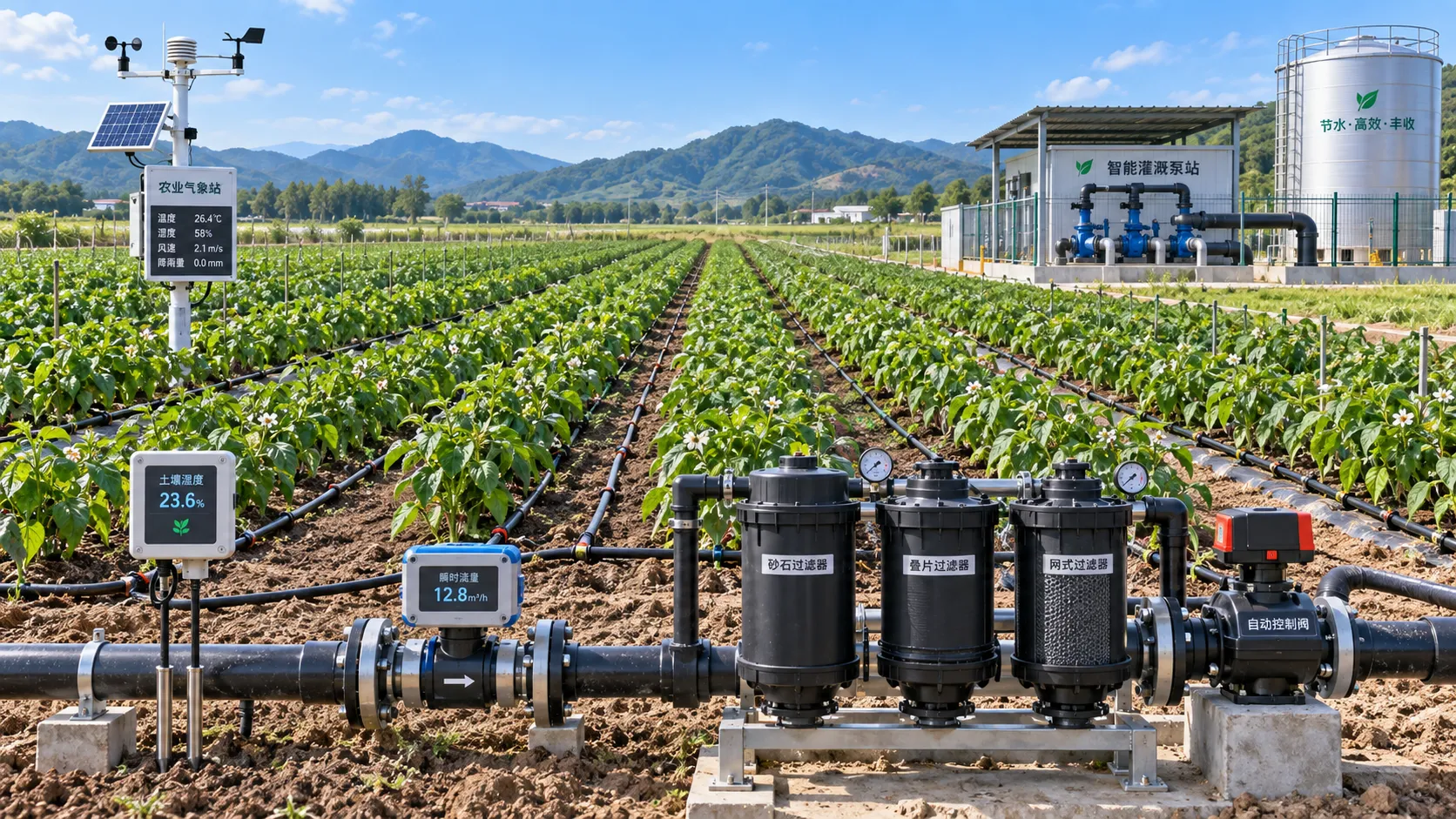
Automated Water-Saving Irrigation: How to Cut Water Use Without Reducing Crop Yields
Automated water-saving irrigation helps farms cut water use, protect crop yields, improve scheduling, and gain reliable control with sensors, flow monitoring, and smart zones.
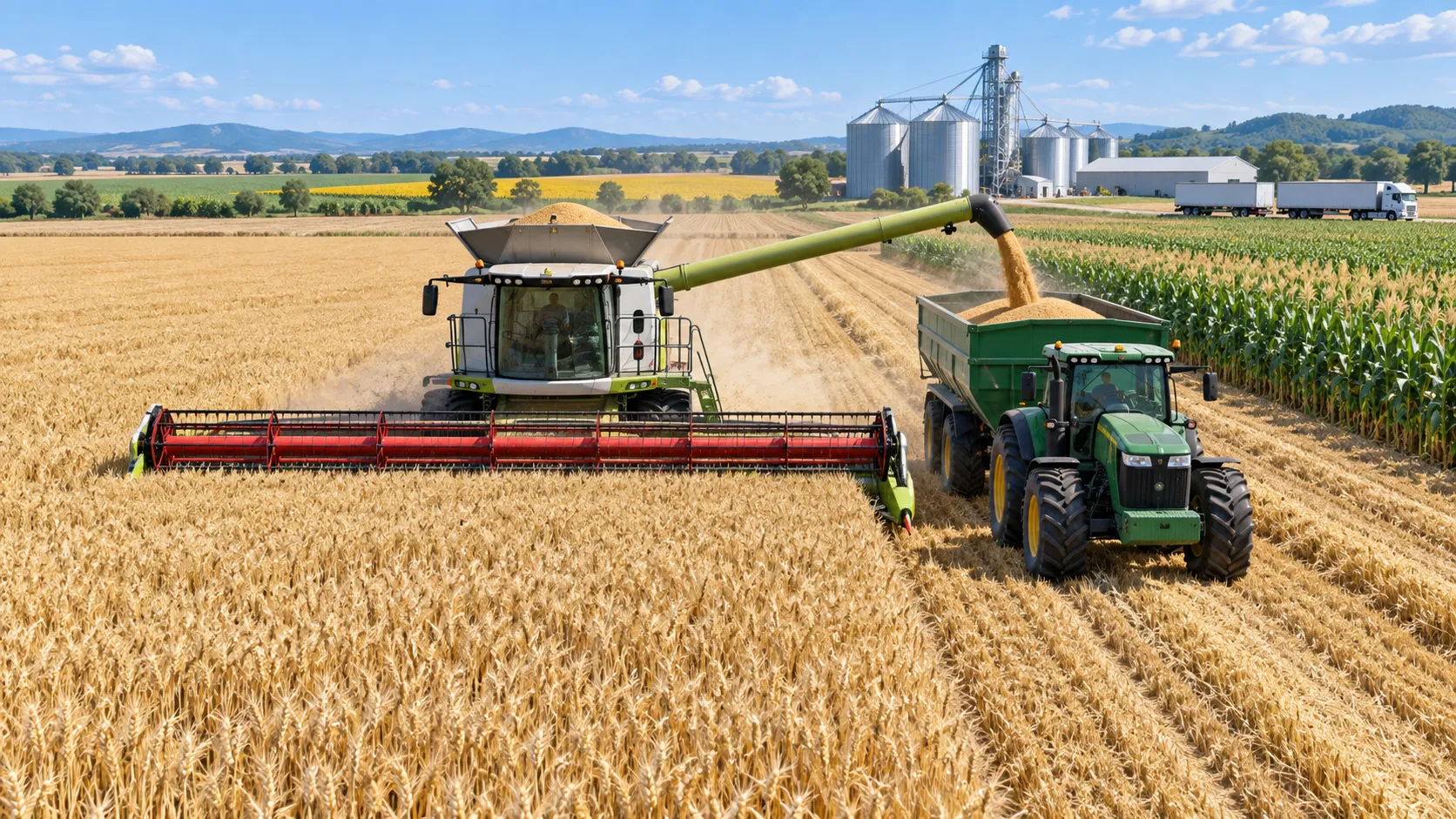
Selecting Grain Farm Equipment by Acreage, Crop Mix, and Harvest Window
Agricultural equipment selection for grain farming: match machinery to acreage, crop mix, and harvest windows to improve uptime, efficiency, and returns.
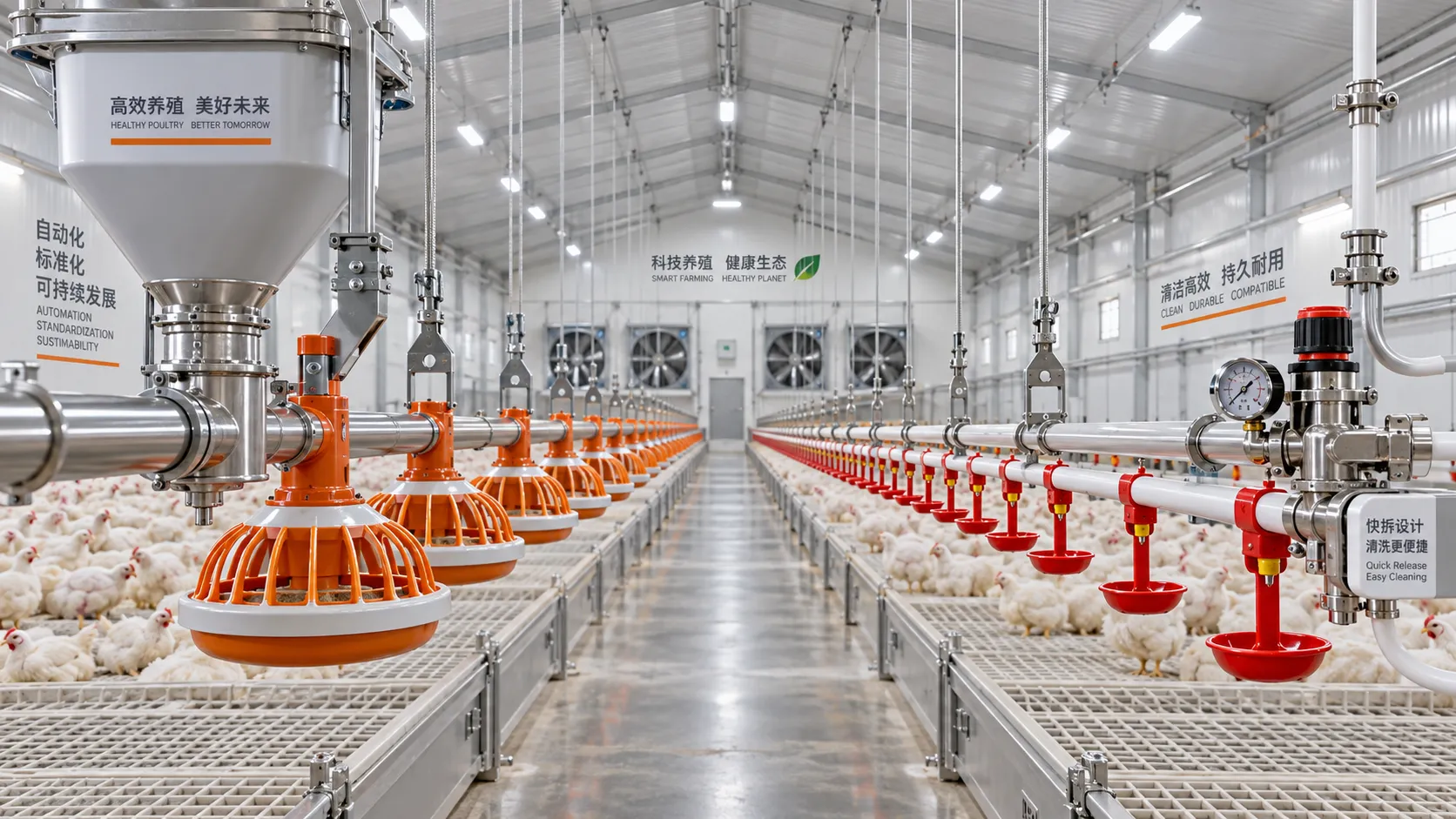
Poultry Equipment Selection: Evaluating Durability, Cleaning, and Compatibility
Poultry equipments selection guide: evaluate durability, cleaning access, and system compatibility to improve hygiene, reduce downtime, and support efficient flock management.
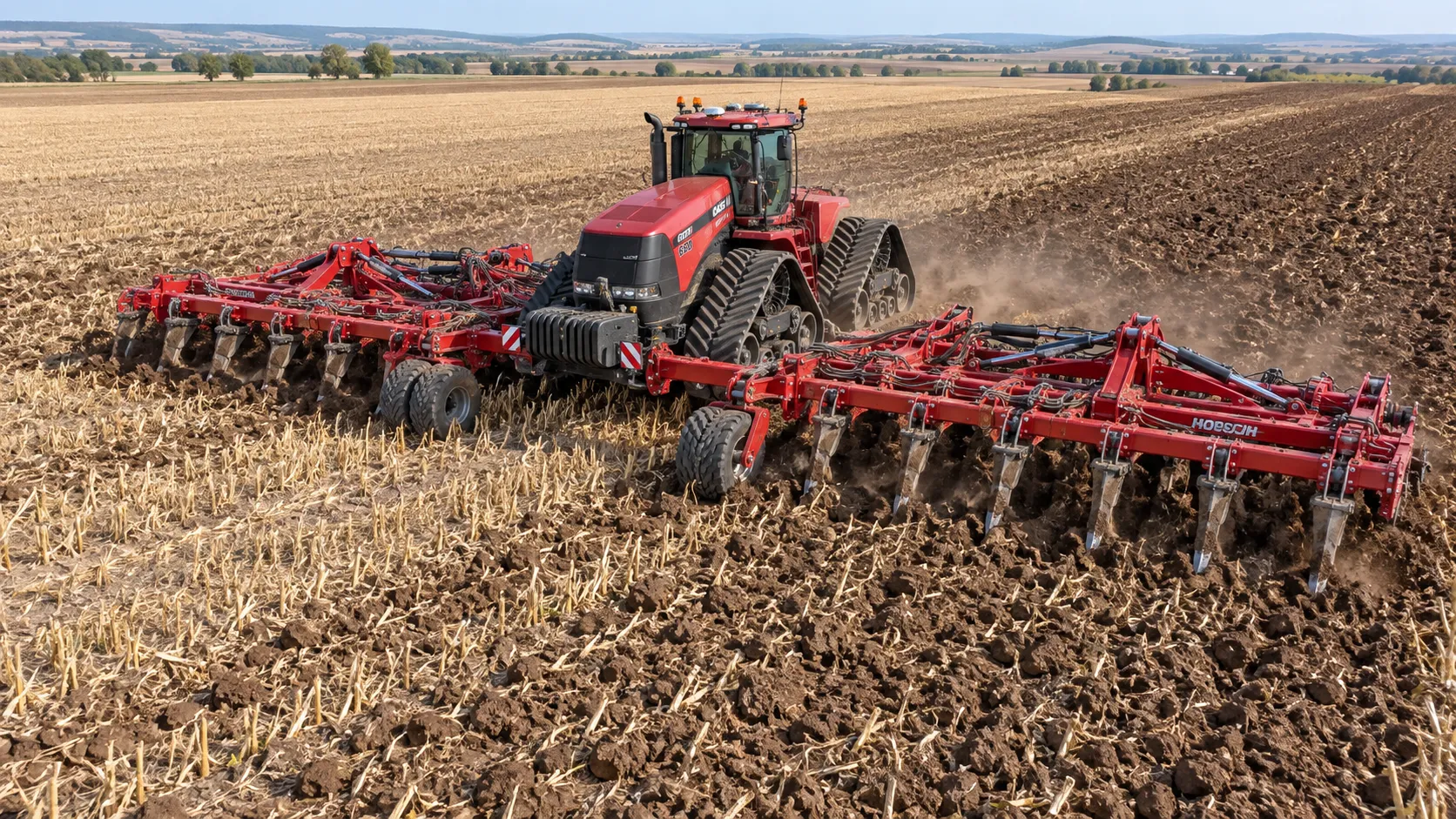
How to Select Heavy-Duty Farm Implements for High-Acreage, High-Horsepower Operations
Heavy duty farm implements: learn how to match draft, hydraulics, hitch capacity, frame strength, and field conditions for reliable high-acreage performance.
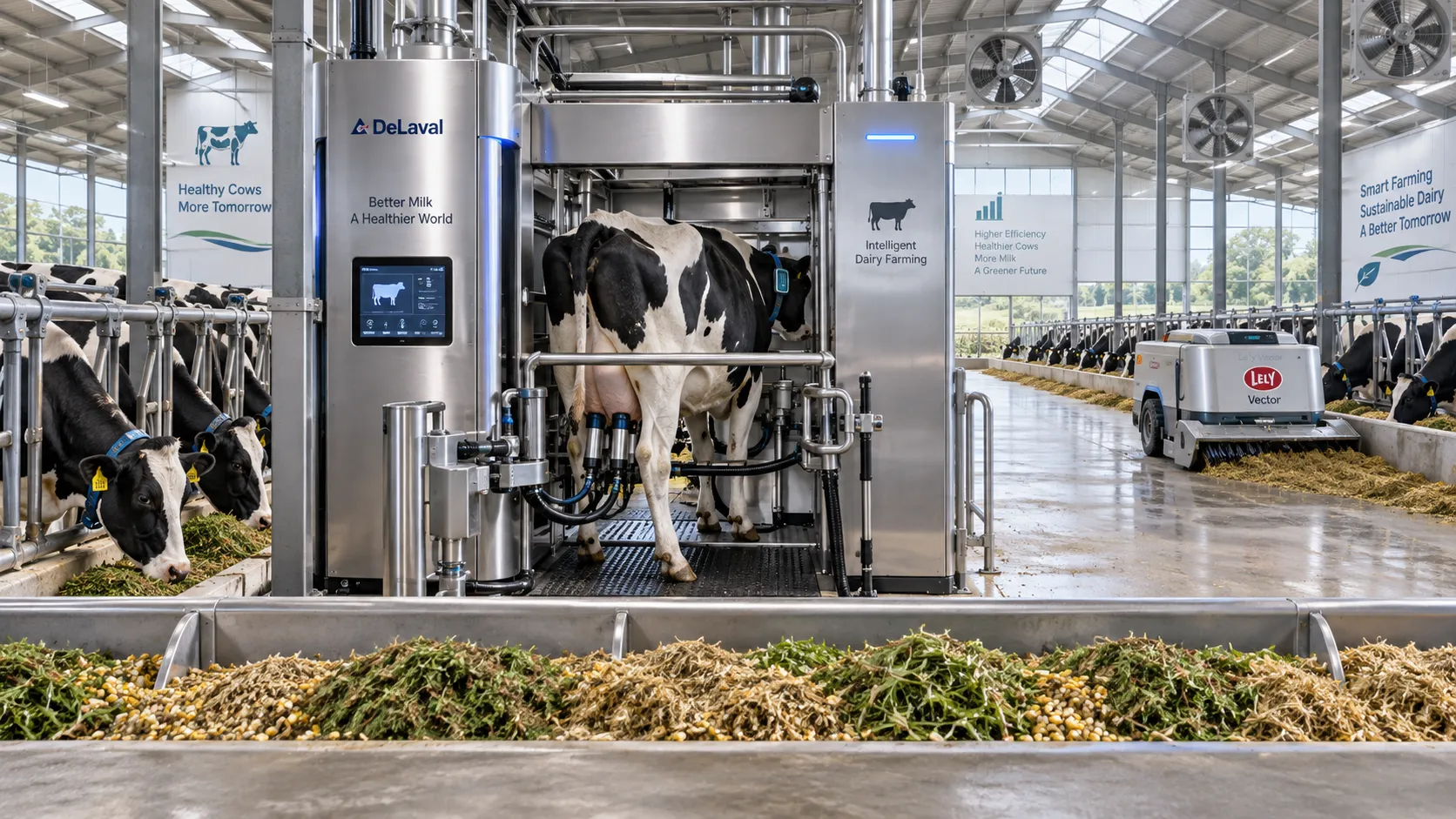
Smart Farming Technology for Dairy Farms: Where Automation Delivers Measurable ROI
Smart farming technology for dairy farms delivers measurable ROI through automation, precision feeding, health monitoring, and data-driven cost control.
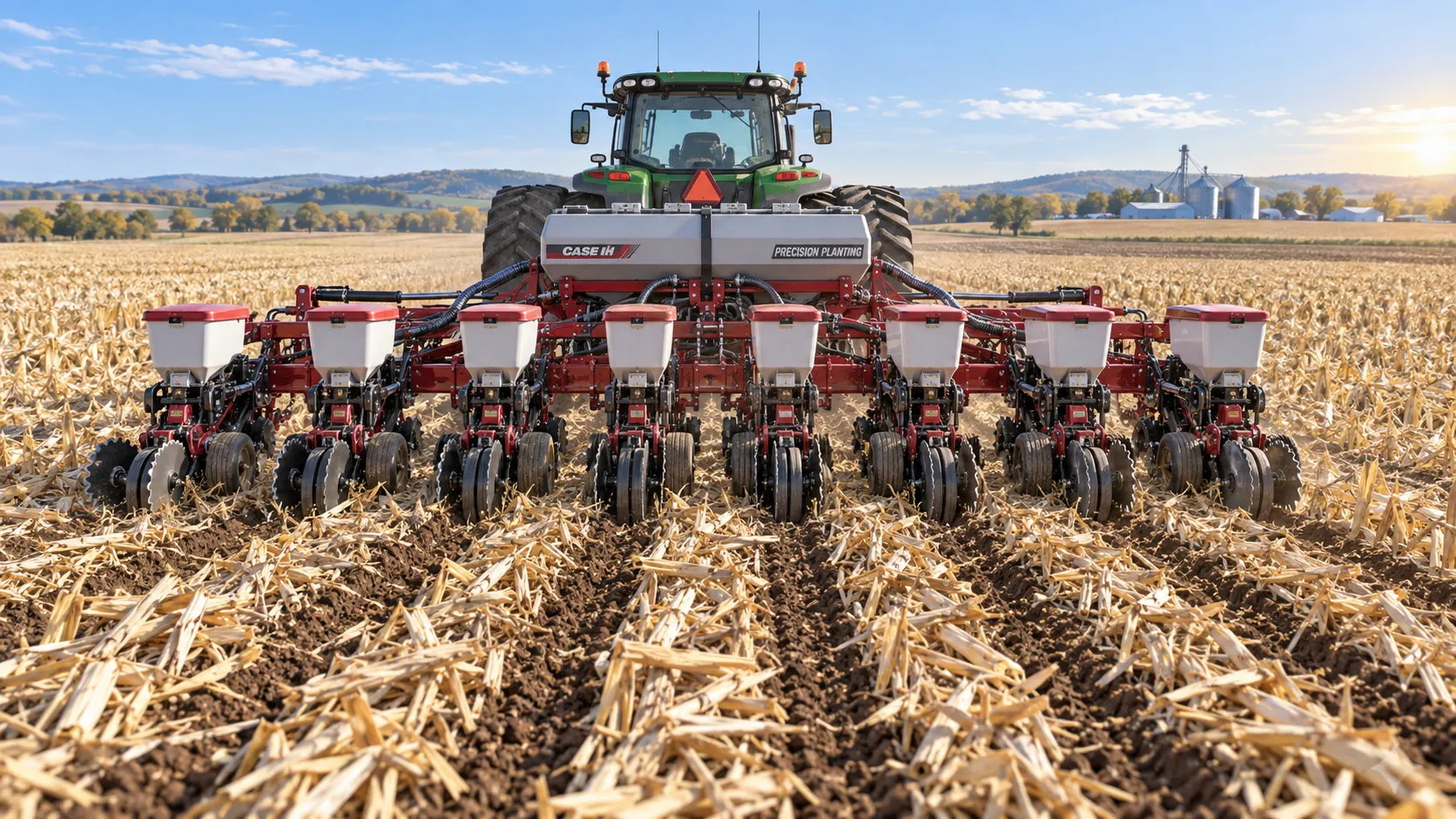
How to Select a Heavy-Duty Seeder for Large Acreage and High-Residue Fields
Heavy duty seeders for large acreage: compare residue handling, depth control, downforce, metering accuracy, and precision features to select the right model.
Related News
- 00
0000-00
How to Choose Plant Protection Equipment for Vineyard Pests - 00
0000-00
How to Read Agricultural Equipment Specifications for Sprayers Before You Compare Models - 00
0000-00
BIS Extends Fast-Track Approval for Self-Propelled Sprayers - 00
0000-00
Intelligent Sprayer Technology: Which Functions Matter Most for Field Efficiency? - 00
0000-00
How to Choose Plant Protection Equipment for Orchards by Tree Height, Row Spacing, and Spray Drift
Popular Tags
Agri-Mechanization Fellow
Weekly Insights
Stay ahead with our curated technology reports delivered every Monday.