
CIBF2026 Opens with Global Launch of Agricultural Battery Quick-Swap Standard
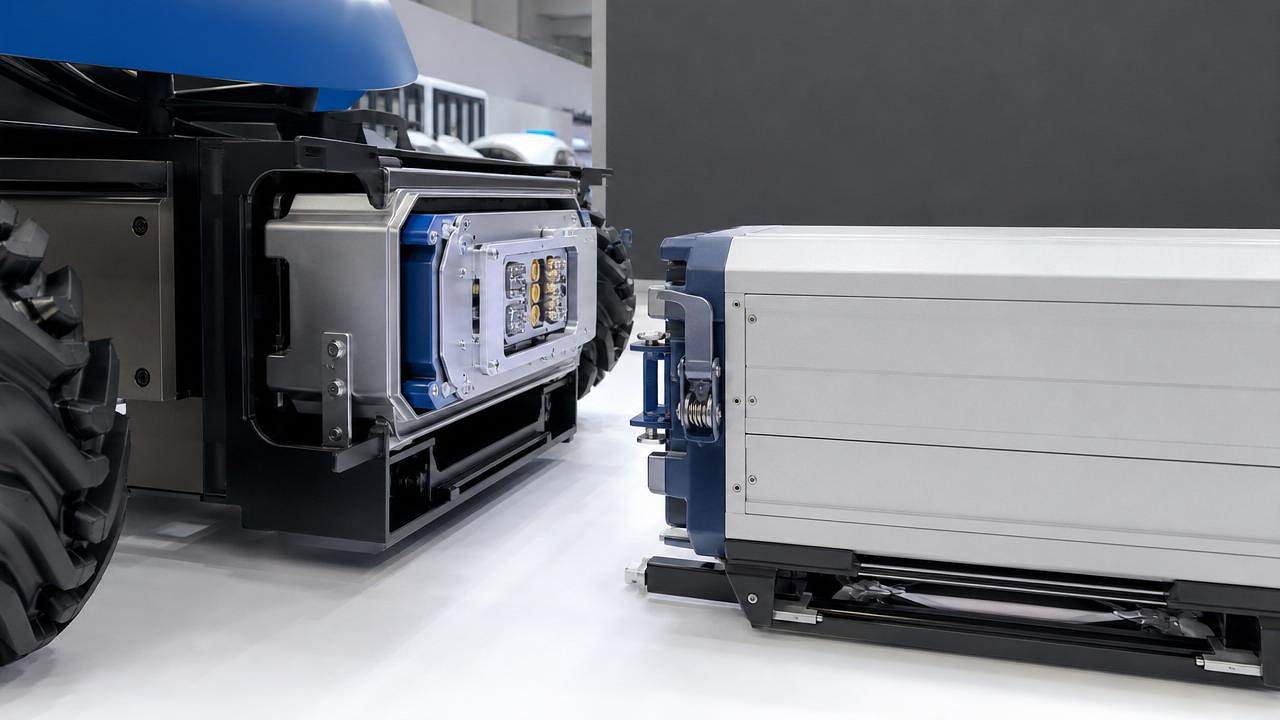




The 18th Shenzhen International Battery Fair (CIBF2026) opened on May 10, 2026. The release of the T/CIAPS 002-2026 — General Specification for Quick-Swap Interfaces of Lithium Power Batteries for Agricultural Machinery, jointly published by the China Industrial Association of Power Sources (CIAPS) and UL Solutions, marks the first globally announced technical standard for high-current, high-voltage quick-swap interfaces tailored to self-propelled sprayers, autonomous agricultural robots, and other mobile farm equipment. This development is particularly relevant for manufacturers and integrators in precision agriculture, battery systems, and industrial connectivity — as it introduces a unified mechanical, electrical, and communication interface framework at 200A, backed by UL 2580 supplementary certification.
Event Overview
On May 10, 2026, the 18th Shenzhen International Battery Fair (CIBF2026) commenced. During the event, the China Industrial Association of Power Sources (CIAPS) and UL Solutions officially released the standard T/CIAPS 002-2026 — General Specification for Quick-Swap Interfaces of Lithium Power Batteries for Agricultural Machinery. The standard defines a triple-interface (mechanical, electrical, and communication) specification for 200A high-voltage quick-swap connectors intended for self-propelled sprayers and autonomous agricultural robots. It has received supporting recognition under UL 2580 supplementary certification requirements.
Impact on Specific Industry Segments
Battery Pack Integrators & OEMs for Agricultural Equipment: These firms face immediate design implications, as the new interface standard constrains mechanical layout, contact material selection, thermal management integration, and CAN-based communication protocol alignment. Adoption may affect time-to-market for next-generation battery-swappable platforms.
Connector and Electromechanical Component Manufacturers: Companies producing high-current DC connectors must now assess compatibility with the defined pin configuration, ingress protection (IP) rating, mating cycles, and signal integrity requirements outlined in T/CIAPS 002-2026. Non-compliant legacy designs may require re-engineering for future tenders or OEM specifications.
UL-Registered Testing Laboratories and Certification Bodies: With UL 2580 supplementary certification referenced, labs involved in battery system safety evaluation will need to incorporate the new interface-specific test criteria — including vibration resistance, short-circuit robustness under hot-swap conditions, and interoperability verification — into their assessment protocols.
Agri-Robot and Smart Sprayer System Developers: For developers building autonomous field machines, the standard reduces interface fragmentation but introduces a new compliance layer. Integration timelines may extend if firmware-level communication handshaking (e.g., battery state-of-charge, health, and authentication signals) must be adapted to the defined message set.
What Relevant Enterprises or Practitioners Should Monitor and Act On
Track official interpretation and implementation guidance from CIAPS
The association has not yet published application notes or conformance testing procedures. Enterprises should monitor CIAPS announcements for clarification on scope boundaries (e.g., whether the standard applies only to new models or also retrofits), permissible deviations, and staged rollout expectations.
Assess exposure across product families and target markets
Firms exporting to China or supplying Chinese OEMs should prioritize review of current and planned battery interface designs against T/CIAPS 002-2026. Those targeting EU or North American markets should note that while this is a China-led standard, its technical rigor may influence future IEC or ISO working group proposals — especially given UL’s involvement.
Distinguish between regulatory signal and commercial enforcement
This is a voluntary industry standard (T/CIAPS), not a mandatory national regulation. Its near-term impact depends on OEM adoption, not legal mandate. Enterprises should evaluate procurement contracts and RFP language for emerging references to T/CIAPS 002-2026 — which would indicate de facto market pull.
Prepare internal cross-functional alignment ahead of supplier engagement
Engineering, procurement, and quality teams should jointly map current battery interface suppliers against the new mechanical and communication requirements. Early engagement with connector vendors on prototype-level validation — especially for thermal performance under repeated 200A hot swaps — can mitigate later redesign risk.
Editorial Perspective / Industry Observation
Observably, this launch functions primarily as a coordination signal rather than an immediate compliance trigger. The involvement of both CIAPS — a key industry self-regulatory body — and UL Solutions lends technical credibility and global resonance, but adoption remains dependent on OEM roadmap decisions and supply chain readiness. Analysis shows that the timing aligns with accelerating deployment of battery-powered autonomous farm machinery in China, suggesting the standard aims to preempt interoperability bottlenecks before market fragmentation deepens. From an industry perspective, it reflects a maturing phase: where early innovation in agri-batteries is giving way to infrastructure harmonization efforts. Continued attention is warranted not for immediate regulatory pressure, but because interface standards often become gateways to platform-level ecosystem control — especially when paired with safety-certification pathways like UL 2580.
Ultimately, T/CIAPS 002-2026 represents an early-stage institutional response to a real engineering challenge: enabling safe, repeatable, and intelligent battery swapping across diverse mobile agricultural platforms. Its significance lies less in immediate enforceability and more in its role as a reference point for design convergence — one that may gradually shape procurement expectations, component roadmaps, and certification practices over the next 12–24 months. Currently, it is more appropriately understood as a strategic marker than an operational requirement.
Source: China Industrial Association of Power Sources (CIAPS); UL Solutions; Official CIBF2026 press materials (May 10, 2026).
Note: Ongoing developments — including formal test method documentation, OEM adoption announcements, and potential alignment with international standards bodies — remain subject to observation.
Related News
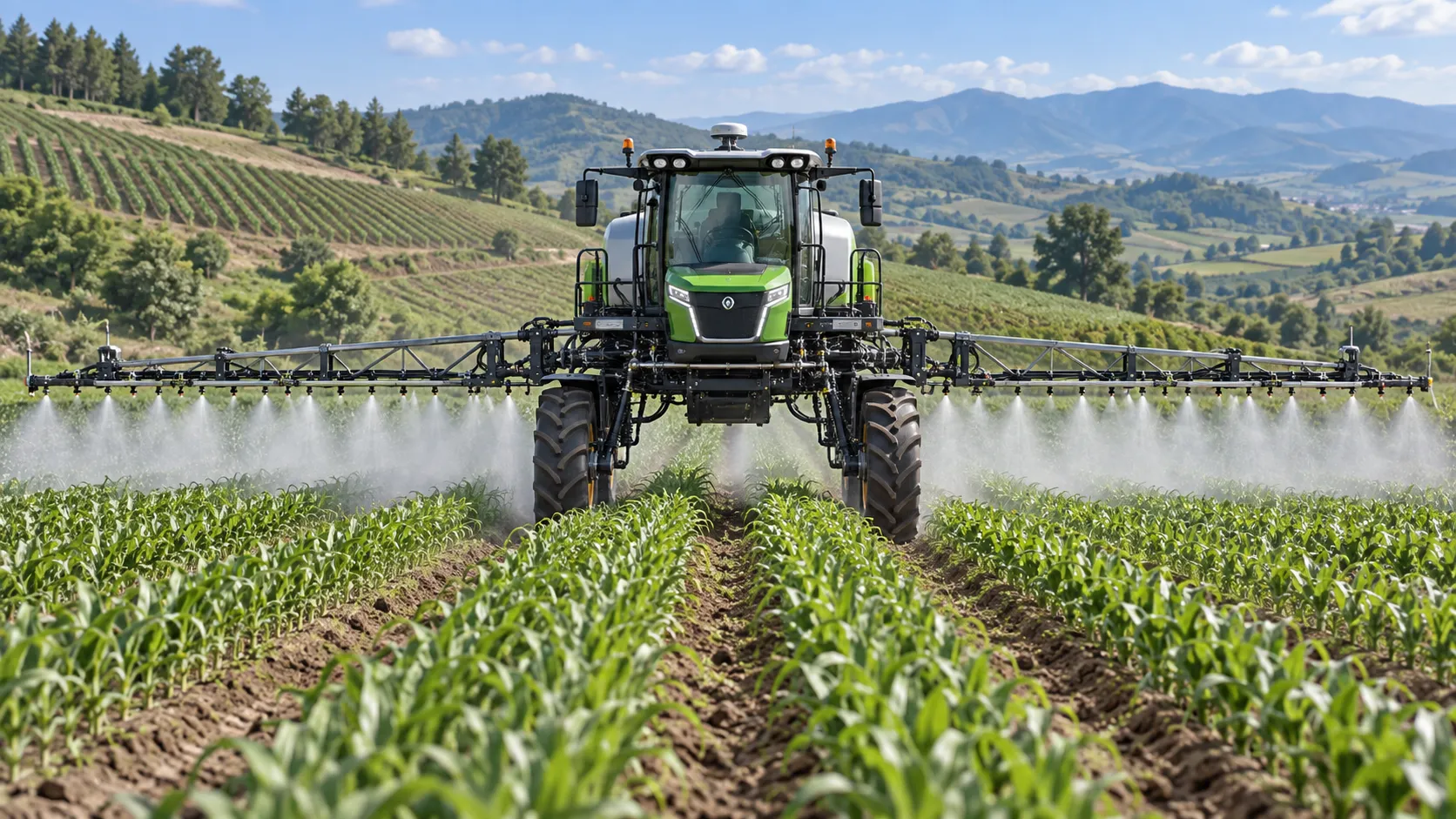
How to Select Precision Crop Protection Equipment for Variable Field Conditions
Precision crop protection equipment selection made simple: compare terrain, canopy, weather, control accuracy, and data workflows for reliable applications.

When Does Agricultural Machinery Leasing Cost Less Than Owning Equipment?
Agricultural machinery leasing can lower farm costs when use is seasonal or uncertain. Compare utilization, maintenance, cash flow, and risk to make a smarter equipment decision.

How to Evaluate Precision Fertilization System Suppliers for Farm-Scale Deployment
Precision fertilization systems suppliers: learn how to compare accuracy, integration, uptime, service, and total cost for confident farm-scale deployment.
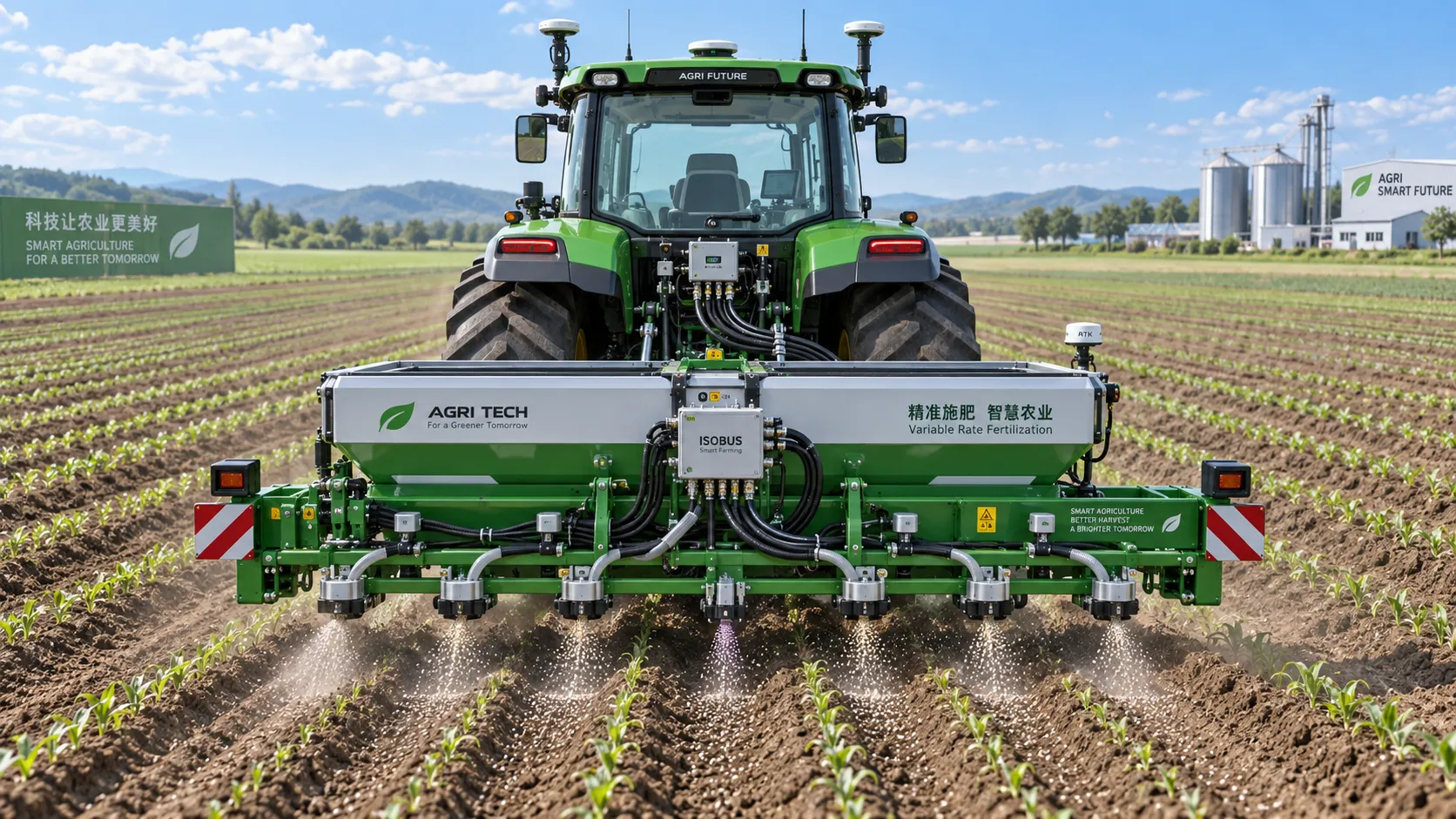
ISOBUS for Smart Agriculture: How It Connects Tractors, Implements, and Farm Data
ISOBUS for smart agriculture connects tractors, implements, terminals, and farm data—helping growers improve precision, documentation, and smarter field decisions.
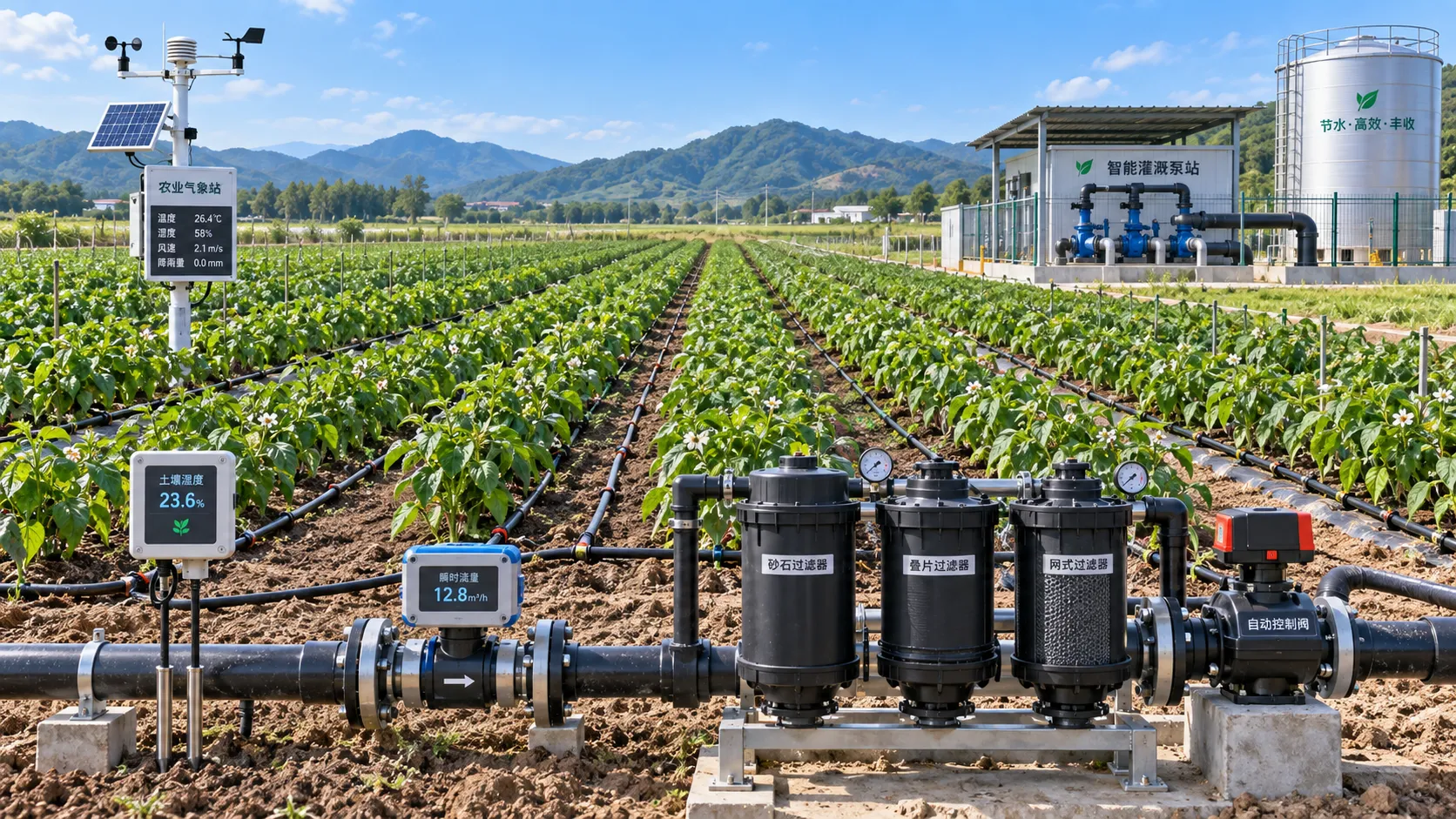
Automated Water-Saving Irrigation: How to Cut Water Use Without Reducing Crop Yields
Automated water-saving irrigation helps farms cut water use, protect crop yields, improve scheduling, and gain reliable control with sensors, flow monitoring, and smart zones.
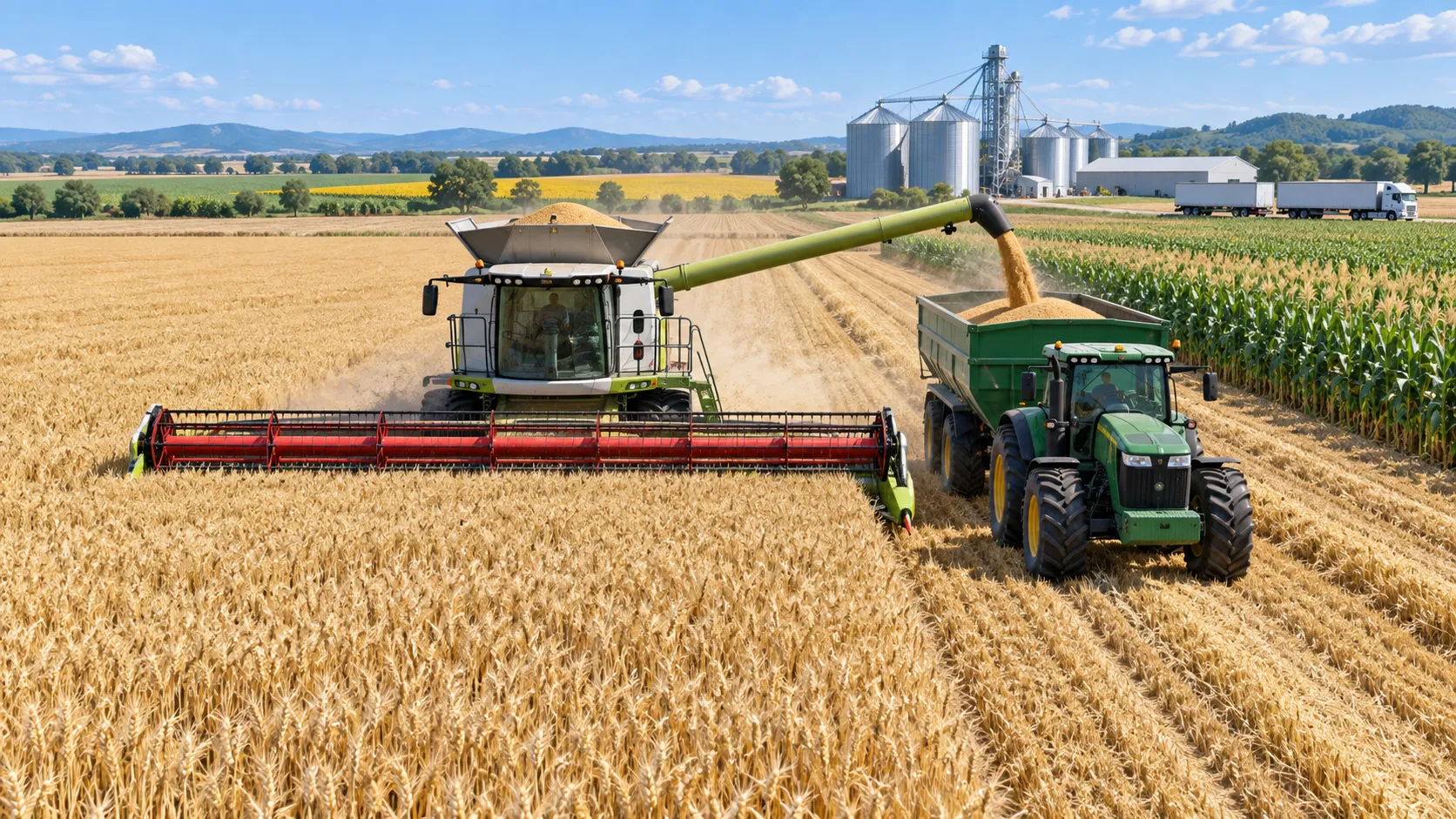
Selecting Grain Farm Equipment by Acreage, Crop Mix, and Harvest Window
Agricultural equipment selection for grain farming: match machinery to acreage, crop mix, and harvest windows to improve uptime, efficiency, and returns.
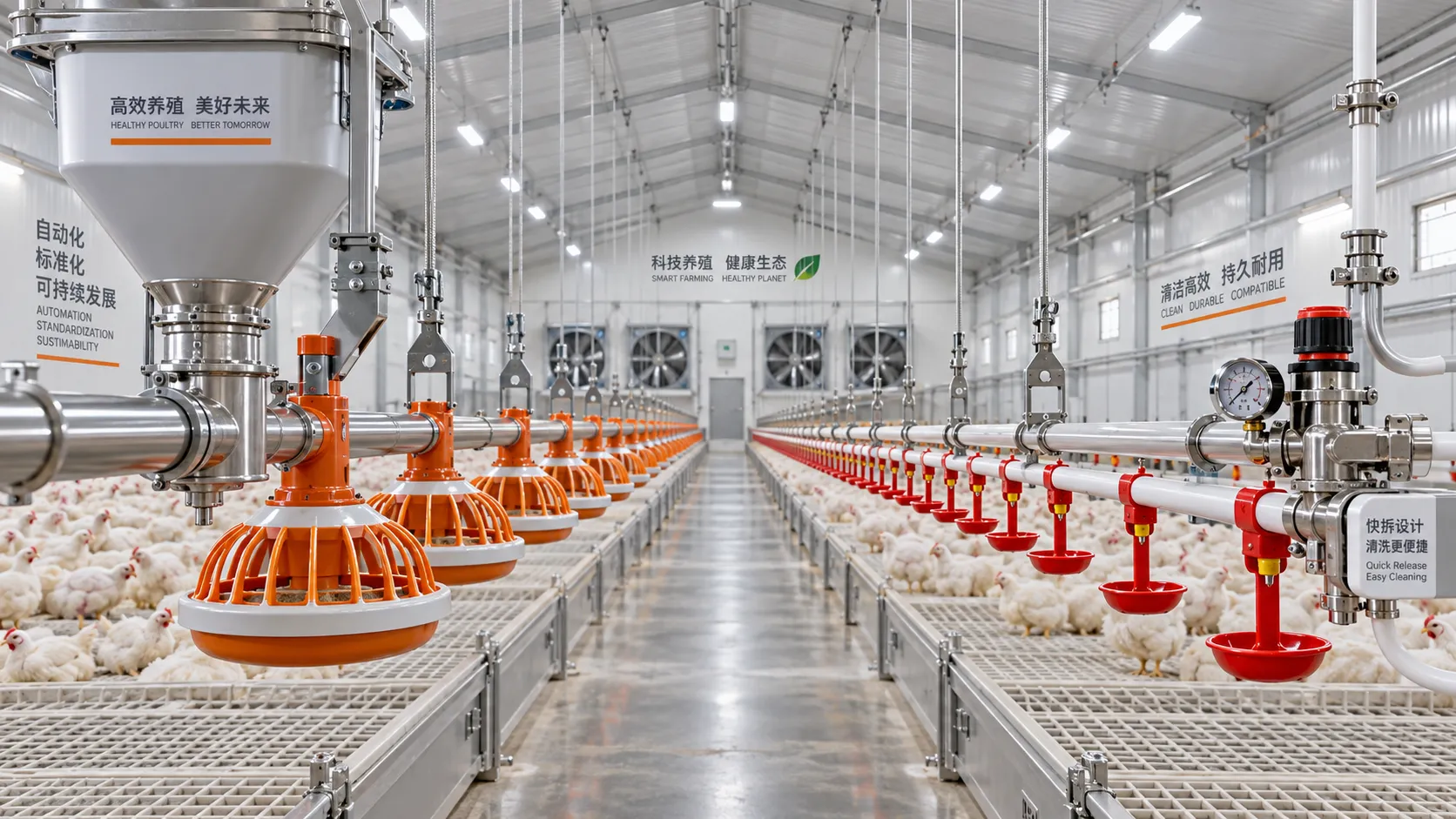
Poultry Equipment Selection: Evaluating Durability, Cleaning, and Compatibility
Poultry equipments selection guide: evaluate durability, cleaning access, and system compatibility to improve hygiene, reduce downtime, and support efficient flock management.
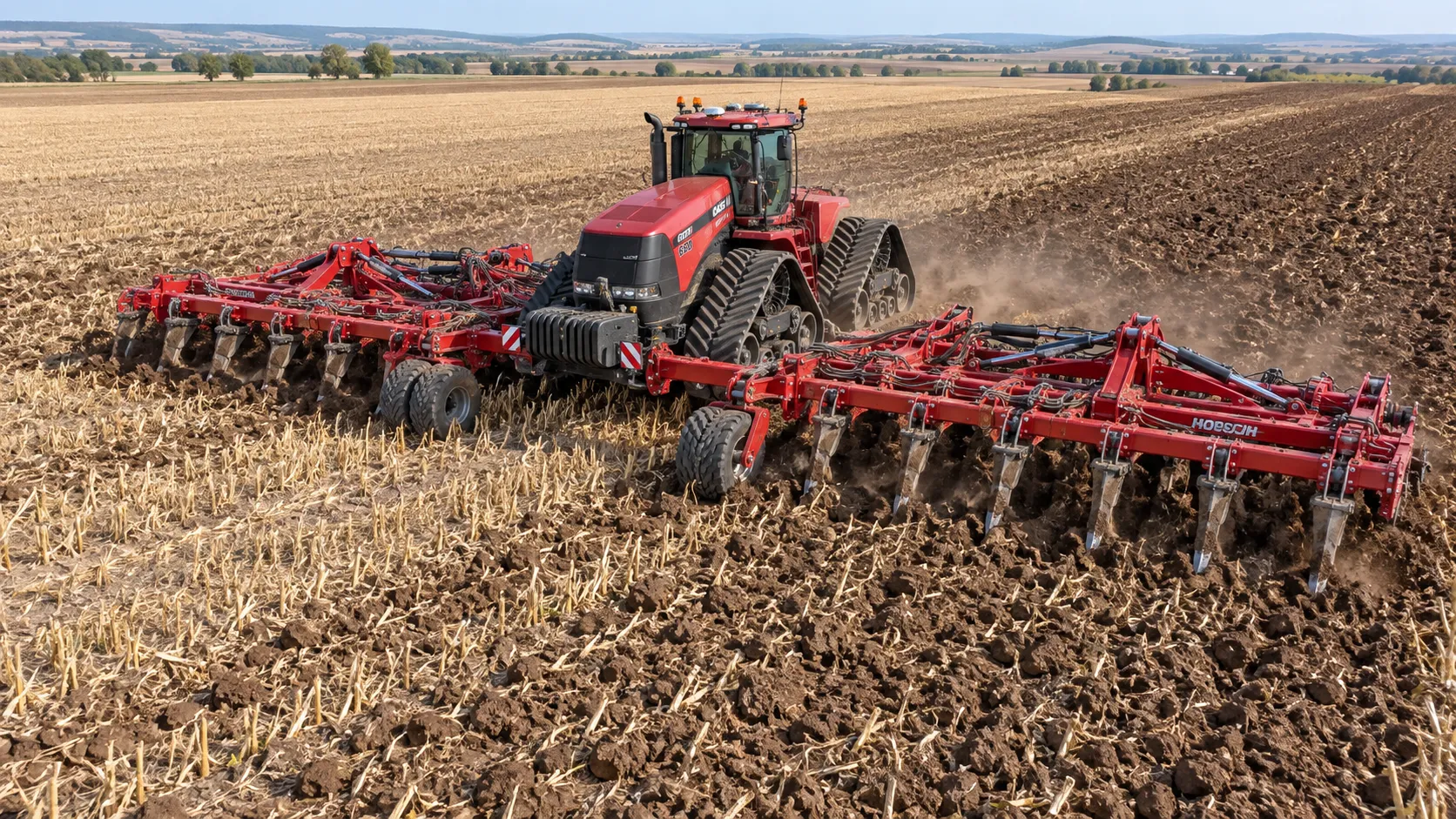
How to Select Heavy-Duty Farm Implements for High-Acreage, High-Horsepower Operations
Heavy duty farm implements: learn how to match draft, hydraulics, hitch capacity, frame strength, and field conditions for reliable high-acreage performance.
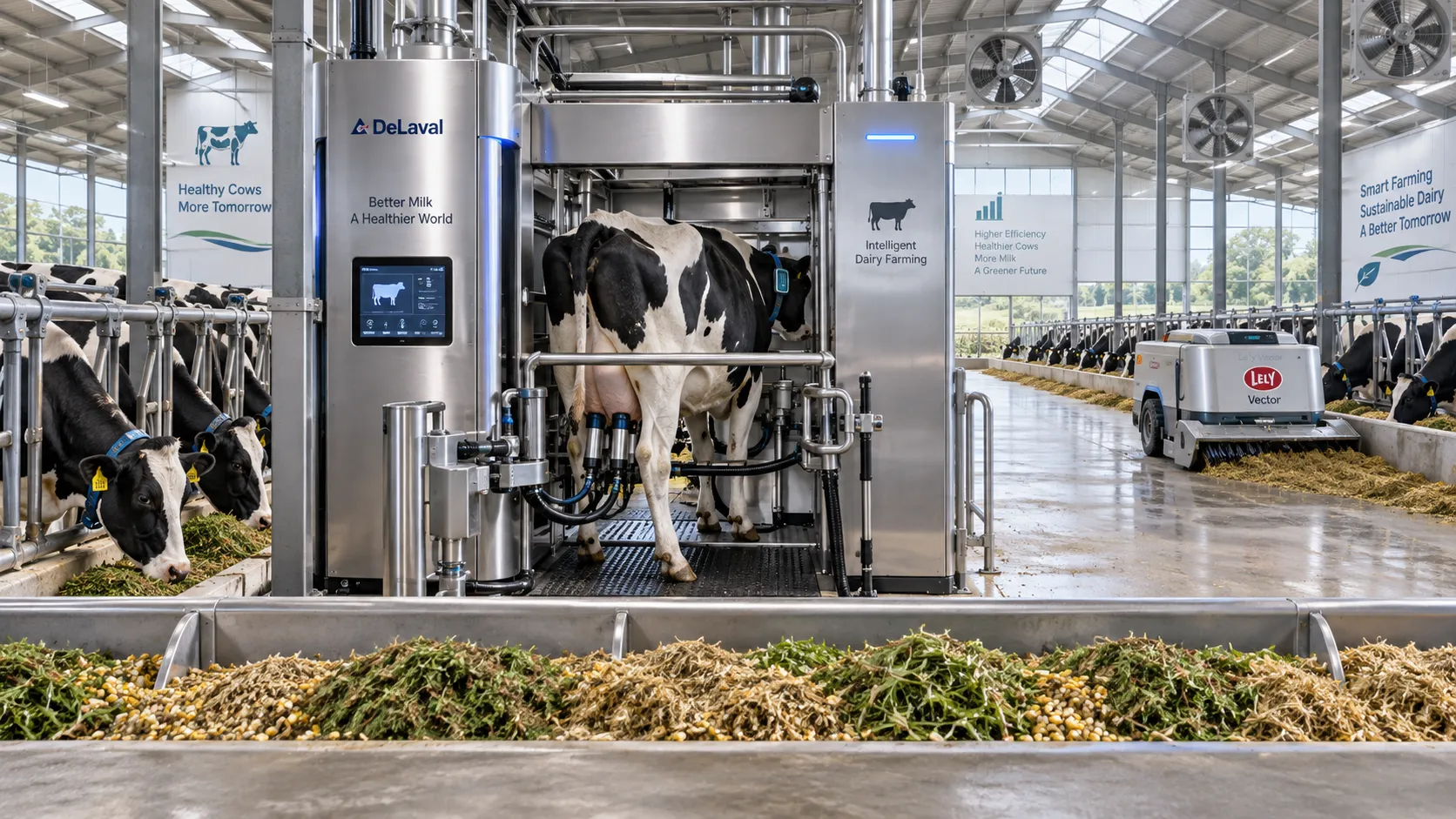
Smart Farming Technology for Dairy Farms: Where Automation Delivers Measurable ROI
Smart farming technology for dairy farms delivers measurable ROI through automation, precision feeding, health monitoring, and data-driven cost control.
Related News
- 00
0000-00
How to Choose Plant Protection Equipment for Vineyard Pests - 00
0000-00
How to Read Agricultural Equipment Specifications for Sprayers Before You Compare Models - 00
0000-00
BIS Extends Fast-Track Approval for Self-Propelled Sprayers - 00
0000-00
Intelligent Sprayer Technology: Which Functions Matter Most for Field Efficiency? - 00
0000-00
How to Choose Plant Protection Equipment for Orchards by Tree Height, Row Spacing, and Spray Drift
Popular Tags
Agri-Mechanization Fellow
Weekly Insights
Stay ahead with our curated technology reports delivered every Monday.