
GSI Delivers World’s First 10,000-Car PCTC, Boosting Heavy Agricultural Equipment Export Capacity
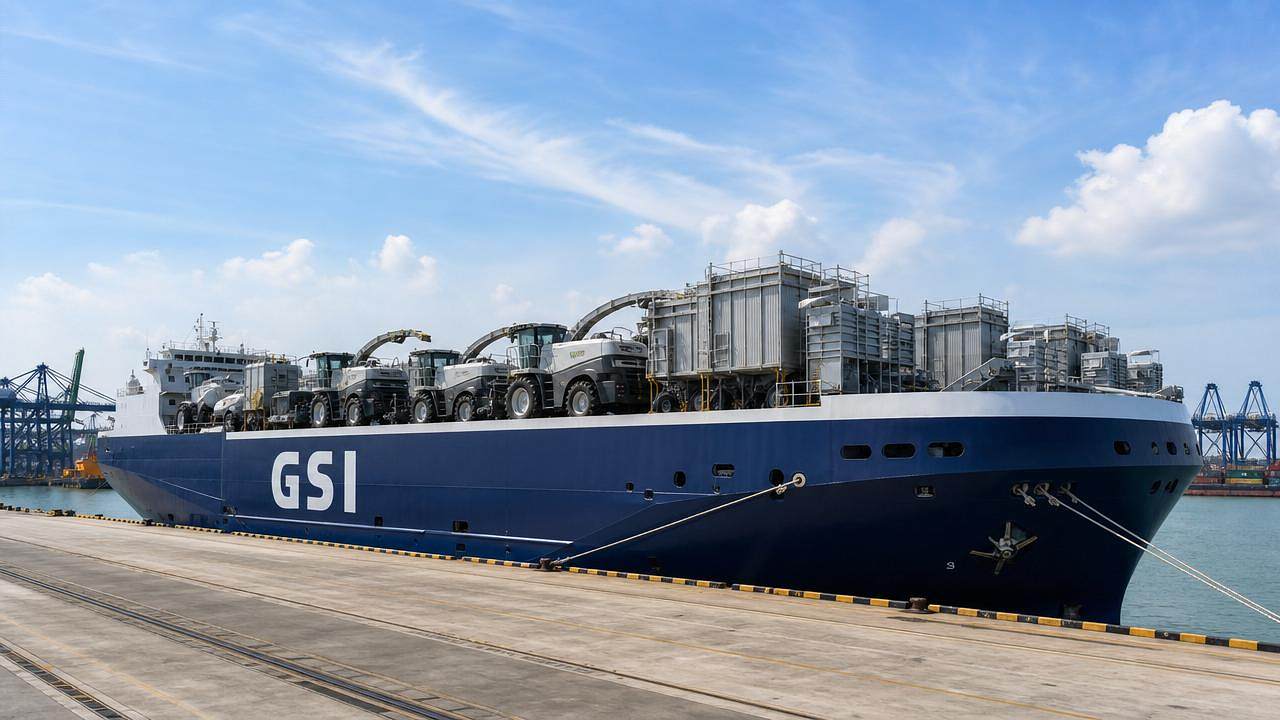




On 28 April 2026, Guangzhou Shipyard International (GSI) delivered the world’s first pure car and truck carrier (PCTC) with a capacity of 10,800 vehicles in Nansha, Guangzhou. The vessel supports mixed loading of electric vehicles, hydrogen-powered vehicles, and heavy-duty trucks, and holds DNV certification for green fuel readiness. This milestone directly impacts exporters of large-scale intelligent agricultural machinery—including self-propelled forage harvesters and modular grain drying systems—to Latin America, the Middle East, and Southeast Asia, where maritime logistics efficiency and carbon compliance are increasingly decisive in trade execution.
Event Overview
On 28 April 2026, Guangzhou Shipyard International delivered the world’s first 10,000-car-capacity PCTC in Nansha, Guangzhou. The vessel is certified by DNV for green fuel readiness and is designed to carry 10,800 vehicles, including electric vehicles, hydrogen-powered vehicles, and heavy-duty trucks. Its deployment is intended to enhance maritime transport capacity for large intelligent agricultural machinery destined for Latin America, the Middle East, and Southeast Asia.
Which Subsectors Are Affected
Direct Exporters of Agricultural Machinery
Exporters of self-propelled forage harvesters and modular grain drying systems face reduced per-unit ocean freight costs and improved scheduling reliability due to higher vessel capacity and dedicated roll-on/roll-off infrastructure. Mixed-load capability also enables consolidated shipments of complementary equipment—e.g., tractors with attached implements—without requiring separate charter arrangements.
Supply Chain Service Providers (Ro-Ro Terminal Operators, Maritime Logistics Integrators)
Ro-Ro terminal operators in Chinese ports serving agricultural machinery export hubs—such as Qingdao, Tianjin, and Shanghai—may experience increased demand for pre-stowage preparation, battery safety verification, and hydrogen vehicle handling protocols. Maritime logistics integrators will need to adapt documentation workflows to accommodate dual-fuel vessel requirements and green fuel certification reporting.
Manufacturers of Heavy-Duty Agricultural Equipment
Manufacturers producing oversized or high-weight units—such as tracked self-propelled harvesters exceeding standard deck height or weight limits—may benefit from the vessel’s reinforced decks and flexible internal ramp configurations. However, design-for-transport considerations (e.g., folding booms, detachable cabs) may become more critical to maximize stowage density across mixed-load voyages.
What Relevant Enterprises or Practitioners Should Monitor and Act On
Track vessel deployment patterns and port call frequency on key trade lanes
Current operational data—including actual sailings to Santos, Dubai, and Laem Chabang—is not yet publicly available. Exporters should monitor AIS tracking and liner schedules over Q3–Q4 2026 to assess real-world utilization and transit time consistency before committing to long-term contracts.
Review cargo preparation protocols for EV and hydrogen vehicle co-loading
DNV’s green fuel certification covers vessel readiness—not cargo compatibility standards. Exporters must verify updated IATA/IMDG guidelines for lithium battery segregation, hydrogen system isolation, and fire suppression requirements applicable to mixed-deck configurations before tendering shipments.
Assess impact on inland logistics coordination
Higher vessel capacity increases pressure on just-in-time rail and road feeder services to avoid port congestion. Enterprises should evaluate buffer capacity at inland consolidation centers and confirm alignment between factory dispatch windows and vessel berth availability windows published by GSI’s charter partners.
Monitor regulatory developments around low-carbon shipping incentives
While the vessel holds DNV green fuel certification, no national or regional incentive scheme (e.g., EU ETS exemptions, China’s Green Shipping Pilot Policy subsidies) has yet been formally linked to this vessel class. Stakeholders should track policy announcements from the Ministry of Transport (China), IMO, and regional port authorities through mid-2026.
Editorial Perspective / Industry Observation
Observably, this delivery signals a structural shift—not merely a capacity increment—in how high-value, low-volume agricultural capital goods are integrated into global Ro-Ro networks. Analysis shows the vessel’s design prioritizes flexibility (mixed fuel type, mixed vehicle class) over raw scale alone, suggesting future PCTC deployments may emphasize regulatory adaptability rather than linear growth in car-equivalent units. From an industry perspective, this is best understood as an early-stage enabler: its operational impact remains contingent on charterer adoption, port infrastructure upgrades, and harmonization of cross-border emissions reporting frameworks. Continued observation is warranted through Q3 2026, particularly regarding actual voyage performance metrics and associated commercial terms offered to agricultural equipment shippers.
Conclusion: This delivery marks a tangible upgrade in maritime infrastructure supporting agricultural machinery exports—but its sector-wide influence depends less on the vessel itself and more on how quickly supporting systems (regulatory, terminal, contractual) align around its capabilities. It is more accurately interpreted as an infrastructure readiness signal than an immediate market inflection point.
Information Source: Official announcement by Guangzhou Shipyard International, dated 28 April 2026; DNV Type Approval Certificate No. DNVGL-TA-04267 (publicly referenced in GSI press release); UN Comtrade HS Code 8433-based export volume trends for China to target regions (2023–2025, preliminary). Note: Actual charter operator, commercial terms, and voyage performance data remain pending public disclosure and are subject to ongoing observation.
Related News
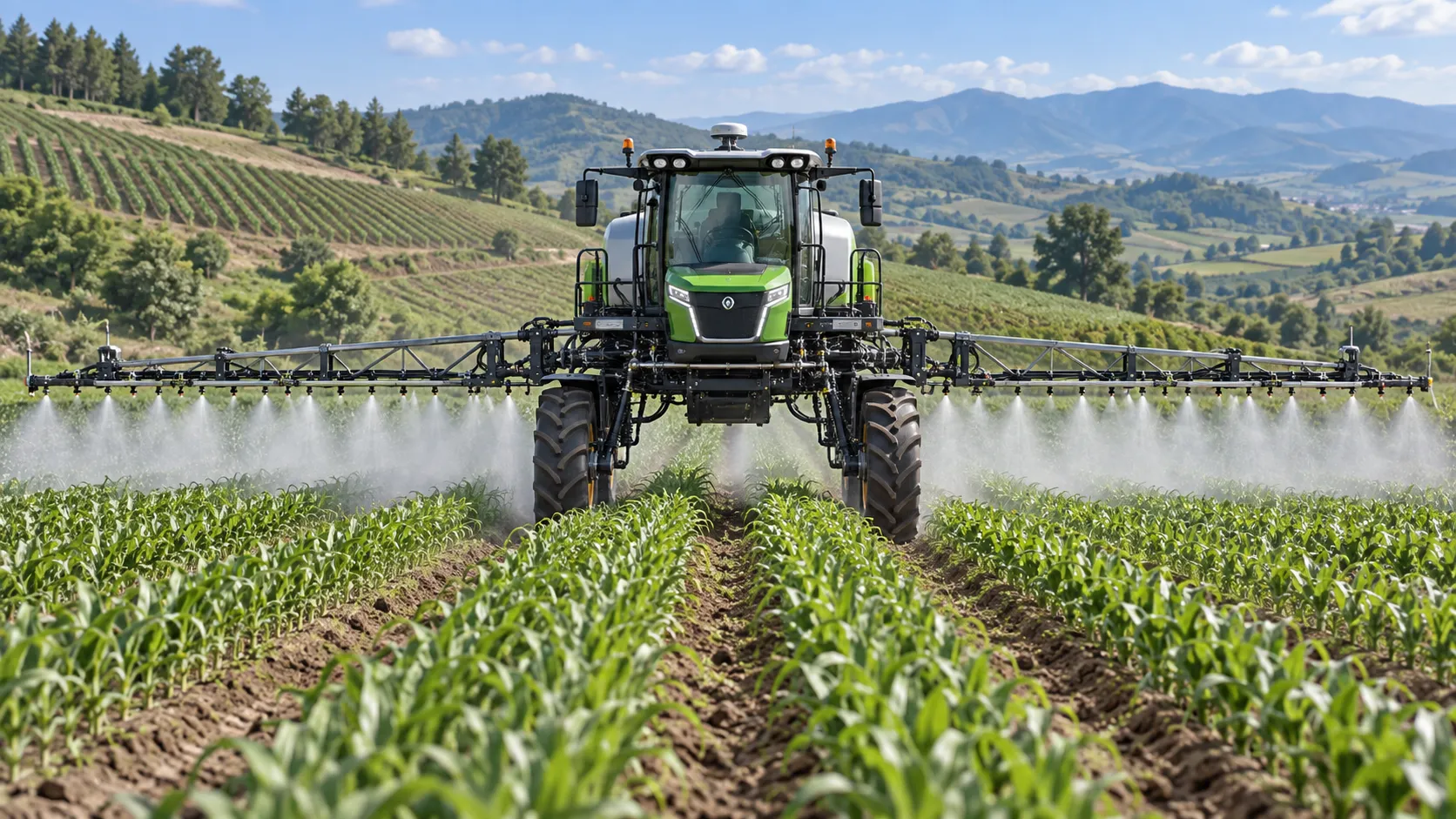
How to Select Precision Crop Protection Equipment for Variable Field Conditions
Precision crop protection equipment selection made simple: compare terrain, canopy, weather, control accuracy, and data workflows for reliable applications.

When Does Agricultural Machinery Leasing Cost Less Than Owning Equipment?
Agricultural machinery leasing can lower farm costs when use is seasonal or uncertain. Compare utilization, maintenance, cash flow, and risk to make a smarter equipment decision.
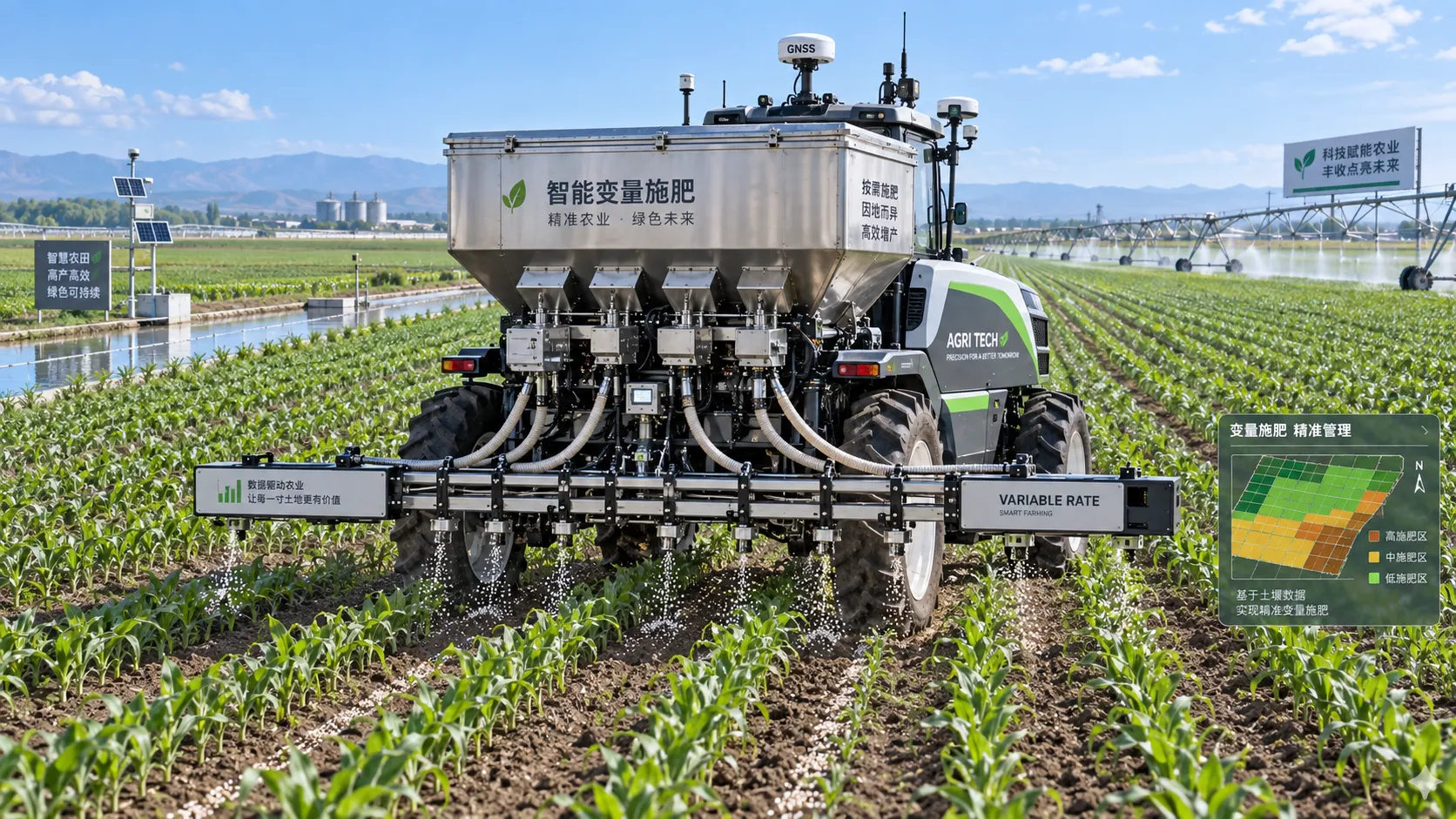
How to Evaluate Precision Fertilization System Suppliers for Farm-Scale Deployment
Precision fertilization systems suppliers: learn how to compare accuracy, integration, uptime, service, and total cost for confident farm-scale deployment.
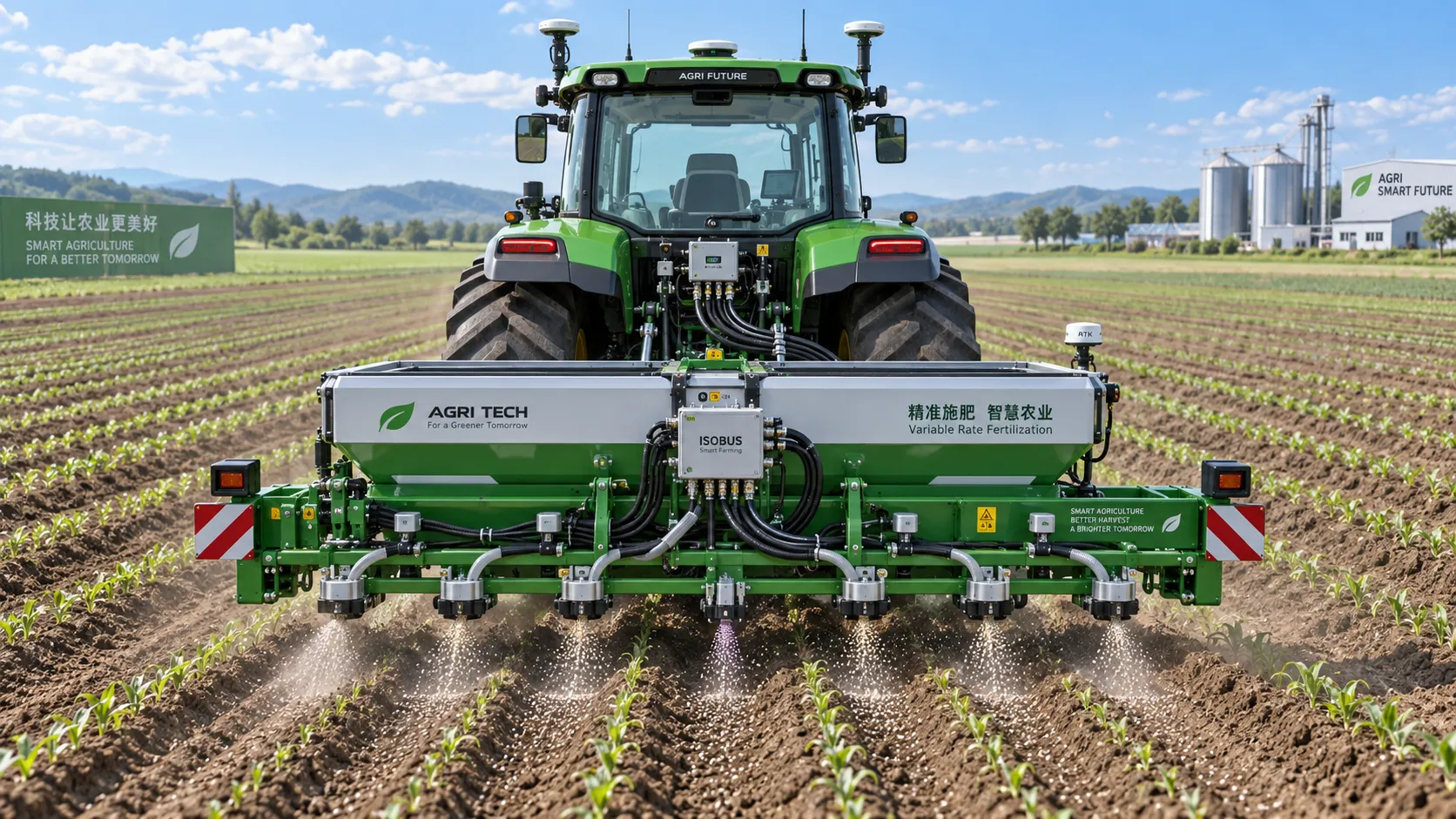
ISOBUS for Smart Agriculture: How It Connects Tractors, Implements, and Farm Data
ISOBUS for smart agriculture connects tractors, implements, terminals, and farm data—helping growers improve precision, documentation, and smarter field decisions.
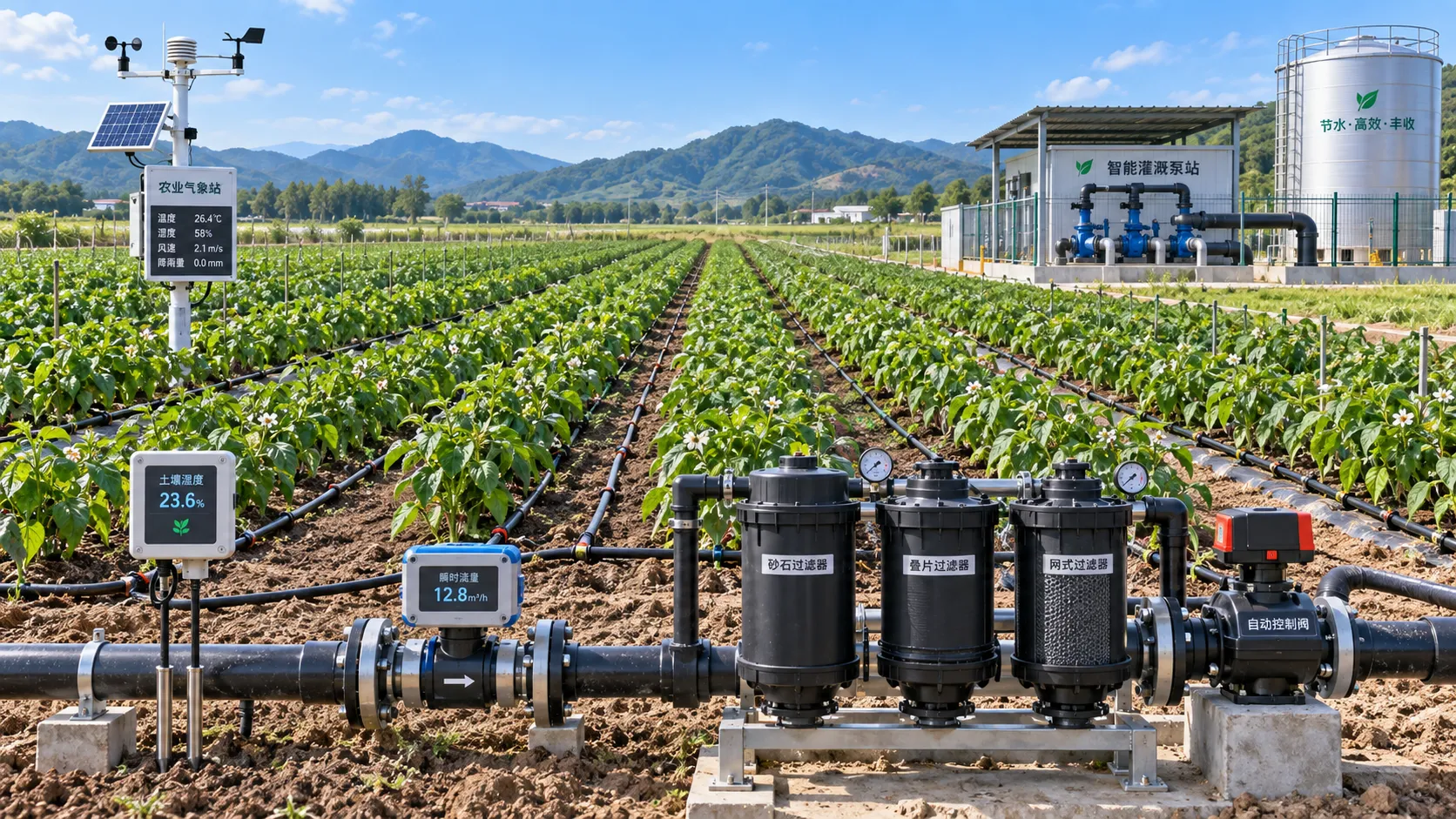
Automated Water-Saving Irrigation: How to Cut Water Use Without Reducing Crop Yields
Automated water-saving irrigation helps farms cut water use, protect crop yields, improve scheduling, and gain reliable control with sensors, flow monitoring, and smart zones.
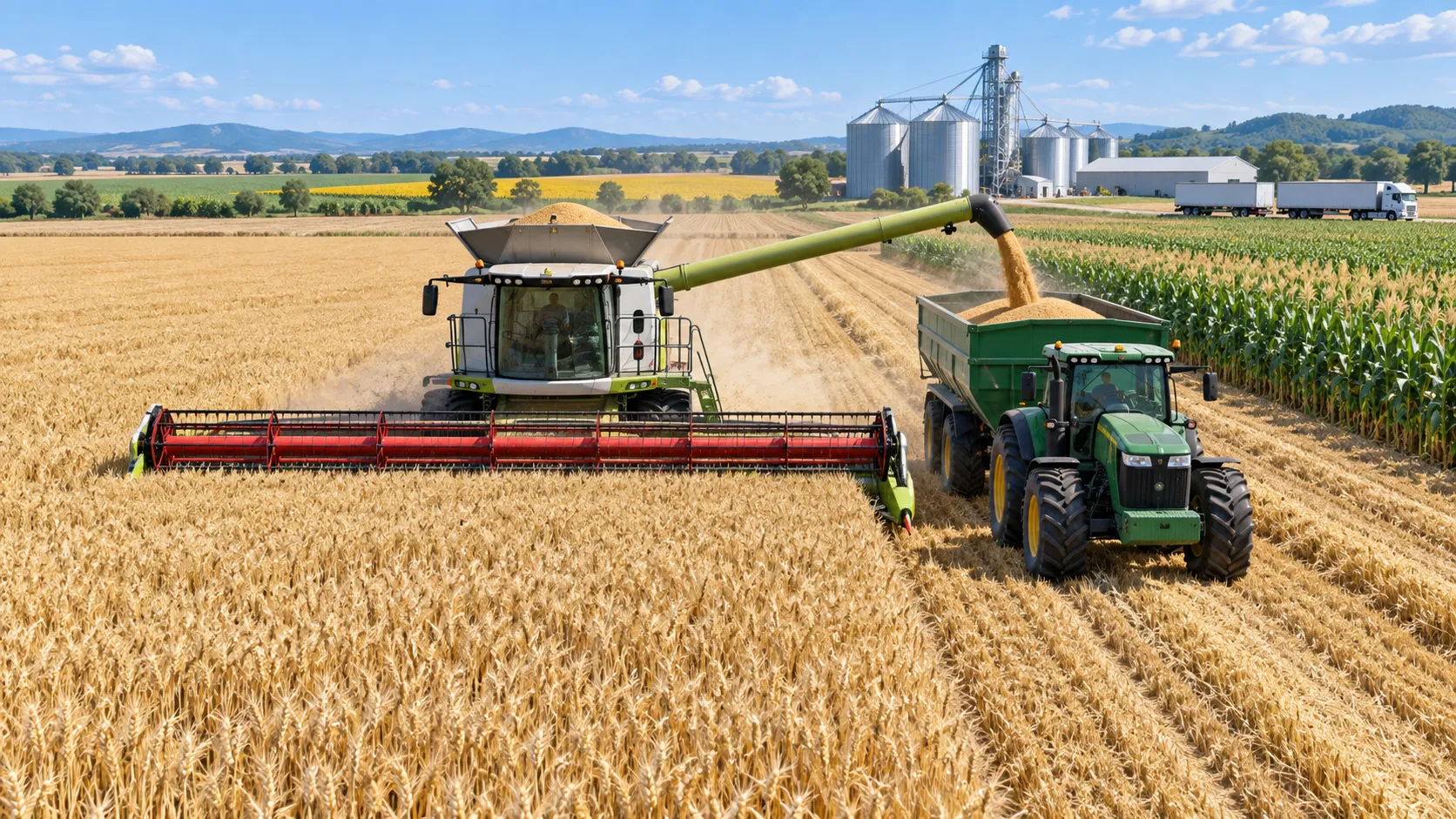
Selecting Grain Farm Equipment by Acreage, Crop Mix, and Harvest Window
Agricultural equipment selection for grain farming: match machinery to acreage, crop mix, and harvest windows to improve uptime, efficiency, and returns.
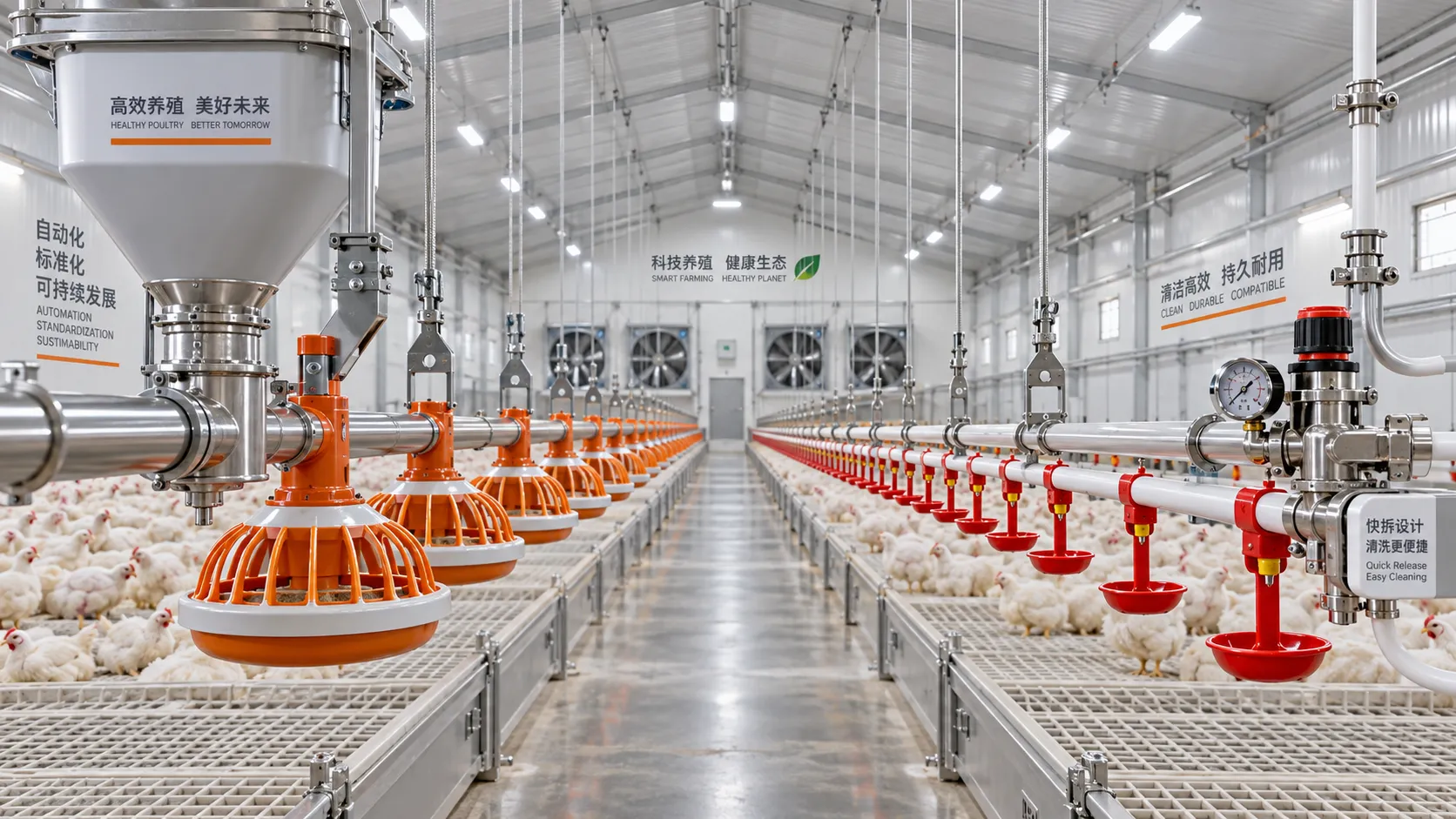
Poultry Equipment Selection: Evaluating Durability, Cleaning, and Compatibility
Poultry equipments selection guide: evaluate durability, cleaning access, and system compatibility to improve hygiene, reduce downtime, and support efficient flock management.
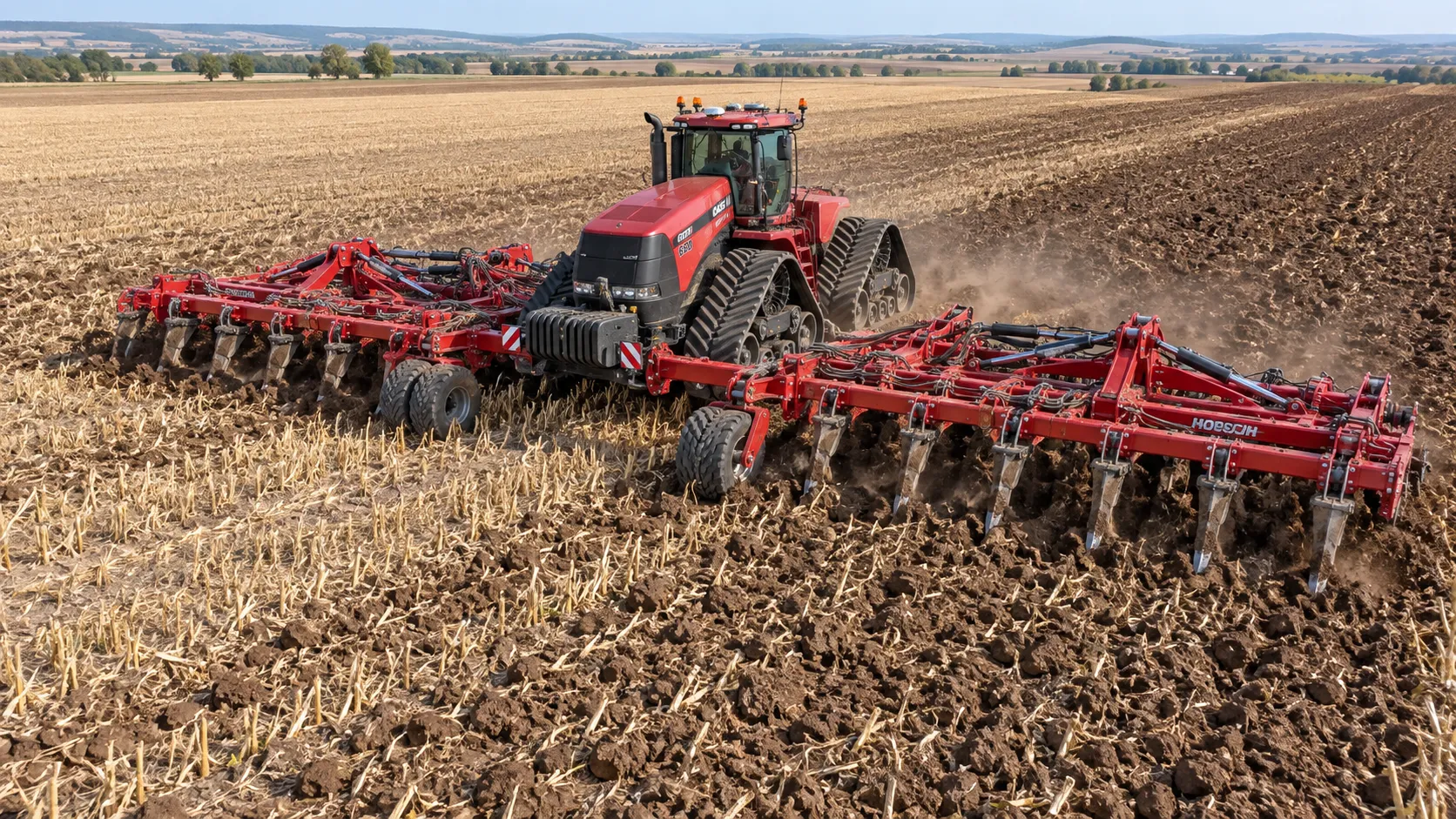
How to Select Heavy-Duty Farm Implements for High-Acreage, High-Horsepower Operations
Heavy duty farm implements: learn how to match draft, hydraulics, hitch capacity, frame strength, and field conditions for reliable high-acreage performance.
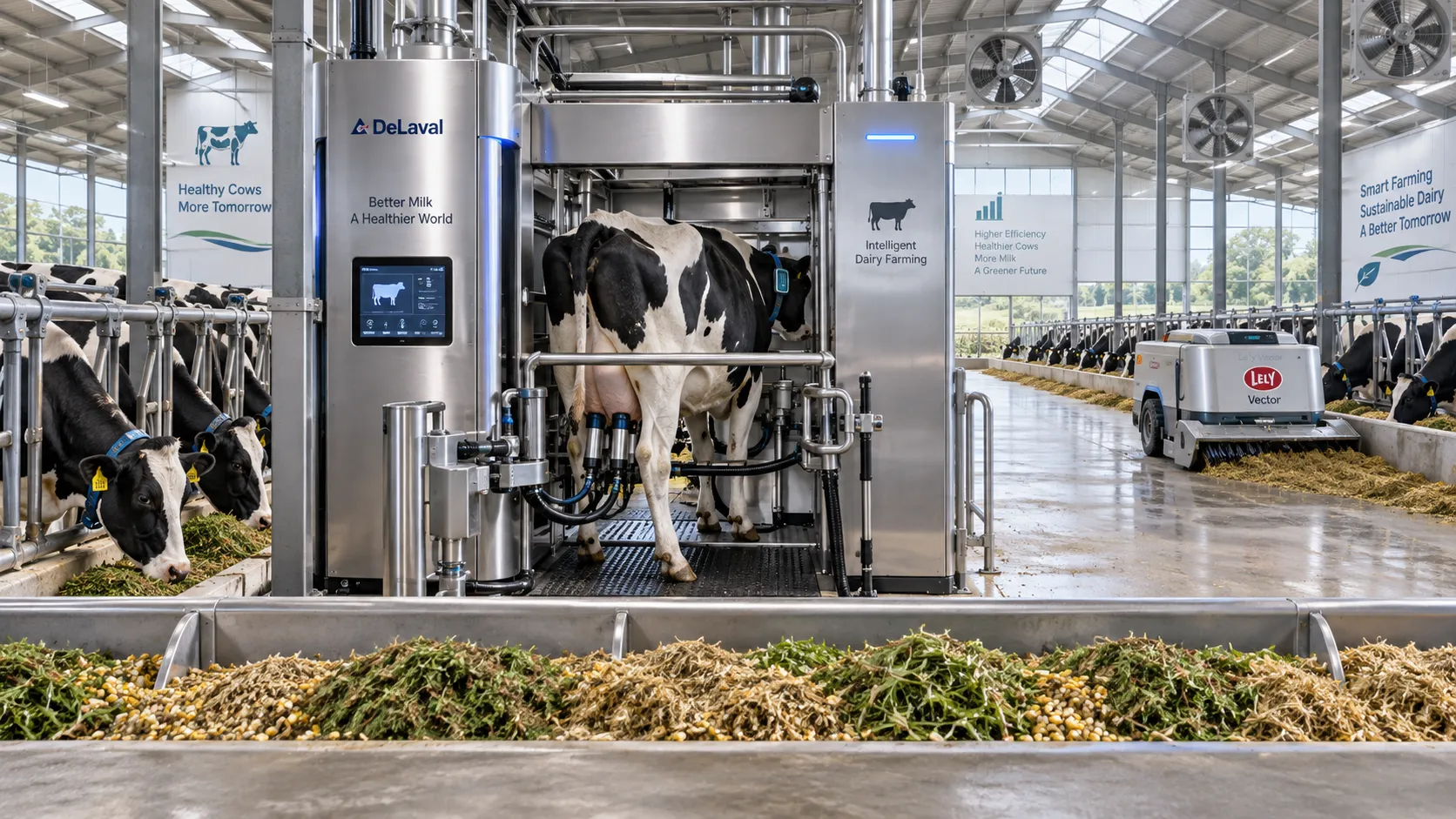
Smart Farming Technology for Dairy Farms: Where Automation Delivers Measurable ROI
Smart farming technology for dairy farms delivers measurable ROI through automation, precision feeding, health monitoring, and data-driven cost control.
Related News
- 00
0000-00
How to Choose Plant Protection Equipment for Vineyard Pests - 00
0000-00
How to Read Agricultural Equipment Specifications for Sprayers Before You Compare Models - 00
0000-00
BIS Extends Fast-Track Approval for Self-Propelled Sprayers - 00
0000-00
Intelligent Sprayer Technology: Which Functions Matter Most for Field Efficiency? - 00
0000-00
How to Choose Plant Protection Equipment for Orchards by Tree Height, Row Spacing, and Spray Drift
Popular Tags
Agri-Mechanization Fellow
Weekly Insights
Stay ahead with our curated technology reports delivered every Monday.