
China's EV Charging Infrastructure Hits 21.48M Units, Boosting Standardized E-Agri Export
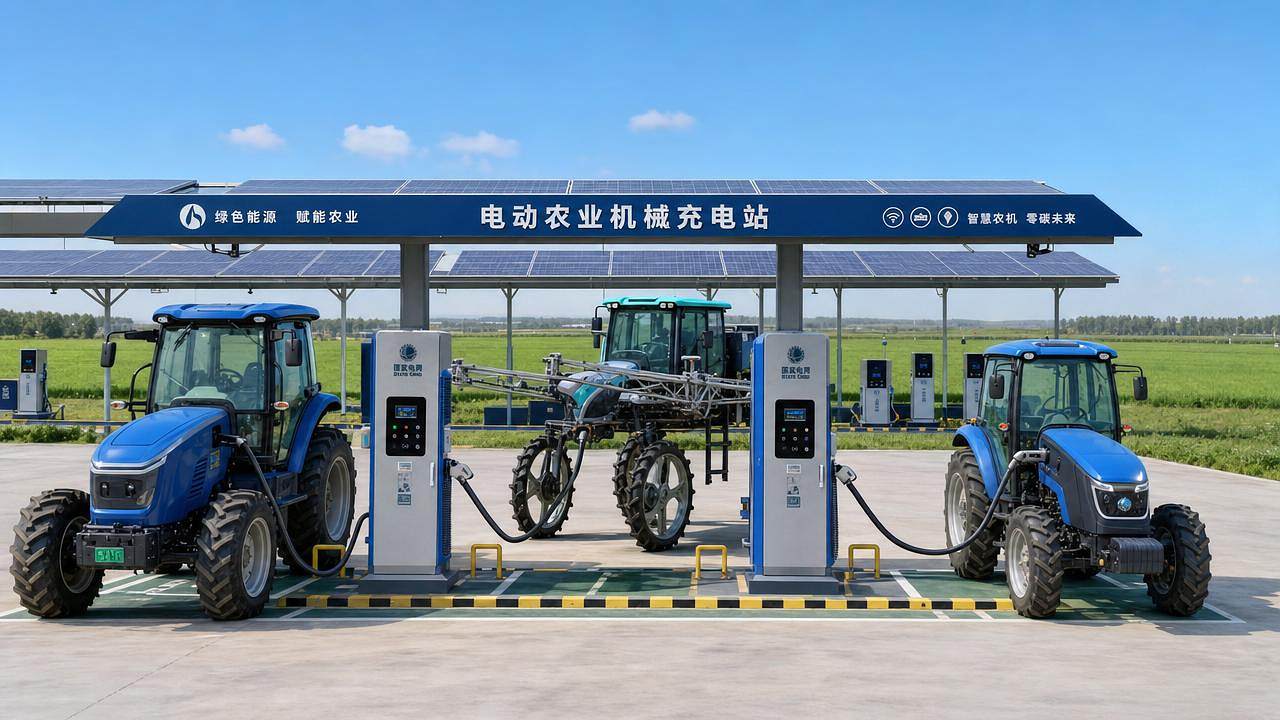




As of March 31, 2026, China’s national electric vehicle charging infrastructure reached 21.481 million units — a 46.9% year-on-year increase — according to data released on May 6, 2026 by the National Charging Infrastructure Monitoring Platform. This rapid scaling is accelerating standardization efforts for charging and battery-swapping modules in electric agricultural machinery, with implications for export-oriented manufacturers targeting emerging markets including Brazil, India, and South Africa.
Event Overview
On May 6, 2026, the National Charging Infrastructure Monitoring Platform reported that, as of the end of March 2026, China’s total number of electric vehicle charging infrastructure units stood at 21,481,000. The figure reflects a 46.9% increase compared to the same period in 2025. The platform noted that the expansion of large-scale, interoperable charging networks is driving convergence in fast-charging interfaces, battery pack communication protocols, and BMS (Battery Management System) logic — particularly for electric tractors and self-propelled sprayers.
Industries Affected
Electric Agricultural Machinery Exporters
These companies face reduced technical compatibility barriers when entering emerging markets. As domestic charging and battery management standards mature and consolidate, harmonized specifications lower after-sales service complexity — especially where local infrastructure remains fragmented or underdeveloped.
OEMs and Tier-1 Suppliers of Powertrain Modules
Suppliers developing battery packs, chargers, or BMS firmware for electric farm equipment are increasingly incentivized to align with interface and protocol norms validated across China’s 21+ million charging points. Deviation risks higher integration costs and longer time-to-market for export variants.
Certification and Compliance Service Providers
Third-party testing and certification bodies supporting export compliance must now track how national-level infrastructure interoperability requirements influence regional type-approval expectations — particularly in countries adopting Chinese-developed charging standards or referencing GB/T documents.
After-Sales Parts & Service Distributors
Distributors serving overseas markets may see rising demand for standardized spare parts (e.g., modular battery enclosures, universal DC fast-charging connectors) rather than model-specific components — driven by simplified logistics and cross-platform servicing enabled by unified design conventions.
What Relevant Enterprises or Practitioners Should Monitor and Do
Track official updates on GB/T standard revisions related to agricultural EV power systems
Analysis shows that the observed standardization momentum is closely tied to ongoing revisions of GB/T 34657 (conductive charging for electric vehicles) and emerging working group activity on agricultural EV-specific annexes. Stakeholders should monitor announcements from SAC/TC 114 and the China Electric Vehicle Charging Infrastructure Promotion Alliance.
Assess fast-charging interface and BMS protocol alignment for priority export markets
Observably, Brazil’s INMETRO and India’s BIS have recently accepted test reports referencing GB/T-compliant charging performance. Companies preparing for entry into these markets should verify whether their current hardware/firmware stack meets minimum interoperability thresholds defined in domestic deployment scenarios — not just lab-certified compliance.
Distinguish between infrastructure-driven de facto standardization and formal regulatory adoption
Current more appropriately reflects market-led convergence rather than binding regulation. While over 21 million deployed units create strong commercial incentives for uniformity, no new mandatory national standard for electric farm equipment charging was issued prior to March 2026. Businesses should avoid conflating widespread implementation with legal enforceability.
Review supply chain readiness for modular battery and connector sourcing
From industry perspective, procurement teams should audit existing supplier contracts for flexibility in adapting mechanical interfaces (e.g., CCS2 vs. GB/T 20234.3), communication stacks (e.g., CAN FD-based battery telemetry), and thermal management interfaces — all areas where domestic infrastructure scale has begun narrowing implementation variance.
Editorial Perspective / Industry Observation
This milestone is better understood as a reinforcing signal — not yet an endpoint. The growth in charging infrastructure volume demonstrates scalability and operational validation, but its impact on export readiness hinges on sustained coordination between infrastructure operators, vehicle OEMs, and standards bodies. Observably, the 46.9% YoY growth rate suggests continued acceleration; however, the degree to which this translates into internationally recognized interoperability depends less on quantity and more on documented consistency across real-world deployments. For electric agricultural equipment, the convergence appears strongest at the physical and data-link layers — meaning mechanical fit, electrical safety, and basic state-of-charge reporting — rather than full application-layer control or smart-grid integration.
Conclusion
The expansion of China’s EV charging infrastructure to over 21.4 million units signals growing maturity in foundational electrification systems — with tangible downstream effects on electric agricultural machinery design, certification, and global market access. It is more accurately interpreted as an enabler of export efficiency than a standalone policy initiative. Stakeholders should treat it as a structural shift requiring alignment in engineering specifications, compliance planning, and supply chain strategy — rather than a short-term regulatory development.
Source Attribution
Main source: National Charging Infrastructure Monitoring Platform (data release dated May 6, 2026, covering status as of March 31, 2026).
No additional sources or background information were used or verified. Ongoing evolution of GB/T standards related to agricultural EVs remains subject to official publication and requires continuous monitoring.
Related News

How to Select Precision Crop Protection Equipment for Variable Field Conditions
Precision crop protection equipment selection made simple: compare terrain, canopy, weather, control accuracy, and data workflows for reliable applications.

When Does Agricultural Machinery Leasing Cost Less Than Owning Equipment?
Agricultural machinery leasing can lower farm costs when use is seasonal or uncertain. Compare utilization, maintenance, cash flow, and risk to make a smarter equipment decision.
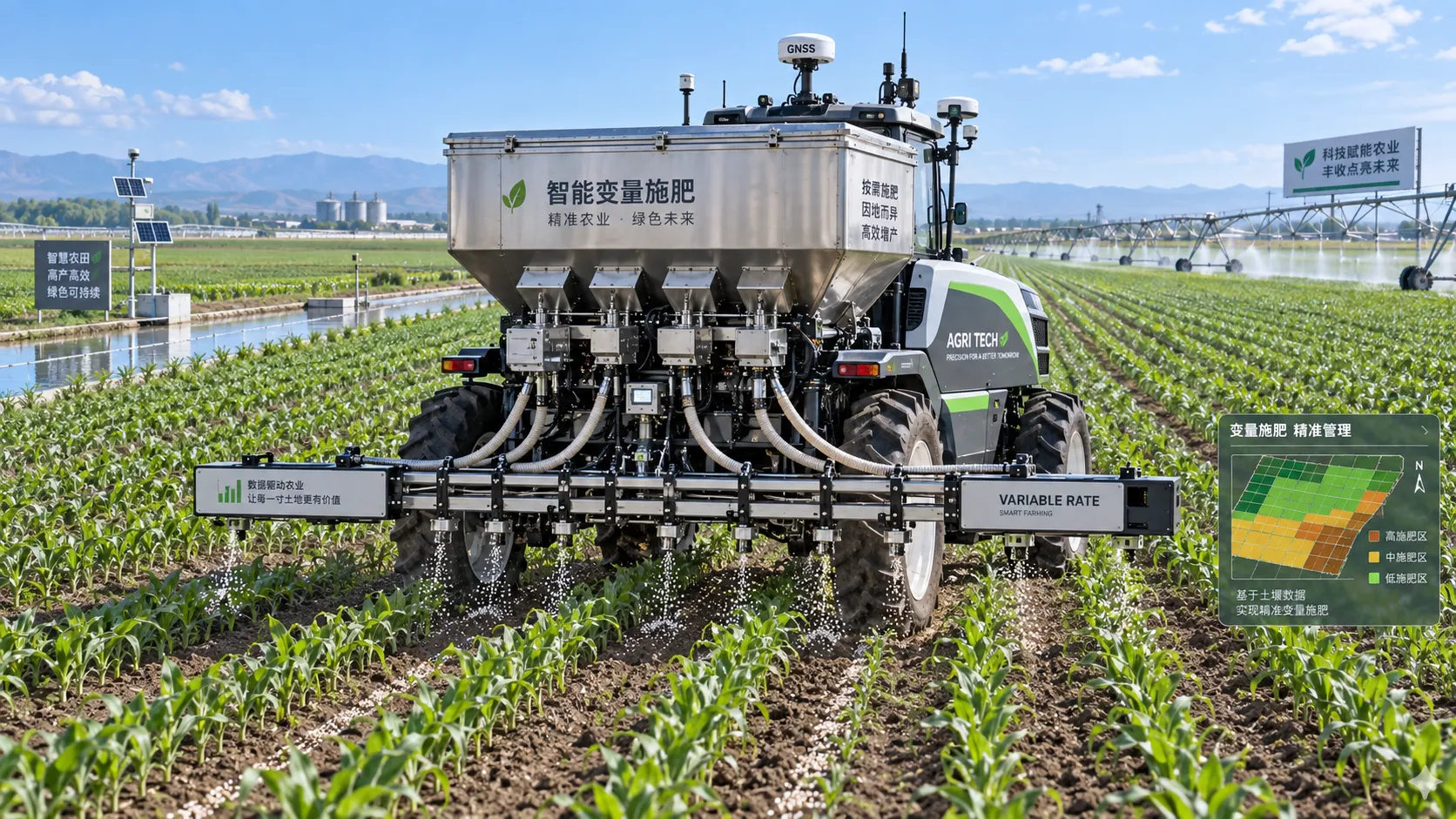
How to Evaluate Precision Fertilization System Suppliers for Farm-Scale Deployment
Precision fertilization systems suppliers: learn how to compare accuracy, integration, uptime, service, and total cost for confident farm-scale deployment.
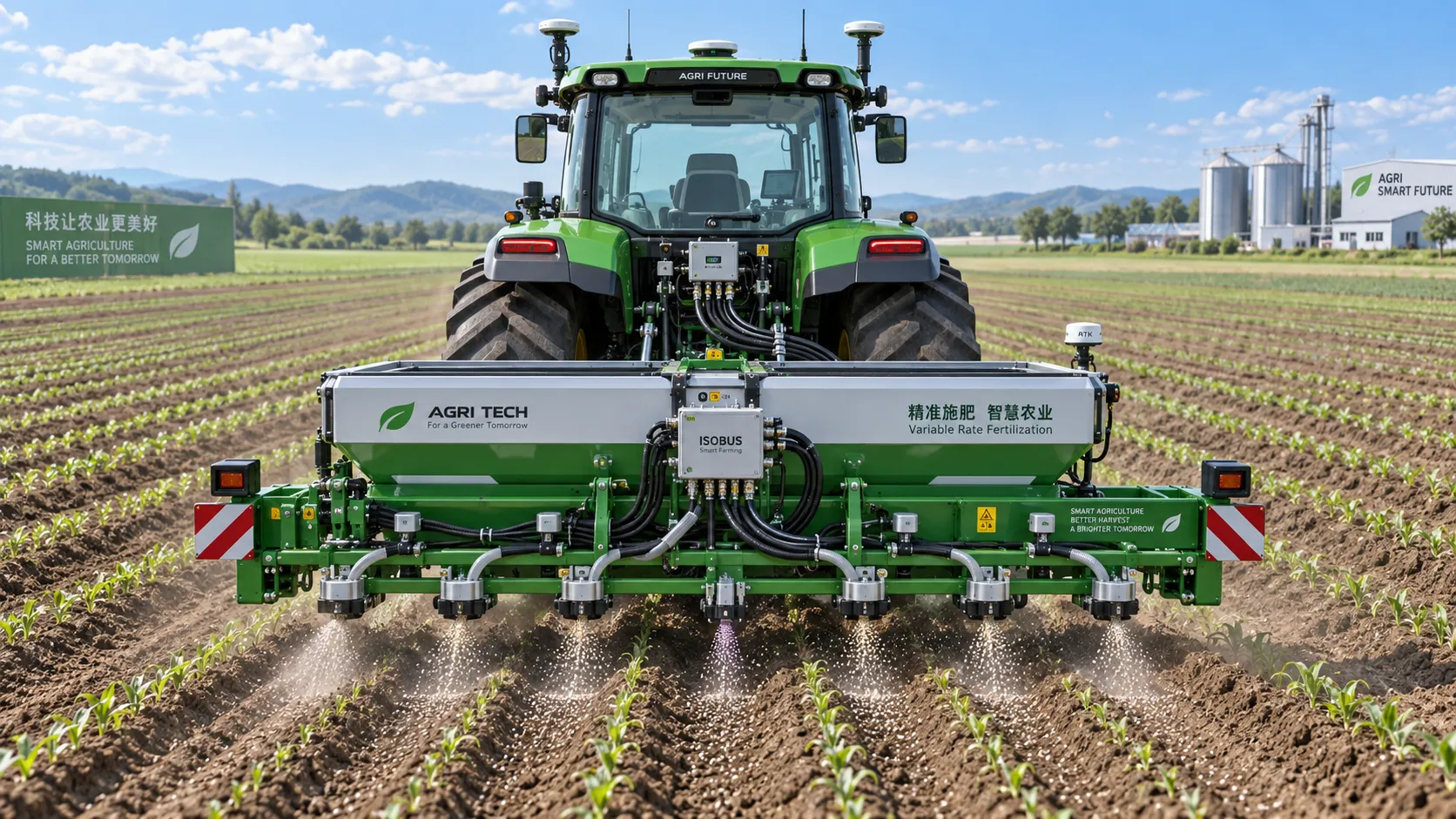
ISOBUS for Smart Agriculture: How It Connects Tractors, Implements, and Farm Data
ISOBUS for smart agriculture connects tractors, implements, terminals, and farm data—helping growers improve precision, documentation, and smarter field decisions.
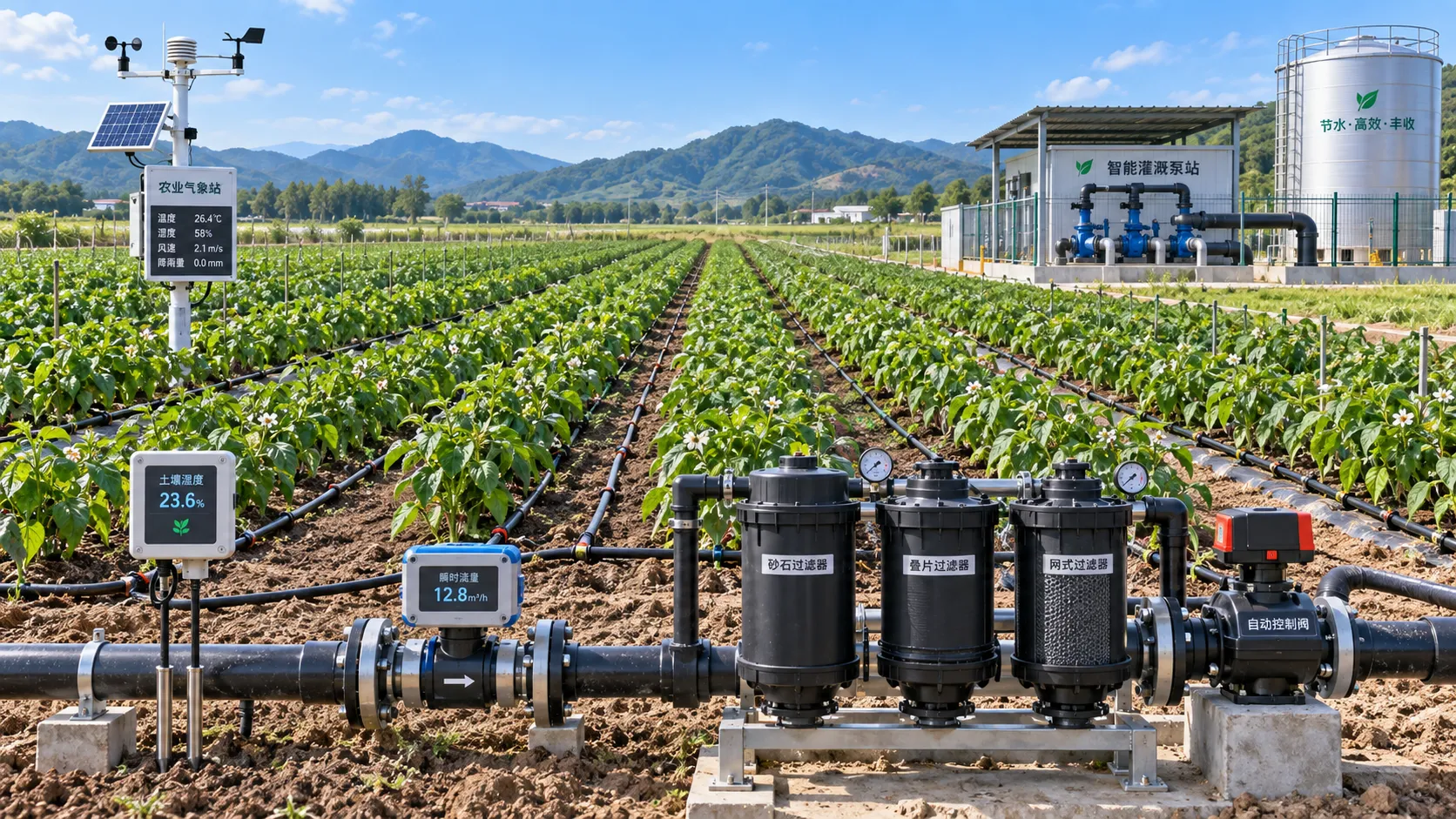
Automated Water-Saving Irrigation: How to Cut Water Use Without Reducing Crop Yields
Automated water-saving irrigation helps farms cut water use, protect crop yields, improve scheduling, and gain reliable control with sensors, flow monitoring, and smart zones.

Selecting Grain Farm Equipment by Acreage, Crop Mix, and Harvest Window
Agricultural equipment selection for grain farming: match machinery to acreage, crop mix, and harvest windows to improve uptime, efficiency, and returns.
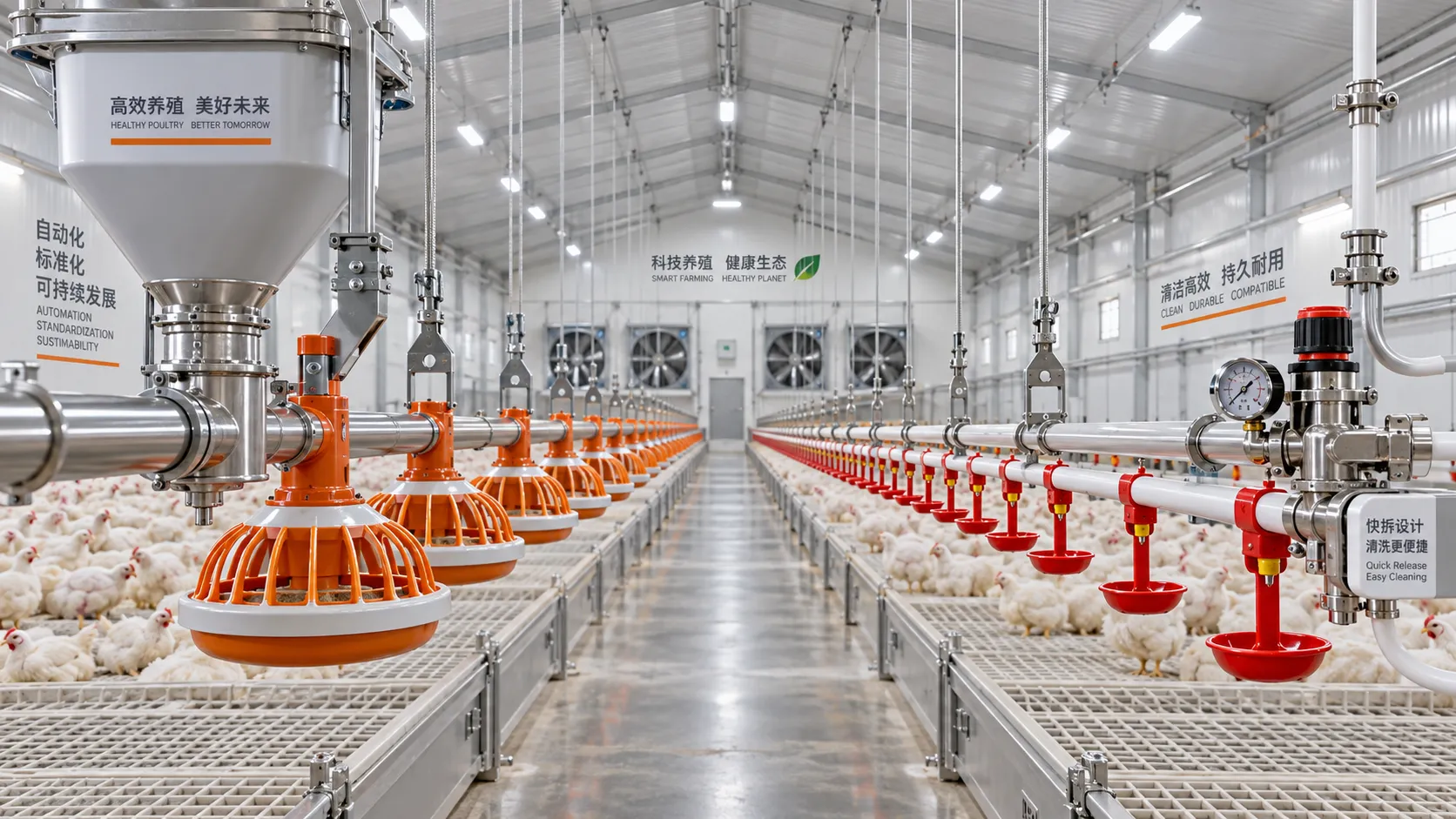
Poultry Equipment Selection: Evaluating Durability, Cleaning, and Compatibility
Poultry equipments selection guide: evaluate durability, cleaning access, and system compatibility to improve hygiene, reduce downtime, and support efficient flock management.
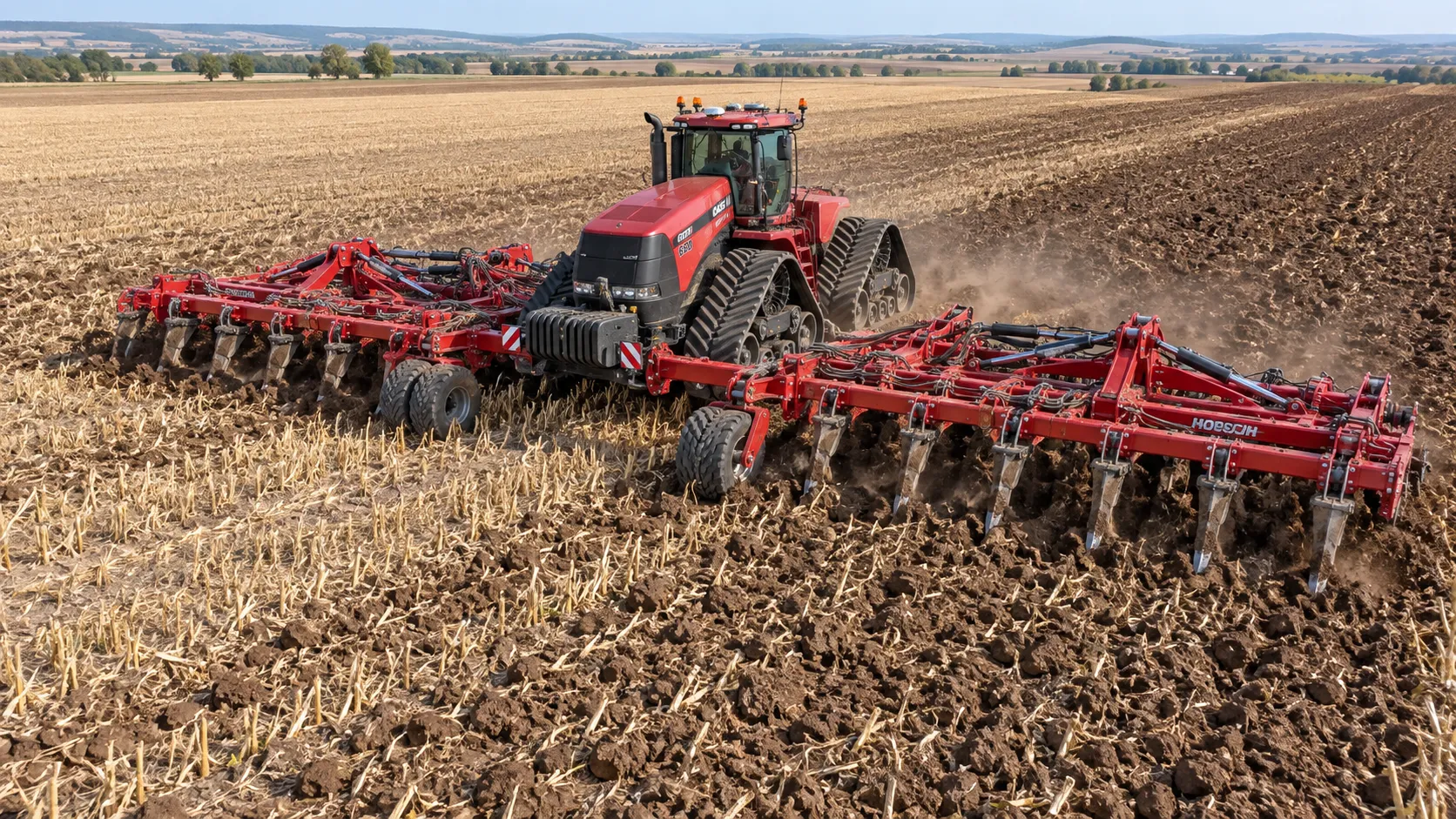
How to Select Heavy-Duty Farm Implements for High-Acreage, High-Horsepower Operations
Heavy duty farm implements: learn how to match draft, hydraulics, hitch capacity, frame strength, and field conditions for reliable high-acreage performance.
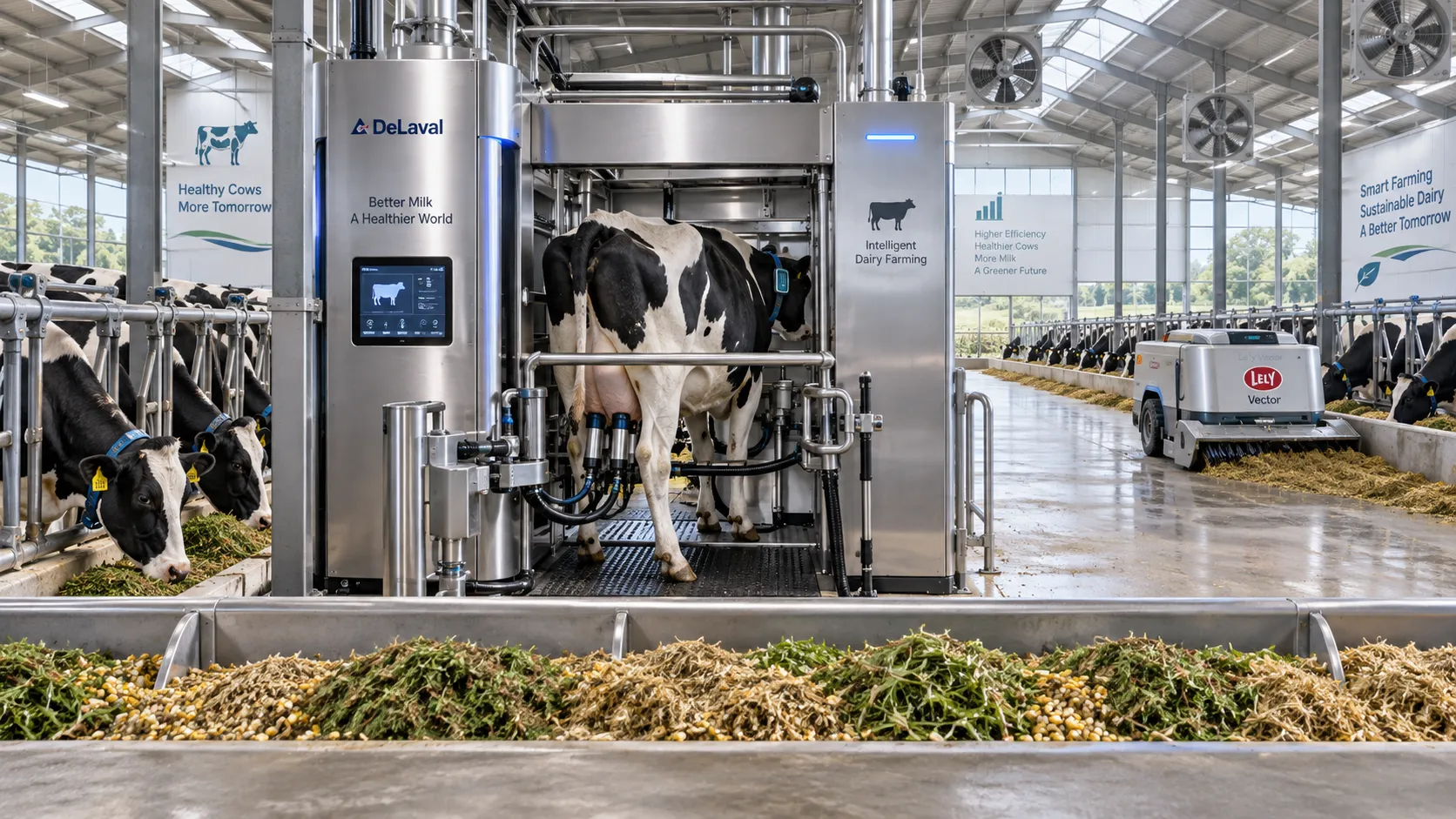
Smart Farming Technology for Dairy Farms: Where Automation Delivers Measurable ROI
Smart farming technology for dairy farms delivers measurable ROI through automation, precision feeding, health monitoring, and data-driven cost control.
Related News
- 00
0000-00
How to Choose Plant Protection Equipment for Vineyard Pests - 00
0000-00
How to Read Agricultural Equipment Specifications for Sprayers Before You Compare Models - 00
0000-00
BIS Extends Fast-Track Approval for Self-Propelled Sprayers - 00
0000-00
Intelligent Sprayer Technology: Which Functions Matter Most for Field Efficiency? - 00
0000-00
How to Choose Plant Protection Equipment for Orchards by Tree Height, Row Spacing, and Spray Drift
Popular Tags
Agri-Mechanization Fellow
Weekly Insights
Stay ahead with our curated technology reports delivered every Monday.