
Plant Protection Plans Often Fail at Timing, Not Product
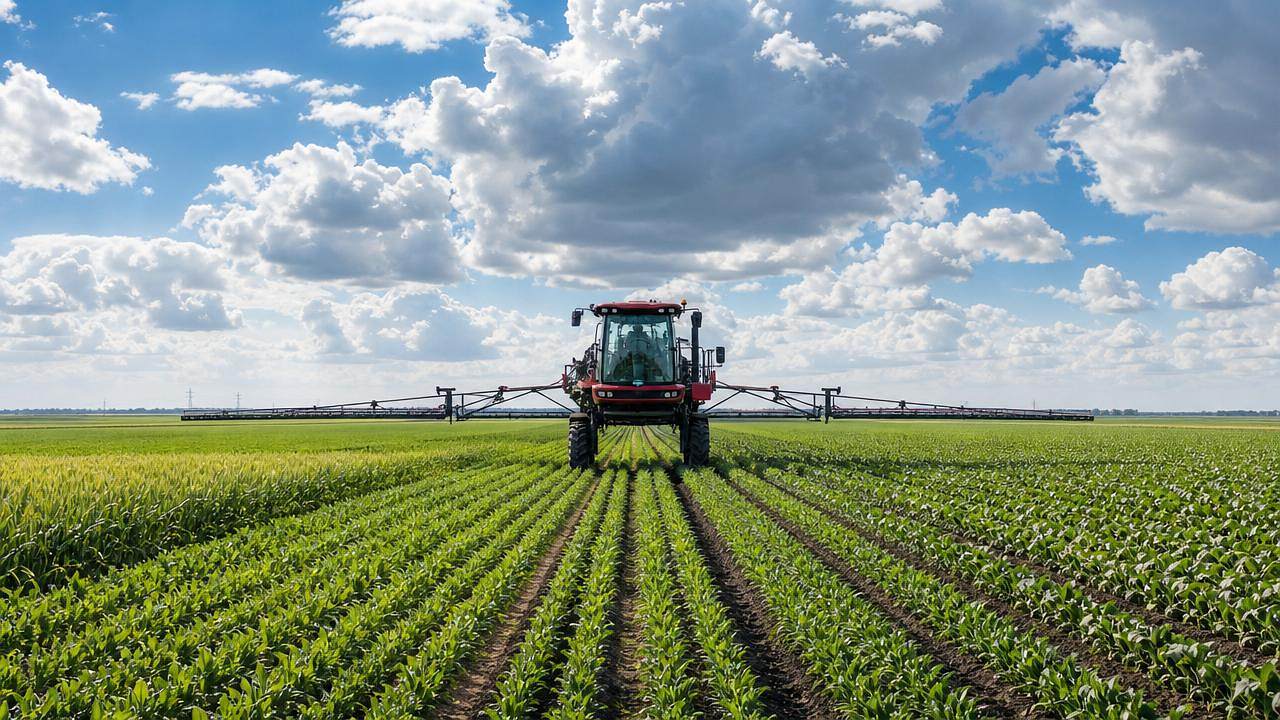




In plant protection, failure often starts long before a nozzle clogs or a chemical underperforms—it begins with poor timing. For after-sales maintenance teams, understanding how weather windows, crop stages, machine readiness, and operator response interact is critical to reducing field losses and customer complaints. This article explores why plant protection plans break down at the timing level and how service professionals can help restore performance where it matters most.
Why Timing, Not Product, Is Often the Real Cause of Plant Protection Failure
When growers say a plant protection program failed, the first reaction is often to question the chemical, the nozzle, or the machine. In many cases, however, the real issue is not product selection but timing failure across the entire application chain. For after-sales maintenance personnel, this distinction matters because service calls are frequently triggered by symptoms that appear mechanical, while the root cause is operational delay.
A herbicide may be technically correct but applied after weeds have passed their vulnerable growth stage. A fungicide may have strong efficacy on paper but arrive after disease pressure has already escalated beyond practical control. An insecticide may be sprayed with the right rate and droplet profile, yet miss the feeding cycle that determines whether damage is economic or manageable. In all of these cases, plant protection performance drops, and the machine is often blamed first.
This is why plant protection should be viewed as a time-sensitive system rather than a product-only decision. Chemical performance, machine condition, field access, labor coordination, weather forecasts, and operator readiness all have to align inside a usable window. If one part of that sequence slips, the whole plan loses value. After-sales teams are in a strong position to prevent that loss because they influence machine uptime, calibration reliability, and response speed before the spray window closes.
What After-Sales Maintenance Teams Need to Understand About User Search Intent
Readers searching for a topic like “Plant Protection Plans Often Fail at Timing, Not Product” are usually not looking for a general agronomy essay. They want to understand why a field result fell short even though the product label, tank mix, or application equipment seemed acceptable. For maintenance professionals, the useful question is practical: how can we identify whether poor protection came from machine fault, delayed operation, weak preparation, or missed agronomic timing?
The target audience in after-sales service typically cares about four issues. First, they want to reduce repeat failures that generate costly complaints. Second, they want faster diagnosis in the field, especially when customers blame the sprayer or support team immediately. Third, they want to improve service planning so preventive maintenance supports actual spray calendars. Fourth, they want evidence-based communication that helps customers understand the difference between product failure and timing failure.
That means the most valuable content is not broad theory. It is actionable guidance: how to diagnose timing-related underperformance, what machine readiness factors most often cause delays, how weather and crop stage affect service urgency, and what maintenance teams can do to protect narrow treatment windows. These are the areas where the article should go deep, because they help readers make better decisions and deliver measurable value in real field conditions.
How Timing Breaks Down in Real Plant Protection Operations
In large-scale operations, plant protection timing rarely fails because of a single event. More often, it breaks down through small delays that accumulate. A machine is not fully calibrated after storage. A pump seal issue reduces pressure stability. A blocked filter slows field work and requires an unscheduled stop. A GPS section control fault causes overlap concerns, so the operator reduces speed to compensate. Meanwhile, wind rises, humidity drops, or rain moves in, and the planned spray window closes.
These chain reactions are common in modern agriculture, especially where farms depend on large machines covering wide areas under narrow weather windows. The larger the field system, the more expensive a lost day becomes. In that environment, after-sales maintenance is not just about fixing faults. It is about protecting timing capacity. Every hour of downtime can turn an otherwise effective plant protection decision into a poor result.
Crop stage also changes the meaning of delay. Missing a fungicide by one day may be manageable in low disease pressure but highly damaging during fast-moving infection periods. Delaying post-emergence herbicide treatment can sharply reduce control once weeds become larger or hardened by environmental stress. In insect management, timing may depend on hatch timing, feeding thresholds, or migration events. Maintenance teams do not need to replace agronomists, but they do need enough understanding of application urgency to prioritize service accordingly.
The Hidden Cost of Treating Maintenance as Separate From Agronomic Timing
One of the biggest structural mistakes in plant protection support is treating maintenance schedules and agronomic schedules as separate systems. A sprayer may receive periodic service based on calendar intervals or engine hours, but that alone does not guarantee readiness during peak spray periods. If service planning ignores crop protection timing, maintenance may technically be complete while practical field readiness remains weak.
For example, pre-season inspection might confirm that the machine starts, pumps fluid, and shows acceptable pressure. But if nozzle wear is not carefully checked, rate accuracy may drift during the first critical applications. If electronic controls are updated too late, a software or sensor problem may only appear under full field load. If boom stability or valve response is not tested at realistic operating speeds, the unit may perform poorly precisely when rapid application is needed most.
The result is a dangerous gap between workshop confidence and field performance. Customers experience plant protection failure in the field, yet the maintenance record suggests the machine was ready. This creates tension, weakens trust, and can lead to unfair blame on products or operators. A stronger approach is to integrate maintenance activity with protection calendars, weather risk, and peak seasonal use patterns.
Which Timing Risks Most Often Lead to Customer Complaints
From an after-sales perspective, not all timing problems create the same level of business risk. The most common complaints usually come from situations where customers believe they acted correctly but still saw weak results. These cases often involve hidden timing losses rather than obvious machine breakdown.
One major risk is delayed field entry after rainfall. Even if the product is suitable, soft ground, traction issues, or machine readiness problems can postpone treatment until weeds or disease progress too far. Another common issue is insufficient daily spray capacity. A machine may function, but low flow stability, inefficient filling logistics, or repeated calibration stops reduce area covered per day. In large acre operations, that can mean the last fields are treated outside the ideal window.
A third source of complaint is weather mismatch during application. Excess wind, high temperature, low humidity, or approaching rain can all reduce coverage quality or shorten product retention. Customers may view this as chemical weakness, but in reality the timing decision and machine availability forced spraying under compromised conditions. Maintenance teams can reduce this risk by ensuring equipment reliability early enough that operators do not feel pressured into bad-weather application.
Finally, complaints often arise when operators compensate for machine issues in ways that distort the application. They may change speed to manage pressure fluctuation, increase pressure to maintain output, continue spraying with partially blocked nozzles, or disable control features they no longer trust. These adjustments may keep the machine moving, but they also move plant protection away from its intended timing and quality parameters.
How to Diagnose Whether the Problem Was Timing or Product
After-sales personnel need a simple diagnostic framework because field complaints often arrive with incomplete information. The first step is to reconstruct the timeline. When was the target pest, disease, or weed first observed? When was treatment recommended? When was the machine actually available? When did spraying begin and end? What weather conditions existed during the usable window and during the actual operation?
The second step is to review machine readiness indicators. Check pressure consistency, nozzle condition, flow meter behavior, boom section response, controller logs, and application speed records if available. If the machine operated within specification, timing becomes a stronger suspect. If the machine had intermittent faults, the next question is whether those faults materially delayed the job or degraded application quality.
The third step is to assess crop and target stage. A product may appear weak simply because the biological target was already too advanced. This is especially important in plant protection discussions because visible failure in the field often reflects late intervention rather than poor chemistry. If the machine delay pushed application outside the recommended stage, maintenance teams should document that clearly and use it in customer communication.
The fourth step is to compare expected field coverage capacity with actual completion time. Many failures occur not because the first field was treated late, but because the full job could not be completed fast enough. This is a service-planning issue as much as a repair issue. By identifying whether the delay happened before the first spray pass or during the total operation, teams can improve both maintenance practice and customer guidance.
What Maintenance Teams Can Do Before the Season Starts
The best time to protect plant protection timing is before the spray season begins. Pre-season service should move beyond basic mechanical checks and focus on operational readiness under narrow time windows. That means verifying not just whether the machine works, but whether it can perform continuously, accurately, and at expected field capacity.
Start with wear-sensitive components that directly affect application quality: nozzles, strainers, filters, pumps, valves, pressure regulators, hoses, and boom plumbing. Even small deviations can lower uniformity or trigger field stoppages. Replace borderline components before the season rather than waiting for failure under load. In plant protection, avoiding a delay is often more valuable than extending component life by a few weeks.
Electronic systems deserve equal attention. Rate controllers, section control, GPS receivers, speed sensors, wiring harnesses, and user interfaces should all be tested in realistic conditions. Software updates should be completed well before the first high-priority application, not on the eve of a forecast window. If remote diagnostics are available, ensure that customers know how to enable them quickly during peak season.
It is also useful to classify customers by timing sensitivity. Farms with large acreage, high-value crops, narrow disease windows, or limited backup equipment should receive proactive inspection priority. This is where after-sales support directly contributes to agronomic outcomes. Service resources are always limited, so aligning them with timing risk creates better value than serving accounts on a first-come basis alone.
How to Support Operators When the Spray Window Is Narrow
Once the season starts, after-sales service needs to become faster, more field-oriented, and more aware of agronomic urgency. When a customer reports an issue during an active spray window, the support response should quickly determine whether the problem threatens timing, quality, or both. Not every fault requires an immediate on-site visit, but every fault should be triaged based on time risk.
Remote troubleshooting can save crucial hours if teams have clear protocols. Ask for pressure readings, controller screenshots, error codes, section response behavior, and photos of nozzles or filters. Guide the operator through safe checks that isolate whether the problem is hydraulic, electronic, or obstruction-related. If the machine can continue temporarily without compromising application quality, explain the boundaries clearly. If not, escalate fast.
Operator coaching also matters. Many customers can maintain basic uptime if they are trained to recognize early warning signs such as unstable pressure, unusual return flow, nozzle output imbalance, or delayed section activation. The goal is not to shift service responsibility onto the operator, but to help them intervene before a minor issue becomes a lost treatment day.
During narrow windows, communication quality is nearly as important as repair quality. Customers need realistic estimates, not vague reassurance. If parts are delayed or a field repair is unlikely to hold, say so. Honest communication helps growers make alternate timing decisions, such as moving to another unit, prioritizing certain fields, or adjusting labor and water logistics.
Why Service Data Should Be Connected to Plant Protection Performance
Many organizations collect maintenance data but do not connect it to field outcome timing. That is a missed opportunity. If after-sales teams track which faults most often lead to delayed spray starts, reduced daily capacity, or off-target application conditions, they can improve both service design and customer recommendations.
For instance, recurring section control failures before herbicide season may indicate a need for earlier inspection campaigns. Frequent in-season nozzle wear complaints may reveal that customers need replacement thresholds explained more clearly. Repeat pressure instability during fungicide timing may suggest a pump maintenance interval that is too long for actual field demand. These are not just repair insights; they are plant protection performance insights.
In the Agriculture 4.0 context, this connection becomes even more powerful. Telematics, controller logs, weather feeds, and service histories can be combined to show where protection plans are vulnerable before failure happens. For an intelligence-driven organization such as AP-Strategy’s ecosystem, this is where machinery support and precision agronomy begin to converge. Better timing protection is not only a workshop issue but a data coordination issue.
Practical Priorities for Reducing Timing-Related Plant Protection Failure
If after-sales teams want a practical checklist, five priorities usually deliver the best return. First, align preventive maintenance with crop protection calendars, not just machine hours. Second, prioritize high-risk customers and high-risk windows where one day of downtime can change the field result. Third, build a fast diagnosis workflow that separates product blame from timing and machine-readiness evidence. Fourth, train operators to identify and report faults early. Fifth, use service data to find repeated timing bottlenecks and remove them before the next season.
These actions help shift the role of maintenance from reactive repair to timing assurance. That shift matters because modern plant protection success depends on synchronized performance. The product, the machine, the operator, the crop stage, and the weather all have to meet at the right moment. If service support strengthens that alignment, complaint rates fall and customer trust rises.
Conclusion: Better Plant Protection Starts With Better Timing Discipline
Plant protection plans often fail at timing, not product, because the field result is determined by when and how the application happens—not only by what goes into the tank. For after-sales maintenance teams, this is an important mindset change. Your work affects more than mechanical uptime. It affects whether growers can act inside the narrow biological and weather windows that make plant protection effective.
When service teams understand timing risk, they diagnose complaints more accurately, prioritize repairs more intelligently, and create stronger value for customers. In practice, that means linking maintenance schedules to agronomic urgency, preparing machines for continuous field capacity, supporting operators during narrow windows, and using service data to prevent future delays. In a modern plant protection system, timing is not a secondary detail. It is the operating condition that allows every other investment to deliver results.
Related News
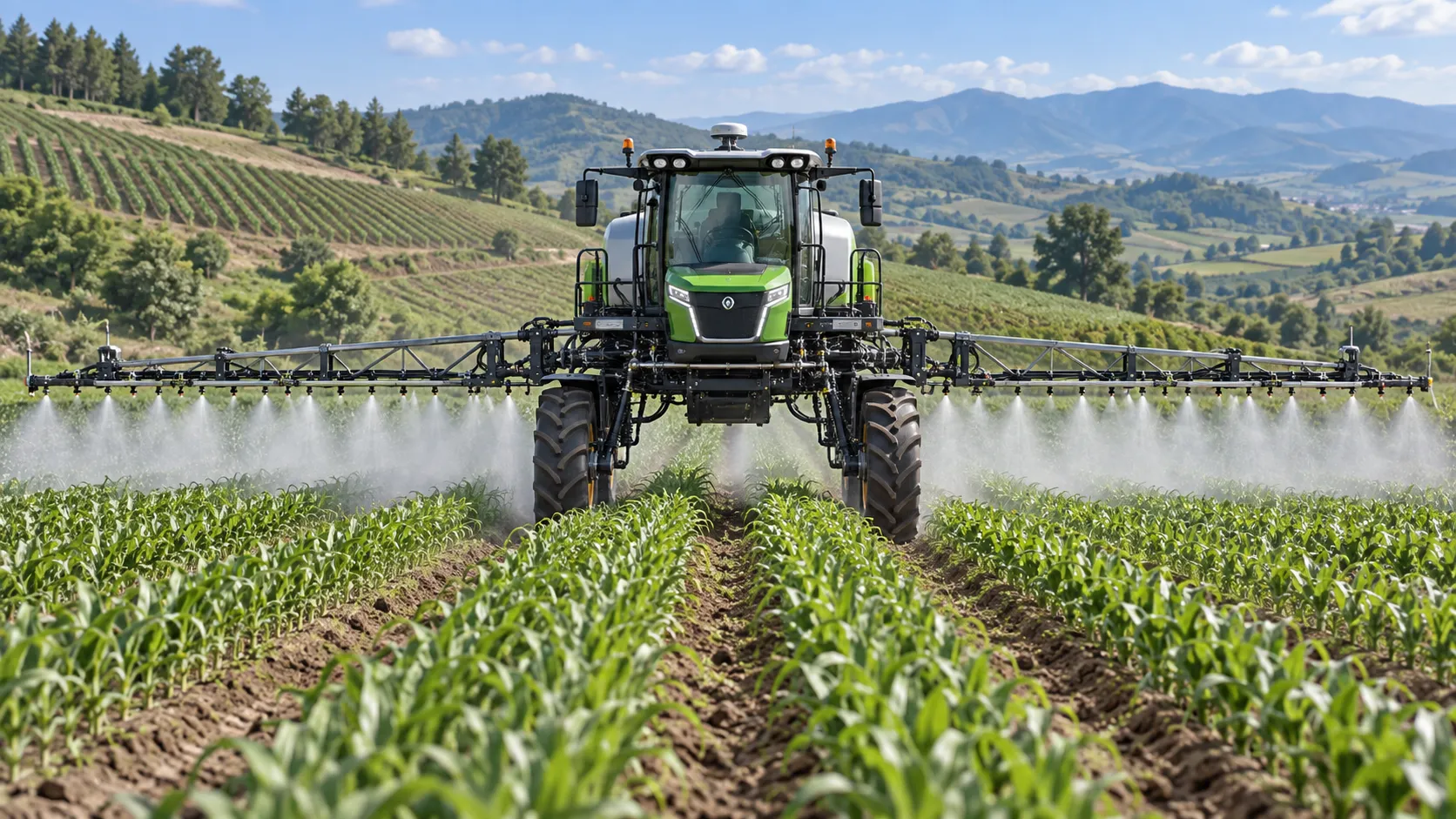
How to Select Precision Crop Protection Equipment for Variable Field Conditions
Precision crop protection equipment selection made simple: compare terrain, canopy, weather, control accuracy, and data workflows for reliable applications.

When Does Agricultural Machinery Leasing Cost Less Than Owning Equipment?
Agricultural machinery leasing can lower farm costs when use is seasonal or uncertain. Compare utilization, maintenance, cash flow, and risk to make a smarter equipment decision.
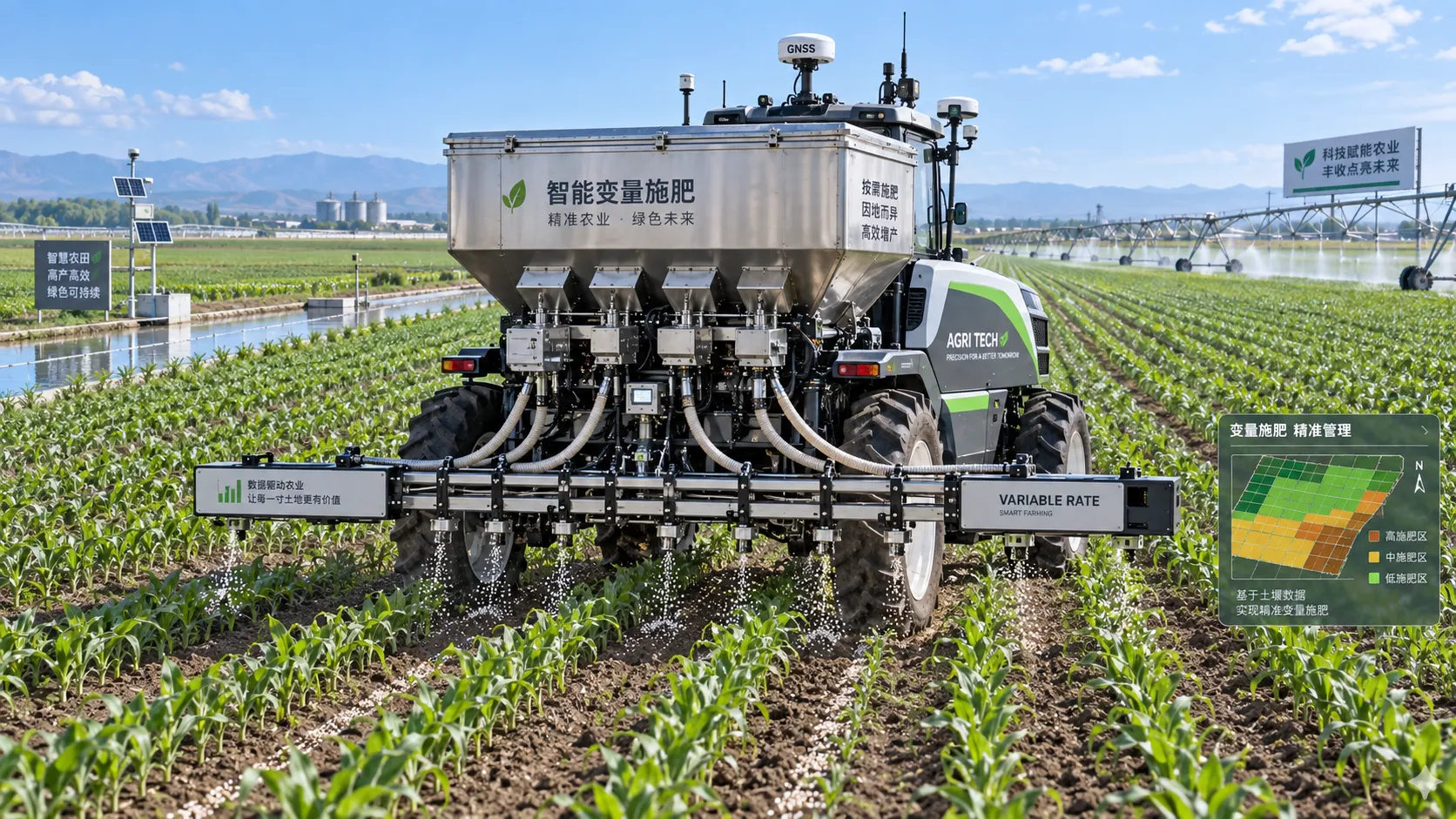
How to Evaluate Precision Fertilization System Suppliers for Farm-Scale Deployment
Precision fertilization systems suppliers: learn how to compare accuracy, integration, uptime, service, and total cost for confident farm-scale deployment.
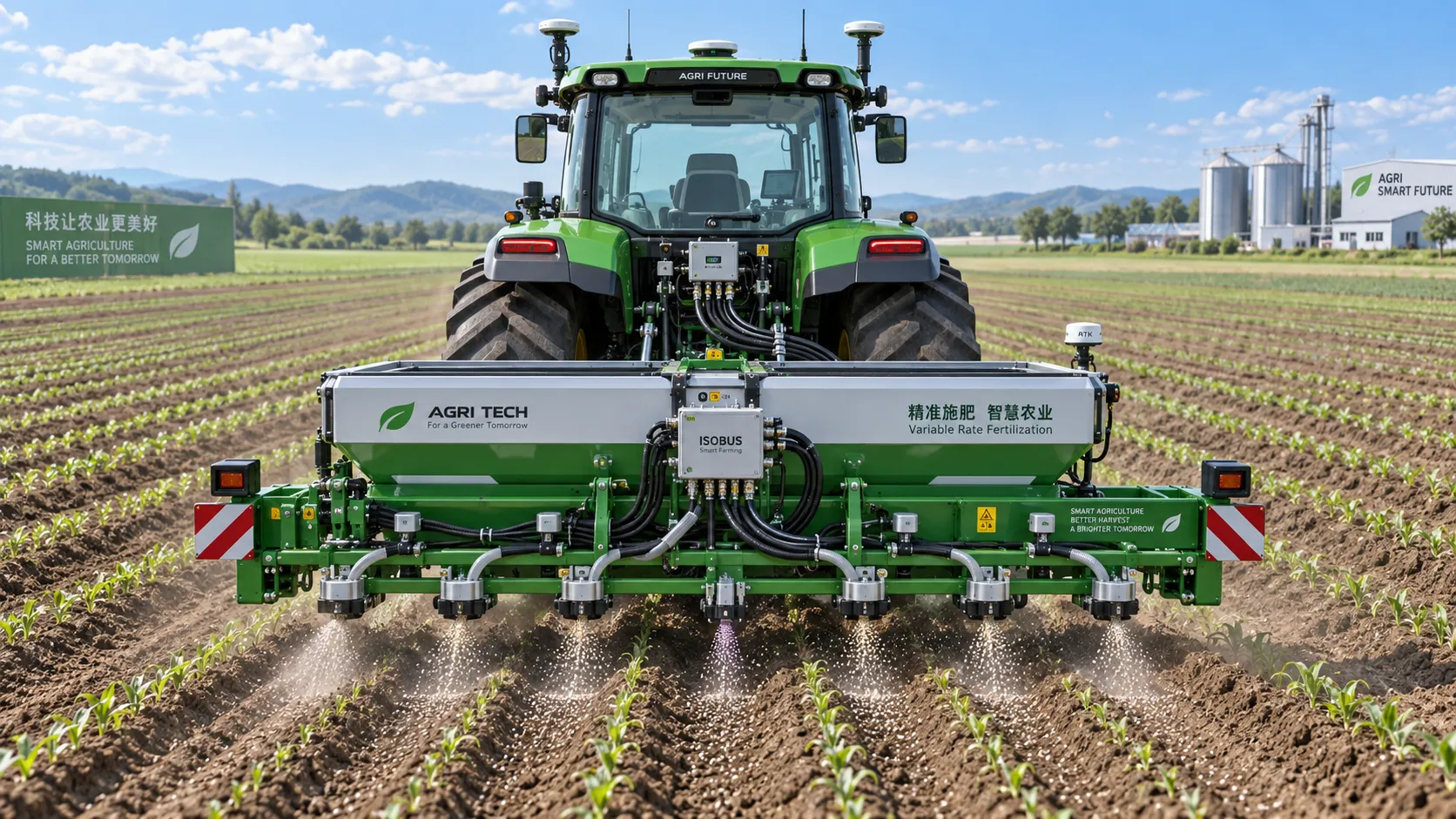
ISOBUS for Smart Agriculture: How It Connects Tractors, Implements, and Farm Data
ISOBUS for smart agriculture connects tractors, implements, terminals, and farm data—helping growers improve precision, documentation, and smarter field decisions.
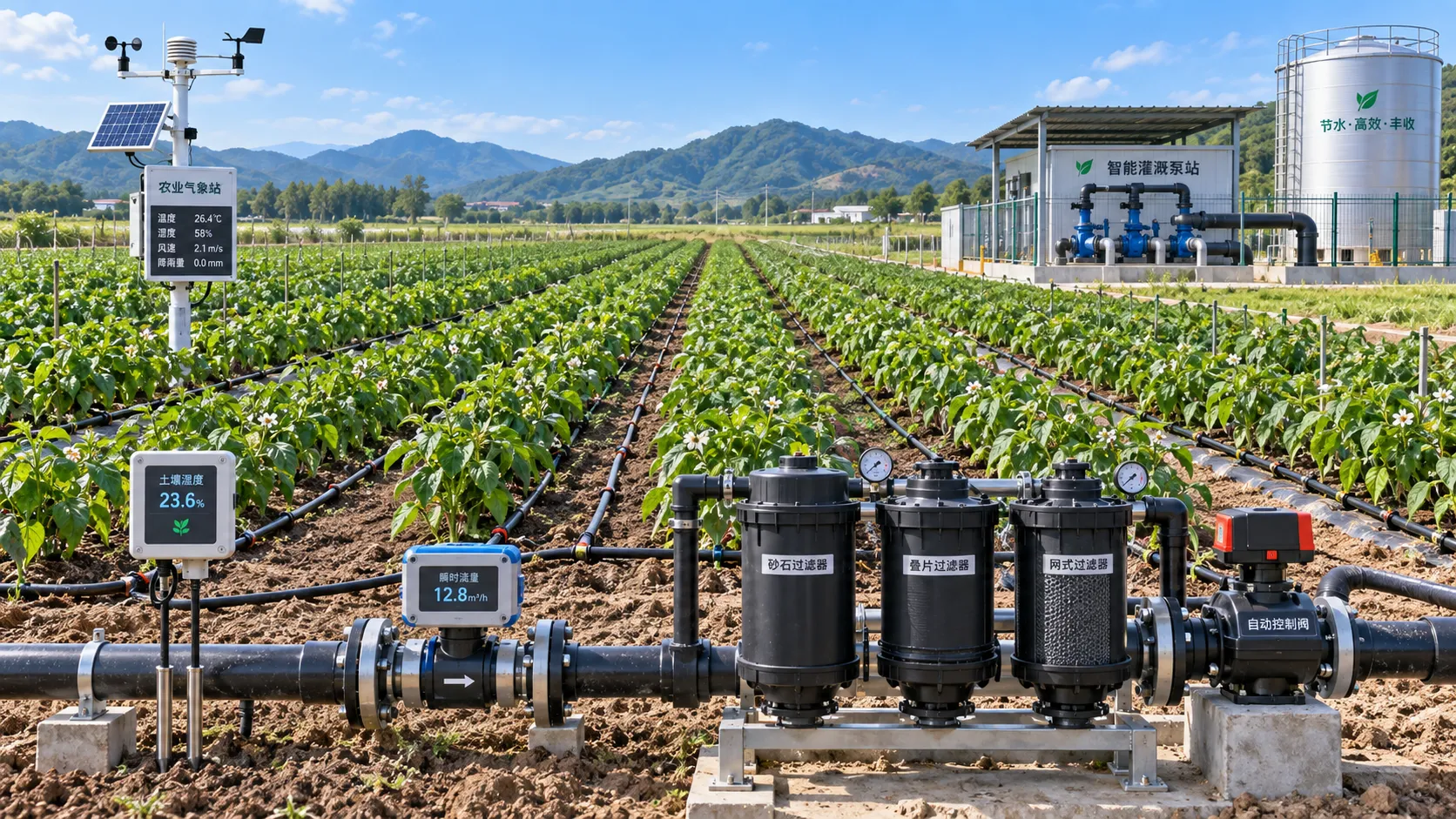
Automated Water-Saving Irrigation: How to Cut Water Use Without Reducing Crop Yields
Automated water-saving irrigation helps farms cut water use, protect crop yields, improve scheduling, and gain reliable control with sensors, flow monitoring, and smart zones.
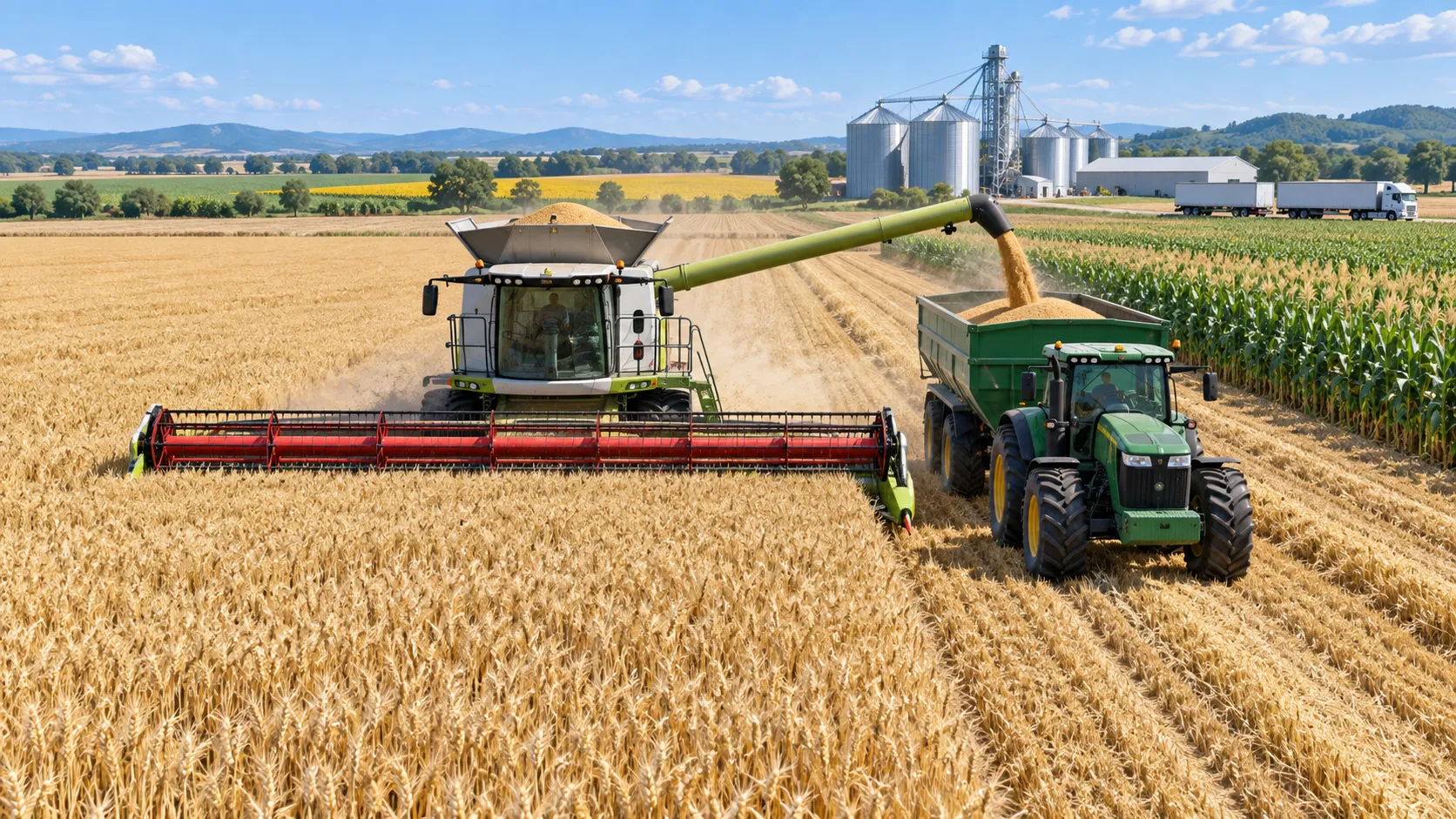
Selecting Grain Farm Equipment by Acreage, Crop Mix, and Harvest Window
Agricultural equipment selection for grain farming: match machinery to acreage, crop mix, and harvest windows to improve uptime, efficiency, and returns.
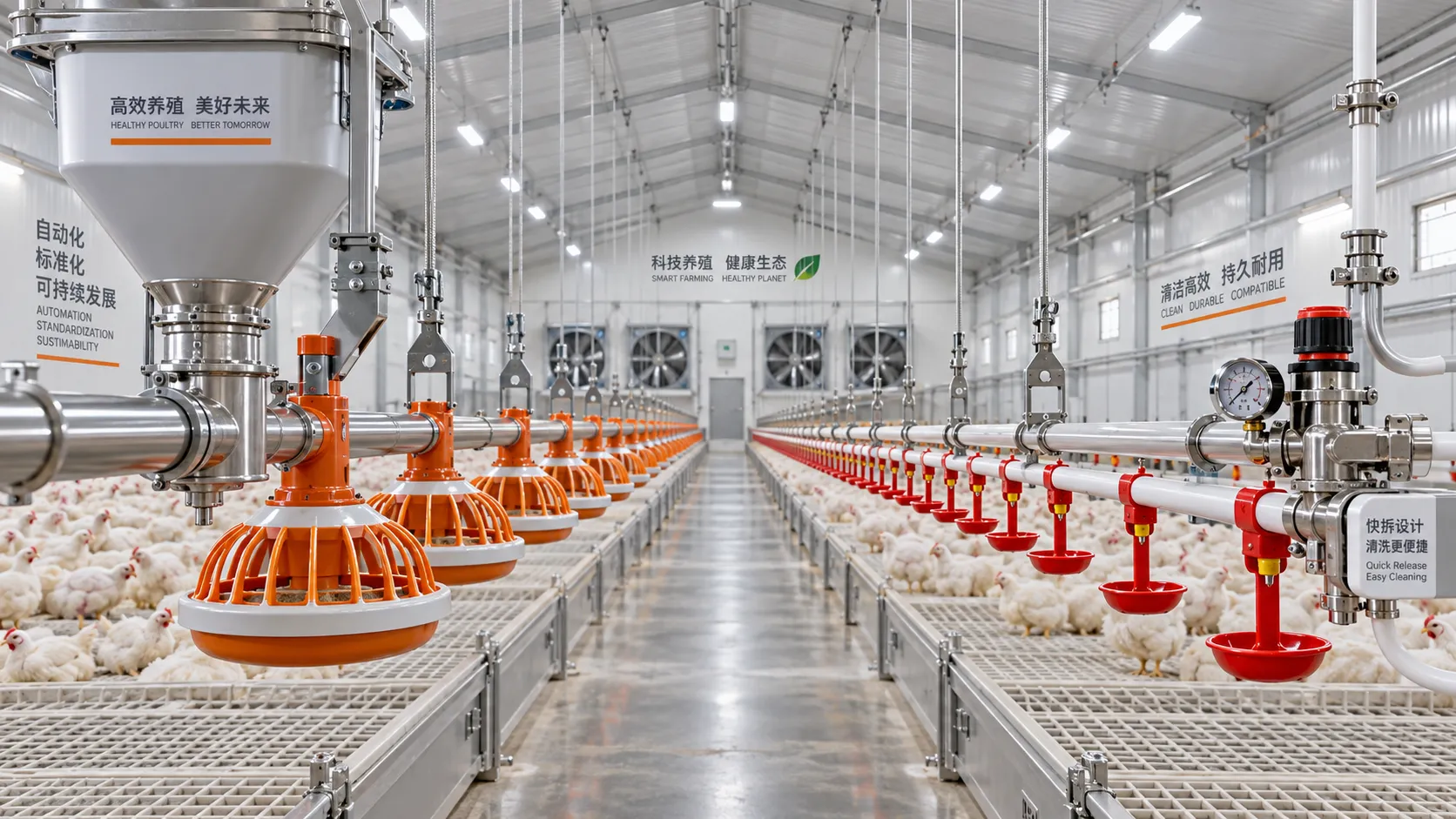
Poultry Equipment Selection: Evaluating Durability, Cleaning, and Compatibility
Poultry equipments selection guide: evaluate durability, cleaning access, and system compatibility to improve hygiene, reduce downtime, and support efficient flock management.
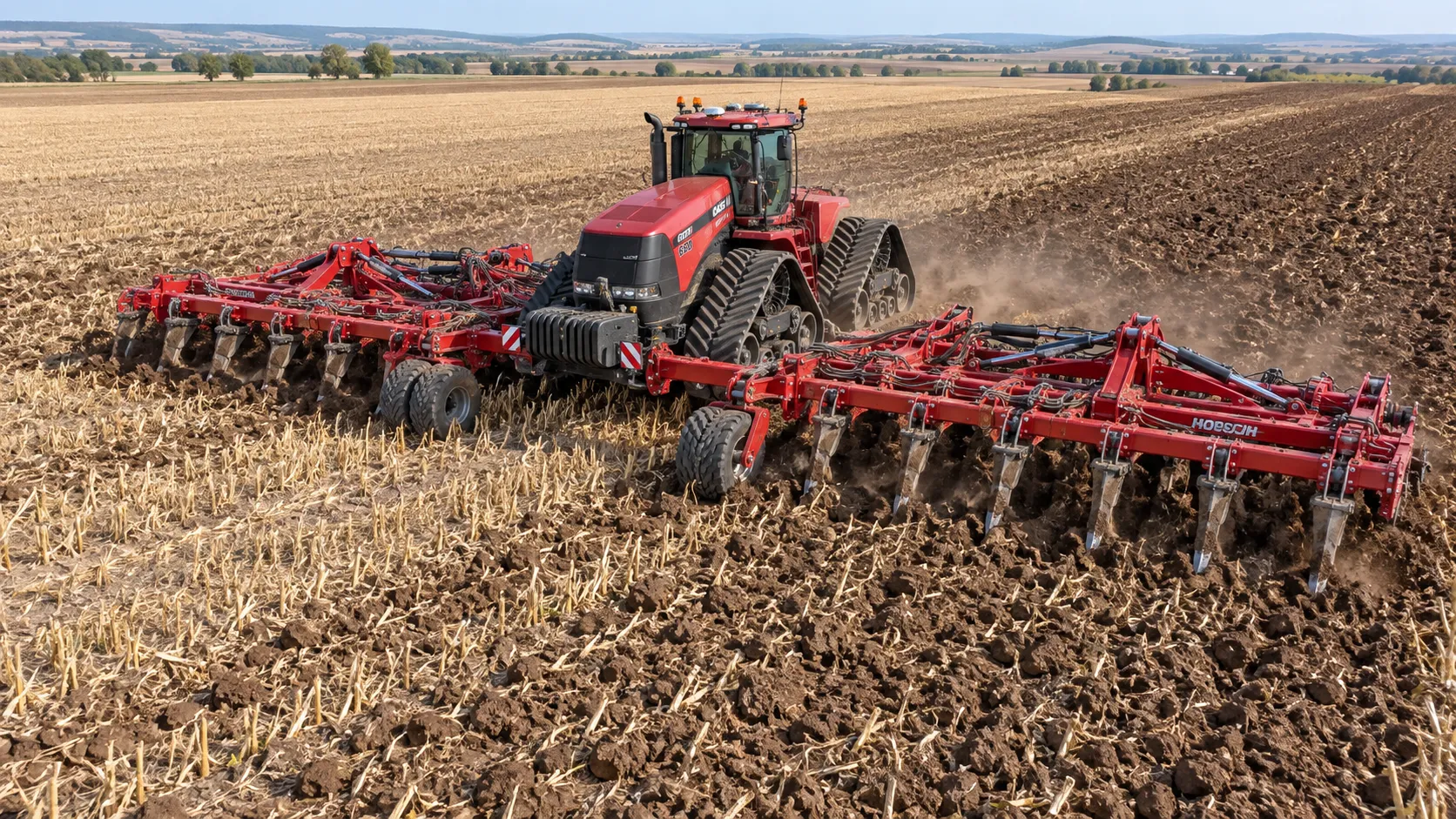
How to Select Heavy-Duty Farm Implements for High-Acreage, High-Horsepower Operations
Heavy duty farm implements: learn how to match draft, hydraulics, hitch capacity, frame strength, and field conditions for reliable high-acreage performance.
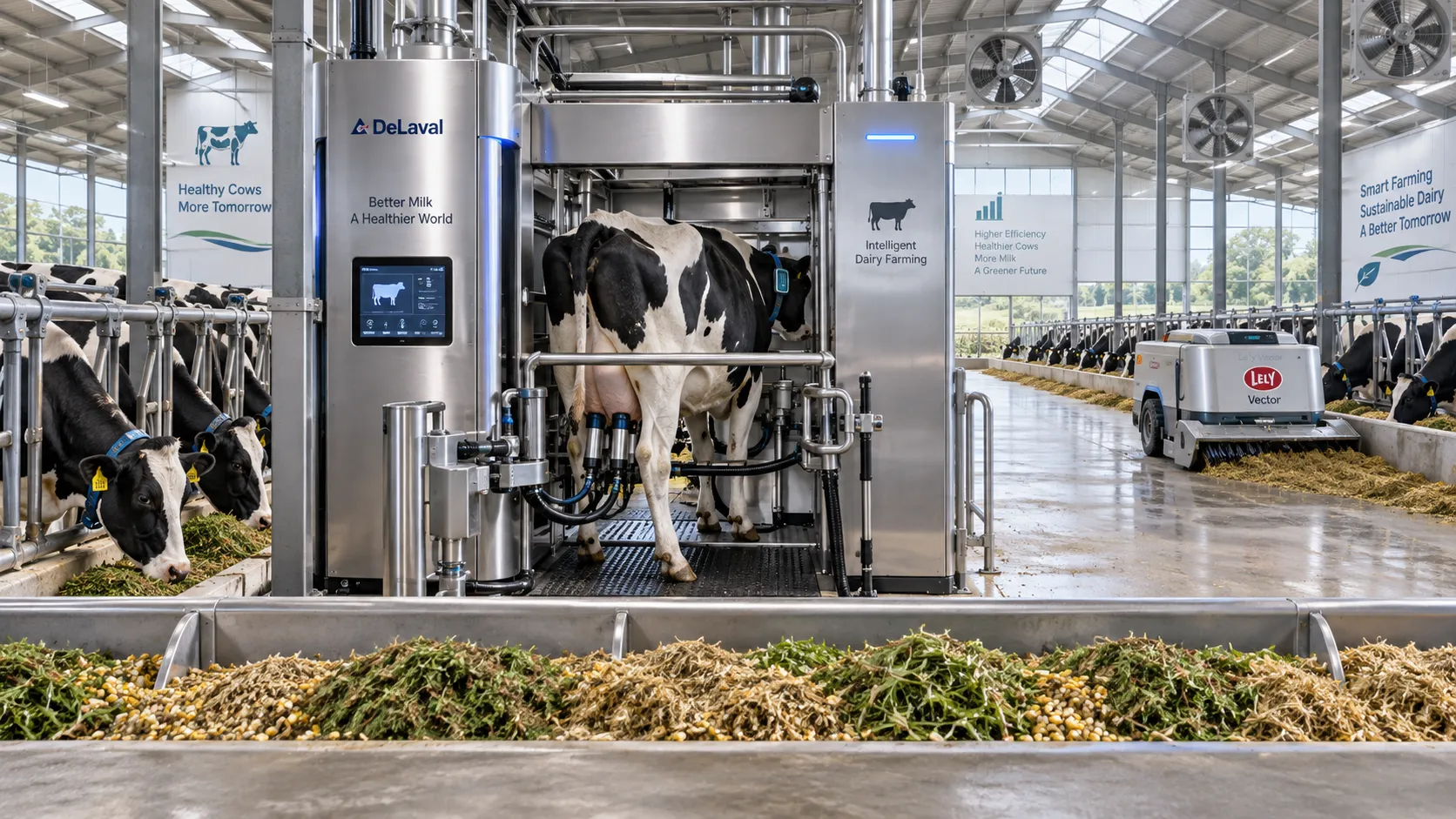
Smart Farming Technology for Dairy Farms: Where Automation Delivers Measurable ROI
Smart farming technology for dairy farms delivers measurable ROI through automation, precision feeding, health monitoring, and data-driven cost control.
Related News
- 00
0000-00
How to Choose Plant Protection Equipment for Vineyard Pests - 00
0000-00
How to Read Agricultural Equipment Specifications for Sprayers Before You Compare Models - 00
0000-00
BIS Extends Fast-Track Approval for Self-Propelled Sprayers - 00
0000-00
Intelligent Sprayer Technology: Which Functions Matter Most for Field Efficiency? - 00
0000-00
How to Choose Plant Protection Equipment for Orchards by Tree Height, Row Spacing, and Spray Drift
Popular Tags
Agri-Mechanization Fellow
Weekly Insights
Stay ahead with our curated technology reports delivered every Monday.