
Plant Protection Gaps Often Start With Spray Timing Errors
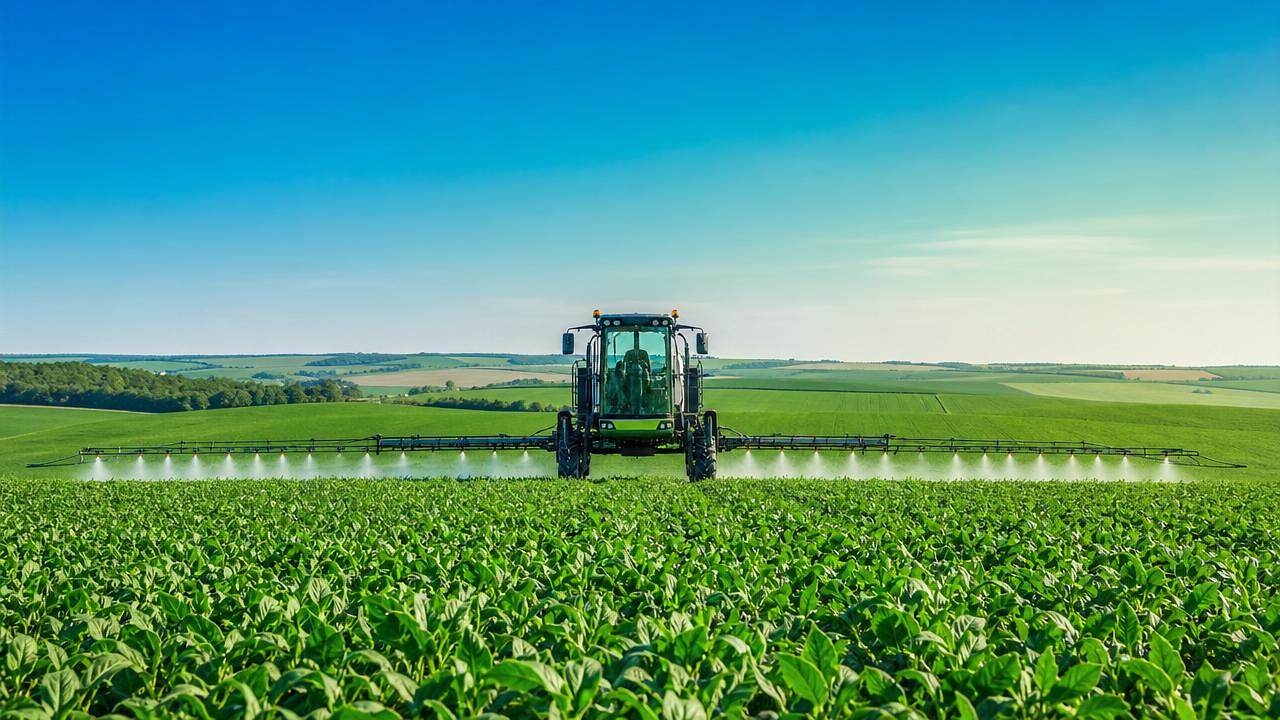




In modern crop operations, plant protection failures often begin not with product choice, but with spray timing errors that quietly reduce coverage, efficacy, and compliance. For quality control and safety managers, understanding how timing affects field performance is essential to lowering risk, protecting yield, and improving operational standards across increasingly complex agricultural systems.
What spray timing means in plant protection
In practical terms, spray timing is the match between a treatment window and real field conditions. In plant protection, that window is shaped by crop growth stage, pest or disease pressure, weather patterns, equipment readiness, operator decisions, and regulatory limits such as re-entry intervals or drift restrictions. A product may be technically correct, but if it is applied too early, too late, or under unstable environmental conditions, biological performance can drop sharply.
For quality and safety teams, timing errors are especially important because they are often hidden at the moment of application. Coverage may look acceptable from a distance, yet droplet retention, evaporation, canopy penetration, or target exposure may already be compromised. The result is not only weaker plant protection, but also more rework, residue concerns, operator exposure, and inconsistent records across large operations.
This issue matters even more in Agriculture 4.0 systems, where large-scale machinery, sensor-based decision tools, and intelligent irrigation networks create faster, more data-driven operations. AP-Strategy’s industry perspective is useful here: stronger mechanization does not automatically eliminate agronomic risk. It often shifts risk from manual execution to timing discipline, data interpretation, and machine coordination.
Why the industry is paying closer attention
Across global farming systems, plant protection is under pressure from several directions at once. Pest resistance is rising, weather windows are narrowing, labor continuity is less predictable, and environmental scrutiny is increasing. At the same time, large sprayers, autonomous guidance, and prescription technologies allow faster field coverage over wider areas. That combination creates both opportunity and vulnerability: more acres can be treated quickly, but a wrong decision can also be scaled quickly.
Quality control personnel increasingly monitor whether a treatment event met the intended agronomic objective, while safety managers focus on whether it was carried out under acceptable exposure and compliance conditions. In both cases, timing becomes a control point. It influences not only efficacy, but also drift potential, tank-mix behavior, operator fatigue, and documentation quality. In short, timing is where technical plant protection, field safety, and operational governance meet.
Where timing errors usually begin
Spray timing errors rarely come from a single mistake. They usually emerge from weak coordination between agronomy, weather monitoring, equipment availability, and field scheduling. A delayed fungicide application after infection pressure has already peaked is one example. Another is an insecticide applied during low pest activity, when target contact is limited. Herbicides can also fail when weeds are beyond the optimal growth stage or when drought stress reduces uptake.
Weather-driven errors are equally common. High temperature, low humidity, strong wind, or inversion risk can all alter droplet behavior and field safety. Even irrigation scheduling can influence results. If leaf surfaces are too wet, too dry, or rapidly changing due to water management decisions, the intended plant protection response may not occur. This is why timing must be treated as a system variable, not as a simple calendar event.
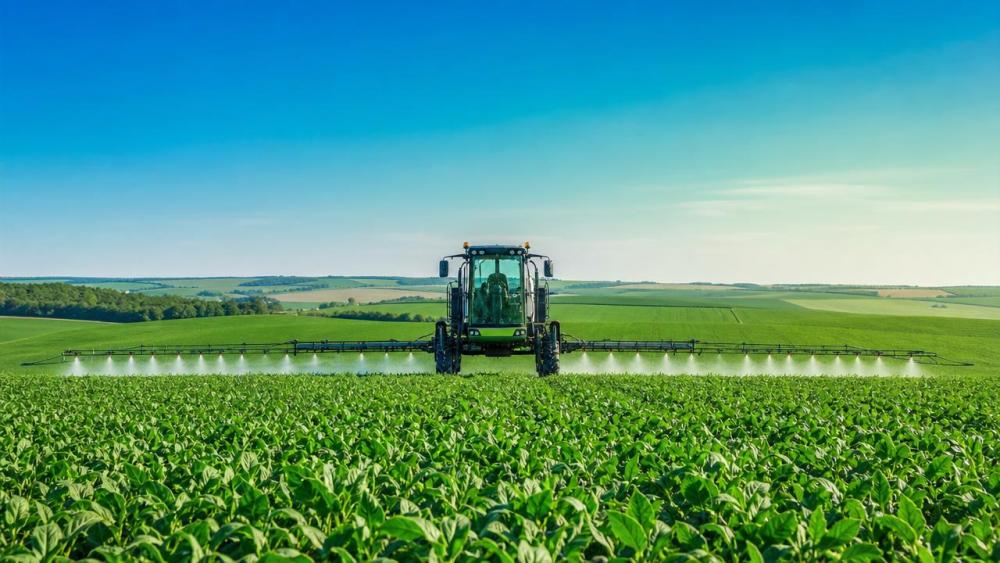
An industry overview of timing risk factors
For large farms and equipment-intensive operations, the most relevant timing risks can be grouped into agronomic, environmental, mechanical, and organizational categories. The table below provides a concise overview that quality and safety managers can use as a review framework.
Why timing matters for quality control and safety management
For quality control teams, plant protection timing influences measurable outcomes: disease control consistency, residue alignment, treatment uniformity, and post-application field performance. When an operation struggles with recurring efficacy variation, timing should be reviewed before blaming chemistry or operator skill alone. A well-designed audit should ask whether the application matched the correct crop stage, target pressure, and microclimate at the time of spraying.
For safety managers, timing affects exposure pathways and incident probability. Spraying during unstable wind conditions raises drift risk. Spraying under heat stress can affect worker decision-making and PPE tolerance. Spraying during compressed seasonal peaks can increase fatigue and shortcuts in mixing, loading, and decontamination. Therefore, plant protection timing is not only an agronomic issue; it is a safety performance indicator tied to human factors and operational control.
Typical application scenarios where timing determines outcomes
The value of correct timing becomes clearer when viewed through common field scenarios. Not all plant protection operations respond to timing in the same way, and quality managers benefit from distinguishing these application types rather than using one rule for all treatments.
The role of machinery, data, and intelligent operations
Modern plant protection is increasingly shaped by machinery capability. High-clearance sprayers, precision nozzles, telematics, section control, and guidance systems improve consistency, but only if the timing decision is correct. A calibrated machine cannot rescue a treatment that entered the field outside the effective window. This is why AP-Strategy’s emphasis on integrating mechanical performance with precision farming intelligence is highly relevant to operational governance.
Data can support better timing in several ways. Weather stations refine local spray windows. Remote sensing and scouting tools help identify pressure zones. Irrigation data reveals canopy moisture patterns that affect retention and disease dynamics. Fleet management platforms show whether machine availability aligns with agronomic urgency. For quality and safety leaders, the goal is not to collect more data blindly, but to connect the right signals to actionable timing decisions.
Practical control points for reducing timing errors
A strong plant protection program usually includes a small number of disciplined control points. First, define the biological trigger clearly for each treatment type, not just the product and rate. Second, establish a weather decision threshold that operators can apply consistently in the field. Third, maintain pre-season sprayer calibration and in-season verification so mechanical delays do not erase the treatment window.
Fourth, build priority logic across fields. Large operations often lose timing quality because every field appears urgent at the same time. A ranked approach based on crop stage, pressure level, accessibility, and forecast risk gives supervisors a more defensible schedule. Fifth, strengthen application records. Time of day, wind conditions, crop stage, and equipment status should be captured in a form that supports later review, not just compliance storage.
Finally, connect post-application evaluation to future planning. If a field underperformed, teams should assess whether timing, coverage, environmental conditions, or decision delay contributed most. This feedback loop turns plant protection from a reactive task into a managed process with measurable learning.
What decision-makers should evaluate before scaling operations
As farms expand and equipment fleets become more advanced, timing discipline becomes a strategic capability. Decision-makers should evaluate whether current scouting methods detect treatment windows fast enough, whether weather intelligence is local enough, whether sprayer capacity matches peak demand, and whether safety protocols remain practical during compressed schedules. They should also examine how irrigation planning, harvesting timelines, and field logistics interact with plant protection priorities.
This broader view is essential because plant protection does not operate in isolation. It sits inside a system of machinery, labor, climate, biological risk, and market pressure. When timing is handled well, the benefits are cumulative: better efficacy, lower retreatment cost, stronger compliance, safer execution, and more predictable yield protection.
A practical direction for continuous improvement
For quality control and safety managers, the most effective next step is to treat spray timing as a formal review category within plant protection governance. That means auditing timing decisions, not only application completion; comparing field outcomes against actual treatment windows; and using machinery, agronomic, and weather data as one connected evidence base. In high-scale agriculture, timing is often the first invisible gap and the most correctable one.
Organizations that want stronger plant protection performance should focus on timing-aware planning, machine readiness, field-level intelligence, and disciplined documentation. With that foundation, plant protection becomes more reliable, safer to manage, and better aligned with the efficiency and sustainability goals shaping the future of global agriculture.
Related News

When Does Agricultural Machinery Leasing Cost Less Than Owning Equipment?
Agricultural machinery leasing can lower farm costs when use is seasonal or uncertain. Compare utilization, maintenance, cash flow, and risk to make a smarter equipment decision.
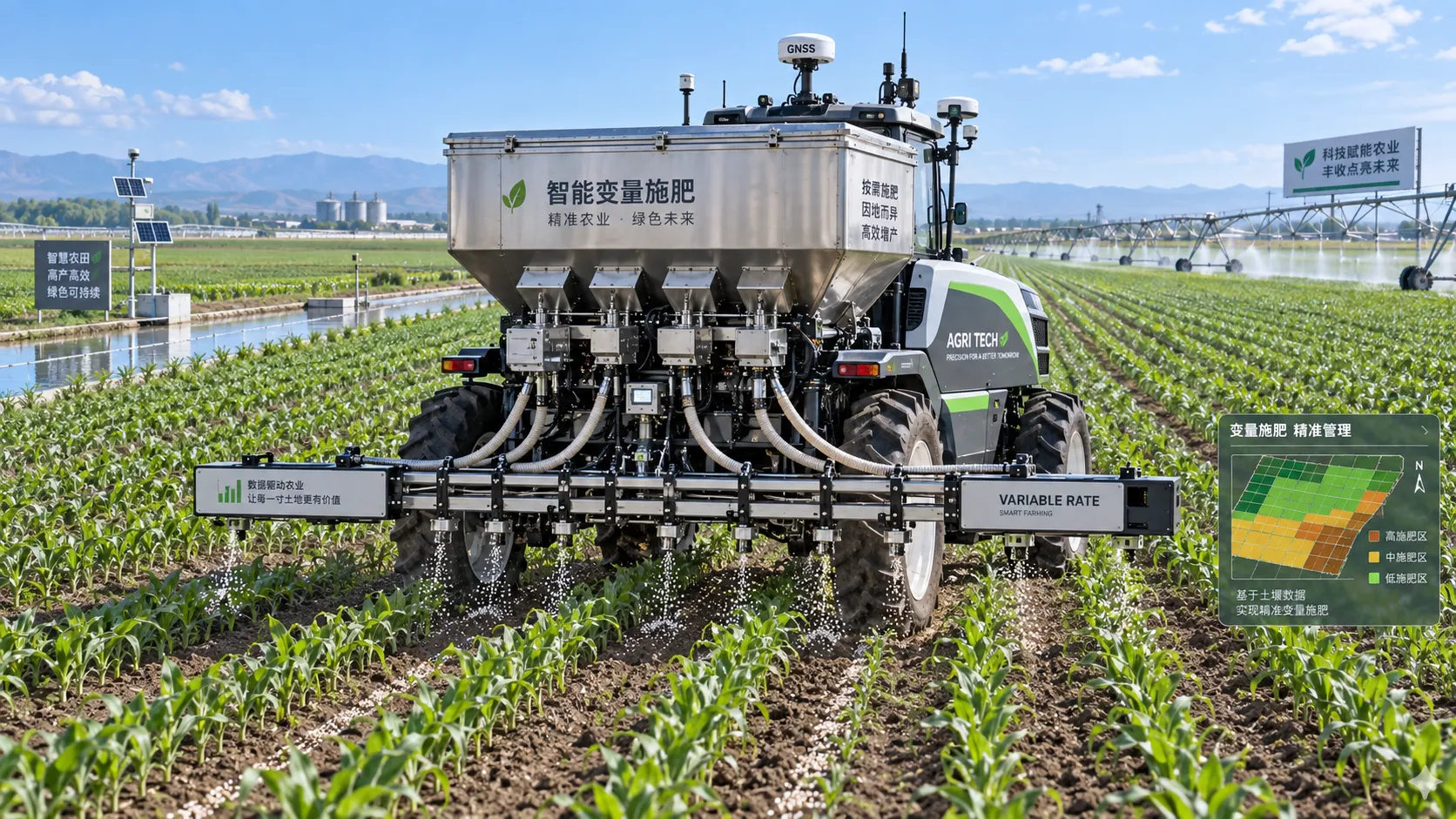
How to Evaluate Precision Fertilization System Suppliers for Farm-Scale Deployment
Precision fertilization systems suppliers: learn how to compare accuracy, integration, uptime, service, and total cost for confident farm-scale deployment.
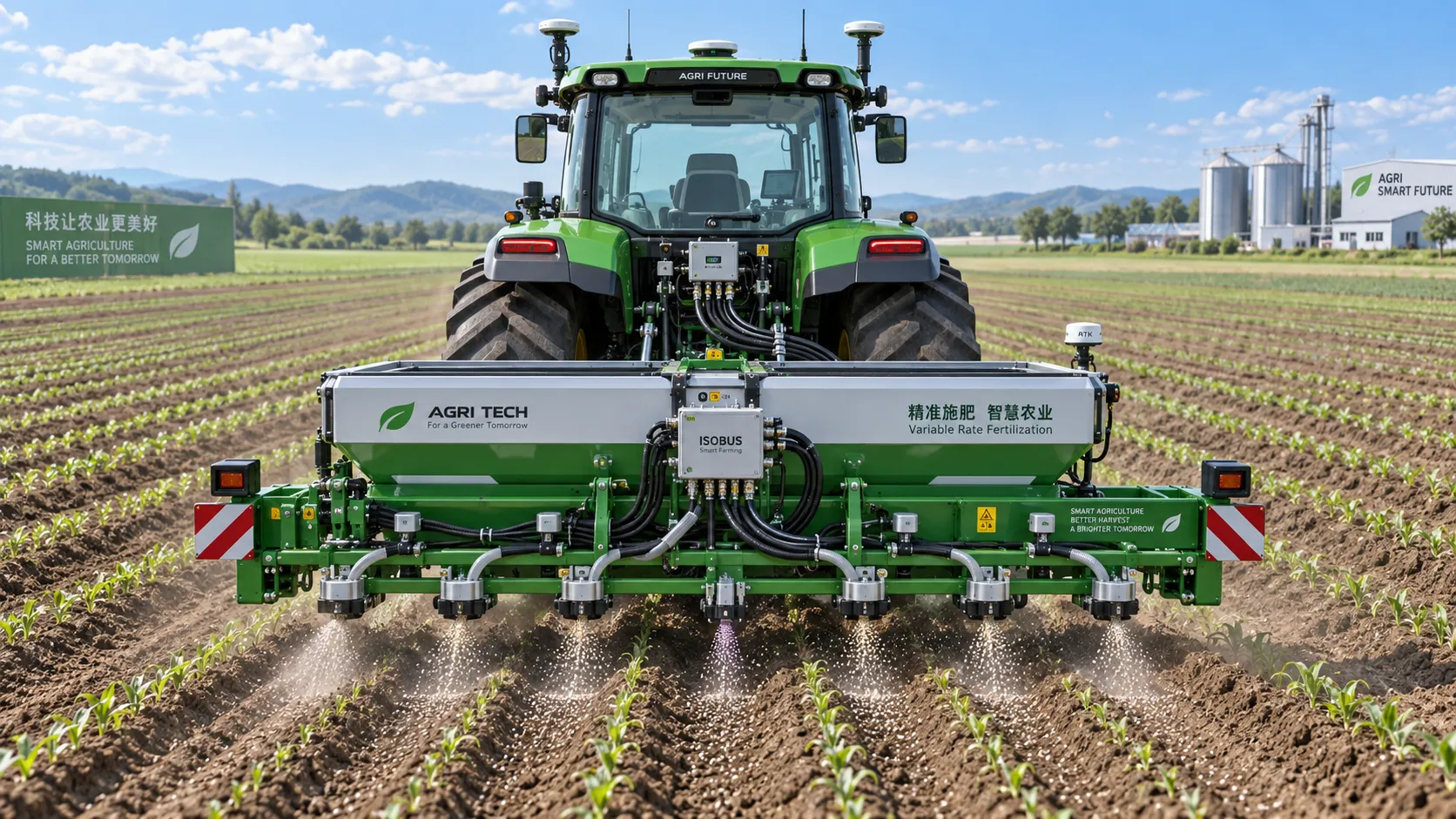
ISOBUS for Smart Agriculture: How It Connects Tractors, Implements, and Farm Data
ISOBUS for smart agriculture connects tractors, implements, terminals, and farm data—helping growers improve precision, documentation, and smarter field decisions.
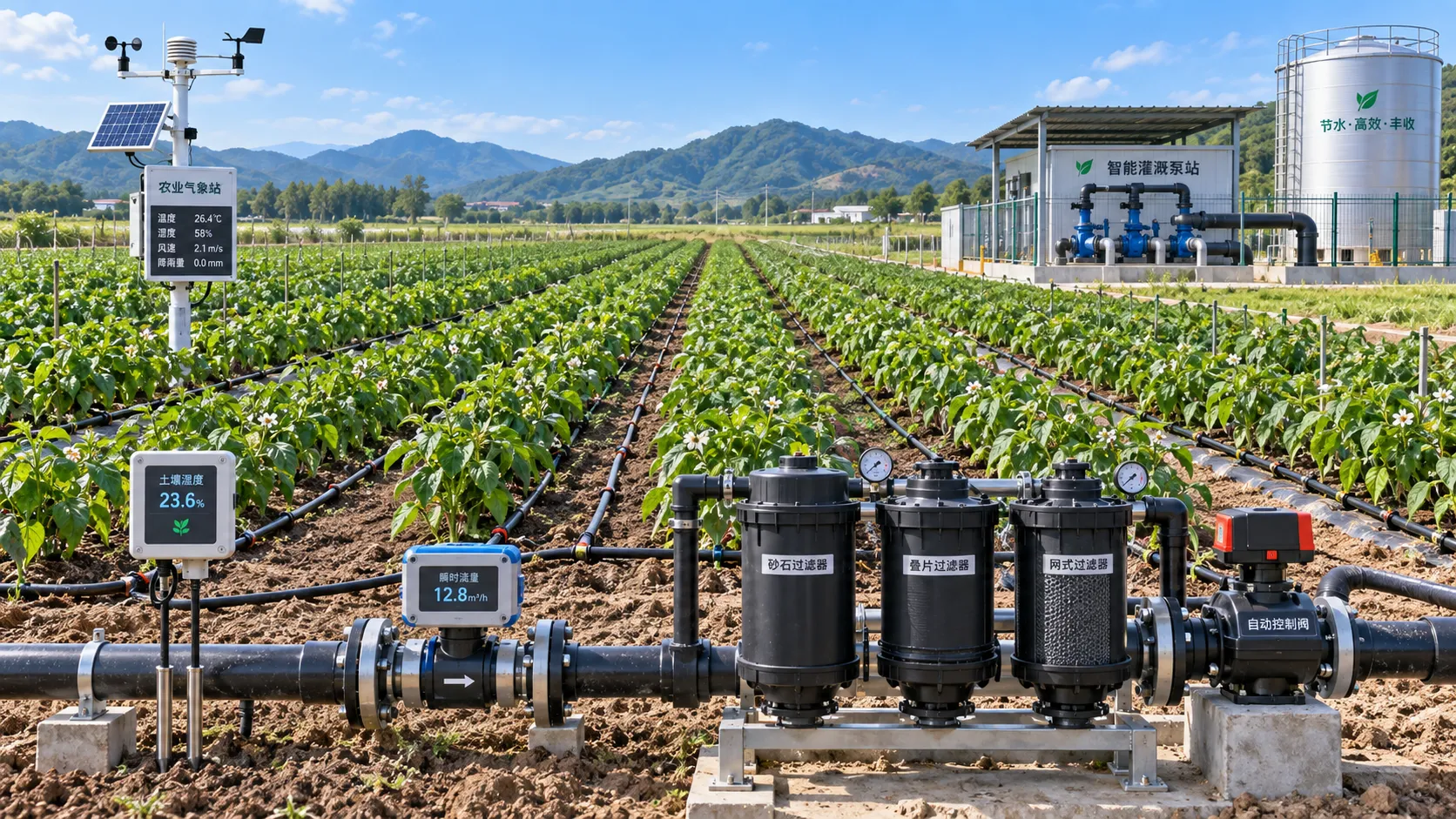
Automated Water-Saving Irrigation: How to Cut Water Use Without Reducing Crop Yields
Automated water-saving irrigation helps farms cut water use, protect crop yields, improve scheduling, and gain reliable control with sensors, flow monitoring, and smart zones.
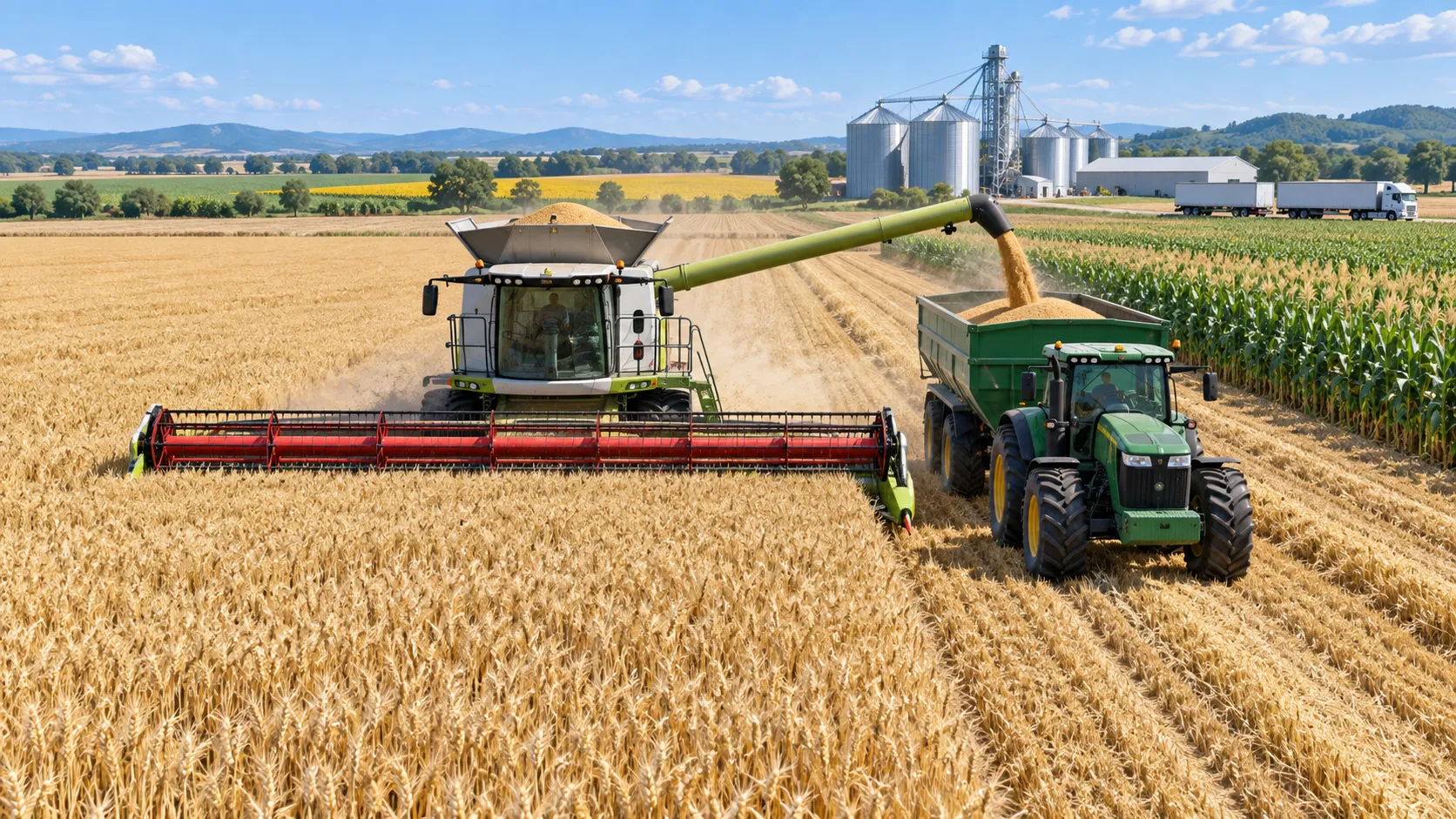
Selecting Grain Farm Equipment by Acreage, Crop Mix, and Harvest Window
Agricultural equipment selection for grain farming: match machinery to acreage, crop mix, and harvest windows to improve uptime, efficiency, and returns.
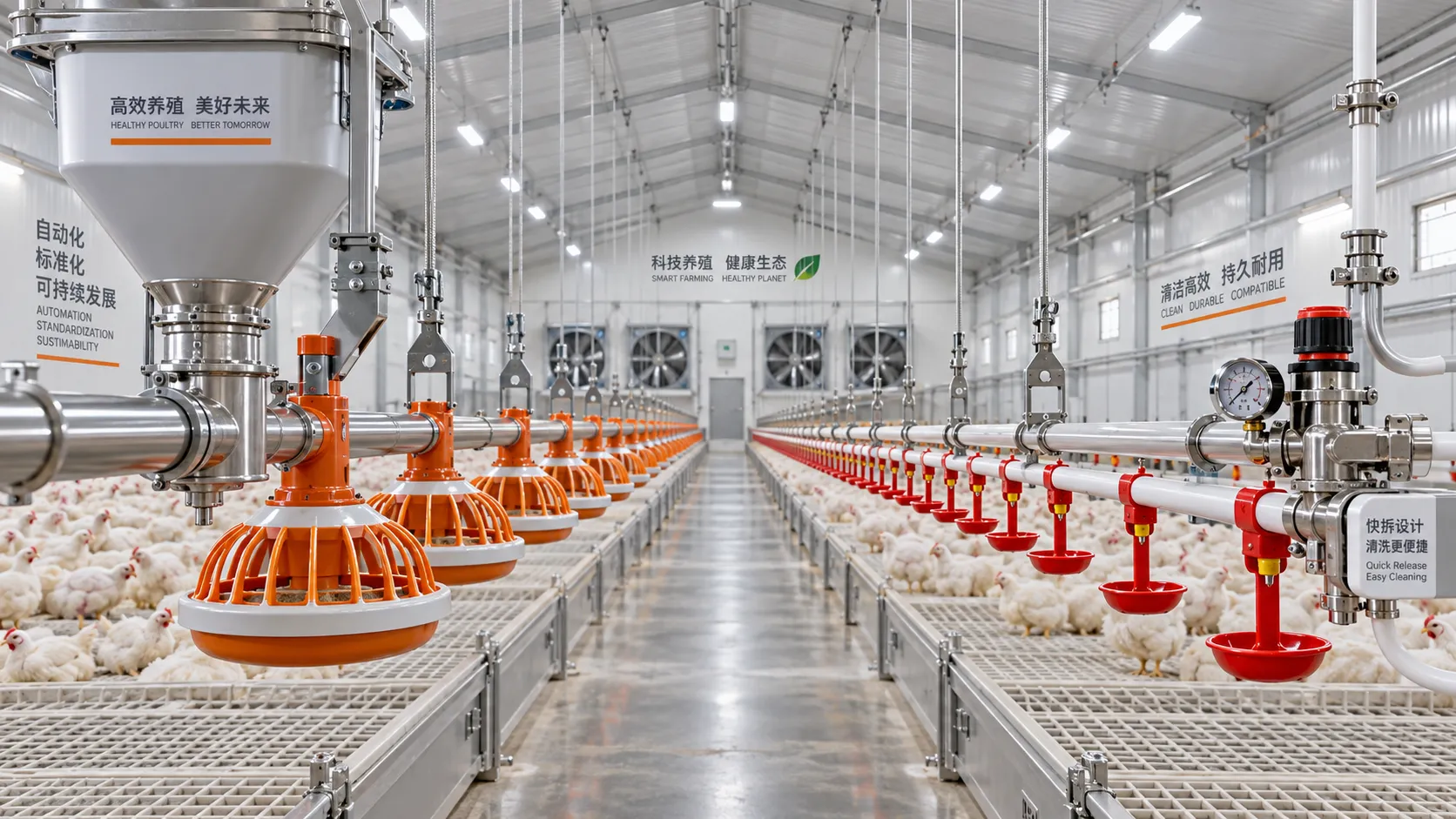
Poultry Equipment Selection: Evaluating Durability, Cleaning, and Compatibility
Poultry equipments selection guide: evaluate durability, cleaning access, and system compatibility to improve hygiene, reduce downtime, and support efficient flock management.
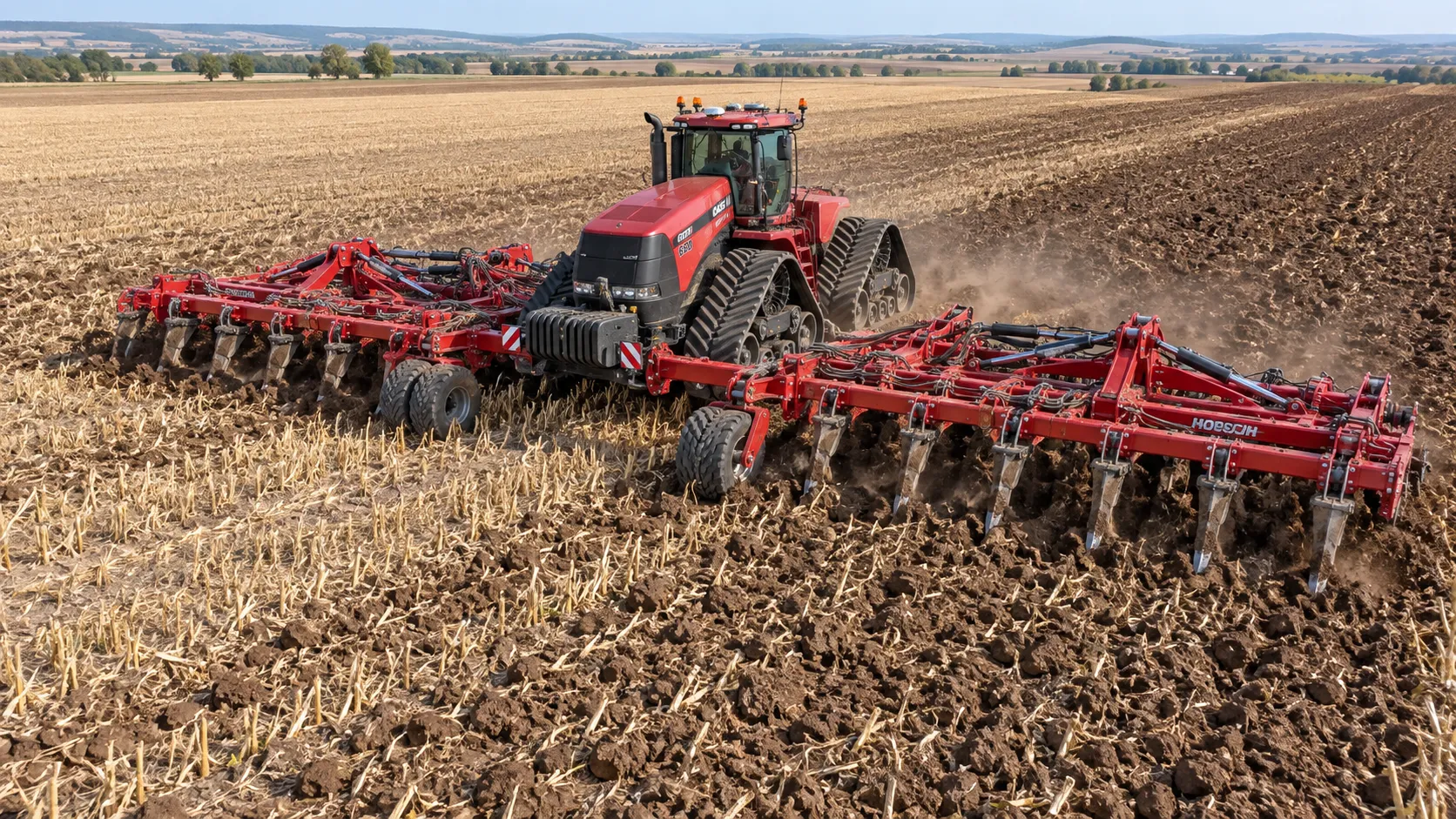
How to Select Heavy-Duty Farm Implements for High-Acreage, High-Horsepower Operations
Heavy duty farm implements: learn how to match draft, hydraulics, hitch capacity, frame strength, and field conditions for reliable high-acreage performance.
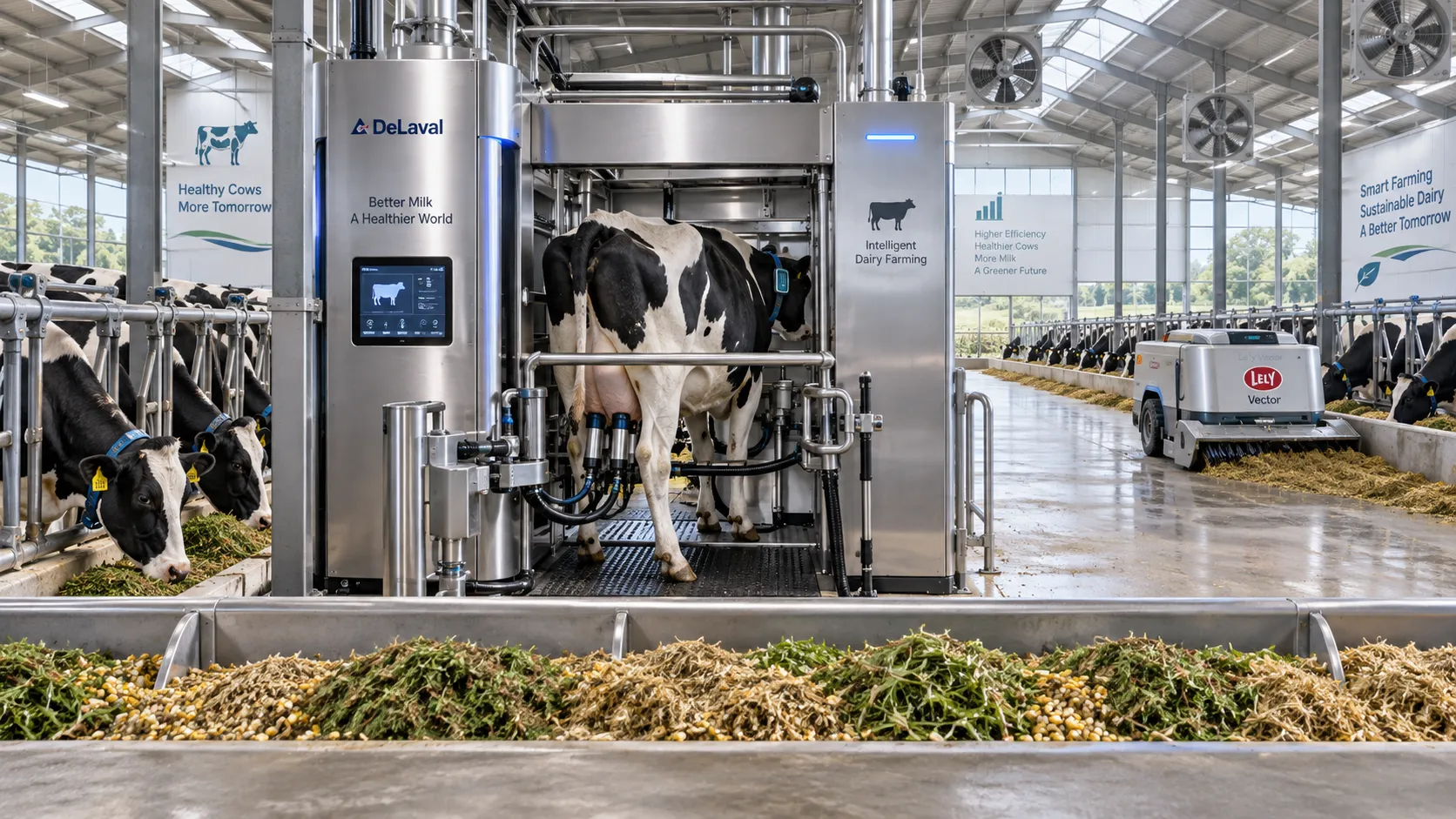
Smart Farming Technology for Dairy Farms: Where Automation Delivers Measurable ROI
Smart farming technology for dairy farms delivers measurable ROI through automation, precision feeding, health monitoring, and data-driven cost control.
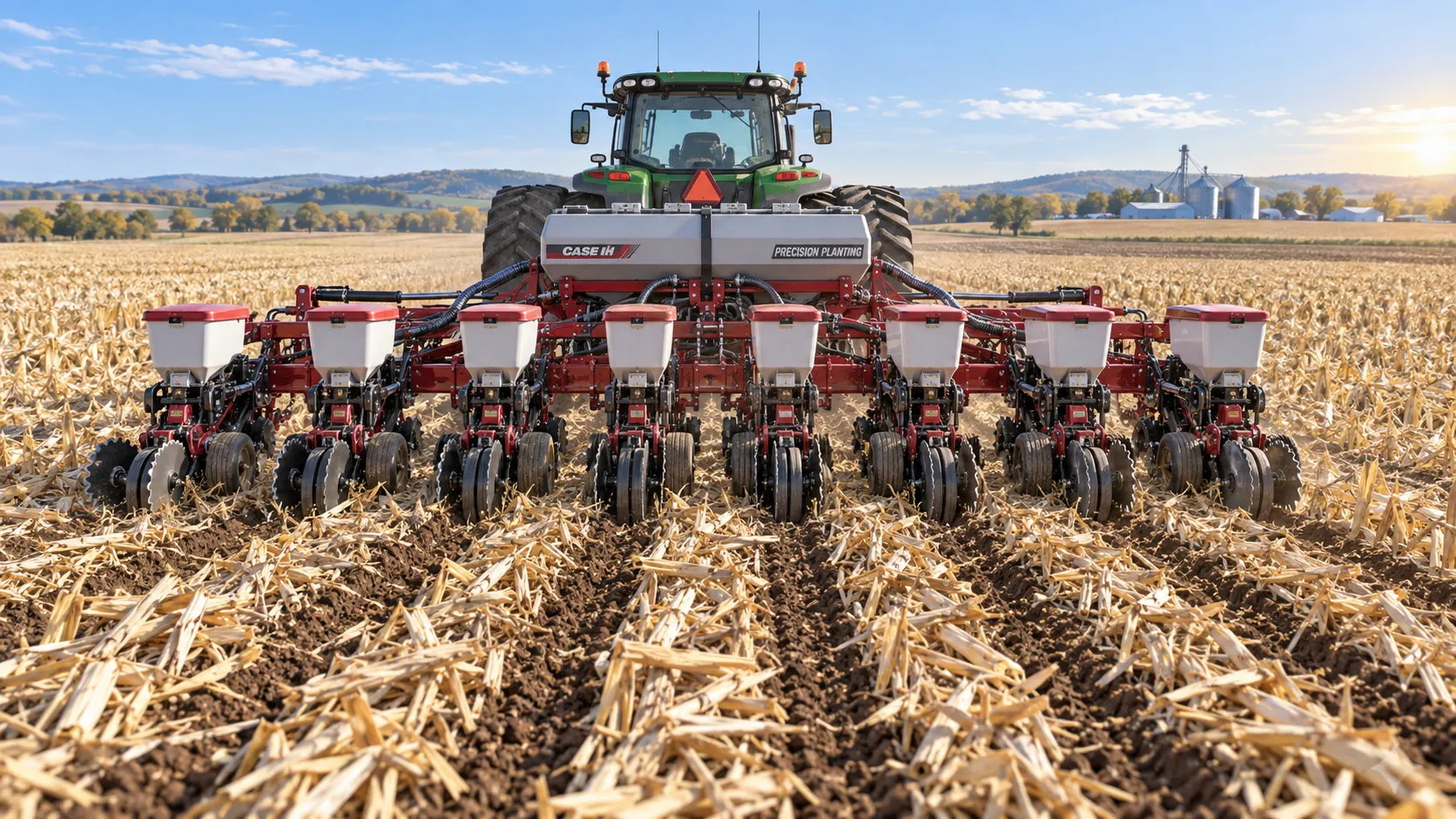
How to Select a Heavy-Duty Seeder for Large Acreage and High-Residue Fields
Heavy duty seeders for large acreage: compare residue handling, depth control, downforce, metering accuracy, and precision features to select the right model.
Related News
- 00
0000-00
How to Choose Plant Protection Equipment for Vineyard Pests - 00
0000-00
How to Read Agricultural Equipment Specifications for Sprayers Before You Compare Models - 00
0000-00
BIS Extends Fast-Track Approval for Self-Propelled Sprayers - 00
0000-00
Intelligent Sprayer Technology: Which Functions Matter Most for Field Efficiency? - 00
0000-00
How to Choose Plant Protection Equipment for Orchards by Tree Height, Row Spacing, and Spray Drift
Popular Tags
Agri-Mechanization Fellow
Weekly Insights
Stay ahead with our curated technology reports delivered every Monday.