
Plant Protection Mistakes That Spread Faster Than Pests
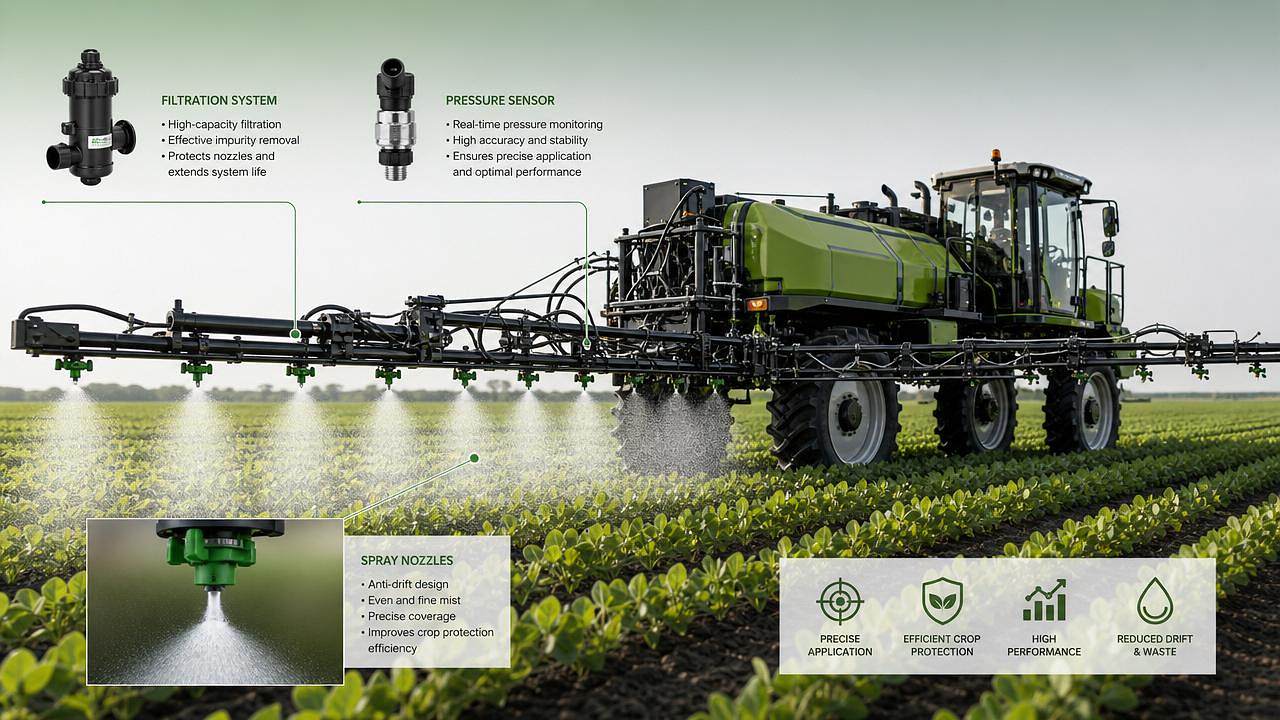




In modern plant protection, the costliest failures often come from routine mistakes that spread faster than the pests themselves. For after-sales maintenance teams, a small calibration error, clogged nozzle, or delayed inspection can quickly undermine spray accuracy, crop safety, and equipment reliability. This article explores the hidden service-related risks behind poor plant protection outcomes and how disciplined maintenance can stop problems before they escalate across the field.
Why After-Sales Teams Have More Influence on Plant Protection Than Many Farms Realize
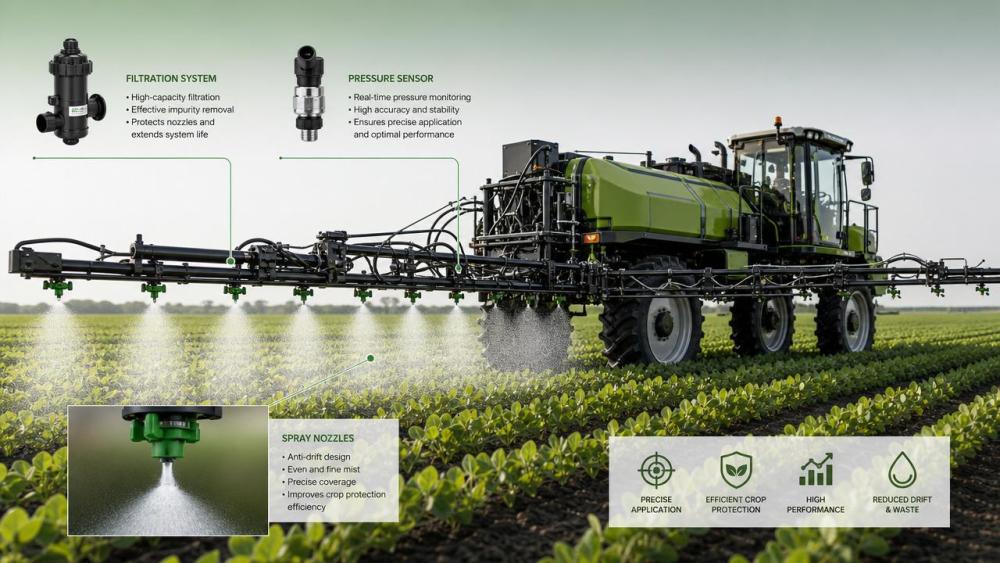
When users search for advice on plant protection mistakes, they are rarely looking for theory alone. They want to know why pest control fails even when the chemical choice seems correct, why drift or uneven coverage keeps happening, and how to prevent repeated complaints from growers. For after-sales maintenance personnel, the answer is often uncomfortable but practical: many plant protection failures begin with service gaps, not pest biology.
A sprayer can leave the factory in excellent condition and still perform poorly a season later if filters are neglected, pressure sensors drift out of tolerance, or boom sections no longer distribute evenly. In large-scale farming, these faults do not stay local for long. A few missed rows can become a wider infestation. A few over-applied zones can trigger crop injury, residue concerns, or wasted input costs. That is why maintenance teams play a direct role in plant protection success.
The core search intent behind this topic is clear: readers want to identify the maintenance-related mistakes that reduce spray effectiveness and learn how to stop those mistakes before they spread operationally across many hectares. They are not just asking, “What is plant protection?” They are asking, “Which service failures create field-level losses, how do we detect them fast, and what routines actually work?”
For the target audience, the biggest concerns are usually practical. They need to reduce callbacks, avoid preventable downtime, protect equipment reputation, and help farm customers maintain accurate, safe application performance. So the most useful article is one that connects plant protection outcomes to maintenance decisions, inspection discipline, and machine condition in the real world.
The Most Common Plant Protection Mistakes Caused by Maintenance Failures
Many plant protection problems are blamed on weather, product selection, or pest resistance. Those factors matter, but service teams know that mechanical and hydraulic issues often create the first layer of failure. The following mistakes are among the most damaging because they are easy to overlook and fast to multiply across a field operation.
1. Treating nozzle wear as a minor issue
Nozzles are not passive parts. They define droplet size, flow rate, and spray pattern, which means they directly shape coverage quality and drift behavior. A worn nozzle may still spray, but it will not spray correctly. That difference matters in plant protection, especially when precision application is required for fungicides, herbicides, or insecticides with narrow performance windows.
After-sales teams should assume that nozzle wear changes application results long before operators visually notice a problem. Flow output can increase gradually, pattern uniformity can weaken, and droplet spectrum can shift. The result is often over-application in some zones, under-coverage in others, and inconsistent pest control that users may misread as chemistry failure.
2. Ignoring partial blockages because the boom still operates
A semi-clogged nozzle or filter is dangerous because it creates invisible under-application. The operator may see liquid moving through the system and assume all is well, yet actual deposition on target plants may already be inadequate. In plant protection, partial blockages are especially harmful because they create irregular protection gaps that let pests, weeds, or disease pressure survive and spread.
This is one of the most common service oversights. Maintenance staff may clean obvious debris but fail to inspect for residue buildup, incompatible tank-mix deposits, or internal contamination in strainers and line filters. These are not cosmetic problems. They are performance failures with direct agronomic consequences.
3. Calibrating pressure but not verifying field output
Pressure readings alone do not guarantee correct application. A system can display acceptable pressure while still delivering poor field performance due to nozzle wear, leaks, valve inconsistency, boom imbalance, or sensor error. One of the biggest plant protection mistakes is assuming that dashboard values equal real spray accuracy.
Good after-sales service requires more than workshop checks. It requires output verification under realistic operating conditions. If maintenance teams do not compare target rate, travel speed, section control response, and actual nozzle discharge, they may release a machine that looks fine on paper but fails in the crop.
4. Delaying inspection of hoses, seals, and fittings
Small leaks are often tolerated too long because they appear manageable. In reality, leaks destabilize pressure, alter section performance, contaminate machine surfaces, and create safety hazards for operators. In advanced plant protection systems, even minor hydraulic or liquid delivery inconsistencies can disrupt application uniformity over large widths.
For farms running high-capacity sprayers across narrow timing windows, these issues spread faster than the original defect. A single weak fitting can trigger lost time, patchy application, and emergency repairs during peak pest pressure. By then, the service problem has become a crop protection problem.
5. Overlooking sensor drift and controller mismatch
As plant protection equipment becomes more intelligent, maintenance errors are less visible but more systemic. Flow meters, pressure sensors, GPS-based section control, and rate controllers all depend on accurate feedback. If one component drifts or loses synchronization, the machine may apply the wrong dose while still appearing digitally stable.
This matters greatly in Agriculture 4.0 environments, where growers increasingly trust software-guided application. After-sales teams must treat electronic calibration and data validation as core maintenance tasks, not optional upgrades. In precision farming, bad data is a plant protection risk.
Why These Mistakes Spread Faster Than Pests in Large-Scale Operations
The title is more than a metaphor. Maintenance mistakes really can spread faster than pests because a machine fault is repeatable at scale. A disease outbreak may begin in one area, but a miscalibrated sprayer can reproduce the same application error across hundreds of hectares in a single day. The speed of modern equipment amplifies the cost of small service failures.
Large booms, high-capacity tanks, fast field speeds, and compressed treatment windows all increase exposure. If a flow issue affects one section of the boom, that error repeats with every pass. If an operator relies on inaccurate rate control, every treated zone inherits the same mistake. In this sense, poor maintenance acts like a multiplier inside plant protection operations.
There is also an organizational reason these issues spread quickly. When a machine appears operational, farms tend to keep using it. Operators are under pressure to finish treatments, especially when weather windows are short. Unless after-sales teams provide clear maintenance thresholds and verification protocols, users may continue applying with compromised equipment until visible crop failures appear.
By the time complaints arrive, the damage is no longer a single mechanical fault. It may include reduced control efficacy, unnecessary retreatment, higher chemical cost, customer distrust, and even reputational damage for the equipment brand or service network.
What After-Sales Maintenance Teams Should Check Before Plant Protection Season Starts
Preventive discipline is more valuable than reactive repair in plant protection. The best time to stop mistakes is before the first tank is mixed. A structured pre-season inspection can eliminate many of the failures that later show up as poor coverage, drift, or repeat pest pressure.
Nozzle system inspection
Check nozzle type, wear level, pattern quality, and compatibility with the intended application program. Replace questionable nozzles as a set where needed rather than mixing uneven wear conditions across the boom. Confirm that spray angle and droplet class match the target crop and product strategy.
Filters and line cleanliness
Inspect tank strainers, line filters, nozzle screens, and recirculation paths for buildup, residue, and material damage. Cleaning should not be rushed. A system that looks visually acceptable may still carry deposits that later cause restriction or contamination. Consistent cleaning standards directly support reliable plant protection.
Pump and pressure stability
Verify pump output, pulsation behavior, seal condition, and pressure retention under operating load. Pressure should remain stable not only at idle but also across realistic working speeds and section changes. Unstable delivery is one of the fastest ways to reduce spray quality in the field.
Rate control and sensor validation
Test flow meters, pressure transducers, speed input, controller software, and section response times. Compare digital readings with measured output. If the machine supports prescription or variable-rate functions, confirm that map execution and actual application stay aligned. Precision plant protection depends on system agreement, not just component function.
Boom structure and distribution uniformity
Inspect boom height control, suspension response, section valves, and mechanical alignment. Even perfect chemistry will underperform if the boom height varies too much or if one side oscillates more than the other. Coverage quality is as much about stable delivery geometry as about fluid flow.
How to Troubleshoot Poor Plant Protection Results Without Guesswork
When a grower reports weak results, maintenance teams should avoid jumping immediately to product blame or operator error. Effective troubleshooting starts by separating biological factors from mechanical ones. A structured diagnosis saves time, preserves trust, and identifies whether the machine contributed to the failure.
First, ask where the problem appeared. Was it random, edge-related, section-specific, speed-related, or tied to certain tank loads? Spatial patterns often reveal equipment causes. For example, repeated weak strips may indicate nozzle or section issues, while broad inconsistency may point to calibration or pressure instability.
Second, review service history. Were nozzles recently replaced? Were filters cleaned properly? Has the rate controller been updated or recalibrated? Did the machine sit idle with chemical residue in the system? Many plant protection failures trace back to seemingly minor maintenance events that were not documented carefully enough.
Third, verify the machine physically. Measure output. Inspect nozzles. Check pressure stability. Confirm sensor accuracy. Test section activation timing. Look for leaks or restrictions. In other words, move from assumptions to evidence. The faster an after-sales team can turn field complaints into measurable checks, the faster it can stop repeat failures.
Service Protocols That Actually Reduce Repeat Complaints
Strong after-sales support in plant protection is not just about technical skill. It is about repeatable service design. Teams that reduce complaints usually do a few things consistently: they standardize inspections, document wear trends, train operators on warning signs, and define clear replacement intervals for critical components.
A useful protocol includes a seasonal checklist, a calibration verification routine, and a post-service performance record. Each machine should leave service with documented nozzle condition, pressure check results, sensor status, and any unresolved risk notes. This reduces ambiguity when field performance is later reviewed.
Operator communication also matters. Many service teams fix equipment correctly but fail to explain what users should monitor next. If the farm does not know how to spot drift changes, uneven fan patterns, or section lag, a preventable issue may continue until crop symptoms appear. Good plant protection service extends beyond the workshop.
In larger dealer or support networks, service data should also be shared across teams. If the same nozzle wear pattern, valve fault, or controller mismatch appears repeatedly in a machine series, that intelligence should shape preventive action. This is where strategic after-sales maintenance becomes a business asset rather than a cost center.
The Business Value of Better Maintenance in Plant Protection Systems
For after-sales personnel, it helps to frame plant protection maintenance not only as technical support but as value protection. Accurate application reduces input waste, lowers retreatment risk, protects yield potential, and strengthens confidence in both equipment and service quality. Every avoided misapplication has agronomic and commercial value.
This is particularly important in the world of large-scale agri-equipment, where machine performance is closely linked to timing, efficiency, and sustainability expectations. Poorly maintained plant protection systems can increase chemical use, waste water, and raise drift exposure. Well-maintained systems support more precise dosing, cleaner operation, and stronger resource efficiency.
For organizations serving modern farms, this aligns directly with broader Agriculture 4.0 goals. Intelligent equipment only delivers its promise when maintenance standards keep sensors, hydraulics, application hardware, and control logic working together. Precision begins with condition, not software alone.
Final Takeaway: In Plant Protection, Small Service Errors Become Field-Scale Problems Fast
The most damaging plant protection mistakes are often not dramatic breakdowns. They are routine oversights: a worn nozzle left in service, a filter cleaned too late, a sensor trusted without verification, a leak ignored because the machine still runs. In large-scale operations, these errors spread quickly because the equipment repeats them over every pass.
For after-sales maintenance teams, the lesson is simple but important. If you want better crop protection results, fewer callbacks, and stronger equipment reliability, focus on the hidden details that shape spray accuracy every day. Preventive inspection, calibration discipline, and evidence-based troubleshooting do more than protect machines. They protect the field outcome.
In modern plant protection, pests are not the only threat moving across the farm. Maintenance mistakes move faster when systems are busy, timing is tight, and assumptions replace verification. The teams that slow those mistakes first are the ones that create the most value for growers.
Related News
When Does Agricultural Machinery Leasing Cost Less Than Owning Equipment?
Agricultural machinery leasing can lower farm costs when use is seasonal or uncertain. Compare utilization, maintenance, cash flow, and risk to make a smarter equipment decision.
How to Evaluate Precision Fertilization System Suppliers for Farm-Scale Deployment
Precision fertilization systems suppliers: learn how to compare accuracy, integration, uptime, service, and total cost for confident farm-scale deployment.
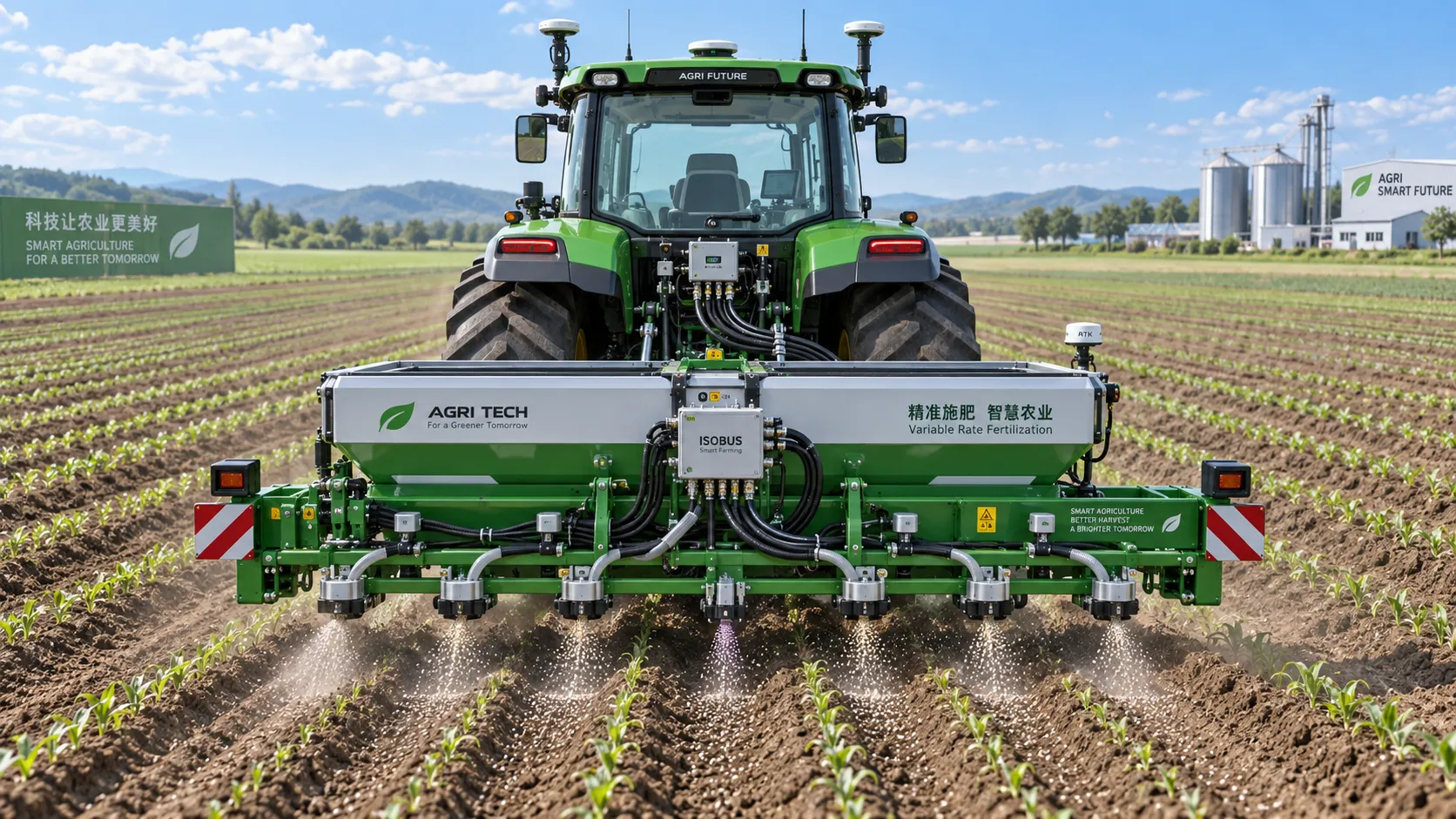
ISOBUS for Smart Agriculture: How It Connects Tractors, Implements, and Farm Data
ISOBUS for smart agriculture connects tractors, implements, terminals, and farm data—helping growers improve precision, documentation, and smarter field decisions.
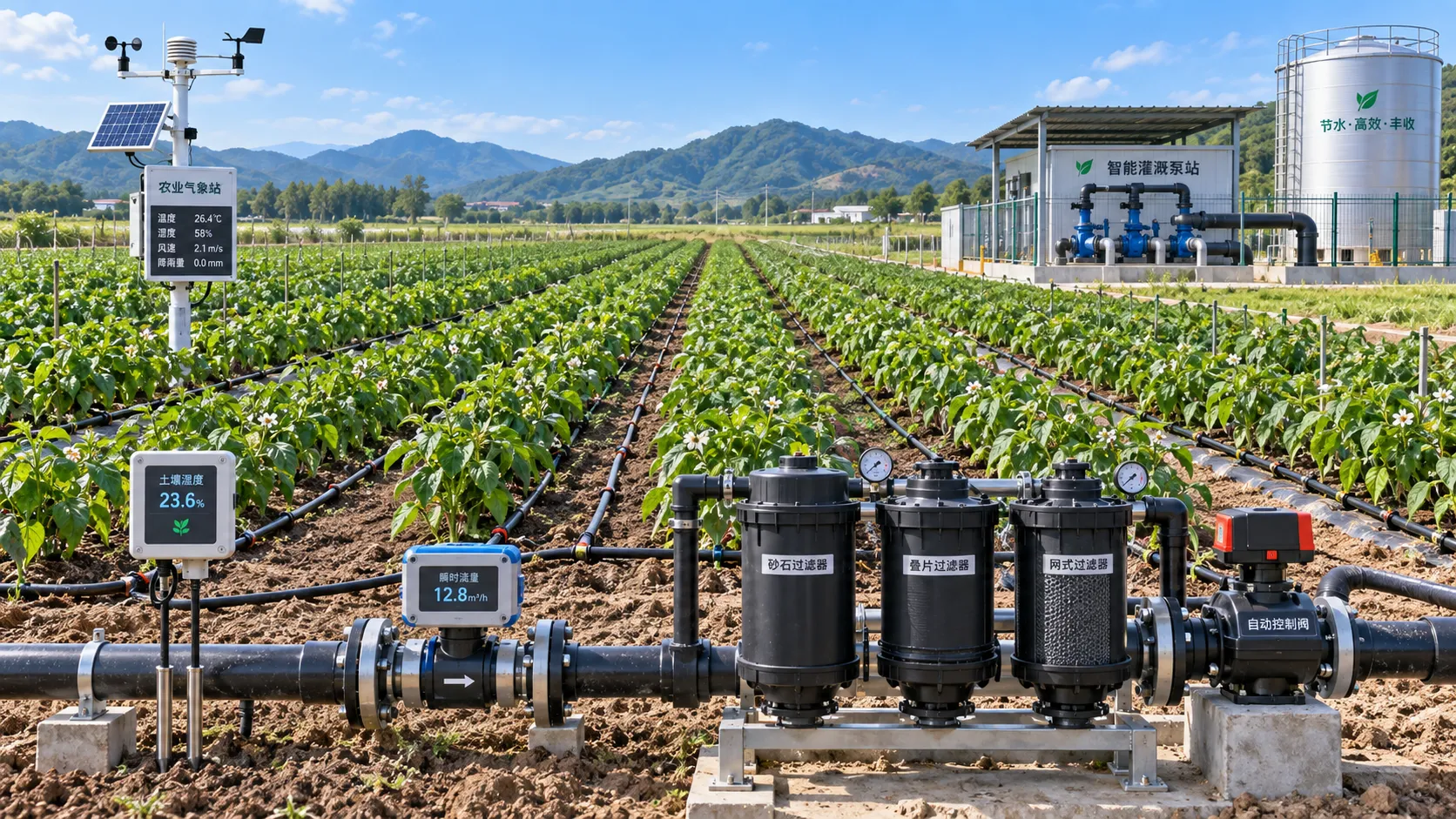
Automated Water-Saving Irrigation: How to Cut Water Use Without Reducing Crop Yields
Automated water-saving irrigation helps farms cut water use, protect crop yields, improve scheduling, and gain reliable control with sensors, flow monitoring, and smart zones.

Selecting Grain Farm Equipment by Acreage, Crop Mix, and Harvest Window
Agricultural equipment selection for grain farming: match machinery to acreage, crop mix, and harvest windows to improve uptime, efficiency, and returns.
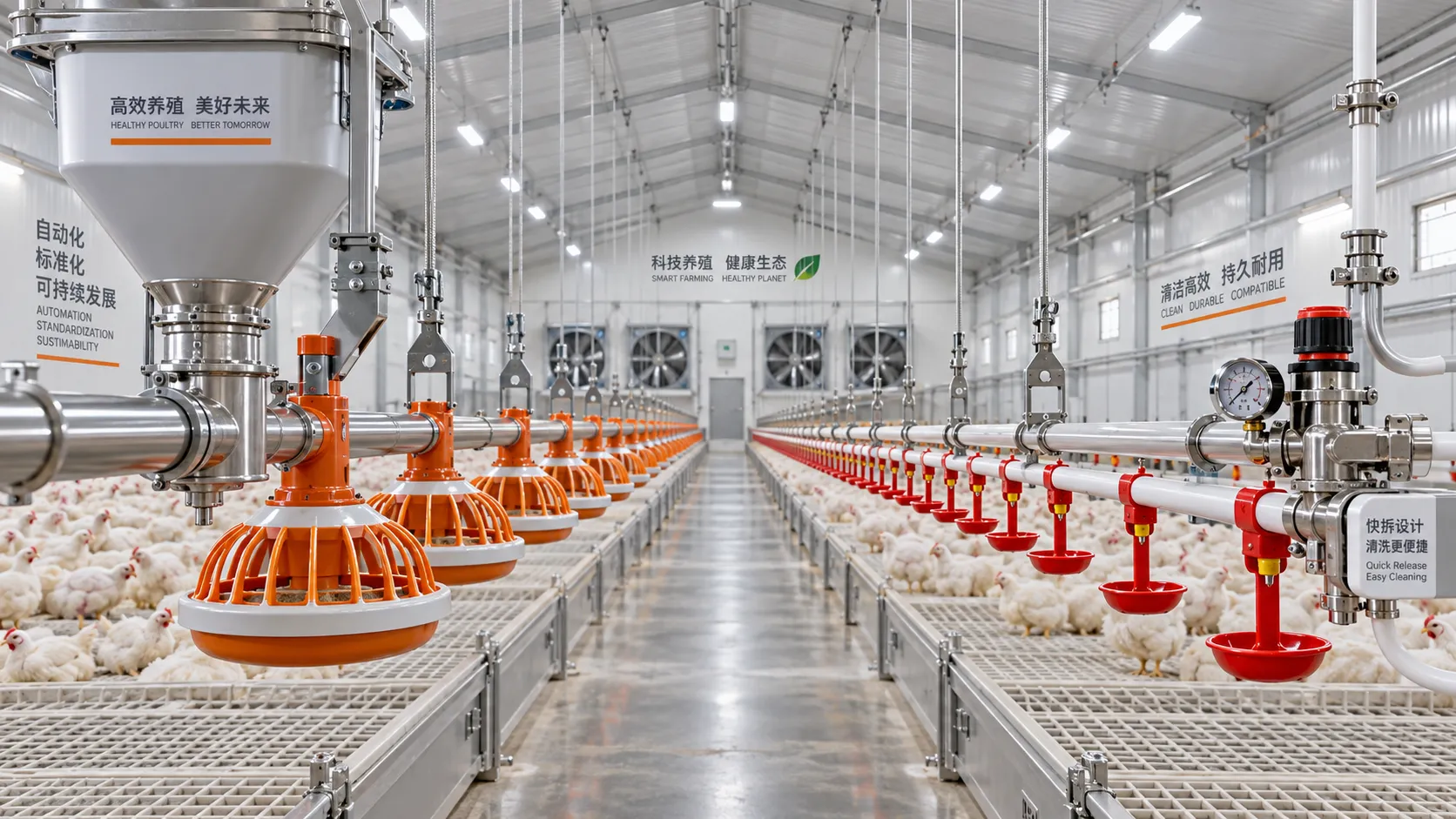
Poultry Equipment Selection: Evaluating Durability, Cleaning, and Compatibility
Poultry equipments selection guide: evaluate durability, cleaning access, and system compatibility to improve hygiene, reduce downtime, and support efficient flock management.
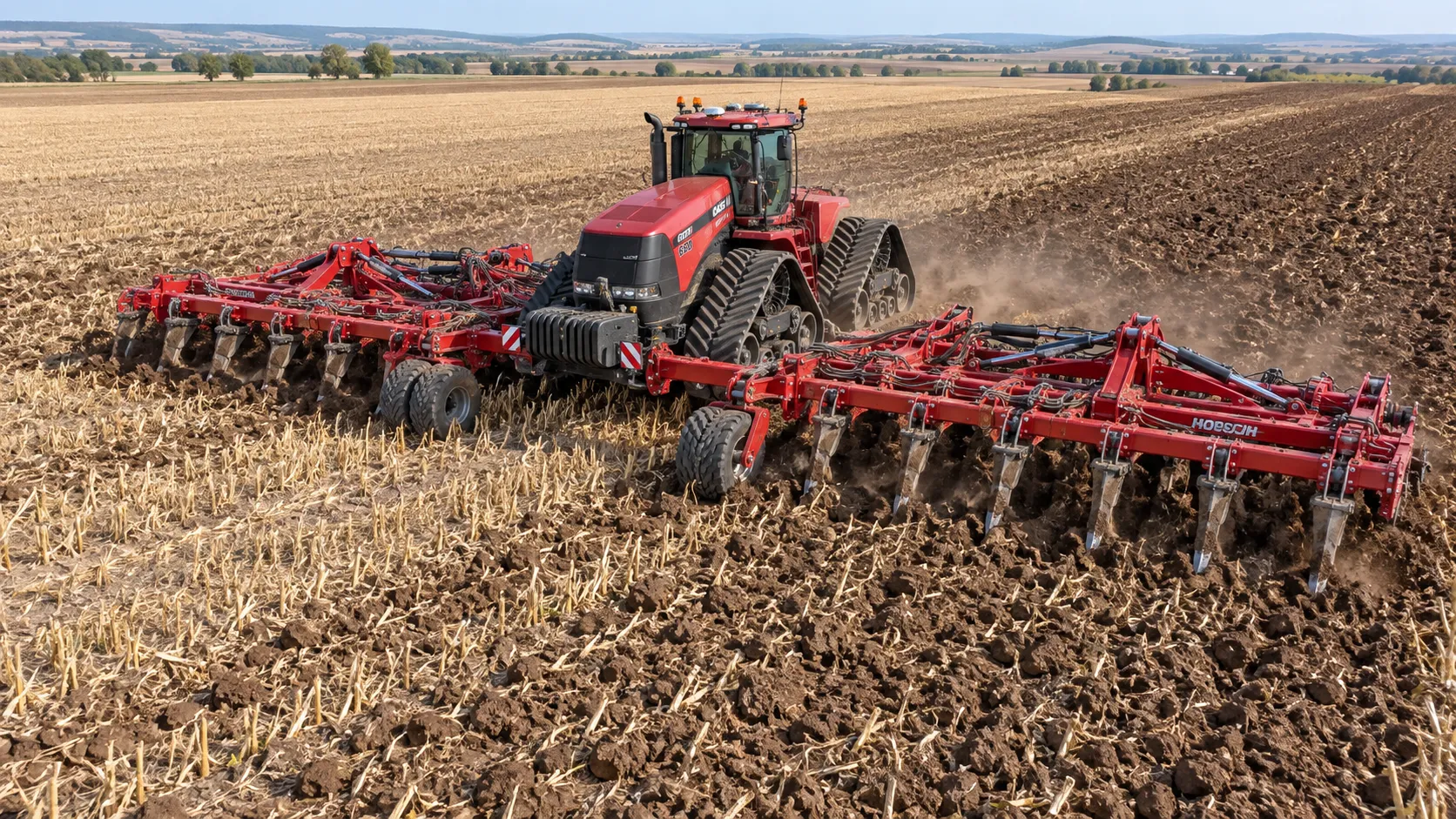
How to Select Heavy-Duty Farm Implements for High-Acreage, High-Horsepower Operations
Heavy duty farm implements: learn how to match draft, hydraulics, hitch capacity, frame strength, and field conditions for reliable high-acreage performance.
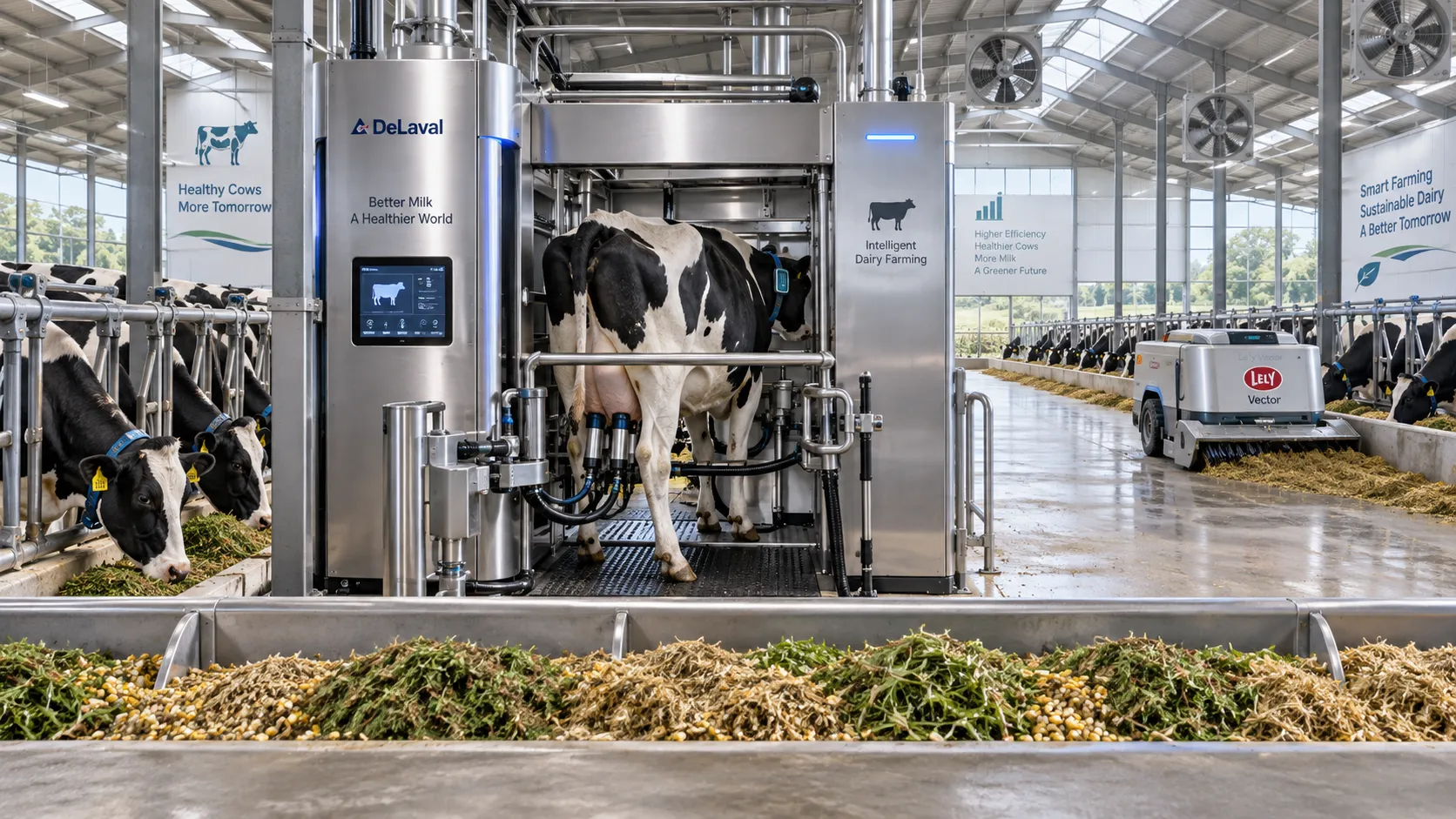
Smart Farming Technology for Dairy Farms: Where Automation Delivers Measurable ROI
Smart farming technology for dairy farms delivers measurable ROI through automation, precision feeding, health monitoring, and data-driven cost control.
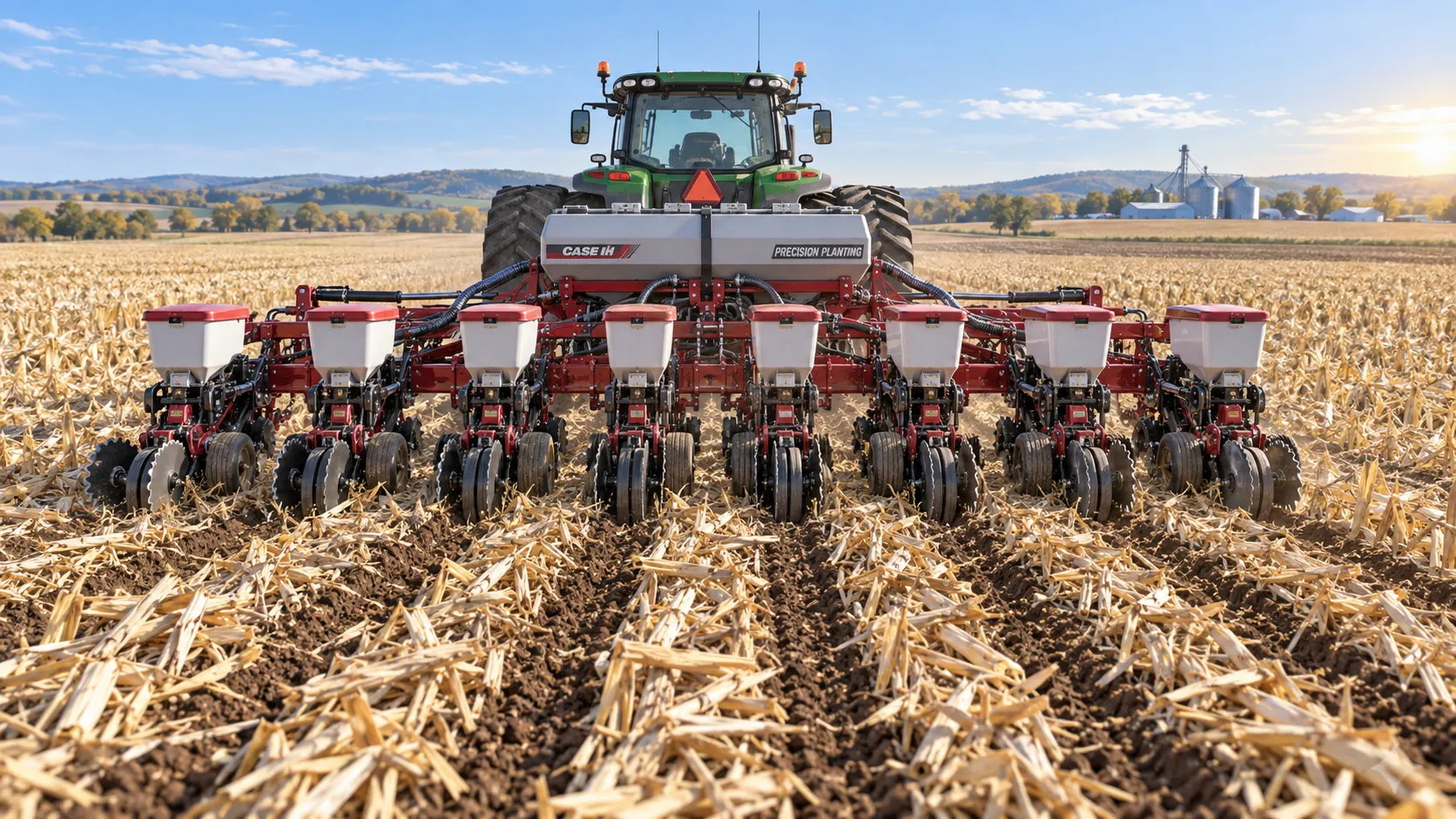
How to Select a Heavy-Duty Seeder for Large Acreage and High-Residue Fields
Heavy duty seeders for large acreage: compare residue handling, depth control, downforce, metering accuracy, and precision features to select the right model.
Related News
- 00
0000-00
How to Choose Plant Protection Equipment for Vineyard Pests - 00
0000-00
How to Read Agricultural Equipment Specifications for Sprayers Before You Compare Models - 00
0000-00
BIS Extends Fast-Track Approval for Self-Propelled Sprayers - 00
0000-00
Intelligent Sprayer Technology: Which Functions Matter Most for Field Efficiency? - 00
0000-00
How to Choose Plant Protection Equipment for Orchards by Tree Height, Row Spacing, and Spray Drift
Popular Tags
Agri-Mechanization Fellow
Weekly Insights
Stay ahead with our curated technology reports delivered every Monday.