
US CBP Expands HTS Review for Agri-Intelligent Equipment





US CBP Expands HTS Review for Agri-Intelligent Equipment
On May 8, 2026, U.S. Customs and Border Protection (CBP) updated its Agricultural Intelligent Equipment HTS Classification Review Guidelines, placing GPS-guided seeders (HTS code 8432.80.00) under ‘High-Priority Technical Compliance Review’. The move extends average customs clearance time to 12–18 working days and introduces new on-site verification requirements—specifically concerning RTK signal source legitimacy, geofencing algorithm compliance, and local data storage capability.
Event Overview
On May 8, 2026, U.S. Customs and Border Protection (CBP) issued an update to its Agricultural Intelligent Equipment HTS Classification Review Guidelines. Under the revision, GPS Guidance Systems–equipped seeders classified under HTS 8432.80.00 are now included in the ‘High-Priority Technical Compliance Review’ list. New mandatory inspection criteria include verification of RTK signal source authorization, geofencing algorithm adherence to U.S. regulatory frameworks (e.g., FCC Part 2 and Part 15), and demonstrable capacity for local data storage within U.S.-bound devices. As a result, average customs clearance duration has increased from under 5 working days to 12–18 working days. Importers seeking expedited processing must submit, in advance, FCC ID documentation, official authorization certificates for RTK base stations, and a signed data sovereignty declaration from Chinese suppliers.
Impact on Key Industry Segments
Direct Trading Enterprises
Importers and export-oriented trading firms handling GPS-guided seeding equipment face immediate operational friction: extended dwell times at ports directly delay revenue recognition, increase demurrage and storage costs, and strain cash flow planning. Since HTS classification decisions now trigger technical audits—not just tariff assessments—traders must coordinate closely with OEMs to validate documentation before shipment, rather than relying solely on customs brokers’ classification advice.
Raw Material Procurement Enterprises
Firms sourcing components such as RTK modules, GNSS antennas, or embedded controllers for assembly into compliant seeders must now align procurement contracts with traceability and certification obligations. Suppliers outside China may lack FCC ID registration or geofencing audit readiness, increasing pre-shipment vetting workload. Moreover, procurement timelines must now buffer for third-party lab testing (e.g., RTK signal origin validation), which was previously not required for agricultural machinery components.
Manufacturing Enterprises
OEMs producing GPS-guided seeders for U.S. export must revise firmware architecture to support auditable geofencing logic and enforceable local data retention—features not historically prioritized in agri-equipment design. Firmware updates, re-certification cycles, and documentation packaging (e.g., algorithm white papers, data flow diagrams) add non-trivial engineering overhead. Notably, the requirement applies regardless of whether the device connects to cloud services; standalone units with embedded RTK receivers are equally subject to review.
Supply Chain Service Providers
Freight forwarders, customs consultants, and compliance labs report rising demand for ‘pre-clearance technical readiness assessments’. These services—previously niche—are now essential for shipment planning. However, no standardized protocol yet exists for verifying geofencing algorithm compliance, leading to inconsistent interpretations across CBP field offices. Providers must therefore invest in cross-functional teams combining agricultural technology domain knowledge, RF regulatory expertise, and data governance literacy.
Key Focus Areas and Recommended Actions
Validate RTK Signal Provenance Before Shipment
Importers must obtain verifiable evidence—such as signed letters from RTK network operators (e.g., Fugro, Swift Navigation, or authorized Chinese CORS providers)—confirming that the signal source used by the seeder is licensed for commercial use in the U.S. Generic ‘RTK-ready’ labeling is insufficient; CBP inspectors now request point-of-origin metadata logs during physical examination.
Prepare Algorithm Documentation for Geofencing Logic
Manufacturers should maintain a publicly accessible (but non-redistributable) technical annex describing how geofencing rules are implemented—including coordinate reference system (WGS84 vs. NAD83), update frequency, fallback behavior upon loss of signal, and override mechanisms. While not submitted routinely, this documentation must be producible within 48 hours if requested during high-priority review.
Implement On-Device Data Sovereignty Controls
Devices must demonstrate, via firmware configuration or hardware switch, the ability to disable remote telemetry and retain all operational logs locally for minimum 90 days. This includes GPS trajectory data, seeding rate timestamps, and geofence entry/exit events. Cloud-uploaded data alone does not satisfy the requirement—even if encrypted or anonymized.
Editorial Perspective / Industry Observation
Observably, this policy shift reflects a broader recalibration in U.S. trade enforcement: technical compliance is increasingly decoupled from tariff classification and treated as a discrete border control layer. Analysis shows that CBP’s focus on RTK and geofencing stems less from agricultural protectionism and more from cross-agency alignment with FCC spectrum policy and Department of Commerce export control priorities around dual-use positioning technologies. From an industry perspective, this signals a structural pivot—from ‘what is the product?’ to ‘how does the product behave—and where does its data reside?’ That distinction makes legacy compliance models inadequate. Current developments are better understood not as a one-off customs hurdle, but as an early indicator of how AI-integrated physical equipment will be governed at borders moving forward.
Conclusion
This update underscores a maturing regulatory posture toward intelligent agricultural hardware—one that treats embedded software logic and data architecture as material elements of import eligibility. For global suppliers, the implication is clear: technical due diligence must now begin at the R&D stage, not the shipping dock. A rational interpretation is that CBP is building precedent for similar reviews across other smart farm categories—such as autonomous sprayers (HTS 8424.89) and yield-monitoring harvesters (HTS 8433.60)—making proactive alignment with U.S. technical standards a strategic imperative, not a tactical afterthought.
Source Attribution
Primary source: U.S. Customs and Border Protection, Updated Agricultural Intelligent Equipment HTS Classification Review Guidelines, effective May 8, 2026 (CBP Directive No. 26-017, published in the Federal Register Vol. 91, No. 88). Additional context drawn from FCC Public Notice DA-26-312 and USDA’s 2025 Smart Agriculture Interagency Coordination Framework. Note: CBP has indicated that further guidance on geofencing audit methodology and acceptable data sovereignty configurations will be released in Q3 2026—this remains under active observation.
Related News

How to Compare Agricultural Automation Solutions Beyond Price
Agricultural automation solutions should be compared beyond price. Learn how to assess fit, uptime, integration, hidden costs, and ROI to choose smarter, higher-performing farm technology.
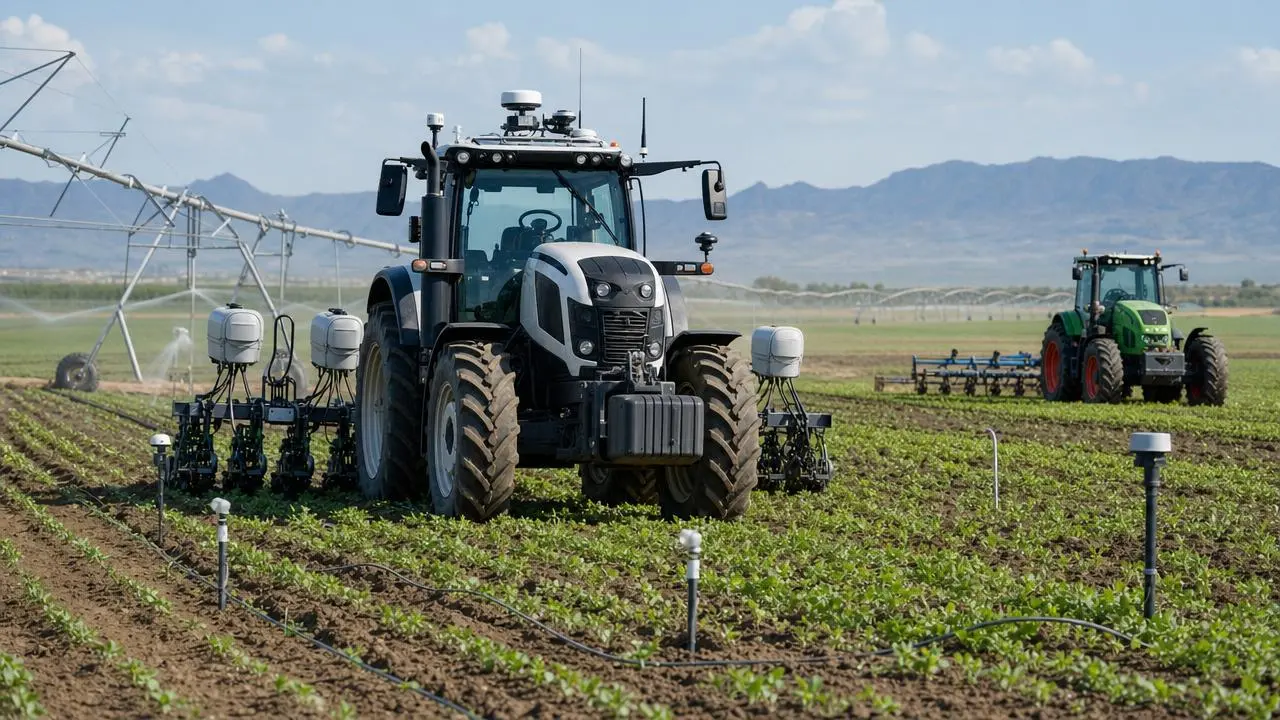
When Agricultural Automation Tools Add Complexity to Field Work
Agricultural automation tools can boost precision, but they may also add hidden field complexity. Learn the warning signs, integration risks, and smarter evaluation steps to protect productivity.
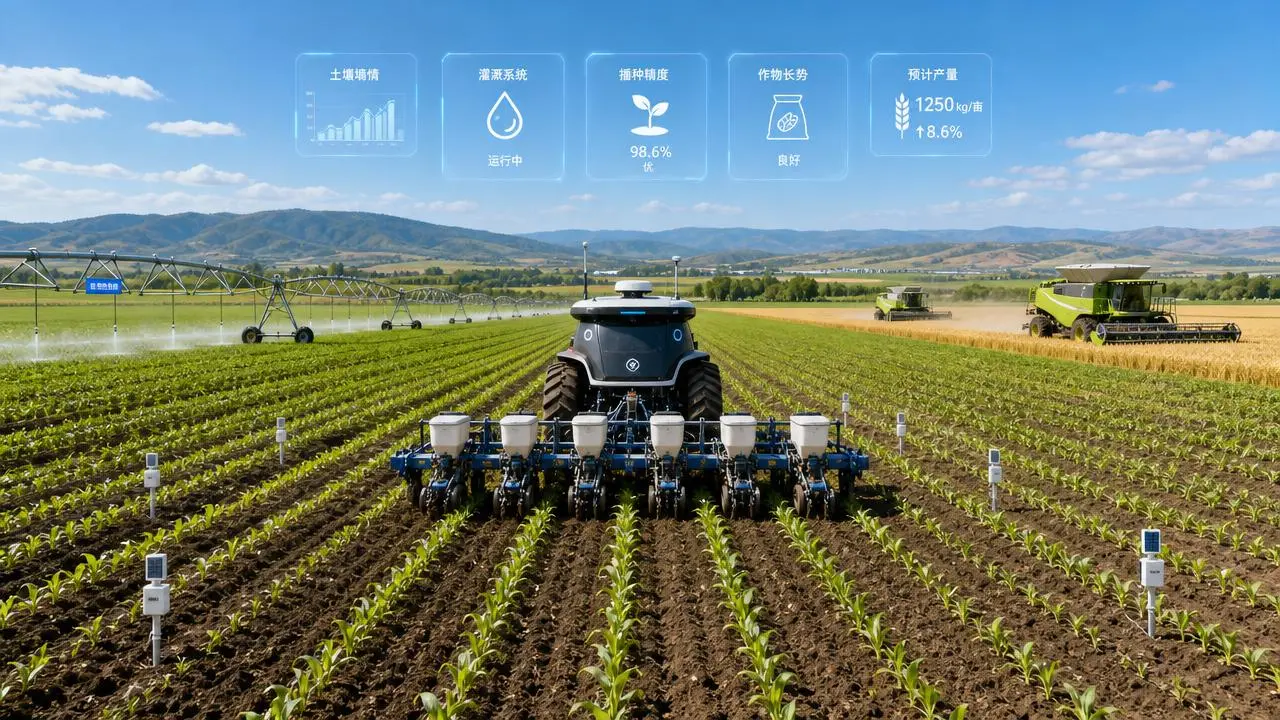
Smart Farming Technology Trends That Actually Affect Yield
Smart farming technology trends that truly impact yield: explore precision guidance, variable-rate inputs, sensor monitoring, smart irrigation, and harvest analytics to boost output and cut losses.
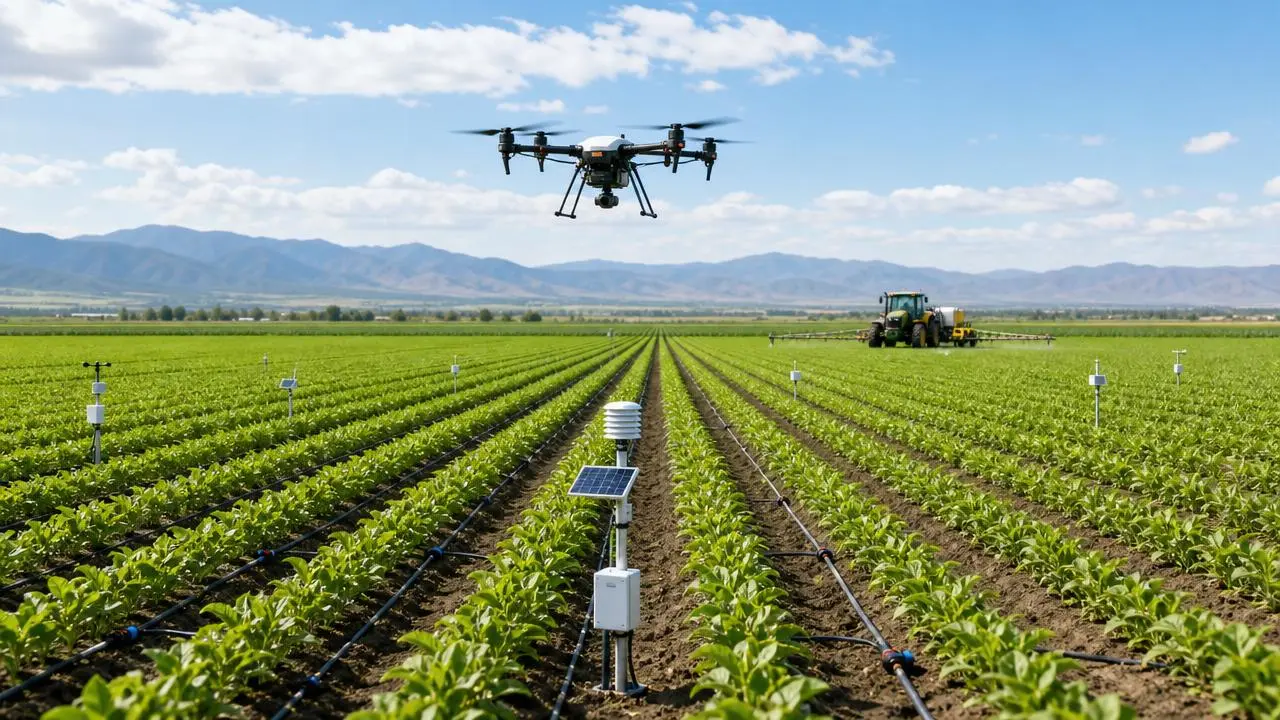
Crop Monitoring Technology Can Miss Early Stress Signals
Crop monitoring technology can miss early stress signals that impact yield, quality, and efficiency. Learn the hidden blind spots and smarter ways to act sooner.

Heavy-Duty Farm Machinery: Which Specs Matter in Daily Use?
Heavy-duty farm machinery specs shape fuel efficiency, traction, hydraulics, uptime, and comfort. Learn which daily-use indicators truly matter before you invest.
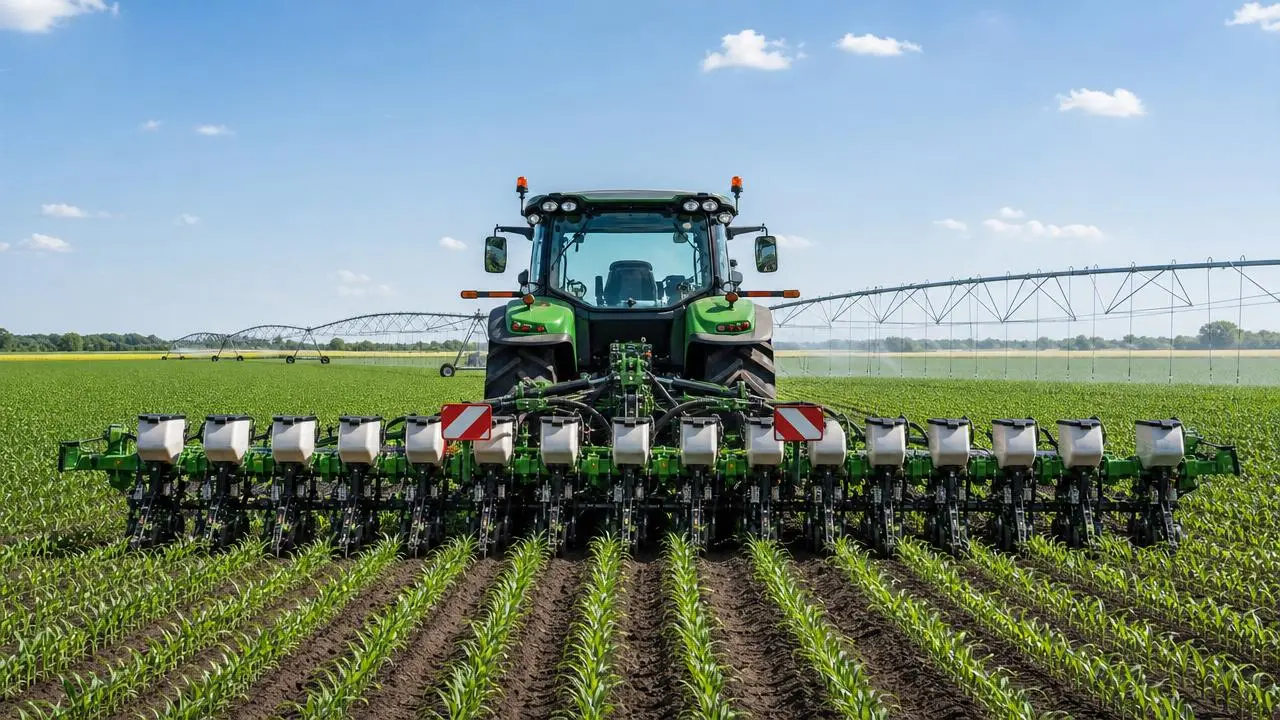
Sustainable Farming Equipment Costs More Up Front, Then What?
Sustainable farming equipment costs more upfront, but can lower fuel, inputs, downtime, and compliance risk. See how lifetime value can improve farm margins and resilience.

Agri-Machinery Intelligence Is Changing Maintenance Timing
Agri-machinery intelligence helps after-sales teams predict wear, schedule maintenance earlier, cut downtime, and protect uptime during critical farming seasons.
Are Food Security Solutions for Sustainable Farming Scalable?
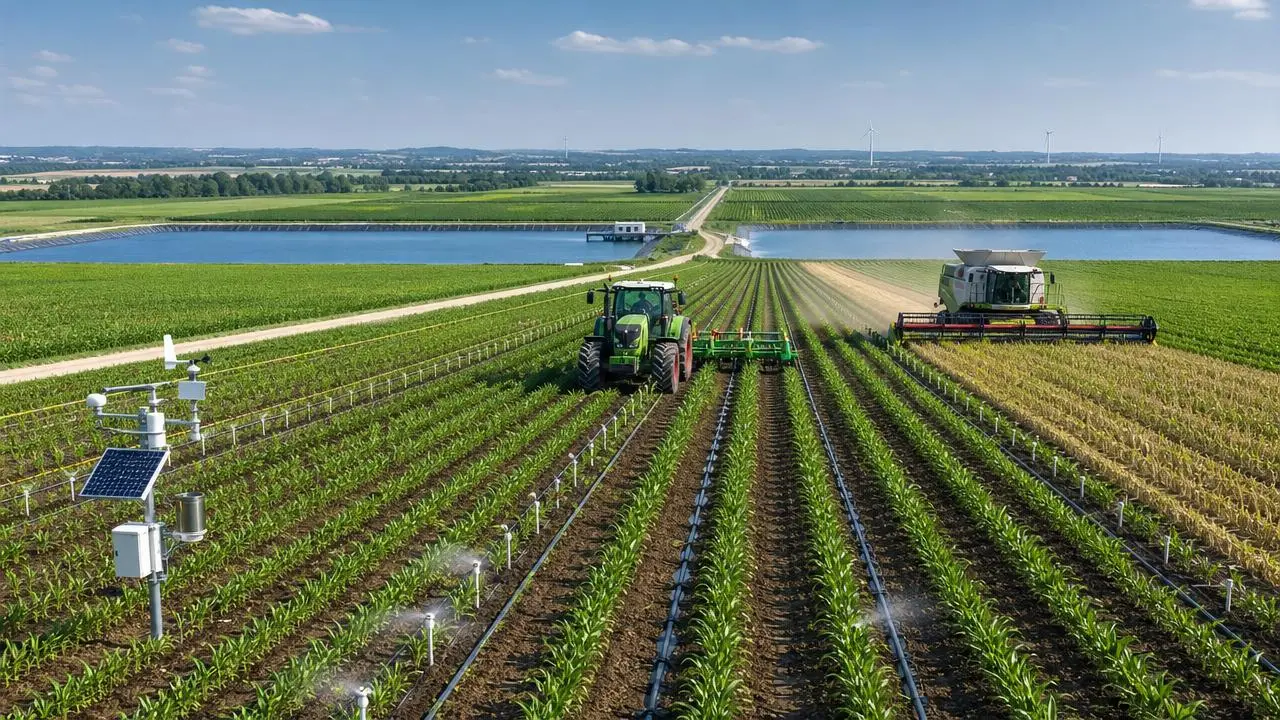
Food security solutions for sustainable farming can scale with smart irrigation, resilient machinery, and data-driven planning. Learn what makes large-scale deployment practical and investment-ready.
Climate-Smart Farming: Where Savings End and Risk Begins
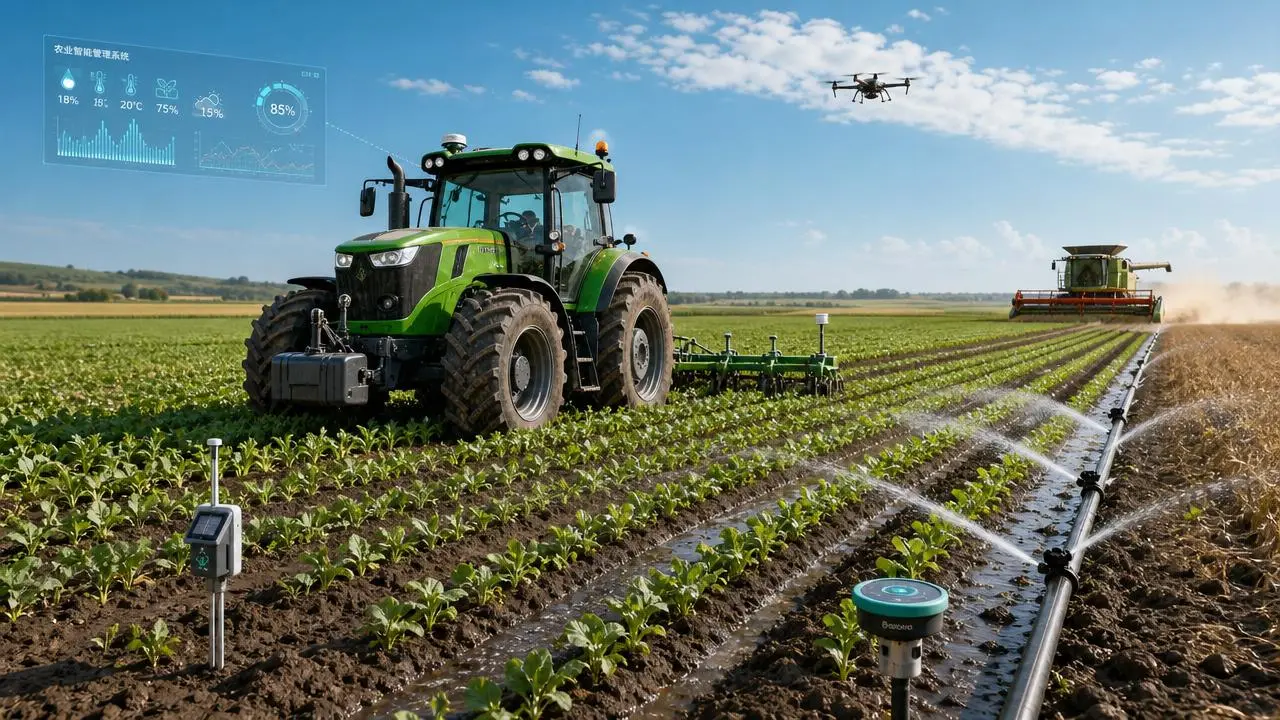
Climate-smart farming is reshaping agriculture. Discover where real savings end, hidden risks begin, and how to build resilience with smarter, lower-risk investment decisions.
Related News
- 00
0000-00
US CBP Expands HTS Review for Agri-Intelligent Equipment - 00
0000-00
ABARES Raises Farm Automation Budget, GPS Guidance Spending Up 41% - 00
0000-00
Eight Ministries Issue 2026 Auto Data Cross-Border Guidance - 00
0000-00
ABARES Raises Farm Automation Budget, GPS Guidance Spending Up 41% - 00
0000-00
US CBP Expands HTS Review for Agri-Intelligent Equipment
Popular Tags
Tractor Power Architect
Weekly Insights
Stay ahead with our curated technology reports delivered every Monday.