
ABARES Raises Farm Automation Budget, GPS Guidance Spending Up 41%
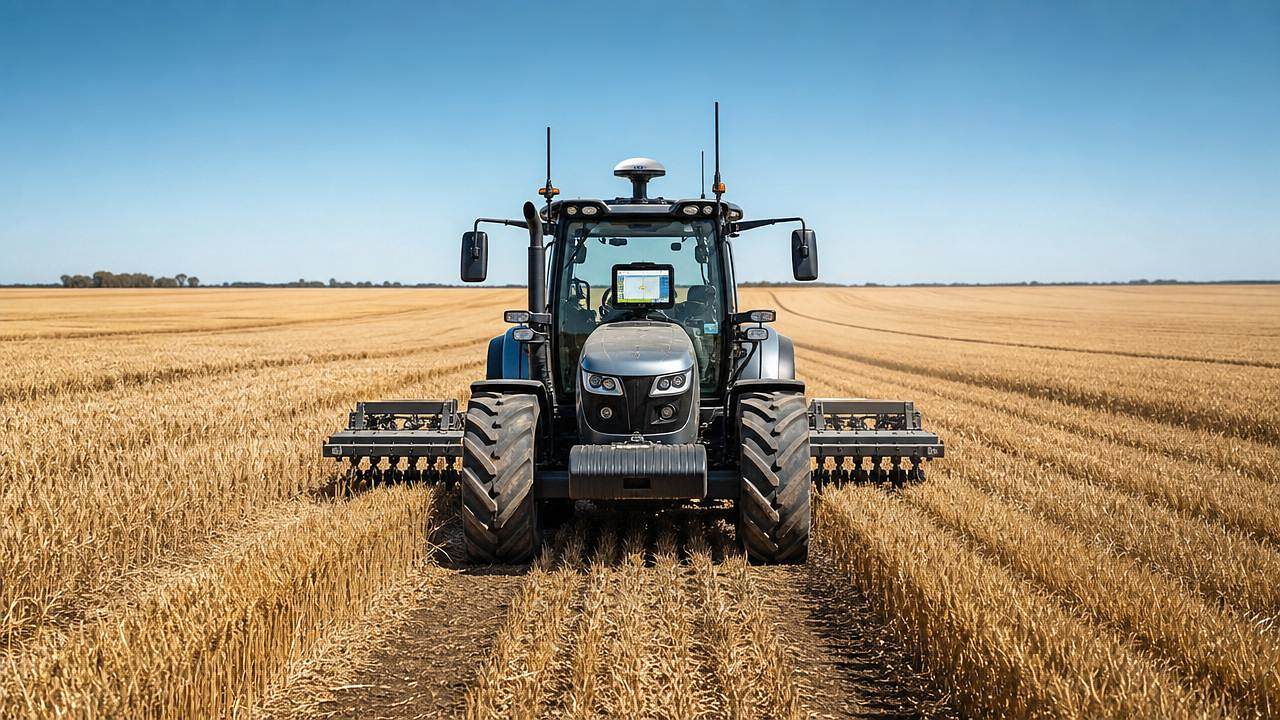




Australia’s agricultural investment landscape shifted on 10 May 2026, when the Australian Bureau of Agricultural and Resource Economics and Sciences (ABARES) released its 2026 Farm Investment Outlook. The report forecasts a sharp 41% year-on-year increase in farm-level expenditure on GPS Guidance Systems — a development with tangible implications for global suppliers, particularly those based in China serving Australia’s precision agriculture supply chain.
Event Overview
On 10 May 2026, ABARES published the 2026 Farm Investment Outlook, estimating that Australian farmers will spend AUD 1.27 billion on GPS Guidance Systems in the current fiscal year — a 41% increase over the prior year. This growth is attributed to expanded adoption of variable-rate seeding and auto-steer operations across major wheat and cotton growing regions.
Industries Affected
Direct Trading Enterprises: Exporters of GPS guidance hardware and integrated kits face earlier-than-expected Q3 order inflows from Australian distributors and large-scale farming cooperatives. Demand is no longer limited to unit sales; it increasingly includes bundled delivery timelines, regional compliance documentation, and pre-installation technical validation — raising operational complexity for trading firms without local engineering support.
Raw Material Procurement Enterprises: Suppliers of high-precision GNSS antennas, inertial measurement units (IMUs), and ruggedized display modules may see accelerated procurement cycles. However, the surge is not uniform: components requiring AS/NZS 61000-6-4 electromagnetic compatibility certification or ISO 11783 (ISOBUS) conformance are prioritized — meaning raw material buyers must verify supplier certifications proactively, not retrospectively.
Manufacturing Enterprises: OEMs producing GPS-enabled tractors, sprayers, or seeders face dual pressure: first, to scale production of certified guidance-ready platforms; second, to allocate engineering capacity toward Australia-specific calibration workflows — especially terrain-aware map alignment for undulating inland wheat belts and saline-soil cotton zones where RTK signal drift is pronounced.
Supply Chain Service Providers: Logistics and customs brokers handling agricultural tech imports into Australia report rising queries around tariff classification (e.g., HS Code 8526.91 vs. 8526.92) and GST treatment for embedded software updates. Meanwhile, after-sales service networks — especially those offering remote diagnostics or field calibration — are seeing demand shift from reactive troubleshooting to proactive subscription-based mapping maintenance packages.
Key Considerations and Recommended Actions
Align Q3 Production Schedules with Early Order Signals
Given ABARES’ projection of accelerated spending, manufacturers and exporters should treat June–July 2026 as de facto Q3 planning period — not August. Pre-emptive capacity allocation for Australian-bound shipments, including buffer stock for certified components, is now advisable.
Prioritize Regional Map Calibration Capabilities
The report explicitly links growth to variable-rate and auto-steer deployment in specific agro-climatic zones. Firms offering cloud-based or offline map calibration tools — especially those supporting AHD (Australian Height Datum) referencing and GA (Geoscience Australia) geoid models — are better positioned to capture value beyond hardware margins.
Verify Certification Readiness Ahead of Tender Cycles
Australian farm cooperatives and state-level procurement programs (e.g., NSW DPI’s Precision Ag Grants) now require third-party verification of AS/NZS compliance prior to bid submission. Suppliers should audit their certification status — particularly for EMC, environmental operating range (-10°C to +55°C), and CAN bus interoperability — before engaging in formal tenders.
Editorial Perspective / Industry Observation
Observably, this 41% jump is less about broad-based automation adoption and more about targeted maturity in two high-value cropping systems. Analysis shows the growth is concentrated in farms >500 ha — suggesting scalability, not diffusion, is driving near-term demand. From an industry standpoint, the rise in guidance system spend reflects a structural shift: GPS is no longer an ‘add-on’ but a foundational layer enabling variable-rate application, yield mapping, and regulatory traceability. That makes integration readiness — not just hardware performance — the new differentiator.
Conclusion
This budget adjustment signals more than cyclical investment — it marks a step-change in how Australian grain and fibre producers manage spatial data at scale. For international suppliers, the implication is clear: competitive positioning now hinges on localized technical responsiveness, certification discipline, and service-layer agility — not just cost or throughput. A rational interpretation is that the window for capability-building — not just order-taking — remains open, but narrowing.
Source Attribution
Primary source: Australian Bureau of Agricultural and Resource Economics and Sciences (ABARES), 2026 Farm Investment Outlook, released 10 May 2026. Available at: www.abares.gov.au/publications/farm-investment-outlook.
Areas for ongoing monitoring: State-level subsidy program updates (especially WA and QLD), revisions to AS/NZS 61000-6-4 amendment status, and ABARES’ quarterly farm survey data on actual equipment uptake (next release scheduled for August 2026).
Related News
How to Select Precision Crop Protection Equipment for Variable Field Conditions
Precision crop protection equipment selection made simple: compare terrain, canopy, weather, control accuracy, and data workflows for reliable applications.
When Does Agricultural Machinery Leasing Cost Less Than Owning Equipment?
Agricultural machinery leasing can lower farm costs when use is seasonal or uncertain. Compare utilization, maintenance, cash flow, and risk to make a smarter equipment decision.
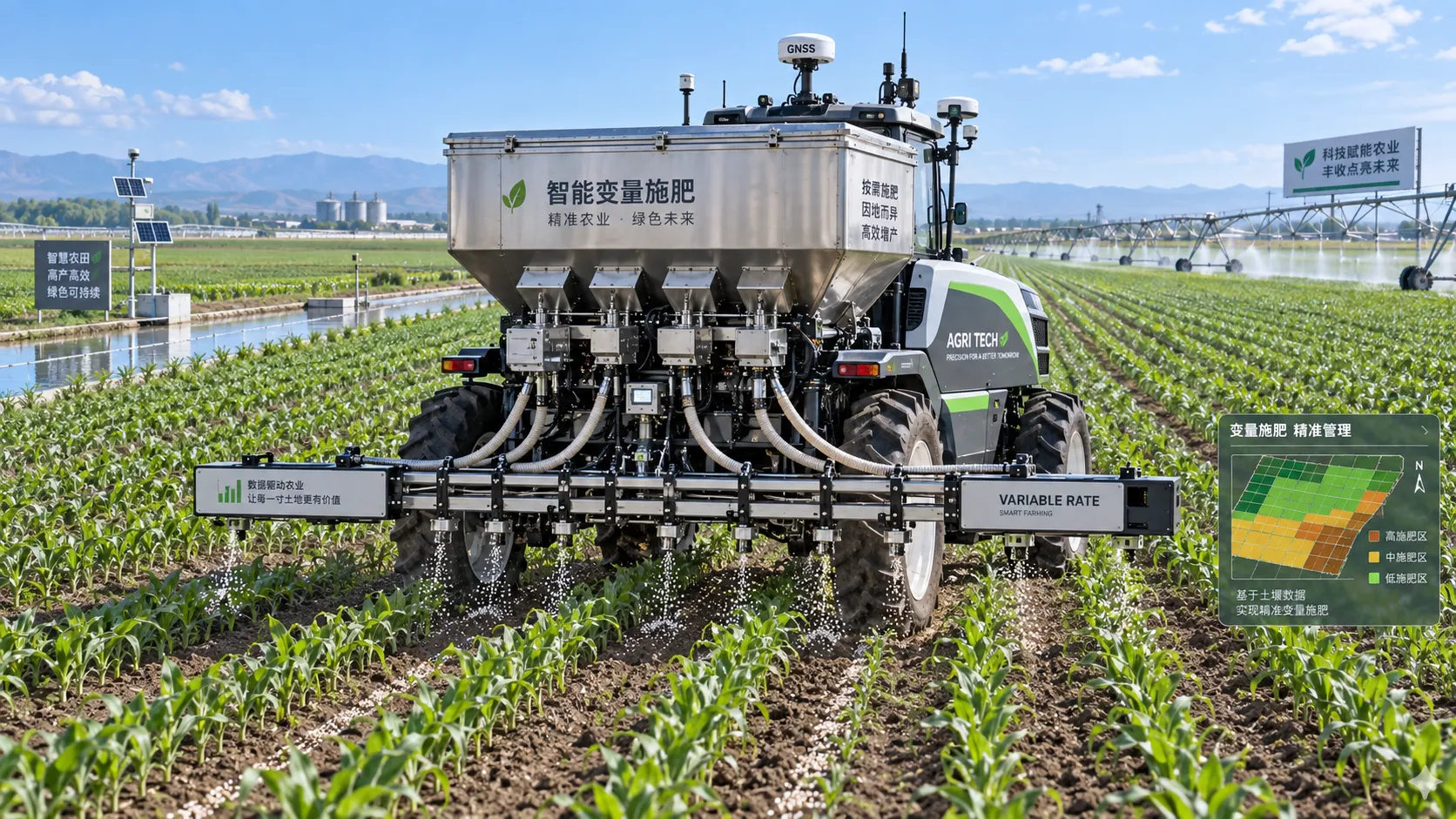
How to Evaluate Precision Fertilization System Suppliers for Farm-Scale Deployment
Precision fertilization systems suppliers: learn how to compare accuracy, integration, uptime, service, and total cost for confident farm-scale deployment.
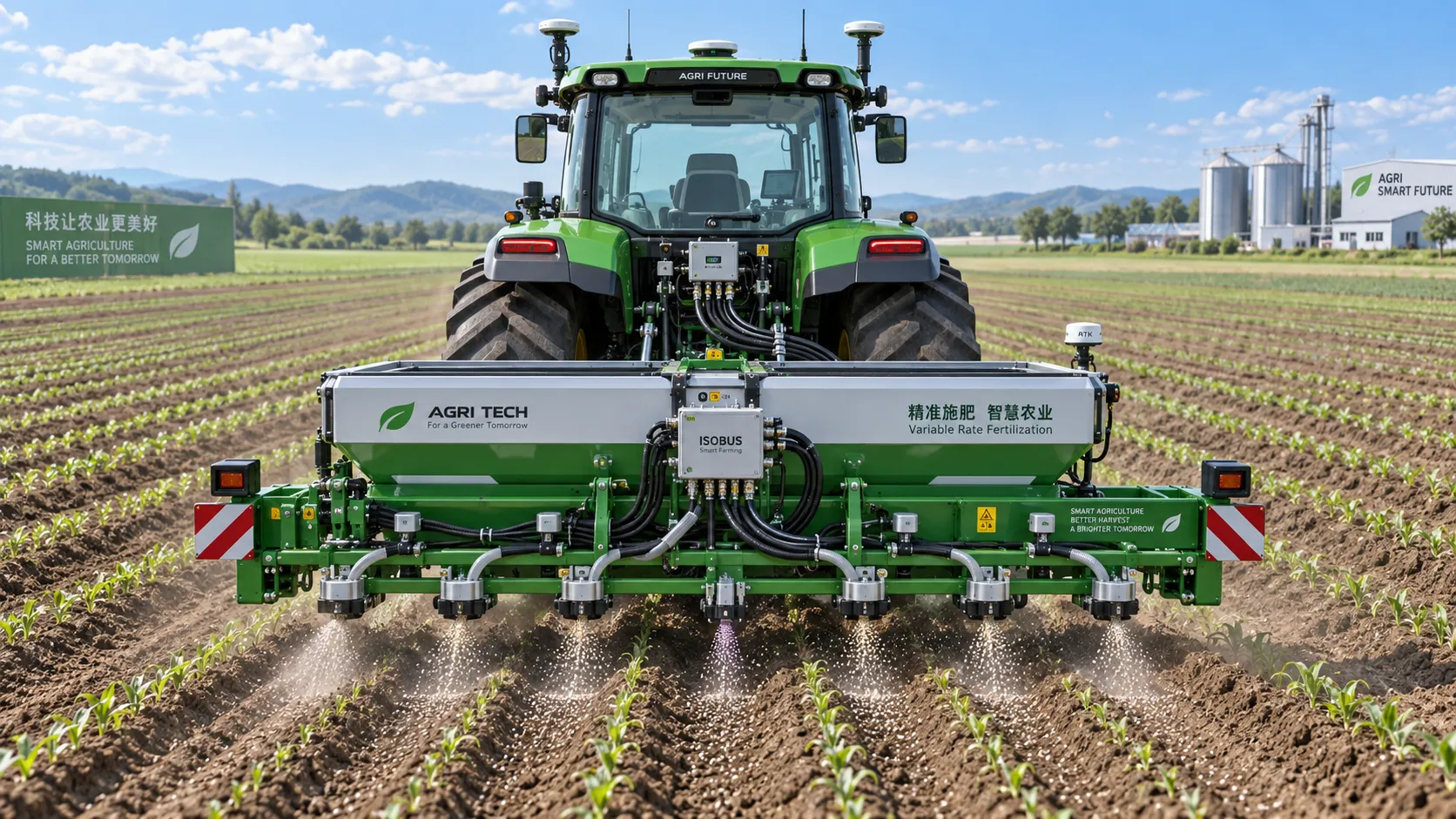
ISOBUS for Smart Agriculture: How It Connects Tractors, Implements, and Farm Data
ISOBUS for smart agriculture connects tractors, implements, terminals, and farm data—helping growers improve precision, documentation, and smarter field decisions.
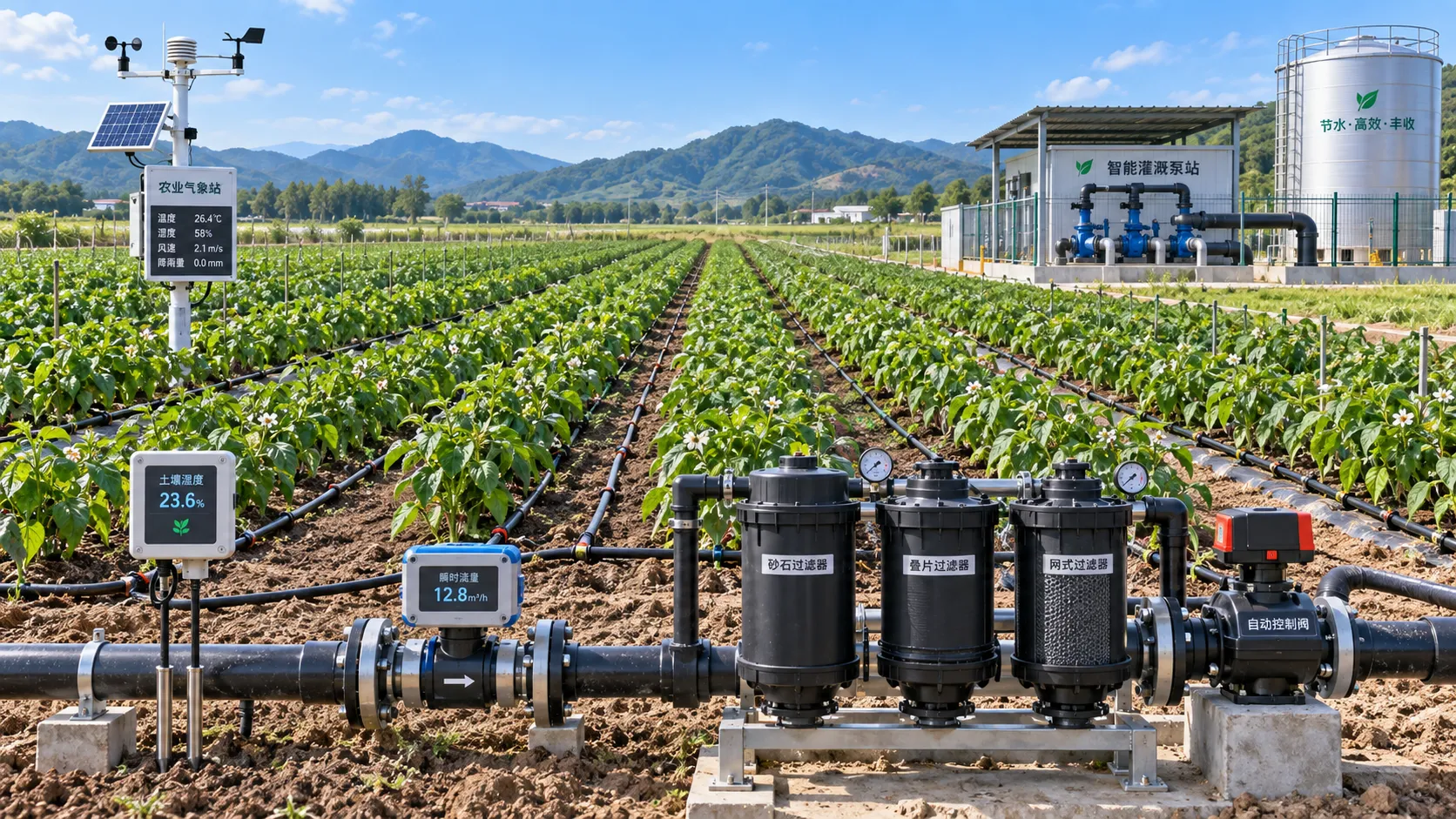
Automated Water-Saving Irrigation: How to Cut Water Use Without Reducing Crop Yields
Automated water-saving irrigation helps farms cut water use, protect crop yields, improve scheduling, and gain reliable control with sensors, flow monitoring, and smart zones.
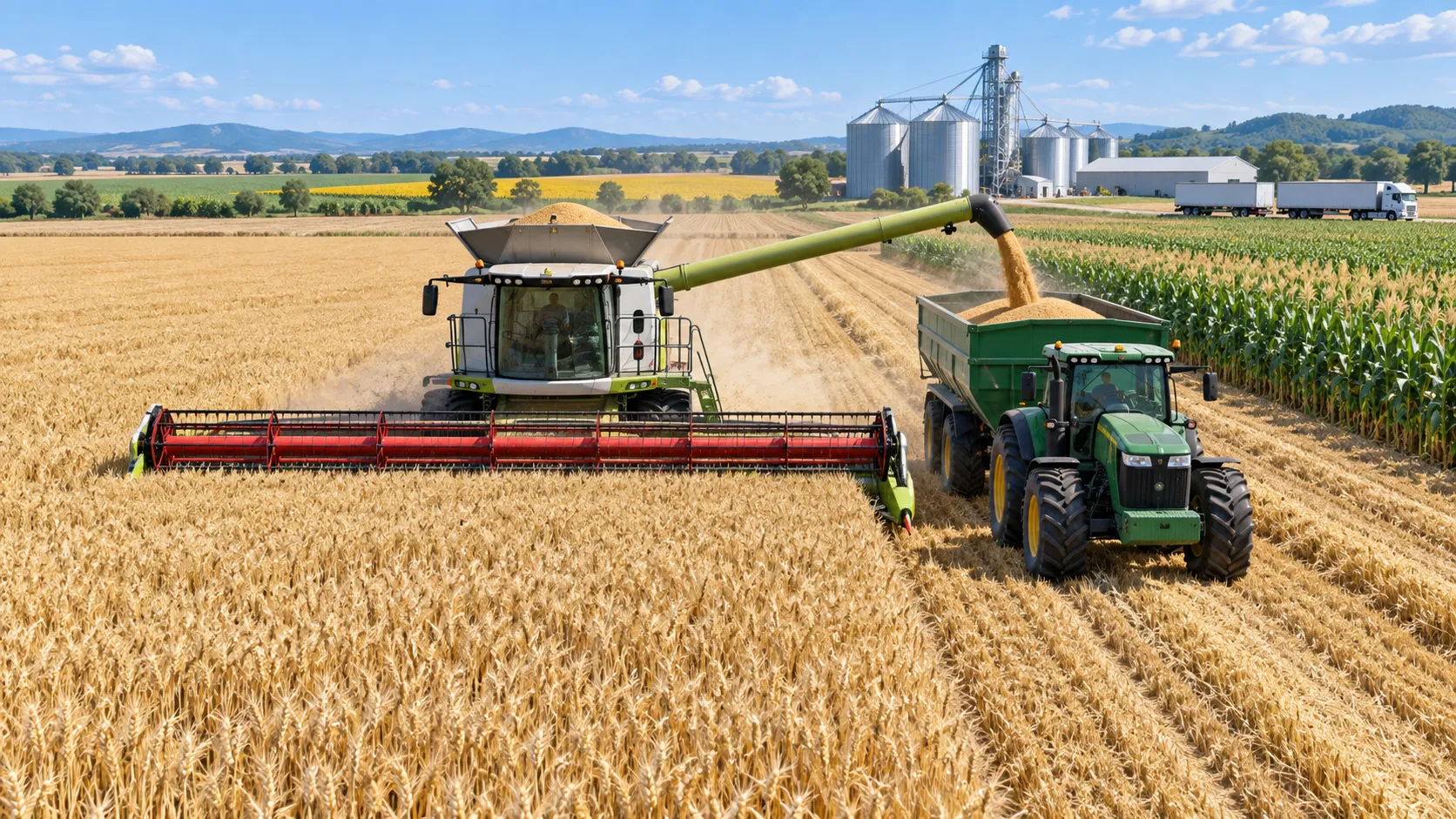
Selecting Grain Farm Equipment by Acreage, Crop Mix, and Harvest Window
Agricultural equipment selection for grain farming: match machinery to acreage, crop mix, and harvest windows to improve uptime, efficiency, and returns.
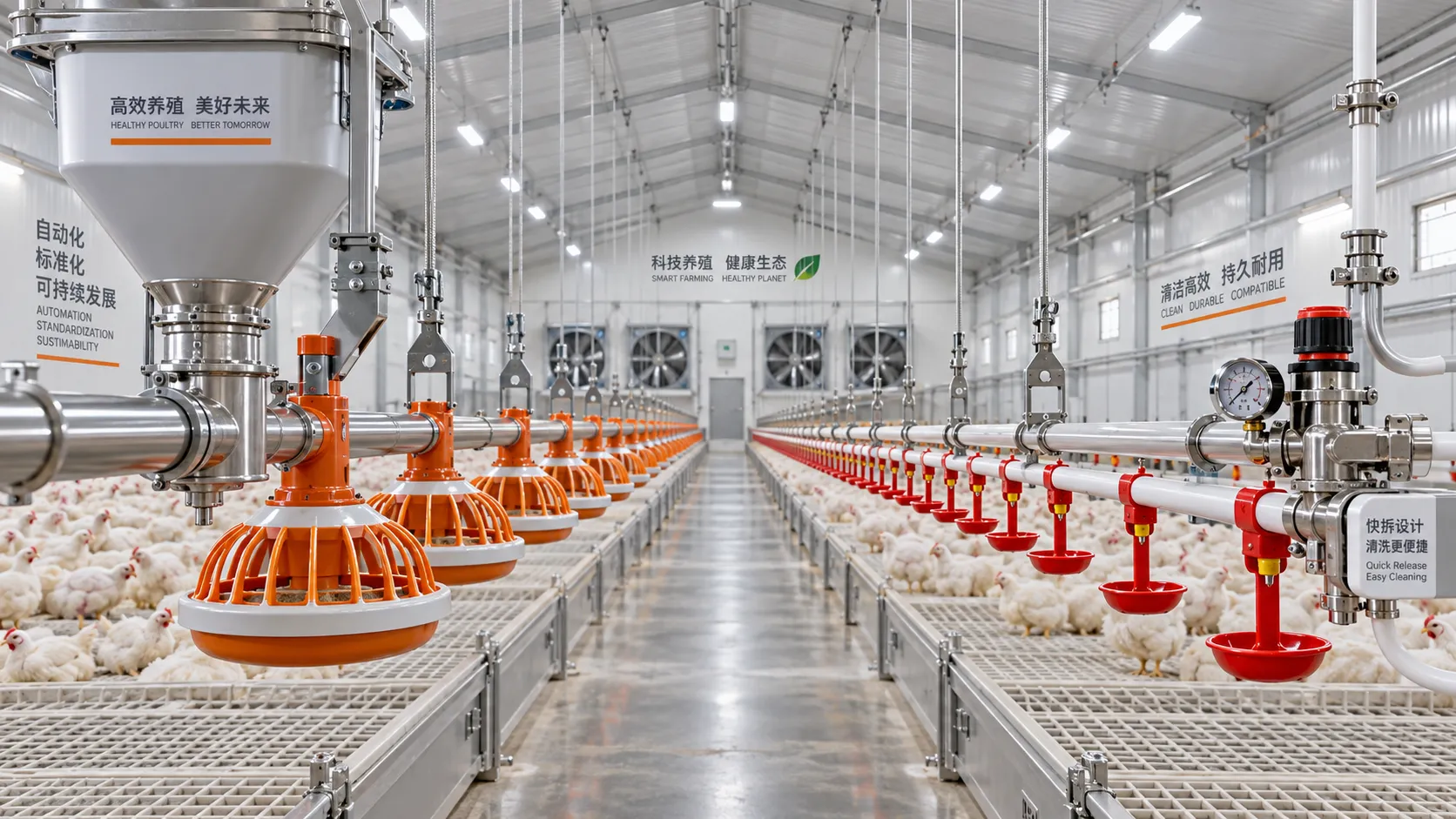
Poultry Equipment Selection: Evaluating Durability, Cleaning, and Compatibility
Poultry equipments selection guide: evaluate durability, cleaning access, and system compatibility to improve hygiene, reduce downtime, and support efficient flock management.
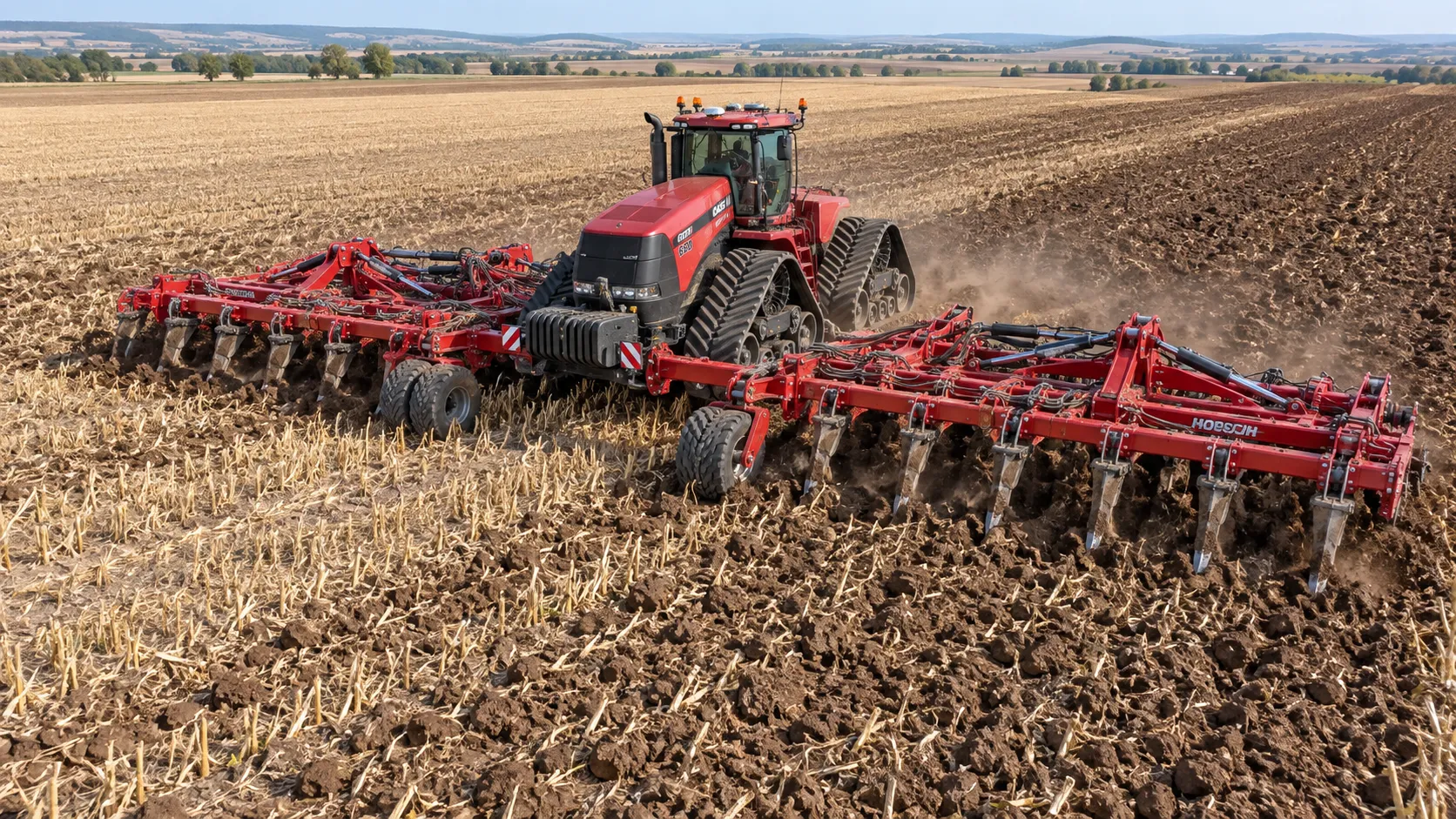
How to Select Heavy-Duty Farm Implements for High-Acreage, High-Horsepower Operations
Heavy duty farm implements: learn how to match draft, hydraulics, hitch capacity, frame strength, and field conditions for reliable high-acreage performance.
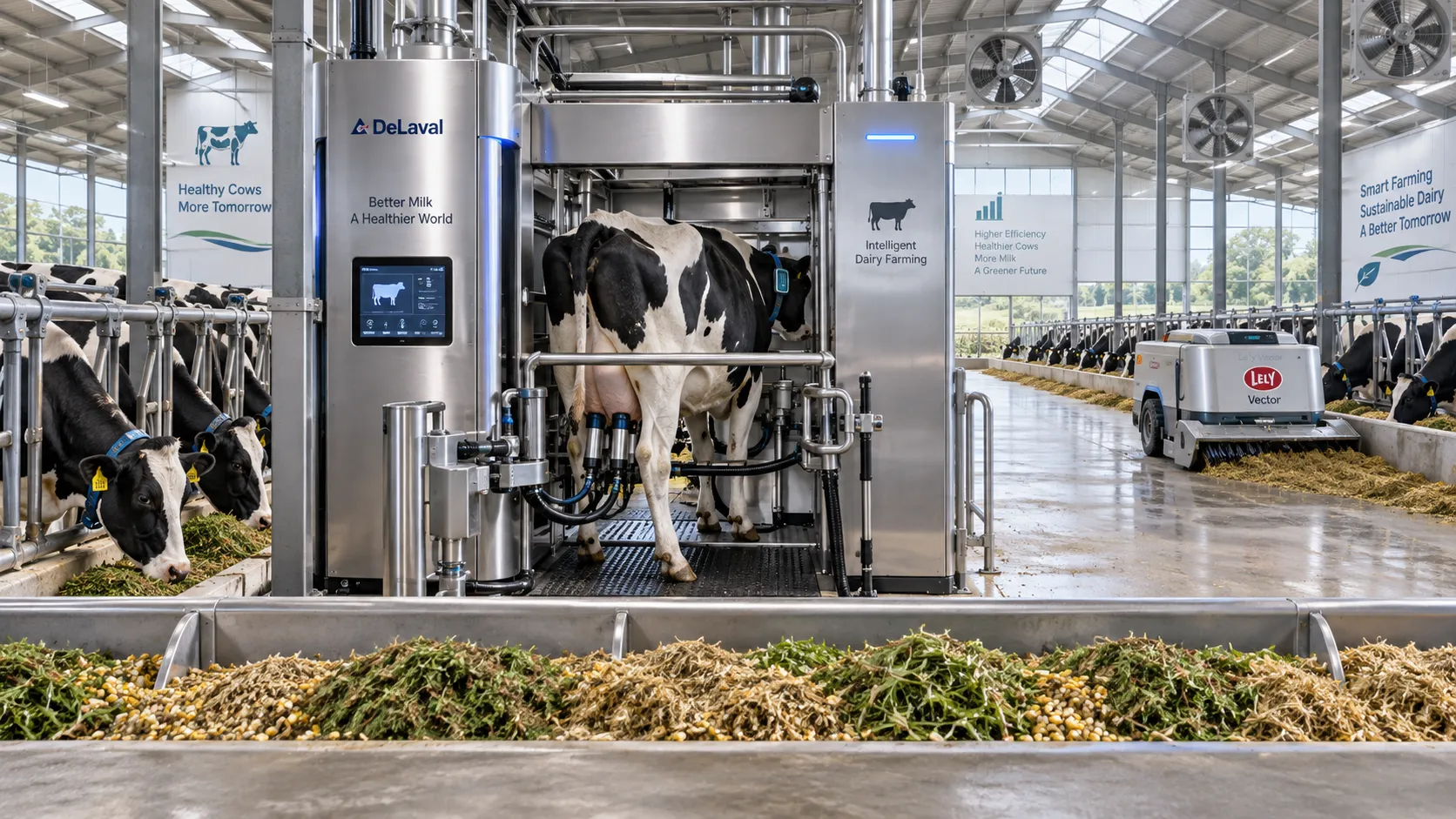
Smart Farming Technology for Dairy Farms: Where Automation Delivers Measurable ROI
Smart farming technology for dairy farms delivers measurable ROI through automation, precision feeding, health monitoring, and data-driven cost control.
Related News
- 00
0000-00
ISOBUS for Smart Agriculture: How It Connects Tractors, Implements, and Farm Data - 00
0000-00
How North American Farms Can Select Crop Monitoring Systems by Acreage and Connectivity - 00
0000-00
How Tractor Intelligence Systems Improve Field Efficiency and Input Accuracy - 00
0000-00
Which equipment for larger fields maintains accuracy at higher speeds? - 00
0000-00
What should a digital ag platform integrate before a farm-wide rollout?
Popular Tags
Tractor Power Architect
Weekly Insights
Stay ahead with our curated technology reports delivered every Monday.