
ABARES Raises Farm Automation Budget, GPS Guidance Spending Up 41%




Lead
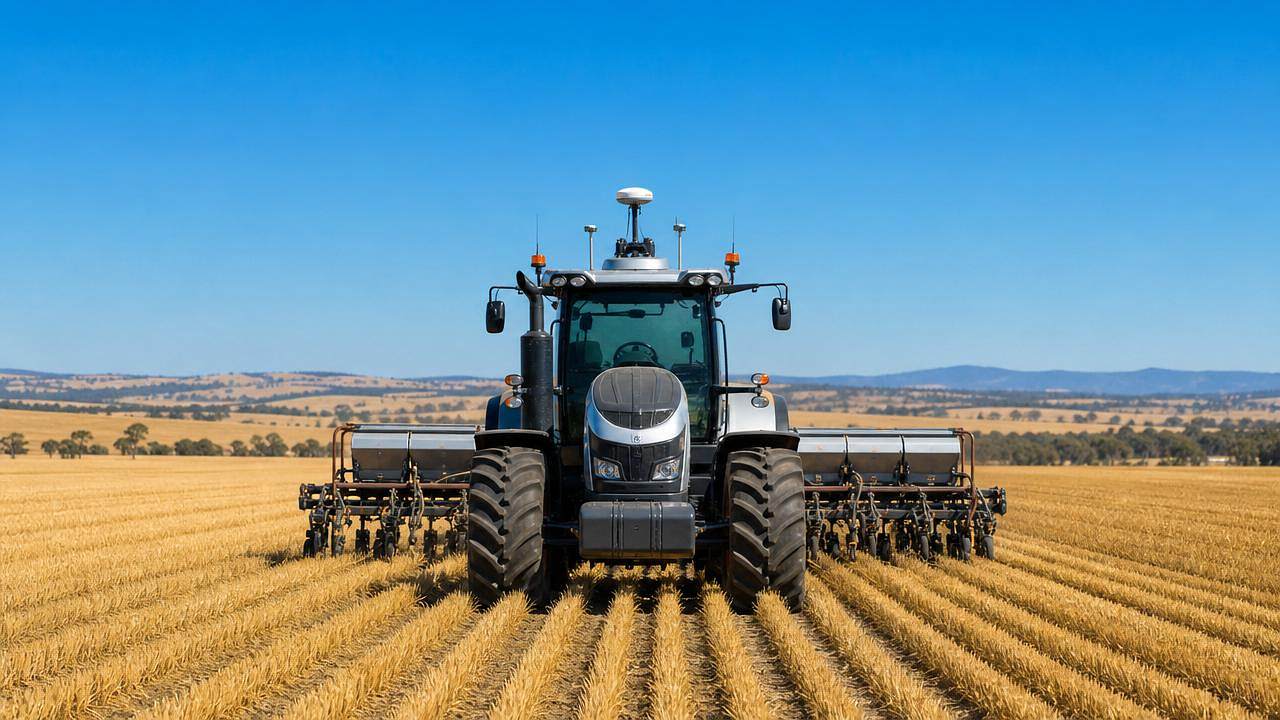
On 11 May 2026, the Australian Bureau of Agricultural and Resource Economics and Sciences (ABARES) revised its national farm automation investment forecast, signaling a significant acceleration in technology adoption across Australia’s grain and oilseed sectors. The update reflects tightening regulatory expectations around precision input use, rising labor constraints, and growing demand for interoperable, RTK-grade guidance systems—factors that are reshaping procurement priorities for both domestic operators and international suppliers.
Event Overview
On 11 May 2026, ABARES released its 2026 Farm Technology Investment Outlook, raising the annual national budget for farm automation equipment to AUD 287 million. Within this, procurement funding for GPS Guidance Systems increased by 41% year-on-year to AUD 94 million. The report identifies surging demand in wheat and canola-growing regions for high-precision auto-steer seeding and variable-rate fertilization systems. It specifies technical requirements: compatibility with ISO 11783-10 (ISOBUS) and real-time kinematic (RTK) centimeter-level positioning.
Industries Affected
Direct Trade Enterprises
Export-oriented GPS guidance system suppliers—particularly those from China—face immediate implications. The AUD 94 million allocation is not a forecast but a budgeted procurement envelope tied to government-supported farm upgrade programs. This creates a near-term tender pipeline requiring certified ISOBUS/RTK compliance; non-compliant products risk exclusion from state-level subsidy schemes. Revenue visibility improves, but so does certification lead time pressure.
Raw Material Procurement Firms
Companies sourcing GNSS modules, inertial measurement units (IMUs), or RTK base station components must reassess regional demand signals. The 41% budget jump correlates with accelerated deployment of dual-antenna heading systems and multi-constellation (GPS/Galileo/BeiDou) receivers—components with distinct supply chain dependencies. Sourcing strategies aligned solely with legacy L1-only GPS chipsets may no longer meet tender specifications.
Manufacturing Enterprises
OEMs integrating guidance hardware into tractors, sprayers, or seeders must prioritize ISOBUS stack validation and RTK firmware integration cycles. ABARES explicitly links budget disbursement to field-proven interoperability—not just component-level certification. Manufacturers lacking in-house ISOBUS conformance testing capacity may face delays in qualifying new models for Australian subsidy eligibility.
Supply Chain Service Providers
Firms offering calibration, on-farm installation, or RTK network support services see expanded scope—but also tighter performance benchmarks. ABARES notes that over 68% of newly funded guidance deployments require sub-2.5 cm lateral accuracy under canopy conditions, raising the bar for service-level agreements. Providers without certified field engineers or local RTK correction service partnerships may struggle to capture share of the AUD 94 million spend.
Key Considerations and Recommended Actions
Validate ISOBUS Conformance Against ISO 11783-10:2023 Edition
ABARES references the 2023 revision of ISO 11783-10, which introduces stricter virtual terminal (VT) handshake protocols and updated task data message structures. Suppliers should confirm third-party test reports against this version—not earlier editions—before engaging with Australian distributors.
Document RTK Accuracy Under Operational Conditions
Lab-tested RTK performance is insufficient. ABARES emphasizes field-measured repeatability: ≤2.5 cm lateral error during continuous operation at speeds up to 20 km/h, including partial GNSS signal occlusion. Suppliers should prepare benchmark datasets from Australian trial sites—or partner with local agronomy firms to generate them.
Align Product Roadmaps with State-Level Subsidy Timelines
The AUD 94 million is distributed across NSW, WA, and SA through state-agriculture department programs with staggered application windows (Q3–Q4 2026). Suppliers must map product certification timelines to these windows—not just federal fiscal years—to avoid missing eligibility cutoffs.
Editorial Insight / Industry Observation
Observably, ABARES’ budget revision is less about overall spending growth and more about strategic redirection: 72% of the GPS Guidance Systems increase targets retrofitting existing machinery fleets rather than greenfield tractor purchases. This suggests a near-term opportunity for modular, plug-and-play guidance kits—but also raises questions about long-term software update support obligations, which ABARES does not address in the report. Analysis shows that interoperability requirements are now de facto market entry barriers—not optional features. That shift favors vertically integrated suppliers with embedded firmware control, while compressing margins for pure-hardware vendors reliant on third-party ISOBUS stacks.
Conclusion
This budget adjustment marks a structural inflection point: Australia is moving from voluntary precision agriculture adoption to policy-driven technical standardization. For global suppliers, it represents a high-signal test case—not just of product capability, but of responsiveness to region-specific agronomic and regulatory logic. Success hinges less on raw specification sheet metrics and more on demonstrable, locally validated system integration.
Source Attribution
Primary source: ABARES 2026 Farm Technology Investment Outlook, published 11 May 2026. Available at: www.abares.gov.au/publications/2026-farm-tech-investment-outlook.
Note: Ongoing monitoring is recommended for state-level implementation guidelines (NSW DPI, WA DAF, SA PIRSA), particularly regarding ISOBUS certification pathways and RTK network coverage maps—both expected to be updated before Q3 2026.
Related News
How to Compare Agricultural Automation Solutions Beyond Price
Agricultural automation solutions should be compared beyond price. Learn how to assess fit, uptime, integration, hidden costs, and ROI to choose smarter, higher-performing farm technology.
When Agricultural Automation Tools Add Complexity to Field Work
Agricultural automation tools can boost precision, but they may also add hidden field complexity. Learn the warning signs, integration risks, and smarter evaluation steps to protect productivity.
Smart Farming Technology Trends That Actually Affect Yield
Smart farming technology trends that truly impact yield: explore precision guidance, variable-rate inputs, sensor monitoring, smart irrigation, and harvest analytics to boost output and cut losses.
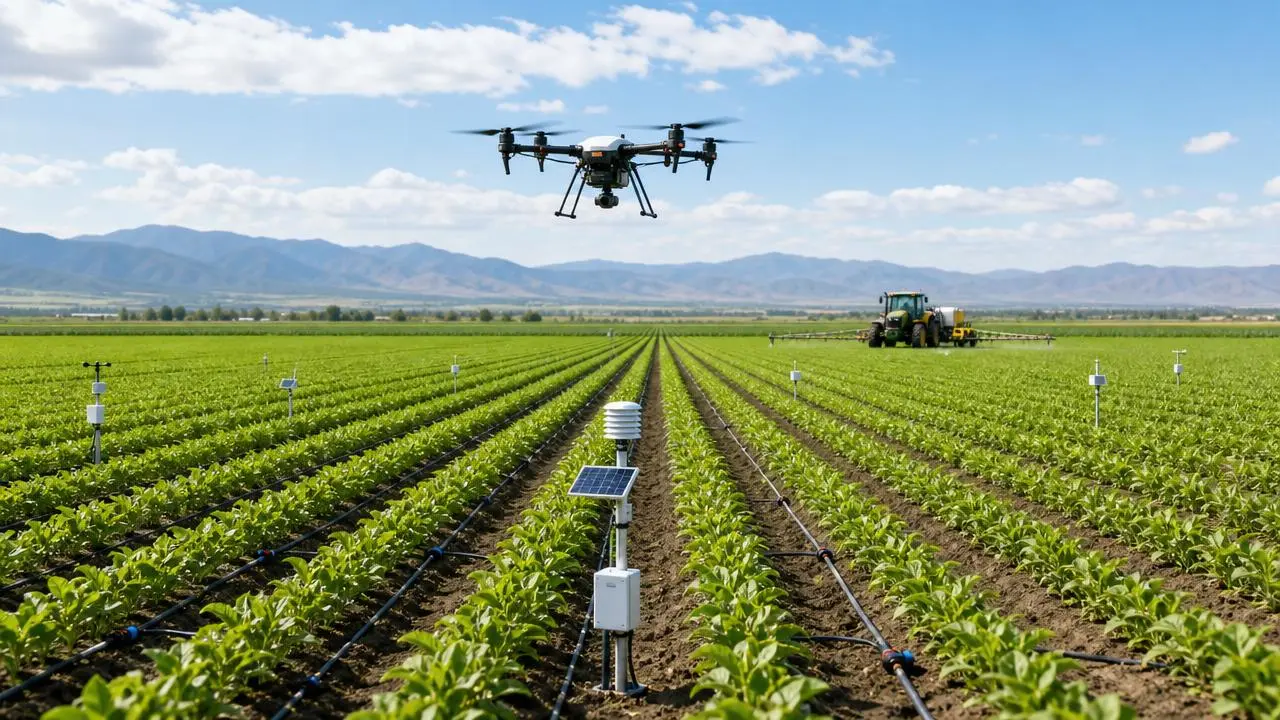
Crop Monitoring Technology Can Miss Early Stress Signals
Crop monitoring technology can miss early stress signals that impact yield, quality, and efficiency. Learn the hidden blind spots and smarter ways to act sooner.
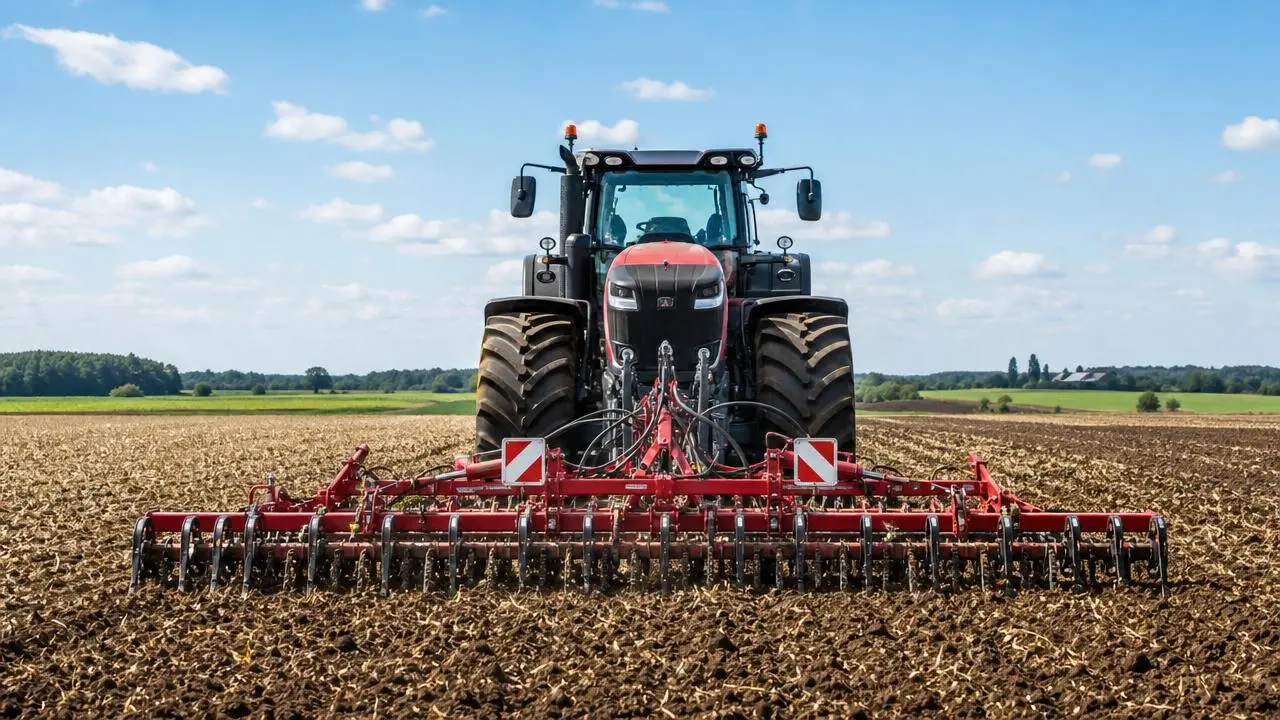
Heavy-Duty Farm Machinery: Which Specs Matter in Daily Use?
Heavy-duty farm machinery specs shape fuel efficiency, traction, hydraulics, uptime, and comfort. Learn which daily-use indicators truly matter before you invest.
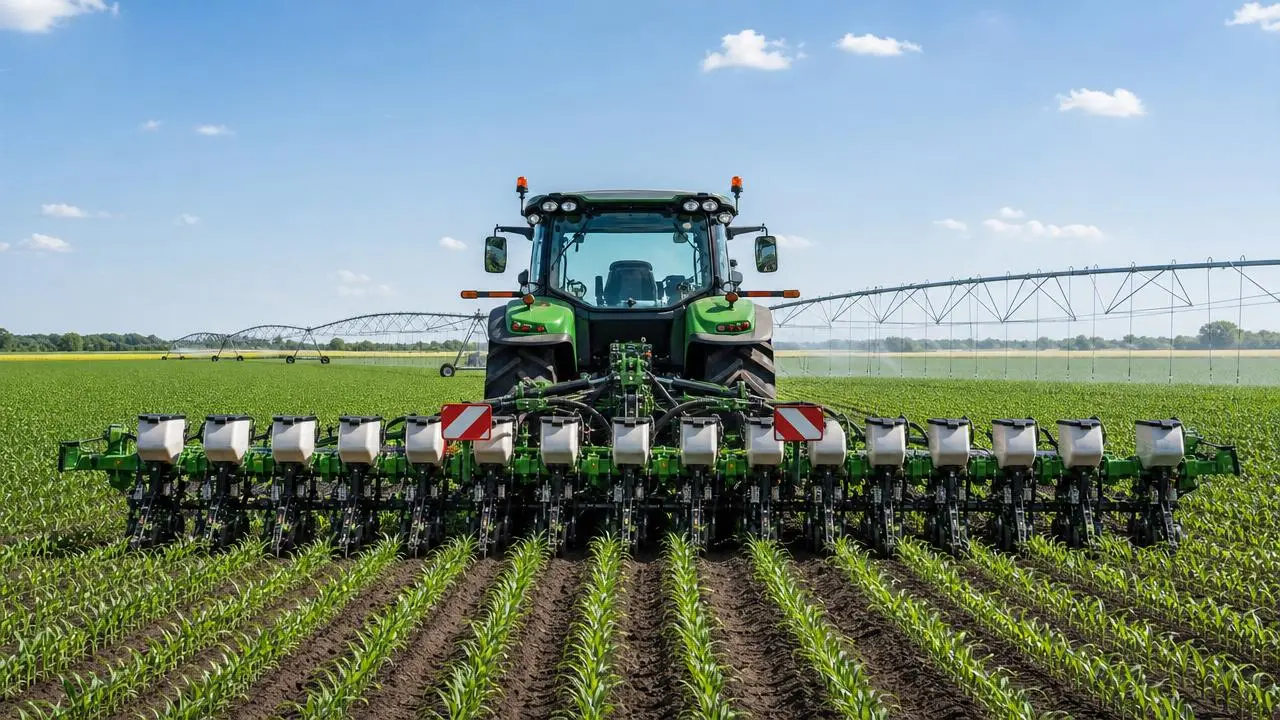
Sustainable Farming Equipment Costs More Up Front, Then What?
Sustainable farming equipment costs more upfront, but can lower fuel, inputs, downtime, and compliance risk. See how lifetime value can improve farm margins and resilience.
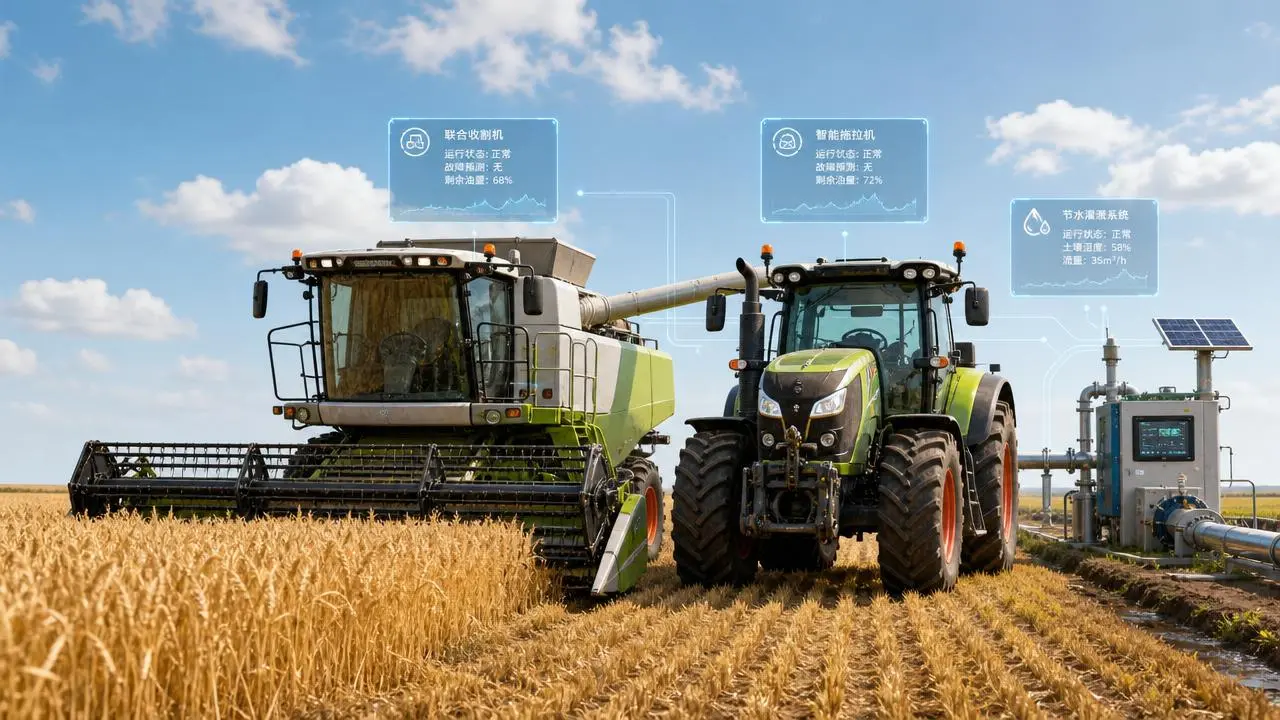
Agri-Machinery Intelligence Is Changing Maintenance Timing
Agri-machinery intelligence helps after-sales teams predict wear, schedule maintenance earlier, cut downtime, and protect uptime during critical farming seasons.
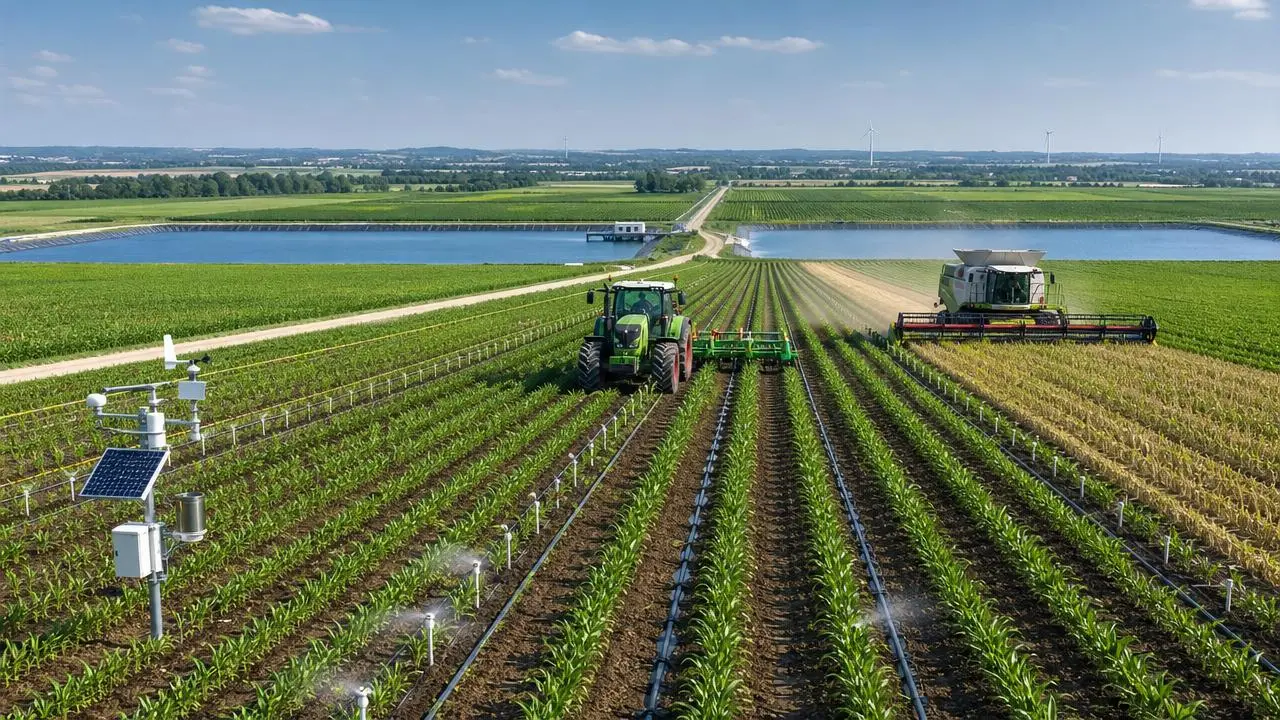
Are Food Security Solutions for Sustainable Farming Scalable?
Food security solutions for sustainable farming can scale with smart irrigation, resilient machinery, and data-driven planning. Learn what makes large-scale deployment practical and investment-ready.
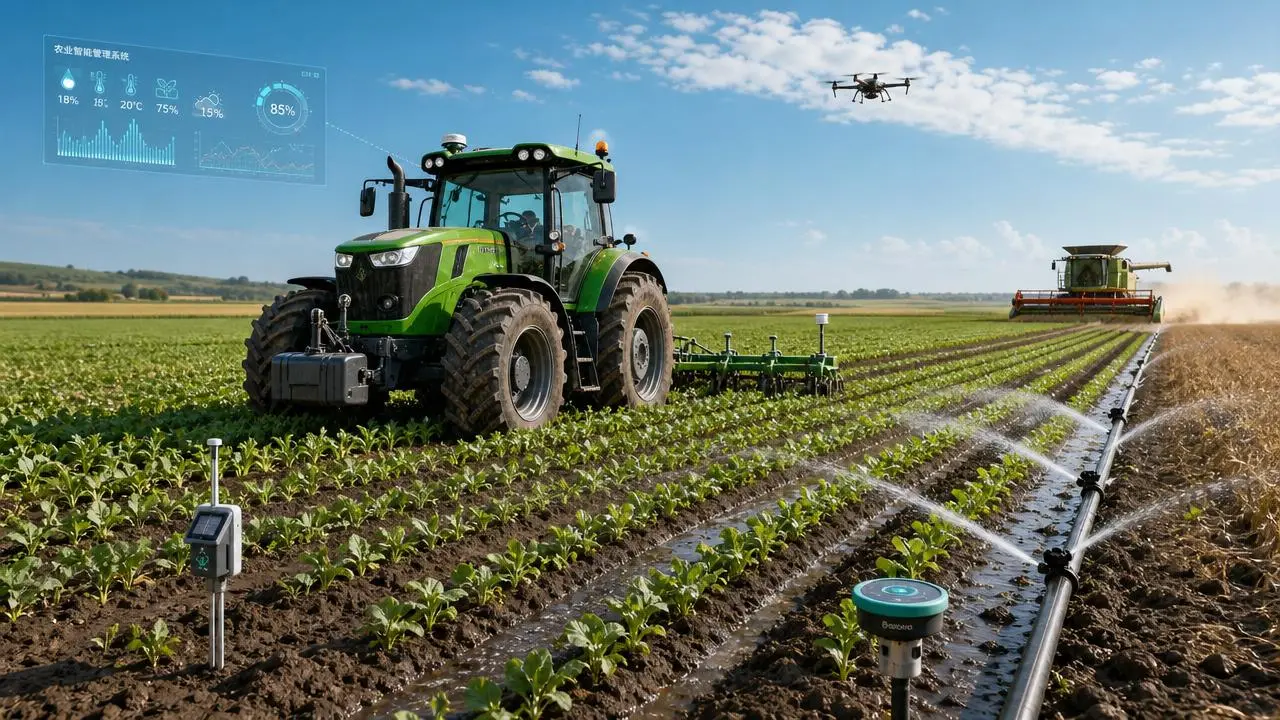
Climate-Smart Farming: Where Savings End and Risk Begins
Climate-smart farming is reshaping agriculture. Discover where real savings end, hidden risks begin, and how to build resilience with smarter, lower-risk investment decisions.
Related News
- 00
0000-00
US CBP Expands HTS Review for Agri-Intelligent Equipment - 00
0000-00
ABARES Raises Farm Automation Budget, GPS Guidance Spending Up 41% - 00
0000-00
Eight Ministries Issue 2026 Auto Data Cross-Border Guidance - 00
0000-00
ABARES Raises Farm Automation Budget, GPS Guidance Spending Up 41% - 00
0000-00
US CBP Expands HTS Review for Agri-Intelligent Equipment
Popular Tags
Tractor Power Architect
Weekly Insights
Stay ahead with our curated technology reports delivered every Monday.