
US CBP Expands HTS Review for Agri-Intelligent Equipment
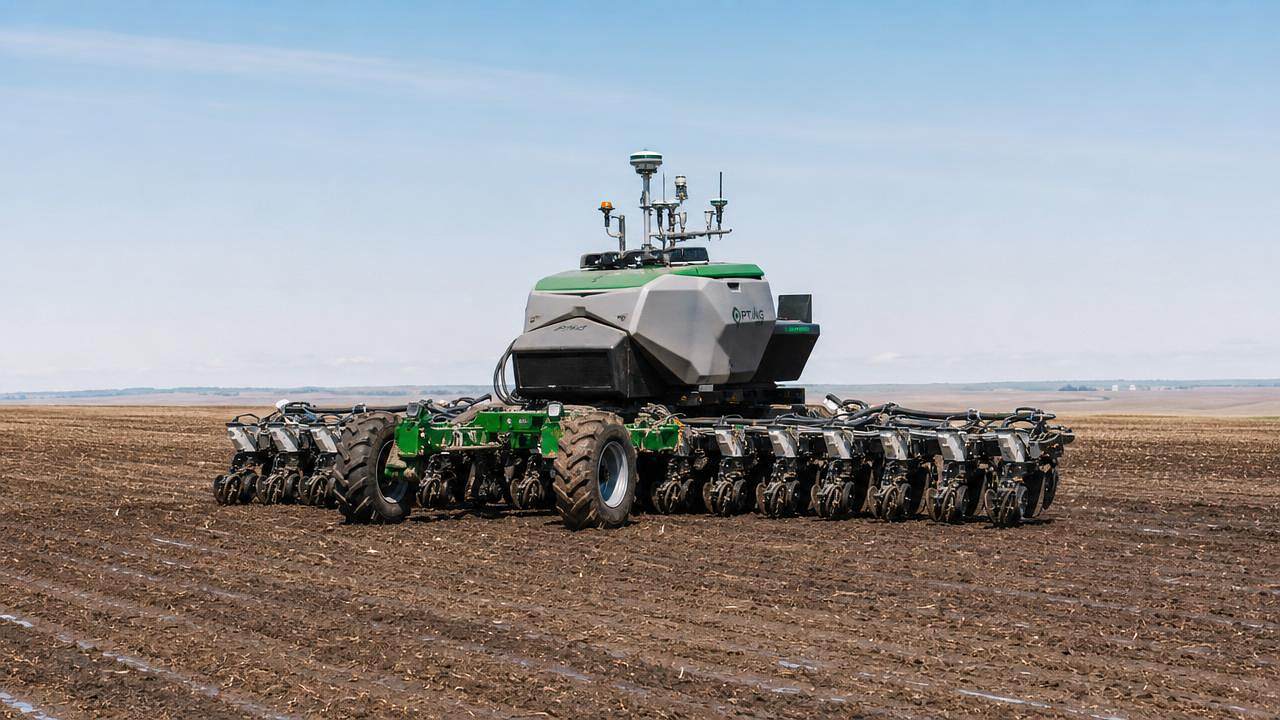




On May 11, 2026, U.S. Customs and Border Protection (CBP) announced expanded compliance scrutiny for agricultural intelligent equipment under HTS codes 8432.80.00 and newly added 8432.80.15—specifically targeting GPS-guided planting systems and variable rate technology (VRT) devices. This change directly affects importers and exporters in precision agriculture hardware, agtech software integration, and cross-border agricultural machinery supply chains, as average clearance time has extended from 5–7 days to 12–18 days—impacting Q2 2026 shipment schedules into North America.
Event Overview
On May 11, 2026, U.S. Customs and Border Protection (CBP) issued an official notice placing agricultural intelligent equipment—including GPS guidance systems and variable rate technology devices—under enhanced compliance review. The affected Harmonized Tariff Schedule (HTS) classifications are 8432.80.00 and the newly designated subheading 8432.80.15. CBP’s review focuses on three verified compliance areas: software localization requirements, data storage compliance (e.g., adherence to U.S. data residency or privacy expectations), and dual certification status for FCC (Federal Communications Commission) and UL (Underwriters Laboratories). As a result, average customs clearance duration has increased from 5–7 business days to 12–18 business days.
Industries Affected
Direct Trading Enterprises
Companies that import or export GPS-guided planting equipment or VRT-enabled machinery under HTS 8432.80.00/8432.80.15 face longer lead times and higher documentation overhead. The extended clearance window directly impacts delivery commitments, inventory turnover, and contractual penalty exposure—particularly for time-bound seasonal deployments in North American farming cycles.
Manufacturers Integrating Embedded Agtech Systems
OEMs embedding GPS guidance or VRT modules into tractors, planters, or sprayers must now verify that firmware, user interfaces, and data handling logic meet CBP’s stated localization and data storage expectations—even if the physical device is assembled outside the U.S. Non-compliant software configurations may trigger hold requests or re-submission requirements, delaying release.
Supply Chain & Logistics Service Providers
Third-party logistics (3PL) firms and customs brokers handling agricultural equipment shipments report increased documentation validation steps and more frequent CBP information requests. The 12–18 day clearance window introduces new scheduling uncertainty for bonded warehouse planning, drayage coordination, and inland transportation synchronization—especially during peak spring planting season.
Key Considerations and Recommended Actions
Monitor Official CBP Guidance for Clarifications
CBP’s May 11 notice references software localization and data storage compliance but does not define technical thresholds (e.g., language coverage scope, data residency jurisdiction, or encryption standards). Companies should track subsequent CBP bulletins, FAQ updates, or port-specific advisories—particularly from major agricultural import hubs such as Houston, Savannah, and Los Angeles.
Verify Certification Status Before Shipment
FCC authorization and UL certification must be current, match the exact model submitted for entry, and cover all wireless and electrical functions within the device. Retrospective certification gaps—such as expired test reports or unlisted firmware versions—have triggered recent holds. Pre-shipment verification with accredited labs is advised.
Distinguish Policy Signal From Operational Impact
The 12–18 day clearance range reflects current observed processing times—not a statutory requirement. Analysis shows variability across ports and entries; some shipments clear in under 12 days when documentation is pre-validated. Companies should treat this as a baseline expectation, not a fixed timeline, and avoid over-indexing on the upper bound unless historical data from their specific broker or port supports it.
Adjust Procurement and Inventory Planning Accordingly
Given the confirmed extension beyond prior norms, importers should revise safety stock buffers, adjust order timing for Q2 2026 deliveries, and align internal sales forecasting with the new clearance cadence. Contractual terms with U.S. distributors should explicitly reference the revised customs timeline to manage service-level expectations.
Editorial Perspective / Industry Observation
Observably, this CBP action signals a shift toward treating embedded agricultural software—not just hardware—as a discrete compliance domain. While the notice cites existing regulatory frameworks (FCC, UL, data handling), its emphasis on software localization and data storage suggests emerging alignment with broader U.S. trade policy priorities around digital sovereignty and supply chain integrity. Analysis shows this is not yet a fully codified regulation but rather an enforcement priority with tangible operational consequences. From an industry perspective, it marks the first formal integration of software governance criteria into HTS-specific customs review for farm equipment—making it both a procedural adjustment and a precedent-setting development.
Consequently, this notice is best understood as an enforcement signal with immediate workflow impact—not a legislative overhaul. Its significance lies less in novelty of individual requirements (FCC/UL have long applied) and more in their consolidated, HTS-targeted application to a high-growth agtech segment. Continuous monitoring remains essential, as further subcategory expansions or interpretive guidance may follow in coming months.
Conclusion
This CBP notice represents a measurable tightening of customs execution for precision agriculture hardware imports—not a broad-based trade restriction. It confirms that compliance readiness now extends beyond physical product certification to include verifiable software configuration and documentation discipline. For stakeholders, the appropriate stance is operational recalibration: adjusting timelines, validating certifications proactively, and treating software-related documentation with the same rigor as mechanical specifications. It is neither a temporary disruption nor a permanent barrier—but a structural shift in how agricultural intelligent equipment clears U.S. borders.
Source Attribution
Main source: U.S. Customs and Border Protection (CBP) official notice issued May 11, 2026.
Points requiring ongoing observation: CBP’s forthcoming definitions of ‘software localization’ and ‘data storage compliance’ under this HTS review framework.
Related News
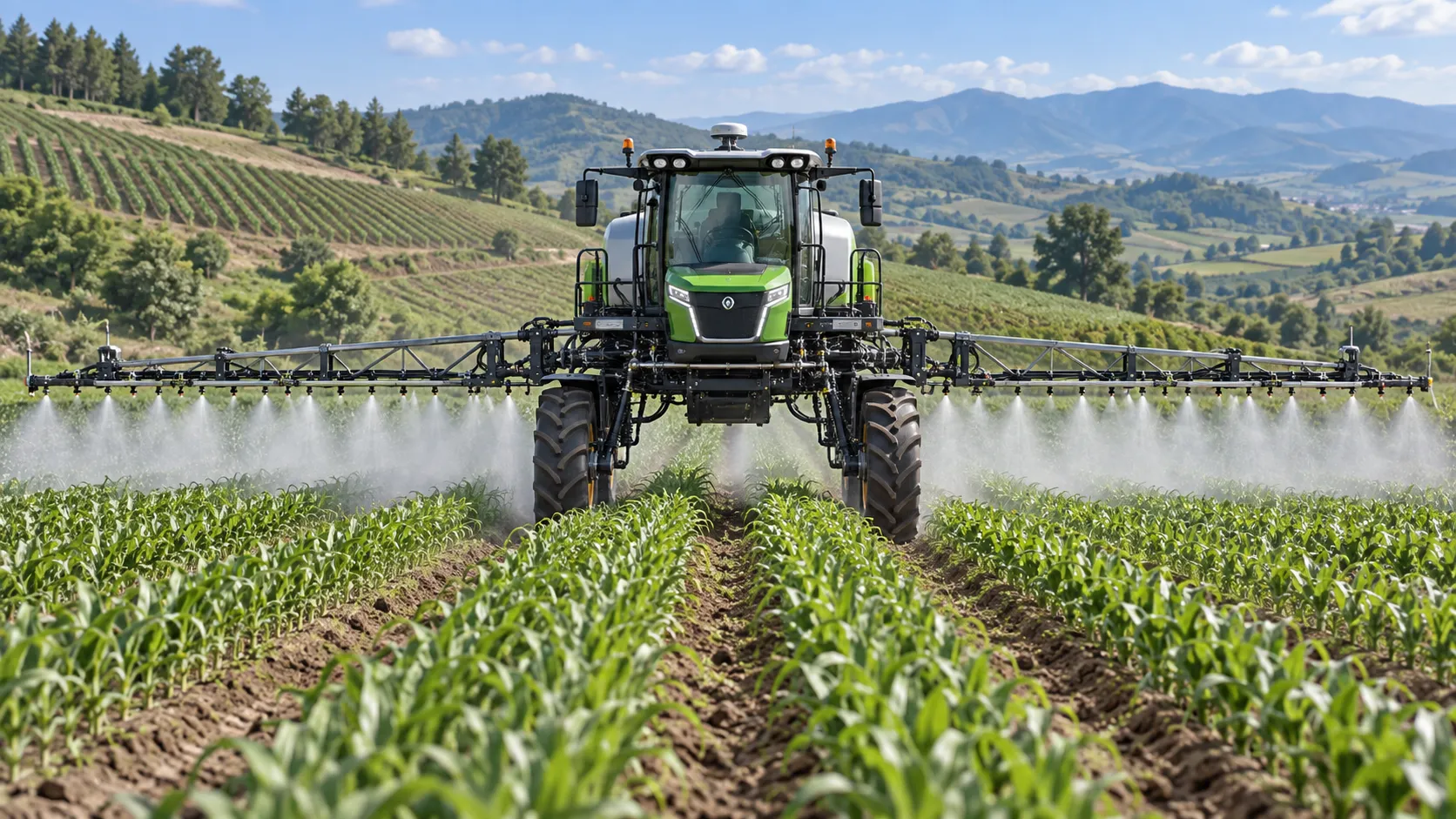
How to Select Precision Crop Protection Equipment for Variable Field Conditions
Precision crop protection equipment selection made simple: compare terrain, canopy, weather, control accuracy, and data workflows for reliable applications.
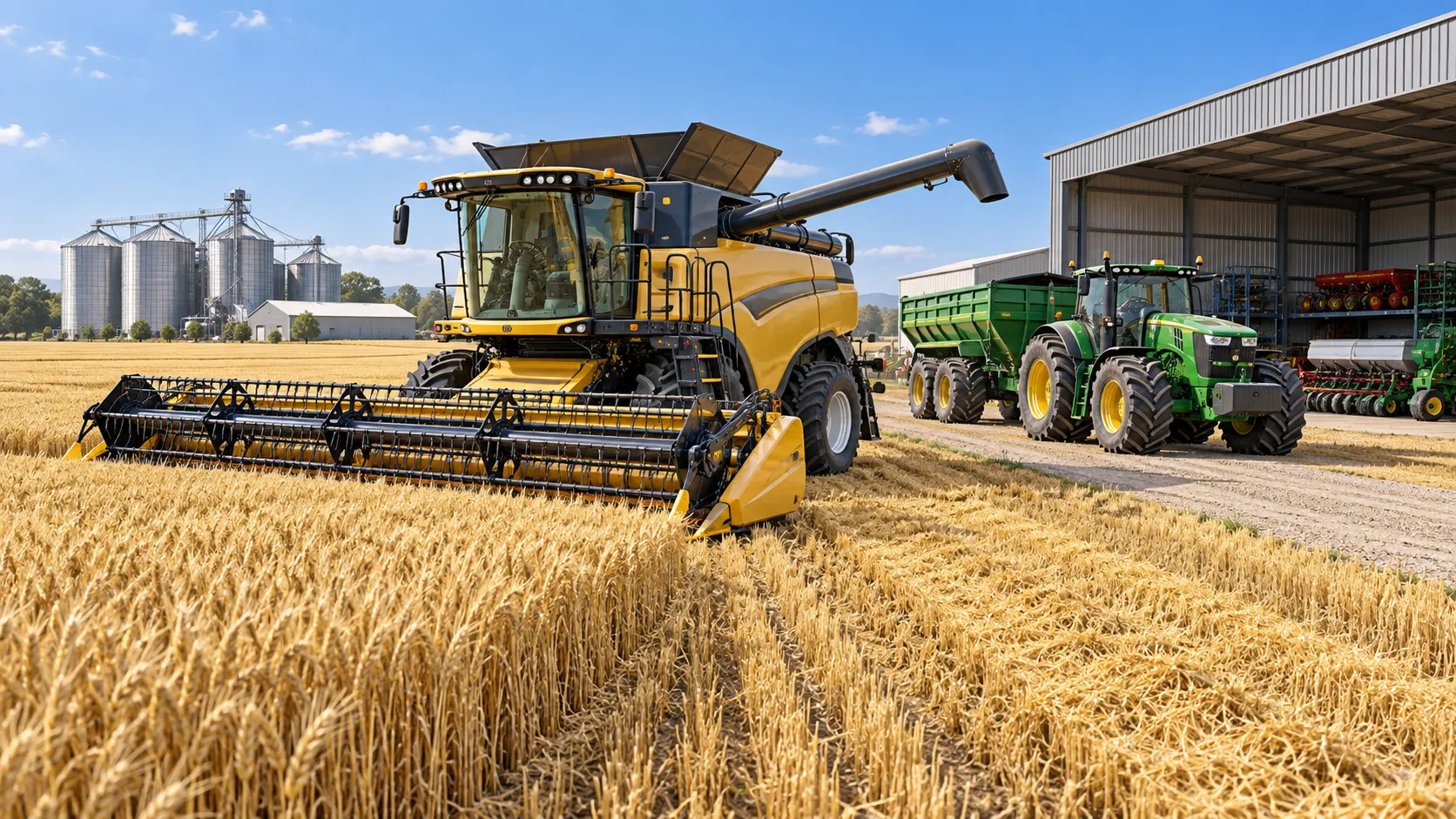
When Does Agricultural Machinery Leasing Cost Less Than Owning Equipment?
Agricultural machinery leasing can lower farm costs when use is seasonal or uncertain. Compare utilization, maintenance, cash flow, and risk to make a smarter equipment decision.
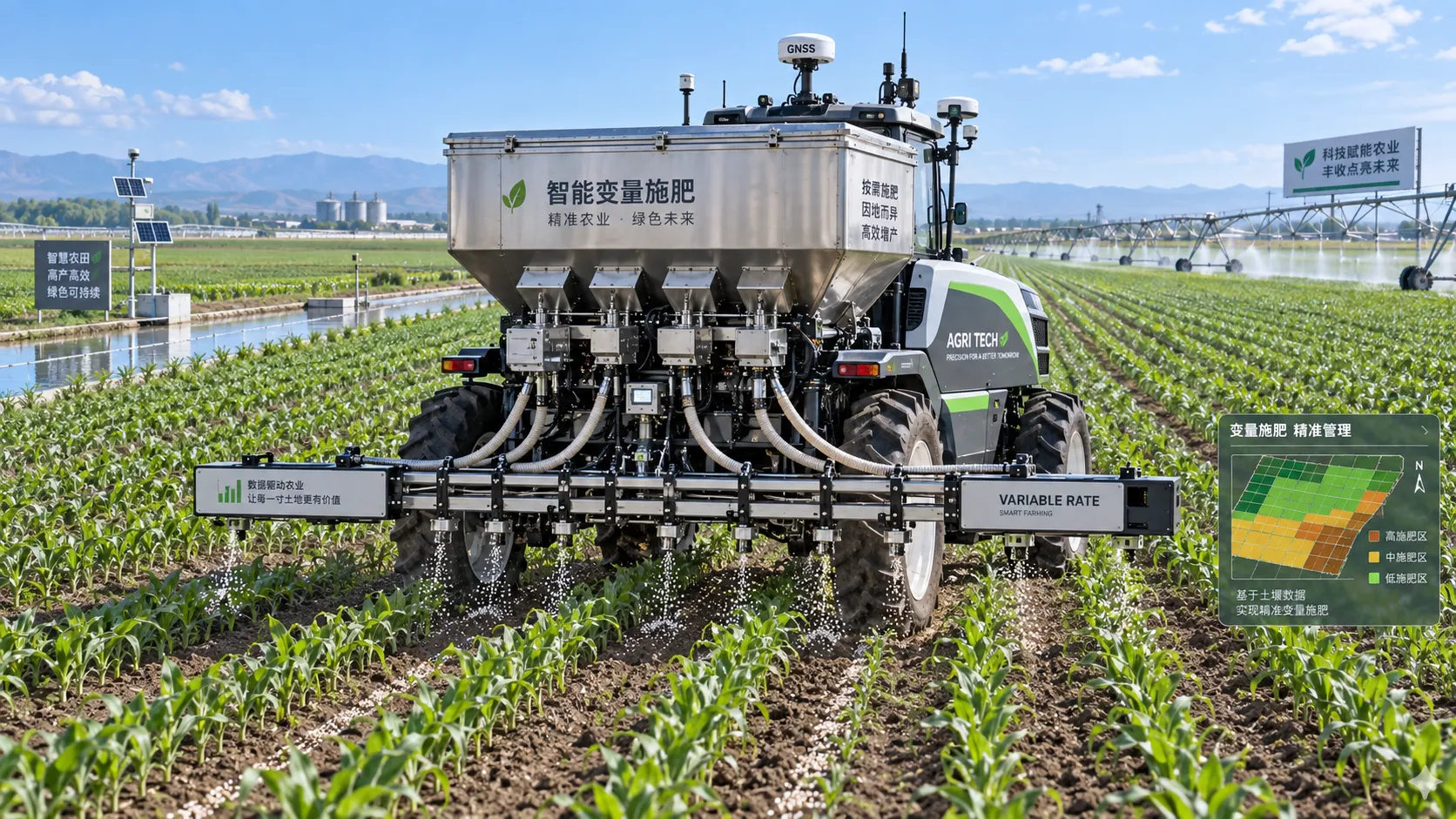
How to Evaluate Precision Fertilization System Suppliers for Farm-Scale Deployment
Precision fertilization systems suppliers: learn how to compare accuracy, integration, uptime, service, and total cost for confident farm-scale deployment.
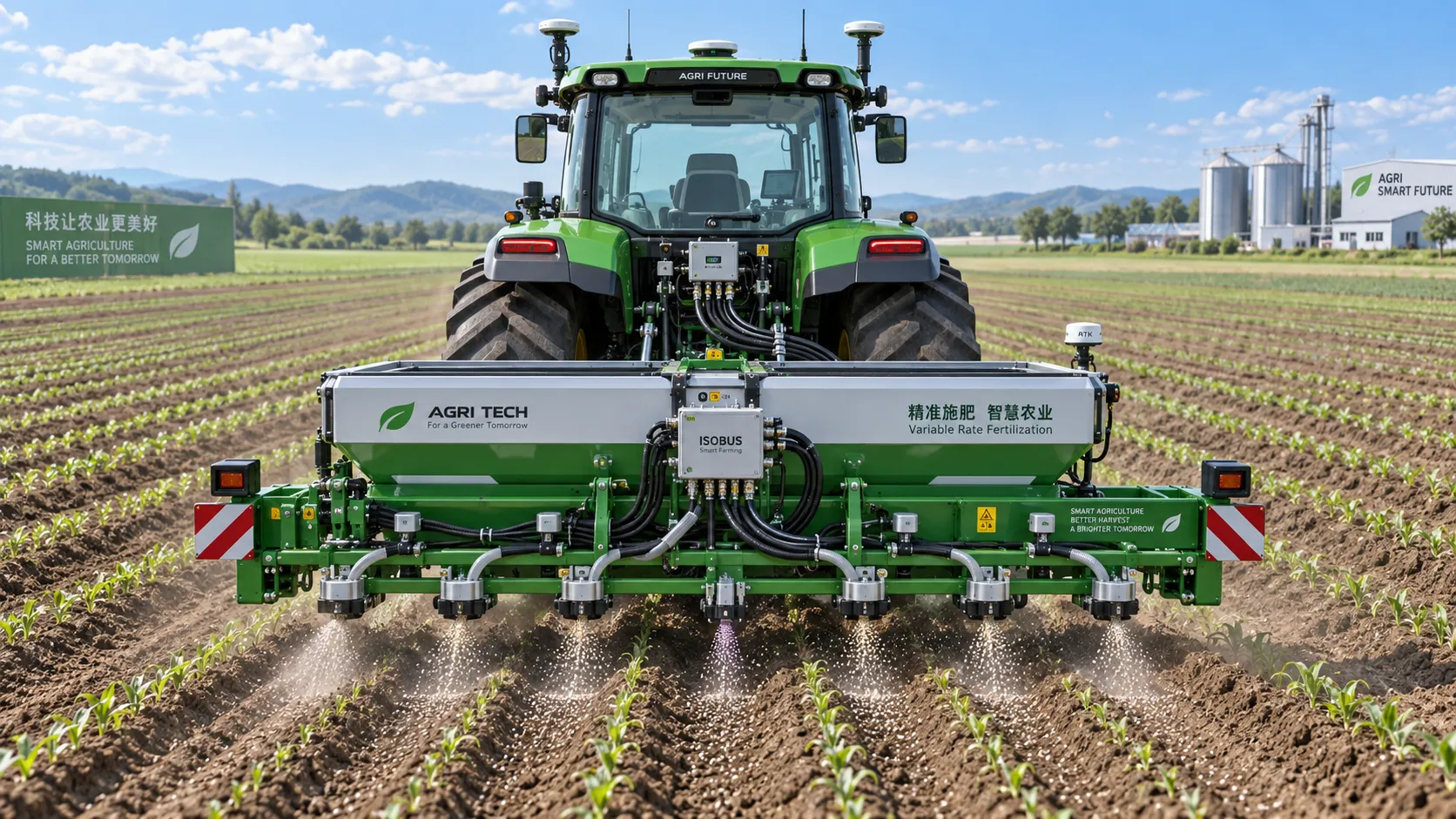
ISOBUS for Smart Agriculture: How It Connects Tractors, Implements, and Farm Data
ISOBUS for smart agriculture connects tractors, implements, terminals, and farm data—helping growers improve precision, documentation, and smarter field decisions.
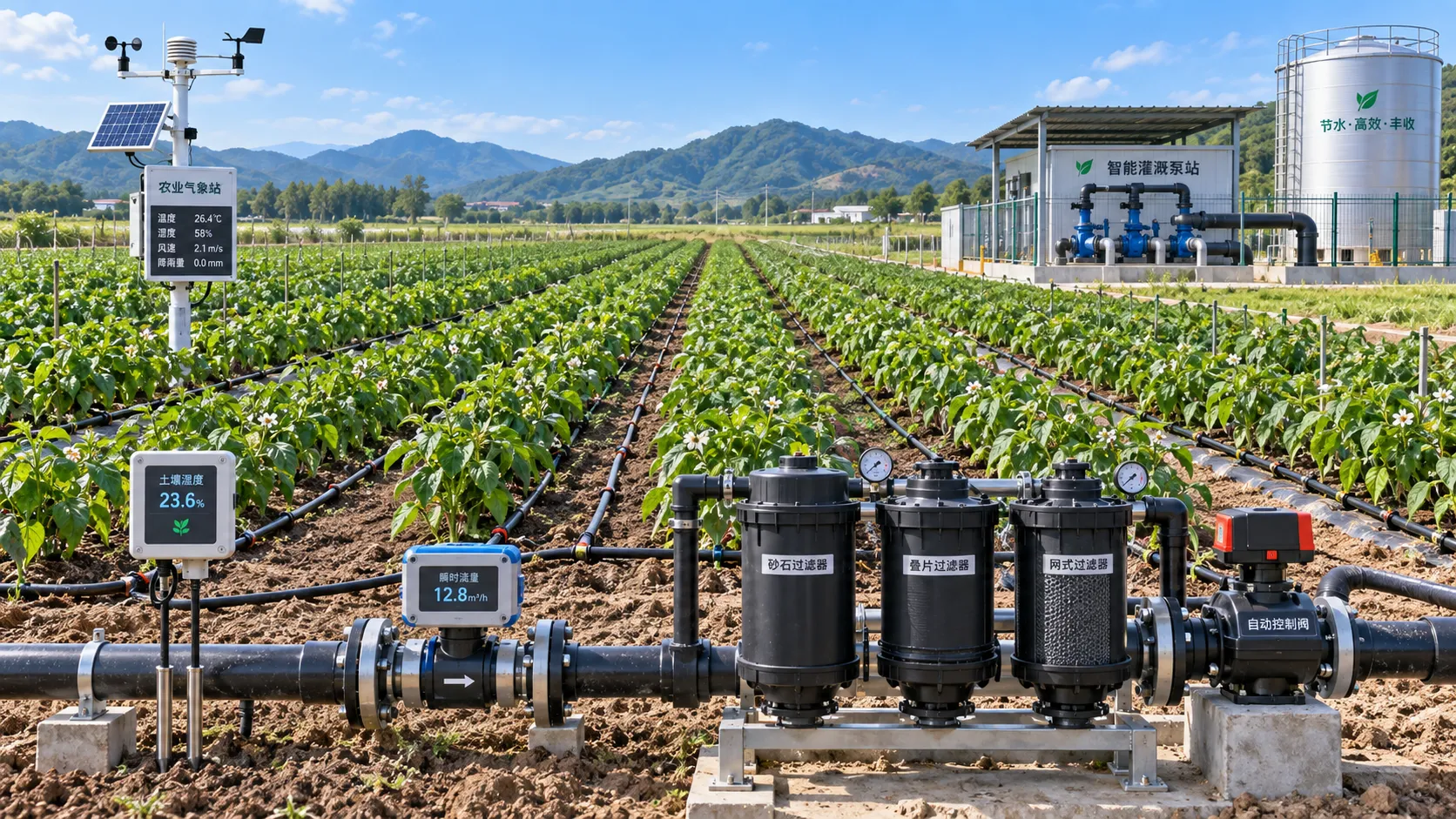
Automated Water-Saving Irrigation: How to Cut Water Use Without Reducing Crop Yields
Automated water-saving irrigation helps farms cut water use, protect crop yields, improve scheduling, and gain reliable control with sensors, flow monitoring, and smart zones.
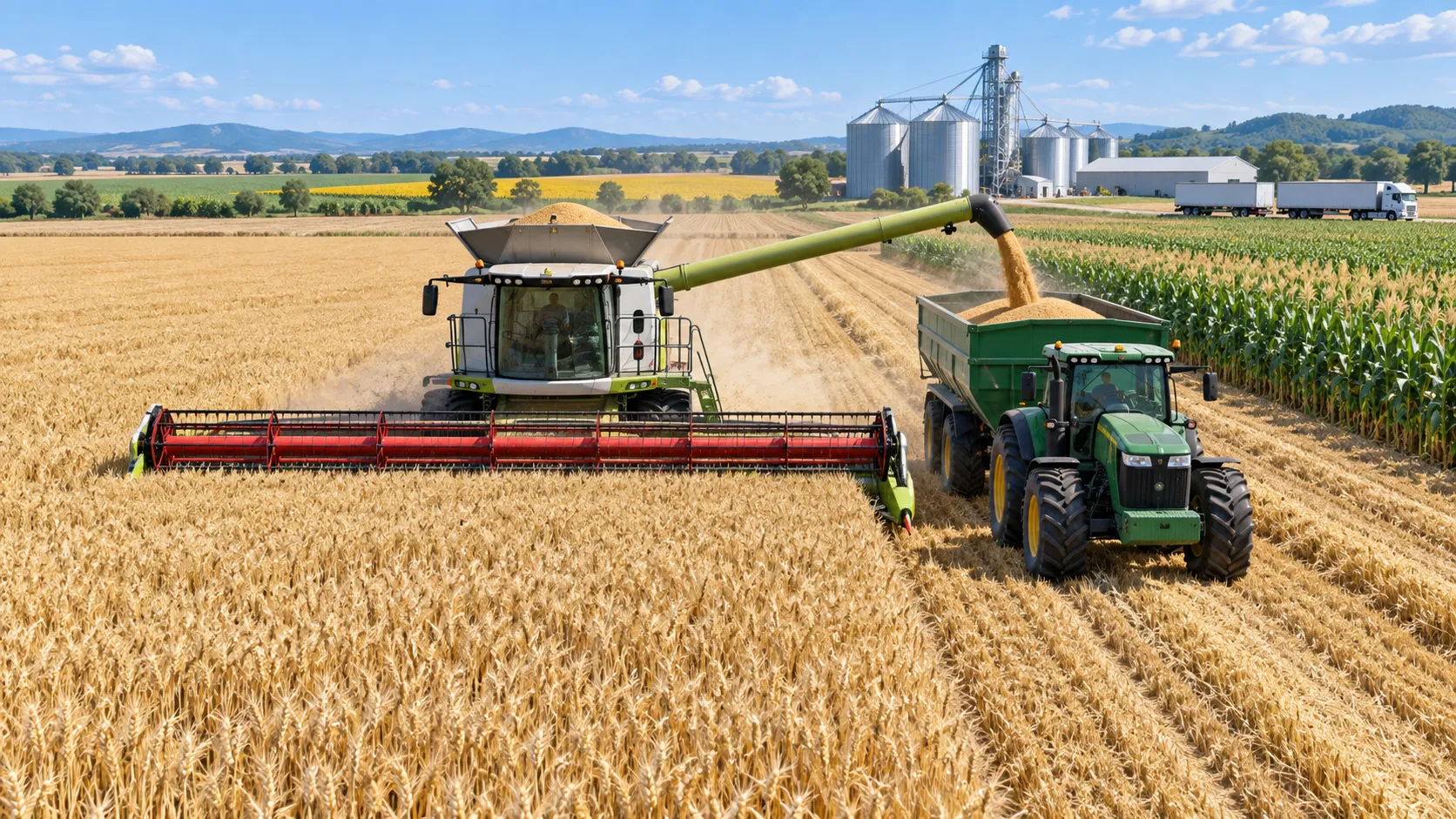
Selecting Grain Farm Equipment by Acreage, Crop Mix, and Harvest Window
Agricultural equipment selection for grain farming: match machinery to acreage, crop mix, and harvest windows to improve uptime, efficiency, and returns.
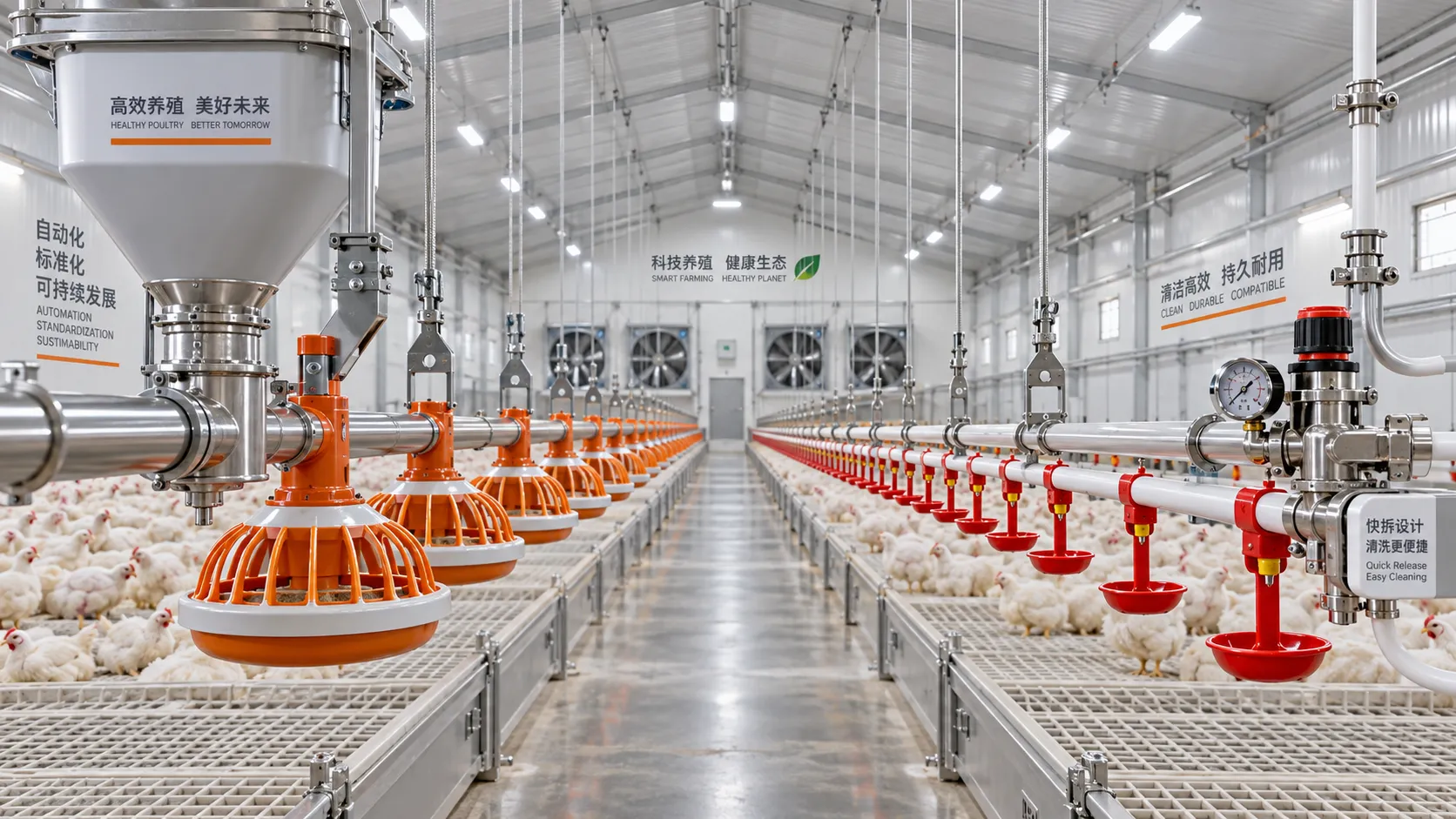
Poultry Equipment Selection: Evaluating Durability, Cleaning, and Compatibility
Poultry equipments selection guide: evaluate durability, cleaning access, and system compatibility to improve hygiene, reduce downtime, and support efficient flock management.
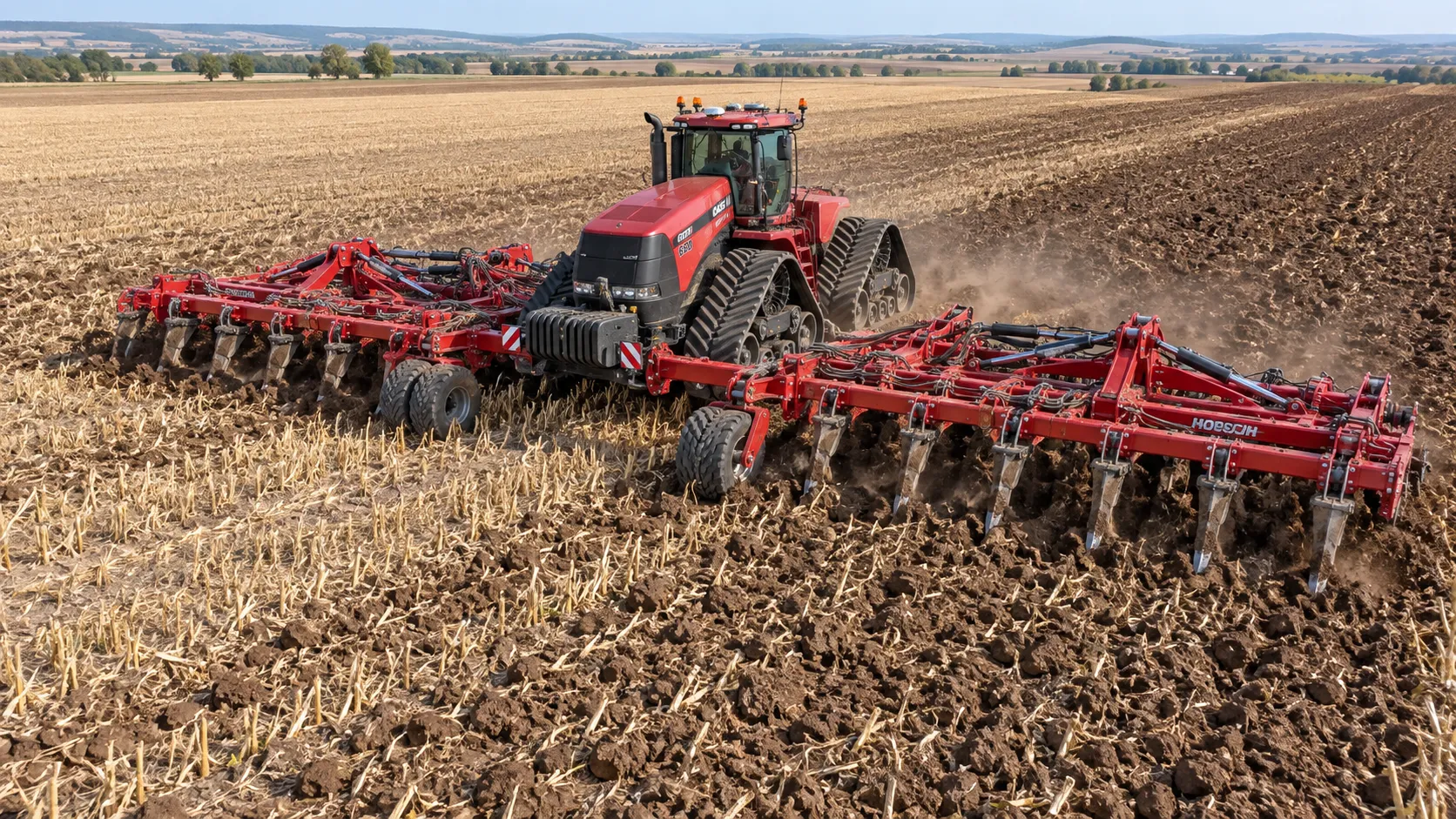
How to Select Heavy-Duty Farm Implements for High-Acreage, High-Horsepower Operations
Heavy duty farm implements: learn how to match draft, hydraulics, hitch capacity, frame strength, and field conditions for reliable high-acreage performance.
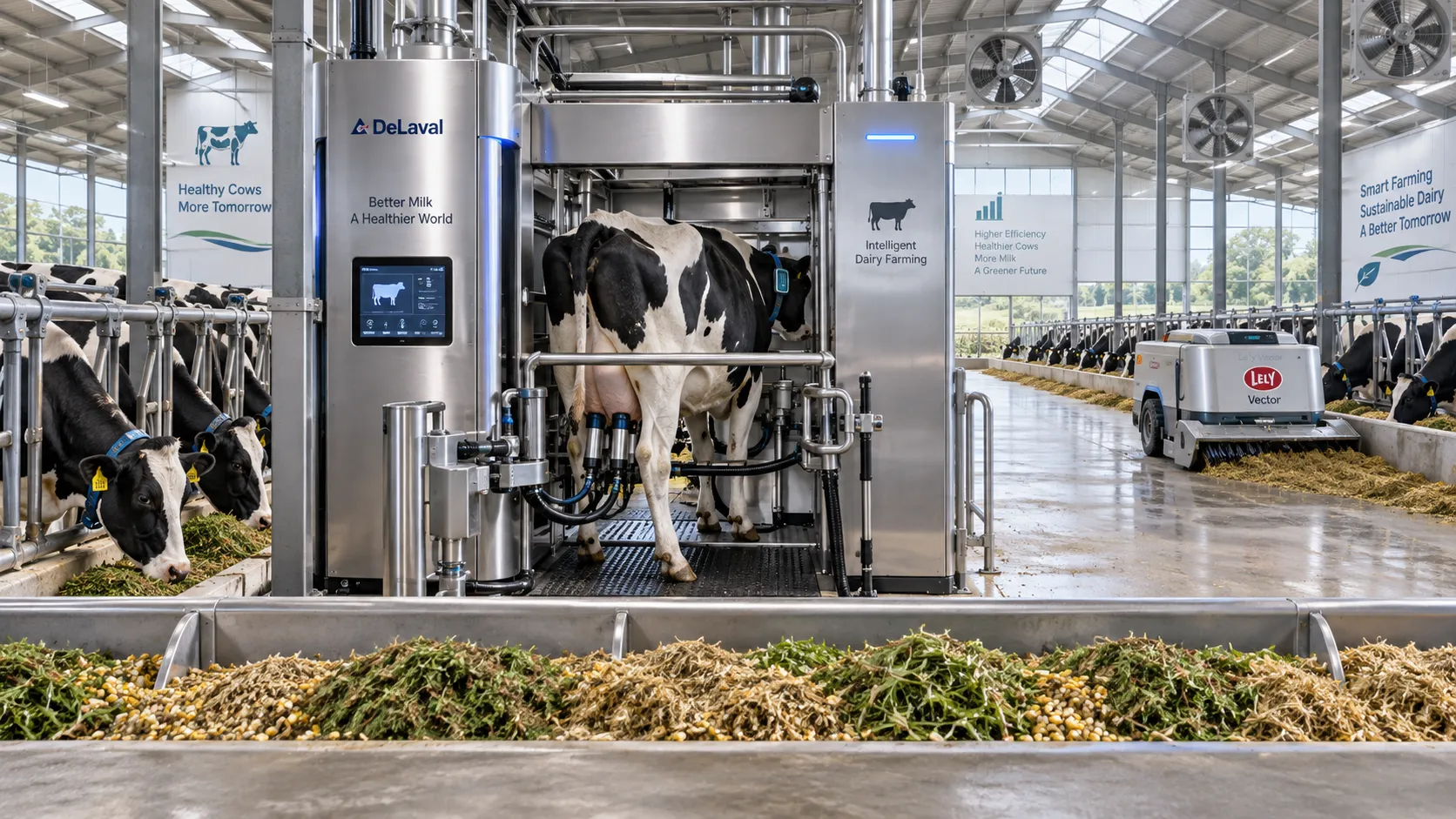
Smart Farming Technology for Dairy Farms: Where Automation Delivers Measurable ROI
Smart farming technology for dairy farms delivers measurable ROI through automation, precision feeding, health monitoring, and data-driven cost control.
Related News
- 00
0000-00
ISOBUS for Smart Agriculture: How It Connects Tractors, Implements, and Farm Data - 00
0000-00
How North American Farms Can Select Crop Monitoring Systems by Acreage and Connectivity - 00
0000-00
How Tractor Intelligence Systems Improve Field Efficiency and Input Accuracy - 00
0000-00
Which equipment for larger fields maintains accuracy at higher speeds? - 00
0000-00
What should a digital ag platform integrate before a farm-wide rollout?
Popular Tags
Tractor Power Architect
Weekly Insights
Stay ahead with our curated technology reports delivered every Monday.