
ABARES Raises Farm Automation Investment Forecast, GPS Guidance Budget Up 41%
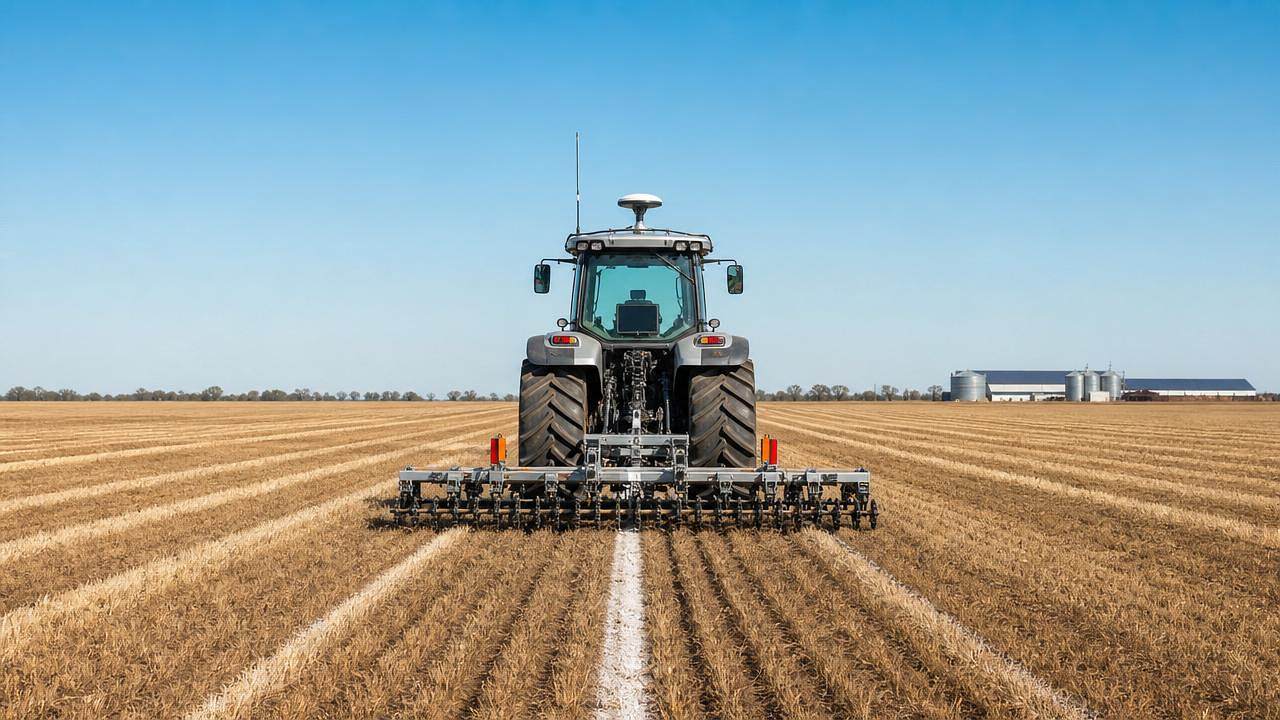




Australia’s agricultural sector is seeing a marked acceleration in capital investment toward automation, according to the Australian Bureau of Agricultural and Resource Economics and Sciences (ABARES), which released its 2026/27 Farm Capital Expenditure Outlook on 9 May 2026. The report forecasts A$4.7 billion in farm automation equipment investment for the current fiscal year — an 18.5% increase year-on-year — with GPS Guidance Systems procurement budgets rising 41%. This development warrants close attention from precision agriculture technology suppliers, farm machinery distributors, agritech service providers, and input manufacturers serving large-scale grain operations.
Event Overview
On 9 May 2026, ABARES published its 2026/27 Farm Capital Expenditure Outlook. It projects total farm automation equipment investment in Australia will reach A$4.7 billion in the 2026/27 financial year, up 18.5% from the prior year. Within that figure, procurement budgets specifically allocated to GPS Guidance Systems are expected to increase by 41%, driven primarily by bulk adoption among large grain farms in Western Australia and Queensland. These farms are prioritising high-accuracy auto-steer systems (RTK-enabled, ±2 cm precision) and field boundary learning capabilities.
Impact on Specific Industry Segments
Direct Trade Enterprises (e.g., Importers & Distributors of GPS Guidance Hardware)
These businesses face increased demand for RTK-capable guidance hardware and associated installation services. The 41% budget uplift signals stronger near-term order volume — particularly for systems compatible with major tractor OEMs and capable of supporting boundary learning workflows. Revenue timing may shift as procurement cycles align with regional harvest windows and government grant disbursement schedules.
Manufacturers of Precision Agriculture Equipment
Manufacturers supplying GPS receivers, display terminals, and retrofit kits are likely to see elevated tender activity from farm groups and machinery dealers in WA and QLD. Demand is skewed toward interoperable, RTK-ready platforms with robust field-mapping and boundary-recall functionality. Product certification for local regulatory compliance (e.g., ACMA radio spectrum requirements) and compatibility with widely used farm management software (e.g., Climate FieldView, Granular) may become differentiating factors.
Supply Chain & Aftermarket Service Providers
Service networks delivering calibration, RTK base station setup, and on-farm technical support are experiencing growing capacity pressure. The focus on RTK-level accuracy and boundary learning implies higher skill requirements: technicians must understand GNSS correction sources (e.g., CORS networks), geofence configuration, and data handoff between guidance hardware and farm management information systems (FMIS). Lead times for certified technician deployment may lengthen in high-demand regions.
Input Suppliers Serving Large-Scale Grain Farms
Farm inputs providers (e.g., seed, fertiliser, crop protection) whose sales models rely on integrated agronomy advice or variable-rate application (VRA) services may benefit indirectly. Widespread adoption of high-precision guidance systems improves the reliability of spatial data collection — a prerequisite for effective VRA planning and execution. However, this linkage remains conditional on farmers’ ability to integrate guidance system outputs with prescription mapping tools.
What Relevant Businesses or Practitioners Should Monitor and Do Now
Track ABARES’ quarterly updates and state-level agricultural department procurement notices
ABARES’ outlook is updated quarterly; subsequent releases may refine regional allocation assumptions or flag shifts in funding sources (e.g., uptake of federal drought resilience or digital adoption grants). State departments in WA and QLD regularly publish tender opportunities for agritech infrastructure — including RTK network expansion — which can signal downstream hardware demand.
Monitor procurement patterns in Western Australia and Queensland — not just aggregate national figures
The 41% GPS guidance budget increase is concentrated in two jurisdictions. Companies should assess whether their distribution channels, service coverage, or technical support capacity align with these regional hotspots. Inventory planning and technician deployment strategies should reflect seasonal peaks tied to pre-sowing and post-harvest maintenance windows.
Distinguish between budget allocation and actual deployment timelines
A 41% budget increase reflects planned spending, not necessarily immediate hardware delivery or commissioning. Delays can occur due to equipment lead times, site readiness (e.g., RTK base station availability), or integration testing. Businesses should avoid assuming linear revenue conversion and instead model phased realisation across FY2026/27 quarters.
Prepare for interoperability verification and data-handling requirements
As farms adopt systems with boundary learning and automated turn management, compatibility with existing FMIS platforms becomes operationally critical. Suppliers should confirm API access, file format support (e.g., ISOXML, ADAPT), and metadata handling for boundary polygons — especially where multi-brand fleets operate on single properties.
Editorial Perspective / Industry Observation
Observably, this ABARES forecast functions less as a standalone outcome and more as a reinforcing signal — one that confirms ongoing structural shifts in Australian broadacre farming economics. The disproportionate growth in GPS guidance budgets (41% vs. 18.5% overall automation spend) suggests operators are prioritising foundational positioning infrastructure before layering on more complex automation (e.g., autonomous implements). Analysis shows this reflects cost discipline: RTK-guidance delivers measurable ROI through reduced overlap, lower input use, and labour efficiency — especially on large, flat paddocks common in WA and QLD. From an industry standpoint, it is better understood as evidence of maturing adoption — not early-stage experimentation. Continued monitoring is warranted because sustained budget growth at this pace would imply deeper integration of spatial data into core farm decision-making, potentially reshaping service models across the agritech value chain.
This update underscores how capital expenditure trends in precision agriculture are becoming increasingly regionalised, technically specific, and tightly coupled to operational workflows — not just technology novelty. For stakeholders, it is best interpreted not as a broad market expansion signal, but as a directional cue pointing toward intensified demand for interoperable, high-accuracy positioning infrastructure in defined geographies and cropping systems.
Source: Australian Bureau of Agricultural and Resource Economics and Sciences (ABARES), 2026/27 Farm Capital Expenditure Outlook, published 9 May 2026. Note: Regional breakdowns (WA/QLD focus), RTK specification (±2 cm), and boundary learning functionality are explicitly cited in the report. Ongoing observation is recommended for ABARES’ Q3 and Q4 2026/27 updates, which may include revised state-level estimates and grant uptake metrics.
Related News
When Does Agricultural Machinery Leasing Cost Less Than Owning Equipment?
Agricultural machinery leasing can lower farm costs when use is seasonal or uncertain. Compare utilization, maintenance, cash flow, and risk to make a smarter equipment decision.
How to Evaluate Precision Fertilization System Suppliers for Farm-Scale Deployment
Precision fertilization systems suppliers: learn how to compare accuracy, integration, uptime, service, and total cost for confident farm-scale deployment.
ISOBUS for Smart Agriculture: How It Connects Tractors, Implements, and Farm Data
ISOBUS for smart agriculture connects tractors, implements, terminals, and farm data—helping growers improve precision, documentation, and smarter field decisions.
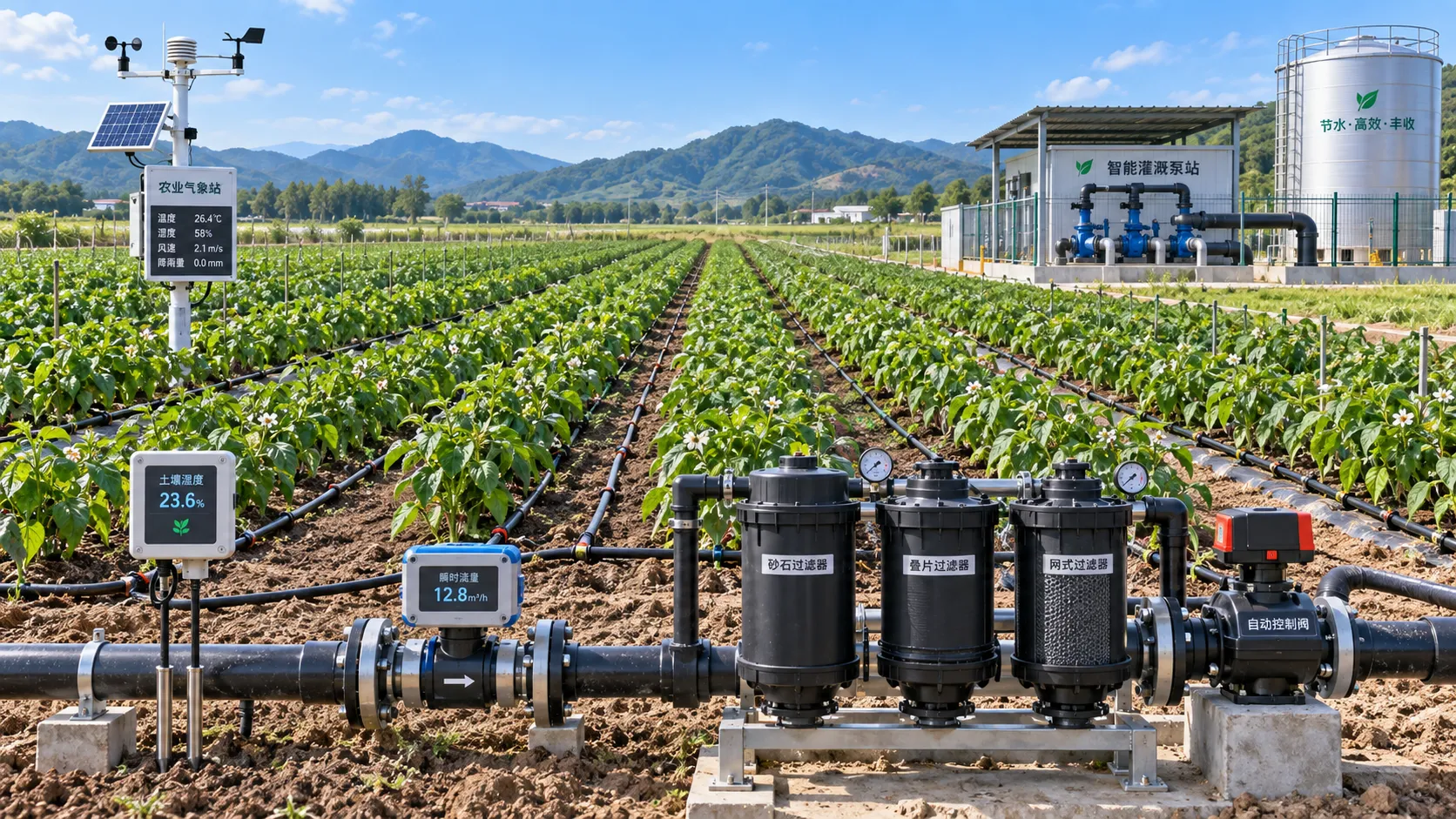
Automated Water-Saving Irrigation: How to Cut Water Use Without Reducing Crop Yields
Automated water-saving irrigation helps farms cut water use, protect crop yields, improve scheduling, and gain reliable control with sensors, flow monitoring, and smart zones.
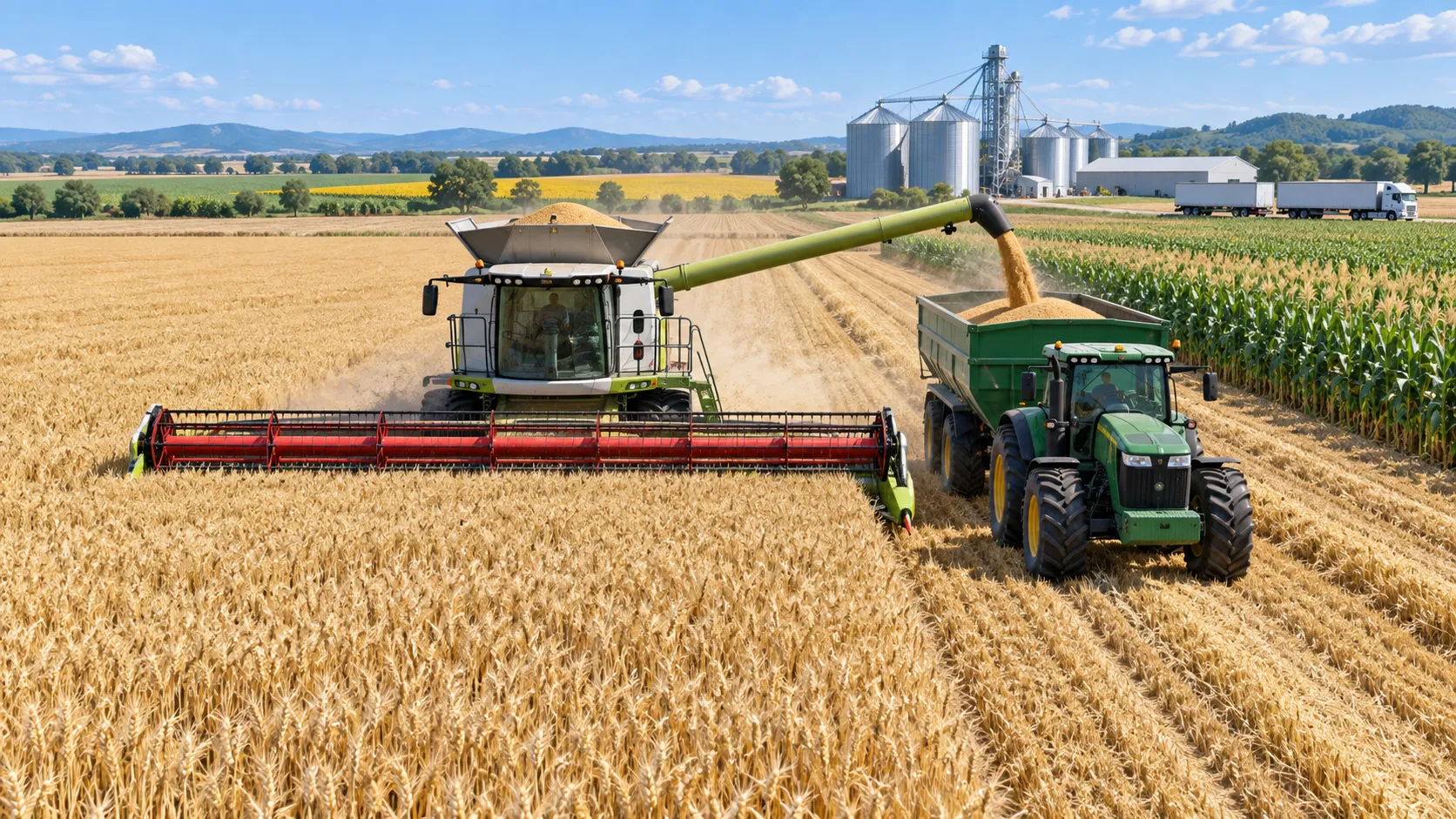
Selecting Grain Farm Equipment by Acreage, Crop Mix, and Harvest Window
Agricultural equipment selection for grain farming: match machinery to acreage, crop mix, and harvest windows to improve uptime, efficiency, and returns.
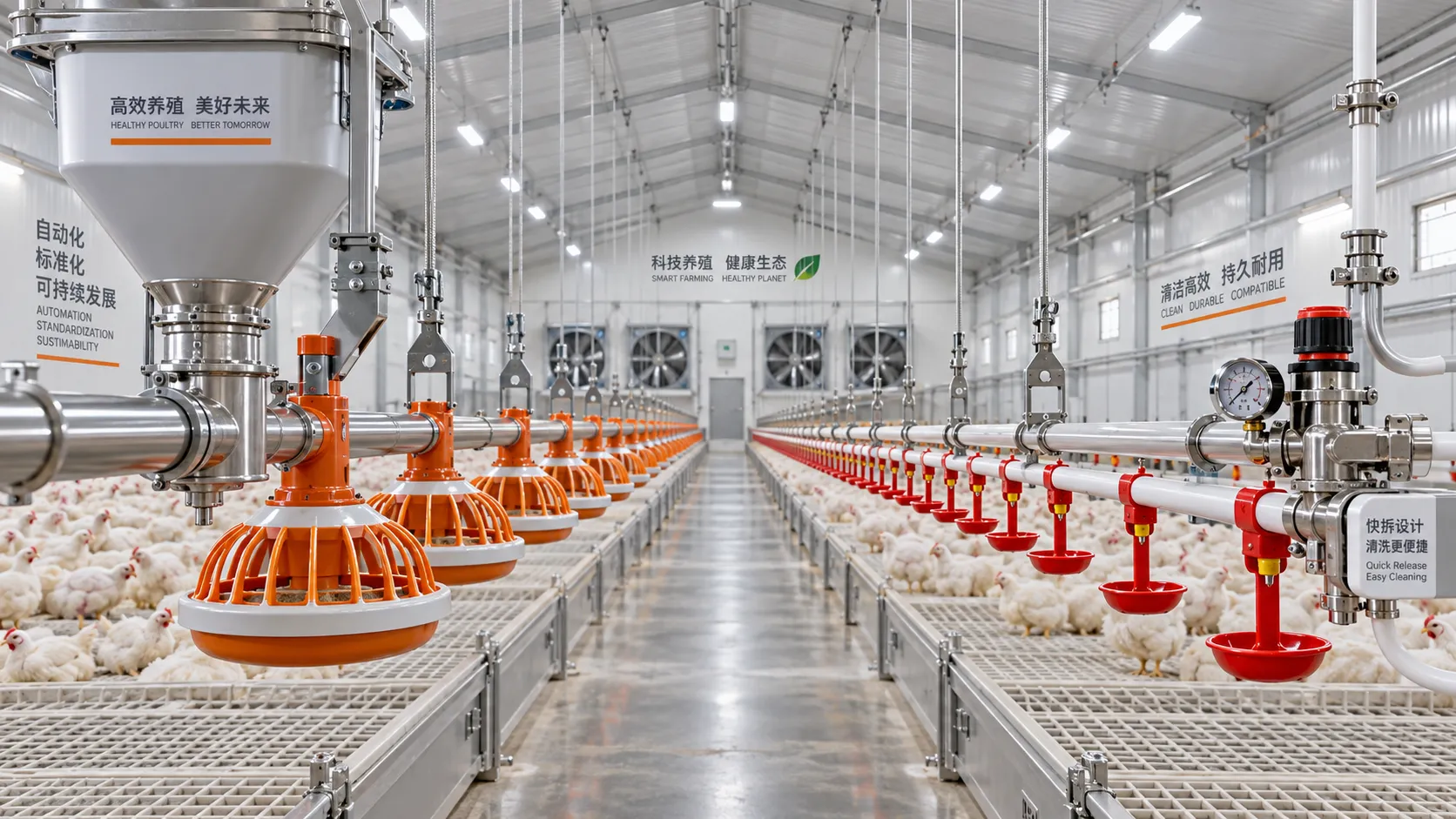
Poultry Equipment Selection: Evaluating Durability, Cleaning, and Compatibility
Poultry equipments selection guide: evaluate durability, cleaning access, and system compatibility to improve hygiene, reduce downtime, and support efficient flock management.
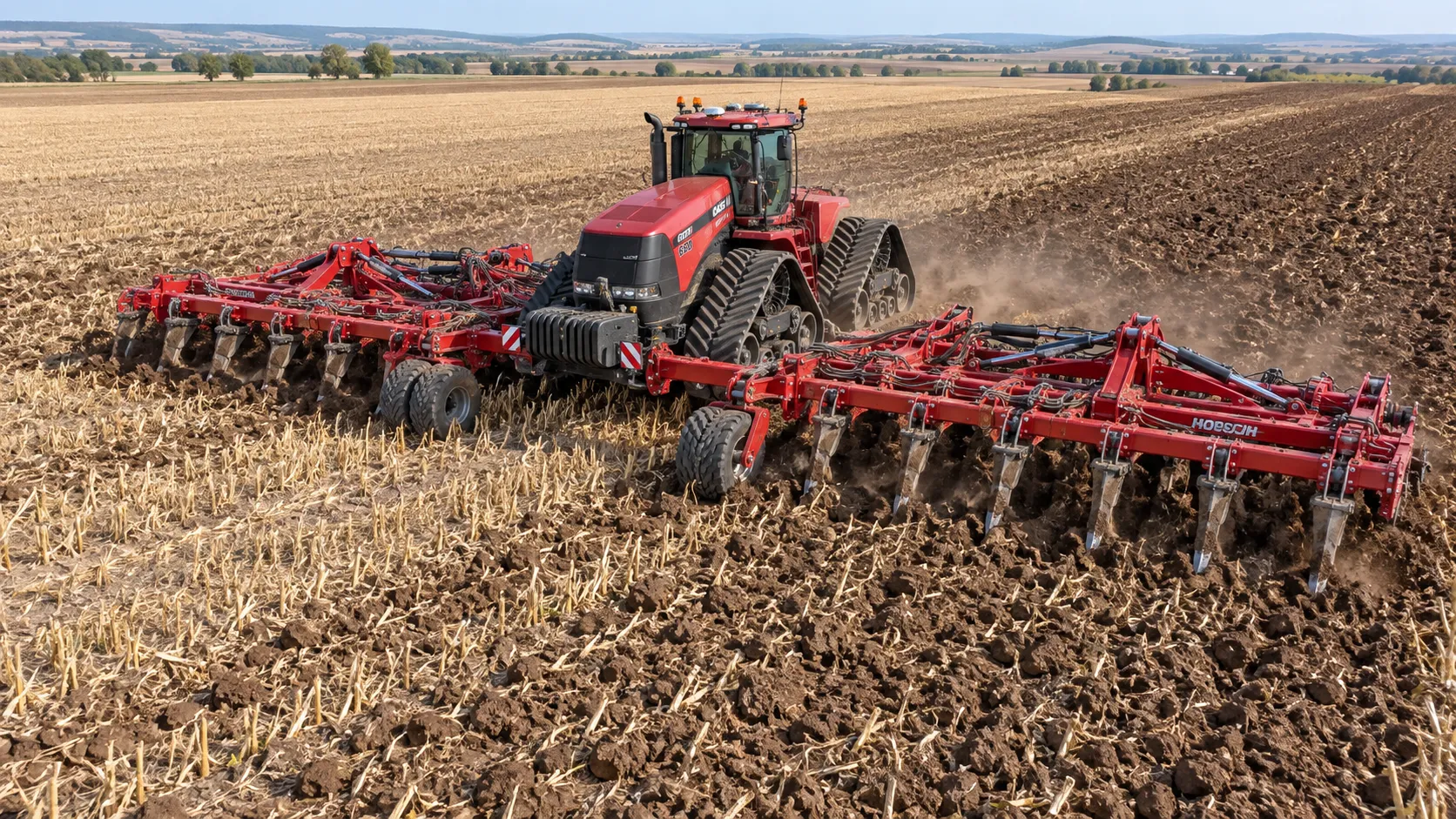
How to Select Heavy-Duty Farm Implements for High-Acreage, High-Horsepower Operations
Heavy duty farm implements: learn how to match draft, hydraulics, hitch capacity, frame strength, and field conditions for reliable high-acreage performance.
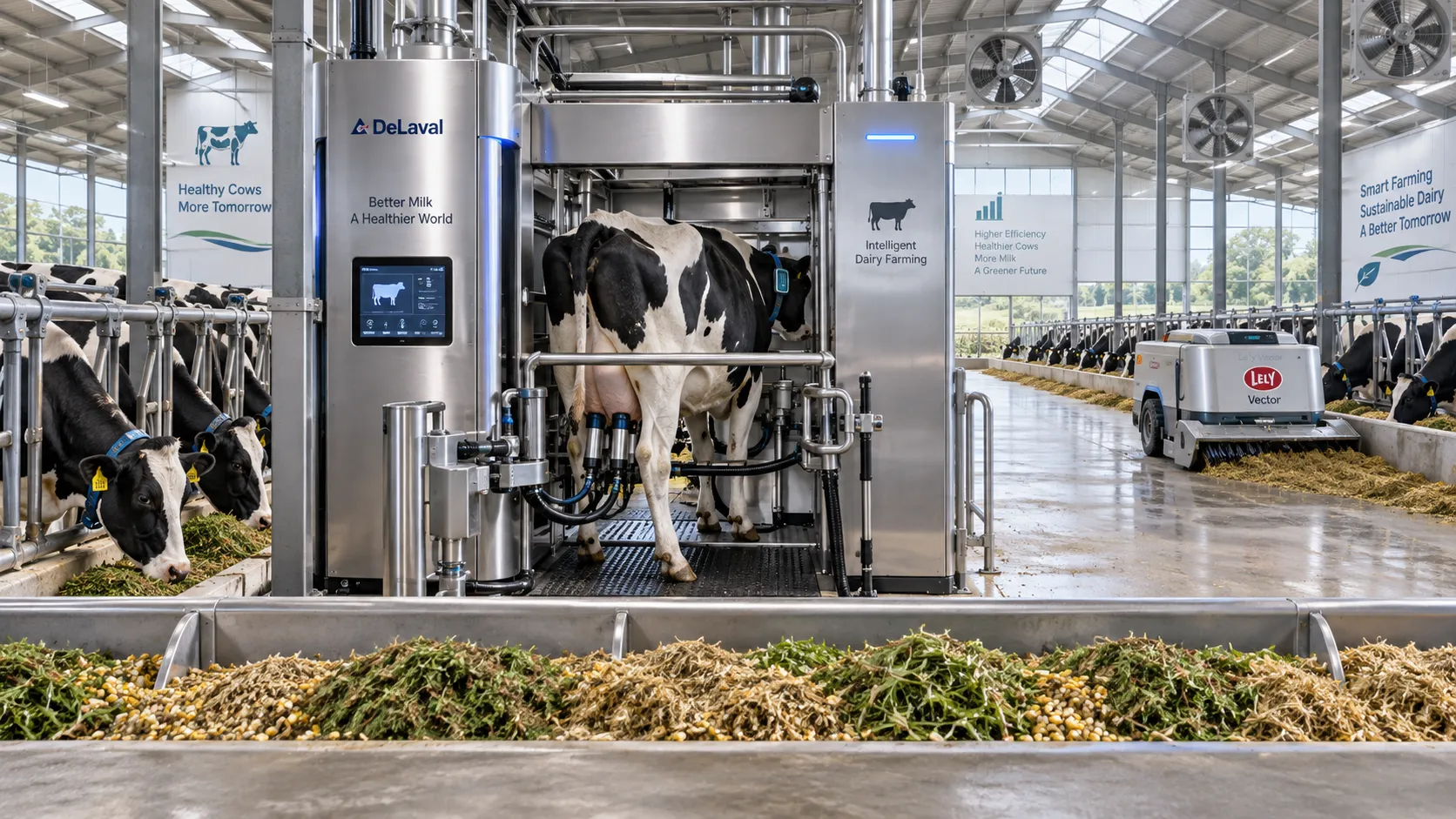
Smart Farming Technology for Dairy Farms: Where Automation Delivers Measurable ROI
Smart farming technology for dairy farms delivers measurable ROI through automation, precision feeding, health monitoring, and data-driven cost control.
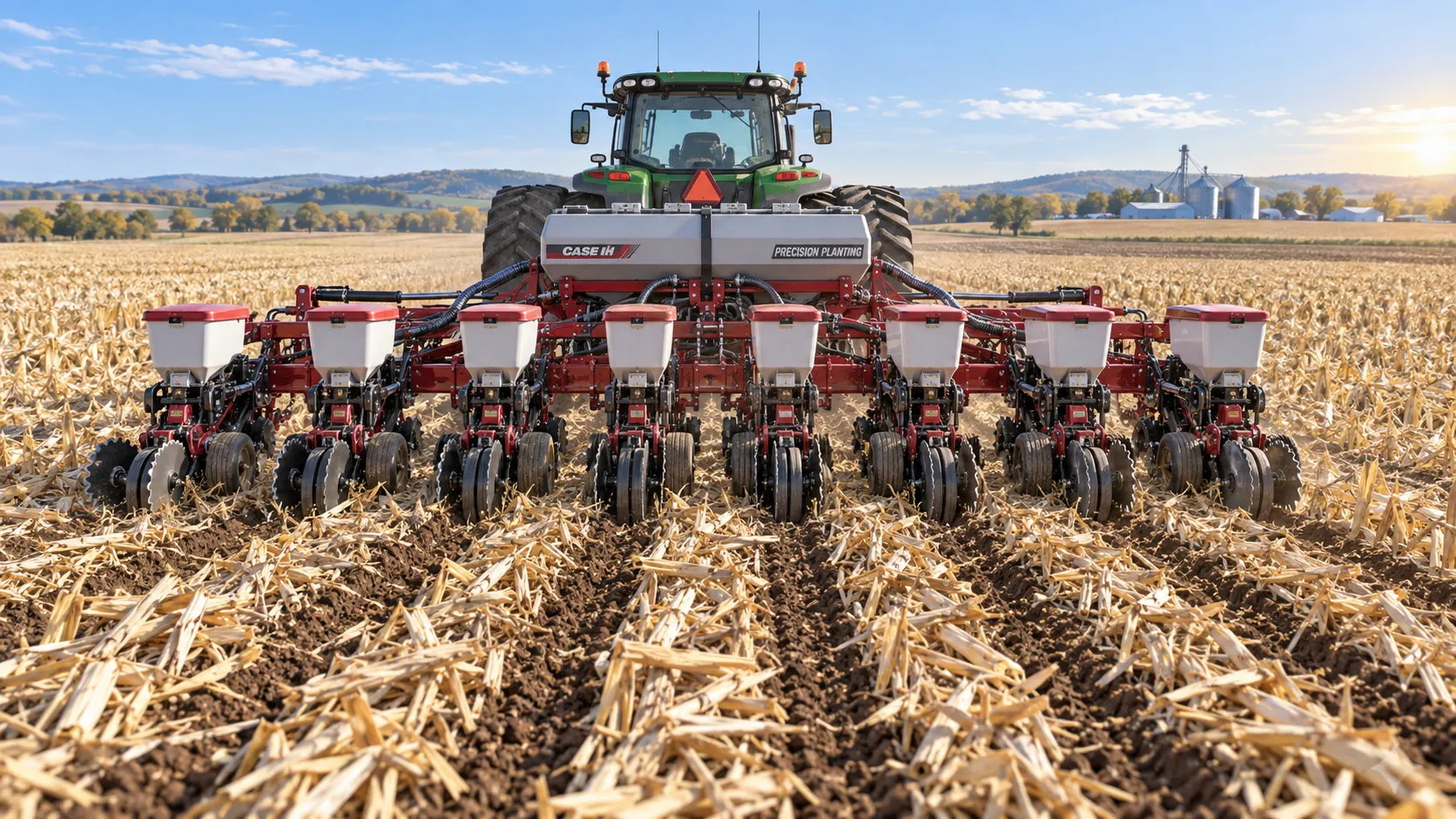
How to Select a Heavy-Duty Seeder for Large Acreage and High-Residue Fields
Heavy duty seeders for large acreage: compare residue handling, depth control, downforce, metering accuracy, and precision features to select the right model.
Related News
- 00
0000-00
ISOBUS for Smart Agriculture: How It Connects Tractors, Implements, and Farm Data - 00
0000-00
How North American Farms Can Select Crop Monitoring Systems by Acreage and Connectivity - 00
0000-00
How Tractor Intelligence Systems Improve Field Efficiency and Input Accuracy - 00
0000-00
Which equipment for larger fields maintains accuracy at higher speeds? - 00
0000-00
What should a digital ag platform integrate before a farm-wide rollout?
Popular Tags
Tractor Power Architect
Weekly Insights
Stay ahead with our curated technology reports delivered every Monday.