
ABARES Raises Farm Automation Investment Forecast for 2026/27
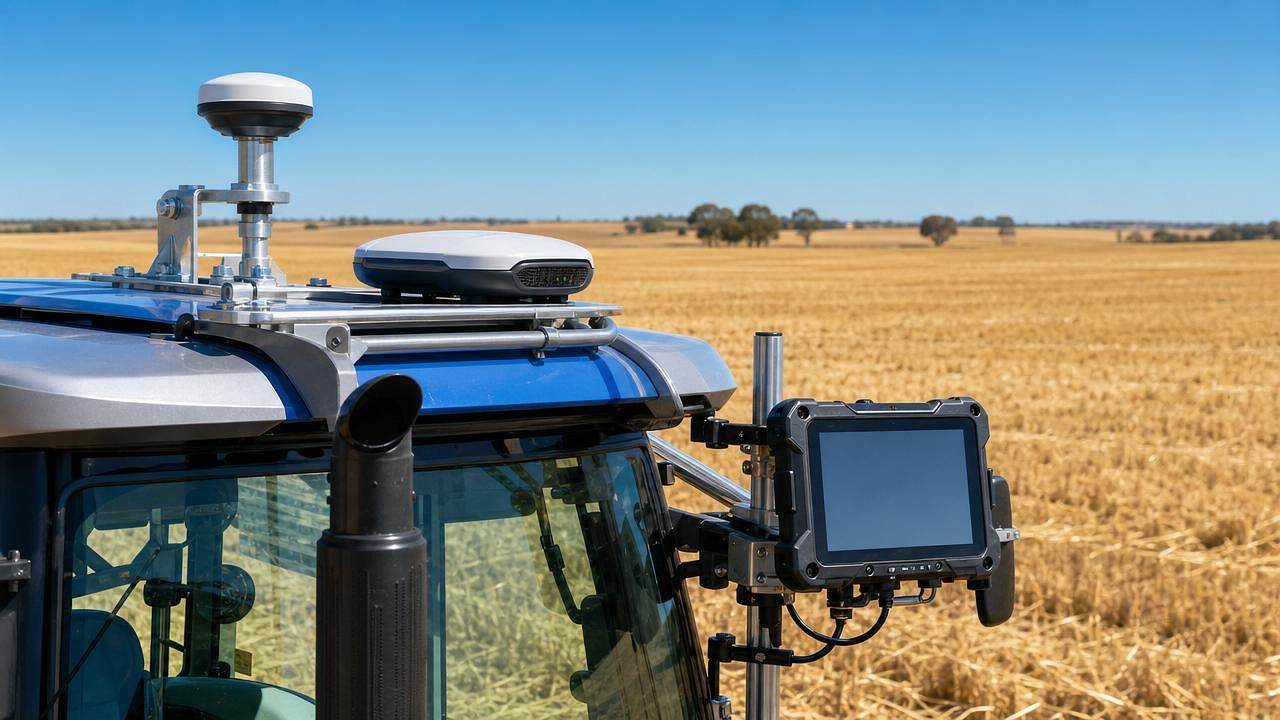




Australia’s agricultural sector is seeing a marked shift in capital allocation toward automation, following the Australian Bureau of Agricultural and Resource Economics and Sciences (ABARES) quarterly outlook report released on 8 May. The report forecasts farm automation equipment expenditure to reach AUD 3.2 billion in the current year, with GPS Guidance Systems accounting for 38% of that total — a 41% year-on-year increase. This development warrants close attention from precision agriculture technology suppliers, importers, distributors, and farm machinery OEMs operating in or serving the Australian market.
Event Overview
On 8 May, ABARES published its quarterly agricultural outlook report, projecting total farm automation investment in Australia at AUD 3.2 billion for the current year. Within this, spending on GPS Guidance Systems is expected to rise to 38% of the total — up 41% year-on-year. The report attributes this growth primarily to intensifying labor shortages in wheat and cotton growing regions. It further notes that Chinese-made high-precision RTK kits — comprising base stations and rovers — are gaining traction due to cost-performance advantages, representing 27% of newly procured GPS Guidance Systems units.
Industries Affected
Direct Trade Enterprises (Importers & Exporters)
Importers of agricultural guidance systems face shifting demand composition: rising procurement volume for RTK-based solutions, coupled with increased preference for Chinese-origin kits. This affects sourcing strategies, customs classification, warranty logistics, and compliance with Australian electromagnetic compatibility (EMC) and radio communications standards.
Manufacturing & Component Suppliers
Suppliers of GNSS modules, inertial measurement units (IMUs), and RTK correction service infrastructure may see revised order patterns. The 27% share captured by Chinese RTK kits suggests competitive pressure on pricing and integration support for non-Chinese alternatives — particularly in mid-tier farm machinery platforms.
Distribution & Channel Partners
Distributors handling both legacy Western-branded guidance systems and newer Chinese RTK offerings must adapt technical support capacity, training materials, and after-sales service models. The rapid uptake implies higher demand for localized firmware updates, correction service subscriptions, and field calibration assistance — especially in remote cropping zones.
Supply Chain & Aftermarket Service Providers
Service providers offering installation, calibration, and integration support for guidance systems will likely experience higher job volume — but also greater complexity, as mixed-brand deployments (e.g., third-party RTK kits on OEM-controlled tractors) require broader diagnostic tooling and cross-platform interoperability knowledge.
What Relevant Companies or Practitioners Should Monitor and Do
Track ABARES’ next two quarterly reports for consistency in RTK adoption metrics
The 41% YoY growth in GPS Guidance Systems spend is a single-point estimate. Observably, sustained upward revision across successive reports would signal structural demand shift — not just cyclical rebound. Companies should benchmark this figure against prior-year ABARES forecasts to assess trend reliability.
Monitor procurement patterns in NSW and Queensland cropping regions
Since ABARES explicitly links the growth to labor shortages in wheat and cotton zones, current procurement activity in New South Wales and Queensland — especially among large-scale broadacre operators — serves as an early indicator of real-world adoption velocity. Regional dealer sales data and machinery auction trends may offer complementary signals.
Assess compatibility and certification status of Chinese RTK kits with major Australian tractor and implement brands
While Chinese RTK kits hold 27% of new purchases, their integration with Tier-1 OEM hardware (e.g., John Deere Operations Center, Case IH AFS Connect) remains variable. Analysis shows that interoperability gaps — especially in correction stream handover and ISOBUS V4 compliance — could constrain scalability beyond entry-level adoption.
Review service-level agreements and spare parts inventory for RTK-specific components
Increased deployment of RTK systems raises failure-mode exposure: base station power supplies, rover antenna mounts, and SIM-based NTRIP gateway units have higher field failure rates than legacy auto-steer controllers. Current more appropriate preparation includes updating SLAs with Chinese suppliers and pre-stocking high-failure-rate subassemblies.
Editorial Perspective / Industry Observation
This ABARES forecast is best understood as an early-stage demand signal — not yet a fully consolidated market outcome. The 27% share for Chinese RTK kits reflects new procurement only; it does not indicate installed base dominance, nor does it reflect service uptime, long-term support continuity, or second-hand resale value. From an industry perspective, the data highlights tightening labor constraints as a primary driver of automation spend — suggesting that labor availability metrics (e.g., seasonal worker visa approvals, regional unemployment rates) may now serve as leading indicators for guidance system demand. Observation shows that policy shifts affecting farm labor access — rather than pure technology cost curves — are currently the stronger catalyst for investment decisions in this segment.
Conclusion
The ABARES forecast signals a measurable acceleration in GPS Guidance Systems adoption in Australian broadacre farming — driven less by technological novelty and more by operational necessity. For stakeholders, this is not yet evidence of a full technology transition, but rather a clear inflection point where cost-effective RTK solutions are entering mainstream procurement consideration. It is more appropriately interpreted as a directional marker — indicating where capital is flowing now, and which supply chain capabilities are becoming operationally relevant — rather than a definitive statement about long-term platform winners.
Source Attribution
Main source: Australian Bureau of Agricultural and Resource Economics and Sciences (ABARES), Quarterly Agricultural Outlook Report, released 8 May. Note: The 27% share for Chinese RTK kits refers to newly procured units only; long-term reliability, service coverage, and interoperability performance remain areas requiring ongoing observation.
Related News
When Does Agricultural Machinery Leasing Cost Less Than Owning Equipment?
Agricultural machinery leasing can lower farm costs when use is seasonal or uncertain. Compare utilization, maintenance, cash flow, and risk to make a smarter equipment decision.
How to Evaluate Precision Fertilization System Suppliers for Farm-Scale Deployment
Precision fertilization systems suppliers: learn how to compare accuracy, integration, uptime, service, and total cost for confident farm-scale deployment.
ISOBUS for Smart Agriculture: How It Connects Tractors, Implements, and Farm Data
ISOBUS for smart agriculture connects tractors, implements, terminals, and farm data—helping growers improve precision, documentation, and smarter field decisions.
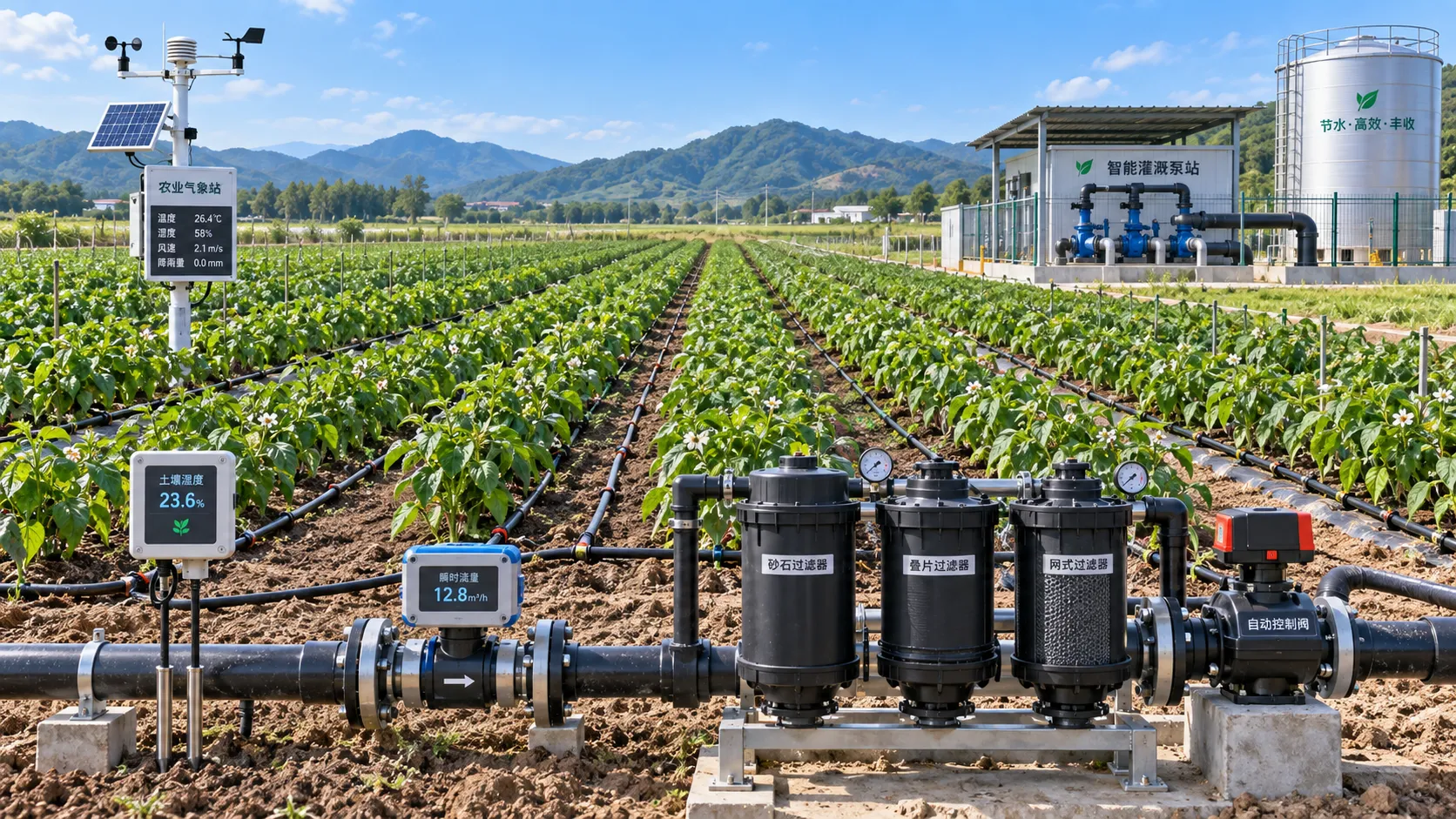
Automated Water-Saving Irrigation: How to Cut Water Use Without Reducing Crop Yields
Automated water-saving irrigation helps farms cut water use, protect crop yields, improve scheduling, and gain reliable control with sensors, flow monitoring, and smart zones.
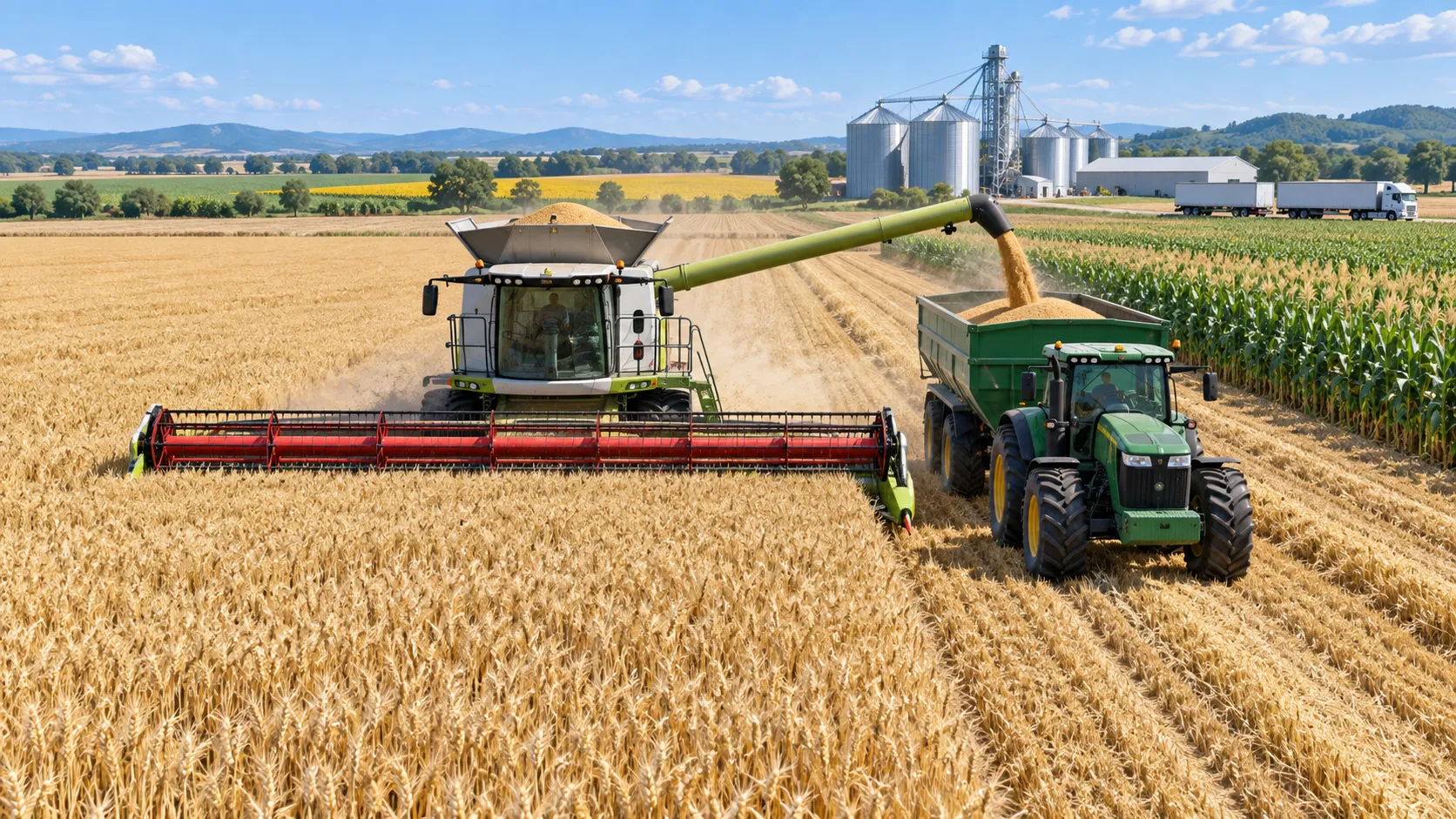
Selecting Grain Farm Equipment by Acreage, Crop Mix, and Harvest Window
Agricultural equipment selection for grain farming: match machinery to acreage, crop mix, and harvest windows to improve uptime, efficiency, and returns.
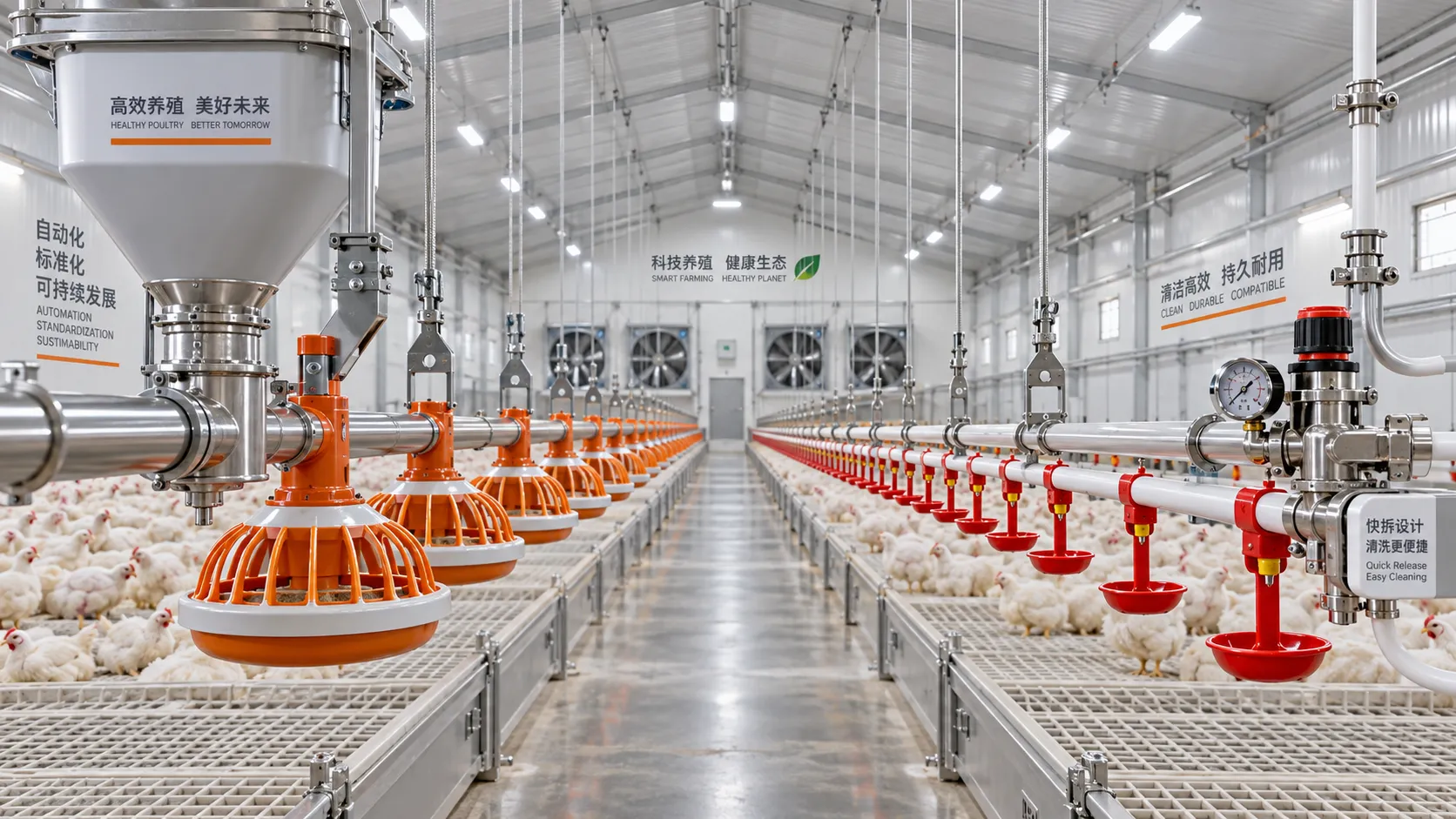
Poultry Equipment Selection: Evaluating Durability, Cleaning, and Compatibility
Poultry equipments selection guide: evaluate durability, cleaning access, and system compatibility to improve hygiene, reduce downtime, and support efficient flock management.
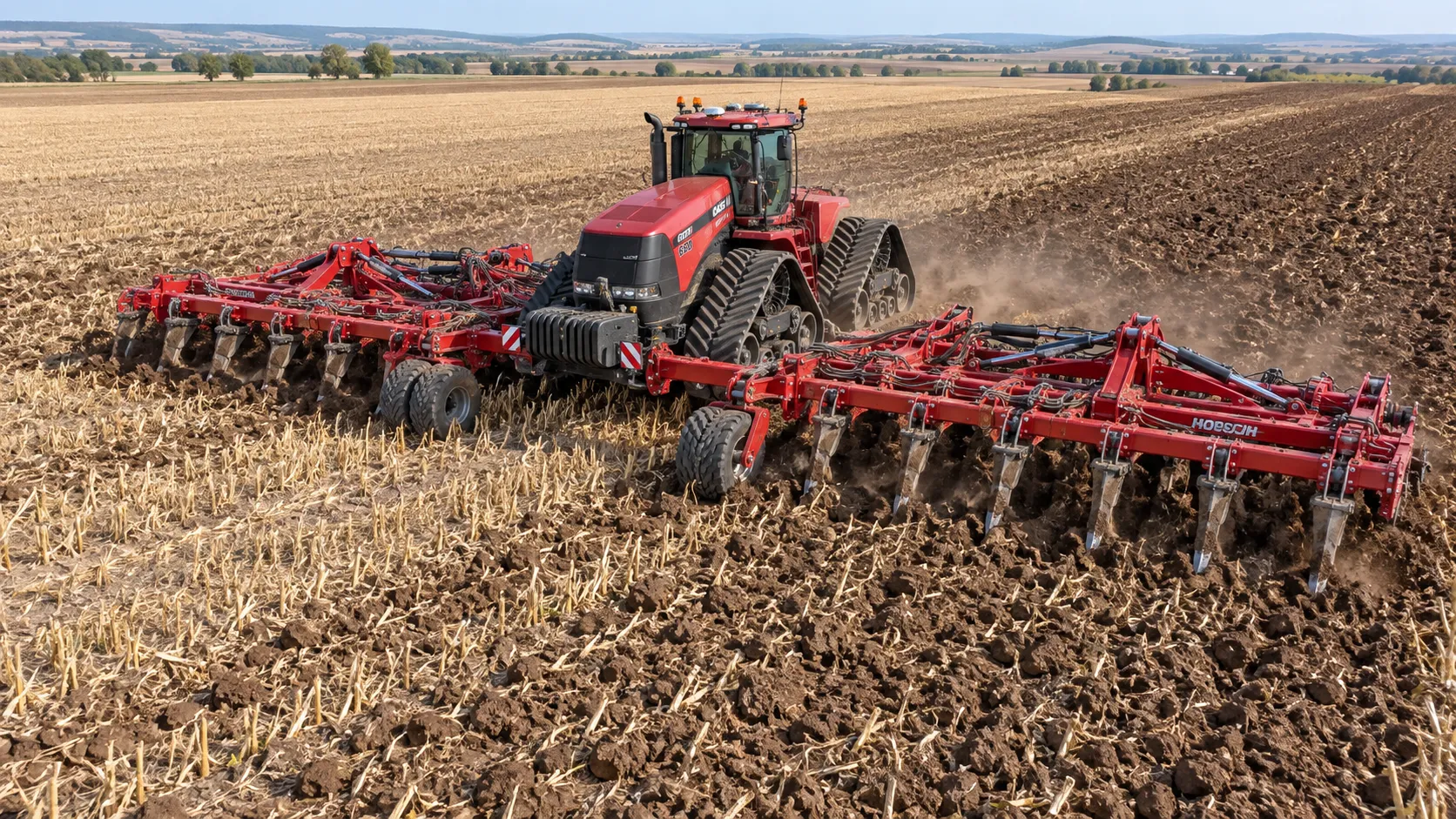
How to Select Heavy-Duty Farm Implements for High-Acreage, High-Horsepower Operations
Heavy duty farm implements: learn how to match draft, hydraulics, hitch capacity, frame strength, and field conditions for reliable high-acreage performance.
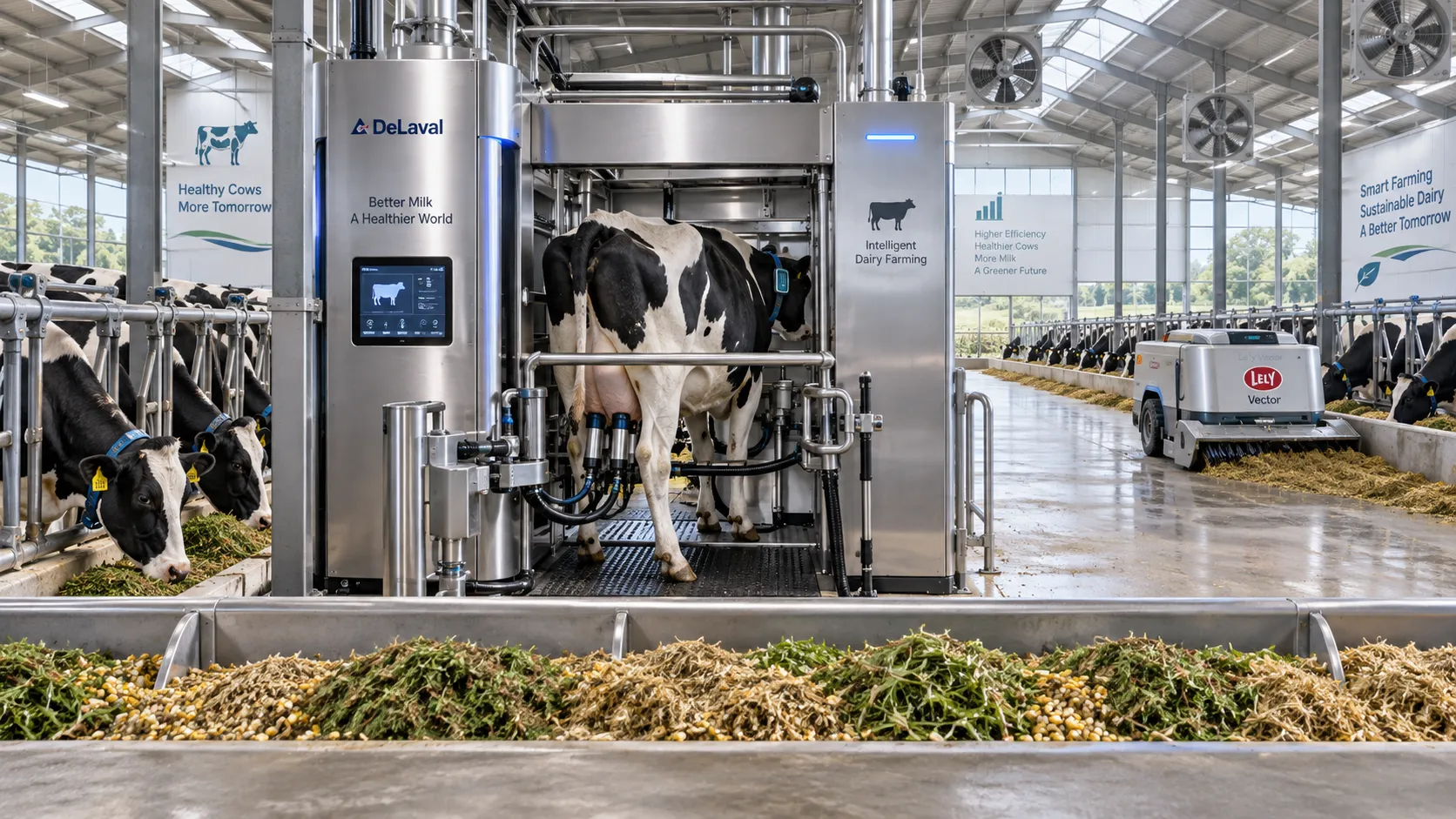
Smart Farming Technology for Dairy Farms: Where Automation Delivers Measurable ROI
Smart farming technology for dairy farms delivers measurable ROI through automation, precision feeding, health monitoring, and data-driven cost control.
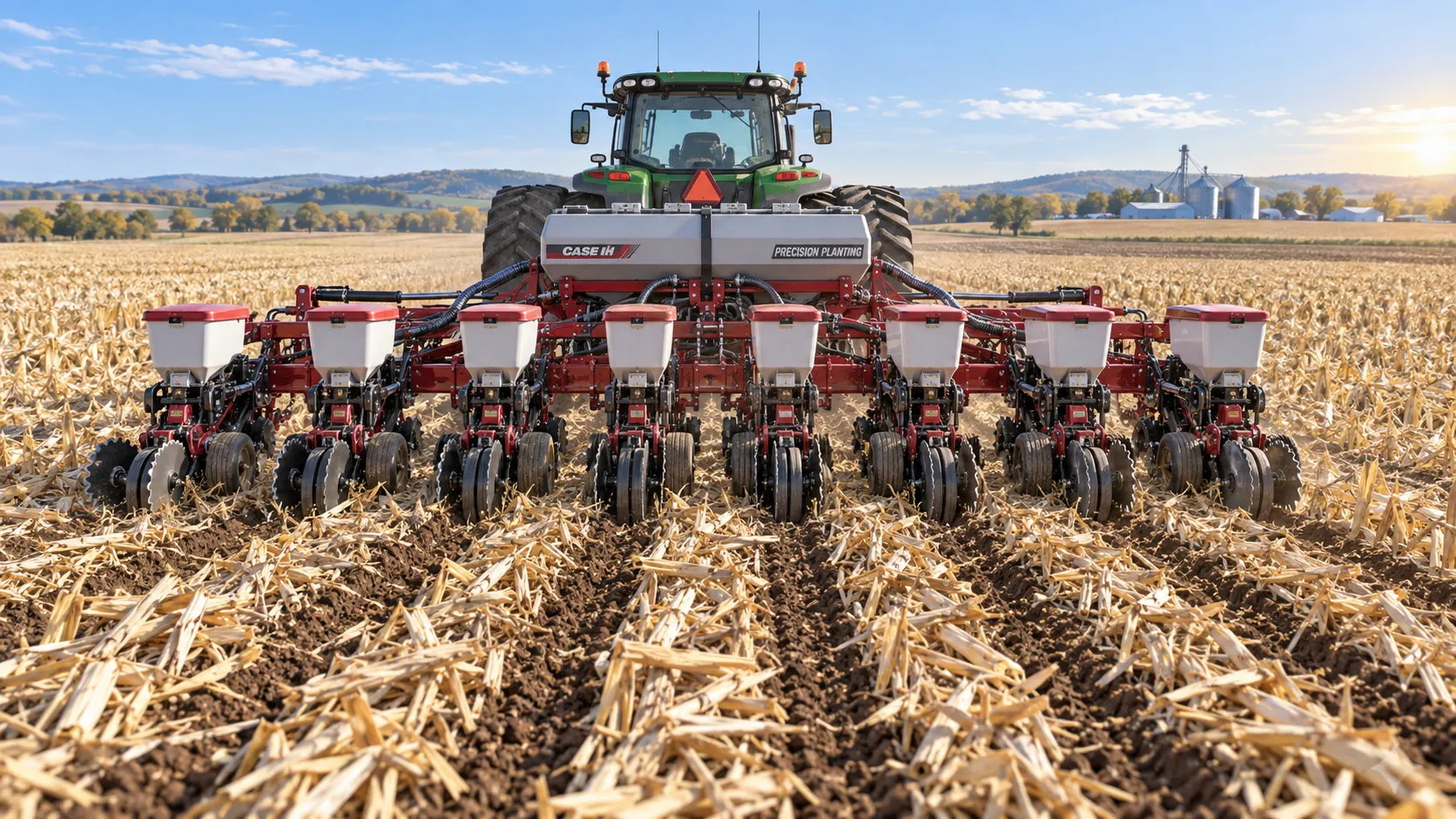
How to Select a Heavy-Duty Seeder for Large Acreage and High-Residue Fields
Heavy duty seeders for large acreage: compare residue handling, depth control, downforce, metering accuracy, and precision features to select the right model.
Related News
- 00
0000-00
ISOBUS for Smart Agriculture: How It Connects Tractors, Implements, and Farm Data - 00
0000-00
How North American Farms Can Select Crop Monitoring Systems by Acreage and Connectivity - 00
0000-00
How Tractor Intelligence Systems Improve Field Efficiency and Input Accuracy - 00
0000-00
Which equipment for larger fields maintains accuracy at higher speeds? - 00
0000-00
What should a digital ag platform integrate before a farm-wide rollout?
Popular Tags
Tractor Power Architect
Weekly Insights
Stay ahead with our curated technology reports delivered every Monday.