
Vietnam Mandates Local EMC & Climate Testing for Smart Irrigation Controllers from July 2026
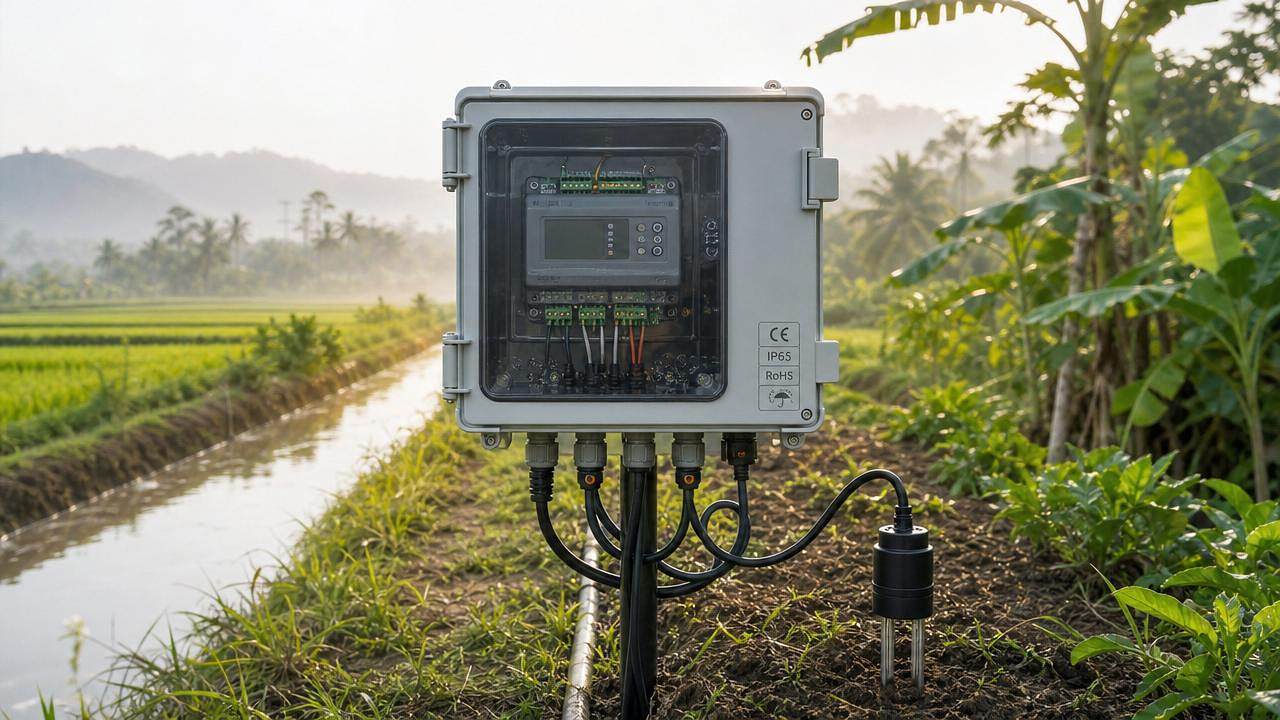




Vietnam’s Ministry of Science and Technology has introduced a new regulatory requirement affecting imports of smart agricultural controllers — specifically GPS guidance systems and variable rate technology (VRT) controllers. Effective 1 July 2026, all such devices entering Vietnam must pass two locally conducted conformity tests: electromagnetic compatibility (EMC) immunity testing per IEC 61000-4-3 in Hanoi, and high-temperature/high-humidity aging testing per TCVN 8222:2026 in Ho Chi Minh City. The rule was formalized on 5 May 2026 via Circular 22/2026/TT-BKHCN issued by the General Department of Standards, Metrology and Quality (STAMEQ). Exporters and suppliers serving Vietnam’s precision agriculture equipment market — particularly manufacturers and distributors of smart irrigation and VRT controllers — should treat this as a material compliance shift with direct implications for market access.
Event Overview
On 5 May 2026, STAMEQ published Circular 22/2026/TT-BKHCN, mandating that imported smart controllers used in GPS guidance systems and variable rate technology must undergo two specific conformity assessments prior to customs clearance: (1) EMC immunity testing (IEC 61000-4-3) at an authorized laboratory in Hanoi; and (2) climate adaptation testing (high-temperature/high-humidity aging per TCVN 8222:2026) at an authorized laboratory in Ho Chi Minh City. The requirement takes effect on 1 July 2026. As of publication, only three Chinese testing institutions have been granted mutual recognition by Vietnamese authorities for these assessments.
Which Subsectors Are Affected
Direct Importers and Exporters
Companies exporting smart irrigation or VRT controllers into Vietnam will face mandatory pre-clearance certification. Non-compliant units will be denied entry — meaning shipment delays, rework costs, or outright rejection at port. This affects not only OEMs but also branded resellers who import finished devices without local assembly or testing infrastructure.
Manufacturers of Precision Agriculture Controllers
Original equipment manufacturers (OEMs) supplying GPS-guided or VRT-enabled irrigation hardware must now integrate dual-test readiness into product development and validation cycles. Design changes may be needed to ensure robustness under tropical climatic stress and resilience against electromagnetic interference common in field-deployed farm electronics.
Supply Chain and Logistics Service Providers
Third-party logistics (3PL) firms, customs brokers, and freight forwarders handling agricultural electronics shipments to Vietnam must verify test documentation before dispatch. Absence of valid reports from either Hanoi or Ho Chi Minh City labs may trigger customs holds — increasing dwell time and administrative overhead.
Testing and Certification Support Providers
Domestic and international certification bodies, laboratories, and technical consultancies supporting exporters must confirm whether their Vietnamese accreditation covers both test scopes — and whether their recognized status applies to both locations. Only three Chinese labs currently hold mutual recognition, limiting options for exporters relying on mainland China-based testing capacity.
What Relevant Companies or Practitioners Should Focus On Now
Monitor official implementation guidance from STAMEQ
Circular 22/2026/TT-BKHCN is effective 1 July 2026, but practical enforcement protocols — including accepted report formats, validity periods, sample submission rules, and appeal procedures — remain pending. Stakeholders should track updates from STAMEQ’s official portal and Vietnam’s National Agency for Technical Regulation.
Verify lab authorization status for both test types and locations
Compliance requires passing tests at designated labs in two cities — not just any accredited facility. Companies must confirm that their chosen lab is explicitly authorized for *both* IEC 61000-4-3 (Hanoi) *and* TCVN 8222:2026 (Ho Chi Minh City), and that the authorization remains active beyond the circular’s issuance date.
Distinguish between policy signal and operational readiness
The regulation signals Vietnam’s intent to strengthen technical sovereignty in agricultural tech import control. However, actual enforcement capacity — including lab throughput, turnaround times, and inspector training — remains unconfirmed. Analysis shows early adopters may encounter procedural inconsistencies during the first six months post-implementation.
Prepare documentation and logistics workflows ahead of 1 July 2026
Exporters should initiate test planning no later than Q3 2025, given potential lead times for lab booking, sample shipping, and report issuance. Internal teams should align procurement, QA, and customs documentation workflows to include dual-test verification checkpoints — especially for SKUs newly introduced to the Vietnam market after May 2026.
Editorial Perspective / Industry Observation
Observably, this regulation reflects Vietnam’s broader trend toward localized conformity assessment for critical agri-tech inputs — moving beyond basic safety or labeling requirements to functional reliability under domestic environmental conditions. From an industry perspective, it is less a sudden disruption and more a calibrated escalation of existing technical barriers to trade. Analysis suggests the dual-location testing mandate is intended to address both electromagnetic interference risks (common near farm machinery and power infrastructure) and long-term durability concerns in Vietnam’s tropical climate — issues previously managed through voluntary standards or post-market surveillance. Current evidence indicates this is a binding regulatory outcome, not merely a consultation draft; however, its real-world impact will depend significantly on consistency of enforcement and availability of certified testing capacity.
This requirement marks a structural shift in Vietnam’s import governance for precision agriculture hardware — one that prioritizes on-site, context-specific validation over foreign test reports or self-declaration. It does not replace existing safety or radio-frequency approvals but adds a distinct layer focused on electromagnetic resilience and climate adaptability. For global suppliers, it underscores the growing importance of regionalized compliance planning — where ‘certified’ no longer means globally harmonized, but locally anchored.
Information Source: Circular 22/2026/TT-BKHCN, issued 5 May 2026 by the General Department of Standards, Metrology and Quality (STAMEQ), Ministry of Science and Technology, Socialist Republic of Vietnam. Ongoing observation is recommended regarding STAMEQ’s published list of authorized laboratories and any supplementary guidance on sampling, report validity, or transitional arrangements.
Related News
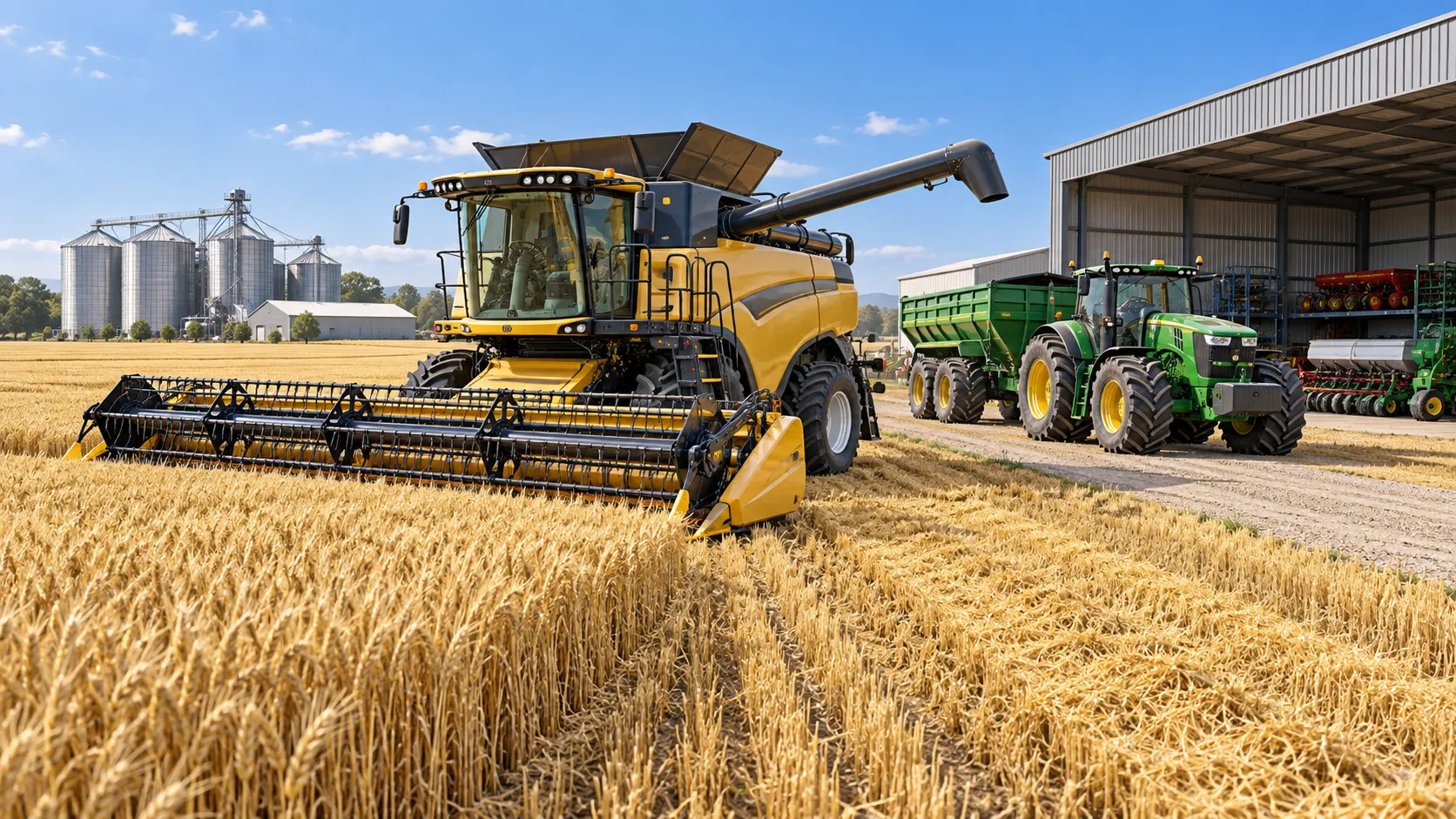
When Does Agricultural Machinery Leasing Cost Less Than Owning Equipment?
Agricultural machinery leasing can lower farm costs when use is seasonal or uncertain. Compare utilization, maintenance, cash flow, and risk to make a smarter equipment decision.
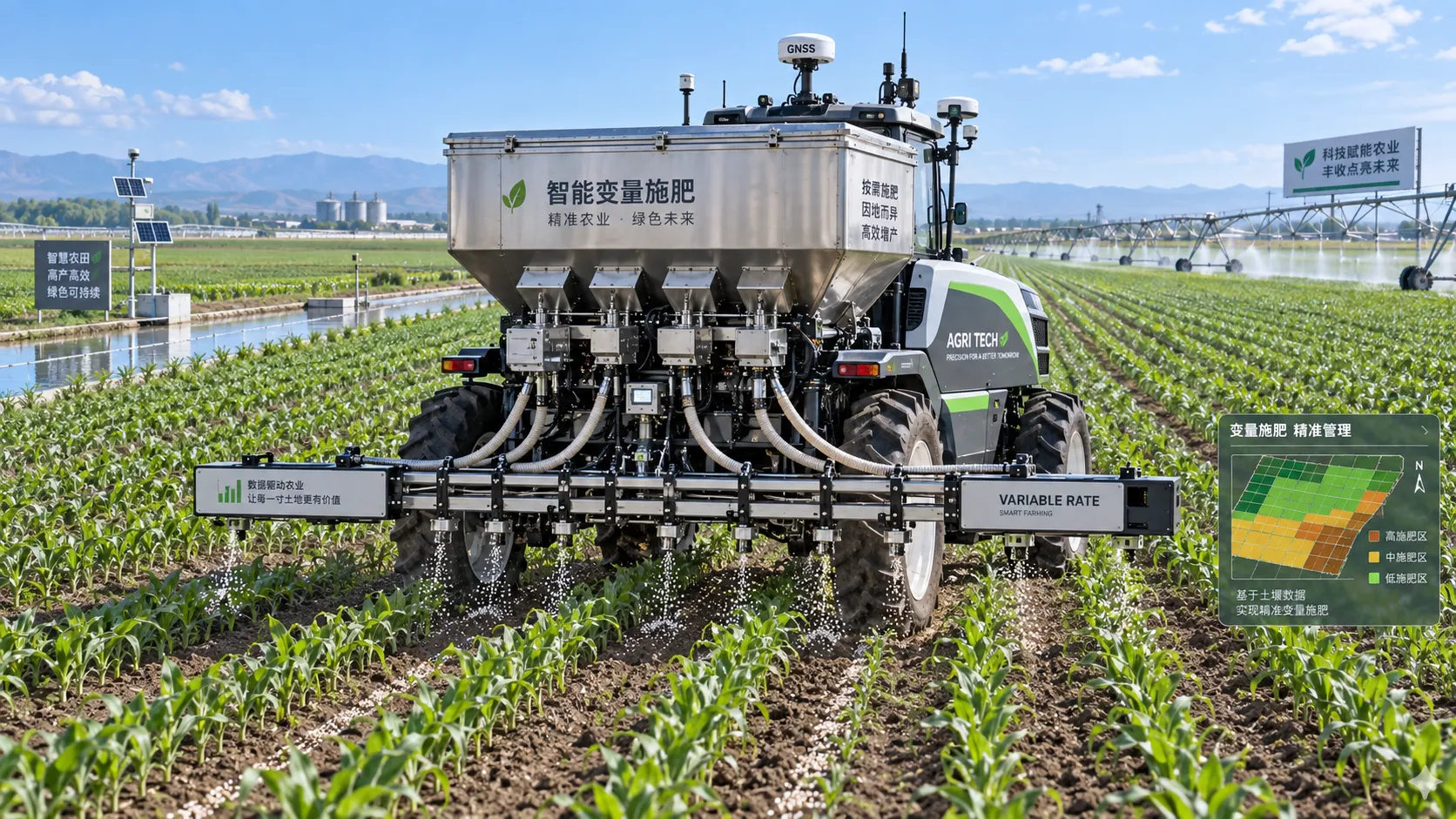
How to Evaluate Precision Fertilization System Suppliers for Farm-Scale Deployment
Precision fertilization systems suppliers: learn how to compare accuracy, integration, uptime, service, and total cost for confident farm-scale deployment.
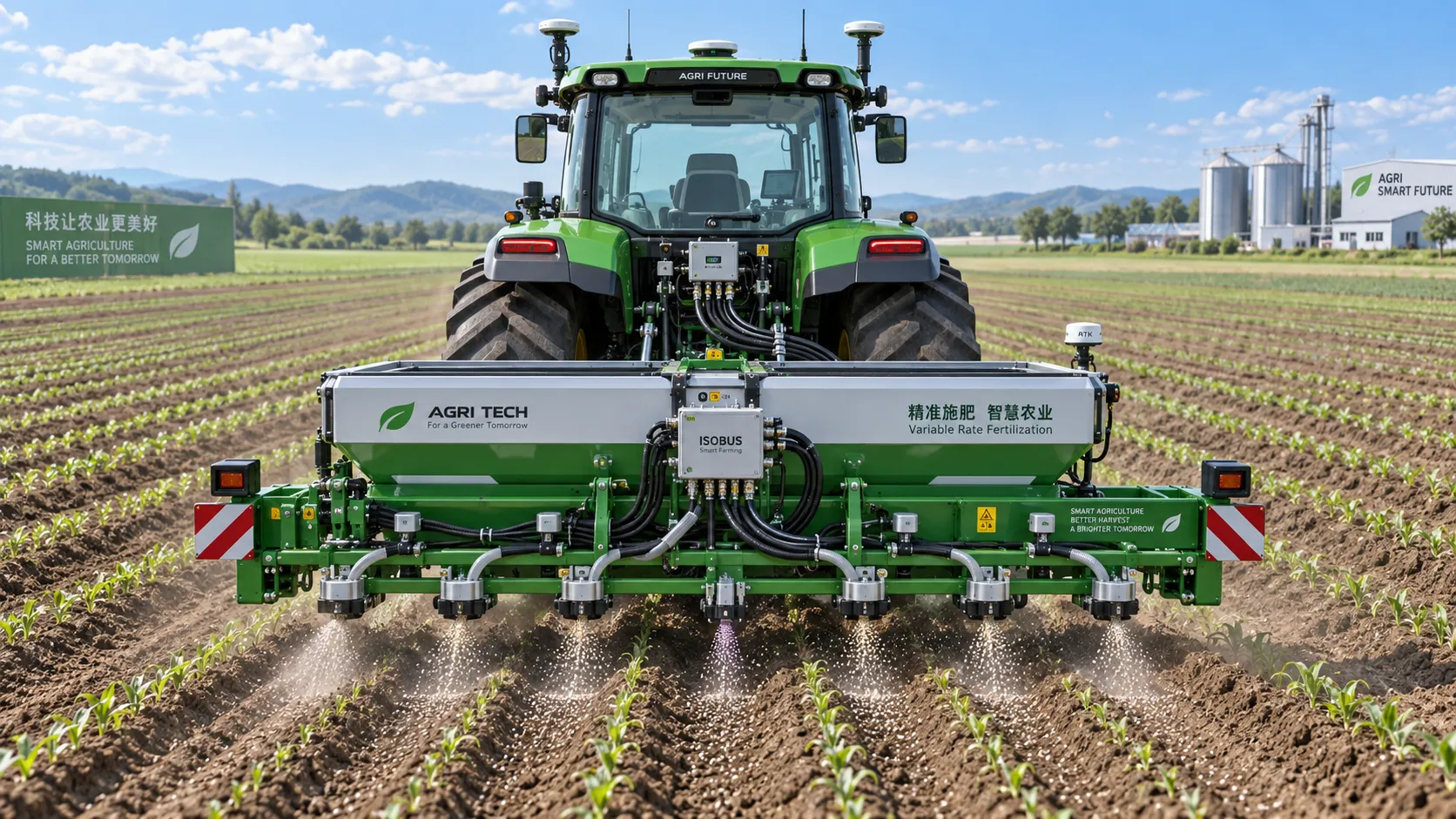
ISOBUS for Smart Agriculture: How It Connects Tractors, Implements, and Farm Data
ISOBUS for smart agriculture connects tractors, implements, terminals, and farm data—helping growers improve precision, documentation, and smarter field decisions.
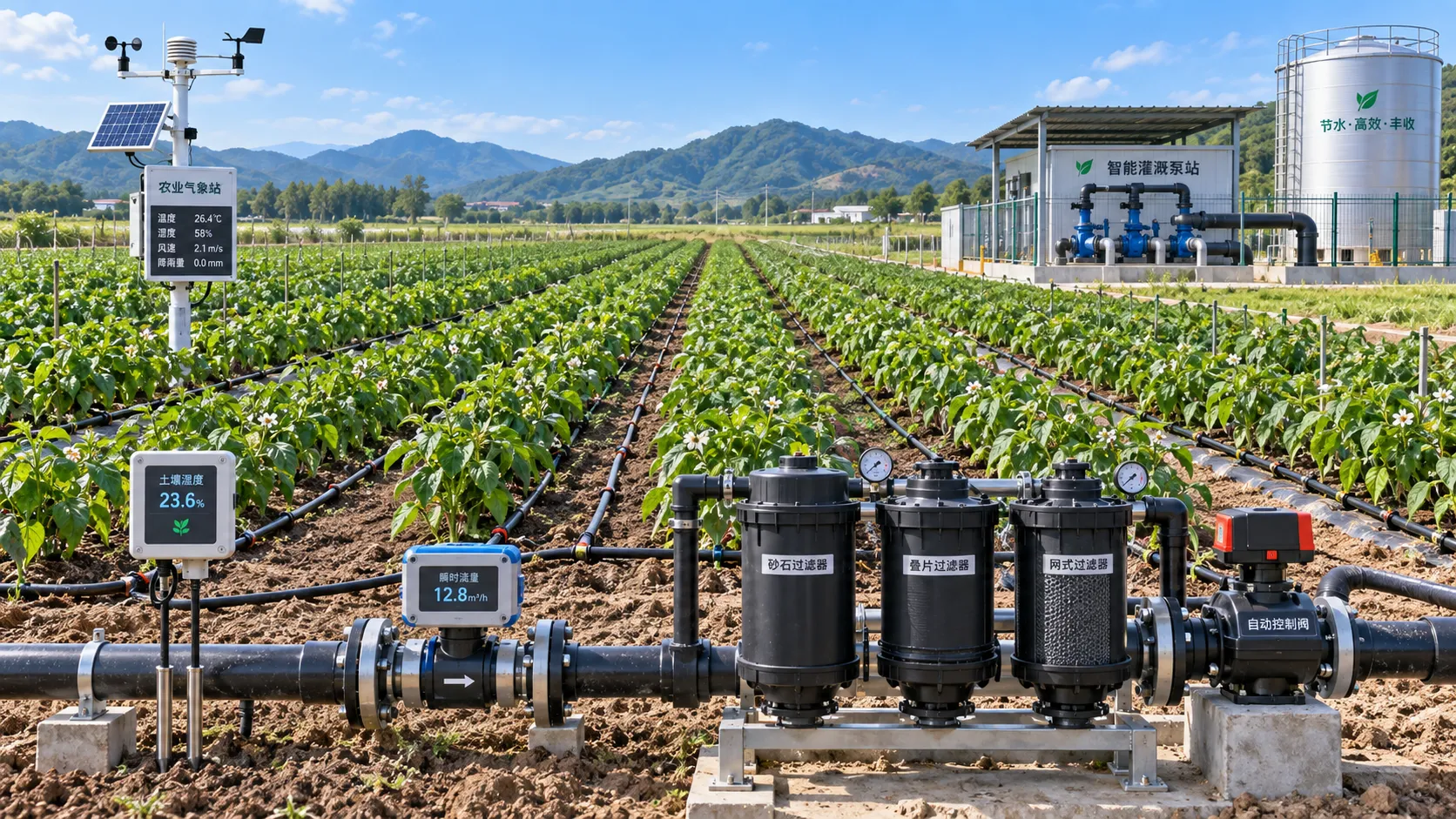
Automated Water-Saving Irrigation: How to Cut Water Use Without Reducing Crop Yields
Automated water-saving irrigation helps farms cut water use, protect crop yields, improve scheduling, and gain reliable control with sensors, flow monitoring, and smart zones.
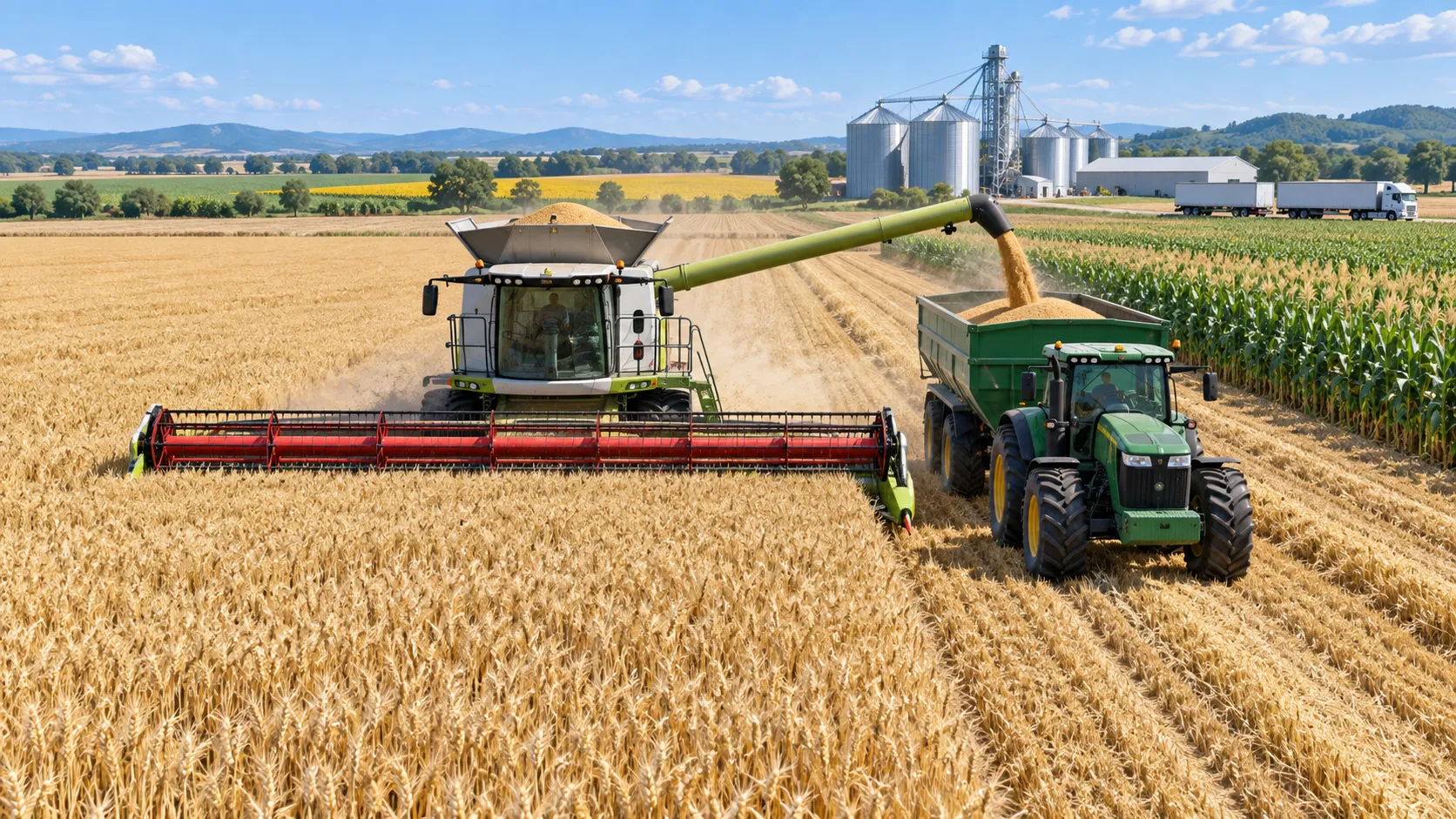
Selecting Grain Farm Equipment by Acreage, Crop Mix, and Harvest Window
Agricultural equipment selection for grain farming: match machinery to acreage, crop mix, and harvest windows to improve uptime, efficiency, and returns.
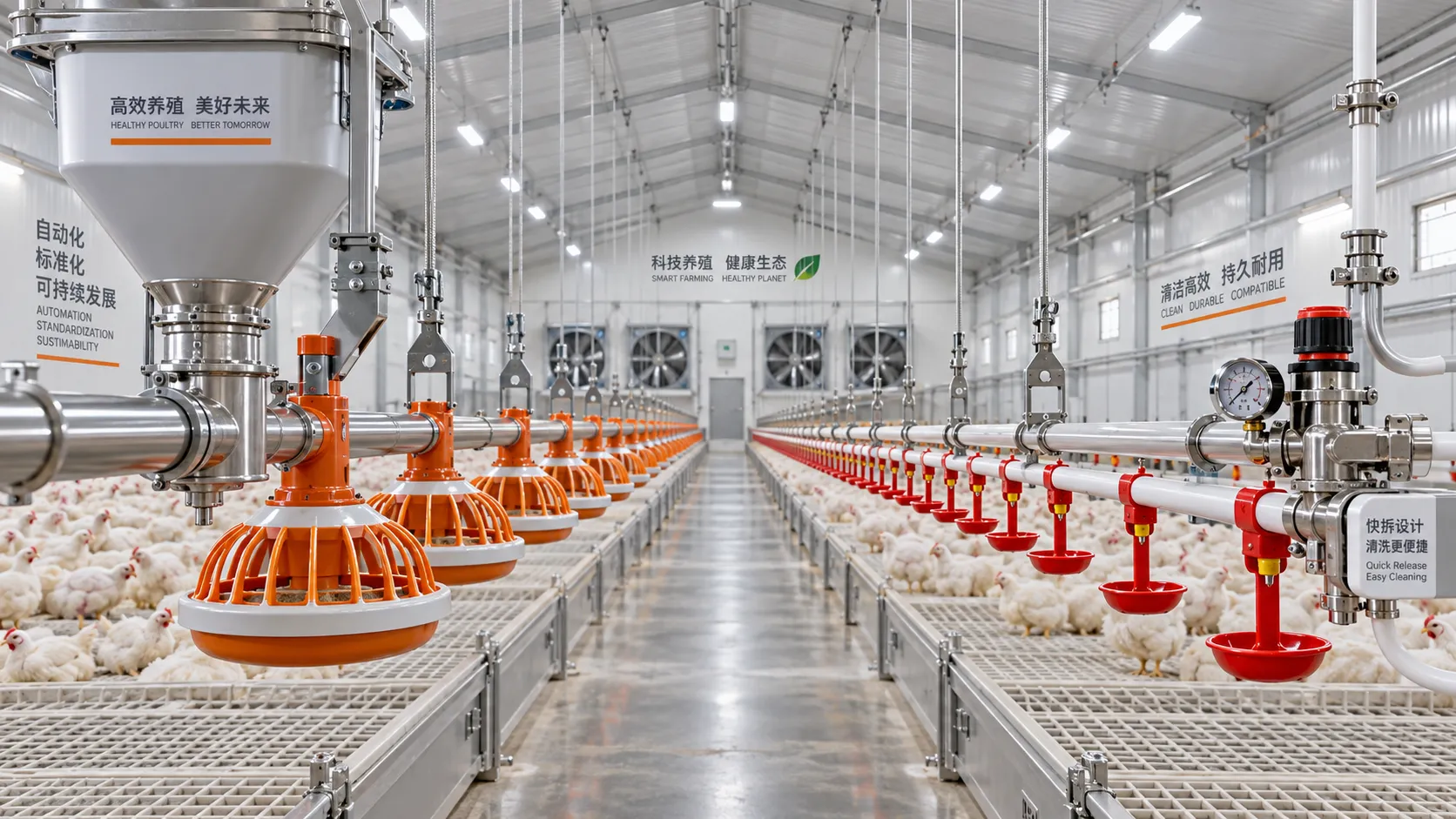
Poultry Equipment Selection: Evaluating Durability, Cleaning, and Compatibility
Poultry equipments selection guide: evaluate durability, cleaning access, and system compatibility to improve hygiene, reduce downtime, and support efficient flock management.
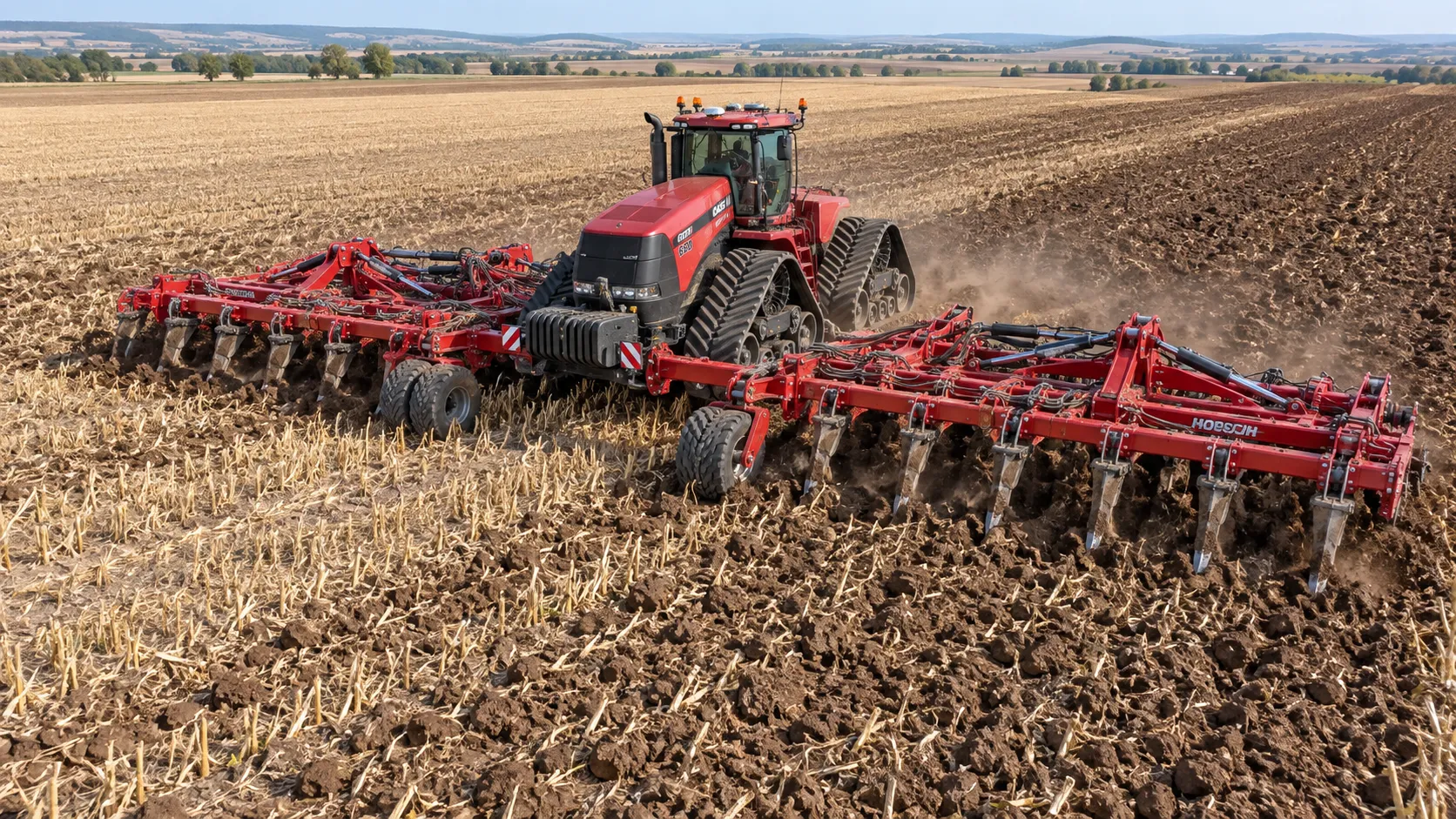
How to Select Heavy-Duty Farm Implements for High-Acreage, High-Horsepower Operations
Heavy duty farm implements: learn how to match draft, hydraulics, hitch capacity, frame strength, and field conditions for reliable high-acreage performance.
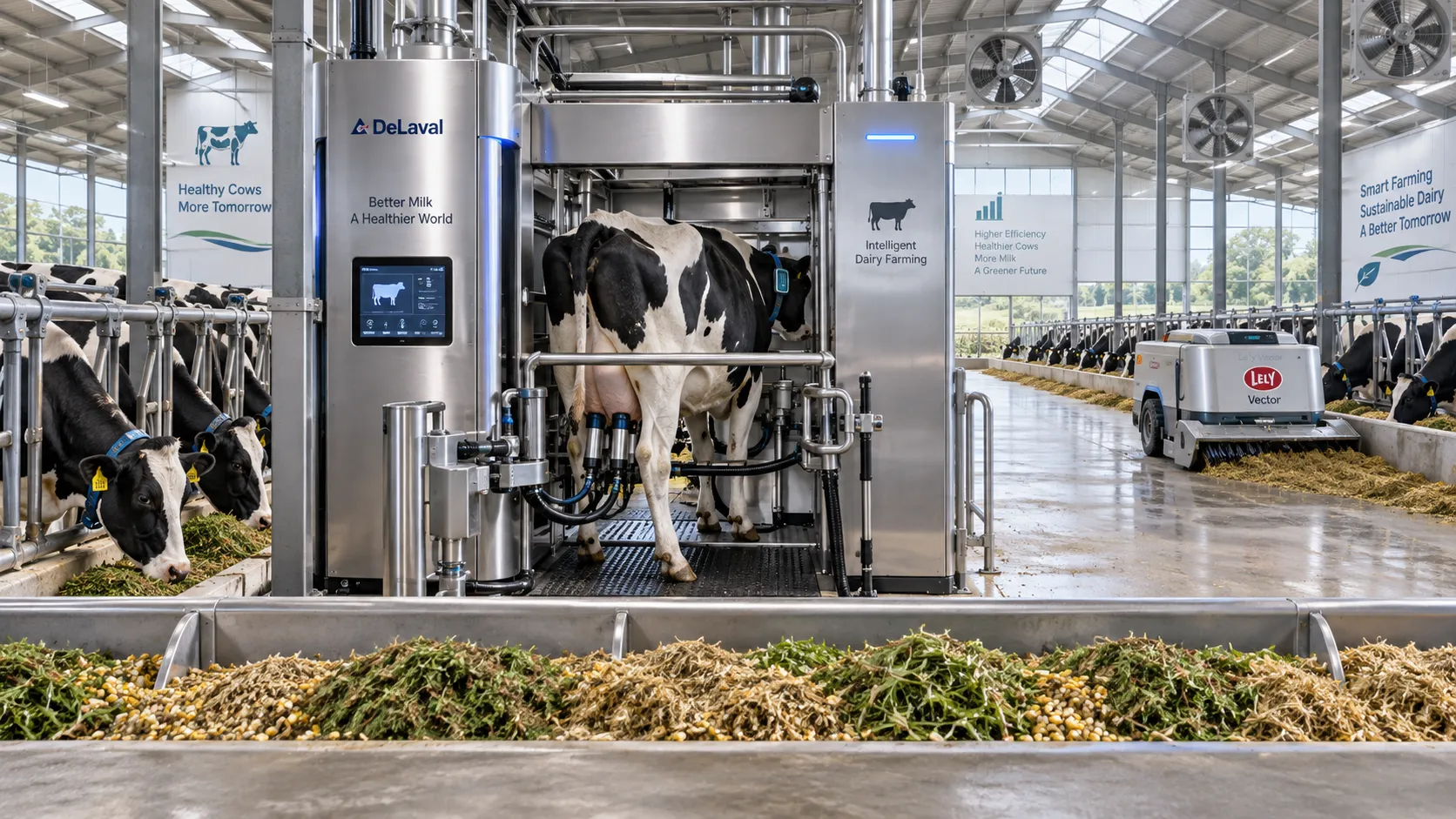
Smart Farming Technology for Dairy Farms: Where Automation Delivers Measurable ROI
Smart farming technology for dairy farms delivers measurable ROI through automation, precision feeding, health monitoring, and data-driven cost control.
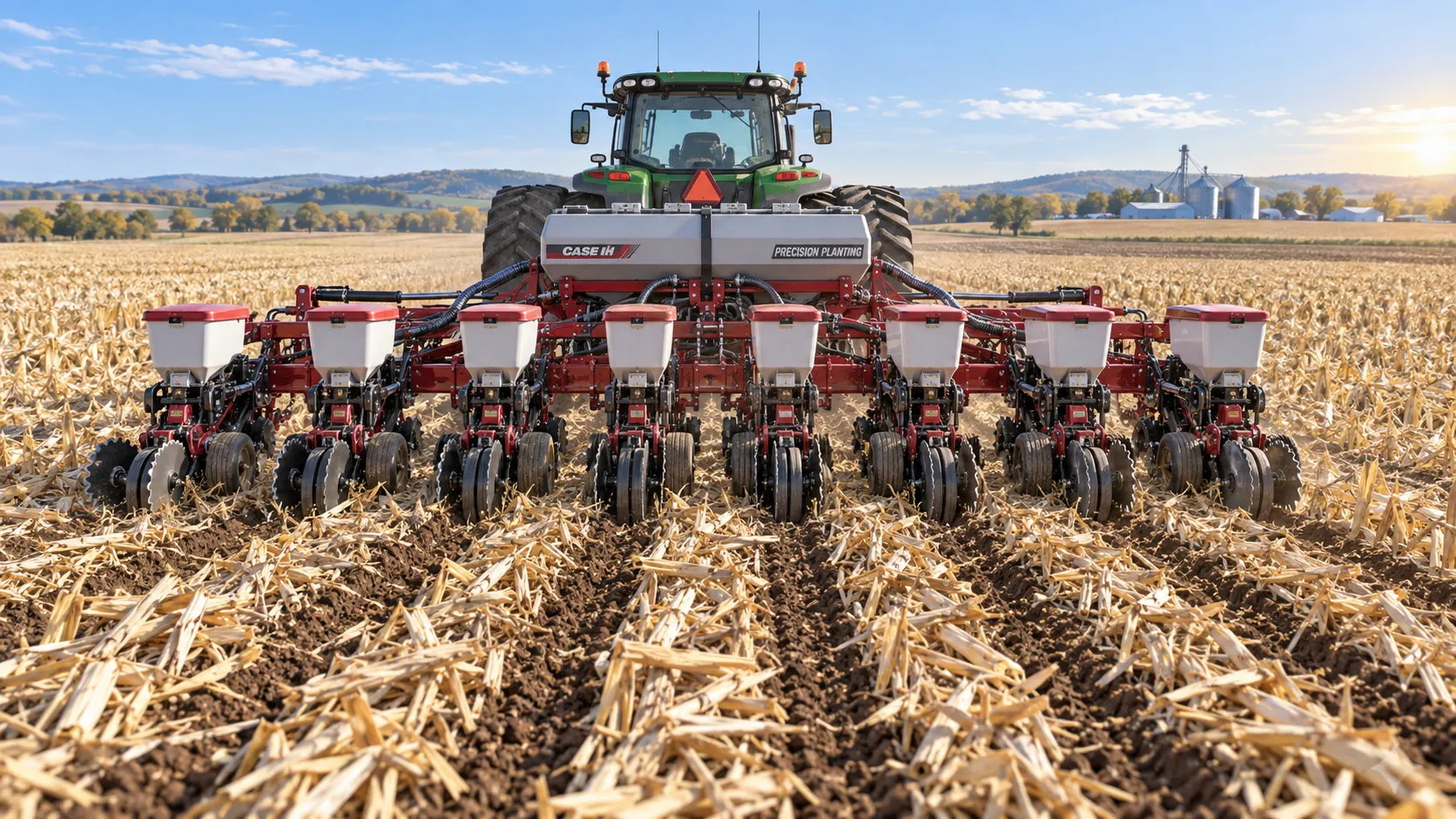
How to Select a Heavy-Duty Seeder for Large Acreage and High-Residue Fields
Heavy duty seeders for large acreage: compare residue handling, depth control, downforce, metering accuracy, and precision features to select the right model.
Related News
- 00
0000-00
ISOBUS for Smart Agriculture: How It Connects Tractors, Implements, and Farm Data - 00
0000-00
How North American Farms Can Select Crop Monitoring Systems by Acreage and Connectivity - 00
0000-00
How Tractor Intelligence Systems Improve Field Efficiency and Input Accuracy - 00
0000-00
Which equipment for larger fields maintains accuracy at higher speeds? - 00
0000-00
What should a digital ag platform integrate before a farm-wide rollout?
Popular Tags
Tractor Power Architect
Weekly Insights
Stay ahead with our curated technology reports delivered every Monday.