
EU Urges US to Restore 2025 Tariff Exemptions for Agri-Controller Exports
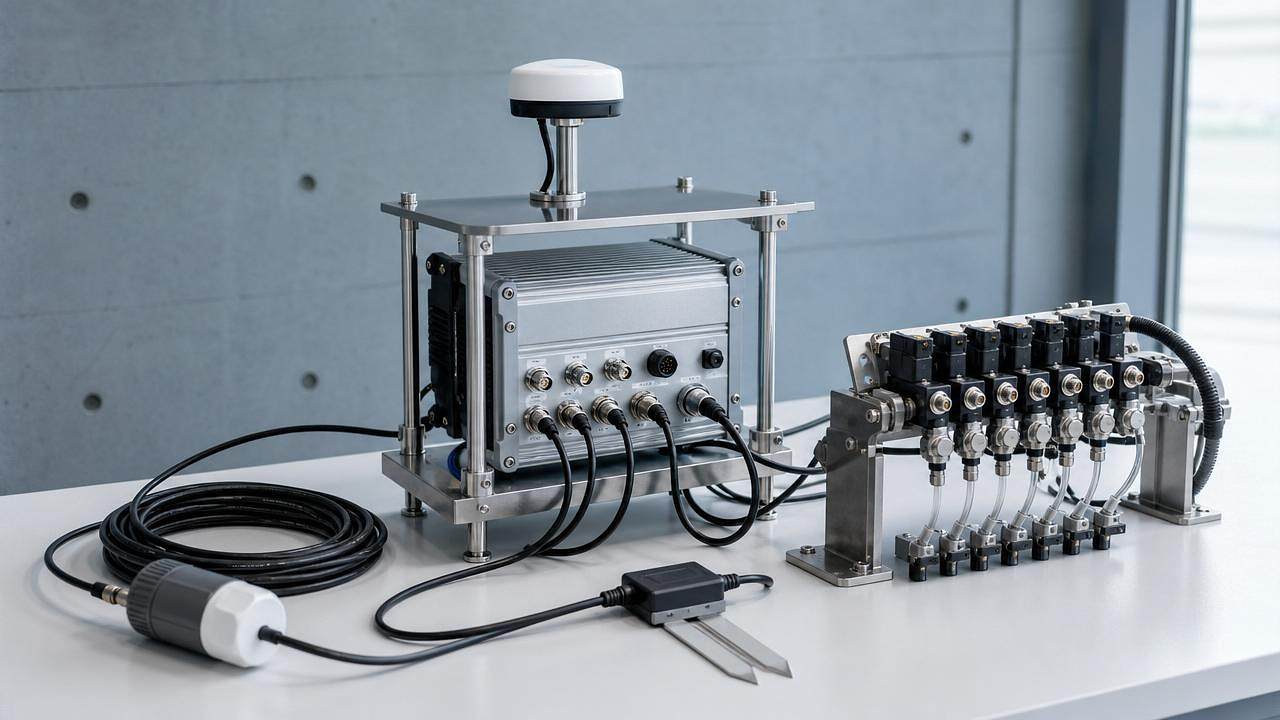




The European Commission publicly urged the United States on May 5 to reinstate tariff exemptions for industrial automation control modules—specifically those used in GPS guidance systems, soil moisture sensors, and variable rate technology—as stipulated under the 2025 EU-US Trade Agreement. This development directly affects manufacturers and exporters of embedded controllers from China supplying the EU market, temporarily deferring potential 9.8% ad valorem duties. Agricultural technology providers, precision farming equipment integrators, and electronics export compliance teams should monitor this closely: the outcome impacts cost structures, certification timelines, and supply chain continuity.
Event Overview
On May 5, the European Commission issued a public statement calling on the U.S. to immediately restore the tariff exemption clause for ‘industrial automation control modules’ included in the 2025 EU-US Trade Agreement. The clause covers embedded controllers essential to GPS guidance systems, soil moisture sensors, and variable rate technology (VRT). Absent reinstatement, Chinese-origin modules exported to the EU would face an additional 9.8% ad valorem duty. As of publication, the measure remains in a suspended state, granting exporters a minimum six-week buffer period to implement bill-of-materials (BOM) substitutions or complete necessary certification upgrades.
Industries Affected by Segment
Direct Exporters of Embedded Controllers
These firms—primarily Chinese manufacturers exporting GPS-guidance-adjacent controllers to EU-based OEMs or distributors—face direct exposure to the 9.8% duty if the exemption is not restored. Impact manifests as reduced landed price competitiveness, margin compression on existing contracts, and potential renegotiation pressure from EU buyers.
Precision Farming Equipment Integrators (EU-based)
Companies assembling or branding tractors, sprayers, or seeders with integrated guidance or VRT functions rely on imported controllers. A reinstated duty would increase component costs, delay product launches tied to upcoming planting seasons, and complicate CE marking alignment where controller firmware or hardware revisions are required for compliance.
Electronics Supply Chain & Certification Service Providers
Firms offering regulatory testing (e.g., EMC, radio spectrum), safety certification (EN IEC 62368-1), or BOM migration support may see increased demand for rapid requalification services—but only if clients act within the six-week window. Delays beyond that timeframe risk cascading delays across multiple EU Type Approval submissions.
What Relevant Enterprises or Practitioners Should Monitor and Do Now
Track official updates from both the European Commission and USTR
The May 5 statement is a formal diplomatic request—not a binding decision. Exporters must monitor whether the U.S. Trade Representative (USTR) issues a notice of reinstatement, or whether the EU publishes contingency guidance (e.g., transitional customs procedures). No unilateral EU action has been announced.
Verify eligibility and scope of the exemption clause
The exemption applies specifically to ‘industrial automation control modules’ as defined in Annex X of the 2025 agreement—and explicitly references GPS guidance, soil moisture sensing, and VRT applications. Firms should cross-check HS codes (e.g., 8537.10, 8543.70) and technical specifications against that definition before assuming coverage.
Distinguish between policy signal and operational impact
The six-week buffer is procedural—not legal. It reflects current customs practice pending resolution, not a statutory grace period. Duty liability remains retroactive if the exemption is formally withdrawn without replacement. Companies should avoid treating the pause as de facto relief.
Initiate BOM review and pre-certification coordination now
Given the tight timeline, exporters and integrators should prioritize controllers with dual-sourcing options or EU-recognized conformity assessment pathways (e.g., notified body involvement). Concurrently, engage certification partners to assess whether firmware updates, labeling changes, or updated test reports are needed to meet EN standards under revised import conditions.
Editorial Perspective / Industry Observation
Observably, this is a diplomatic signal—not an implemented trade measure. The EU’s public urging reflects growing concern over supply chain fragmentation in agri-tech hardware, particularly where U.S.-origin software stacks or data protocols intersect with non-U.S. hardware. Analysis shows the six-week window is likely calibrated to align with Q2 procurement cycles for EU spring planting equipment; its expiry may coincide with intensified customs scrutiny. From an industry perspective, this episode highlights how bilateral tariff arrangements increasingly function as de facto technical regulation gateways—where tariff treatment now implicitly validates design compliance, not just origin. Continued attention is warranted because the outcome may set precedent for how ‘smart agriculture components’ are classified across other trade corridors.
This incident underscores that tariff classifications for embedded agri-tech controllers are no longer purely fiscal instruments—they serve as synchronization points between trade policy, regulatory compliance, and hardware interoperability. For now, the situation remains fluid and contingent on transatlantic coordination; it is more accurately understood as a procedural pause than a resolved risk.
Information Source: European Commission official statement, May 5 (publicly released); referenced provisions of the 2025 EU-US Trade Agreement (Annex X, Section 4.2); Harmonized System classification guidance for industrial automation modules (WCO HS 2022, Chapter 85). Note: The status of U.S. response and final implementation timing remains unconfirmed and subject to ongoing observation.
Related News
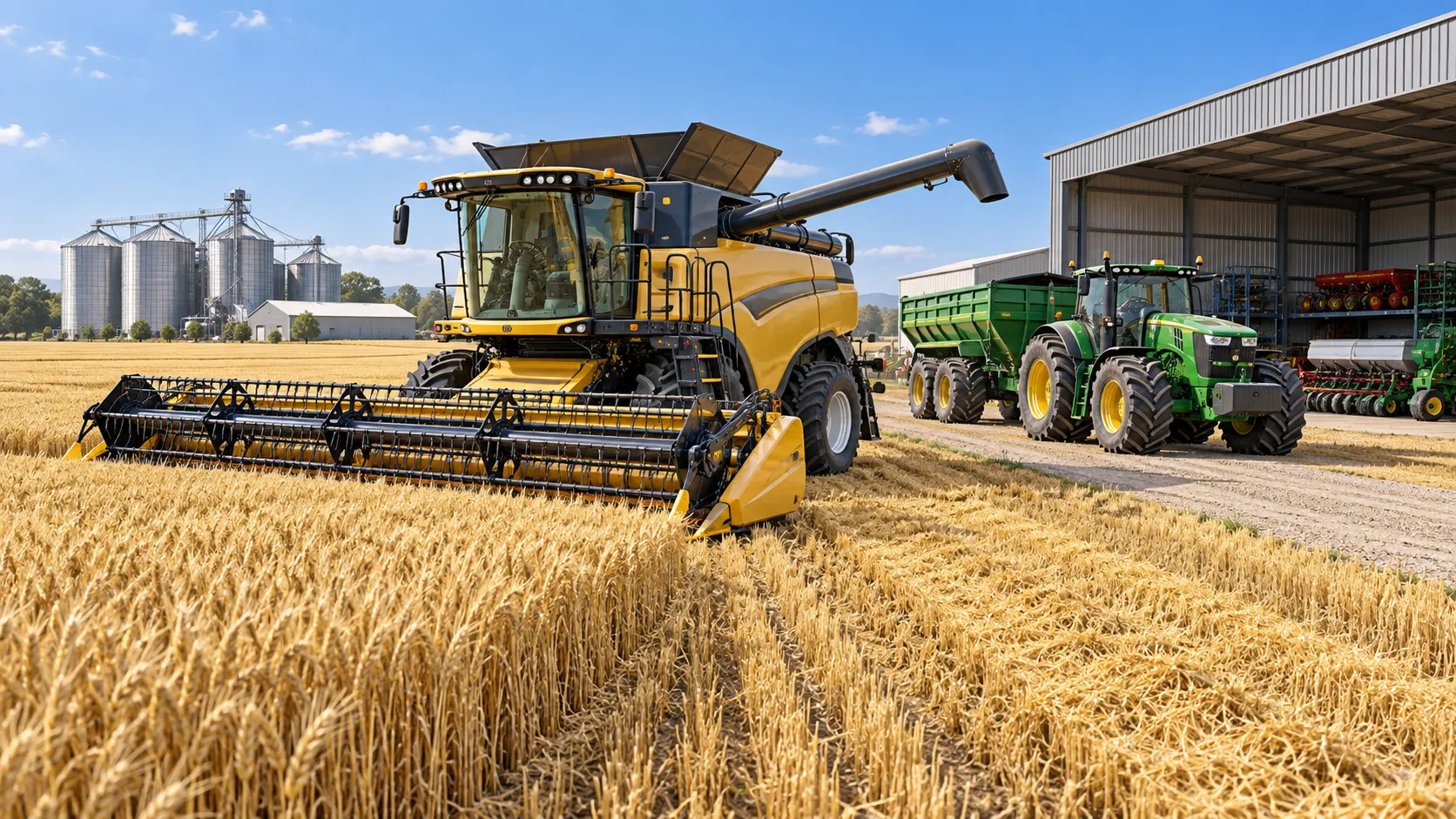
When Does Agricultural Machinery Leasing Cost Less Than Owning Equipment?
Agricultural machinery leasing can lower farm costs when use is seasonal or uncertain. Compare utilization, maintenance, cash flow, and risk to make a smarter equipment decision.
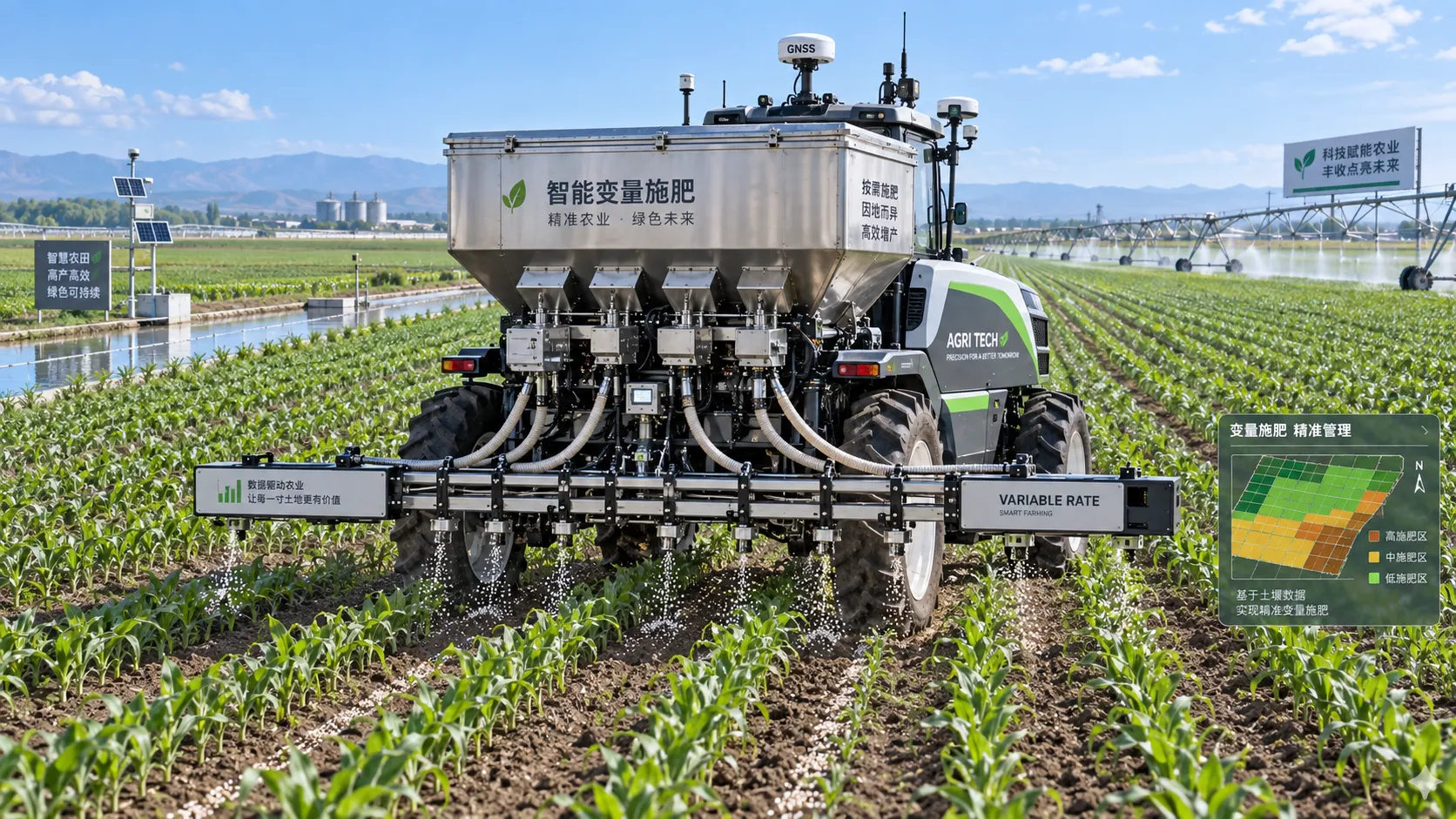
How to Evaluate Precision Fertilization System Suppliers for Farm-Scale Deployment
Precision fertilization systems suppliers: learn how to compare accuracy, integration, uptime, service, and total cost for confident farm-scale deployment.
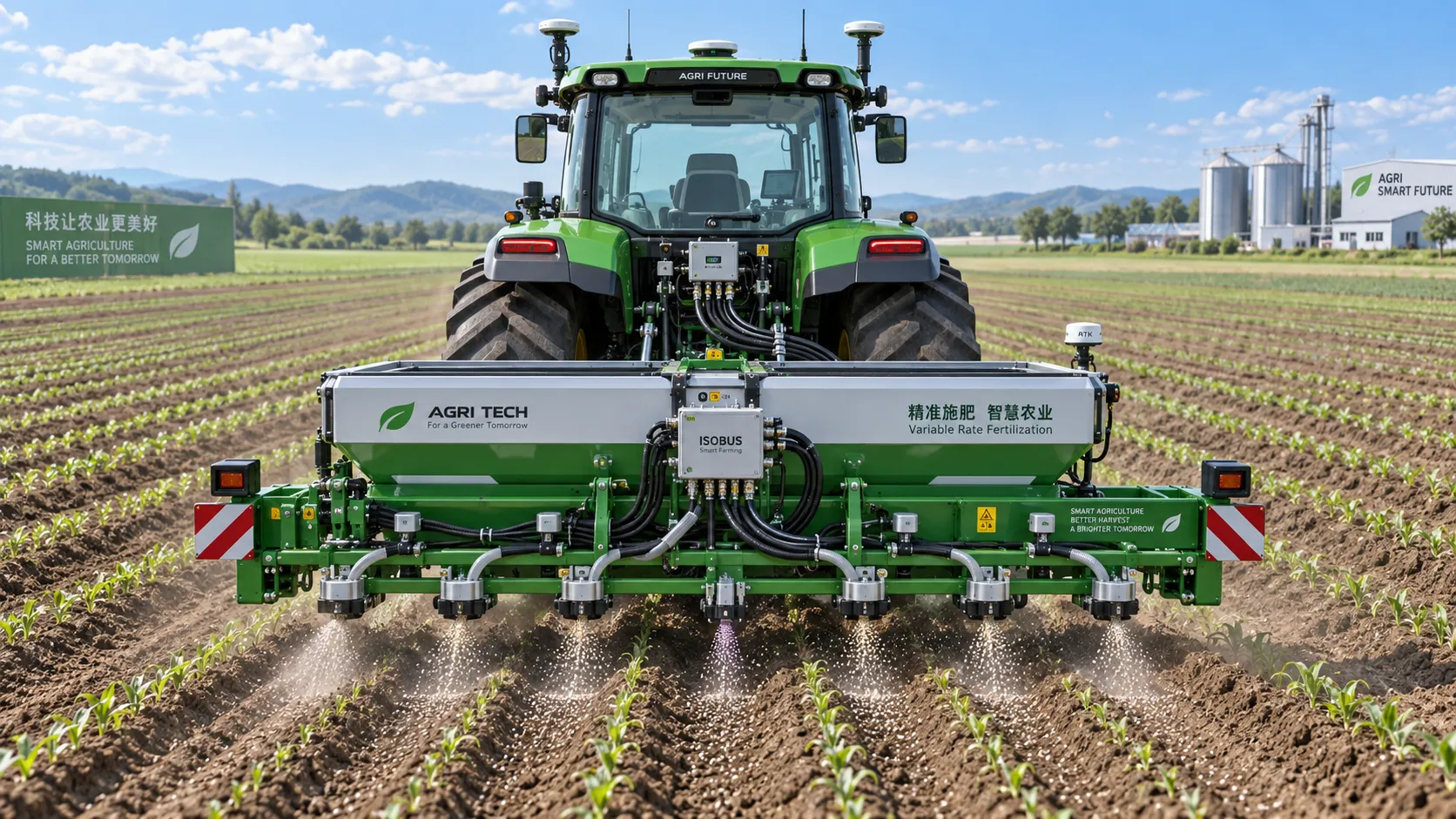
ISOBUS for Smart Agriculture: How It Connects Tractors, Implements, and Farm Data
ISOBUS for smart agriculture connects tractors, implements, terminals, and farm data—helping growers improve precision, documentation, and smarter field decisions.
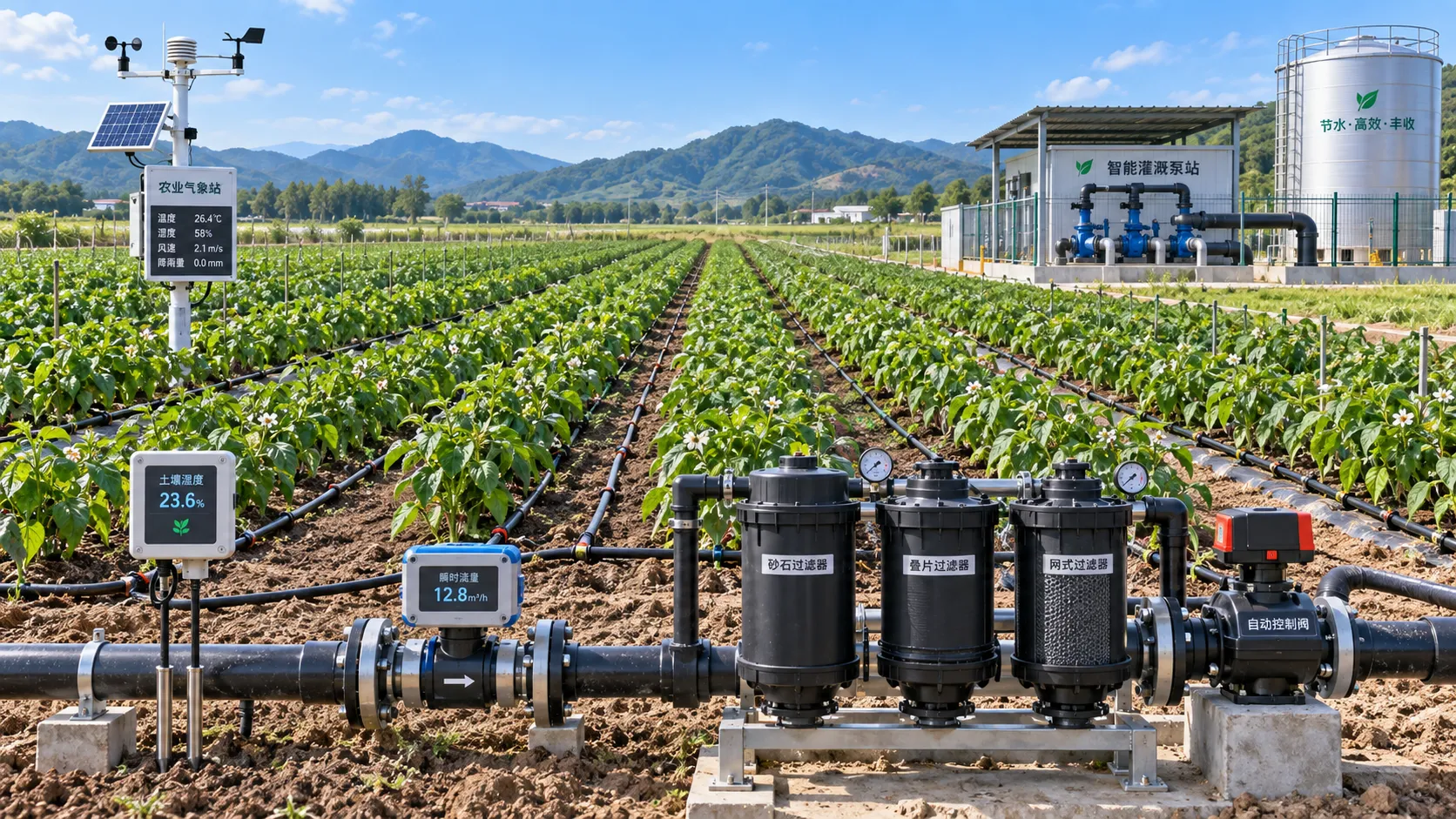
Automated Water-Saving Irrigation: How to Cut Water Use Without Reducing Crop Yields
Automated water-saving irrigation helps farms cut water use, protect crop yields, improve scheduling, and gain reliable control with sensors, flow monitoring, and smart zones.
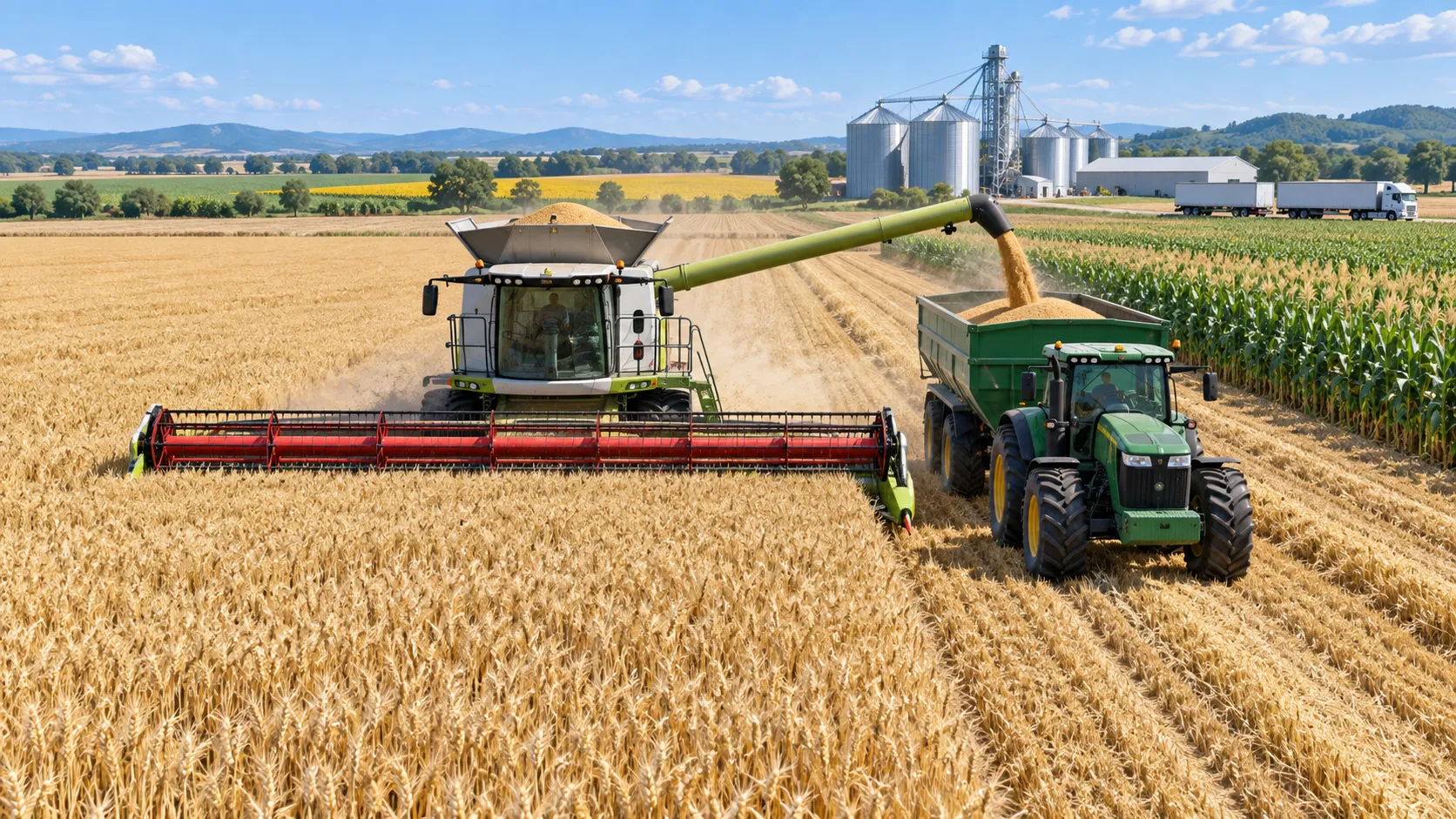
Selecting Grain Farm Equipment by Acreage, Crop Mix, and Harvest Window
Agricultural equipment selection for grain farming: match machinery to acreage, crop mix, and harvest windows to improve uptime, efficiency, and returns.
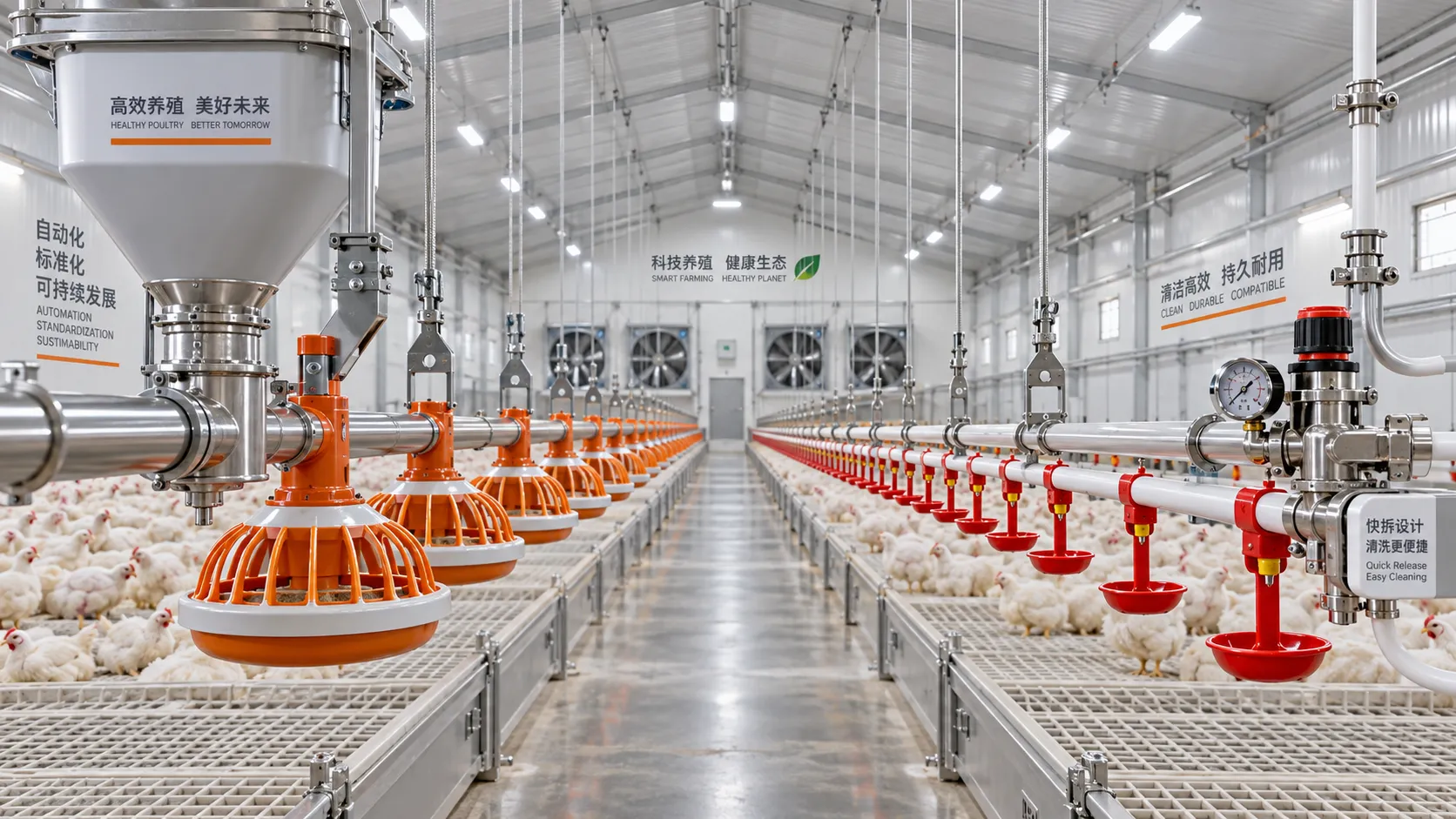
Poultry Equipment Selection: Evaluating Durability, Cleaning, and Compatibility
Poultry equipments selection guide: evaluate durability, cleaning access, and system compatibility to improve hygiene, reduce downtime, and support efficient flock management.
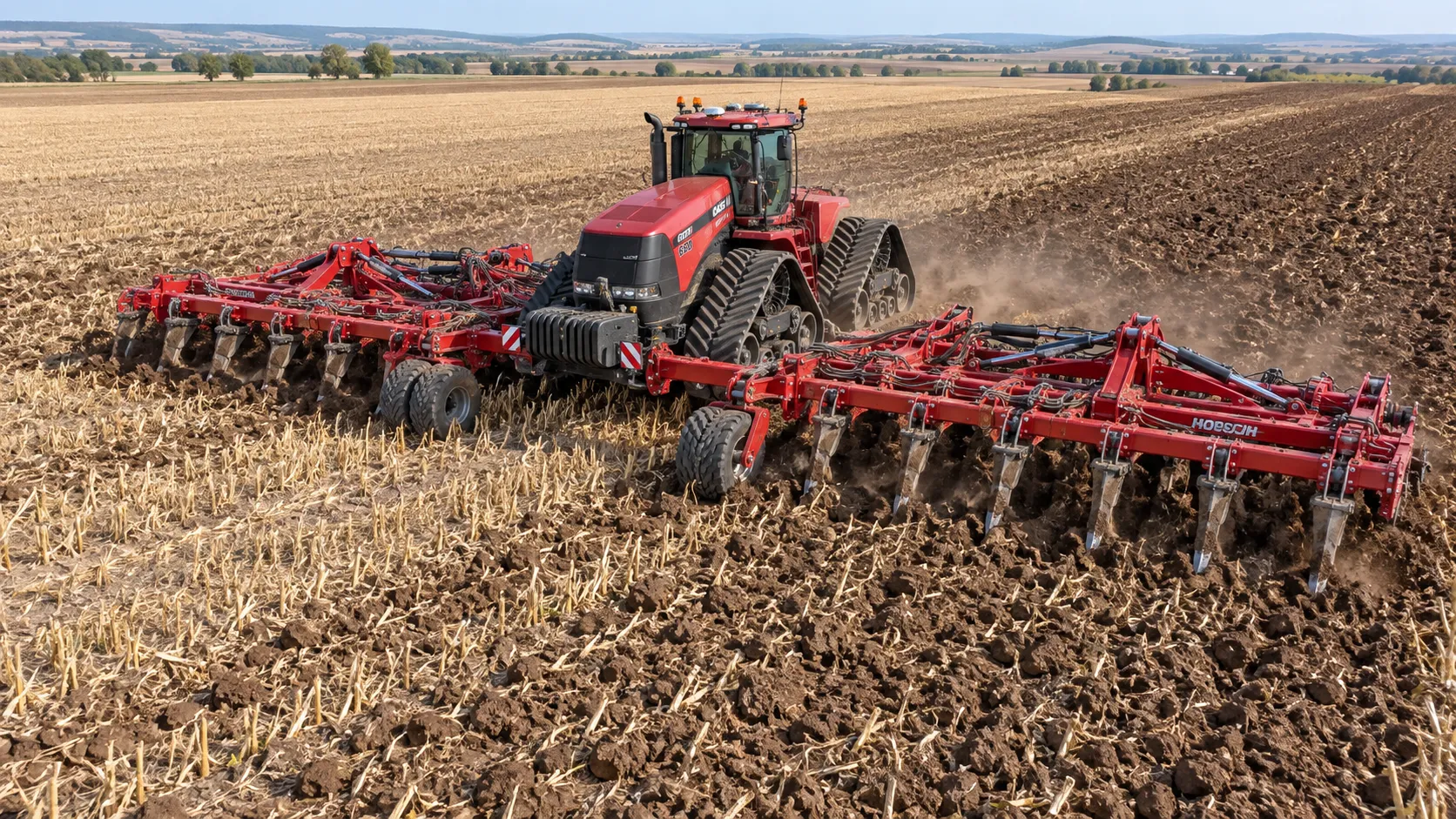
How to Select Heavy-Duty Farm Implements for High-Acreage, High-Horsepower Operations
Heavy duty farm implements: learn how to match draft, hydraulics, hitch capacity, frame strength, and field conditions for reliable high-acreage performance.
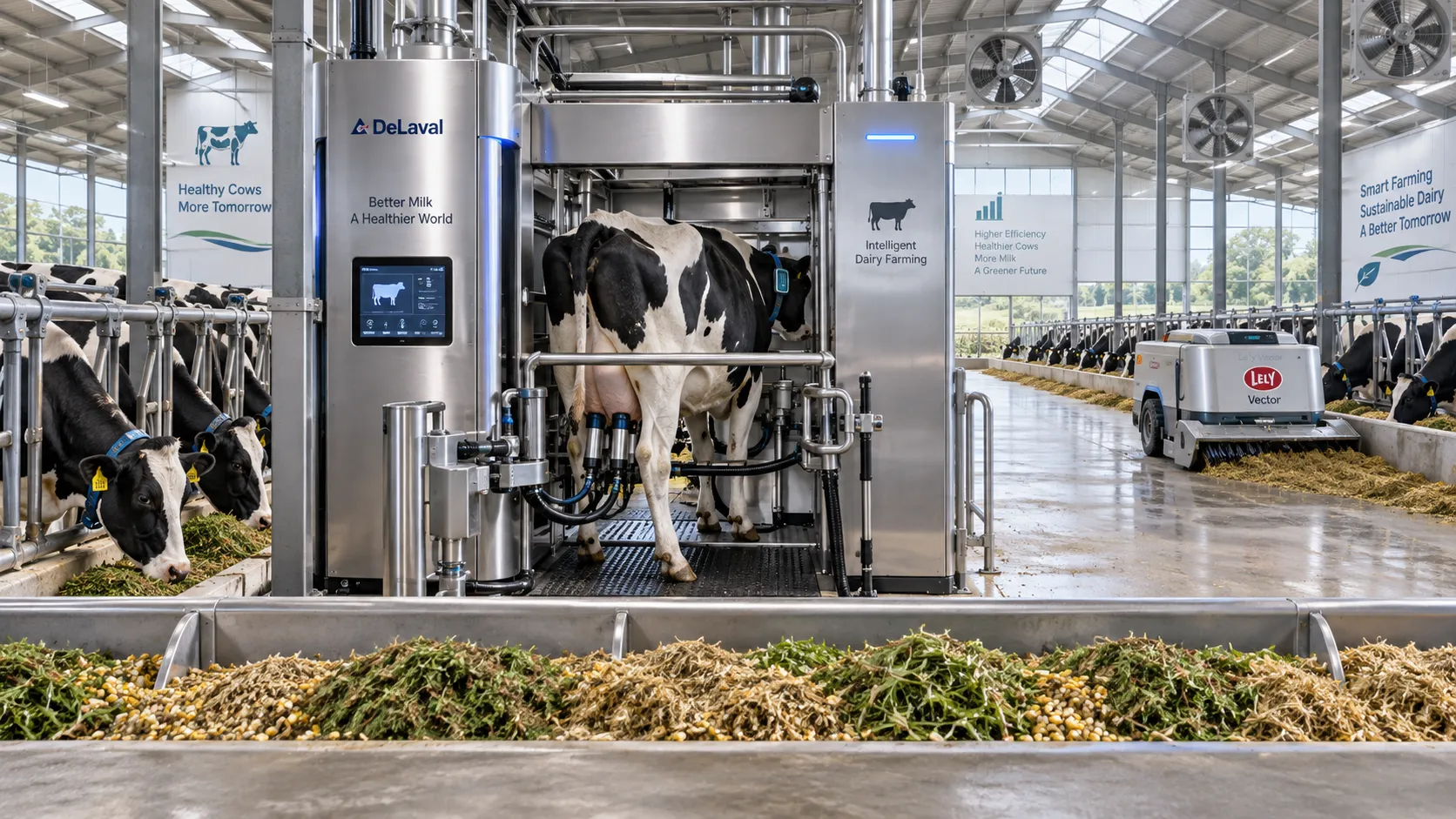
Smart Farming Technology for Dairy Farms: Where Automation Delivers Measurable ROI
Smart farming technology for dairy farms delivers measurable ROI through automation, precision feeding, health monitoring, and data-driven cost control.
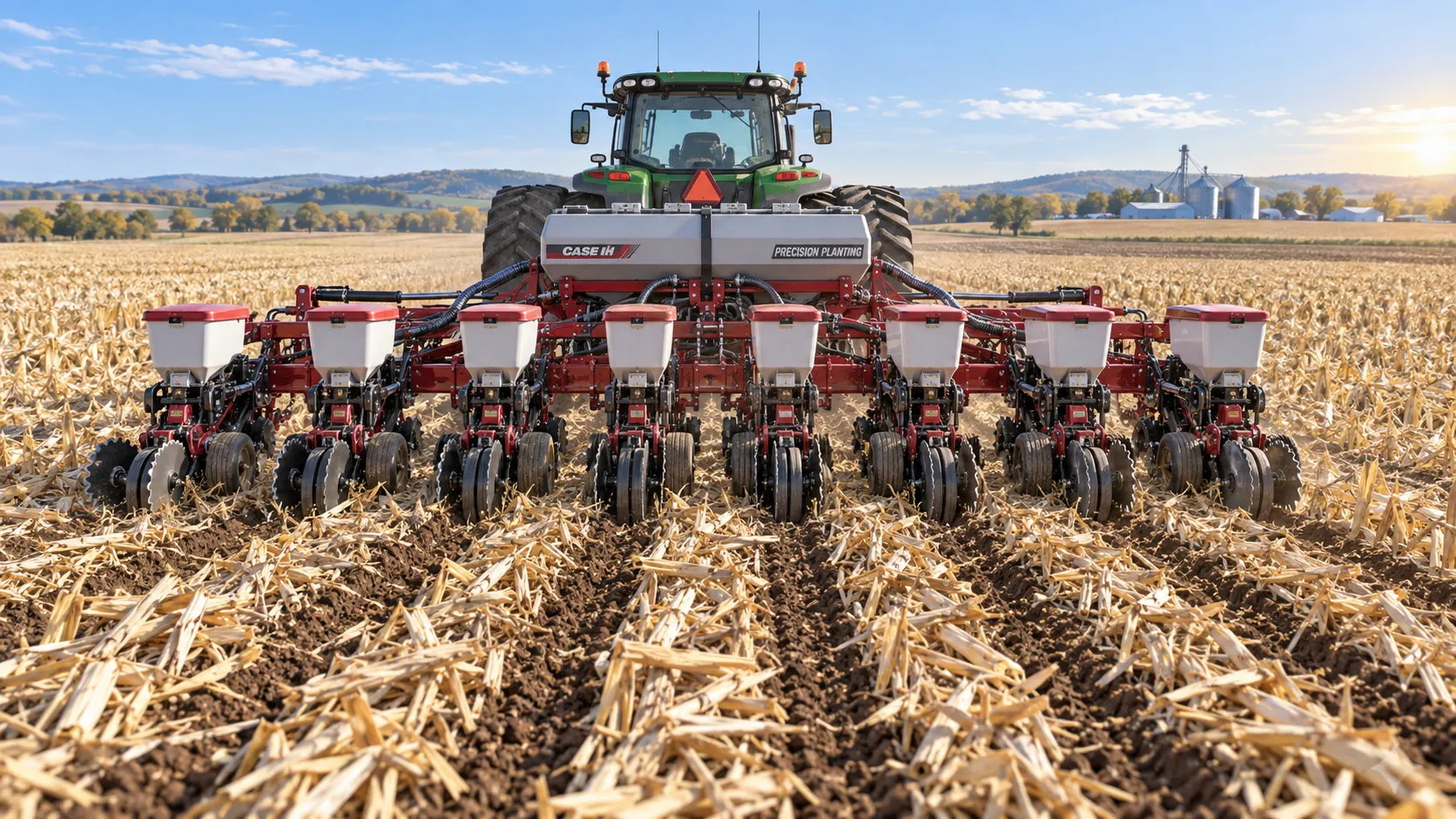
How to Select a Heavy-Duty Seeder for Large Acreage and High-Residue Fields
Heavy duty seeders for large acreage: compare residue handling, depth control, downforce, metering accuracy, and precision features to select the right model.
Related News
- 00
0000-00
ISOBUS for Smart Agriculture: How It Connects Tractors, Implements, and Farm Data - 00
0000-00
How North American Farms Can Select Crop Monitoring Systems by Acreage and Connectivity - 00
0000-00
How Tractor Intelligence Systems Improve Field Efficiency and Input Accuracy - 00
0000-00
Which equipment for larger fields maintains accuracy at higher speeds? - 00
0000-00
What should a digital ag platform integrate before a farm-wide rollout?
Popular Tags
Tractor Power Architect
Weekly Insights
Stay ahead with our curated technology reports delivered every Monday.