
Eight Ministries Issue 2026 Auto Data Cross-Border Guidance
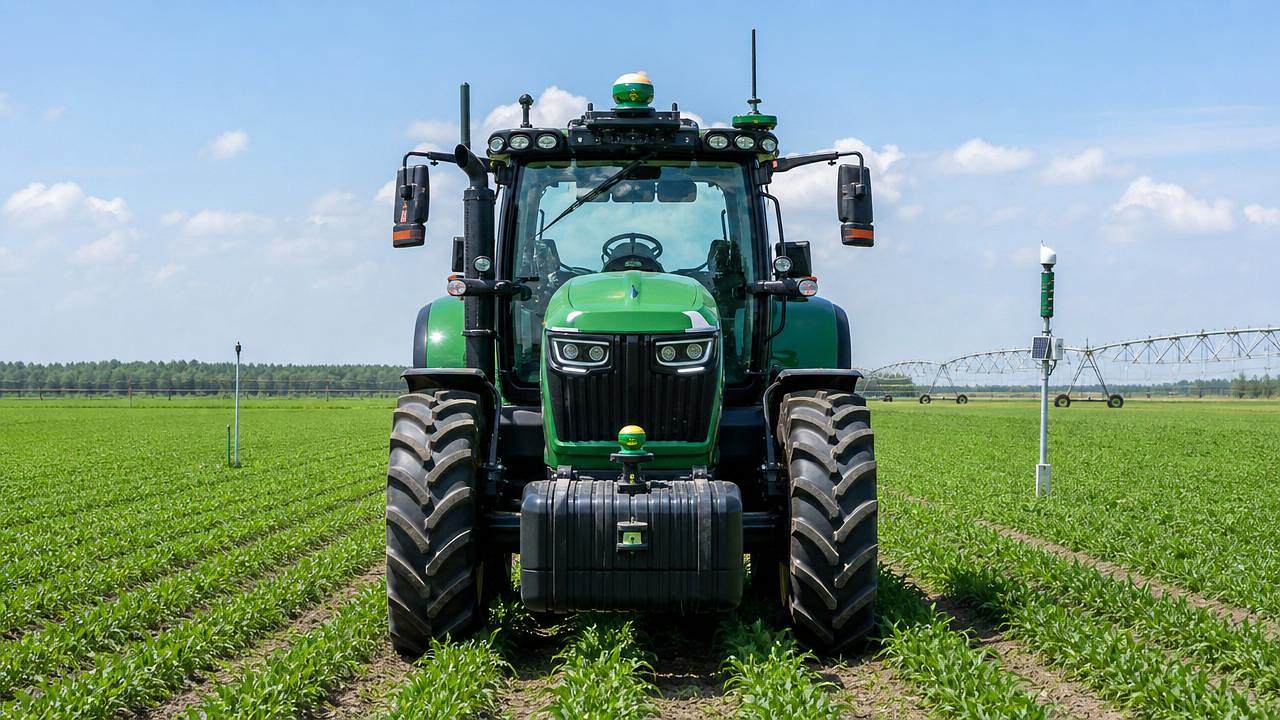




Beijing, May 12, 2026 — On May 12, 2026, China’s Ministry of Industry and Information Technology (MIIT) and seven other state departments jointly issued the Guidance on Security of Automotive Data Cross-Border Transfer (2026 Edition). While framed around automotive data governance, the guidance marks the first time that satellite-enabled agricultural intelligence systems—including GPS Guidance Systems, cloud-based drip irrigation logic platforms, and networked soil moisture sensors—are formally brought under China’s cross-border data security assessment regime. The move signals a strategic expansion of regulatory scope beyond vehicles into adjacent high-data-intensity industrial equipment sectors.
Event Overview
On May 12, 2026, MIIT, the Cyberspace Administration of China (CAC), the Ministry of Public Security, the Ministry of Natural Resources, the Ministry of Ecology and Environment, the Ministry of Agriculture and Rural Affairs, the State Administration for Market Regulation, and the National Data Administration jointly released the Guidance on Security of Automotive Data Cross-Border Transfer (2026 Edition). The document explicitly extends its applicability to agricultural intelligent equipment featuring satellite positioning, remote operation monitoring, and field data telemetry—such as GPS Guidance Systems, Drip Irrigation Logic cloud platforms, and connected Soil Moisture Sensors. It mandates that any export of devices or SaaS services transmitting real-time geographic coordinates, farmland vector maps, or crop growth models to overseas recipients must undergo official cross-border data security assessment and complete filing of standard contractual clauses prior to delivery.
Industries Affected
Direct Export Enterprises
Companies exporting smart farming hardware or agritech SaaS solutions—including those supplying precision guidance kits or irrigation-as-a-service platforms to clients in the Middle East, Latin America, and Southeast Asia—now face mandatory pre-export compliance gates. Impact manifests in extended lead times (due to assessment cycles), increased legal and technical due diligence costs, and potential contract renegotiation where overseas buyers lack internal capacity to co-sign compliance documentation.
Raw Material Procurement Enterprises
Firms sourcing globally integrated components (e.g., GNSS modules, cellular IoT chipsets, or edge AI accelerators) for domestic assembly of compliant agri-equipment must now verify whether upstream suppliers embed data transmission functionalities that trigger outbound data flows. Failure to map embedded telemetry pathways may result in non-compliant end products—even if the final device is assembled domestically—thus exposing procurement teams to upstream liability and supply chain audit risk.
Manufacturing Enterprises
OEMs and ODMs producing GPS-guided tractors, autonomous irrigation controllers, or sensor-integrated farm management terminals must redesign firmware architectures and default data handling policies. Specifically, they are required to implement configurable data egress controls, local data caching fallbacks, and user-accessible data routing toggles—features not previously mandated under general product certification frameworks. This introduces new validation requirements across firmware, UI, and cloud integration layers.
Supply Chain Service Providers
Third-party logistics platforms, customs brokers, and cross-border SaaS enablers supporting agritech exporters must now integrate data compliance checkpoints into order fulfillment workflows. For example, freight forwarders may need to validate assessment clearance certificates before accepting consignments; cloud infrastructure providers serving Chinese agritech firms must confirm contractual alignment with the Guidance’s standard clauses—especially where backend processing occurs outside mainland China.
Key Focus Areas and Recommended Actions for Stakeholders
Conduct a Functional Data Flow Audit
Identify all hardware and software components capable of collecting, processing, or transmitting geospatial, environmental, or operational data—including background telemetry, OTA update logs, and diagnostic reporting. Map each flow against Annex I of the Guidance to determine whether it qualifies as ‘regulated outbound data’.
Engage Early with Designated Assessment Institutions
The Guidance designates five national-level institutions authorized to conduct cross-border data security assessments. Enterprises should initiate preliminary scoping discussions—not full applications—before finalizing product specifications or signing overseas contracts, particularly for projects involving real-time field mapping or model-driven recommendations.
Update Customer-Facing Documentation and Contracts
Revise end-user license agreements (EULAs), service terms, and technical datasheets to reflect data residency commitments, consent mechanisms for location-based features, and clear delineation of customer responsibilities in co-compliance scenarios (e.g., where foreign customers host downstream analytics).
Editorial Perspective / Industry Observation
Observably, this Guidance does not represent an isolated tightening of agritech data rules—but rather a deliberate calibration of China’s broader cross-border data governance framework toward sector-agnostic functionality testing. Its inclusion of irrigation logic platforms and soil sensors suggests regulators are prioritizing *data behavior* over *sector labels*: if a system transmits sensitive geospatial or ecological parameters across borders, it falls within scope—regardless of whether it resides in a tractor cab or a greenhouse control panel. Analysis shows that the threshold for triggering assessment is lower than widely anticipated: even anonymized or aggregated field-level metrics may require evaluation if derived from raw coordinate inputs or used to generate proprietary agronomic models. From an industry perspective, the 2026 Guidance is better understood not as a barrier, but as a signal that data sovereignty expectations are now embedded in B2B industrial procurement criteria—particularly in emerging markets scaling digital agriculture infrastructure.
Conclusion
This regulatory development underscores a maturing phase in China’s data governance approach: one increasingly defined by functional precision, cross-sectoral consistency, and enforceable accountability across global value chains. For international agritech stakeholders, the implication is clear—not all ‘smart farm’ exports are equal in compliance weight; differentiation will hinge on demonstrable data stewardship architecture, not just hardware performance. A measured, technically grounded response—not delay or avoidance—best positions enterprises to maintain market access while reinforcing trust in data-sensitive deployments.
Source Attribution
Official text published by the Ministry of Industry and Information Technology (MIIT), May 12, 2026; supplementary explanatory notes issued jointly by the Cyberspace Administration of China and the National Data Administration on May 15, 2026. Implementation details—including assessment timelines, fee structures, and list of authorized institutions—remain subject to further notice. Stakeholders are advised to monitor official updates via the MIIT Policy Portal (www.miit.gov.cn/policy) and the CAC’s Data Security Bulletin (www.cac.gov.cn/data-security).
Related News

When Does Agricultural Machinery Leasing Cost Less Than Owning Equipment?
Agricultural machinery leasing can lower farm costs when use is seasonal or uncertain. Compare utilization, maintenance, cash flow, and risk to make a smarter equipment decision.
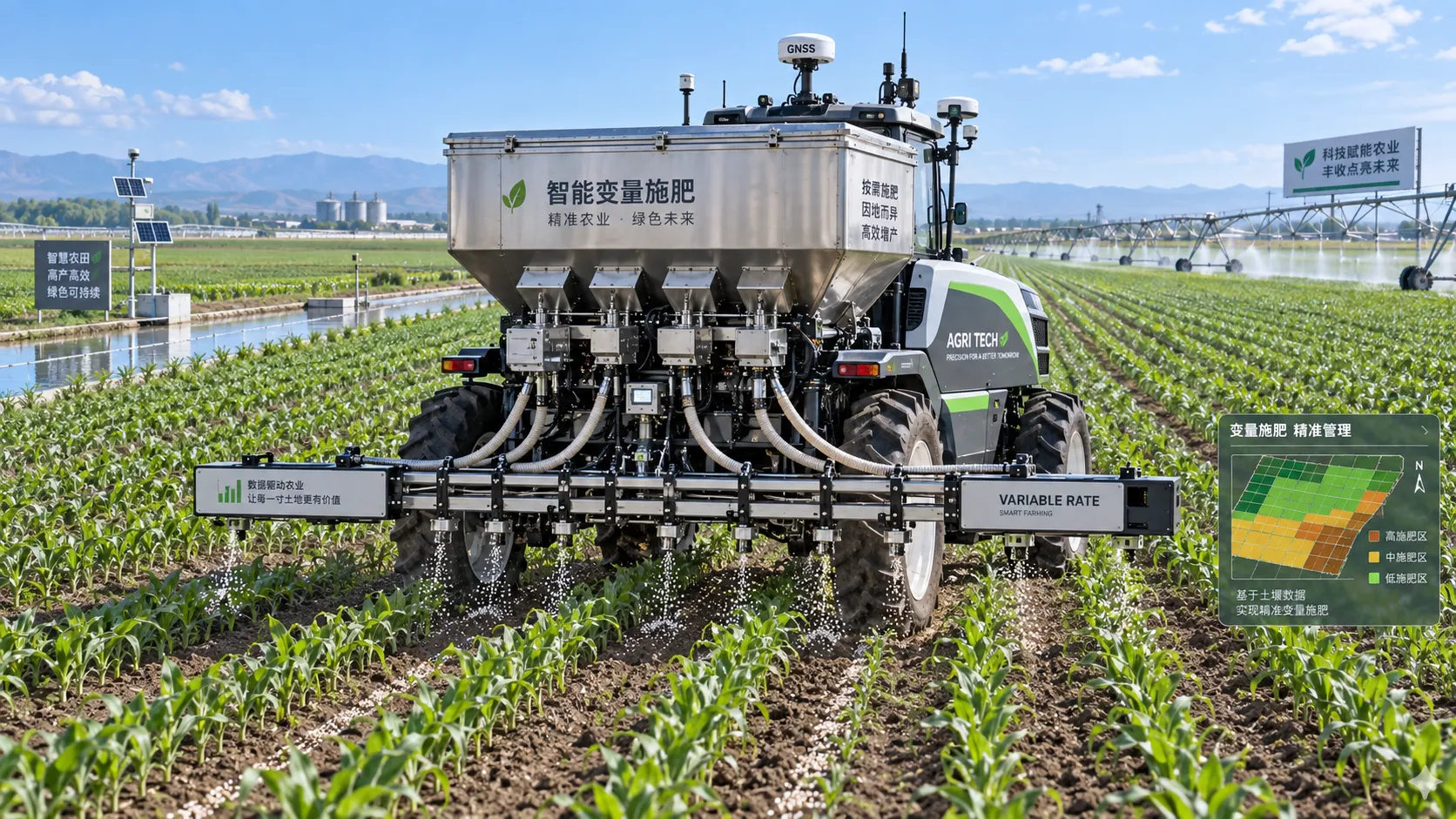
How to Evaluate Precision Fertilization System Suppliers for Farm-Scale Deployment
Precision fertilization systems suppliers: learn how to compare accuracy, integration, uptime, service, and total cost for confident farm-scale deployment.
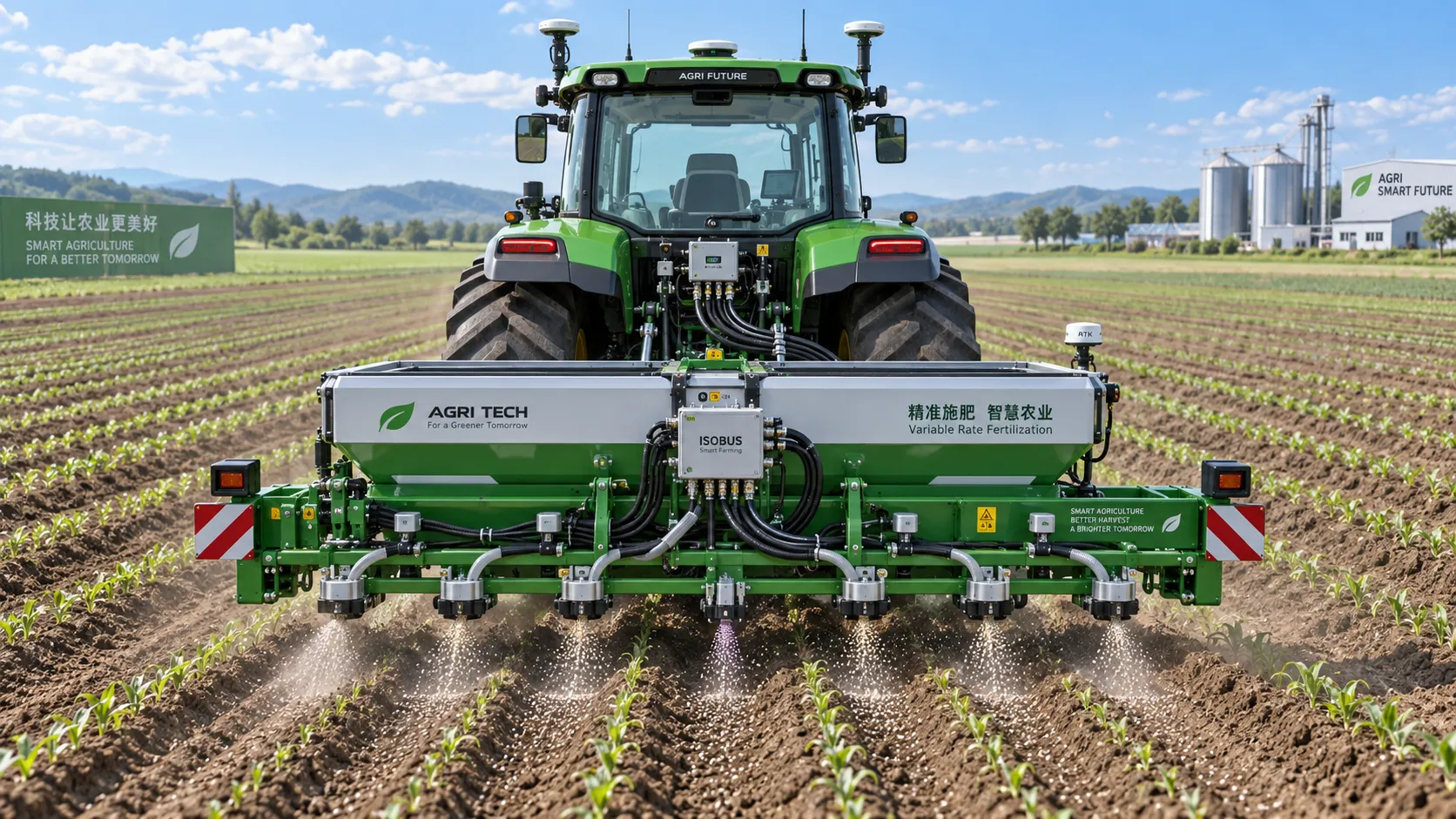
ISOBUS for Smart Agriculture: How It Connects Tractors, Implements, and Farm Data
ISOBUS for smart agriculture connects tractors, implements, terminals, and farm data—helping growers improve precision, documentation, and smarter field decisions.
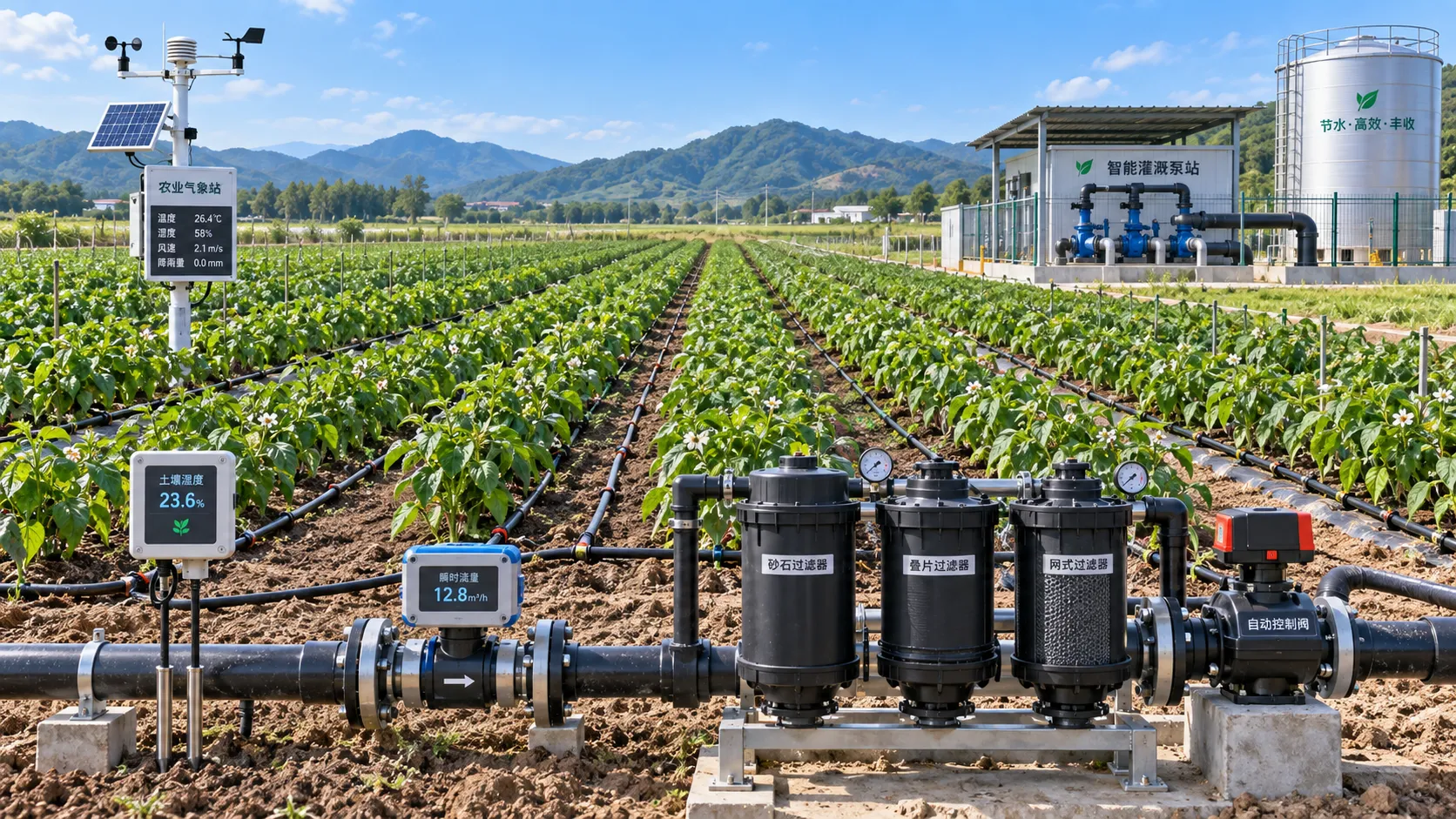
Automated Water-Saving Irrigation: How to Cut Water Use Without Reducing Crop Yields
Automated water-saving irrigation helps farms cut water use, protect crop yields, improve scheduling, and gain reliable control with sensors, flow monitoring, and smart zones.
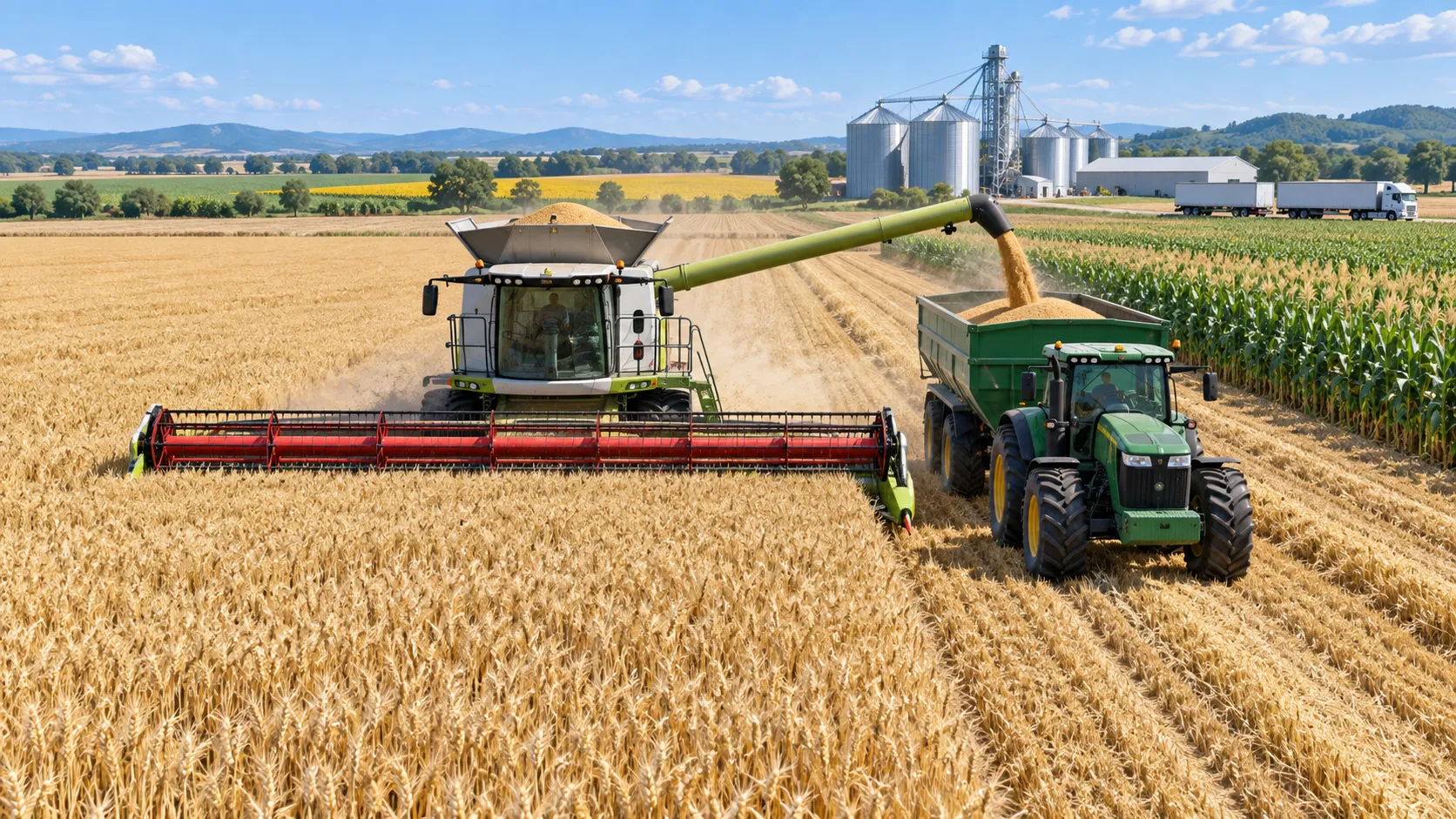
Selecting Grain Farm Equipment by Acreage, Crop Mix, and Harvest Window
Agricultural equipment selection for grain farming: match machinery to acreage, crop mix, and harvest windows to improve uptime, efficiency, and returns.
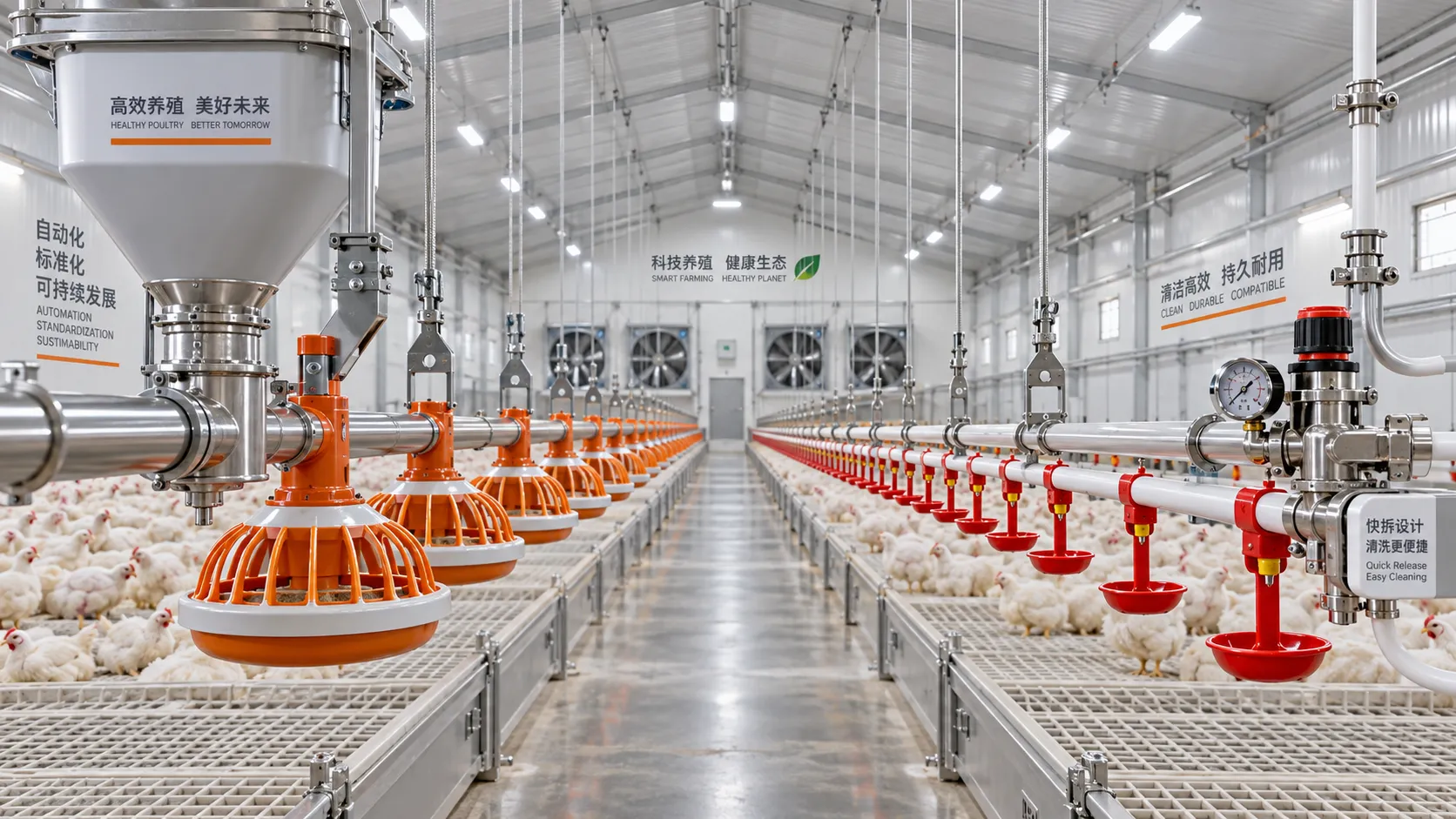
Poultry Equipment Selection: Evaluating Durability, Cleaning, and Compatibility
Poultry equipments selection guide: evaluate durability, cleaning access, and system compatibility to improve hygiene, reduce downtime, and support efficient flock management.
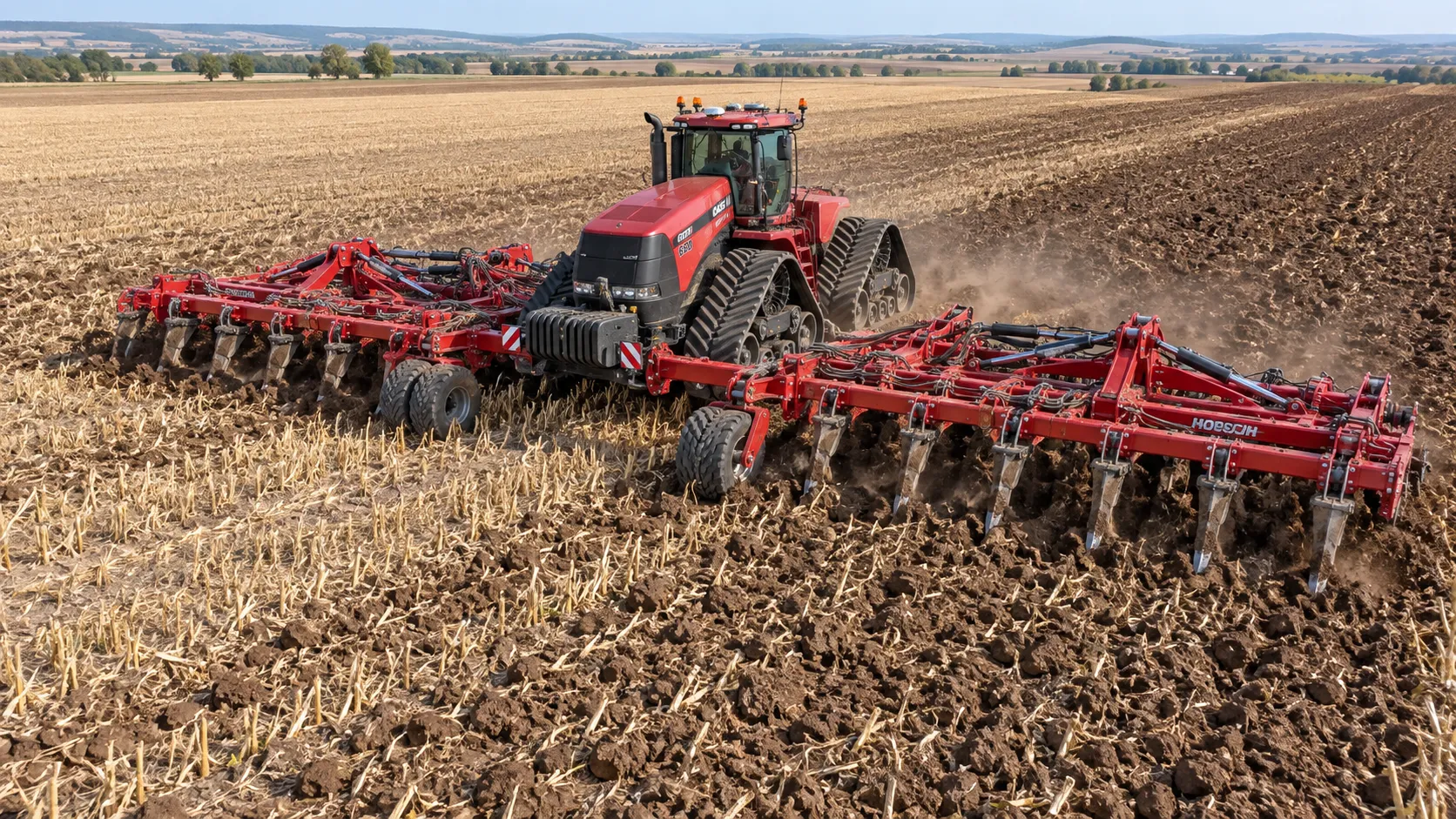
How to Select Heavy-Duty Farm Implements for High-Acreage, High-Horsepower Operations
Heavy duty farm implements: learn how to match draft, hydraulics, hitch capacity, frame strength, and field conditions for reliable high-acreage performance.
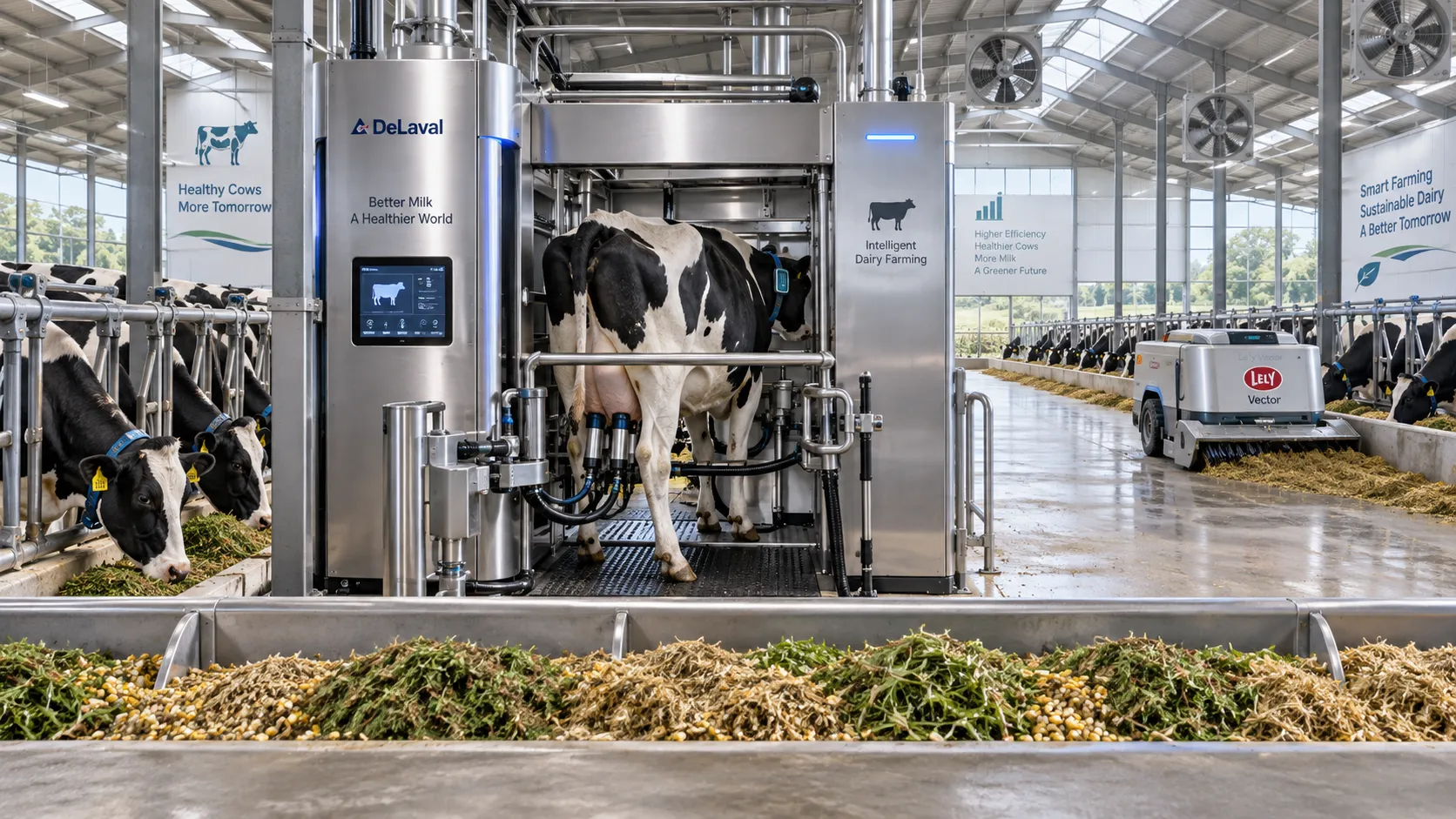
Smart Farming Technology for Dairy Farms: Where Automation Delivers Measurable ROI
Smart farming technology for dairy farms delivers measurable ROI through automation, precision feeding, health monitoring, and data-driven cost control.
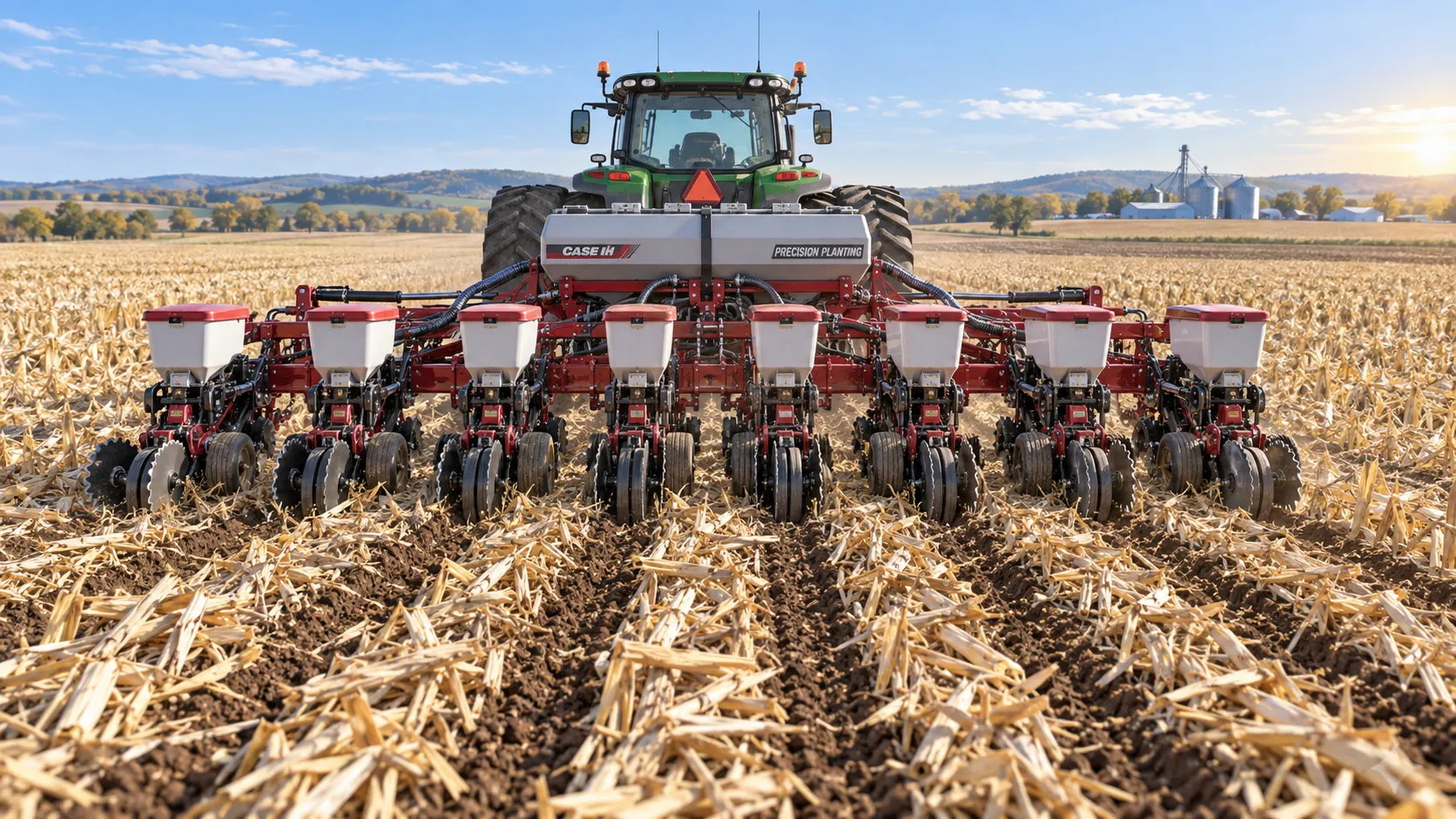
How to Select a Heavy-Duty Seeder for Large Acreage and High-Residue Fields
Heavy duty seeders for large acreage: compare residue handling, depth control, downforce, metering accuracy, and precision features to select the right model.
Related News
- 00
0000-00
ISOBUS for Smart Agriculture: How It Connects Tractors, Implements, and Farm Data - 00
0000-00
How North American Farms Can Select Crop Monitoring Systems by Acreage and Connectivity - 00
0000-00
How Tractor Intelligence Systems Improve Field Efficiency and Input Accuracy - 00
0000-00
Which equipment for larger fields maintains accuracy at higher speeds? - 00
0000-00
What should a digital ag platform integrate before a farm-wide rollout?
Popular Tags
Tractor Power Architect
Weekly Insights
Stay ahead with our curated technology reports delivered every Monday.