
Eight Ministries Issue Automotive Data Cross-Border Guidance (2026)
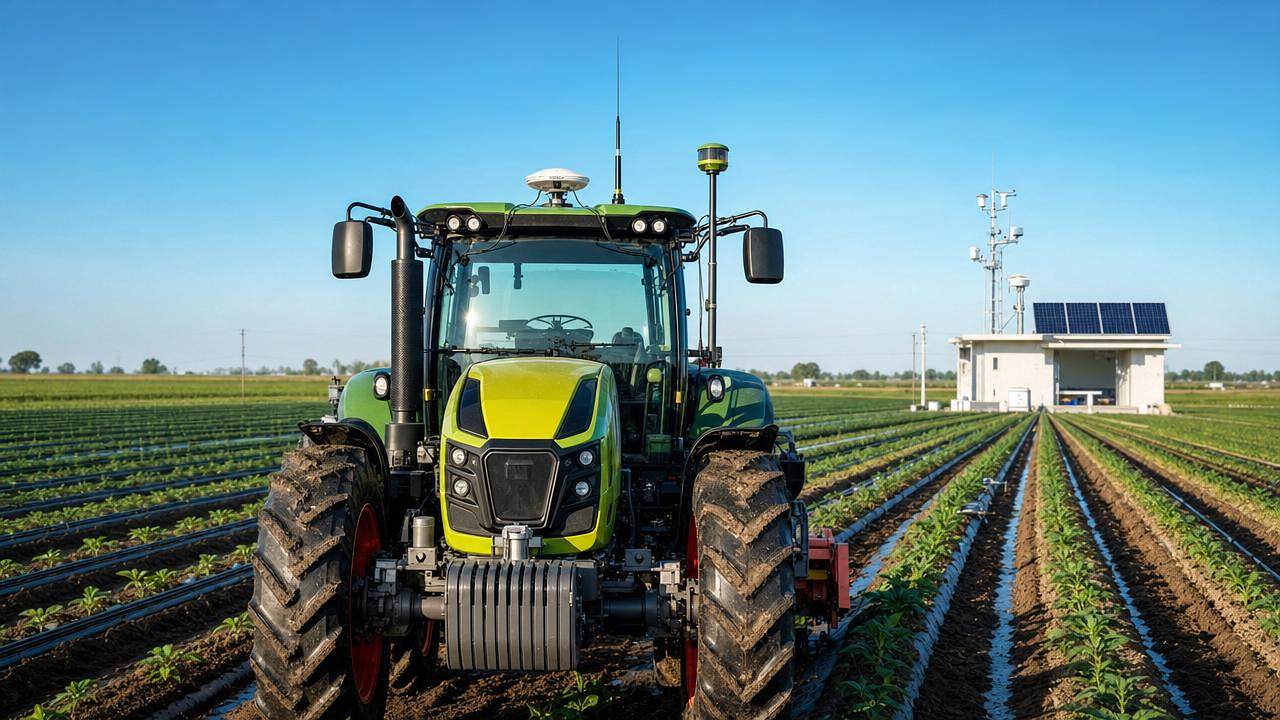




On May 13, 2026, eight Chinese regulatory authorities—including the Cyberspace Administration of China—jointly released the Automotive Data Cross-Border Security Guidance (2026 Edition). The guidance explicitly extends cross-border data security assessment requirements to geographic and agronomic data collected by GPS-guided smart agricultural machinery and drip irrigation logic systems with soil-data telemetry capabilities. This development directly affects agri-tech equipment manufacturers, precision agriculture service providers, and cross-border data-dependent agricultural input suppliers.
Event Overview
On May 13, 2026, the Cyberspace Administration of China and seven other departments jointly issued the Automotive Data Cross-Border Security Guidance (2026 Edition). The document specifies that geographic coordinates, farmland imagery, and crop growth parameters collected by GPS Guidance Systems-equipped smart farm machinery—and by Drip Irrigation Logic systems featuring soil data transmission—are now uniformly classified as ‘important data’ subject to mandatory cross-border security assessments. Affected enterprises are required to conduct dedicated compliance audits and submit self-assessment reports on data出境 security.
Industries Affected by This Guidance
Smart Agricultural Equipment Manufacturers
These entities integrate GPS Guidance Systems or soil-sensing telemetry into tractors, harvesters, or irrigation controllers. Under the guidance, any export of device-collected field-level geospatial or agronomic data—including raw coordinates, multispectral images, or real-time moisture/temperature metrics—now triggers mandatory security evaluation. Impact manifests in product certification timelines, firmware update protocols, and contractual obligations with overseas cloud service providers.
Precision Agriculture Service Providers
Firms offering SaaS-based farm management platforms or AI-driven yield optimization services often ingest and process field data from third-party hardware. If their platforms receive, store, or transmit data falling under the newly defined ‘important data’ categories—even when sourced from domestic devices—their outbound data flows (e.g., to global analytics servers or multinational parent companies) may require separate assessment filings.
Agricultural Input Exporters with Embedded Telemetry
Companies exporting smart irrigation controllers, variable-rate fertilizer applicators, or sensor-embedded seeding systems may unknowingly facilitate cross-border transfers of regulated data. Since the guidance applies to data generated by the devices—not merely the devices themselves—export documentation, end-user agreements, and remote diagnostics infrastructure must now reflect new compliance responsibilities.
Key Points for Enterprises and Practitioners to Monitor and Act Upon
Track official clarifications on scope boundaries
While the guidance names GPS Guidance Systems and Drip Irrigation Logic systems, it does not yet define technical thresholds (e.g., coordinate precision, image resolution, or parameter sampling frequency) that determine whether a given dataset qualifies as ‘important’. Enterprises should monitor forthcoming notices or Q&A documents from the Cyberspace Administration for operational definitions.
Review data flows across hardware, firmware, and cloud layers
Compliance hinges not only on where data originates but also on how it is routed. Firms should map all outbound data paths—including OTA updates, diagnostic logs, anonymized metadata uploads, and aggregated analytics exports—to identify touchpoints requiring assessment or contractual safeguards.
Distinguish policy signal from immediate enforcement
The guidance establishes a regulatory framework but does not specify an effective date for mandatory submissions or penalties for non-compliance. Current implementation appears focused on voluntary self-assessment and preparatory audits. Enterprises should treat this as a phased readiness initiative—not an immediate go/no-go gate for shipments.
Update procurement and integration agreements with foreign partners
Contracts with overseas cloud providers, system integrators, or R&D collaborators should now explicitly address data classification, storage jurisdiction, and audit cooperation rights. Where data processing occurs outside China, clauses governing access to source code, data lineage records, and security certifications become operationally material.
Editorial Perspective / Industry Observation
Observably, this guidance represents a formal expansion of the ‘automotive data’ regulatory perimeter to include adjacent intelligent agricultural systems—primarily due to shared reliance on high-precision positioning, real-time environmental sensing, and automated decision logic. Analysis shows the inclusion is less about sectoral intent and more about functional convergence: GPS-enabled farm machinery increasingly shares architecture, data formats, and connectivity standards with connected vehicles. From an industry perspective, the move signals a broader trend toward treating location-anchored operational intelligence—not just vehicle telemetry—as critical infrastructure data. It is currently better understood as a regulatory signal than an enforcement milestone; the absence of deadlines, penalty structures, or detailed technical annexes suggests a preparatory phase aimed at building institutional capacity and stakeholder alignment.
Conclusion
This guidance marks a structural shift in how geospatial and agronomic data generated by intelligent farming equipment is governed in cross-border contexts. Its significance lies not in immediate operational disruption—but in establishing precedent: data generated by non-automotive, yet mobility-adjacent, IoT systems can be classified under existing automotive data governance frameworks. For stakeholders, the current priority is accurate scoping, internal data flow mapping, and proactive engagement with evolving administrative interpretations—not wholesale system redesign or market withdrawal.
Information Sources
Main source: Official notice jointly issued by the Cyberspace Administration of China and seven other departments on May 13, 2026.
Note: Implementation timelines, enforcement mechanisms, and technical criteria remain pending official clarification and are subject to ongoing observation.
Related News
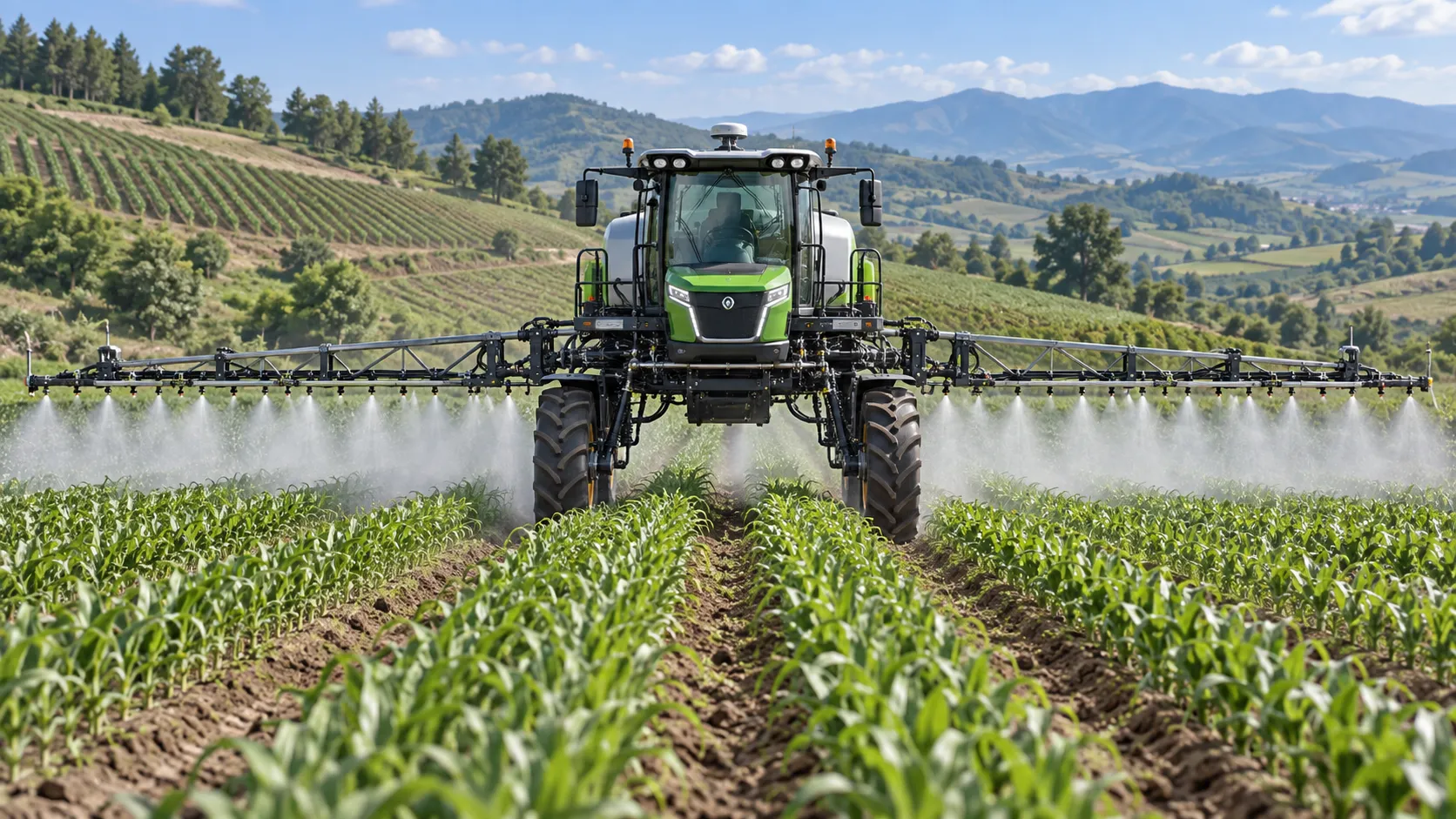
How to Select Precision Crop Protection Equipment for Variable Field Conditions
Precision crop protection equipment selection made simple: compare terrain, canopy, weather, control accuracy, and data workflows for reliable applications.
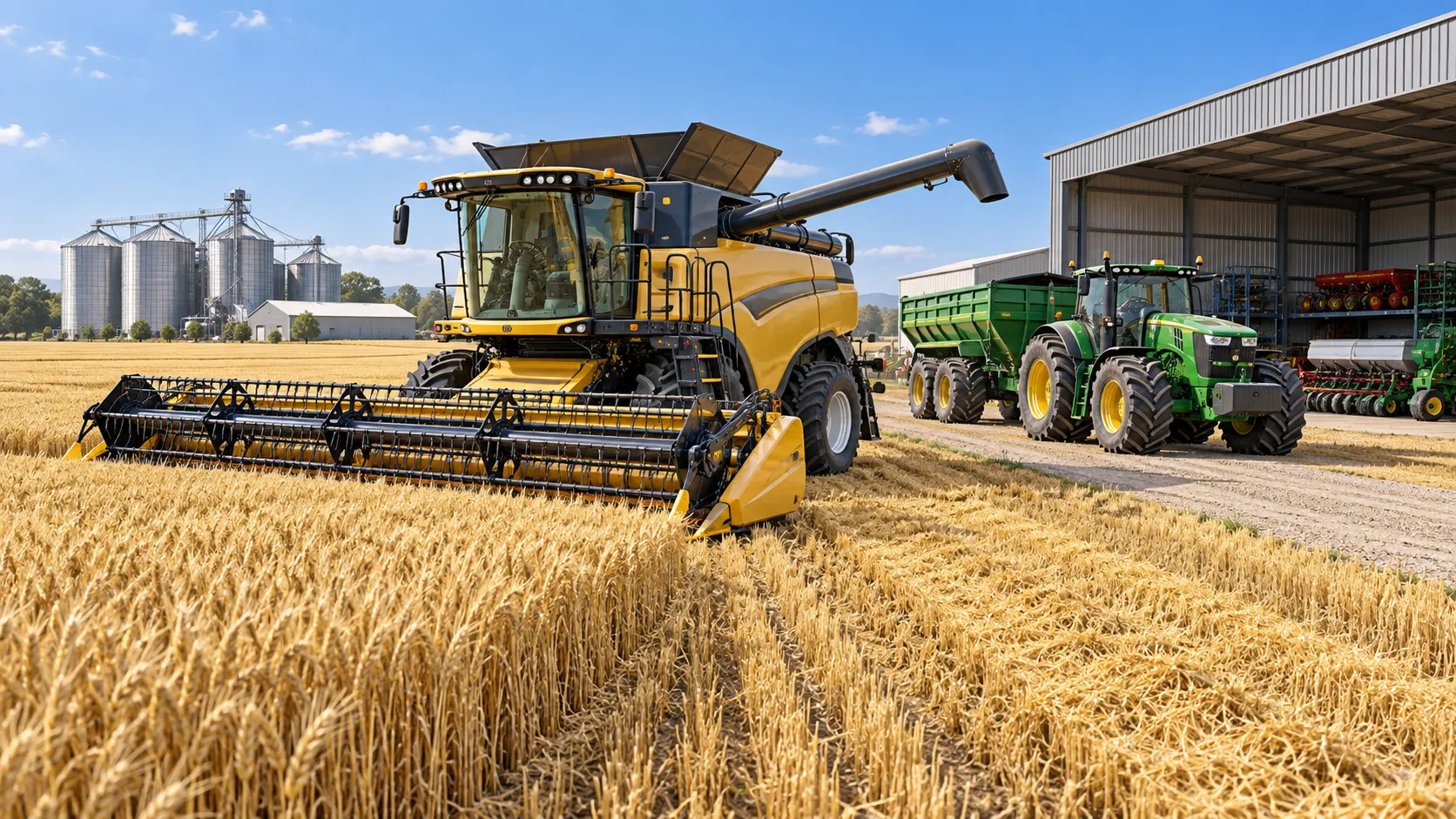
When Does Agricultural Machinery Leasing Cost Less Than Owning Equipment?
Agricultural machinery leasing can lower farm costs when use is seasonal or uncertain. Compare utilization, maintenance, cash flow, and risk to make a smarter equipment decision.
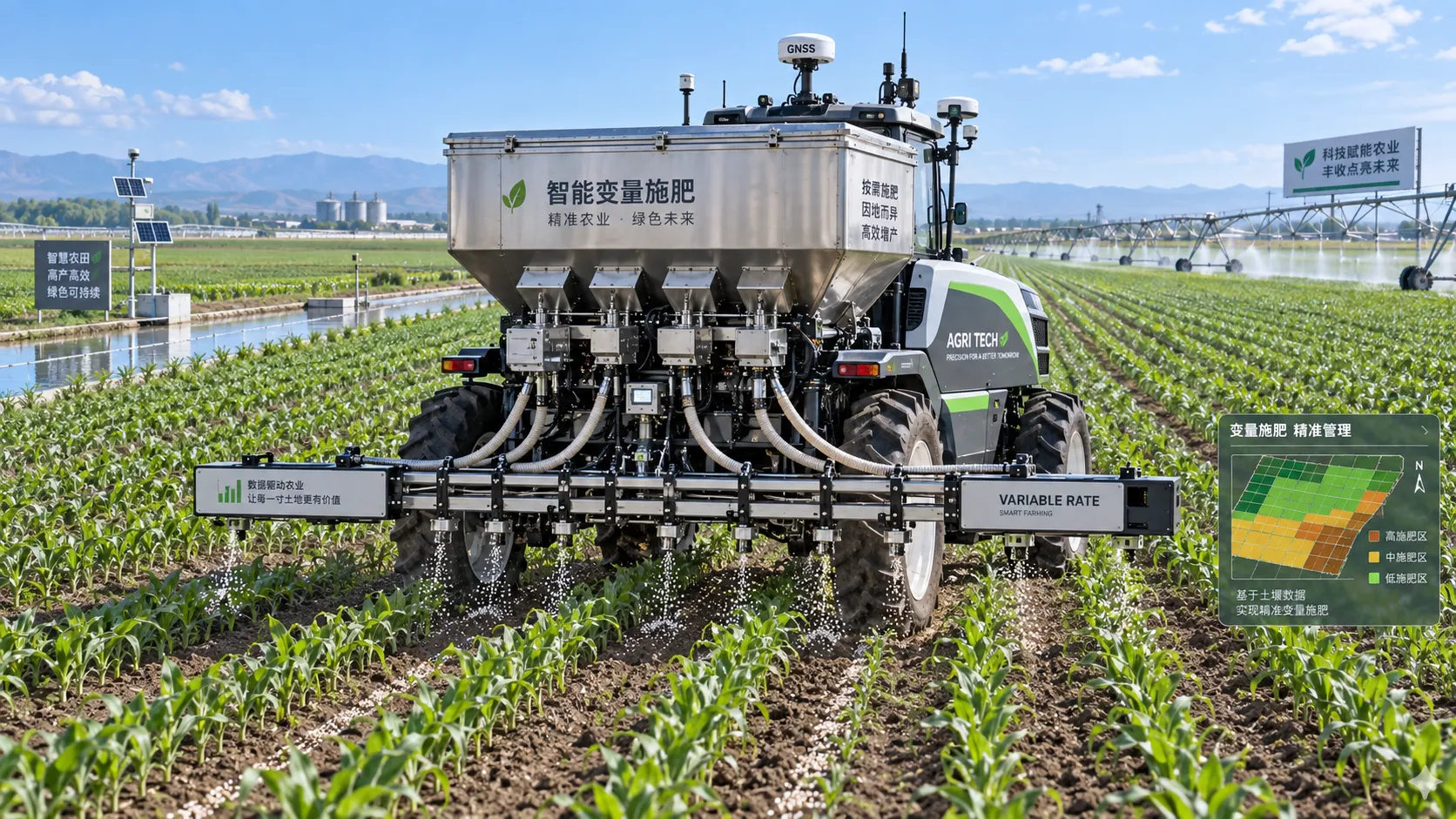
How to Evaluate Precision Fertilization System Suppliers for Farm-Scale Deployment
Precision fertilization systems suppliers: learn how to compare accuracy, integration, uptime, service, and total cost for confident farm-scale deployment.
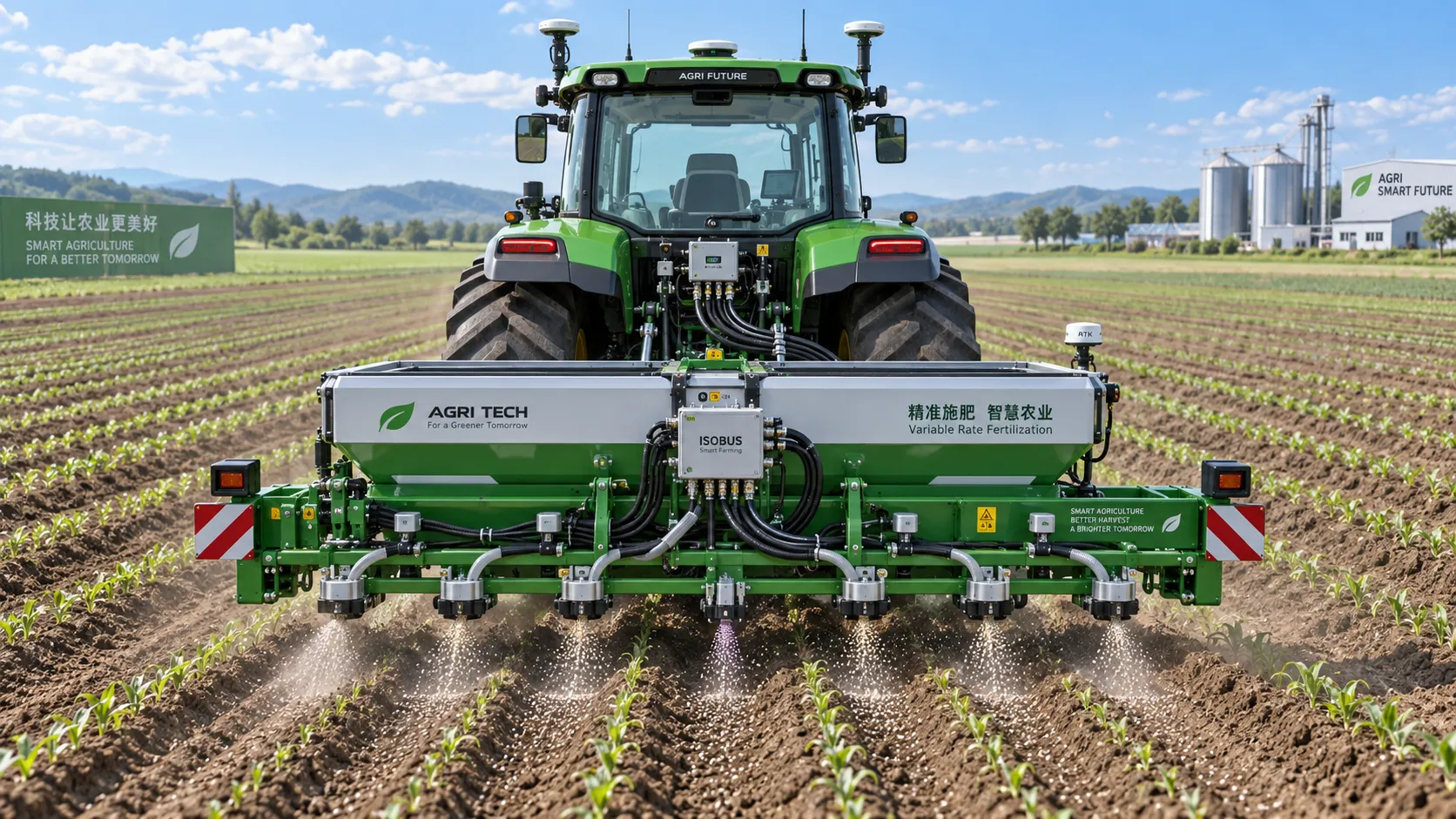
ISOBUS for Smart Agriculture: How It Connects Tractors, Implements, and Farm Data
ISOBUS for smart agriculture connects tractors, implements, terminals, and farm data—helping growers improve precision, documentation, and smarter field decisions.
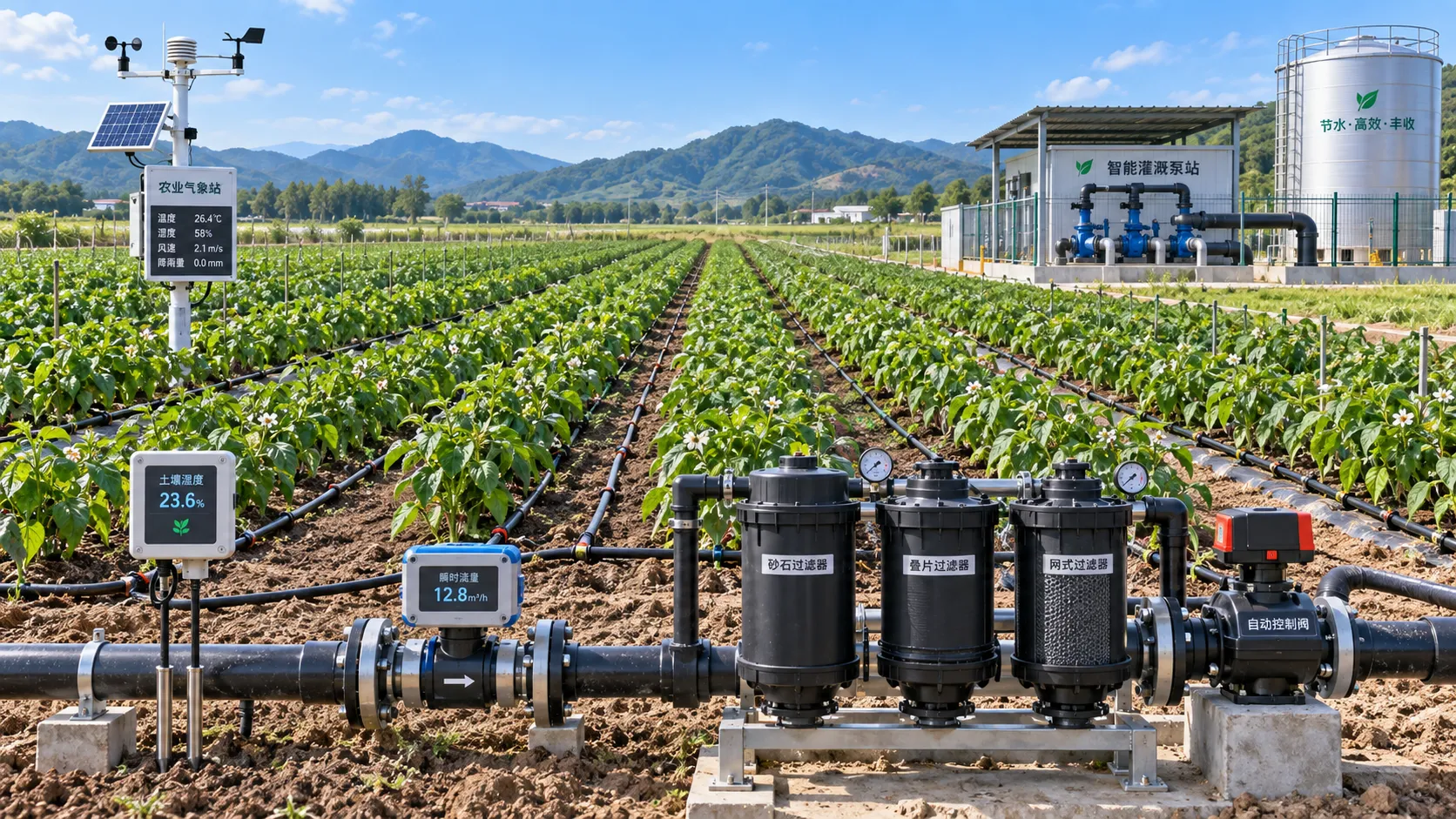
Automated Water-Saving Irrigation: How to Cut Water Use Without Reducing Crop Yields
Automated water-saving irrigation helps farms cut water use, protect crop yields, improve scheduling, and gain reliable control with sensors, flow monitoring, and smart zones.
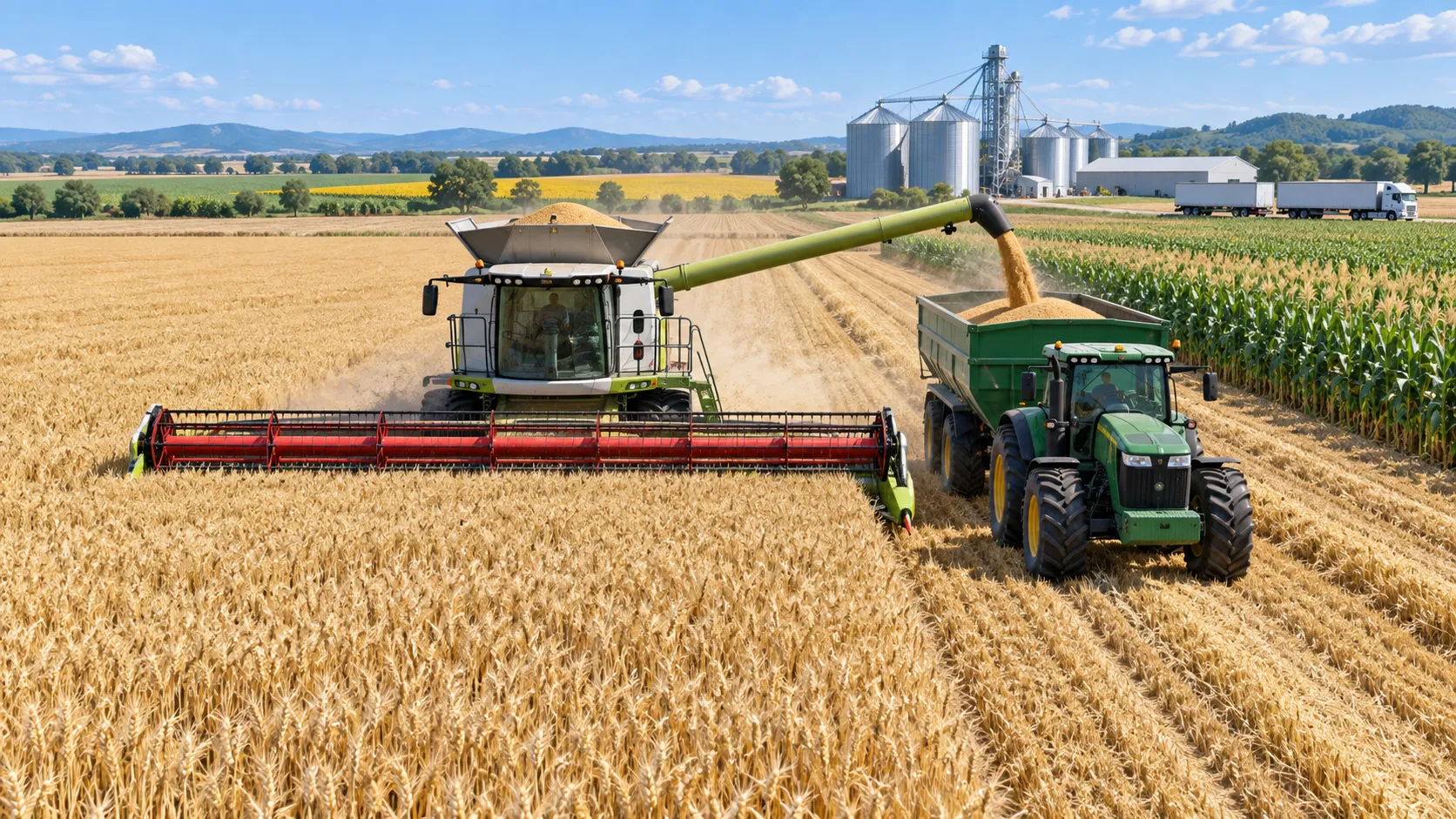
Selecting Grain Farm Equipment by Acreage, Crop Mix, and Harvest Window
Agricultural equipment selection for grain farming: match machinery to acreage, crop mix, and harvest windows to improve uptime, efficiency, and returns.
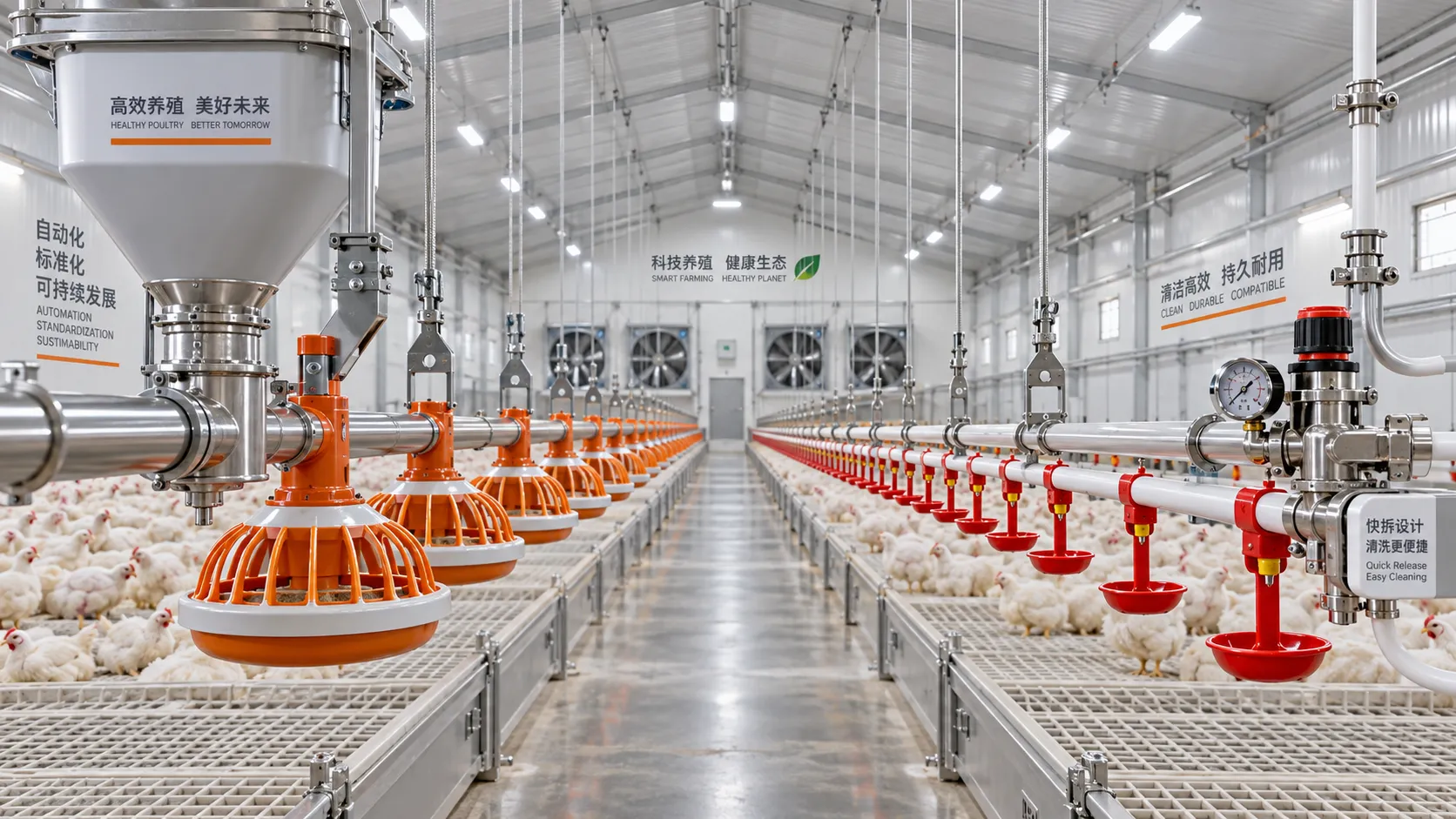
Poultry Equipment Selection: Evaluating Durability, Cleaning, and Compatibility
Poultry equipments selection guide: evaluate durability, cleaning access, and system compatibility to improve hygiene, reduce downtime, and support efficient flock management.
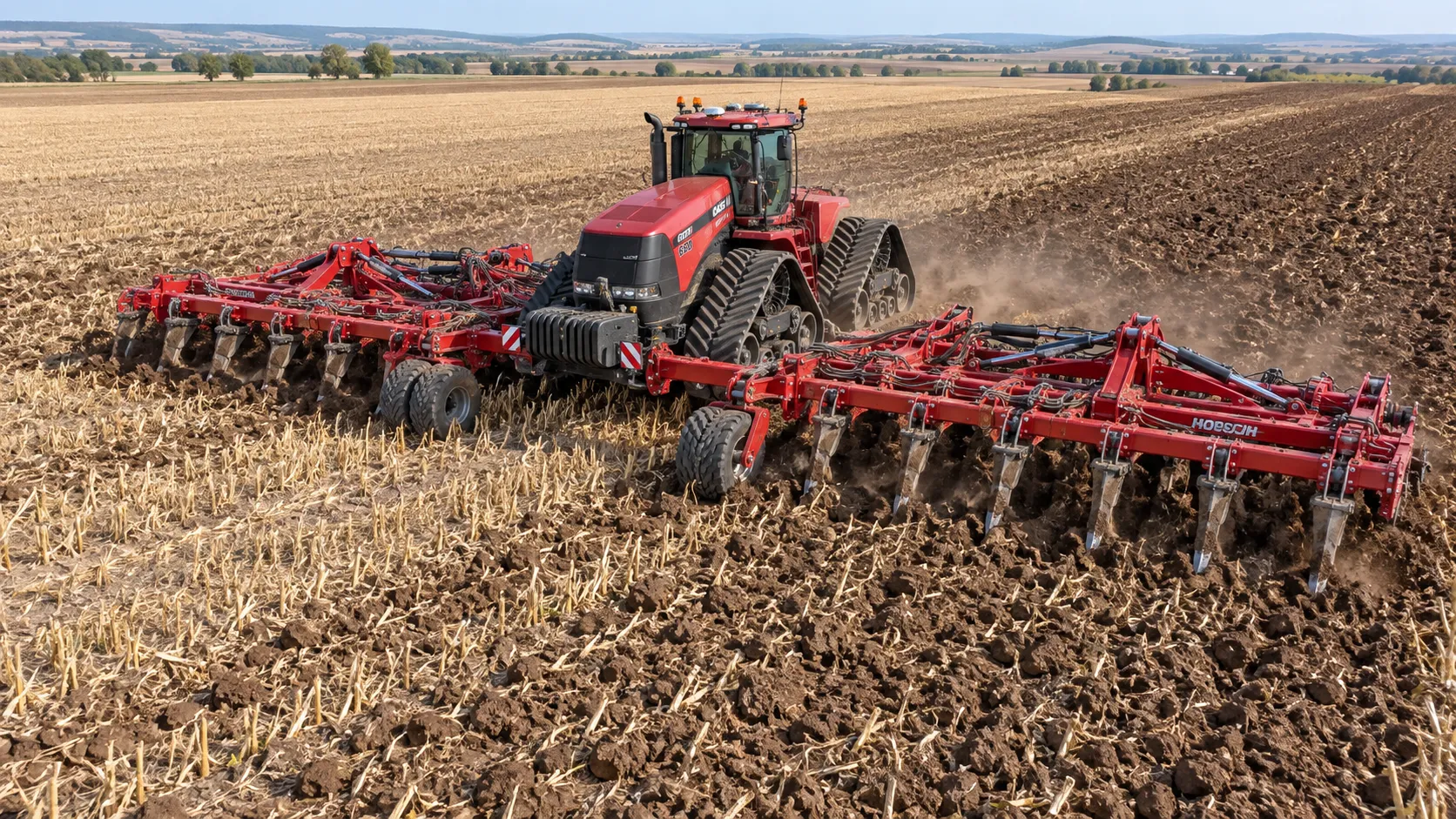
How to Select Heavy-Duty Farm Implements for High-Acreage, High-Horsepower Operations
Heavy duty farm implements: learn how to match draft, hydraulics, hitch capacity, frame strength, and field conditions for reliable high-acreage performance.
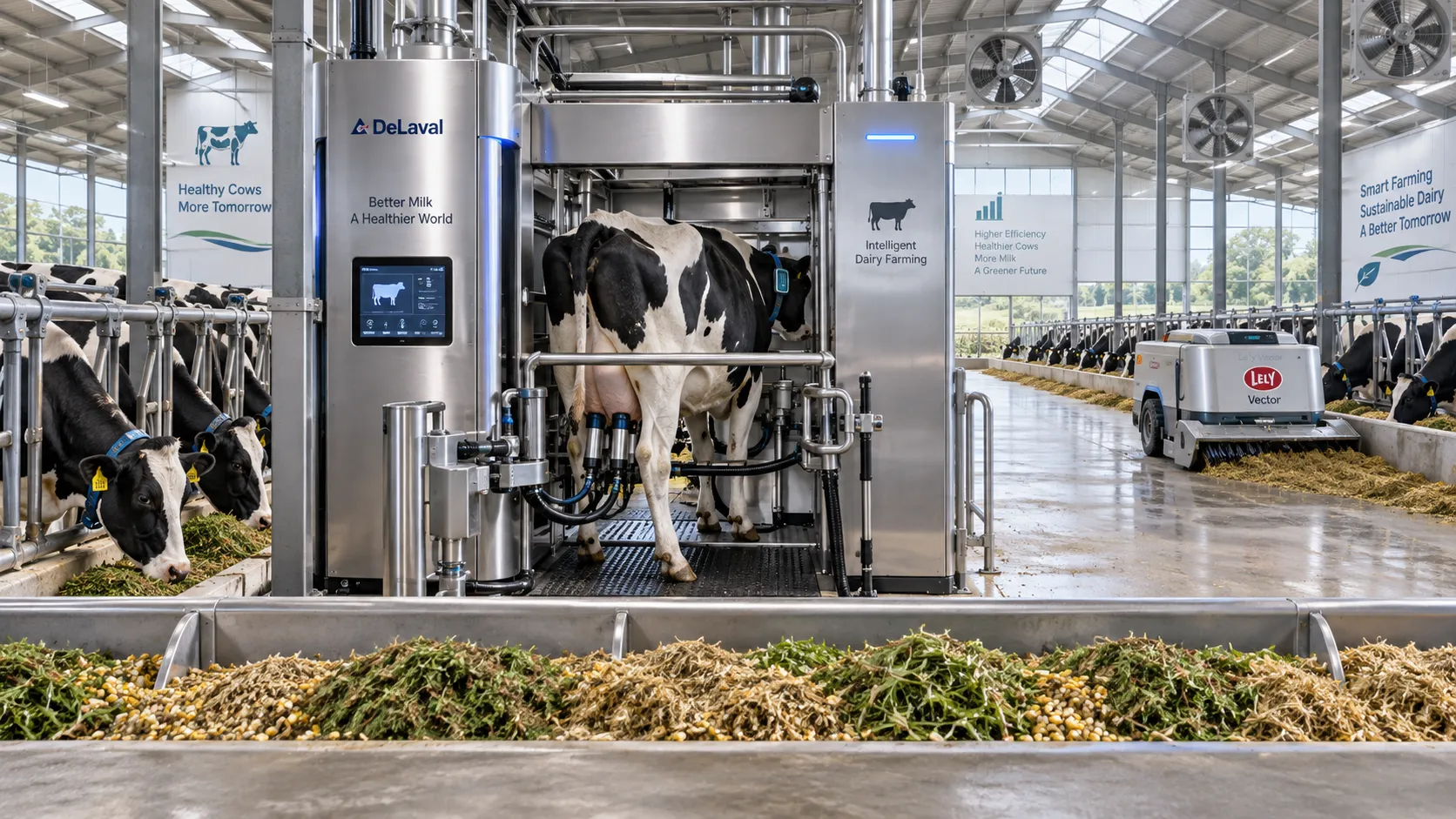
Smart Farming Technology for Dairy Farms: Where Automation Delivers Measurable ROI
Smart farming technology for dairy farms delivers measurable ROI through automation, precision feeding, health monitoring, and data-driven cost control.
Related News
- 00
0000-00
ISOBUS for Smart Agriculture: How It Connects Tractors, Implements, and Farm Data - 00
0000-00
How North American Farms Can Select Crop Monitoring Systems by Acreage and Connectivity - 00
0000-00
How Tractor Intelligence Systems Improve Field Efficiency and Input Accuracy - 00
0000-00
Which equipment for larger fields maintains accuracy at higher speeds? - 00
0000-00
What should a digital ag platform integrate before a farm-wide rollout?
Popular Tags
Tractor Power Architect
Weekly Insights
Stay ahead with our curated technology reports delivered every Monday.