
Can Precision Agriculture Technology Build Climate Resilience?
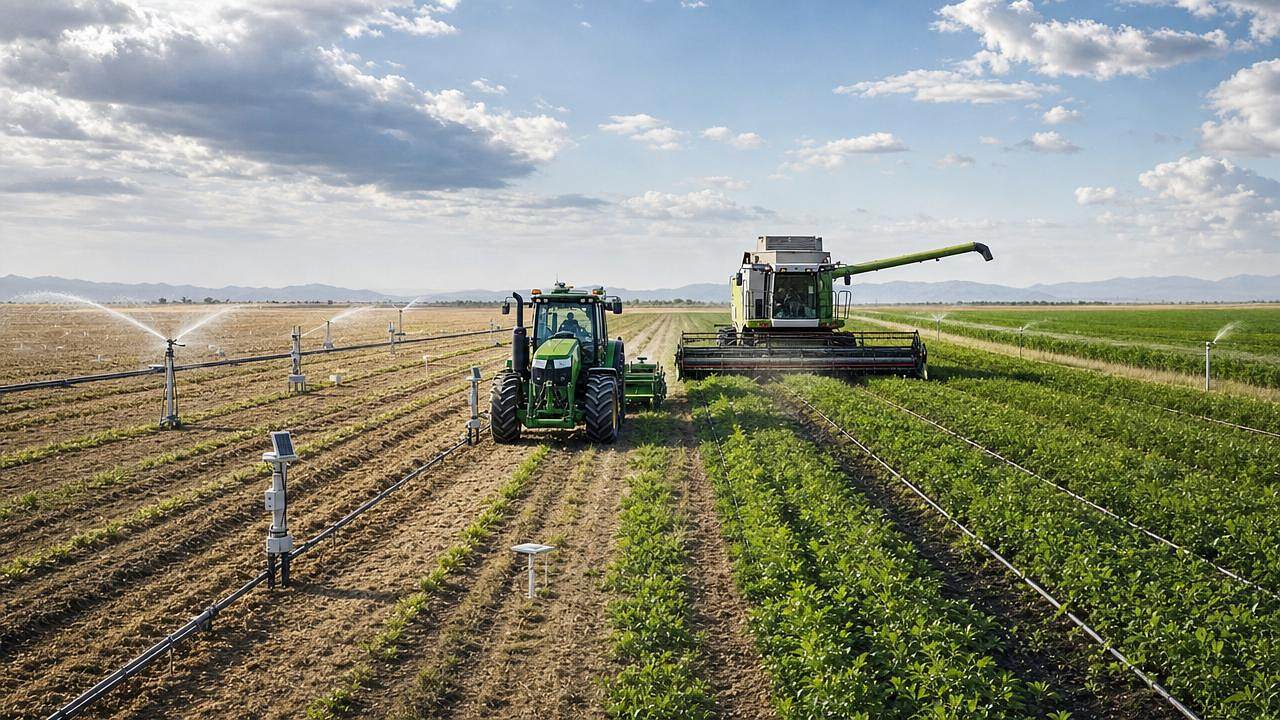




Climate Pressure Is Turning Precision Agriculture Into a Strategic Requirement
As climate volatility reshapes global farming economics, business evaluators are asking whether precision agriculture technology for climate resilience can deliver measurable returns as well as operational stability.
The answer is increasingly yes, but only when technology is deployed as an integrated operating system rather than a collection of disconnected tools.
Across the agricultural value chain, weather shocks now affect planning horizons, input efficiency, machine utilization, and asset risk in ways that traditional field management cannot fully absorb.
That is why precision agriculture technology for climate resilience is moving from innovation discussion to board-level operational strategy.
For platforms such as AP-Strategy, the shift is especially visible where machinery intelligence, harvesting efficiency, and water-saving irrigation intersect with sustainability targets.
From satellite positioning to sensor feedback, precision systems are helping agricultural operations respond faster, use fewer resources, and protect output under unstable conditions.
The Strongest Trend Signals Are Coming From Risk, Resource Stress, and Data Maturity
Several signals explain why precision agriculture technology for climate resilience is gaining momentum across both mature and developing agricultural regions.
First, rainfall patterns are becoming harder to predict, making irrigation timing and soil moisture visibility more valuable than ever.
Second, rising pressure on fertilizer, fuel, labor, and water costs is pushing operators toward higher field accuracy and lower waste.
Third, smart equipment ecosystems are becoming more practical, with better connectivity between tractors, harvesters, implements, and digital agronomy platforms.
Fourth, climate-related reporting expectations are making traceable efficiency gains more commercially important.
Key drivers behind the current adoption wave
Precision Agriculture Technology for Climate Resilience Works Best When Systems Are Connected
The most effective model combines field sensing, machine control, and agronomic decision support into one feedback loop.
This is where precision agriculture technology for climate resilience moves beyond simple automation and starts delivering strategic value.
For example, intelligent irrigation systems can adjust water delivery by zone, crop stage, evapotranspiration signals, and short-term weather forecasts.
At the same time, satellite-guided farm tools can reduce overlap, protect soil structure, and apply inputs only where response potential exists.
High-efficiency combine harvesting technology adds another layer by limiting field losses during compressed harvest windows caused by climate instability.
Tractor chassis performance also matters because traction, hydraulic stability, and fuel efficiency affect how quickly farms can act during narrow operating windows.
Where resilience gains usually appear first
- More precise irrigation under drought or uneven rainfall
- Lower fertilizer loss through site-specific application
- Reduced harvest loss during weather-driven timing pressure
- Better machine scheduling based on field and forecast data
- Improved documentation for sustainability and compliance requirements
The Impact Extends Beyond the Field to Capital Planning and Operational Stability
Climate resilience is not only an agronomic issue. It is also a capital efficiency issue.
When precision agriculture technology for climate resilience improves timing, accuracy, and resource control, it also affects equipment utilization and return on investment.
A better-timed irrigation event can protect yield. A more accurate application pass can reduce unnecessary input spending. A cleaner harvest can preserve revenue that would otherwise be lost.
In volatile environments, these gains accumulate into more stable operating margins.
For intelligence-focused organizations like AP-Strategy, this is why climate adaptation should be evaluated across machine ecosystems, not in isolated categories.
Business areas most affected by adoption
- Field operations: Better timing, lower overlap, and stronger response to weather disruption
- Water management: Smarter allocation, improved pumping efficiency, and stronger drought adaptation
- Harvest management: Lower grain loss and reduced risk during short harvest windows
- Asset planning: Clearer data for equipment upgrades and replacement decisions
- Commercial positioning: Stronger proof of sustainability performance and operating discipline
The Main Constraint Is Not Technology Availability but Deployment Discipline
Not every investment labeled smart or digital automatically creates resilience.
Precision agriculture technology for climate resilience works only when data quality, machine compatibility, and field execution standards align.
Many operations still struggle with fragmented software, inconsistent sensor calibration, poor connectivity, or limited interpretation capability.
As a result, some projects generate impressive dashboards but weak operational improvement.
The critical question is not whether a tool is advanced. It is whether the tool improves decisions under climate stress.
What deserves the closest attention
- Interoperability between tractors, harvesters, implements, and irrigation controls
- Sensor reliability across different crop and weather conditions
- Actionable analytics rather than excessive data collection
- Field-level training for consistent use during time-sensitive operations
- Return measurement tied to water, yield, labor, fuel, and loss reduction
A Practical Response Framework Starts With High-Impact Use Cases
A disciplined rollout often outperforms a broad but shallow digital transformation program.
The best path is to prioritize use cases where climate pressure and measurable value are both clear.
Suggested next-step approach
- Map the biggest climate-related operational losses by field activity.
- Select one or two precision agriculture technology for climate resilience use cases with clear payback logic.
- Verify data compatibility across existing equipment and software.
- Define success metrics before deployment begins.
- Scale only after operational results are consistently repeatable.
The Strategic Outlook Favors Integrated Intelligence Over Isolated Upgrades
So, can precision agriculture technology build climate resilience? The evidence suggests it can, especially when systems are linked to real operating decisions.
The strongest outcomes come from combining machinery performance, agronomic analytics, and intelligent water management into one coordinated framework.
That is why precision agriculture technology for climate resilience is becoming central to future-ready agricultural strategy.
For organizations tracking Agriculture 4.0, the opportunity is not simply to digitize operations. It is to make every hectare, machine pass, and water decision more adaptive.
AP-Strategy’s focus on large-scale machinery, combine harvesting technology, tractor chassis, intelligent farm tools, and water-saving irrigation reflects this exact transition.
The next step is practical: identify the highest-risk climate bottleneck, connect the right data and equipment, and measure resilience as a business outcome.
Related News
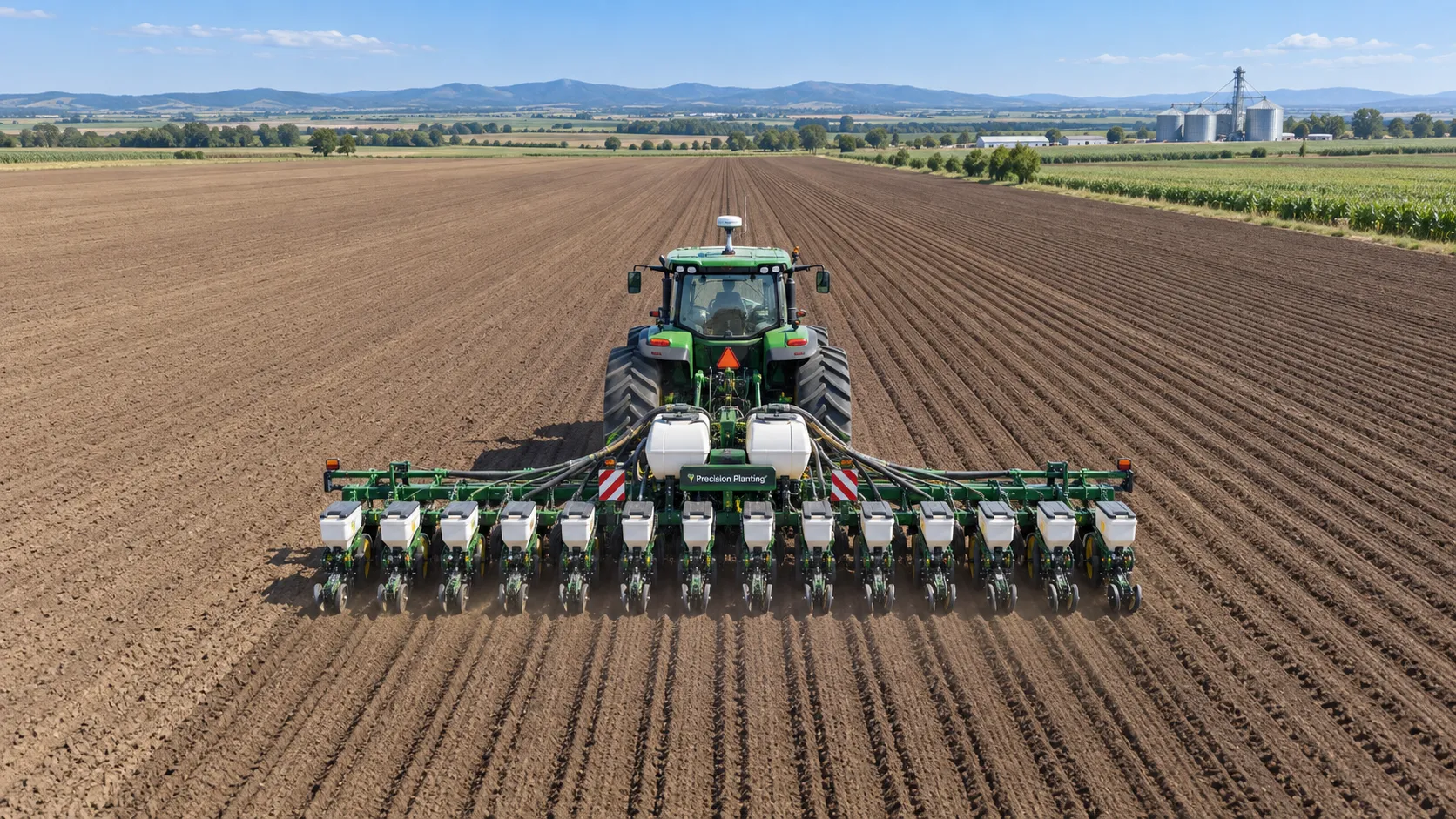
GPS-Guided Farm Machinery: Where It Delivers Measurable Field Efficiency Gains
Agri-mechanization GPS guided systems deliver measurable field efficiency gains through reduced overlap, precise planting, smarter inputs, and reliable farm data.
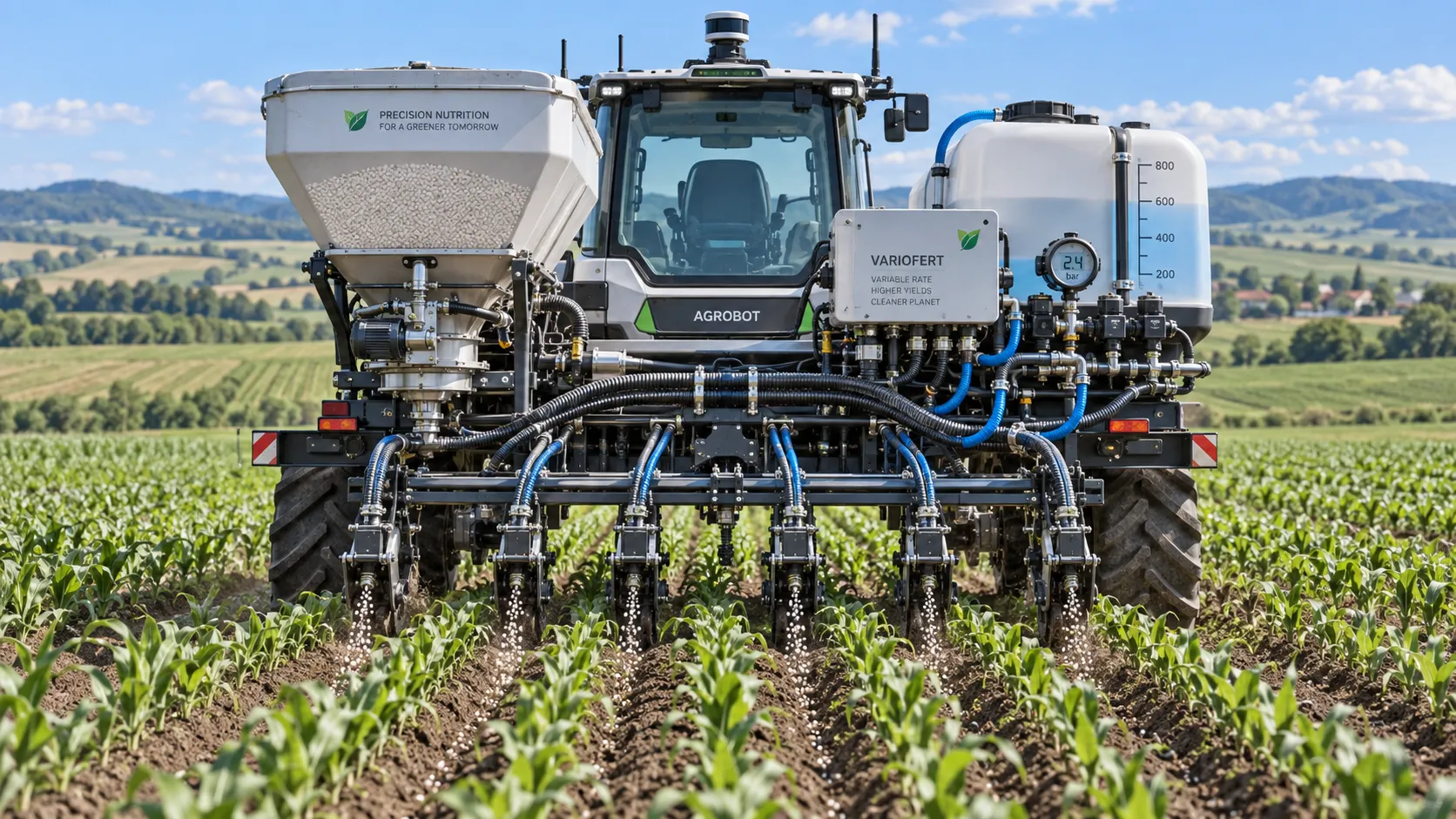
How Sensor Feedback Enables Accurate Variable-Rate Fertilization in Field Conditions
Precision fertilization systems with sensor feedback improve variable-rate accuracy by verifying flow, managing latency, and ensuring reliable field application.
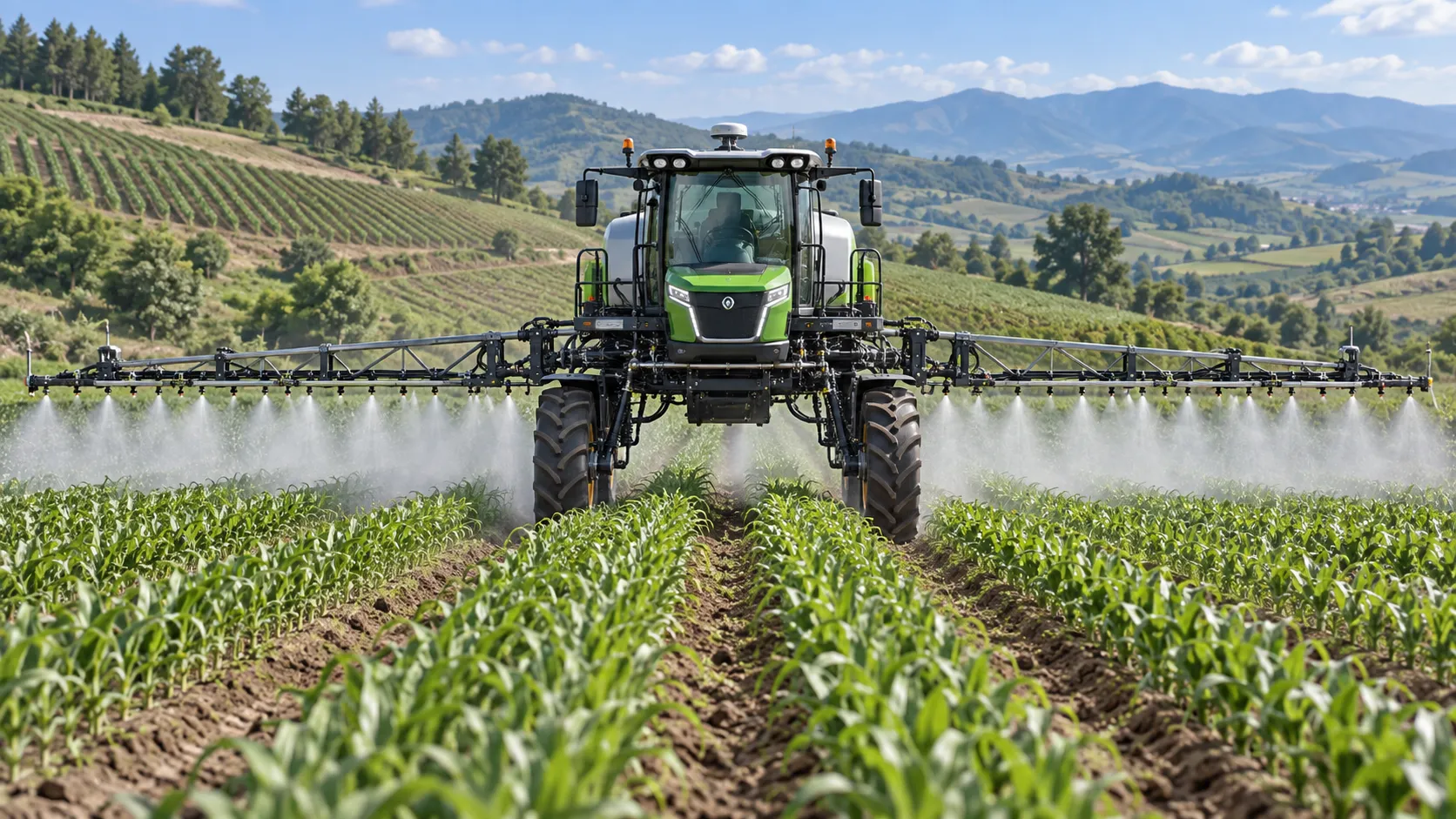
How to Select Precision Crop Protection Equipment for Variable Field Conditions
Precision crop protection equipment selection made simple: compare terrain, canopy, weather, control accuracy, and data workflows for reliable applications.
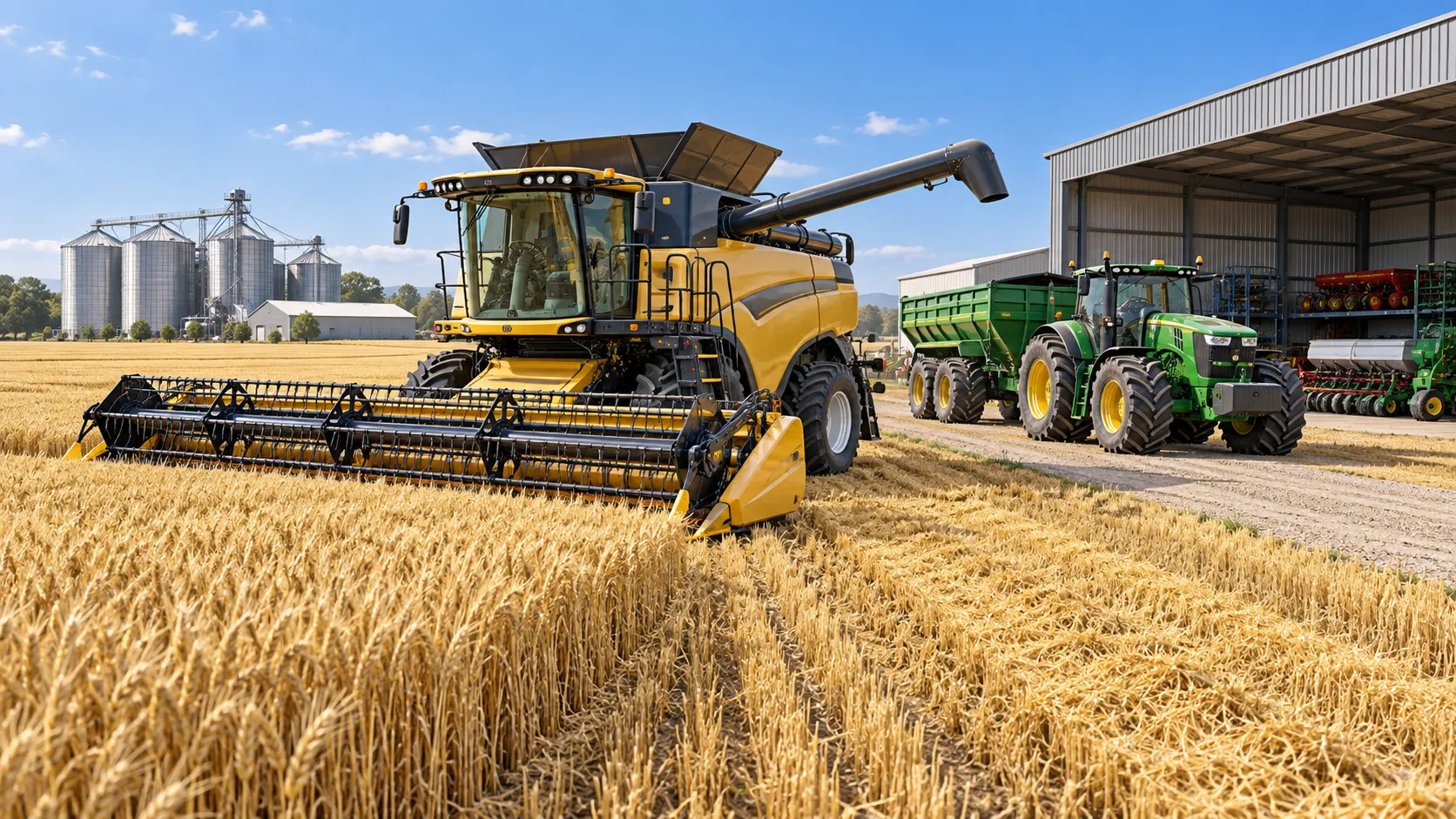
When Does Agricultural Machinery Leasing Cost Less Than Owning Equipment?
Agricultural machinery leasing can lower farm costs when use is seasonal or uncertain. Compare utilization, maintenance, cash flow, and risk to make a smarter equipment decision.
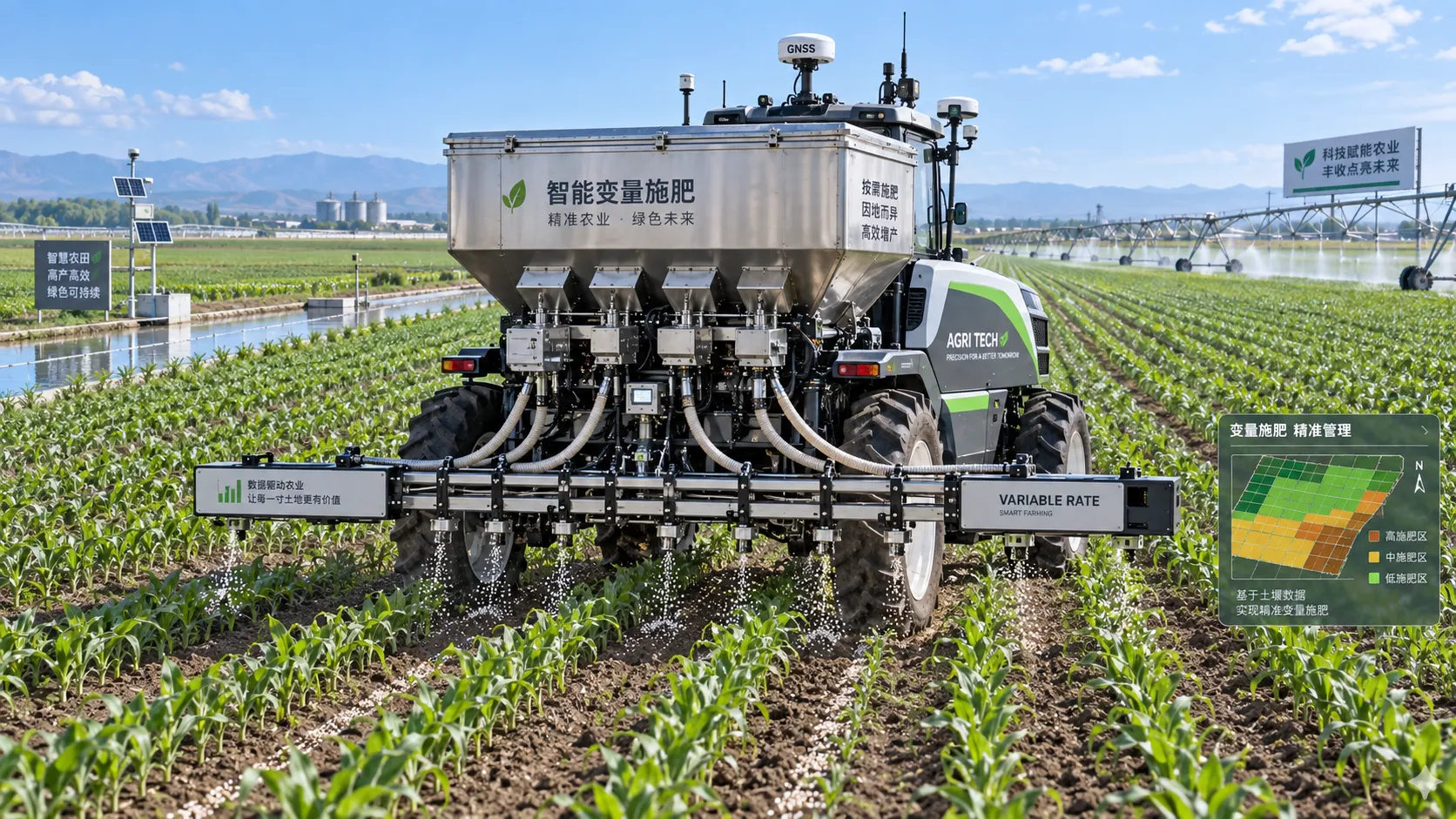
How to Evaluate Precision Fertilization System Suppliers for Farm-Scale Deployment
Precision fertilization systems suppliers: learn how to compare accuracy, integration, uptime, service, and total cost for confident farm-scale deployment.
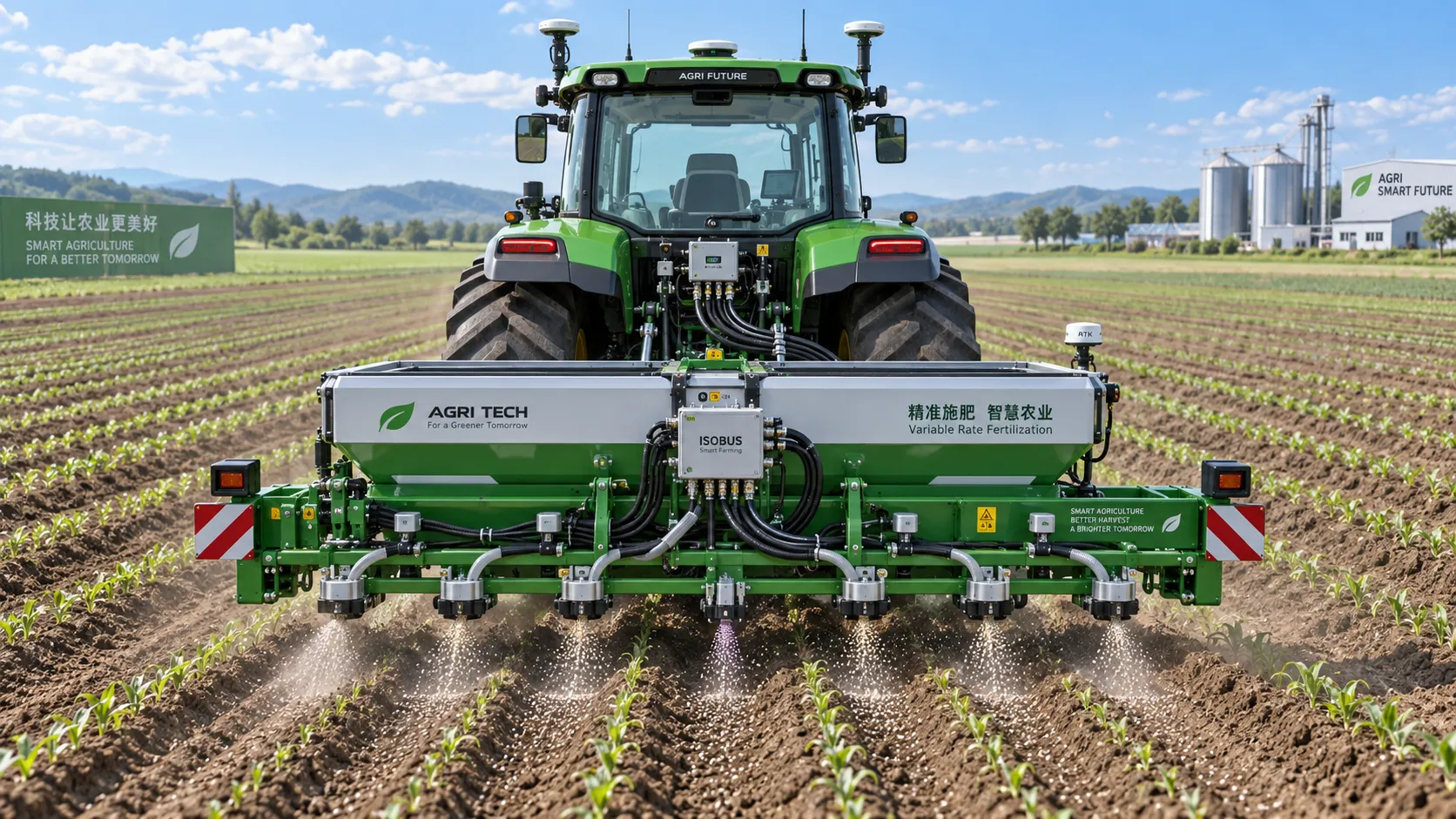
ISOBUS for Smart Agriculture: How It Connects Tractors, Implements, and Farm Data
ISOBUS for smart agriculture connects tractors, implements, terminals, and farm data—helping growers improve precision, documentation, and smarter field decisions.
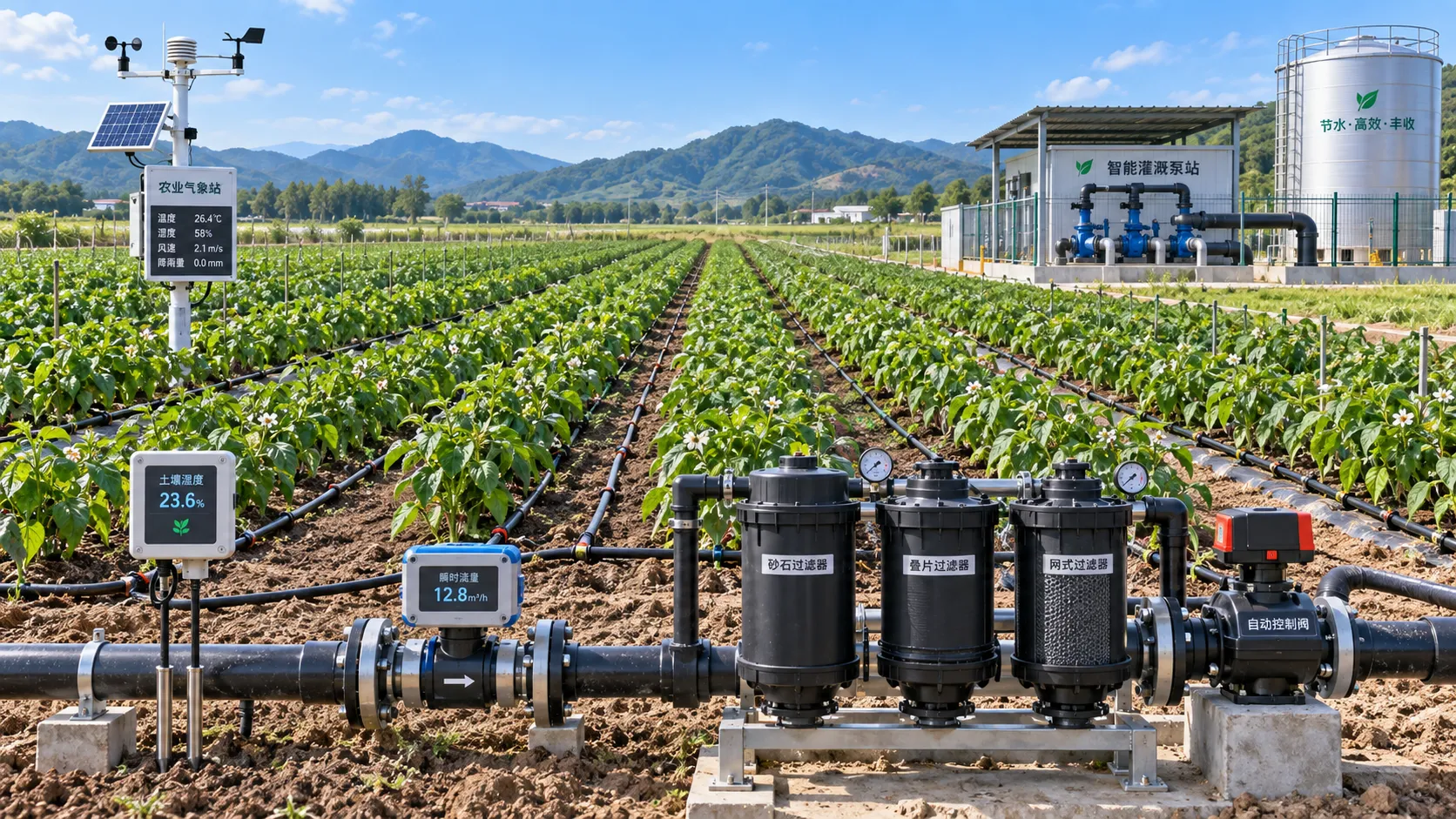
Automated Water-Saving Irrigation: How to Cut Water Use Without Reducing Crop Yields
Automated water-saving irrigation helps farms cut water use, protect crop yields, improve scheduling, and gain reliable control with sensors, flow monitoring, and smart zones.
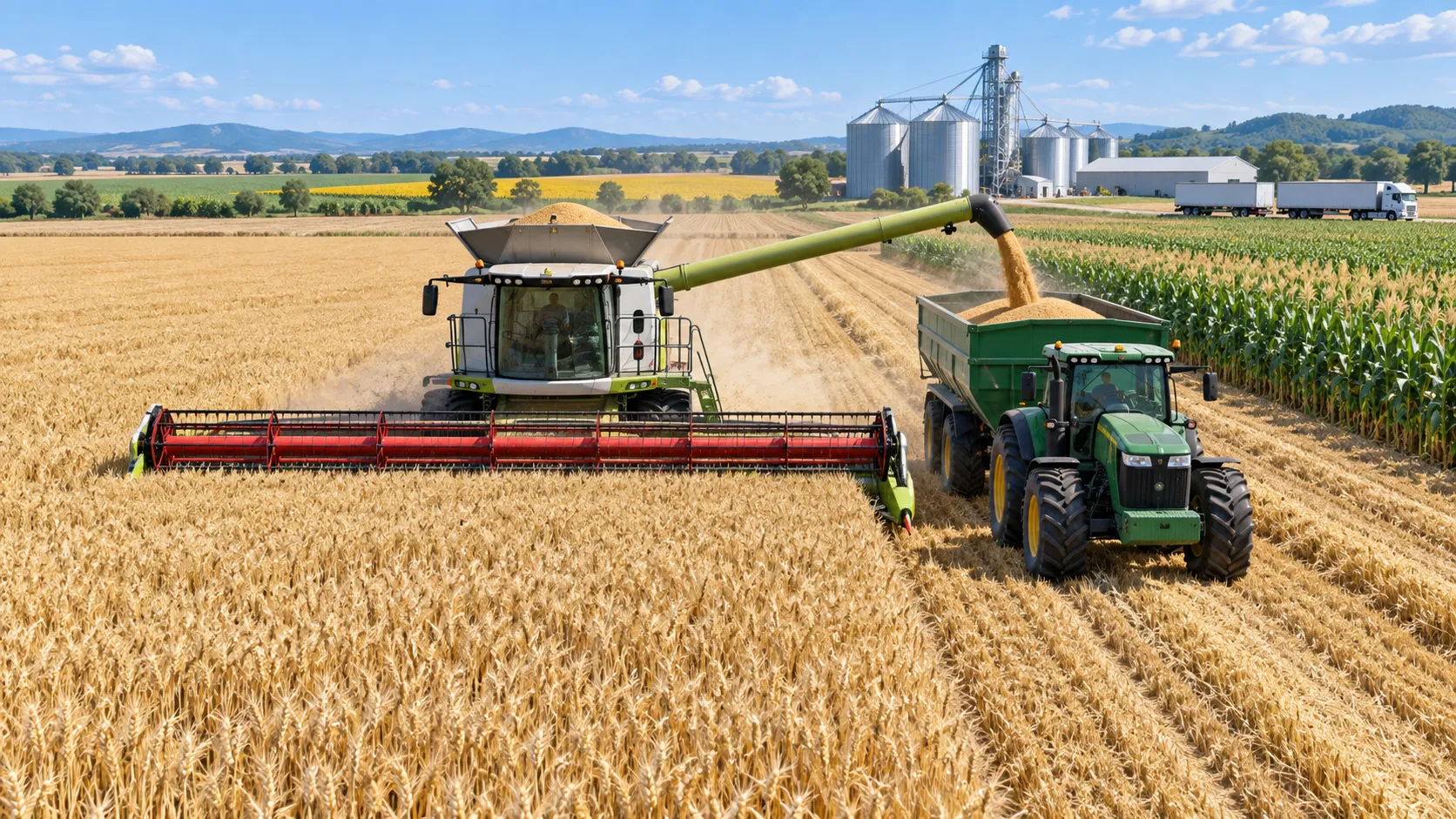
Selecting Grain Farm Equipment by Acreage, Crop Mix, and Harvest Window
Agricultural equipment selection for grain farming: match machinery to acreage, crop mix, and harvest windows to improve uptime, efficiency, and returns.
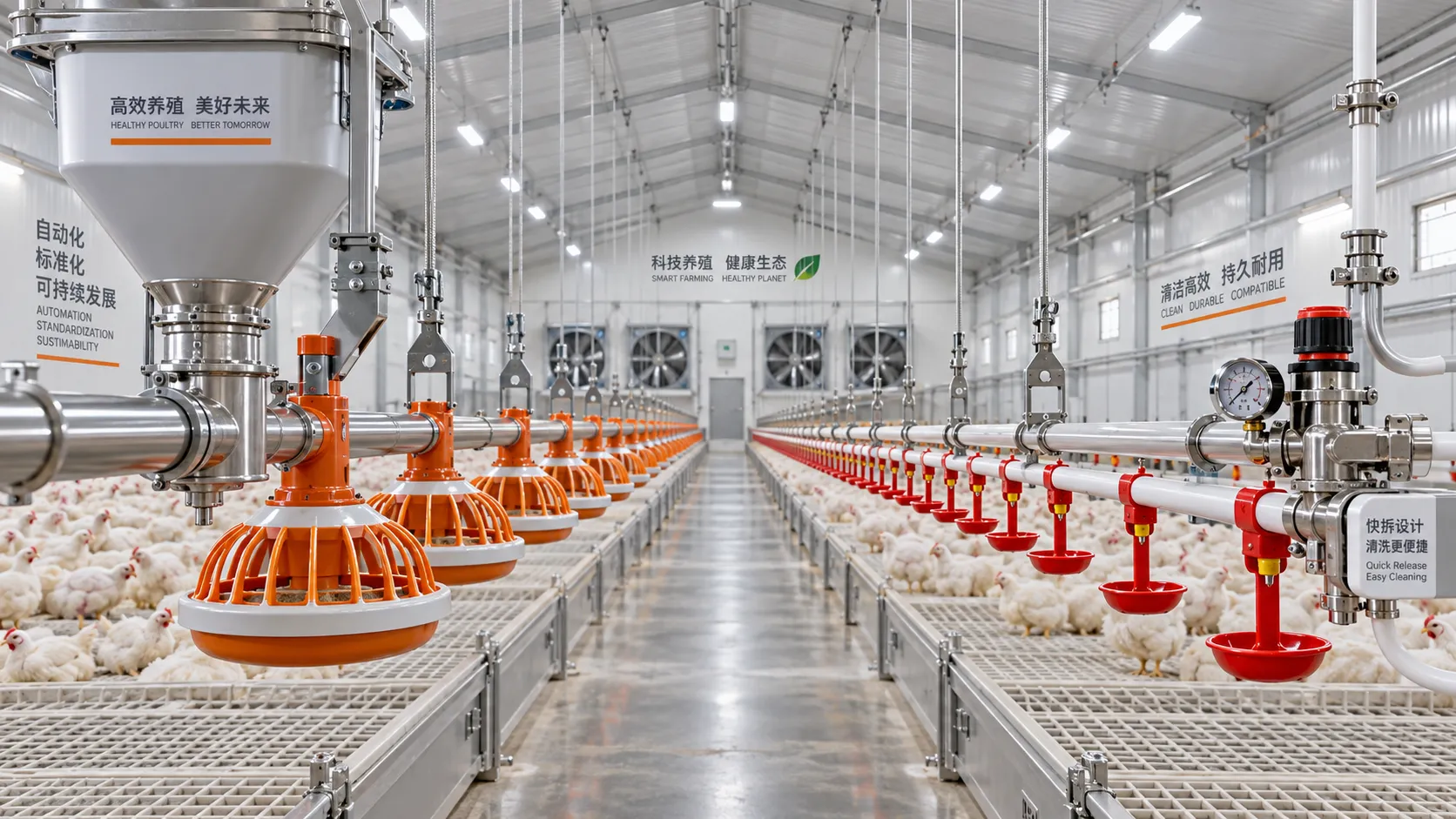
Poultry Equipment Selection: Evaluating Durability, Cleaning, and Compatibility
Poultry equipments selection guide: evaluate durability, cleaning access, and system compatibility to improve hygiene, reduce downtime, and support efficient flock management.
Related News
- 00
0000-00
GPS-Guided Farm Machinery: Where It Delivers Measurable Field Efficiency Gains - 00
0000-00
ISOBUS for Smart Agriculture: How It Connects Tractors, Implements, and Farm Data - 00
0000-00
How North American Farms Can Select Crop Monitoring Systems by Acreage and Connectivity - 00
0000-00
How Tractor Intelligence Systems Improve Field Efficiency and Input Accuracy - 00
0000-00
Which equipment for larger fields maintains accuracy at higher speeds?
Popular Tags
Tractor Power Architect
Weekly Insights
Stay ahead with our curated technology reports delivered every Monday.