
Vietnam MOIT Mandates CNAS Calibration Reports for Farm GPS Imports
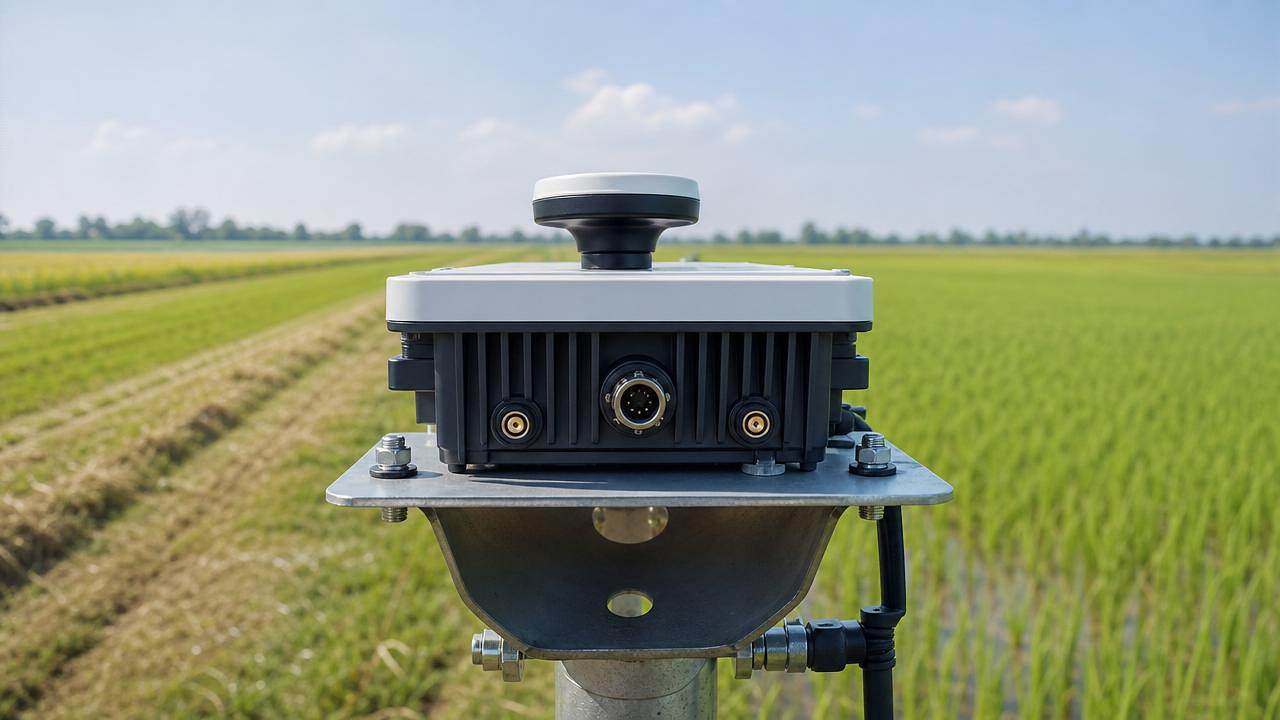




Vietnam’s Ministry of Industry and Trade (MOIT) issued Circular No. 12/2026/TT-BCT on May 14, 2026, requiring all imported agricultural GPS guidance systems—including modules for seeders and tractor auto-steer systems—to be accompanied by GNSS receiver positioning accuracy calibration reports issued by China National Accreditation Service (CNAS)-accredited laboratories, effective July 1, 2026. This measure directly affects Chinese manufacturers and exporters of precision agriculture equipment, importers in Vietnam, and third-party logistics and compliance service providers supporting cross-border agri-tech trade.
Event Overview
On May 14, 2026, Vietnam’s Ministry of Industry and Trade (MOIT) published Circular No. 12/2026/TT-BCT. The circular stipulates that, starting July 1, 2026, all imports of agricultural GPS Guidance Systems—specifically those used in seeding machines and tractor guidance modules—must include a GNSS receiver positioning accuracy calibration report. Such reports must be issued by laboratories accredited under ISO/IEC 17025 by China National Accreditation Service (CNAS). No additional implementation details, exemptions, or transitional arrangements have been publicly disclosed beyond the circular’s text.
Which Subsectors Are Affected
Direct Exporters (Chinese OEMs and ODMs)
Manufacturers exporting GPS guidance hardware to Vietnam will face new pre-shipment documentation requirements. Because the calibration report must originate from a CNAS-accredited lab—and not merely a qualified lab—the ability to obtain compliant reports depends on laboratory capacity, turnaround time, and alignment with GNSS test protocols specified in the circular. Smaller exporters lacking in-house metrology support may experience delays in customs clearance due to report preparation lead times.
Importers and Distributors (Vietnamese Agri-Tech Firms)
Vietnamese companies importing such equipment must now verify report validity prior to shipment and coordinate with suppliers to ensure timely submission during customs declaration. Absence or non-compliance of the CNAS report is expected to trigger inspection delays or rejection at port, increasing landed cost and inventory risk—especially for time-sensitive seasonal deployment cycles.
Supply Chain & Compliance Service Providers
Freight forwarders, customs brokers, and technical documentation agencies supporting China–Vietnam agri-tech trade must update internal checklists and client advisories to include CNAS report verification. Their role shifts toward pre-clearance validation—not just document handling—raising operational expectations and potential liability if reports are later found invalid.
What Relevant Enterprises or Practitioners Should Focus On and How to Respond
Monitor official MOIT clarifications and enforcement guidance
The circular does not specify acceptable report formats, minimum test parameters (e.g., static vs. dynamic accuracy, satellite constellations tested), or whether retrospective calibration is permitted. Enterprises should track MOIT’s subsequent notices or FAQs, especially ahead of the July 1, 2026, effective date.
Confirm CNAS lab scope and reporting timelines for priority SKUs
Not all CNAS-accredited labs list GNSS receiver calibration under their approved scope. Exporters should identify and pre-qualify labs capable of issuing reports aligned with typical agricultural GNSS use cases (e.g., RTK-enabled receivers operating under open-sky conditions). Allow at least 10–15 working days for report generation per batch.
Distinguish between regulatory signal and operational readiness
This requirement reflects Vietnam’s broader move toward technical standardization in smart agriculture imports—but it is not yet accompanied by national testing infrastructure or local accreditation equivalency. As such, reliance on CNAS remains mandatory *for now*, rather than optional or transitional.
Update procurement and logistics coordination workflows
Integrate CNAS report generation into order fulfillment timelines. For example, align production scheduling with lab availability; assign internal responsibility for report tracking; and revise Incoterms where appropriate (e.g., shift from FOB to C&F to clarify who bears calibration and documentation risk).
Editorial Perspective / Industry Observation
Observably, this circular signals Vietnam’s intent to strengthen technical traceability and measurement credibility for imported precision farming tools—particularly as domestic adoption of GPS-guided machinery accelerates. Analysis shows the CNAS mandate functions less as an outright market barrier and more as a procedural gate: it raises the baseline for documentation rigor without altering product safety or electromagnetic compatibility requirements. From an industry perspective, it favors Chinese manufacturers already engaged with formal metrology frameworks—while exposing gaps among smaller exporters reliant on informal calibration practices. Current implementation remains narrow in scope (limited to GPS guidance modules, not full tractors or standalone GNSS receivers), suggesting this may be a pilot step before broader technical regulation expansion.
It is more appropriately understood as an early-stage compliance signal—not yet a fully matured regulatory regime—given the absence of published test standards, enforcement benchmarks, or mutual recognition discussions with other accreditation bodies (e.g., Vietnam’s VILAS).
Conclusion: This circular marks a procedural tightening in Vietnam’s import control for agricultural GNSS equipment, emphasizing metrological accountability over performance bans. Its immediate impact lies in documentation workflow redesign and lab coordination—not product redesign or market exclusion. For stakeholders, the priority is not anticipation of broader restrictions, but disciplined execution of the current CNAS reporting requirement within defined timelines and scopes.
Source: Vietnam Ministry of Industry and Trade (MOIT), Circular No. 12/2026/TT-BCT, issued May 14, 2026. Pending observation: MOIT’s forthcoming implementation guidance, including acceptable report templates and enforcement procedures, remains to be published.
Related News
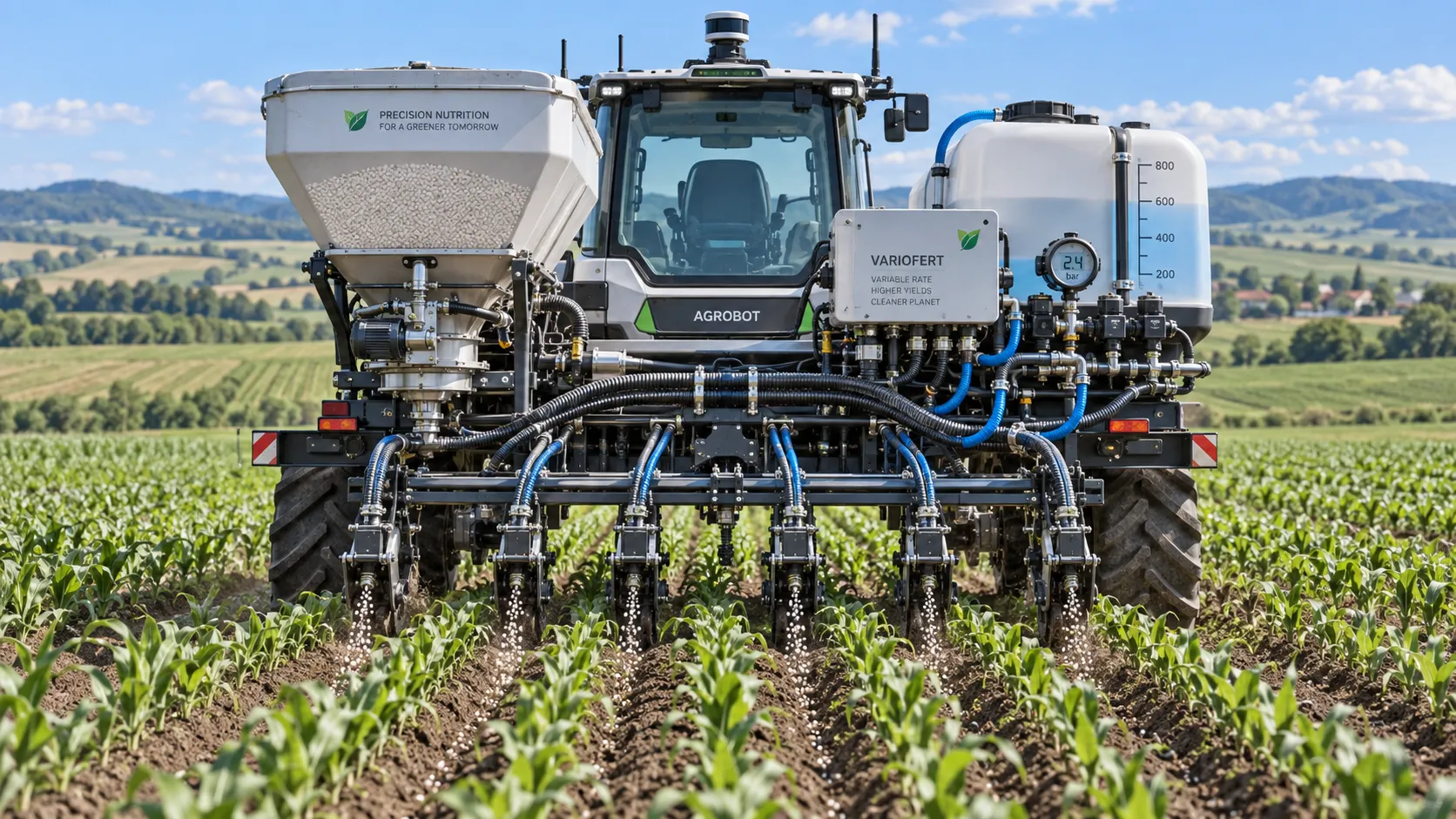
How Sensor Feedback Enables Accurate Variable-Rate Fertilization in Field Conditions
Precision fertilization systems with sensor feedback improve variable-rate accuracy by verifying flow, managing latency, and ensuring reliable field application.
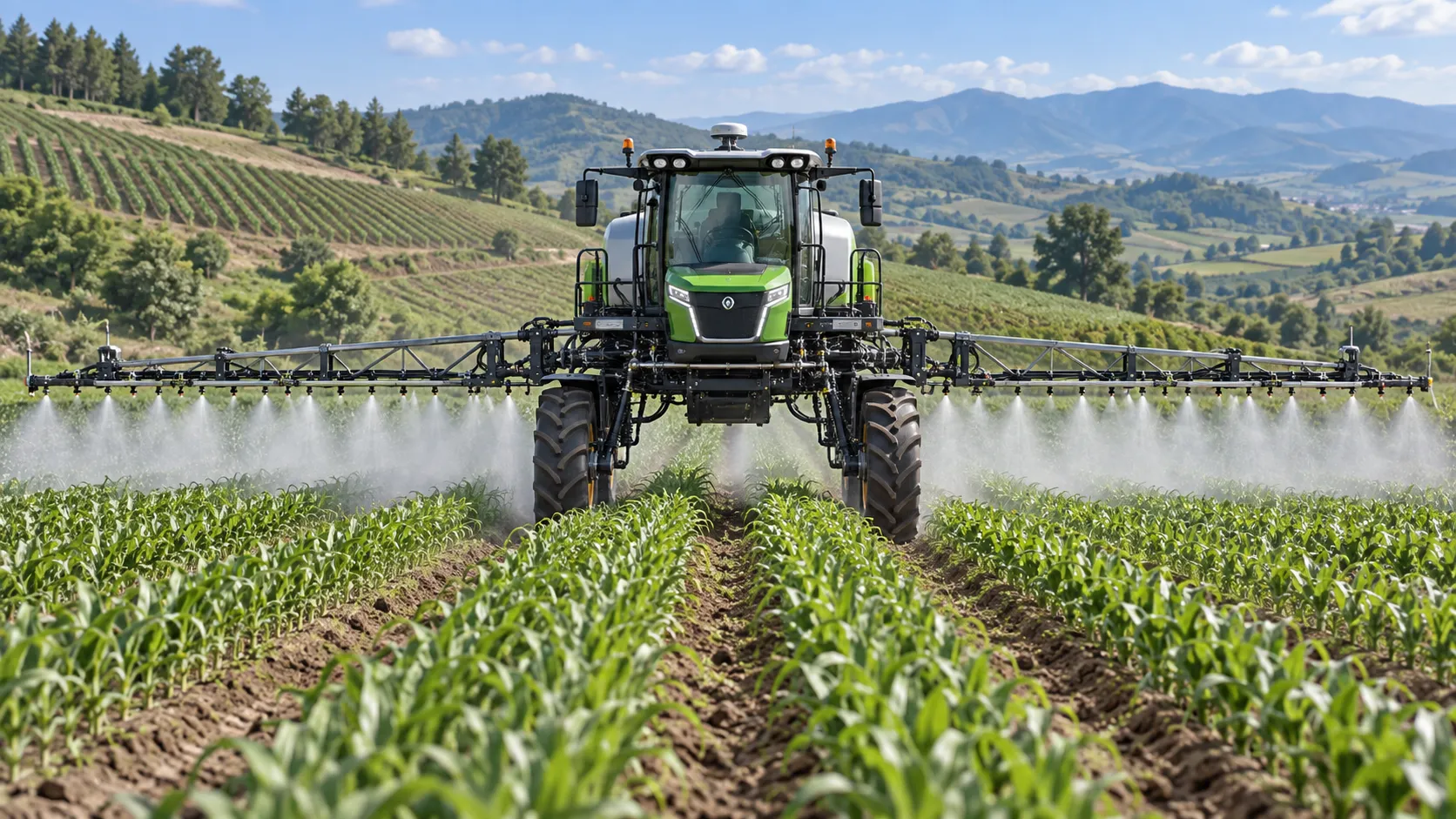
How to Select Precision Crop Protection Equipment for Variable Field Conditions
Precision crop protection equipment selection made simple: compare terrain, canopy, weather, control accuracy, and data workflows for reliable applications.
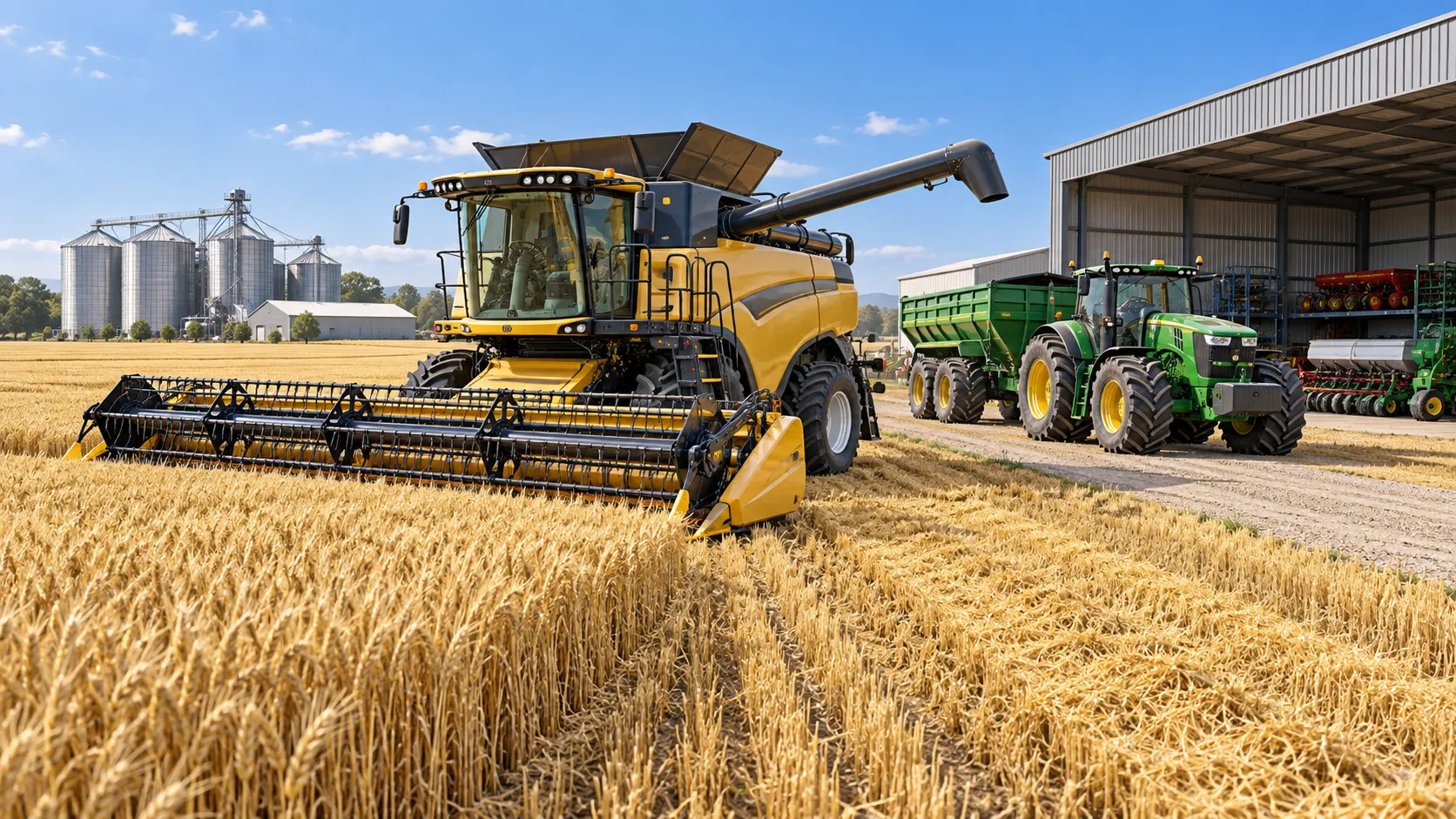
When Does Agricultural Machinery Leasing Cost Less Than Owning Equipment?
Agricultural machinery leasing can lower farm costs when use is seasonal or uncertain. Compare utilization, maintenance, cash flow, and risk to make a smarter equipment decision.
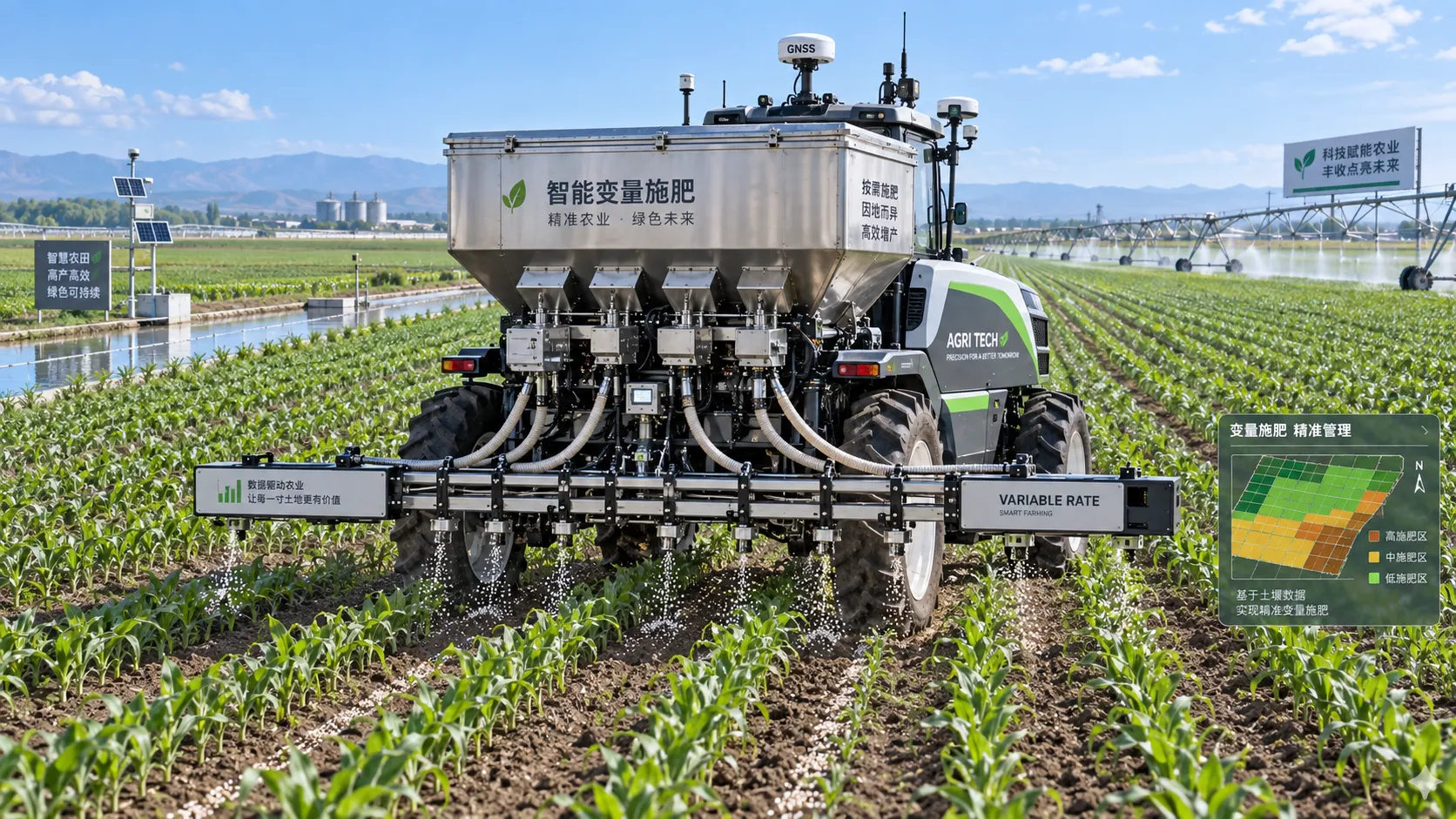
How to Evaluate Precision Fertilization System Suppliers for Farm-Scale Deployment
Precision fertilization systems suppliers: learn how to compare accuracy, integration, uptime, service, and total cost for confident farm-scale deployment.
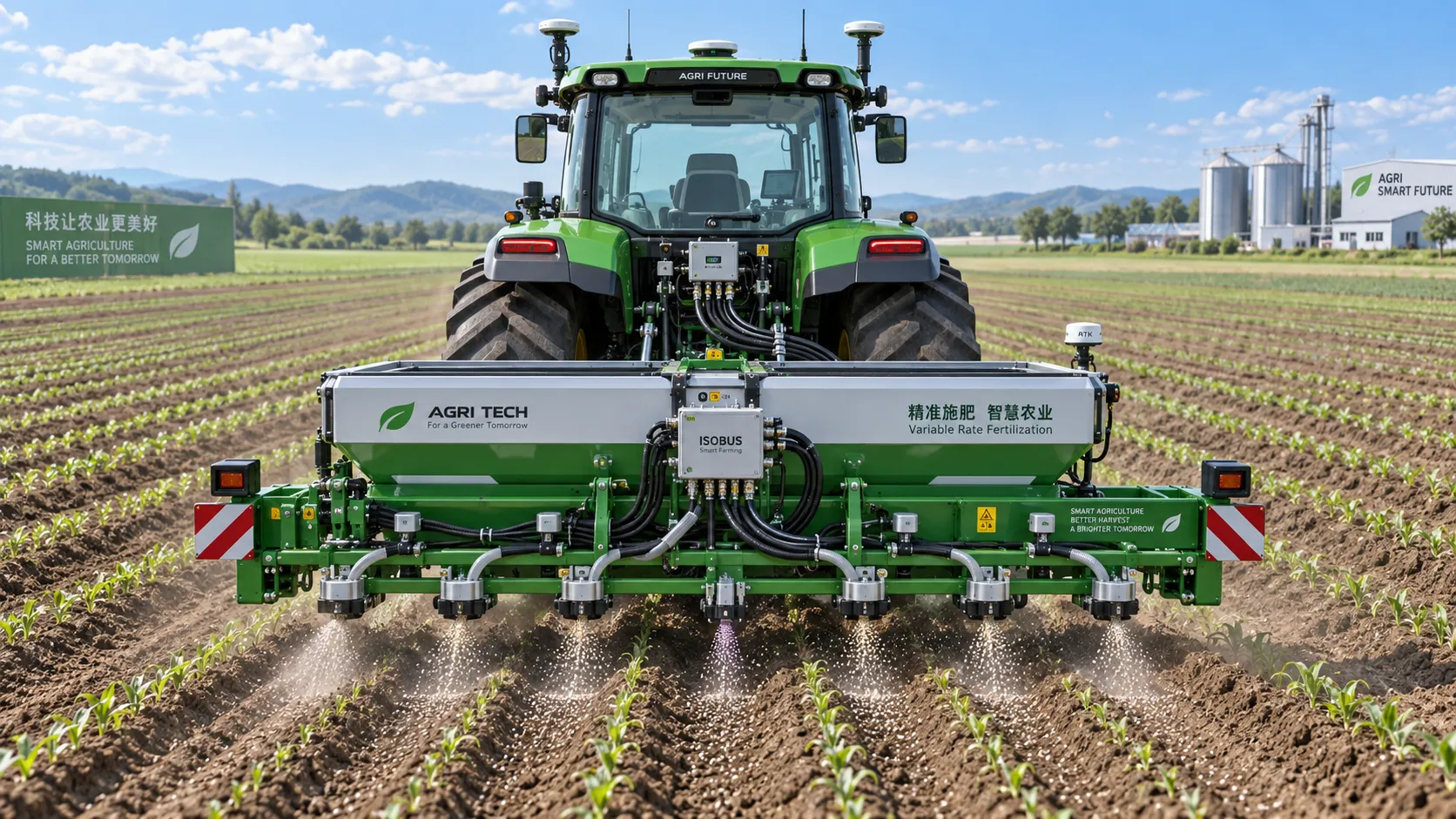
ISOBUS for Smart Agriculture: How It Connects Tractors, Implements, and Farm Data
ISOBUS for smart agriculture connects tractors, implements, terminals, and farm data—helping growers improve precision, documentation, and smarter field decisions.
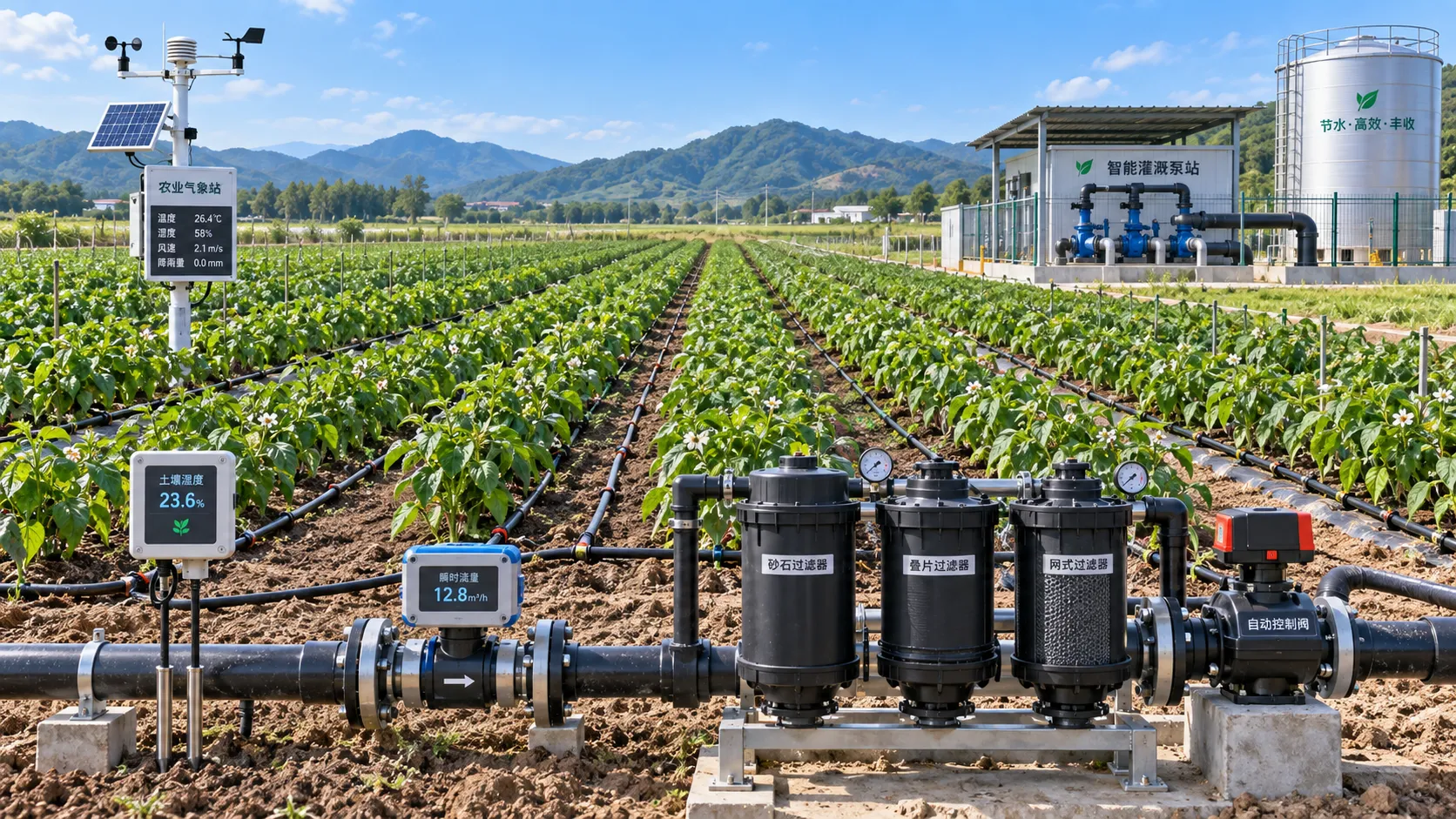
Automated Water-Saving Irrigation: How to Cut Water Use Without Reducing Crop Yields
Automated water-saving irrigation helps farms cut water use, protect crop yields, improve scheduling, and gain reliable control with sensors, flow monitoring, and smart zones.
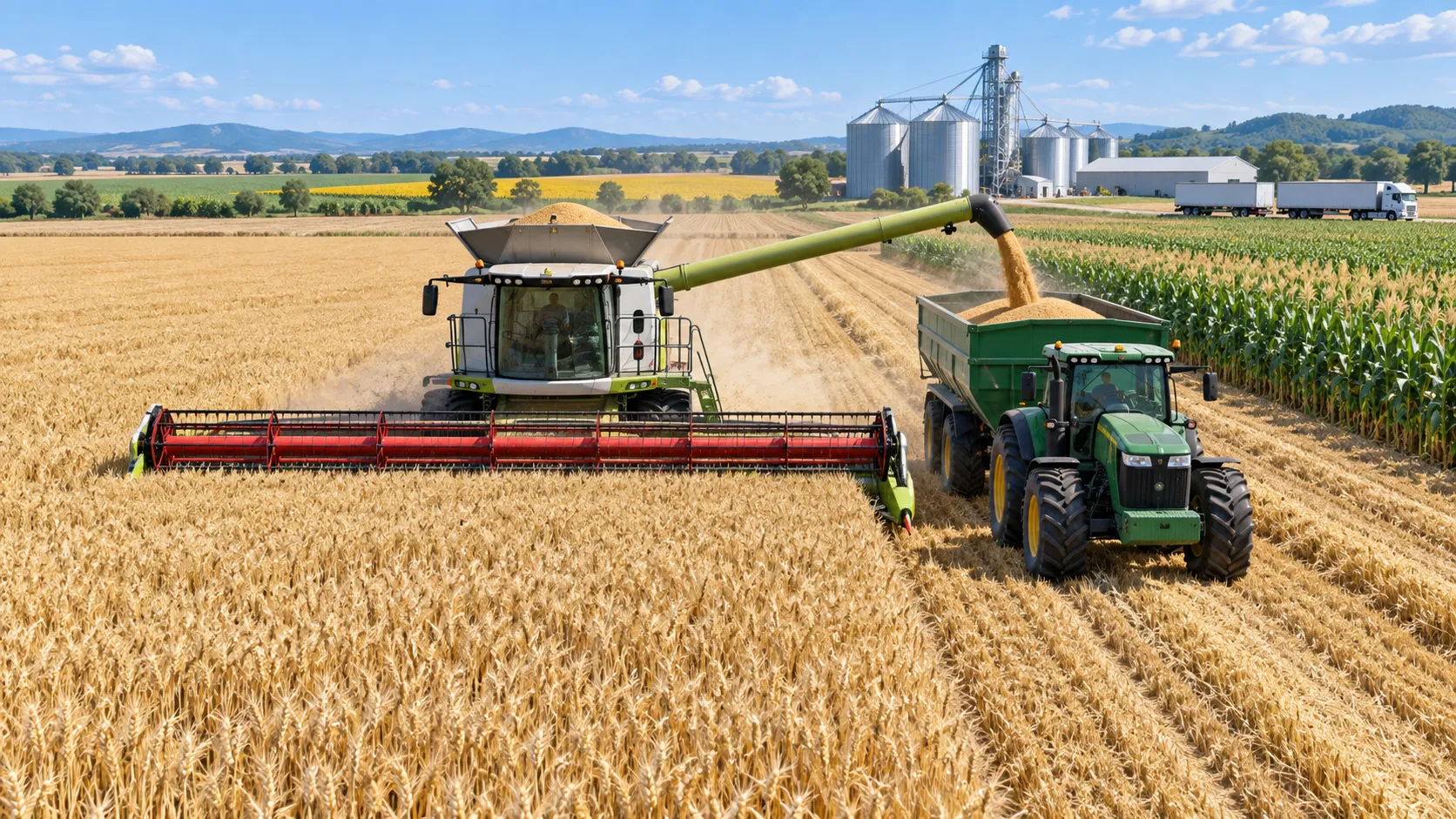
Selecting Grain Farm Equipment by Acreage, Crop Mix, and Harvest Window
Agricultural equipment selection for grain farming: match machinery to acreage, crop mix, and harvest windows to improve uptime, efficiency, and returns.
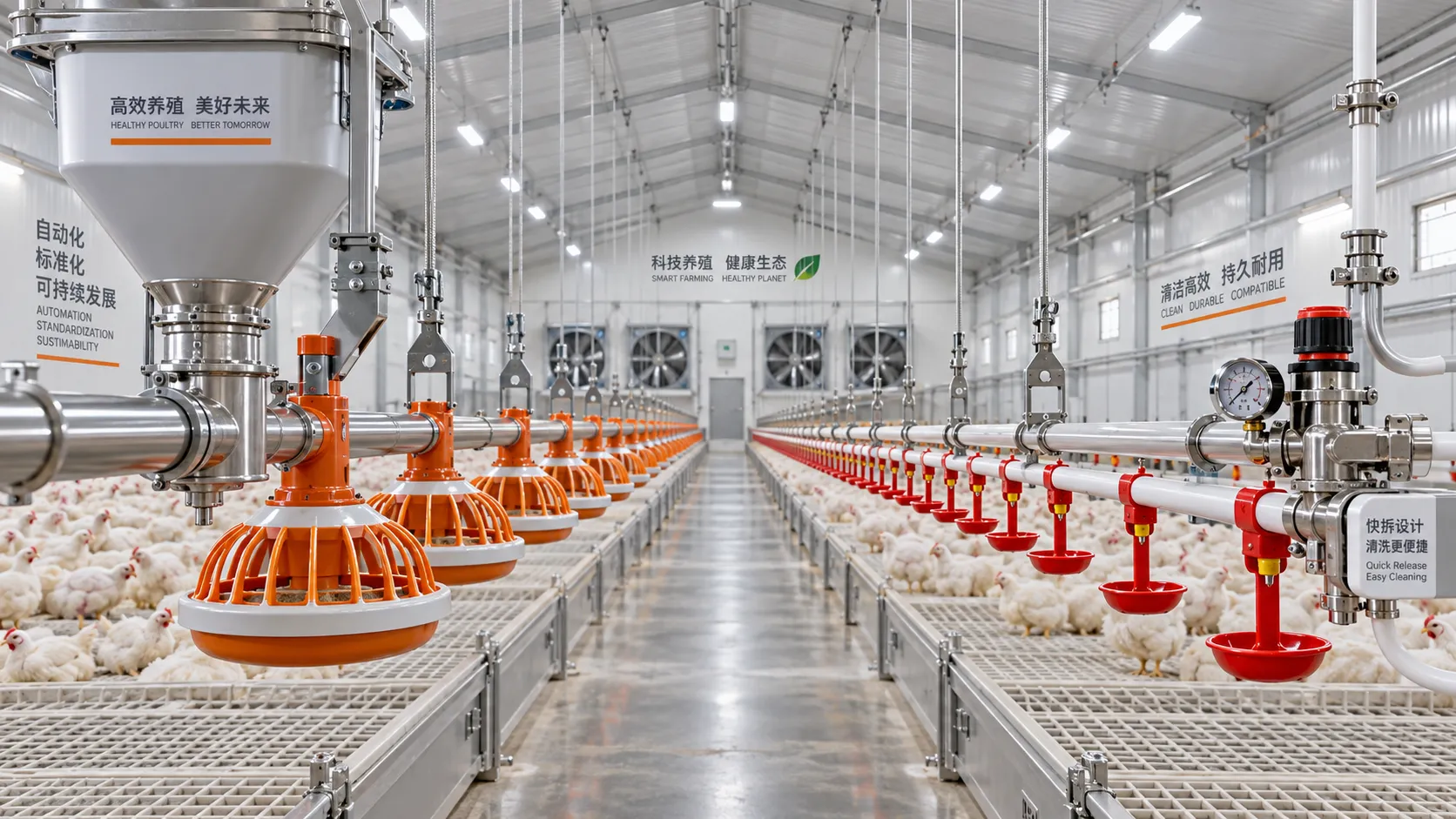
Poultry Equipment Selection: Evaluating Durability, Cleaning, and Compatibility
Poultry equipments selection guide: evaluate durability, cleaning access, and system compatibility to improve hygiene, reduce downtime, and support efficient flock management.
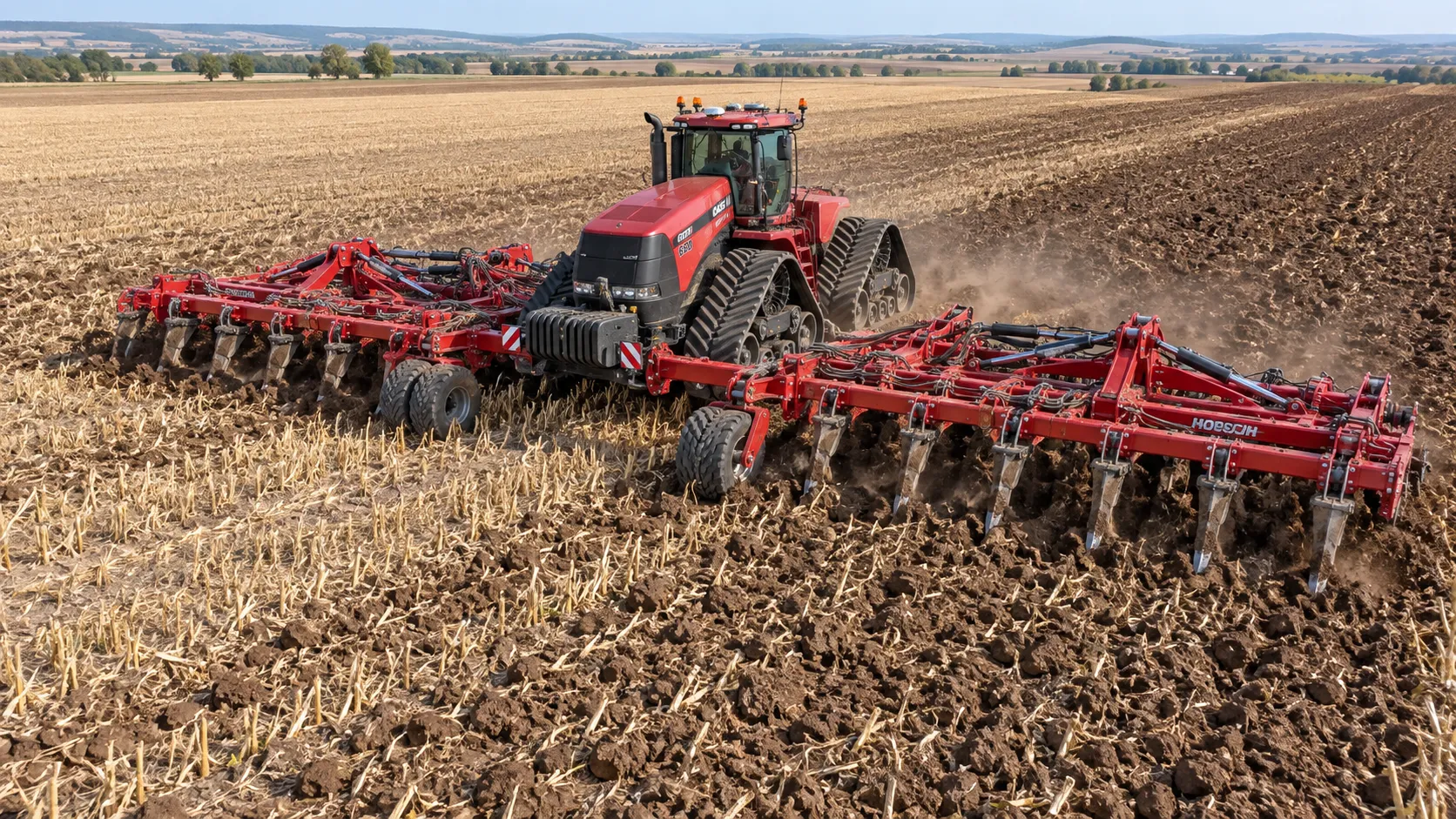
How to Select Heavy-Duty Farm Implements for High-Acreage, High-Horsepower Operations
Heavy duty farm implements: learn how to match draft, hydraulics, hitch capacity, frame strength, and field conditions for reliable high-acreage performance.
Related News
- 00
0000-00
ISOBUS for Smart Agriculture: How It Connects Tractors, Implements, and Farm Data - 00
0000-00
How North American Farms Can Select Crop Monitoring Systems by Acreage and Connectivity - 00
0000-00
How Tractor Intelligence Systems Improve Field Efficiency and Input Accuracy - 00
0000-00
Which equipment for larger fields maintains accuracy at higher speeds? - 00
0000-00
What should a digital ag platform integrate before a farm-wide rollout?
Popular Tags
Tractor Power Architect
Weekly Insights
Stay ahead with our curated technology reports delivered every Monday.