
How Hydraulic Control Manufacturers Shape Machinery Uptime
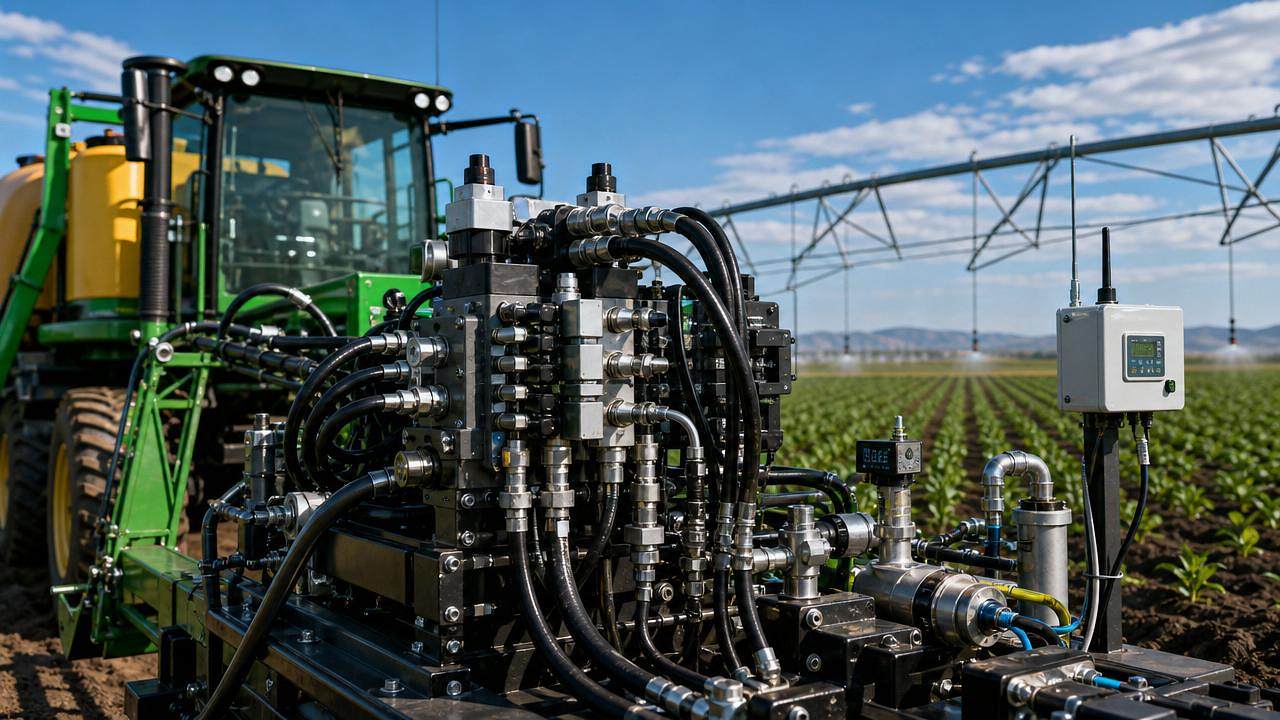




In modern farming, machinery uptime is no longer just a maintenance metric—it is a strategic advantage. For project managers overseeing performance, cost, and delivery targets, hydraulic control manufacturers for agricultural machinery play a critical role in keeping tractors, harvesters, and irrigation systems running under demanding field conditions. Their engineering decisions directly influence reliability, response precision, and operational continuity across the agricultural value chain.
Why hydraulic control decisions now affect project risk, not just machine performance
For project leaders in large-scale agriculture, hydraulic systems are no longer isolated components. They influence crop timing, labor deployment, fuel efficiency, operator accuracy, and the ability to complete work within short weather windows.
That is why hydraulic control manufacturers for agricultural machinery have become strategic contributors to uptime planning. Their valve architecture, sealing choices, pressure stability, contamination tolerance, and control logic all shape whether a machine works reliably across an entire season.
This is especially true in Agriculture 4.0 environments, where hydraulic performance must interact smoothly with sensors, positioning systems, electronic control units, and variable-rate operations. A small instability in flow control can create larger downstream losses in field productivity.
- A tractor chassis depends on responsive hydraulic control for steering, lifting, transmission support, and attachment management under changing loads.
- A combine harvester relies on stable pressure and precise actuation to maintain header positioning, unloading operations, and cleaning system adjustments.
- An intelligent irrigation platform requires dependable hydraulic control behavior where water distribution, pump coordination, and feedback-based adjustment must remain consistent over long cycles.
AP-Strategy follows these interactions closely because uptime in modern agriculture is built at the intersection of mechanical engineering, field data, and operational decision-making. For project management teams, this broader view is essential when evaluating suppliers and system designs.
What project managers often overlook
Many procurement reviews still focus on unit price, rated pressure, or nominal compatibility. Those factors matter, but they do not fully explain whether a hydraulic control package will support predictable uptime through dust, vibration, thermal cycling, and variable operator behavior.
The stronger question is practical: can the selected hydraulic control manufacturer support the operating rhythm of the machine, the service network behind it, and the long seasonal duty cycles expected in real agricultural use?
Which machinery applications put the most pressure on hydraulic control manufacturers for agricultural machinery?
Different applications stress hydraulic control in different ways. The table below helps project managers compare where uptime risk typically concentrates and what should be verified before procurement or integration.
The comparison shows why one generic sourcing strategy rarely works across all machine categories. Hydraulic control manufacturers for agricultural machinery must be assessed against real task loads, environmental stress, and required control precision rather than broad catalog claims.
Application-specific selection questions
- Will the machine operate in continuous high-dust harvest conditions or mainly in shorter duty cycles?
- Does the hydraulic control need to interact with GNSS guidance, sensor feedback, or automated task logic?
- How sensitive is the project to downtime during narrow planting, spraying, or harvest windows?
- Can field service teams diagnose faults quickly, or is maintainability a critical design factor from day one?
What technical indicators actually predict uptime?
Project teams often receive long specification sheets, yet only a subset of indicators strongly correlates with real operating continuity. The goal is not to chase the highest number in every category. It is to identify balanced hydraulic control performance for the intended machine platform.
Core performance indicators to review
Before shortlisting hydraulic control manufacturers for agricultural machinery, use a structured parameter review. This avoids selecting a system that looks compatible on paper but struggles in fluctuating field conditions.
A useful evaluation goes beyond the parts list. It connects technical indicators to field outcomes such as missed harvest windows, uneven application, unnecessary idling, or additional maintenance labor. That is where smarter procurement decisions are made.
Mechanical-electronic integration matters more than ever
In advanced machinery, hydraulic control quality also depends on integration with software and sensors. Poor coordination between electronic signals and hydraulic response can create oscillation, delayed actuation, or inaccurate implement behavior.
AP-Strategy tracks this convergence closely across tractor chassis, combine harvesting systems, and smart irrigation networks. For engineering project leaders, that means supplier evaluation should include control strategy compatibility, not only mechanical fit.
How to compare suppliers when budget, delivery, and reliability all matter
Many teams face a familiar conflict. A lower-priced supplier may reduce initial capex, but downtime, delayed parts, or weak application support can quickly erase that saving. A disciplined comparison framework helps prevent reactive purchasing.
Supplier comparison framework for hydraulic control manufacturers for agricultural machinery
Use the following dimensions when comparing candidate suppliers. This table is especially helpful for cross-functional reviews involving engineering, procurement, service, and project delivery teams.
The most reliable partner is not always the one with the broadest catalog. It is often the manufacturer or solution partner that understands agricultural duty cycles, system interactions, and the cost of seasonal downtime.
A practical procurement checklist
- Define the actual operating envelope, including temperature range, contamination exposure, pressure peaks, and daily duty cycle.
- Map each hydraulic control function to machine-critical tasks such as steering, header control, lifting, or irrigation regulation.
- Request integration guidance, not only component quotations, especially when electronics and hydraulics interact.
- Review spare parts availability and service documentation before final approval, not after commissioning.
- Compare lifecycle impact across at least one full season rather than treating upfront purchase price as the main decision metric.
What standards, compliance, and quality signals should teams review?
When hydraulic control manufacturers for agricultural machinery are assessed for international projects, compliance review should stay practical. Teams should verify whether quality management, documentation discipline, traceability, and product consistency are adequate for the target market and machine category.
Depending on the application and export destination, project teams may review references to general quality management systems, hydraulic component testing practices, fluid cleanliness guidance, and machine safety integration requirements. The exact combination varies, but the principle is stable: documented process maturity reduces delivery and performance risk.
- Check whether documentation supports installation, maintenance, and fault tracing in field conditions.
- Confirm that sealing materials, fluid compatibility, and environmental exposure assumptions are clearly stated.
- Review whether the supplier can support audit questions from OEM, distributor, or project stakeholders.
For AP-Strategy readers, the value of compliance analysis is not paperwork alone. It is the ability to reduce uncertainty across global sourcing, machine deployment, and service planning in long-cycle agricultural trade.
Common mistakes that reduce uptime even with a capable supplier
Mistake 1: Buying for peak specification only
A system designed around maximum pressure or maximum flow without considering normal duty behavior may be inefficient, harder to control, or more sensitive to heat and wear. Fit-for-purpose design usually outperforms headline numbers.
Mistake 2: Ignoring contamination realities
Field conditions are unforgiving. Dust, inconsistent maintenance intervals, and mixed operator practices make contamination resistance essential. Even strong hydraulic control manufacturers for agricultural machinery cannot protect uptime if filtration and servicing plans are poorly aligned.
Mistake 3: Separating hydraulic decisions from digital strategy
Precision farming tools depend on stable execution, not just smart instructions. If hydraulic response lags behind electronic commands, the machine may miss the accuracy targets that justified the technology investment in the first place.
Mistake 4: Underestimating service logistics
A good product with poor spare parts planning still creates downtime. For geographically dispersed agricultural operations, parts availability, documentation clarity, and fault isolation speed can matter as much as component design quality.
FAQ: what project managers ask before choosing hydraulic control manufacturers for agricultural machinery
How do I know whether a supplier is suitable for my machine platform?
Start with application fit. Review load profile, control accuracy needs, environmental exposure, and electronics integration requirements. Then compare supplier support for circuit design, documentation, spare planning, and field troubleshooting. A technically acceptable part is not enough if system support is weak.
What matters more: price, lead time, or reliability?
For seasonal agriculture, reliability and delivery predictability usually outweigh a small unit price advantage. A delayed or unstable hydraulic system can affect planting, harvesting, or irrigation windows, creating losses far beyond the initial purchase difference.
Are hydraulic control systems equally critical for irrigation equipment?
Yes, especially in water-saving systems where stable regulation and long-duration operation matter. In these applications, hydraulic behavior affects distribution consistency, pump coordination, maintenance intervals, and energy use across the network.
How can project teams reduce commissioning risk?
Use a staged validation approach. Confirm parameters, review fluid cleanliness requirements, verify integration logic, prepare spare parts lists, and document service procedures before field deployment. Early cross-functional review between engineering, procurement, and operations prevents expensive fixes during peak season.
Why AP-Strategy is a useful decision partner for complex agricultural machinery projects
AP-Strategy brings value because hydraulic control is never analyzed in isolation. Our intelligence framework connects large-scale agri-machinery, combine harvesting technology, tractor chassis development, intelligent farm tools, and water-saving irrigation into one operational picture.
For project managers and engineering leaders, that means clearer judgment on where hydraulic control manufacturers for agricultural machinery fit into broader decisions about machine architecture, uptime risk, precision capability, and long-cycle asset planning.
Our Strategic Intelligence Center tracks market shifts, technical evolution, and commercial signals across the agricultural transition. This helps decision-makers evaluate not only what works today, but what will remain compatible with smarter, more autonomous, and more resource-efficient operations.
Why choose us for hydraulic control and uptime intelligence in agriculture
If your team is comparing hydraulic control manufacturers for agricultural machinery, AP-Strategy can support decision-making with a sharper, field-oriented perspective. We help you connect component choices to operational uptime, system integration, and long-term agricultural performance.
- Parameter confirmation for tractor chassis, combine harvester, implement, and irrigation control applications.
- Supplier and solution comparison based on application fit, lifecycle risk, and deployment priorities.
- Support for product selection, delivery cycle assessment, and spare strategy planning in time-sensitive projects.
- Guidance on integration questions involving precision agriculture systems, sensor feedback, and control architecture.
- Discussion of documentation expectations, compliance considerations, and practical procurement checkpoints.
If you are preparing a sourcing decision, validating a new machine concept, or reviewing downtime risks in current fleets, contact AP-Strategy with your application details. Share your operating scenario, target functions, timeline, and evaluation concerns, and we can help frame the right questions around selection, delivery, customization, certification expectations, and quotation discussions.
Related News
How Sensor Feedback Enables Accurate Variable-Rate Fertilization in Field Conditions
Precision fertilization systems with sensor feedback improve variable-rate accuracy by verifying flow, managing latency, and ensuring reliable field application.
How to Select Precision Crop Protection Equipment for Variable Field Conditions
Precision crop protection equipment selection made simple: compare terrain, canopy, weather, control accuracy, and data workflows for reliable applications.
When Does Agricultural Machinery Leasing Cost Less Than Owning Equipment?
Agricultural machinery leasing can lower farm costs when use is seasonal or uncertain. Compare utilization, maintenance, cash flow, and risk to make a smarter equipment decision.
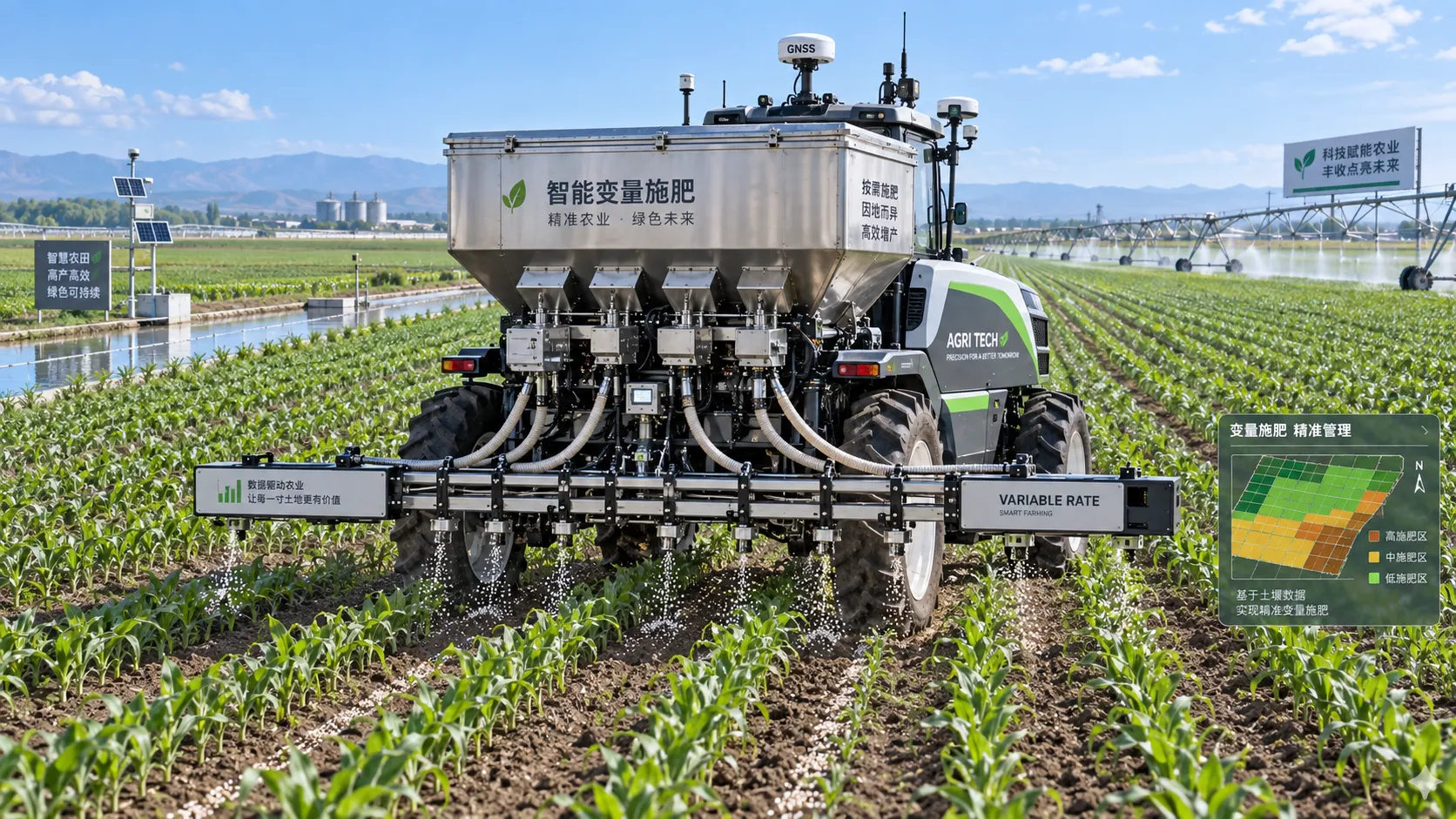
How to Evaluate Precision Fertilization System Suppliers for Farm-Scale Deployment
Precision fertilization systems suppliers: learn how to compare accuracy, integration, uptime, service, and total cost for confident farm-scale deployment.
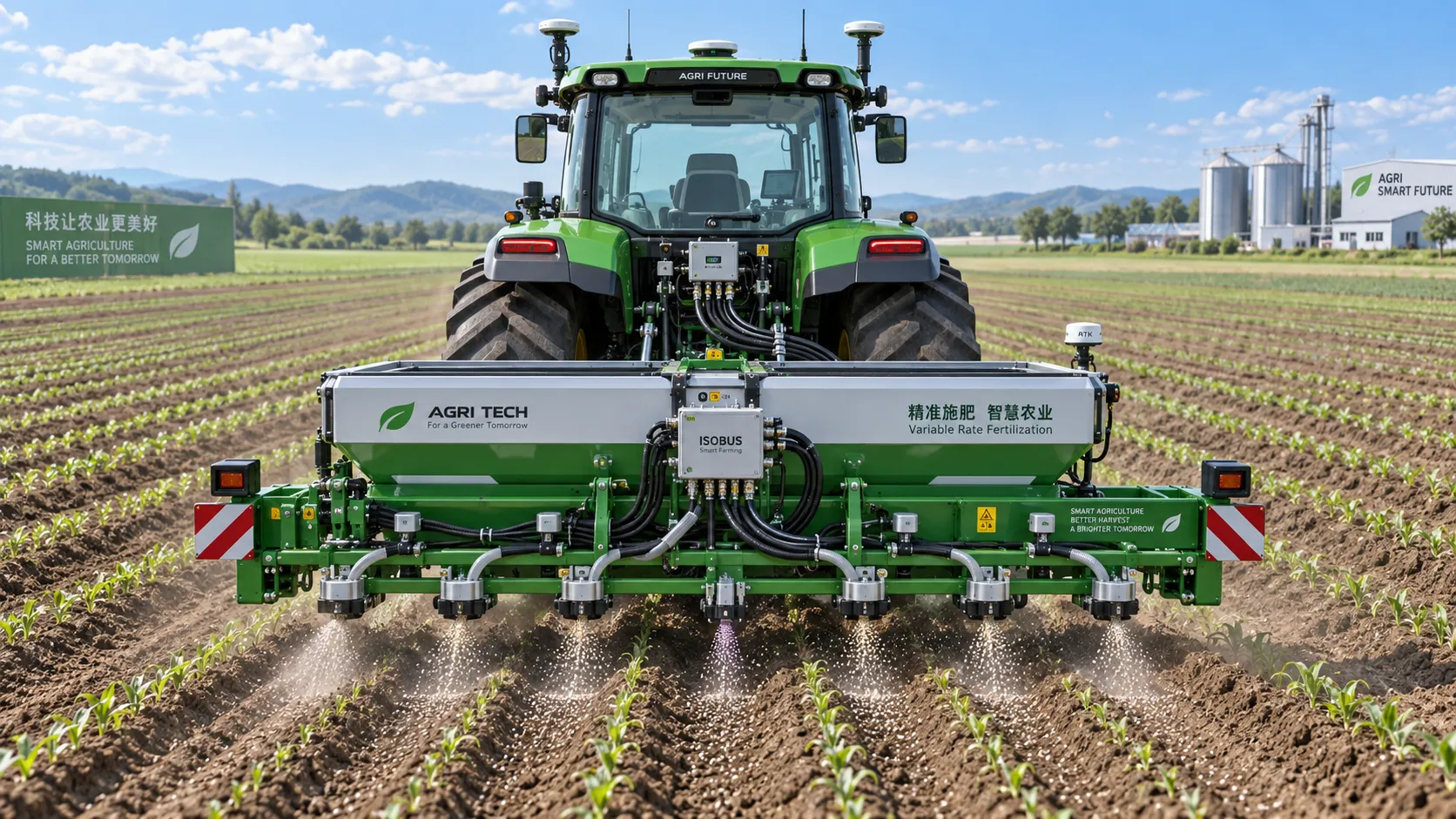
ISOBUS for Smart Agriculture: How It Connects Tractors, Implements, and Farm Data
ISOBUS for smart agriculture connects tractors, implements, terminals, and farm data—helping growers improve precision, documentation, and smarter field decisions.
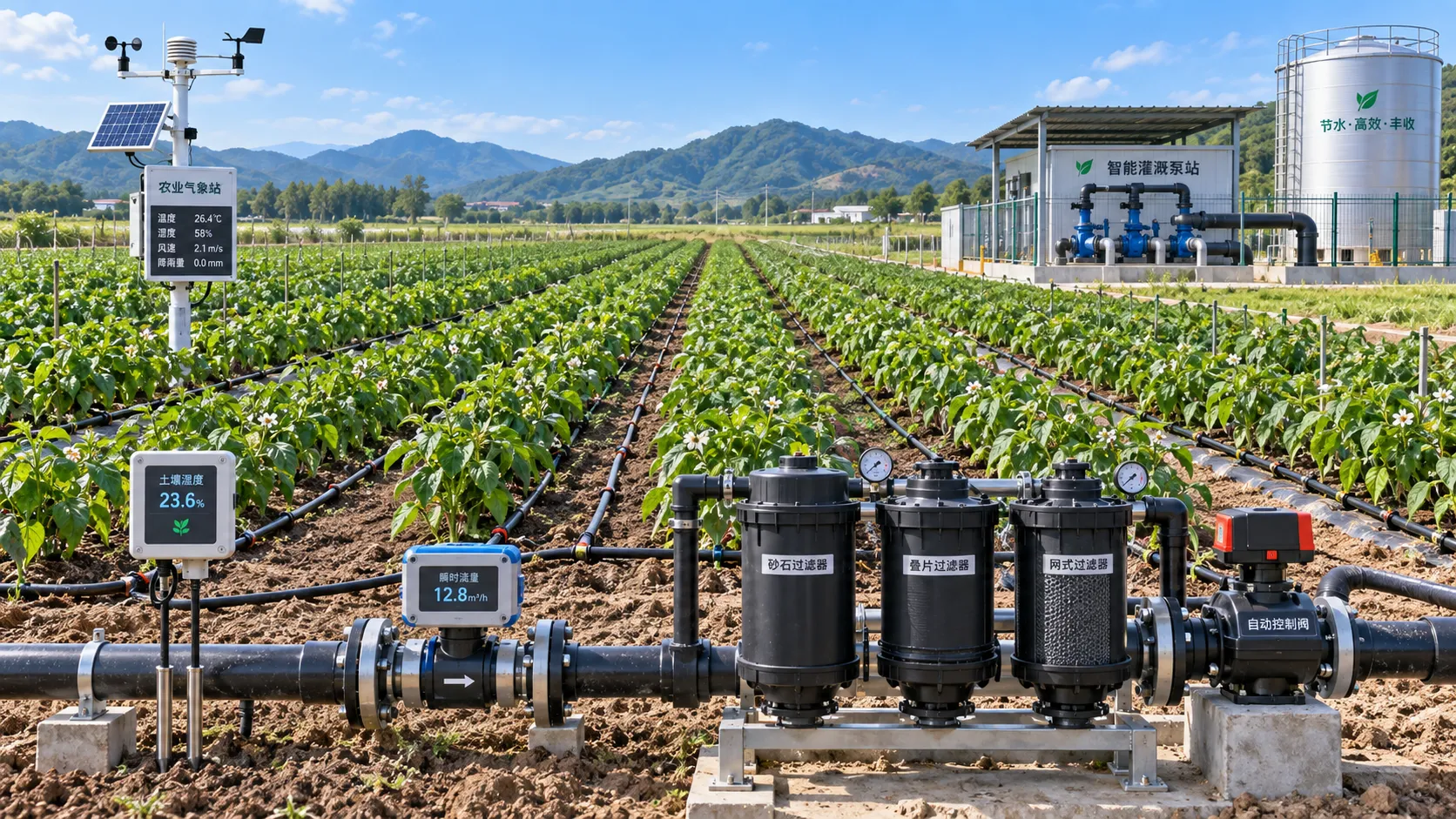
Automated Water-Saving Irrigation: How to Cut Water Use Without Reducing Crop Yields
Automated water-saving irrigation helps farms cut water use, protect crop yields, improve scheduling, and gain reliable control with sensors, flow monitoring, and smart zones.
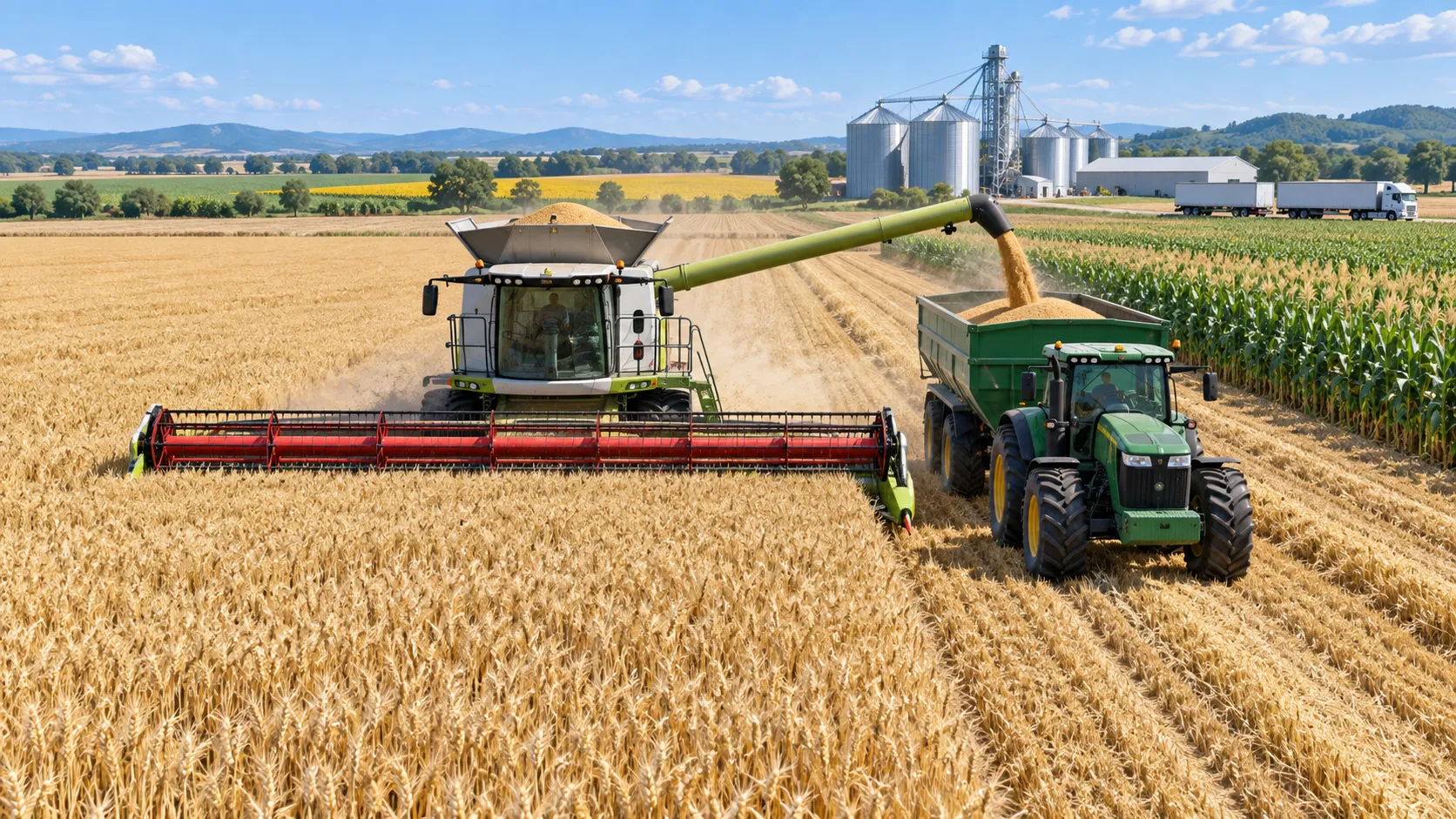
Selecting Grain Farm Equipment by Acreage, Crop Mix, and Harvest Window
Agricultural equipment selection for grain farming: match machinery to acreage, crop mix, and harvest windows to improve uptime, efficiency, and returns.
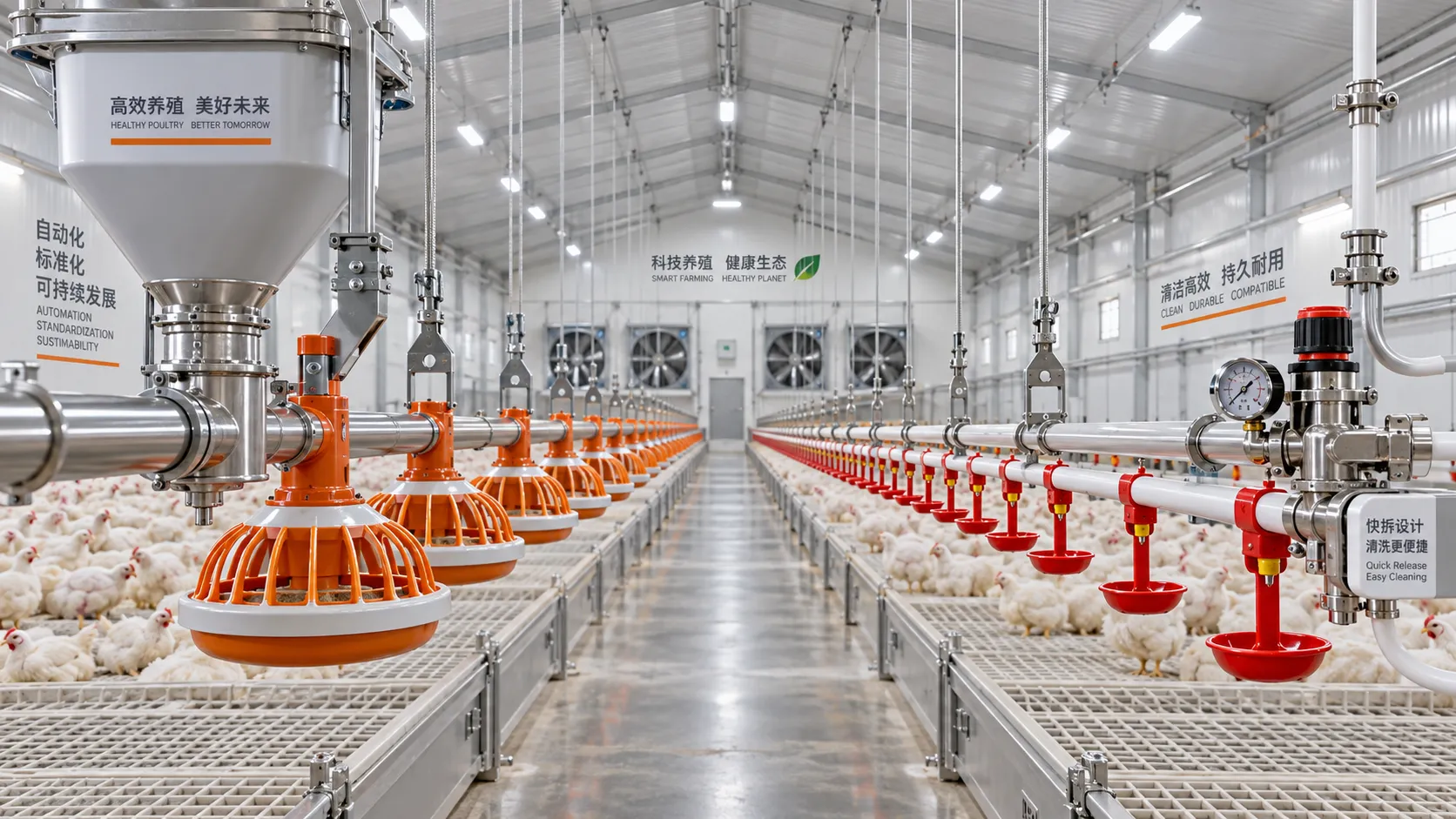
Poultry Equipment Selection: Evaluating Durability, Cleaning, and Compatibility
Poultry equipments selection guide: evaluate durability, cleaning access, and system compatibility to improve hygiene, reduce downtime, and support efficient flock management.
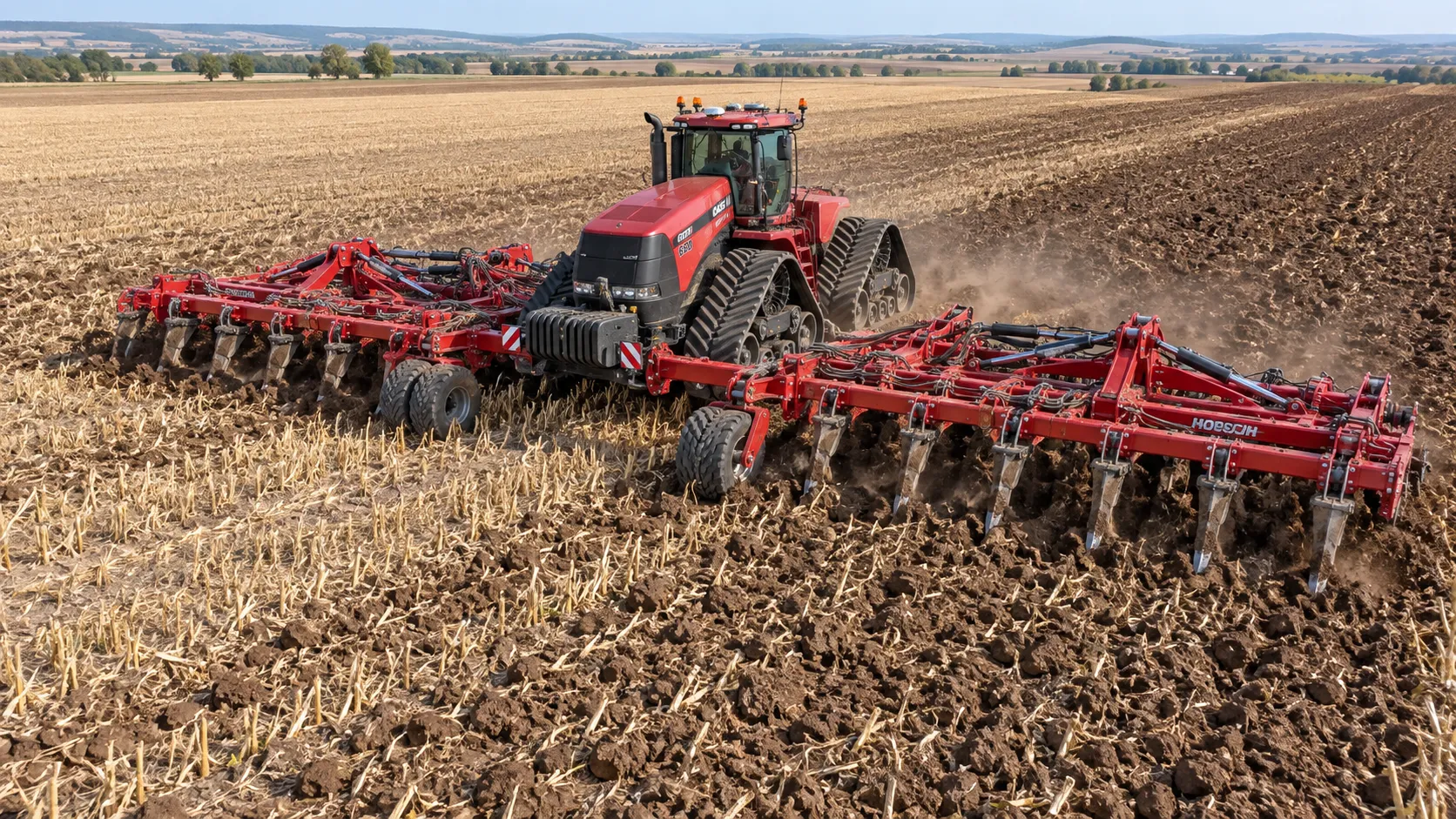
How to Select Heavy-Duty Farm Implements for High-Acreage, High-Horsepower Operations
Heavy duty farm implements: learn how to match draft, hydraulics, hitch capacity, frame strength, and field conditions for reliable high-acreage performance.
Related News
- 00
0000-00
Tractor Hydraulic Systems Troubleshooting: Diagnosing Weak Lift and Slow Implements - 00
0000-00
Which Implements Are Compatible With a 200 HP Tractor for Mixed Cropping? - 00
0000-00
How to Select Agricultural Hydraulic Systems for Sprayers by Flow, Pressure, and Boom Demand - 00
0000-00
Australia Tightens Carbon Rules for Hydraulic Lift System Imports - 00
0000-00
ANATEL Sets New Rules for Wireless Hydraulic Lift Systems
Popular Tags
Tractor Power Architect
Weekly Insights
Stay ahead with our curated technology reports delivered every Monday.