
Plant Protection Practices That Stay Sustainable Under Pressure
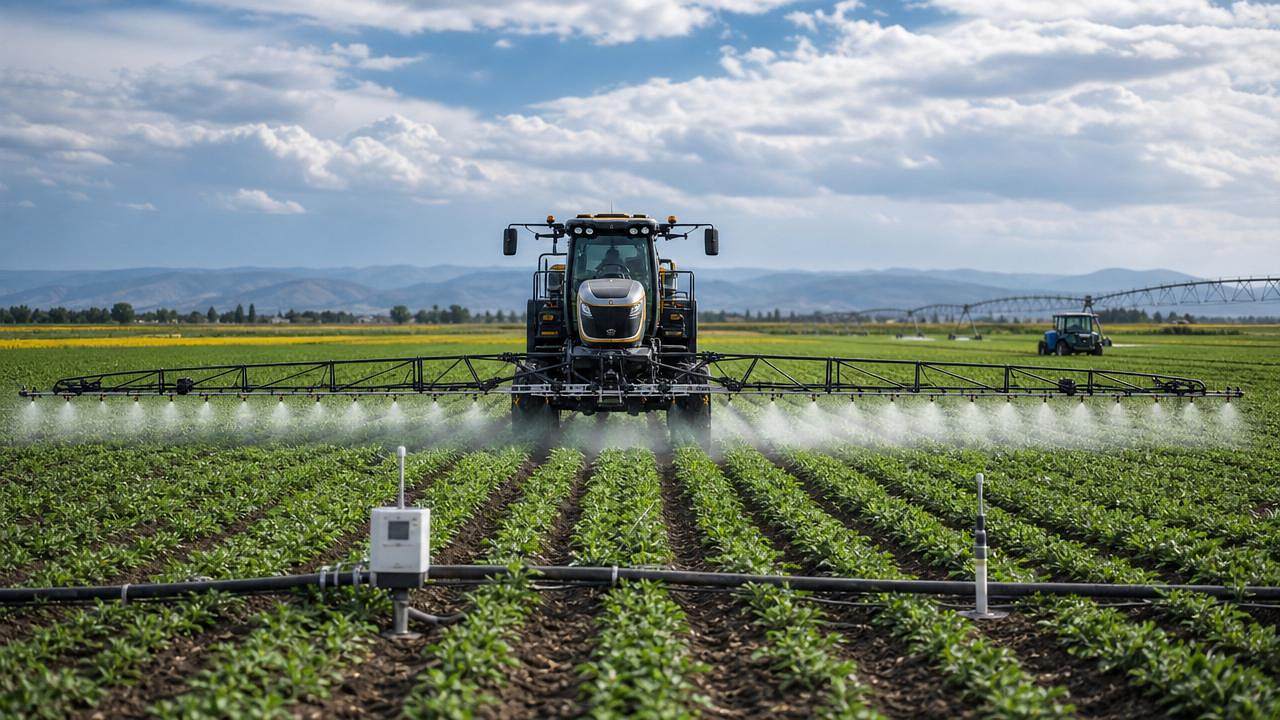




Under tightening residue standards, climate volatility, and cost pressure, sustainable farming practices for plant protection are no longer optional—they are a control point for quality and safety teams. This article explores how data-driven spraying, equipment calibration, residue-risk management, and field-level traceability can help farms protect crops effectively while maintaining compliance, operational efficiency, and long-term sustainability.
For quality control and safety managers, plant protection is no longer judged only by whether a pest was suppressed within 48–72 hours. It is also measured by residue outcomes, operator exposure, drift control, water stewardship, and the accuracy of application records across every field block.
That shift is especially relevant in large-scale agriculture, where sprayers, tractor chassis, sensor-based implements, irrigation systems, and harvest scheduling must work as one connected system. In this environment, sustainable farming practices for plant protection become a practical operating framework rather than a branding phrase.
For AP-Strategy’s audience, the key question is clear: how can farms maintain effective crop protection under pressure without creating new compliance risk, yield loss, or unnecessary input cost? The answer typically starts with process discipline, measurable thresholds, and equipment decisions that support Agriculture 4.0 execution in the field.
Why Plant Protection Sustainability Has Become a Quality and Safety Priority
In many operations, plant protection failures do not begin with a banned active ingredient. They begin with small gaps: a 10% nozzle flow deviation, a missed weather check, a tank mix error, or incomplete lot traceability. Under current buyer scrutiny, those small gaps can quickly become shipment delays, rework, or rejected loads.
Sustainable farming practices for plant protection matter because they reduce three categories of risk at once: biological risk in the crop, compliance risk in the supply chain, and financial risk in the operation. When these three are managed together, quality teams gain better control over both field performance and audit readiness.
The pressure points quality teams now monitor
- Residue compliance windows, often linked to pre-harvest intervals of 3–21 days depending on crop and chemistry.
- Spray drift exposure, especially when wind speeds exceed common field limits such as 10–15 km/h.
- Reapplication frequency, where excessive treatment cycles can raise both resistance risk and cost per hectare.
- Water quality and irrigation interaction, which can influence disease pressure within 24–96 hours after wetting events.
From treatment volume to decision quality
Historically, some farms treated plant protection as a volume problem: more hectares covered per hour, more liters applied, more product retained on hand. Today, quality and safety managers need to focus on decision quality instead. A better-timed application at the correct droplet spectrum and travel speed can outperform a heavier treatment with weaker control discipline.
For example, a boom sprayer running at 12–18 km/h may maintain target coverage only if pressure, nozzle type, and boom stability remain within a narrow operating band. Once speed or pressure fluctuates too far, the result may be uneven deposition, higher drift, or crop injury on sensitive blocks.
The following table shows how common pressure factors translate into field-level control points for sustainable farming practices for plant protection.
The main conclusion is that sustainability in plant protection is operational. It depends on measurable checkpoints, not abstract intent. Farms that can quantify timing, dose accuracy, and traceability usually handle external pressure with less disruption.
Core Sustainable Farming Practices for Plant Protection in Large-Scale Operations
On large farms, sustainable farming practices for plant protection work best when agronomy, machinery, and field data are integrated. This is where AP-Strategy’s intelligence focus on large-scale machinery, tractor power systems, intelligent tools, and irrigation coordination becomes highly relevant to quality and safety teams.
1. Data-driven spraying instead of blanket application
Blanket application may still appear simple, but it often causes uneven economics and greater residue exposure. Data-driven spraying uses field maps, pest pressure scouting, weather data, and section-level control to apply product only where it is justified. In practice, even a 5%–15% reduction in unnecessary overlap can improve both cost control and stewardship.
For QC teams, the advantage is not only lower input waste. It is also cleaner documentation: which block was treated, at what rate, under which conditions, and by which operator. That level of precision supports internal review and customer-facing compliance conversations.
Minimum data inputs before release
- Field identification and crop growth stage.
- Pest threshold or disease forecast trigger.
- Wind, temperature, and relative humidity from the prior 12–24 hours.
- Target rate, water volume, nozzle type, and travel speed.
2. Equipment calibration as a residue and drift control tool
Calibration should not be viewed as a maintenance routine only. It is a residue-risk and drift-control measure. If one nozzle deviates beyond about ±5% of target flow, or if boom height fluctuates too much over uneven ground, the intended dose and droplet pattern may no longer be reliable.
In heavy-duty operations, tractor chassis stability, hydraulic response, and boom suspension behavior also matter. A sprayer pulled or carried by an unstable platform can create repetitive underdosing and overdosing zones, especially at headlands or on variable terrain.
Practical calibration intervals
- Quick visual inspection: before each spray day.
- Nozzle output check: every 50 operating hours or each major campaign.
- Pressure gauge verification: every 3–6 months.
- GPS section control and rate-controller validation: at the start of each season.
The next table can help safety and quality personnel align machine settings with sustainable farming practices for plant protection across different field conditions.
This table highlights a simple truth: sustainable performance depends on machine discipline. When calibration standards are written into operating procedures, quality teams gain a stronger basis for both corrective action and supplier review.
3. Residue-risk management must start before harvest
Residue control cannot be left to end-of-season testing alone. It should begin at the treatment planning stage, where active ingredient selection, interval management, crop stage, and market destination are reviewed together. Export programs, processing contracts, and domestic retail channels may each require different levels of caution.
A practical approach is to divide blocks into three risk tiers: high-risk lots near harvest, medium-risk lots in transition, and lower-risk lots early in the cycle. This gives safety managers a clearer release logic and reduces last-minute changes that can disrupt harvest scheduling.
Three residue checkpoints
- Pre-application review: confirm market destination and legal interval.
- In-season verification: match actual spray records against planned rates and dates.
- Pre-harvest release: confirm hold period closure before combines enter the field.
4. Irrigation and plant protection should be coordinated, not separated
Water-saving irrigation systems are often discussed only in relation to drought resilience. Yet for quality and safety teams, irrigation timing also affects disease dynamics, wash-off risk, and re-entry planning. A smart irrigation event delivered 6–12 hours too early or too late can reduce protection performance or create unnecessary retreatment pressure.
On farms using sensor-guided irrigation, integrating transpiration signals, canopy moisture trends, and spray scheduling creates a more stable crop environment. This is especially valuable in high-humidity windows where fungal pressure escalates quickly after dew or rainfall events.
How to Build a Field-Level Control System That Holds Up Under Pressure
A sustainable plant protection program becomes durable when it is turned into a field-level control system with defined responsibilities, review points, and escalation rules. Quality and safety managers are often best positioned to connect the agronomy team, machine operators, irrigation planners, and harvest supervisors.
Create a 5-step operating workflow
The most effective workflows are usually short, repeatable, and auditable. A 5-step model is often easier to maintain across multiple locations than a long manual that field teams rarely revisit during peak season.
- Risk identification: pest pressure, crop stage, weather, and water condition.
- Application release: approve chemistry, rate, machine, and operator.
- Execution control: monitor speed, pressure, section control, and weather changes.
- Traceability capture: save field map, tank mix, timestamps, and equipment logs.
- Outcome review: compare efficacy, residue risk, and cost per hectare.
Assign ownership by role
One common weakness in large operations is that everyone assumes someone else checked the release conditions. To avoid this, assign at least four role owners: agronomy decision, machine readiness, safety clearance, and record approval. Even on a fast-moving campaign, this can be completed within a 15–30 minute pre-deployment review.
Use traceability as a preventive tool, not just a reporting tool
Field-level traceability should capture enough detail to reconstruct a treatment event without guessing. At minimum, records should include block code, crop stage, application date and time, operator, machine ID, nozzle setup, weather conditions, and product batch information.
This is where digital platforms and intelligent farm tools provide strong value. Satellite positioning, sensor feedback, and machine telematics can reduce manual entry errors and make exception review faster. For example, if a field pass occurred outside the approved weather band, the system should flag it within hours rather than days.
Common implementation mistakes to avoid
- Treating calibration as a one-time setup instead of a seasonal control process.
- Using residue testing alone as proof of a sustainable program.
- Separating irrigation decisions from disease and spray timing.
- Collecting records after application rather than during execution.
What Quality and Safety Teams Should Ask When Evaluating Equipment and Systems
When farms upgrade sprayers, tractor platforms, intelligent implements, or irrigation control networks, purchasing decisions should not focus only on horsepower, tank size, or acquisition cost. Quality and safety teams need to ask whether the system supports sustainable farming practices for plant protection in daily use, during audits, and under abnormal field conditions.
Key evaluation criteria for procurement and modernization
- Can the machine maintain stable application quality across variable terrain and 8–18 km/h speed bands?
- Does it support accurate section control, rate logging, and operator traceability?
- How quickly can wear items such as nozzles, filters, and sensors be inspected or replaced?
- Can irrigation and application data be reviewed together for the same field block?
- Is training practical for seasonal crews within 1–3 sessions before peak demand?
Why systems thinking matters
A sprayer may be advanced, but if the tractor chassis cannot hold stable speed, if the water source is inconsistent, or if the traceability workflow remains manual and delayed, overall control still weakens. Sustainable plant protection depends on system fit across machinery, agronomy logic, water management, and field records.
This is exactly why intelligence-led evaluation matters. AP-Strategy’s perspective across large-scale machinery, combine logistics, intelligent farm tools, and water-saving irrigation helps decision-makers compare not only components, but operational compatibility throughout the crop cycle.
Moving From Compliance Pressure to Operational Advantage
The farms that manage pressure best are not always those applying more chemistry or buying the largest machine first. They are the ones that turn sustainable farming practices for plant protection into repeatable field controls: calibrated equipment, verified release conditions, residue-aware scheduling, and traceable execution.
For quality control and safety managers, this approach creates value on several fronts at once. It reduces avoidable variation, strengthens audit confidence, supports more consistent crop outcomes, and helps procurement teams justify investments in precision equipment and smart irrigation infrastructure with clearer operational logic.
If your operation is reviewing sprayer upgrades, traceability workflows, irrigation coordination, or broader Agriculture 4.0 decision support, now is the right time to benchmark your current control points. Contact AP-Strategy to explore tailored intelligence, compare implementation pathways, and get a more practical roadmap for resilient plant protection performance.
Related News
How Sensor Feedback Enables Accurate Variable-Rate Fertilization in Field Conditions
Precision fertilization systems with sensor feedback improve variable-rate accuracy by verifying flow, managing latency, and ensuring reliable field application.
How to Select Precision Crop Protection Equipment for Variable Field Conditions
Precision crop protection equipment selection made simple: compare terrain, canopy, weather, control accuracy, and data workflows for reliable applications.
When Does Agricultural Machinery Leasing Cost Less Than Owning Equipment?
Agricultural machinery leasing can lower farm costs when use is seasonal or uncertain. Compare utilization, maintenance, cash flow, and risk to make a smarter equipment decision.
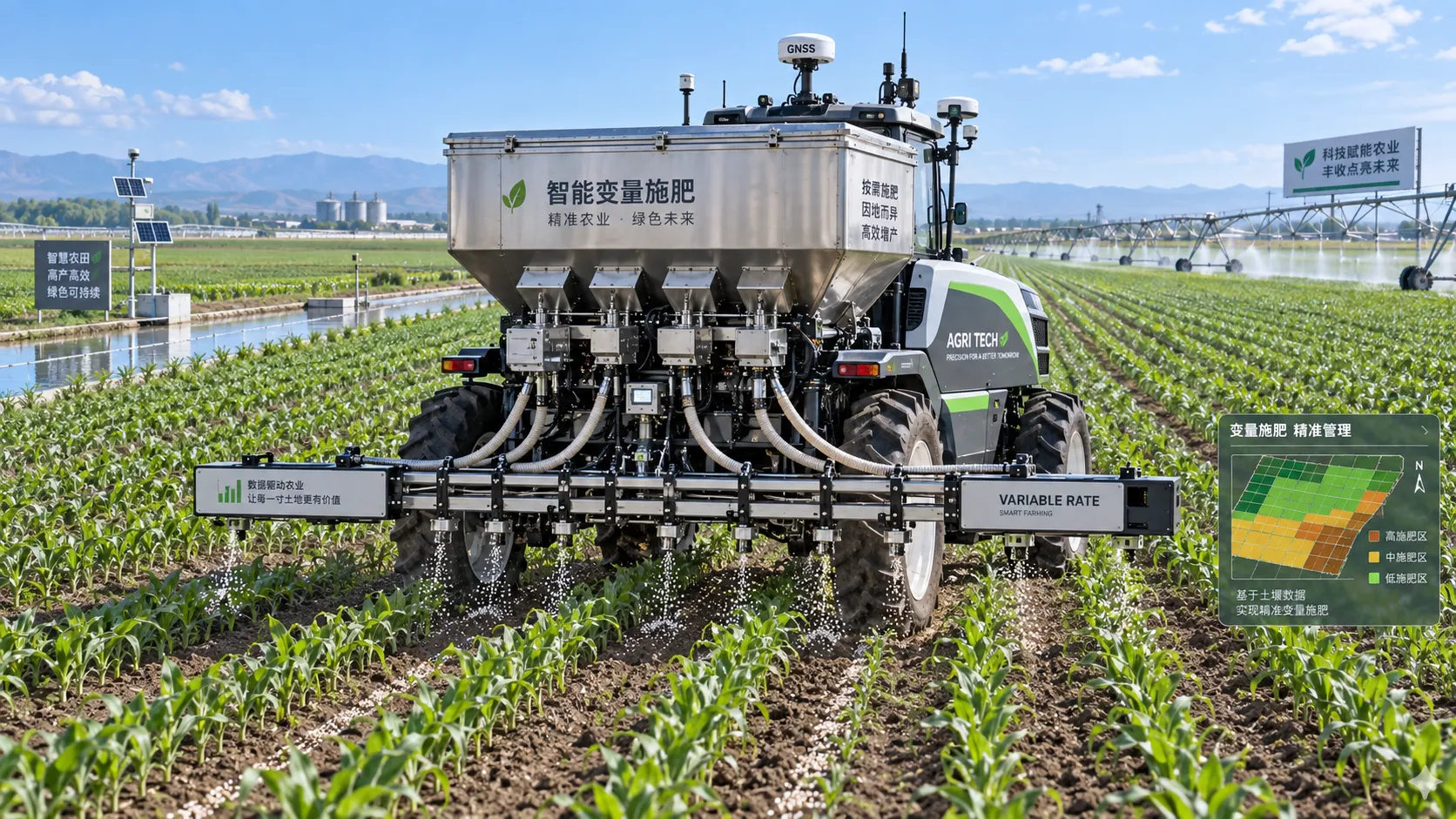
How to Evaluate Precision Fertilization System Suppliers for Farm-Scale Deployment
Precision fertilization systems suppliers: learn how to compare accuracy, integration, uptime, service, and total cost for confident farm-scale deployment.
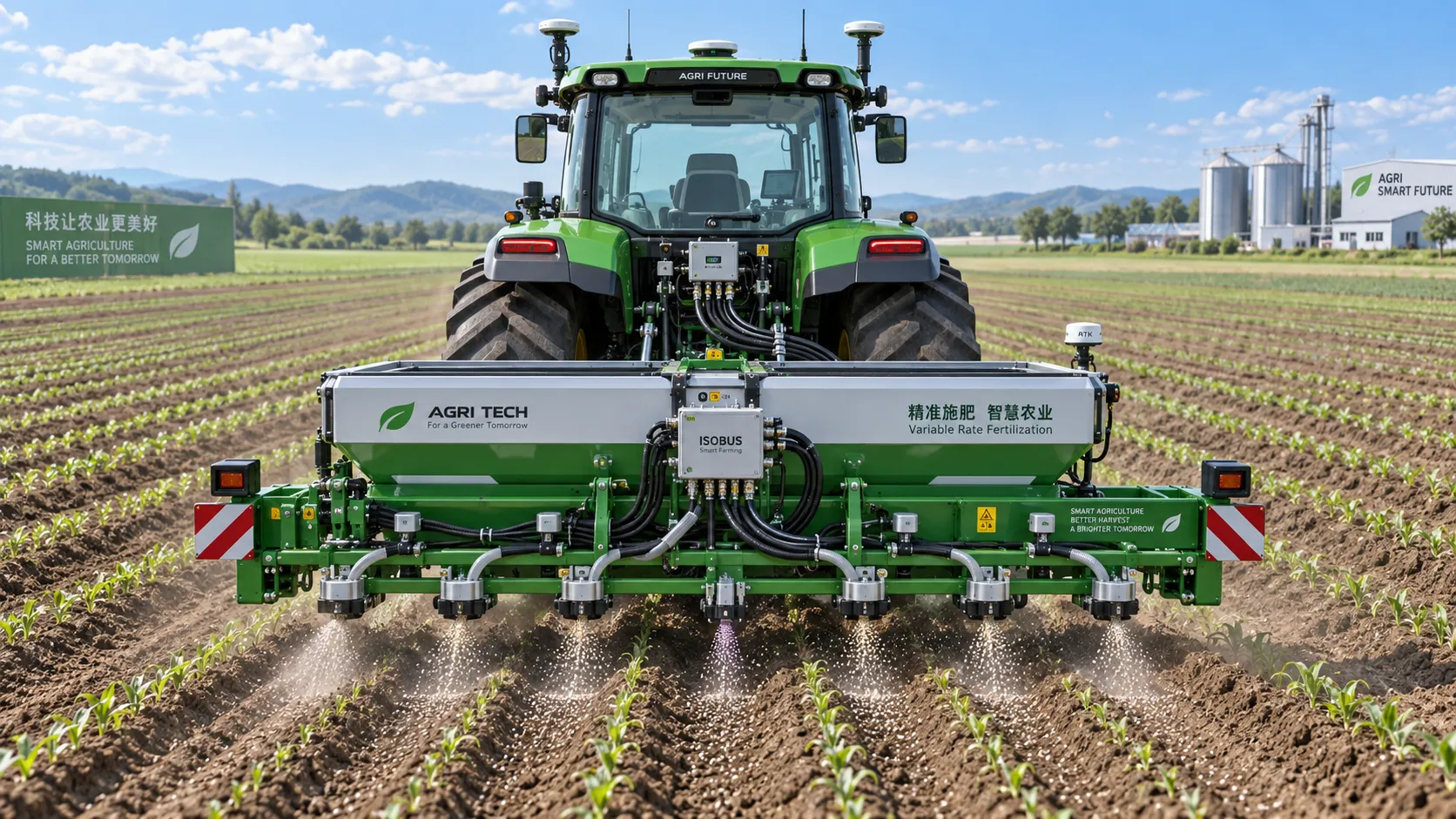
ISOBUS for Smart Agriculture: How It Connects Tractors, Implements, and Farm Data
ISOBUS for smart agriculture connects tractors, implements, terminals, and farm data—helping growers improve precision, documentation, and smarter field decisions.
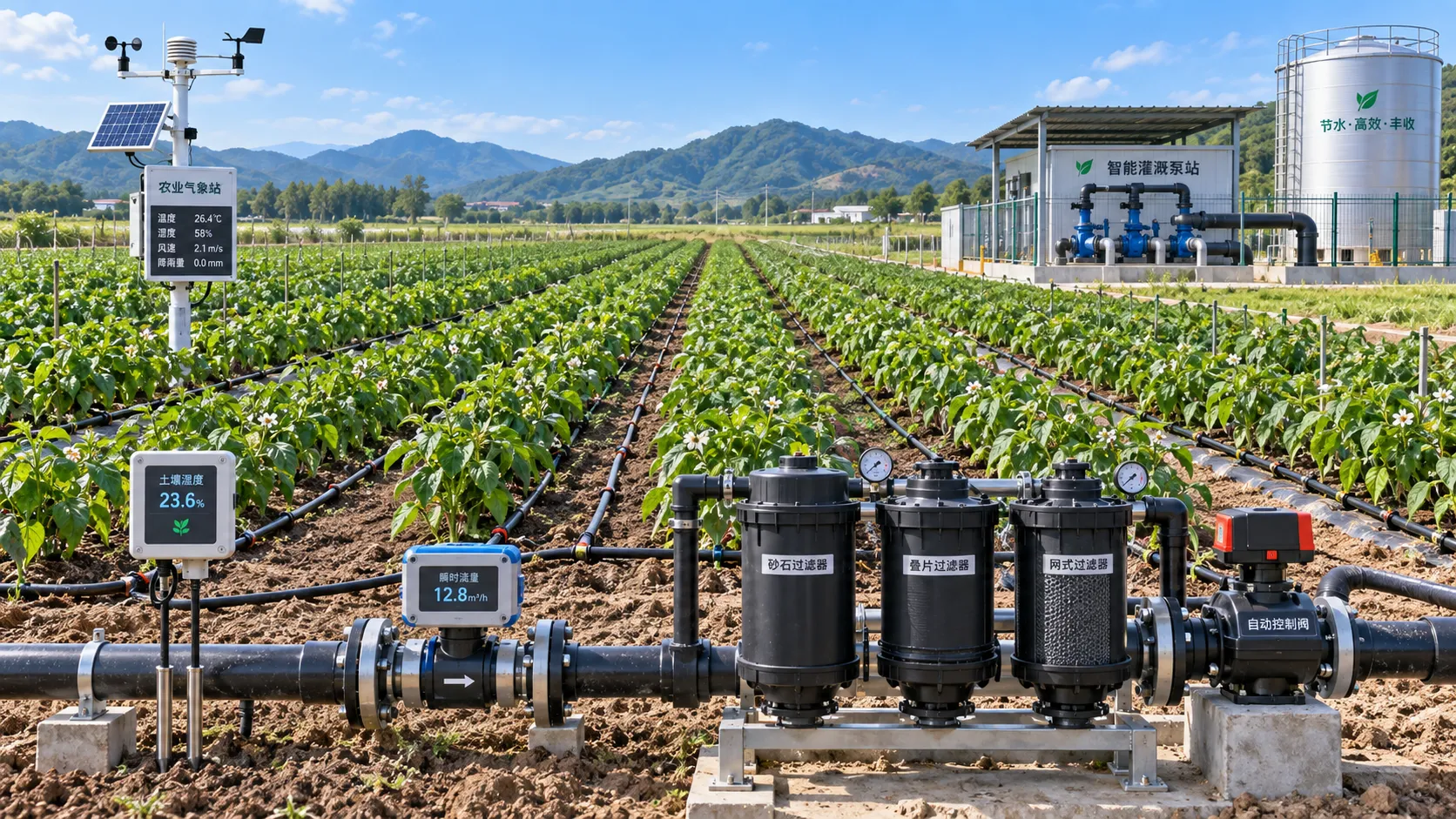
Automated Water-Saving Irrigation: How to Cut Water Use Without Reducing Crop Yields
Automated water-saving irrigation helps farms cut water use, protect crop yields, improve scheduling, and gain reliable control with sensors, flow monitoring, and smart zones.
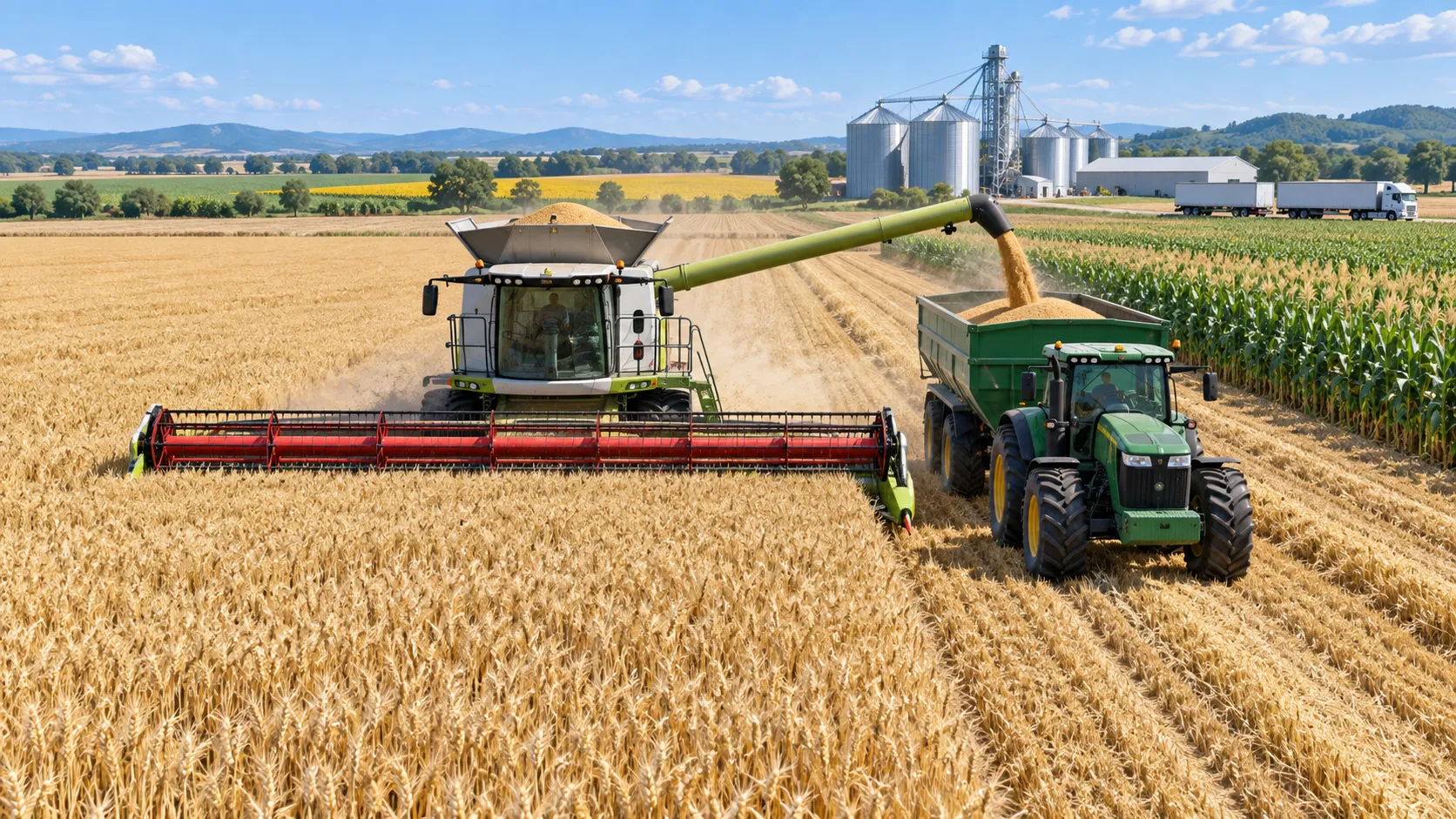
Selecting Grain Farm Equipment by Acreage, Crop Mix, and Harvest Window
Agricultural equipment selection for grain farming: match machinery to acreage, crop mix, and harvest windows to improve uptime, efficiency, and returns.
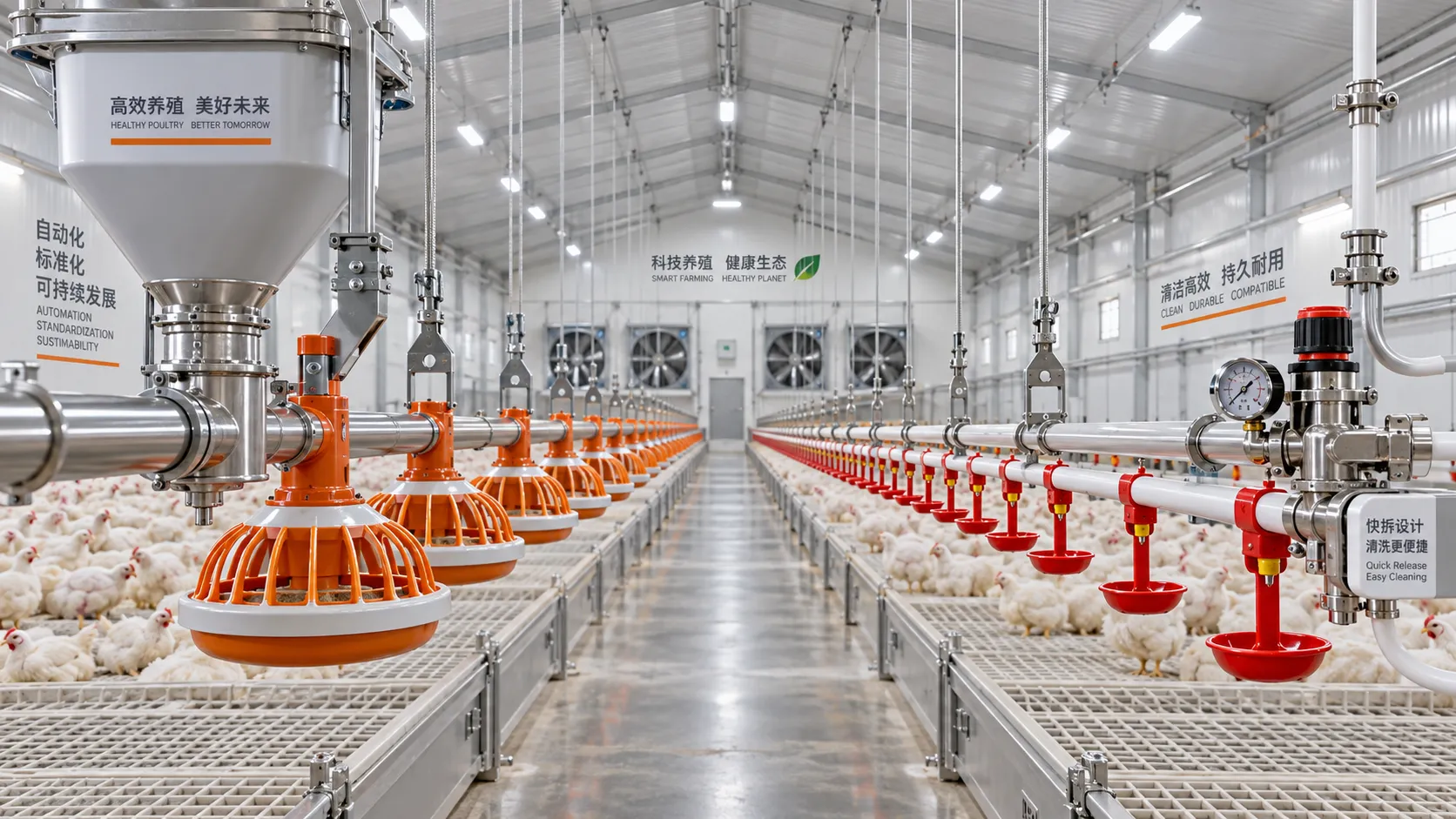
Poultry Equipment Selection: Evaluating Durability, Cleaning, and Compatibility
Poultry equipments selection guide: evaluate durability, cleaning access, and system compatibility to improve hygiene, reduce downtime, and support efficient flock management.
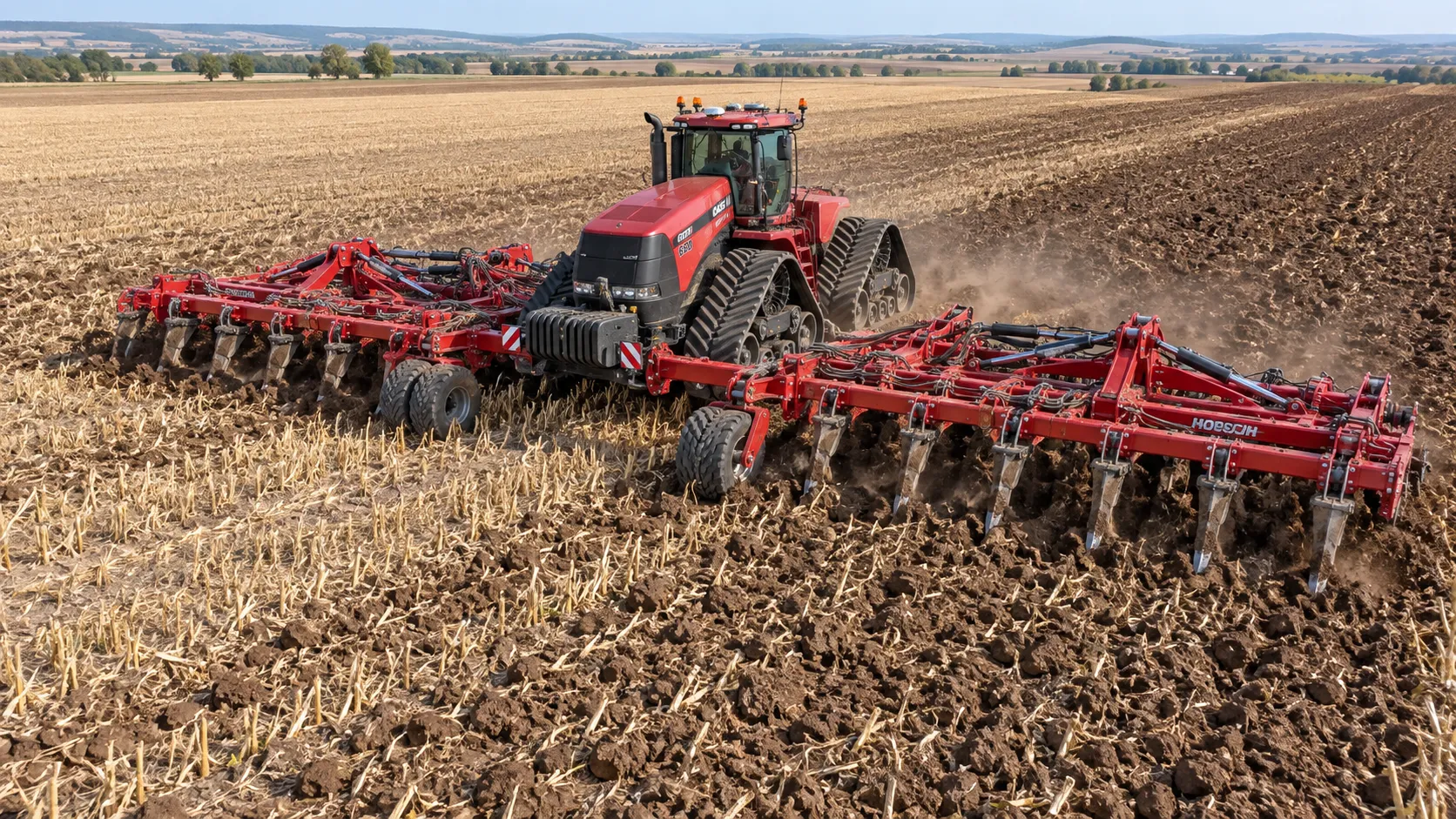
How to Select Heavy-Duty Farm Implements for High-Acreage, High-Horsepower Operations
Heavy duty farm implements: learn how to match draft, hydraulics, hitch capacity, frame strength, and field conditions for reliable high-acreage performance.
Related News
- 00
0000-00
How to Choose Plant Protection Equipment for Vineyard Pests - 00
0000-00
How to Read Agricultural Equipment Specifications for Sprayers Before You Compare Models - 00
0000-00
BIS Extends Fast-Track Approval for Self-Propelled Sprayers - 00
0000-00
Intelligent Sprayer Technology: Which Functions Matter Most for Field Efficiency? - 00
0000-00
How to Choose Plant Protection Equipment for Orchards by Tree Height, Row Spacing, and Spray Drift
Popular Tags
Agri-Mechanization Fellow
Weekly Insights
Stay ahead with our curated technology reports delivered every Monday.