
How Global Sustainability Demands Are Reshaping Farm Investment
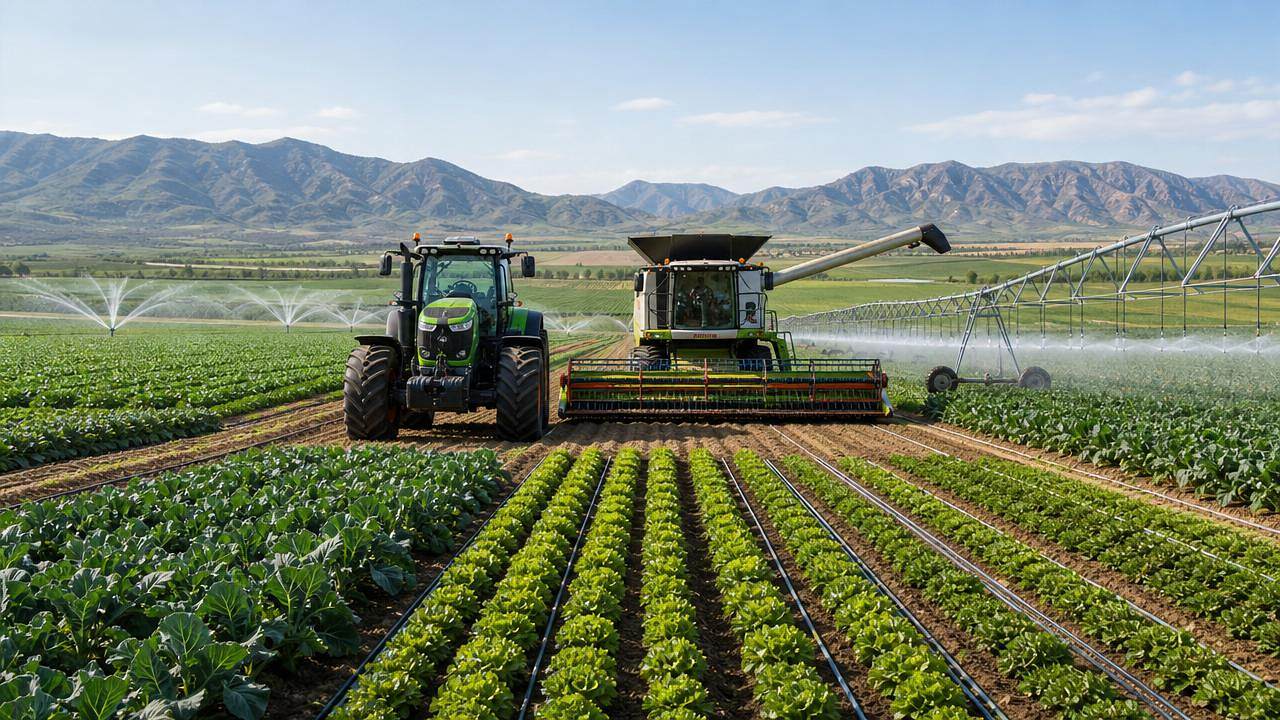




As global sustainability demands move from policy rhetoric to investment criteria, farm capital decisions are being reshaped by efficiency, resilience, and measurable returns. For financial approvers, this shift means evaluating machinery, harvesting systems, and irrigation infrastructure not only by upfront cost, but by long-term productivity, compliance exposure, and resource performance. Understanding these new drivers is now essential to smarter agricultural asset allocation.
Why global sustainability demands now change farm investment decisions
Farm investment once centered on horsepower, acreage coverage, and immediate operating cost. Today, global sustainability demands add new filters to every capital approval.
These filters include water efficiency, fuel consumption, emissions exposure, labor stability, input precision, and traceable productivity gains across seasons.
In the broader agri-equipment market, this shift reaches tractors, combine harvesters, intelligent tools, and water-saving irrigation systems at the same time.
The real issue is not whether sustainability matters. The issue is which investment scenario creates stronger resilience and better returns under changing rules.
When compliance pressure is rising, equipment selection becomes a risk-control scenario
In export-oriented farming regions, global sustainability demands increasingly shape market access. Asset decisions now influence both field performance and commercial eligibility.
A machine with poor fuel economy or weak data visibility may still operate. Yet it can weaken reporting quality, cost predictability, and audit readiness.
Core judgment points in this scenario
- Can the equipment document input efficiency and field operations?
- Does the system reduce fuel, overlap, or harvest loss?
- Will future environmental rules raise retrofit or replacement costs?
- Can maintenance data support longer asset life and lower waste?
Under this scenario, global sustainability demands act like a hidden cost model. They reveal risks that older purchasing logic often misses.
When water stress is severe, irrigation investment becomes a resilience scenario
Water availability now determines productivity in many growing regions. That makes irrigation infrastructure a strategic asset, not a secondary utility expense.
Global sustainability demands push farms toward systems that deliver measurable water savings, stable yield support, and better adaptation to climate volatility.
What matters most in irrigation allocation
Smart irrigation performs best when sensors, control logic, and field mapping work together. Standalone hardware rarely delivers the same efficiency value.
Transpiration prediction, leakage control, and recycling capability increasingly influence long-term return calculations under global sustainability demands.
In this scenario, cheaper systems may create higher operating costs later through overwatering, uneven application, and regulatory exposure in restricted basins.
When harvest windows are tight, combine upgrades become an efficiency scenario
Shorter weather windows raise the value of harvest speed and grain recovery. A delayed harvest can erase gains achieved elsewhere in the production cycle.
That is why global sustainability demands are influencing combine investment. Lower losses and cleaner separation now connect directly to resource efficiency.
Key evaluation signals for harvesting systems
- Cleaning loss feedback accuracy under different crop conditions
- Fuel use per harvested ton
- Adaptability in wet, dense, or mixed field environments
- Maintenance intervals and seasonal uptime reliability
A high-capacity combine is not automatically the best answer. The stronger answer is consistent output with low loss and lower resource waste.
When labor and input costs rise, precision tools become a margin-protection scenario
Rising labor volatility changes how farms value automation. At the same time, fertilizer and chemical costs make application accuracy more important than ever.
Here, global sustainability demands support intelligent farm tools that reduce overlap, improve targeting, and document every prescription-based field action.
Satellite positioning, sensor feedback, and variable-rate logic can shift machinery from basic execution to accountable performance management.
Best-fit indicators in this scenario
- Input reduction without yield sacrifice
- Field-level data compatibility across machines
- Simple operator workflow during peak seasons
- Ability to scale from one crop system to several
Different farm investment scenarios require different sustainability priorities
Not every operation faces the same pressure. Global sustainability demands matter everywhere, but the investment response should match the field reality.
How to match global sustainability demands with practical asset allocation
The strongest capital plans avoid one-size-fits-all purchasing. They compare sustainability goals against real operating bottlenecks and measurable payback paths.
Useful adaptation steps
- Map the biggest constraint first: water, harvest timing, fuel, labor, or compliance.
- Calculate lifetime value, not just purchase price.
- Prioritize systems that generate usable field data.
- Check integration across tractors, implements, harvesters, and irrigation controls.
- Review policy exposure over the expected asset life.
This is where strategic intelligence becomes essential. Better decisions require visibility into technology evolution, operating benchmarks, and regional policy signals.
Common mistakes when interpreting global sustainability demands in farming
One common mistake is treating sustainability as a branding issue rather than an operating variable. That view often delays needed modernization.
Another mistake is buying advanced hardware without planning for data use, maintenance capability, or cross-system compatibility.
A third mistake is focusing only on carbon language while ignoring water performance, harvest loss, and input waste. These factors often move returns faster.
Global sustainability demands are broad. The most valuable response is selective, scenario-based, and backed by operational evidence.
What the next step looks like for smarter farm investment
The next move is not simply spending more on new machinery. It is aligning each investment with a clear resilience and efficiency outcome.
For operations navigating global sustainability demands, stronger decisions come from comparing machinery performance, intelligent irrigation value, and harvesting efficiency in one framework.
AP-Strategy supports this approach through sector intelligence on large-scale agri-machinery, combine harvesting technology, tractor chassis evolution, intelligent farm tools, and water-saving irrigation systems.
Use that intelligence to test scenarios, identify hidden costs, and build farm investment plans that stay productive under future environmental and market pressure.
Related News
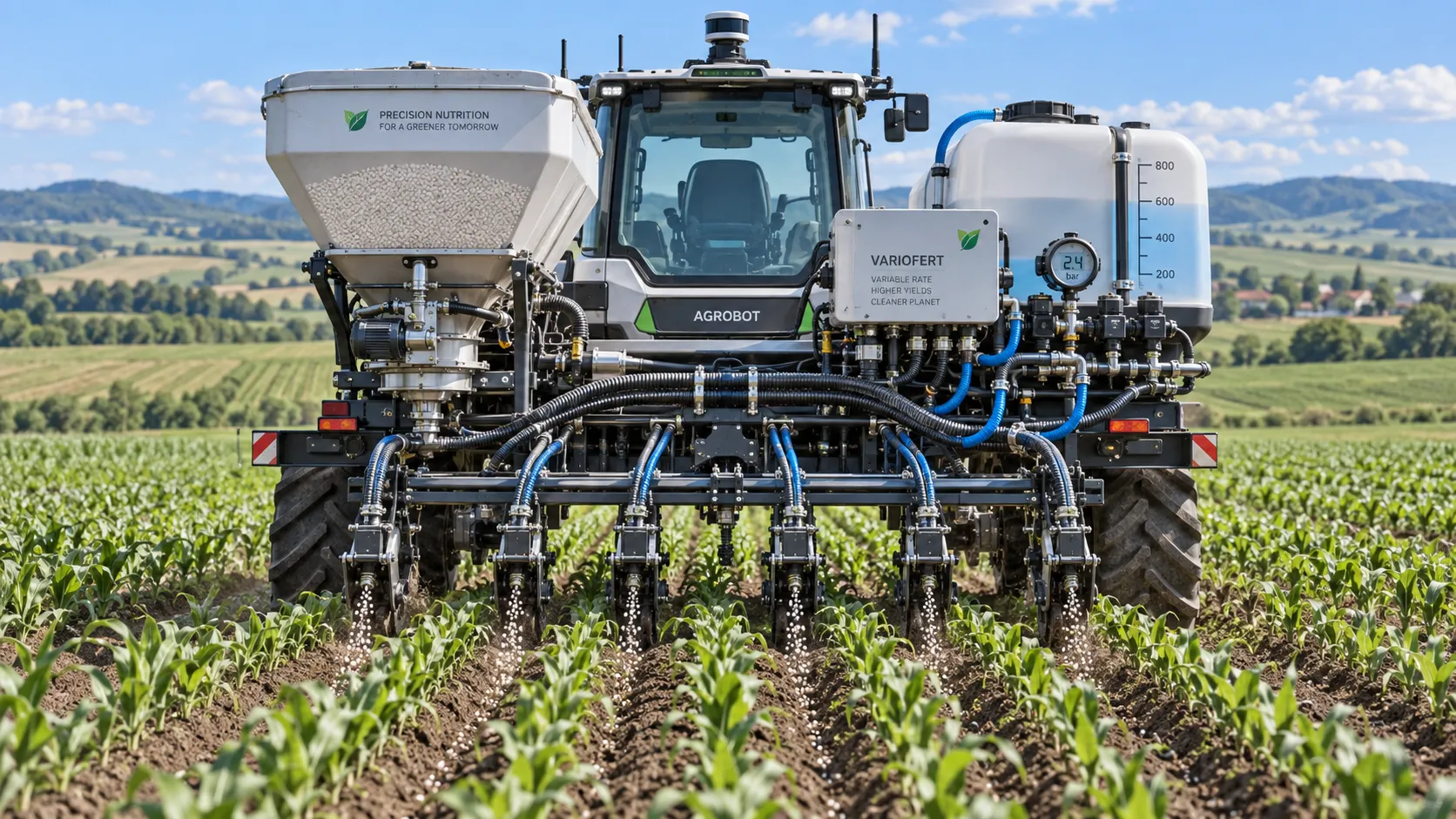
How Sensor Feedback Enables Accurate Variable-Rate Fertilization in Field Conditions
Precision fertilization systems with sensor feedback improve variable-rate accuracy by verifying flow, managing latency, and ensuring reliable field application.
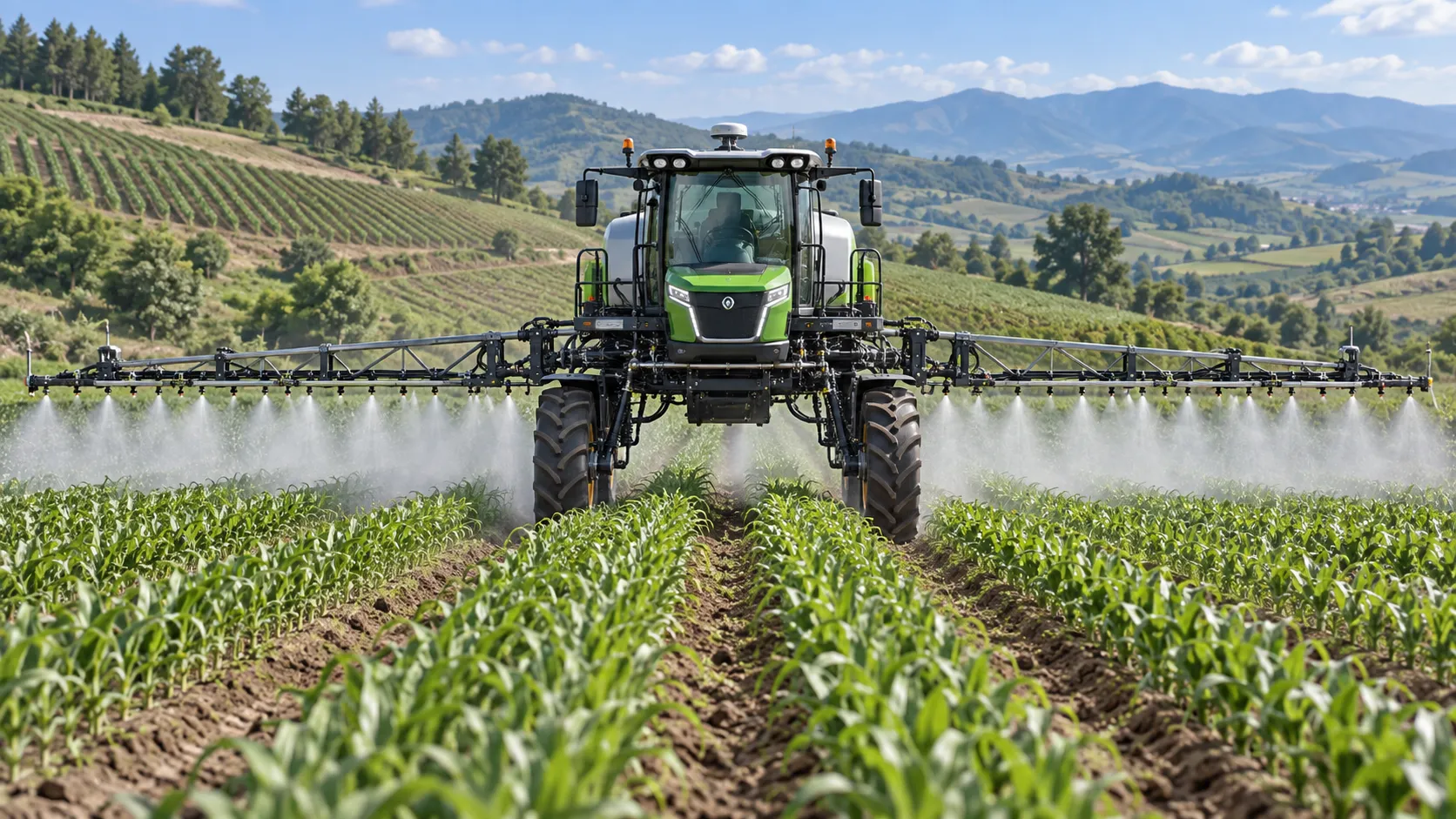
How to Select Precision Crop Protection Equipment for Variable Field Conditions
Precision crop protection equipment selection made simple: compare terrain, canopy, weather, control accuracy, and data workflows for reliable applications.

When Does Agricultural Machinery Leasing Cost Less Than Owning Equipment?
Agricultural machinery leasing can lower farm costs when use is seasonal or uncertain. Compare utilization, maintenance, cash flow, and risk to make a smarter equipment decision.

How to Evaluate Precision Fertilization System Suppliers for Farm-Scale Deployment
Precision fertilization systems suppliers: learn how to compare accuracy, integration, uptime, service, and total cost for confident farm-scale deployment.
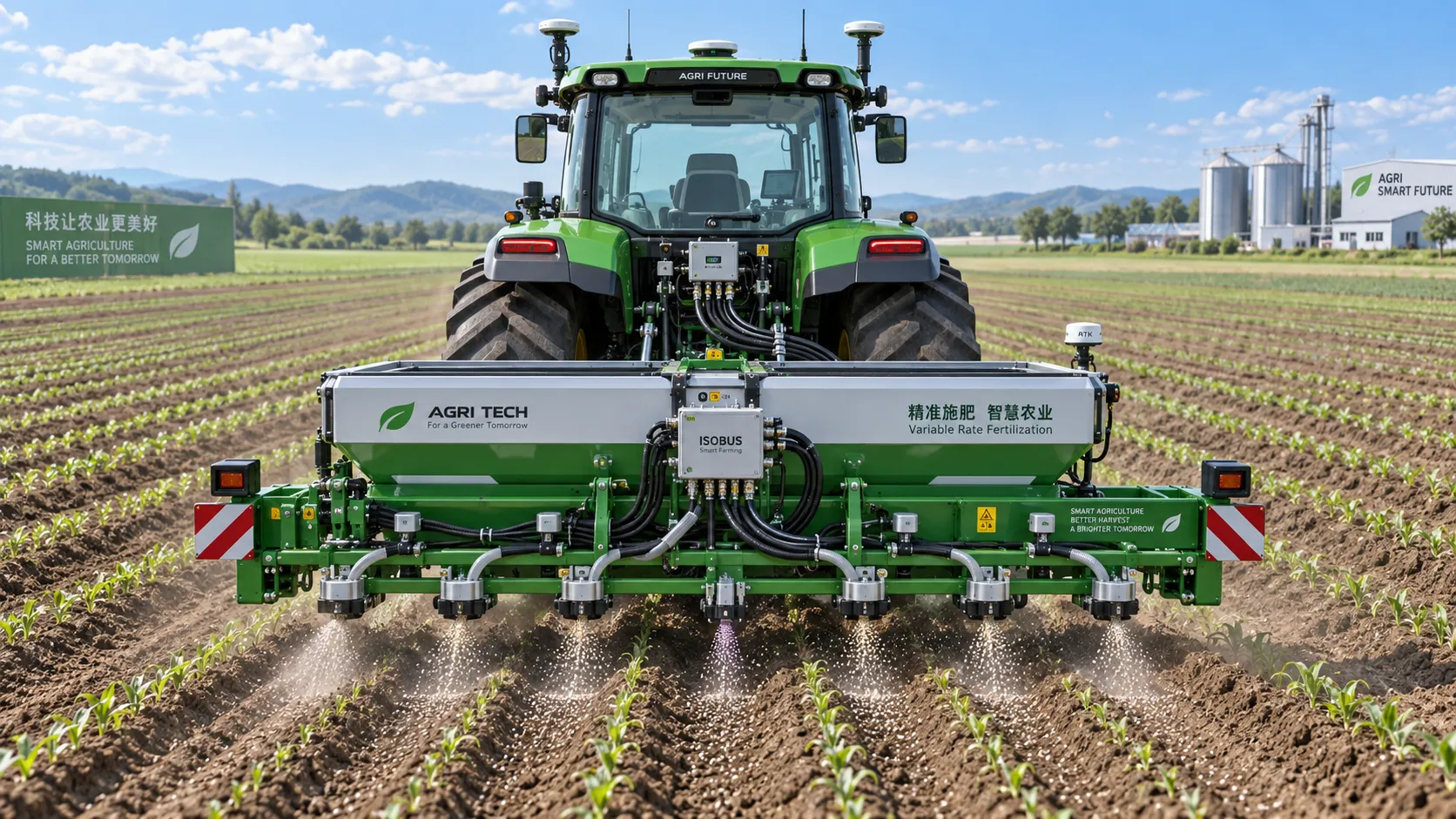
ISOBUS for Smart Agriculture: How It Connects Tractors, Implements, and Farm Data
ISOBUS for smart agriculture connects tractors, implements, terminals, and farm data—helping growers improve precision, documentation, and smarter field decisions.
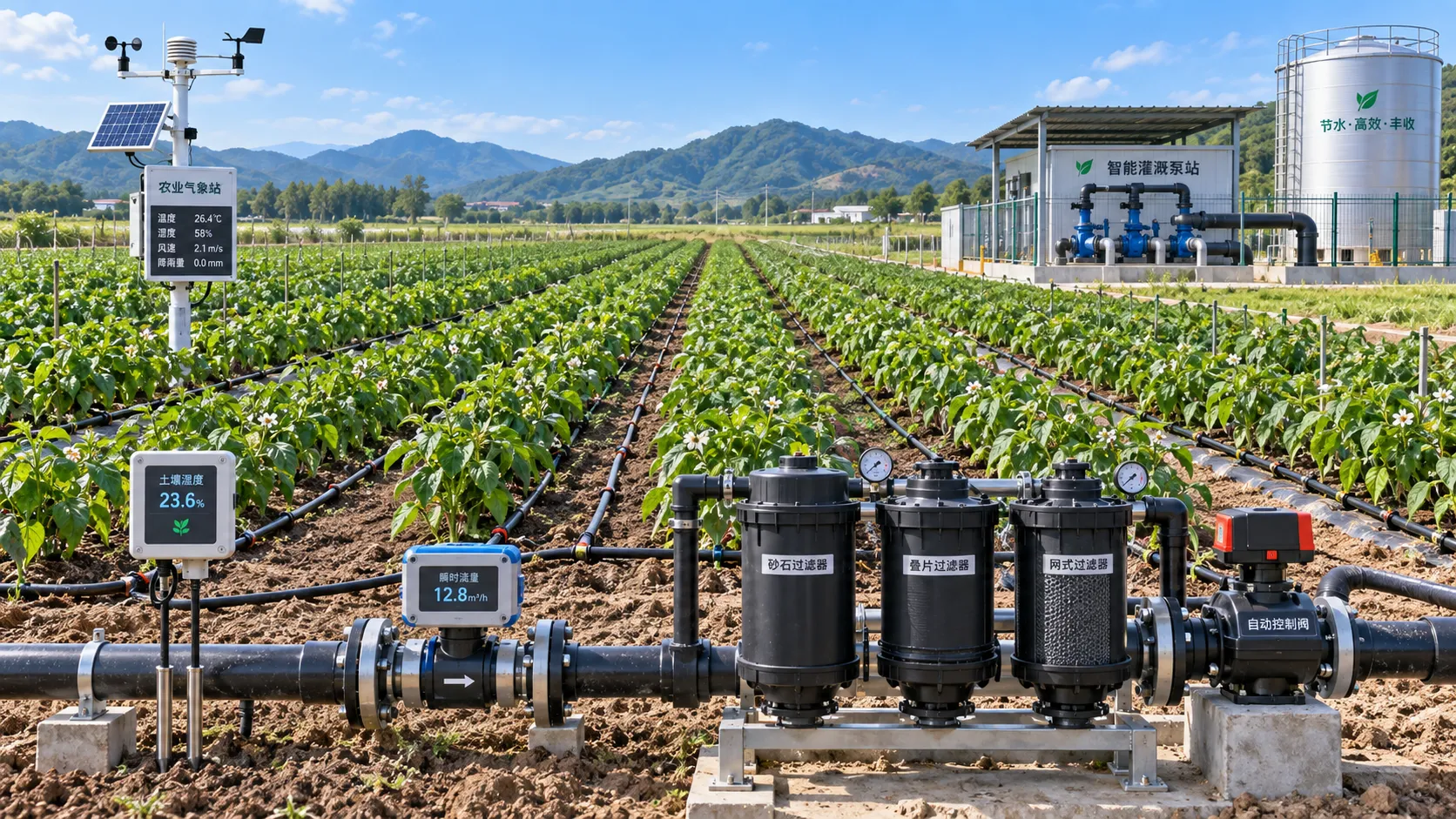
Automated Water-Saving Irrigation: How to Cut Water Use Without Reducing Crop Yields
Automated water-saving irrigation helps farms cut water use, protect crop yields, improve scheduling, and gain reliable control with sensors, flow monitoring, and smart zones.
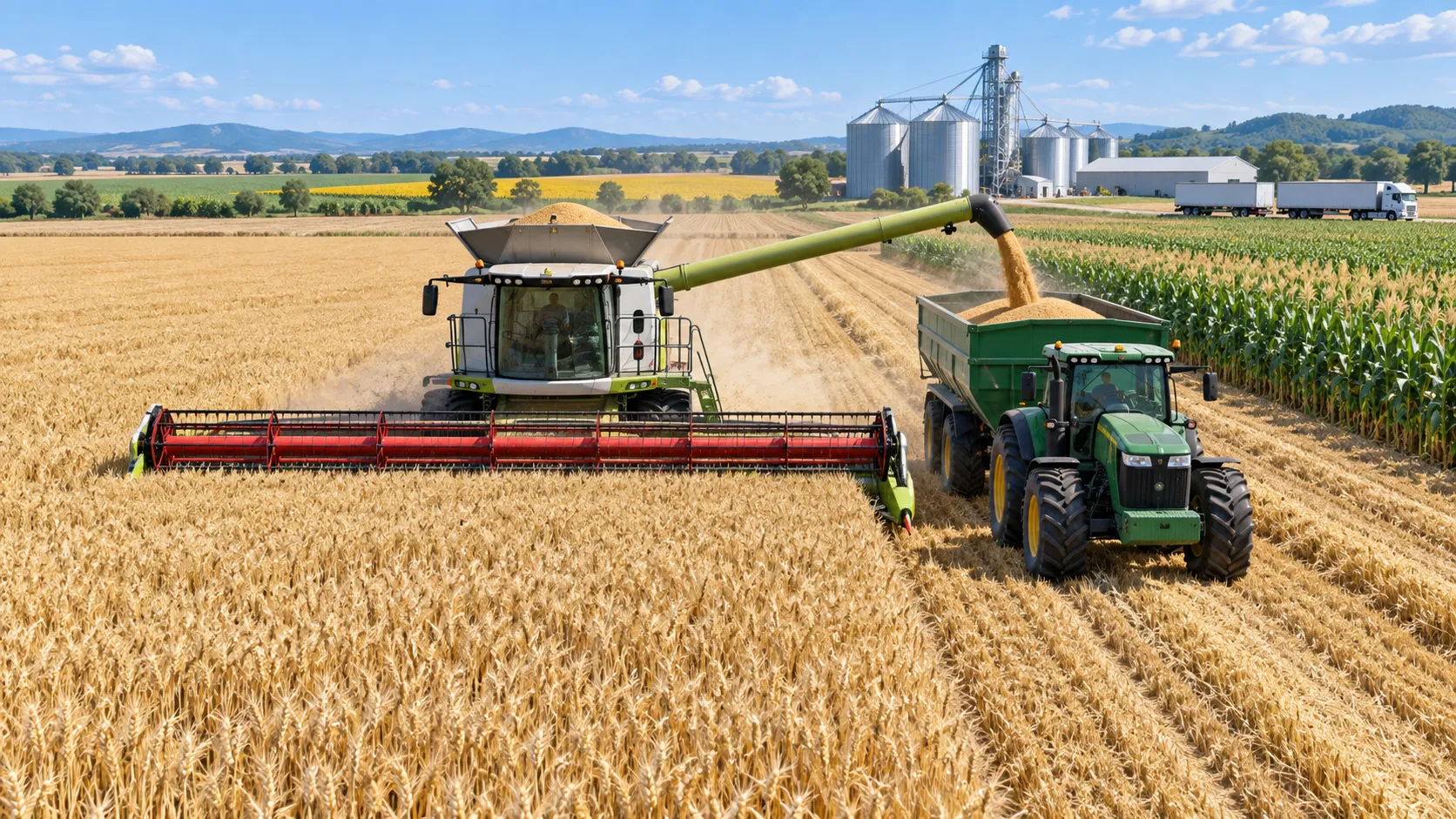
Selecting Grain Farm Equipment by Acreage, Crop Mix, and Harvest Window
Agricultural equipment selection for grain farming: match machinery to acreage, crop mix, and harvest windows to improve uptime, efficiency, and returns.
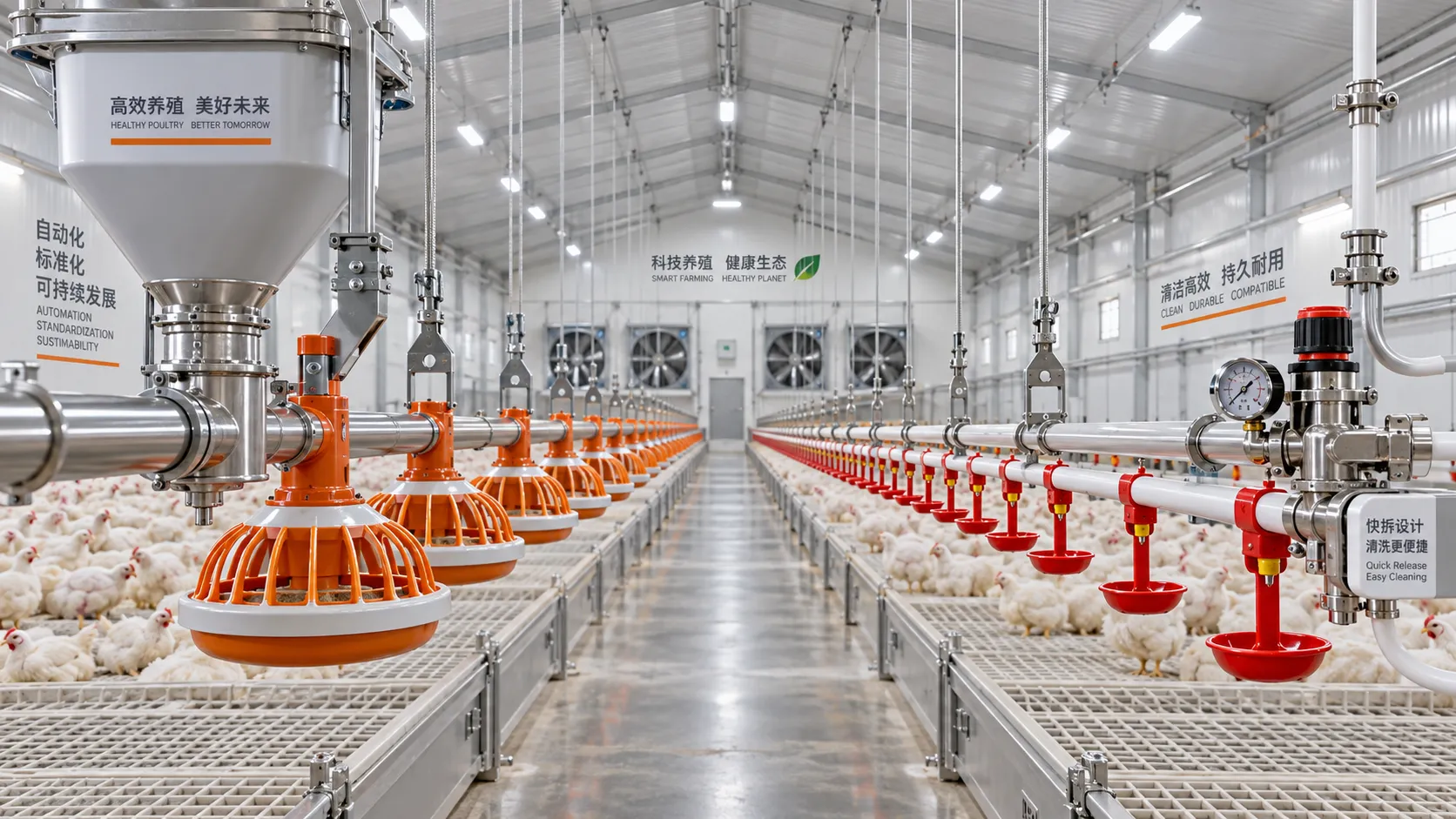
Poultry Equipment Selection: Evaluating Durability, Cleaning, and Compatibility
Poultry equipments selection guide: evaluate durability, cleaning access, and system compatibility to improve hygiene, reduce downtime, and support efficient flock management.
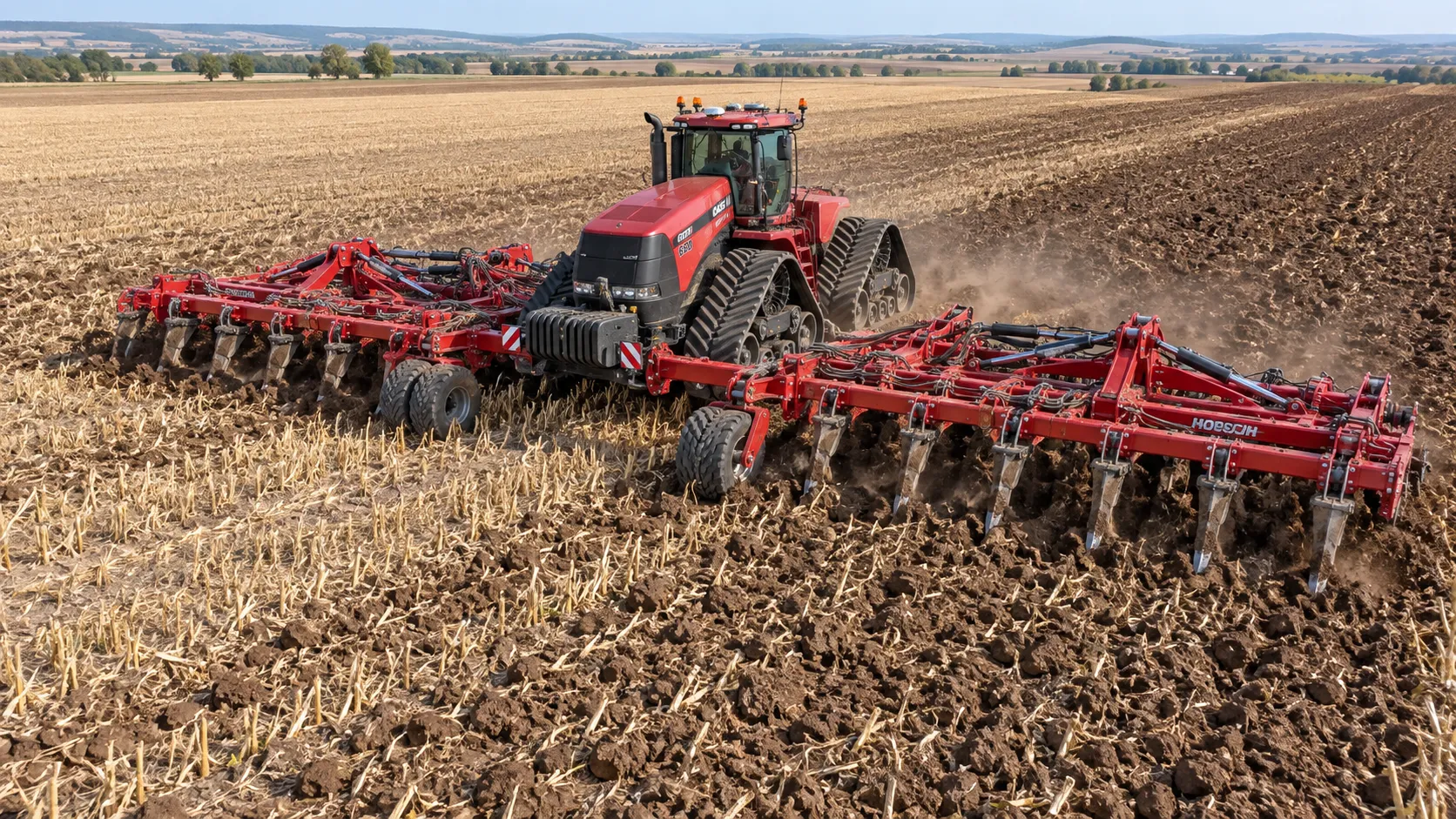
How to Select Heavy-Duty Farm Implements for High-Acreage, High-Horsepower Operations
Heavy duty farm implements: learn how to match draft, hydraulics, hitch capacity, frame strength, and field conditions for reliable high-acreage performance.
Related News
- 00
0000-00
Food Security Risks in Modern Supply Chains: What Businesses Should Track First - 00
0000-00
Farm Machinery Innovations Worth Tracking in 2025: ROI, Adoption Barriers, and Use Cases - 00
0000-00
What agricultural environmental policies mean for compliance - 00
0000-00
Why hybrid farm machinery is gaining serious traction - 00
0000-00
Japan's April CPI Up 1.4%: Pricing Strategy Adjustment Urged for Farm Machinery Exports
Popular Tags
Dr. Alistair Vaughn
Weekly Insights
Stay ahead with our curated technology reports delivered every Monday.