
Soil Preparation Techniques That Support Climate-Smart Farming
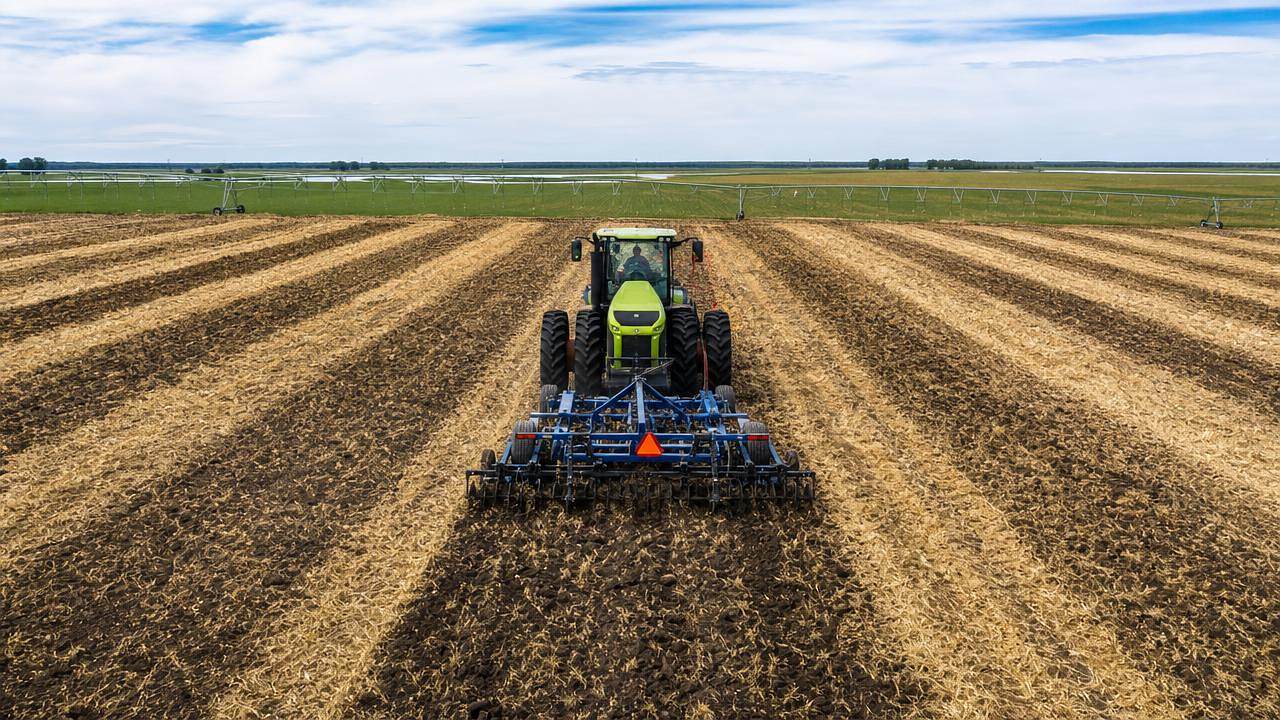




For operators working in an era of rising climate pressure and tighter resource limits, soil preparation techniques for climate-smart farming are no longer optional—they are the foundation of resilient, efficient field performance. From tillage timing and residue management to moisture retention and machinery selection, the right approach can improve soil health, support precision operations, and strengthen long-term productivity across modern agricultural systems.
For field operators, contractors, and machinery managers, soil preparation is no longer just a pre-planting task completed in a narrow 7–14 day window. It is a strategic operation that affects fuel use, seed placement, water infiltration, implement wear, and crop response across the full season.
In climate-smart systems, the objective is clear: create a seedbed that supports emergence while protecting soil structure, conserving moisture, and reducing avoidable passes. That balance matters whether the operation relies on heavy tractors, precision tillage tools, strip-till systems, or irrigation-linked field planning.
For an intelligence platform such as AP-Strategy, this topic sits at the intersection of machinery performance, agronomic discipline, and resource efficiency. Operators need practical guidance on what to do, when to do it, and how to match the method to soil type, residue load, weather volatility, and available equipment.
Why Soil Preparation Matters in Climate-Smart Farming
Effective soil preparation techniques for climate-smart farming support three linked goals: better field trafficability, stronger crop establishment, and lower resource loss. In many regions, a single poorly timed tillage pass can reduce surface cover by 30%–50% and accelerate moisture loss within 24–72 hours.
Operators often face conflicting pressures. They must prepare land fast enough to meet planting schedules, but not so aggressively that the field becomes compacted, powdery, or prone to crusting after the first rain. Climate-smart preparation means managing that trade-off with precision rather than habit.
The Operational Risks of Conventional Preparation
Repeated full-width tillage can increase fuel demand by 15%–35% compared with reduced-pass systems, especially when soil moisture is outside the workable range. It also raises the risk of subsoil compaction if axle loads are high and field entry occurs too early after rainfall or irrigation.
Residue removal or excessive inversion may create a clean-looking field, but it can expose the top 5–10 cm of soil to heat, wind, and splash erosion. For operators in dryland or irrigated systems alike, this can undermine uniform germination and increase the need for corrective irrigation.
Key signs that preparation quality is off target
- Visible smearing in the seed zone after tillage or planting
- Clod sizes exceeding the target for the crop and planter setup
- Wheel-track compaction deeper than 10–15 cm
- Surface sealing within 48 hours after a moderate rain event
- Uneven residue bands that interfere with row units or irrigation flow
The table below compares common field preparation approaches and how they align with climate-smart outcomes for operators balancing productivity, moisture retention, and machinery efficiency.
The main takeaway is that there is no single universal method. Soil preparation techniques for climate-smart farming work best when the operator matches disturbance level to field conditions, crop rotation, rainfall pattern, and machinery capability instead of defaulting to the most aggressive tool.
Core Soil Preparation Techniques That Improve Resilience
A climate-smart approach is built on several coordinated actions rather than one implement choice. The most effective operators combine moisture-aware timing, residue handling, depth control, compaction management, and pass reduction into a field-specific preparation plan.
1. Time Tillage by Soil Moisture, Not by Calendar
Working wet soil creates smearing and compaction. Working overly dry soil increases clod formation and draft load. A practical target is to avoid field entry when squeezed soil forms a dense ribbon or shiny surface. For many medium-textured soils, the best operating window appears when the top layer crumbles rather than molds.
If rainfall events are becoming less predictable, operators should plan 2–3 equipment readiness levels in advance. That may include one shallow vertical tillage option, one residue-sizing option, and one lower-speed fallback pass if the window narrows to only 1–2 workable days.
2. Preserve Surface Residue Where It Adds Value
Residue cover moderates temperature swings, slows evaporation, and reduces erosion velocity. In many row crop systems, keeping at least 30% surface cover after preparation is a practical benchmark. That level often improves infiltration while still allowing efficient planter or drill performance when residue is evenly spread.
Operators should pay attention to harvest residue distribution before any tillage begins. Uneven straw or stalk concentration can cause one side of the field to remain cool and wet while another dries out too fast. In climate-smart systems, residue management starts at the combine, not only at the tillage pass.
Residue handling priorities
- Check spread uniformity across the full header width.
- Size tough material only as much as needed for planting flow.
- Avoid burying all cover unless disease, pest, or stand issues justify it.
- Adjust row cleaners and openers to move residue, not excessive soil.
3. Control Tillage Depth With a Specific Objective
One of the most common operator errors is running deeper than necessary. A shallow 5–8 cm pass may be enough for residue sizing and surface leveling, while deeper intervention should be reserved for identifiable layers such as a 15–25 cm compaction zone. Depth without purpose adds fuel cost and may damage soil structure.
Depth consistency also matters for downstream precision. Variable depth can produce uneven seedbed firmness, which then affects seeding depth control and emergence timing. In a narrow planting window, even a 24–48 hour emergence spread can reduce uniformity in crop development.
4. Reduce Passes and Traffic Intensity
Each pass adds cost, time, and compaction risk. When operators consolidate two operations into one pass, the gains are often immediate: fewer labor hours, lower diesel use, and less random wheel traffic. In broad-acre systems, reducing just one pass across hundreds of hectares can free up critical operating time during volatile weather periods.
This is where machinery planning matters. Tractor chassis stability, hydraulic responsiveness, implement matching, and guidance accuracy all influence whether a reduced-pass strategy works in the real field rather than only on paper.
Machinery Selection for Climate-Smart Field Preparation
Choosing the right machine setup is central to successful soil preparation techniques for climate-smart farming. Operators should evaluate not only horsepower, but also axle load, tire or track configuration, hydraulic capacity, working width, and compatibility with precision guidance and variable-depth control.
Match Tool Type to Soil and Cropping System
A high-residue maize field, a lighter-textured irrigated vegetable block, and a controlled-traffic grain system do not need the same preparation tool. The most resilient choice is the one that solves the limiting factor with the least disturbance necessary.
The comparison below provides a practical operator-focused view of tool selection criteria across common field conditions.
The practical message is simple: equipment should be chosen around the field problem, not just available pulling power. AP-Strategy’s machinery intelligence perspective is especially relevant here because drivetrain efficiency, hydraulic control, and implement compatibility directly affect whether climate-smart soil preparation is repeatable at scale.
Four Equipment Checks Before the Season Starts
- Inspect wear parts and working angles; a 10% wear change can alter residue flow and depth stability.
- Calibrate depth control and level the implement side-to-side before first field entry.
- Review tire pressure or track setup to reduce avoidable compaction under expected loads.
- Confirm guidance repeatability if using strip-till, controlled traffic, or banded nutrient placement.
Why chassis and hydraulics matter
Operators often focus on the tool, but tractor behavior is equally important. Stable draft delivery, responsive hydraulic down-pressure, and consistent speed control help maintain working depth within a narrow tolerance. In variable soils, that consistency can be the difference between a uniform seedbed and a patchy emergence pattern.
Implementation Workflow for Operators
To turn theory into practice, operators need a repeatable workflow. The most successful climate-smart programs are not the most complex; they are the most disciplined. A 5-step decision sequence can reduce last-minute improvisation and improve field-to-field consistency.
Step-by-Step Field Execution
- Assess residue load, traffic damage, and moisture condition 3–5 days before planned entry.
- Select the minimum-disturbance tool that addresses the actual limitation.
- Set working depth, travel speed, and ballast for that field, not for the whole farm.
- Check the first 50–100 meters for residue mixing, clod size, and depth accuracy.
- Reassess after weather changes, especially after rainfall above 10–20 mm or irrigation events.
Common Mistakes That Reduce Climate Resilience
Three mistakes appear repeatedly in the field: entering too wet, over-finishing the surface, and ignoring residue distribution. These errors often look minor during operations but become costly during emergence, irrigation scheduling, and in-season traffic. A visually smooth field is not always a high-performance field.
Another frequent issue is copying the same preparation program across every block. Climate-smart farming requires local adjustment. A lighter soil may need cover preservation and minimal disturbance, while a heavier section with traffic pan issues may justify targeted loosening once in the rotation rather than every year.
Operator decision checklist
- Is the field fit for traffic today, or only because the calendar says it should be?
- Will this pass improve infiltration and rooting, or mainly improve visual appearance?
- Can the same objective be achieved with one less pass or one shallower setting?
- Will current residue conditions interfere with planting or water movement later?
Planning Soil Preparation as Part of a Bigger Smart Farming System
The strongest results come when soil preparation techniques for climate-smart farming are integrated with harvesting, traffic planning, irrigation design, and precision application tools. Soil condition does not reset after planting; it carries forward into root growth, water demand, nutrient access, and harvest efficiency.
That is why operators increasingly need joined-up intelligence rather than isolated equipment advice. Residue distribution from the combine, chassis load behavior from the tractor, and infiltration demands from the irrigation system all influence preparation decisions. This is exactly the kind of cross-functional field intelligence AP-Strategy is positioned to support.
When preparation is treated as a precision operation, not a routine disturbance, the gains are measurable: fewer corrective passes, more reliable seed placement, lower stress on machinery, and better adaptation to unstable weather. Even small improvements repeated across each season can strengthen the long-term productivity of the entire operation.
Who benefits most from a climate-smart preparation strategy
- Operators managing large acreages with narrow planting windows
- Farms dealing with inconsistent rainfall or water allocation limits
- Teams adopting precision planting, strip-till, or controlled traffic systems
- Businesses evaluating machinery upgrades for lower disturbance and higher efficiency
Climate-smart soil preparation is ultimately about fit: the right pass, the right depth, the right timing, and the right machine for the field in front of you. For operators under pressure to protect yields while using water, fuel, and labor more efficiently, that fit is becoming a competitive advantage.
If you are refining equipment strategy, evaluating field preparation systems, or aligning tillage with precision irrigation and mechanization goals, AP-Strategy can help you turn scattered decisions into a coherent operating model. Contact us to get a tailored solution, consult product and machinery details, or explore more field-ready intelligence for smart cultivation.
Related News
How Sensor Feedback Enables Accurate Variable-Rate Fertilization in Field Conditions
Precision fertilization systems with sensor feedback improve variable-rate accuracy by verifying flow, managing latency, and ensuring reliable field application.
How to Select Precision Crop Protection Equipment for Variable Field Conditions
Precision crop protection equipment selection made simple: compare terrain, canopy, weather, control accuracy, and data workflows for reliable applications.
When Does Agricultural Machinery Leasing Cost Less Than Owning Equipment?
Agricultural machinery leasing can lower farm costs when use is seasonal or uncertain. Compare utilization, maintenance, cash flow, and risk to make a smarter equipment decision.
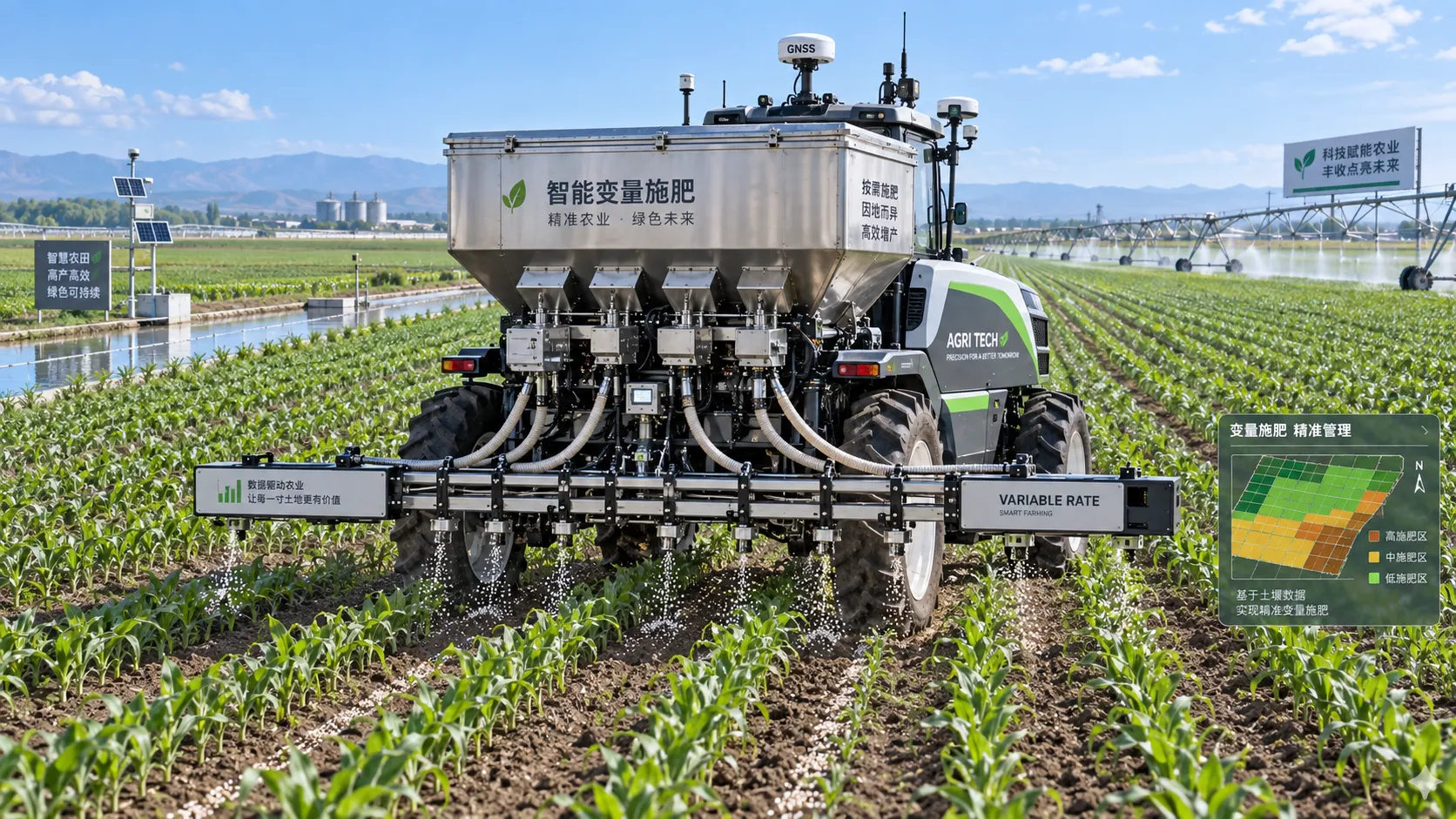
How to Evaluate Precision Fertilization System Suppliers for Farm-Scale Deployment
Precision fertilization systems suppliers: learn how to compare accuracy, integration, uptime, service, and total cost for confident farm-scale deployment.
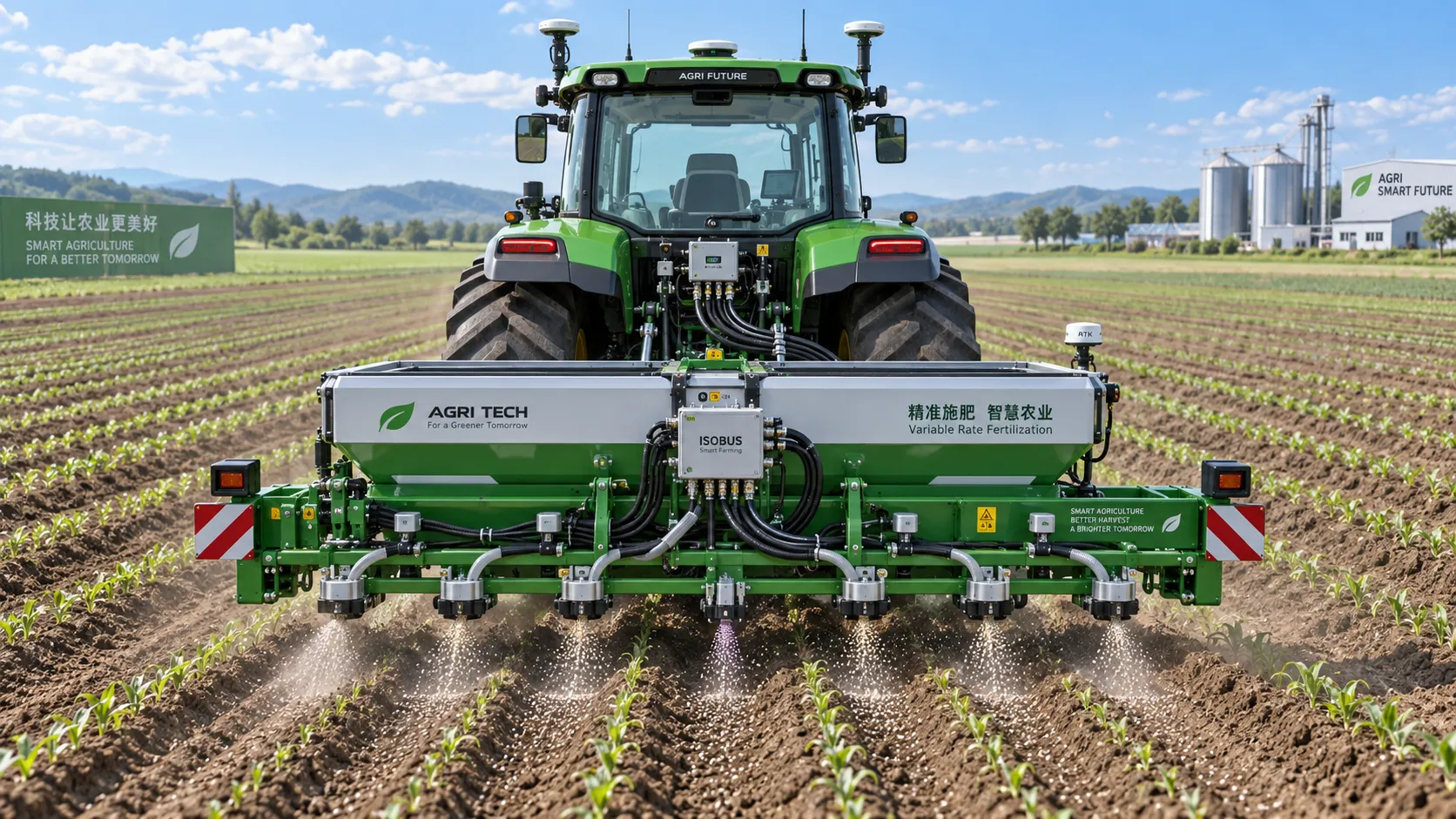
ISOBUS for Smart Agriculture: How It Connects Tractors, Implements, and Farm Data
ISOBUS for smart agriculture connects tractors, implements, terminals, and farm data—helping growers improve precision, documentation, and smarter field decisions.
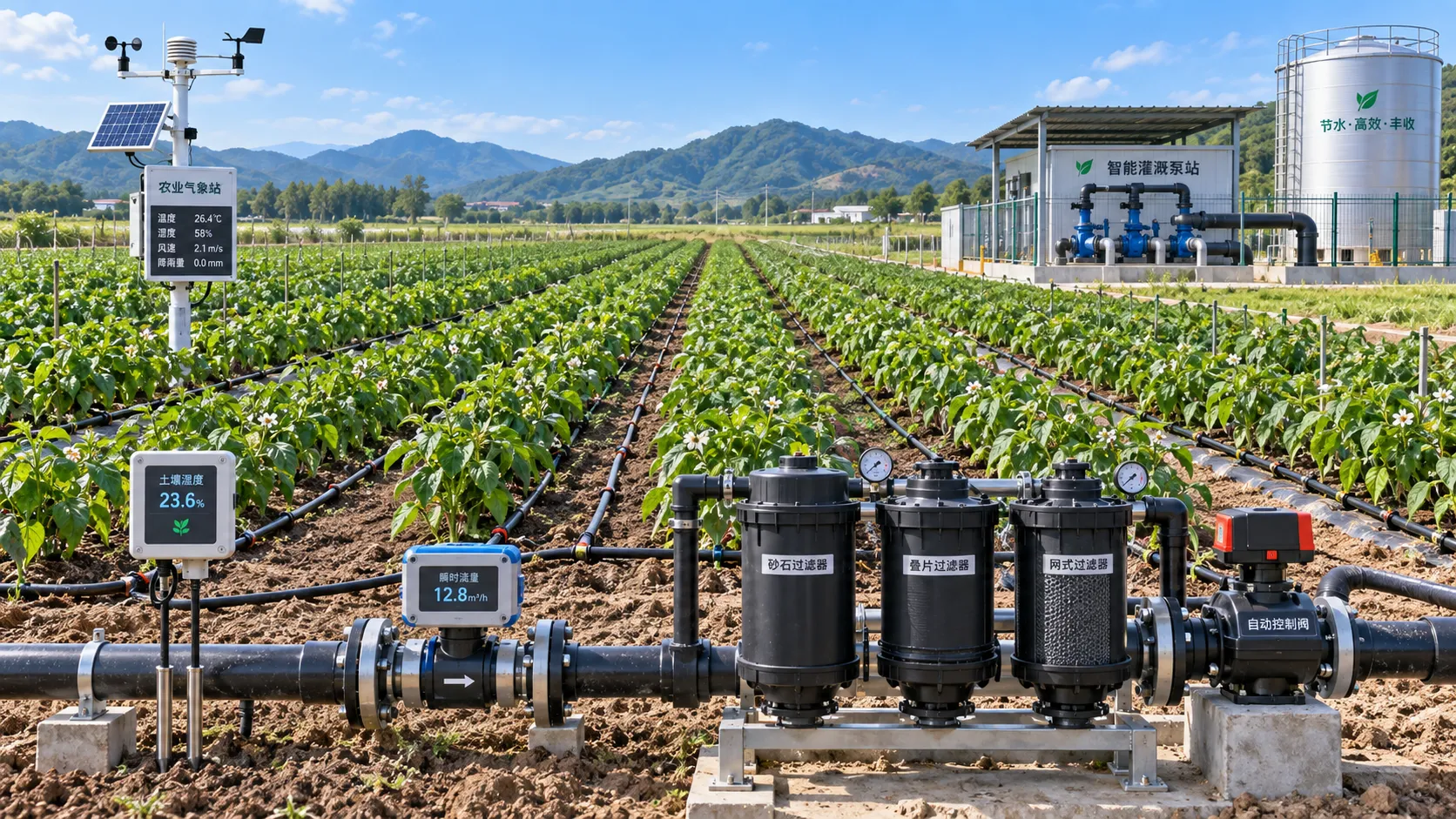
Automated Water-Saving Irrigation: How to Cut Water Use Without Reducing Crop Yields
Automated water-saving irrigation helps farms cut water use, protect crop yields, improve scheduling, and gain reliable control with sensors, flow monitoring, and smart zones.
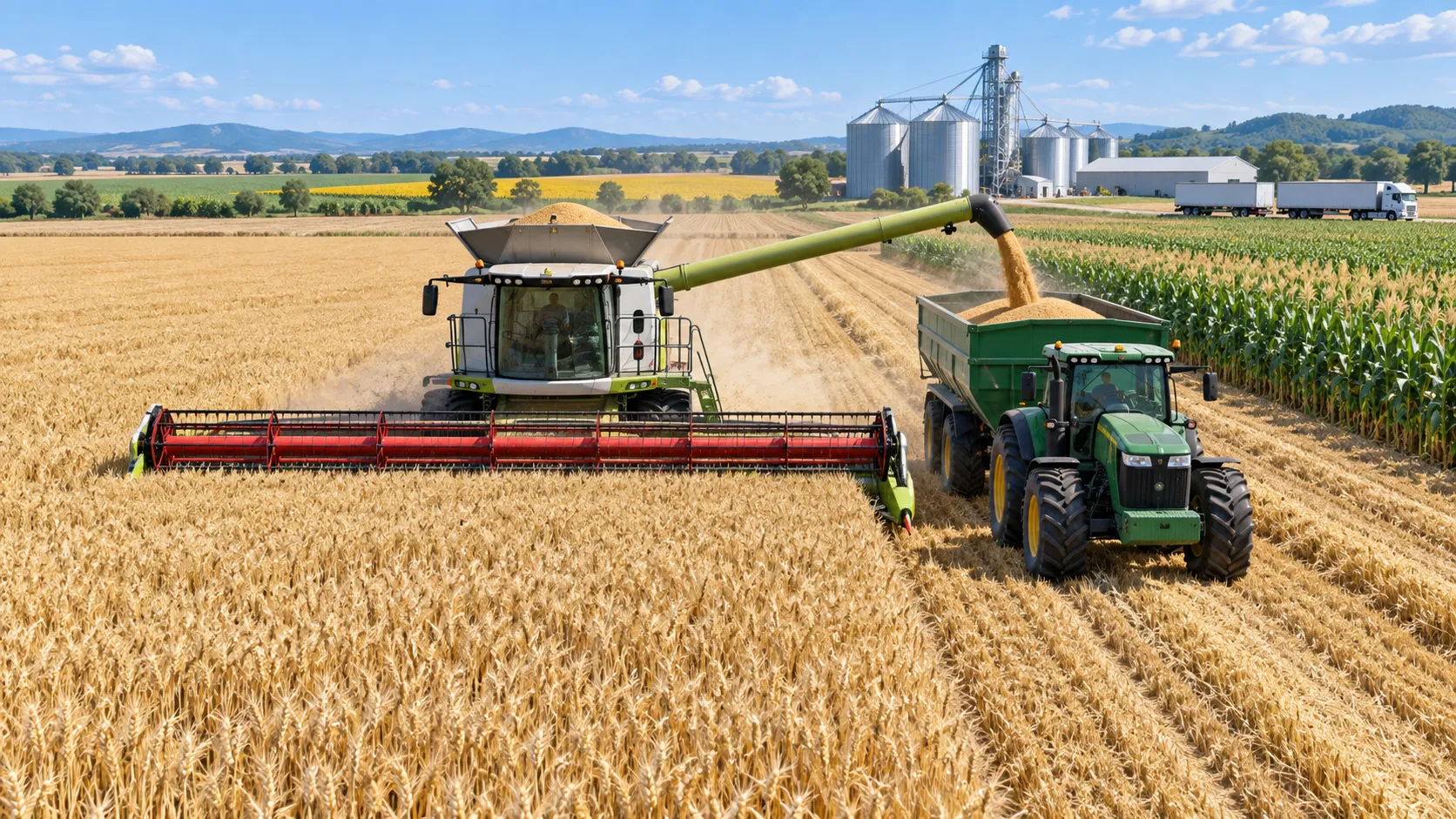
Selecting Grain Farm Equipment by Acreage, Crop Mix, and Harvest Window
Agricultural equipment selection for grain farming: match machinery to acreage, crop mix, and harvest windows to improve uptime, efficiency, and returns.
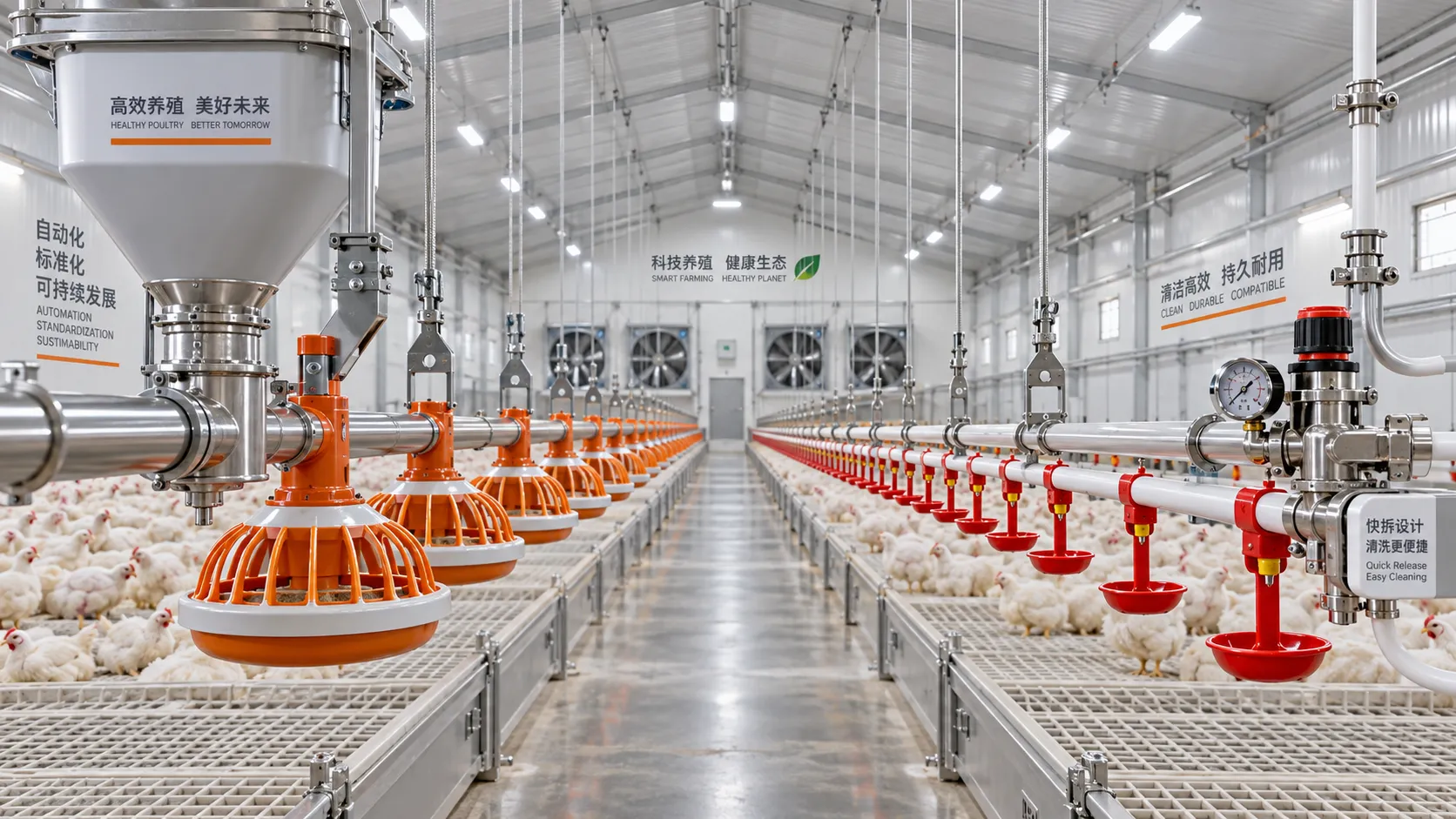
Poultry Equipment Selection: Evaluating Durability, Cleaning, and Compatibility
Poultry equipments selection guide: evaluate durability, cleaning access, and system compatibility to improve hygiene, reduce downtime, and support efficient flock management.
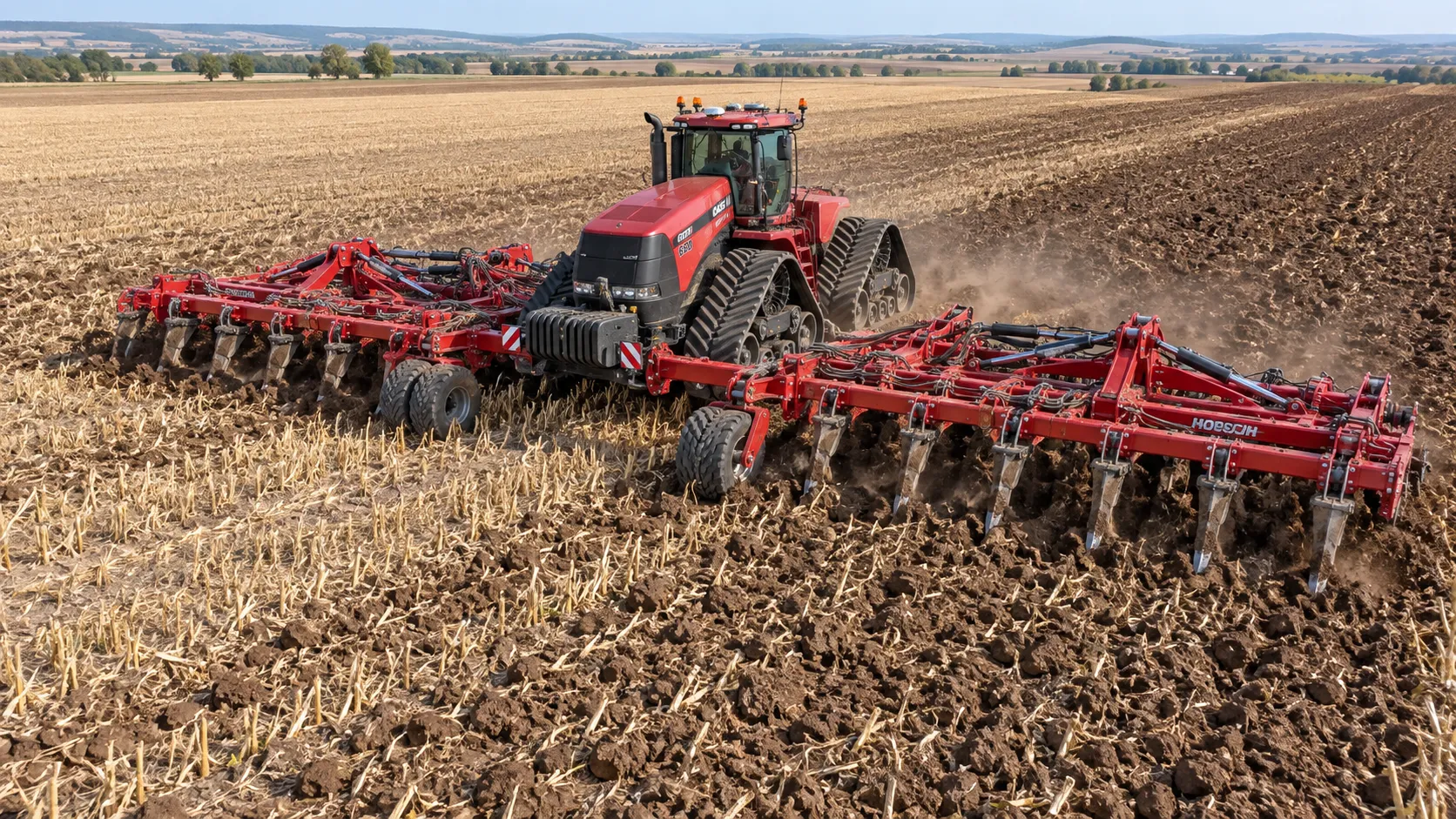
How to Select Heavy-Duty Farm Implements for High-Acreage, High-Horsepower Operations
Heavy duty farm implements: learn how to match draft, hydraulics, hitch capacity, frame strength, and field conditions for reliable high-acreage performance.
Related News
- 00
0000-00
What Tractor Horsepower Is Needed for a Three-Bottom Moldboard Plow? - 00
0000-00
What Is the Difference Between No-Till and Conventional Tillage? - 00
0000-00
Does No-Till Farming Reduce Erosion on Hilly Farmland? - 00
0000-00
India BIS Tightens Soil Tiller Labeling for Imports - 00
0000-00
Vietnam Requires Vietnamese Warning Labels for Imported Soil Tillers
Popular Tags
Agri-Mechanization Fellow
Weekly Insights
Stay ahead with our curated technology reports delivered every Monday.