
What Sets Reliable Climate-Smart Farming Equipment Suppliers Apart
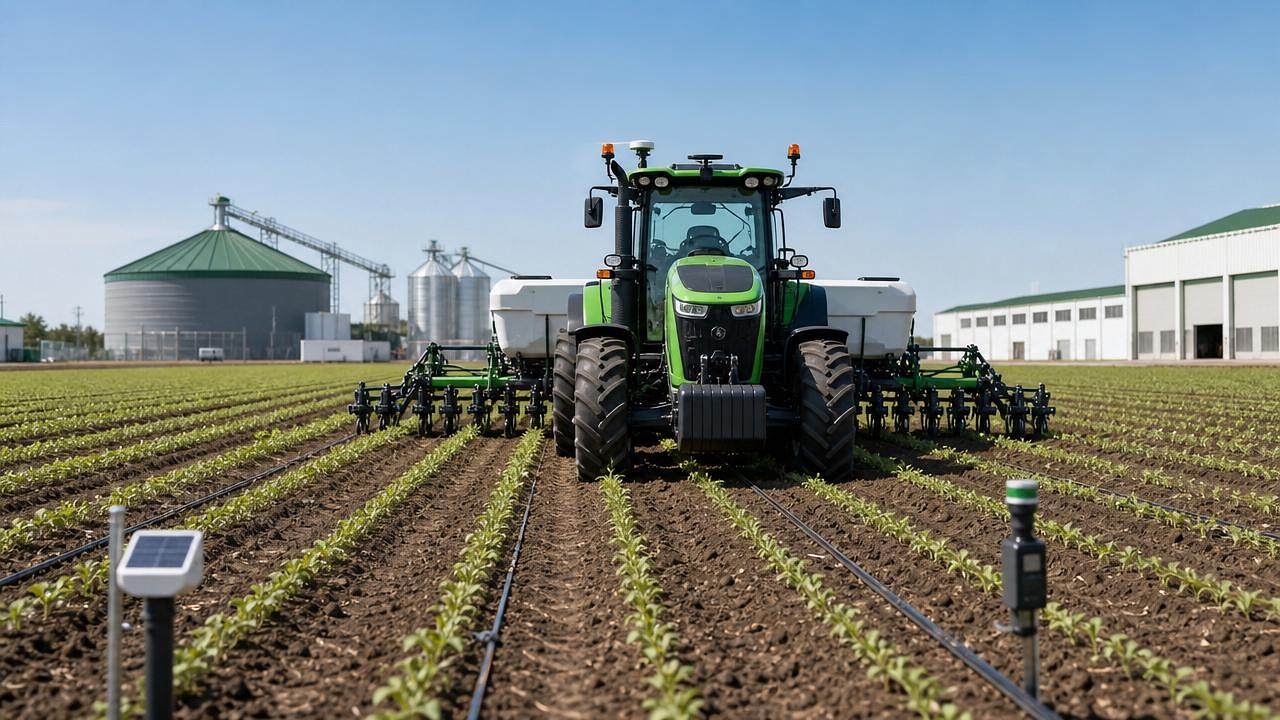




Choosing among climate-smart farming equipment suppliers is no longer just about price or product range—it is about long-term operational resilience, resource efficiency, and reliable technical support. For procurement professionals navigating Agriculture 4.0, understanding what truly separates dependable suppliers from the rest can reduce risk, improve investment returns, and strengthen sustainable farm performance in an increasingly complex global market.
For procurement teams, the core question is simple: which suppliers can deliver equipment that performs reliably, supports sustainability goals, and remains serviceable over its full operating life. The best climate-smart farming equipment suppliers stand out through verifiable performance, strong after-sales systems, digital integration, and transparent commercial practices.
This matters because climate-smart procurement is tied directly to business continuity. Farms and agri-enterprises now face tighter margins, labor shortages, weather volatility, water constraints, and higher reporting expectations around emissions and resource use. Equipment choices made today can lock in either efficiency gains or long-term operational weaknesses.
As a result, buyers are not just comparing machines. They are assessing whether a supplier can support precision operations, reduce waste, improve uptime, and adapt to changing regulatory and environmental demands. In practice, dependable suppliers combine engineering capability with agronomic understanding and a credible service network.
What procurement buyers are really looking for in climate-smart equipment suppliers
When buyers search for climate-smart farming equipment suppliers, they are usually not looking for a generic vendor list. They want a practical way to identify low-risk partners that can support large-scale operations, measurable sustainability outcomes, and dependable long-term ownership economics.
Their concerns tend to cluster around a few issues. Will the equipment reduce fuel, water, fertilizer, or labor use in real conditions? Can it integrate with existing farm systems? Is technical support fast and competent? Are spare parts accessible? And can the supplier prove value beyond marketing claims?
These concerns are especially important in categories such as tractors, combine harvesters, intelligent implements, and smart irrigation systems. In all of them, poor supplier selection can create losses through downtime, calibration errors, weak software support, inefficient field performance, and delayed maintenance during critical operating windows.
That is why the strongest suppliers are not defined only by catalog breadth. They are defined by their ability to help buyers make better capital decisions, lower operating uncertainty, and align equipment investments with field-level productivity and sustainability targets.
Reliable suppliers can prove field performance, not just product features
A reliable supplier should be able to demonstrate how its equipment performs under real operating conditions, not merely describe technical specifications. Procurement professionals need evidence on fuel efficiency, working accuracy, crop loss rates, input savings, water-use efficiency, and uptime across different farm environments.
For example, a supplier of precision sprayers or fertilizer applicators should show data on overlap reduction, variable-rate accuracy, and input savings over multiple seasons. A smart irrigation supplier should provide measurable evidence on water application efficiency, leak detection, pressure stability, and crop response under local climate conditions.
In harvesting and power equipment, claims should also be connected to productivity metrics that matter commercially. These may include hectares covered per hour, grain loss control, traction performance, hydraulic stability, maintenance intervals, and energy consumption per operating cycle.
The best climate-smart farming equipment suppliers understand that procurement decisions are increasingly evidence-based. They come prepared with field trial reports, customer references, benchmark comparisons, and clearly defined use cases rather than relying on broad sustainability language.
Buyers should also look for suppliers that can explain performance limitations honestly. Credible partners do not present every solution as universally optimal. Instead, they identify where a machine performs best, what conditions affect efficiency, and what operator skill or farm data quality is needed to achieve expected results.
Strong after-sales support often matters more than the initial quotation
For procurement teams, equipment value is realized over years, not on the day the purchase order is signed. This is why after-sales support is one of the clearest ways to distinguish reliable suppliers from risky ones. Climate-smart equipment is increasingly digital, sensor-based, and software-dependent, which raises the importance of support quality.
A dependable supplier should have a structured service model covering installation, commissioning, operator training, remote diagnostics, preventive maintenance, and emergency response. If these elements are weak, even technically advanced equipment can underperform in the field.
Spare parts planning is equally important. Buyers should ask where critical components are stocked, what lead times look like during peak season, and whether substitute parts affect warranties or machine performance. A supplier with impressive technology but poor parts availability can quickly become an operational liability.
Training also deserves closer attention than many procurement processes give it. Climate-smart systems often rely on correct setup, calibration, data interpretation, and operator behavior. Reliable suppliers invest in training because they know that user capability directly affects equipment outcomes.
In practical terms, service-level commitments should be documented. Response times, warranty scope, software update policies, inspection schedules, and technical escalation procedures should not remain informal promises. Procurement professionals should treat service architecture as part of the product itself.
Integration with digital farming systems is no longer optional
One major difference between traditional machinery vendors and leading climate-smart farming equipment suppliers is digital compatibility. Modern procurement is no longer only about buying standalone machines. It is about building equipment ecosystems that can exchange data, support precision decisions, and adapt over time.
This is especially relevant for businesses using GPS guidance, telematics, variable-rate application maps, moisture sensors, yield monitoring, farm management software, or automated irrigation controls. Equipment that cannot connect efficiently with these systems creates data silos and reduces the value of wider Agriculture 4.0 investments.
Reliable suppliers should be able to explain compatibility in practical terms. Which protocols are supported? Can machine data be exported cleanly? Does the platform integrate with third-party software? How are firmware upgrades managed? What cybersecurity protections are in place for connected devices?
Procurement teams should be cautious when suppliers overstate digital readiness without clarifying implementation details. A machine may have sensors and screens, but that does not guarantee usable interoperability. The real question is whether the equipment helps turn data into better field actions and measurable operating gains.
Future scalability also matters. A strong supplier will help buyers think beyond current needs, considering whether additional tools, automation modules, analytics features, or remote management capabilities can be added as the farm or enterprise expands.
Transparency in total cost of ownership separates strategic partners from transactional sellers
Price remains important, but procurement professionals know that low acquisition cost does not always mean high value. With climate-smart technologies, total cost of ownership is often the more useful comparison framework because it captures the full operational and financial reality of the purchase.
Reliable suppliers should be able to support a clear cost model that includes acquisition, installation, calibration, consumables, maintenance, software subscriptions, training, downtime risk, energy or fuel use, and residual value. If a supplier avoids this discussion, buyers should ask why.
Suppliers that truly understand procurement priorities will also help quantify return drivers. These might include reduced water use, lower fertilizer losses, fewer field passes, labor savings, improved harvest recovery, less unplanned downtime, or more precise timing of operations.
This is where commercial transparency becomes a trust signal. Good suppliers do not hide recurring fees, proprietary lock-ins, or restrictive service conditions inside complex proposals. They provide enough detail for buyers to compare alternatives fairly and build defensible internal business cases.
For large-scale operations, the financial case should also consider risk reduction. Equipment that improves consistency under variable climate conditions may generate value even when direct savings are harder to model. Procurement leaders increasingly recognize resilience as part of return on investment.
Reliable suppliers understand agronomy, not just machinery
Climate-smart procurement sits at the intersection of equipment engineering and biological production systems. This means the best suppliers do more than sell machines—they understand how machinery affects soil, water, crop performance, harvest quality, and input efficiency across different environments.
A supplier of intelligent farm tools, for instance, should be able to discuss how operating speed, pressure, placement accuracy, and field variability influence agronomic outcomes. An irrigation supplier should understand evapotranspiration, water quality, crop stage sensitivity, and the local constraints affecting application strategy.
This agronomic depth matters because equipment performance is rarely isolated from field context. A technically advanced solution may still fail to deliver value if it is misaligned with crop type, labor capability, terrain, soil condition, or irrigation infrastructure.
Procurement teams benefit when suppliers can translate technology into farm-level impact. The strongest partners can explain not only what the machine does, but how it supports practical goals such as lower compaction, more uniform application, reduced harvest losses, or better use of limited water resources.
That kind of conversation is especially valuable in cross-border sourcing, where operating conditions and assumptions may differ sharply from the supplier’s home market. Reliable suppliers adjust recommendations to local realities rather than pushing a standard specification into every context.
Supply chain resilience and compliance credibility are now part of supplier quality
In a volatile global market, procurement cannot assess suppliers only by product performance. Lead times, sourcing stability, compliance readiness, and manufacturing resilience have become core indicators of supplier reliability. This is particularly true for equipment categories with electronic controls, hydraulic systems, and specialized components.
Buyers should ask how suppliers manage disruptions in components, shipping, and regional service capacity. Do they have multiple sourcing channels? Are production schedules realistic? Can they support deployment across several markets? How do they handle regulatory changes affecting emissions, safety, or digital systems?
Compliance is another area where weak suppliers often expose themselves. Credible suppliers should provide clear documentation on standards, certifications, and market-specific requirements. For sustainability-focused procurement, they should also be ready to discuss resource efficiency claims with supporting evidence.
Environmental positioning should be scrutinized carefully. Some suppliers use climate-smart language loosely, while others back it with engineering design, lifecycle thinking, and performance reporting. Procurement professionals should look for proof of practical impact rather than broad green branding.
In many organizations, supplier credibility now extends to reputational risk. Choosing a vendor that overpromises on sustainability, digital capability, or local support can create internal friction and external credibility issues if performance falls short after deployment.
How procurement teams can evaluate suppliers more effectively
The most effective way to compare climate-smart farming equipment suppliers is to use a weighted evaluation process aligned with operational goals. Procurement should define which outcomes matter most, such as water savings, uptime, input efficiency, interoperability, service speed, or operator simplicity.
From there, suppliers can be assessed across a balanced scorecard including technical performance, service infrastructure, digital integration, commercial transparency, agronomic fit, and supply chain reliability. This reduces the chance that a low price or persuasive sales presentation dominates the decision.
Site visits, reference checks, and pilot deployments are often worth the effort. Talking with current users reveals whether the supplier’s support quality and performance claims hold up under pressure. Demonstrations should focus on measurable field outcomes rather than showroom features.
It is also useful to involve multiple internal stakeholders early. Farm operations, technical teams, finance, agronomy specialists, and sustainability leads may all see different risks or opportunities in the same supplier proposal. Better alignment upfront usually leads to stronger procurement outcomes later.
Finally, buyers should document assumptions clearly. Expected savings, maintenance requirements, software dependencies, and response commitments should all be reflected in the procurement file and contract structure. Reliable suppliers are usually comfortable with this level of clarity because it supports long-term trust.
Conclusion: dependable suppliers reduce uncertainty while improving sustainable performance
What sets reliable climate-smart farming equipment suppliers apart is not one feature, one machine category, or one sustainability claim. It is their ability to combine proven field performance, responsive after-sales support, digital compatibility, transparent economics, agronomic understanding, and stable delivery capability.
For procurement professionals, that combination is what turns equipment buying from a transactional exercise into a strategic decision. The right supplier helps lower risk, protect uptime, improve resource efficiency, and support long-term adaptation in a more climate-sensitive agricultural environment.
In other words, the best suppliers do not simply sell climate-smart technology. They make that technology practical, measurable, and dependable at scale. That is the standard procurement teams should use when evaluating partners in the next phase of Agriculture 4.0.
Related News
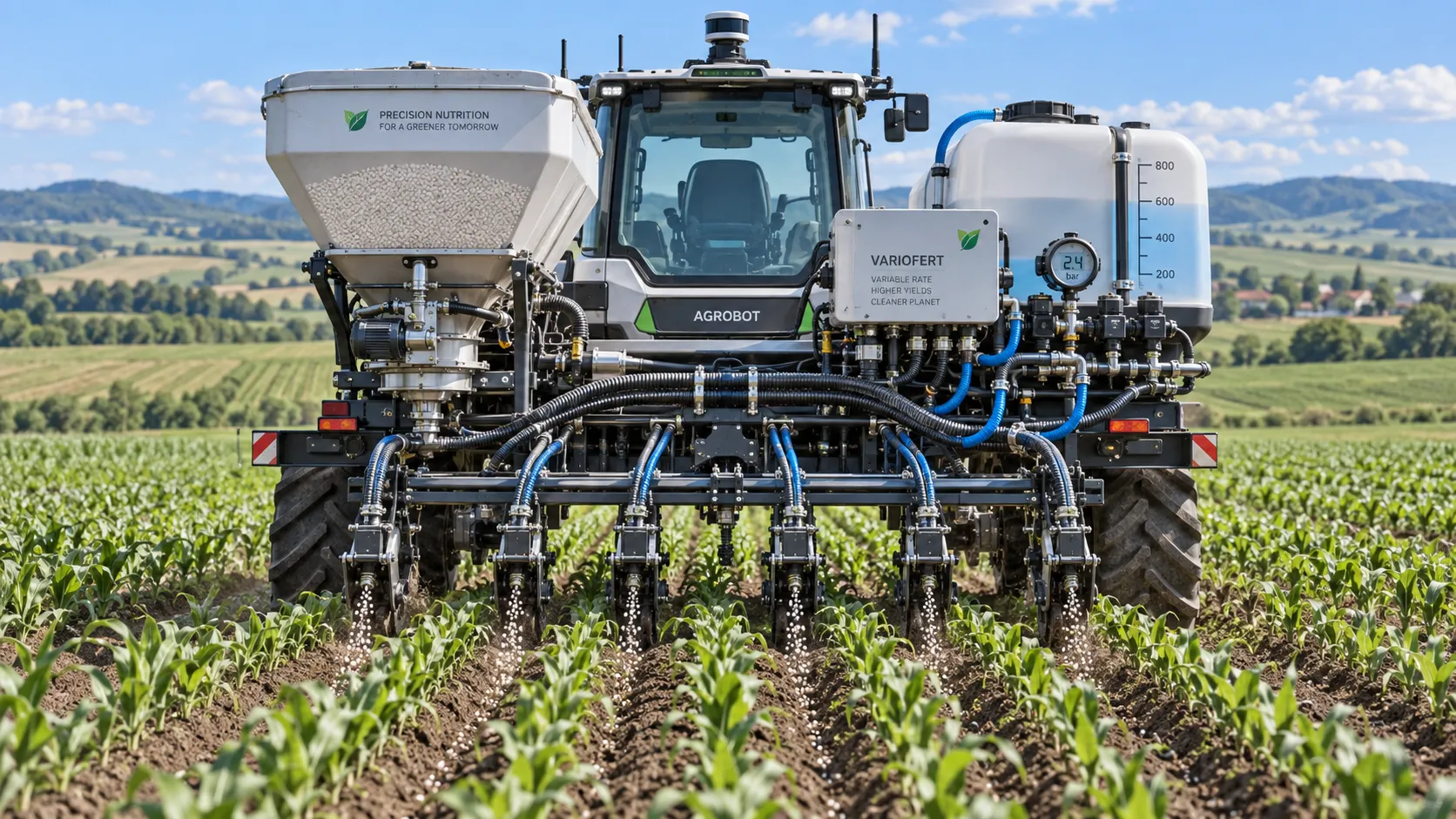
How Sensor Feedback Enables Accurate Variable-Rate Fertilization in Field Conditions
Precision fertilization systems with sensor feedback improve variable-rate accuracy by verifying flow, managing latency, and ensuring reliable field application.
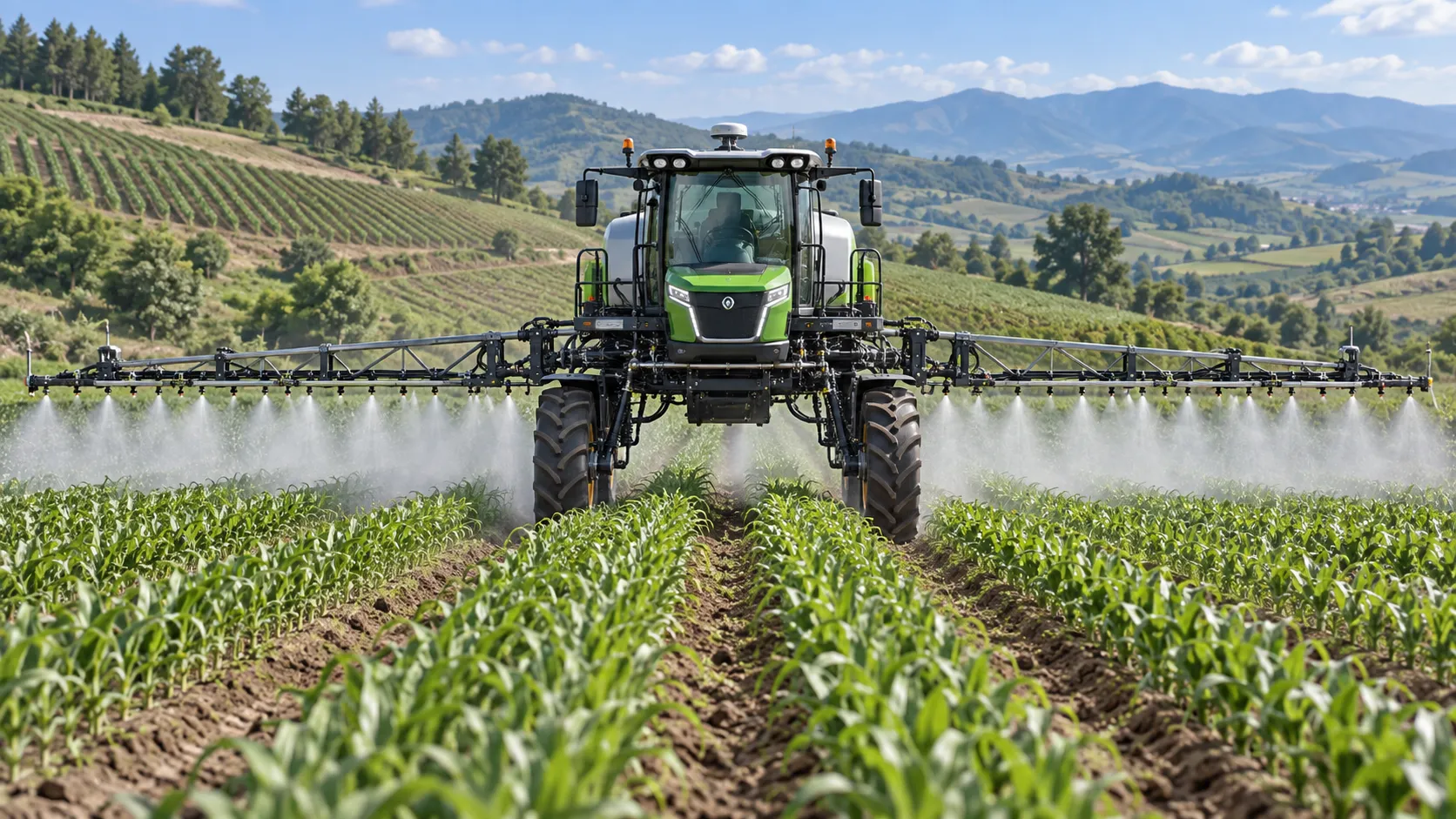
How to Select Precision Crop Protection Equipment for Variable Field Conditions
Precision crop protection equipment selection made simple: compare terrain, canopy, weather, control accuracy, and data workflows for reliable applications.
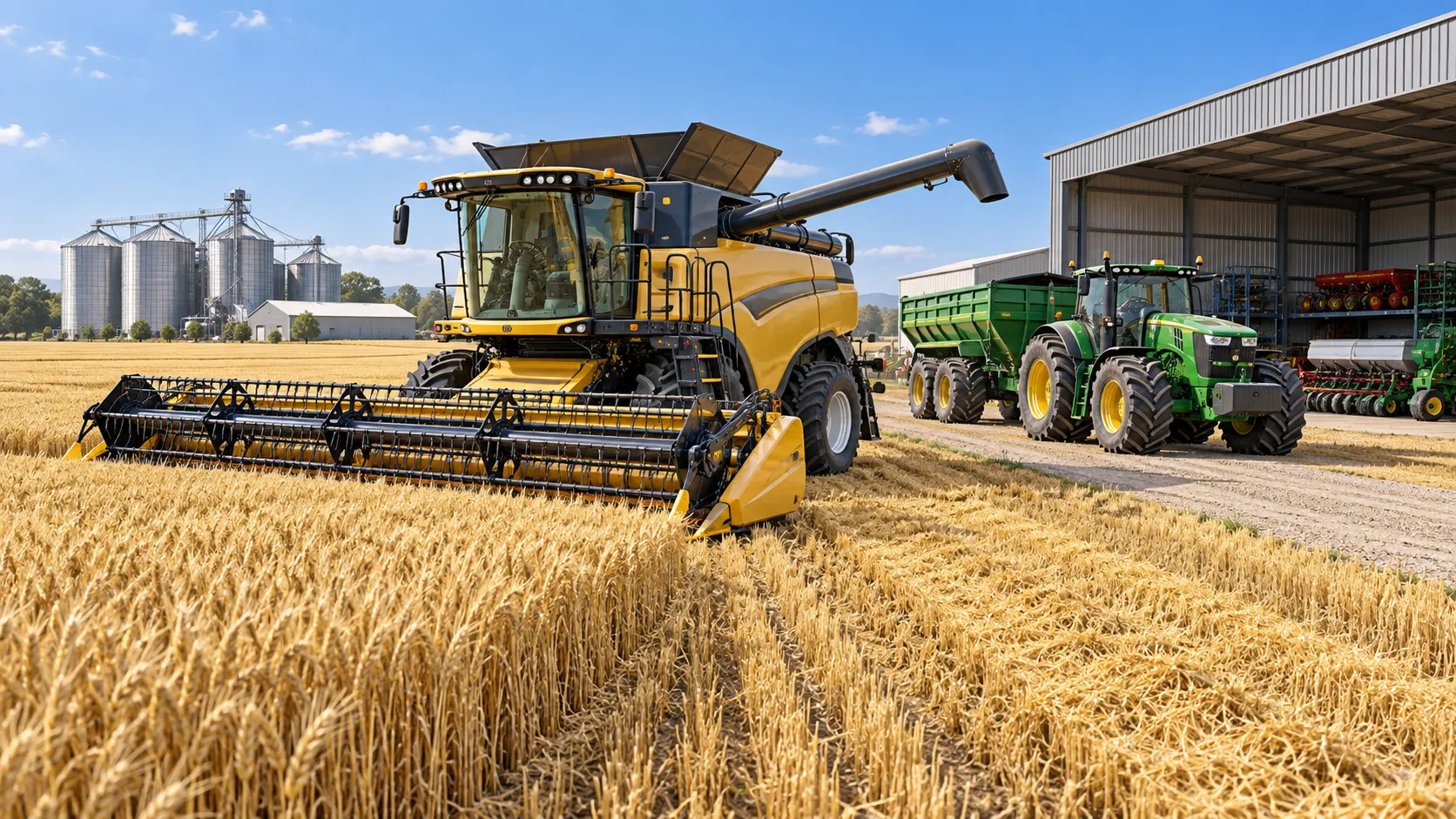
When Does Agricultural Machinery Leasing Cost Less Than Owning Equipment?
Agricultural machinery leasing can lower farm costs when use is seasonal or uncertain. Compare utilization, maintenance, cash flow, and risk to make a smarter equipment decision.
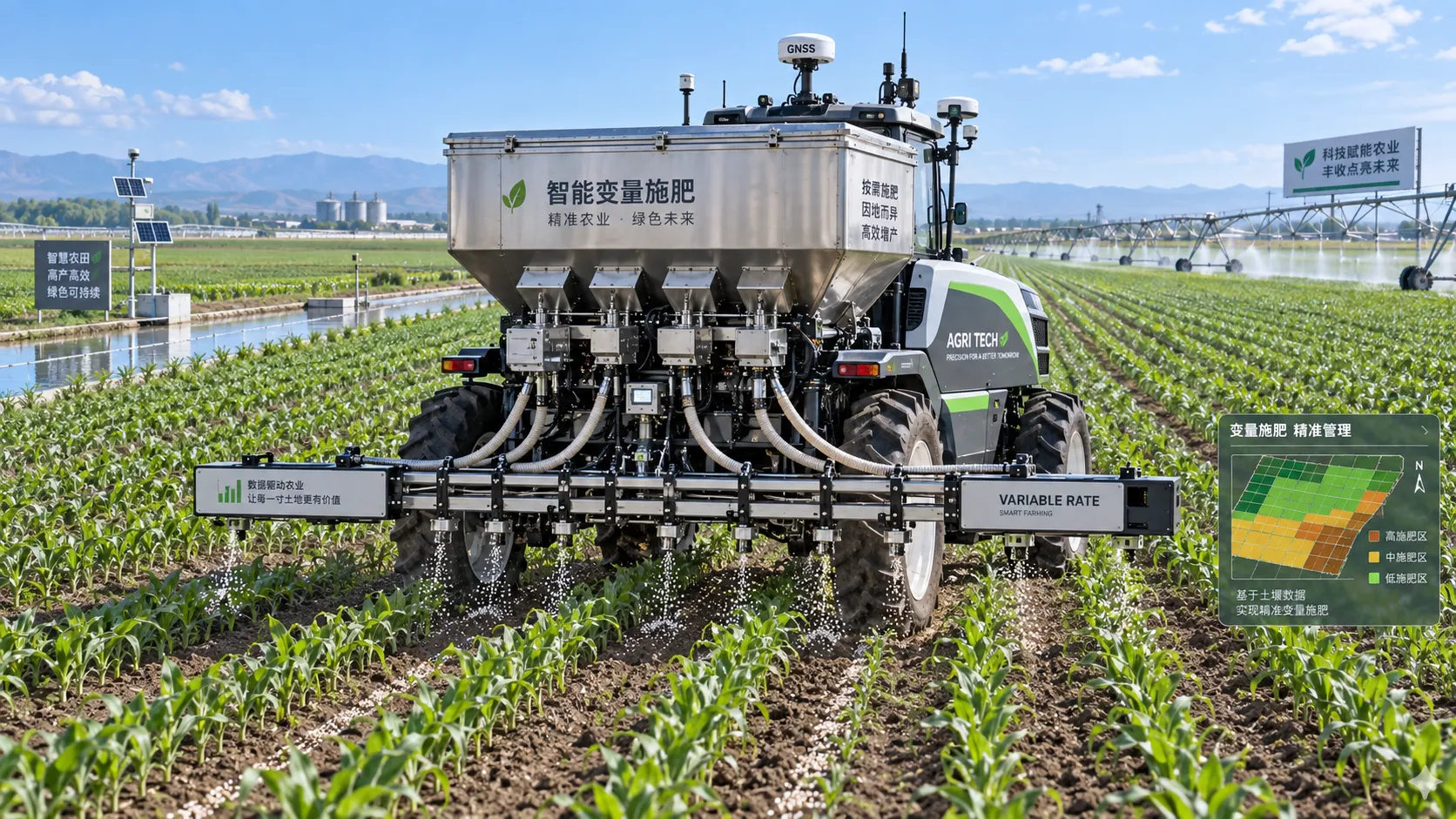
How to Evaluate Precision Fertilization System Suppliers for Farm-Scale Deployment
Precision fertilization systems suppliers: learn how to compare accuracy, integration, uptime, service, and total cost for confident farm-scale deployment.
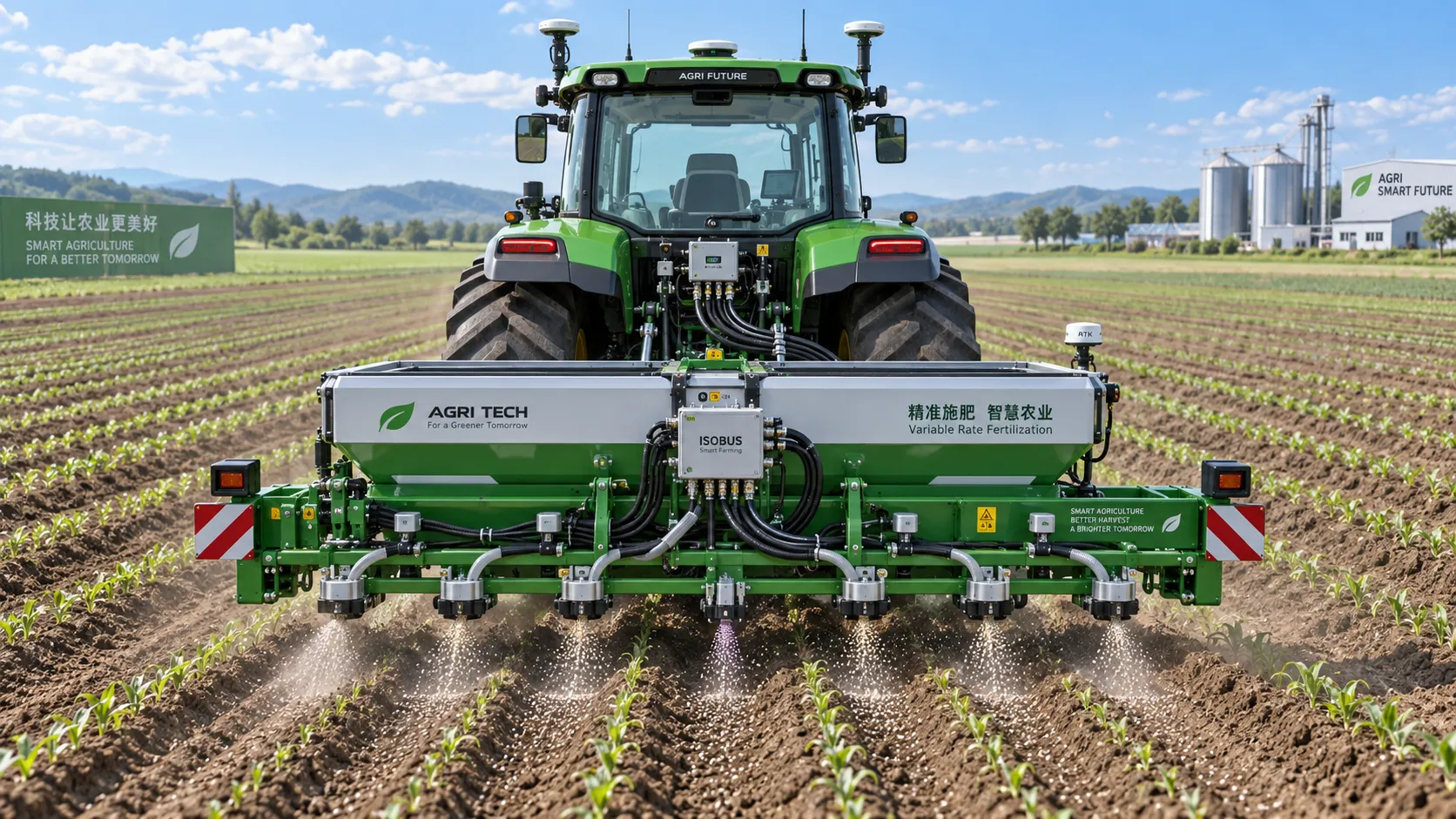
ISOBUS for Smart Agriculture: How It Connects Tractors, Implements, and Farm Data
ISOBUS for smart agriculture connects tractors, implements, terminals, and farm data—helping growers improve precision, documentation, and smarter field decisions.
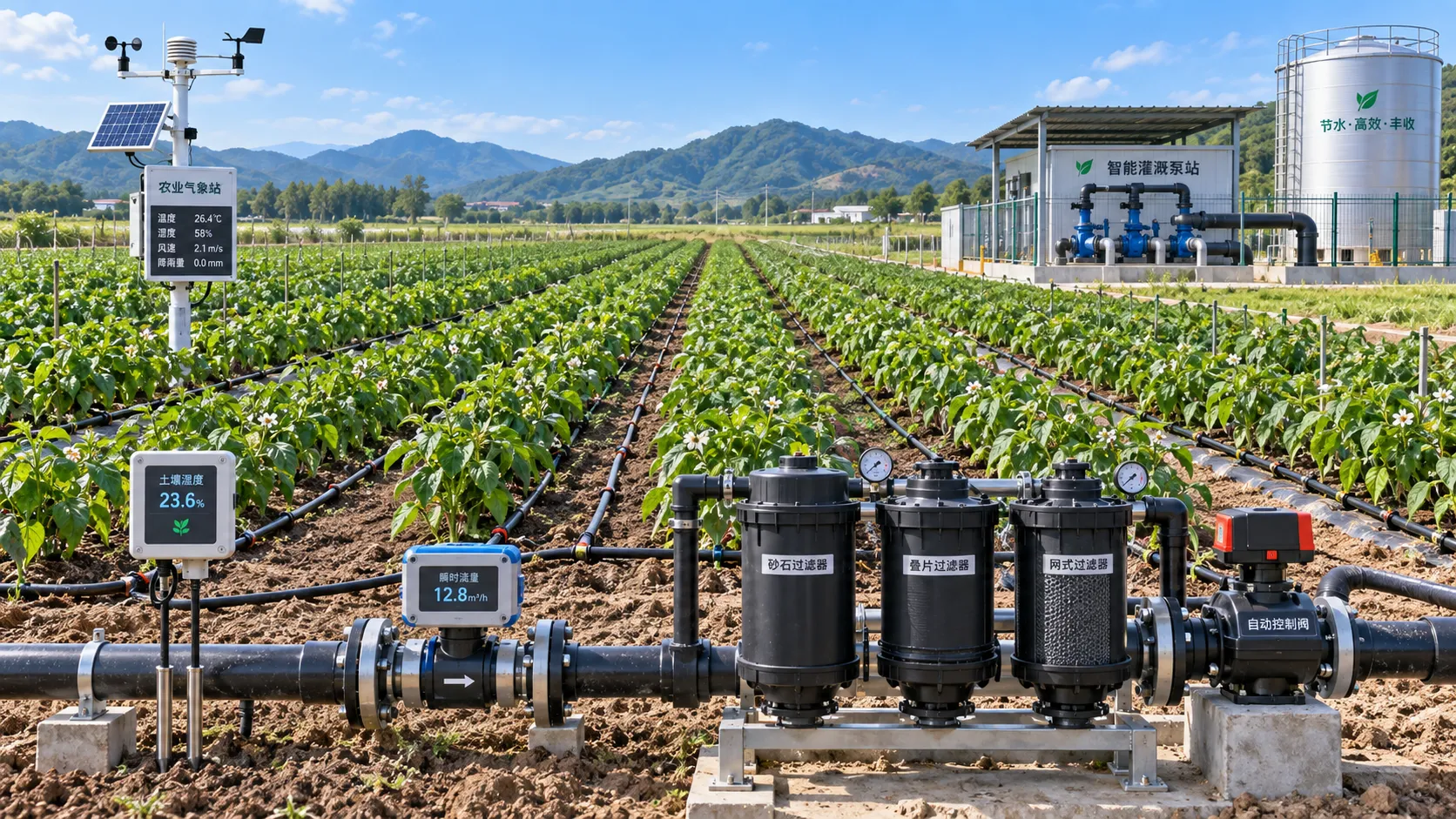
Automated Water-Saving Irrigation: How to Cut Water Use Without Reducing Crop Yields
Automated water-saving irrigation helps farms cut water use, protect crop yields, improve scheduling, and gain reliable control with sensors, flow monitoring, and smart zones.
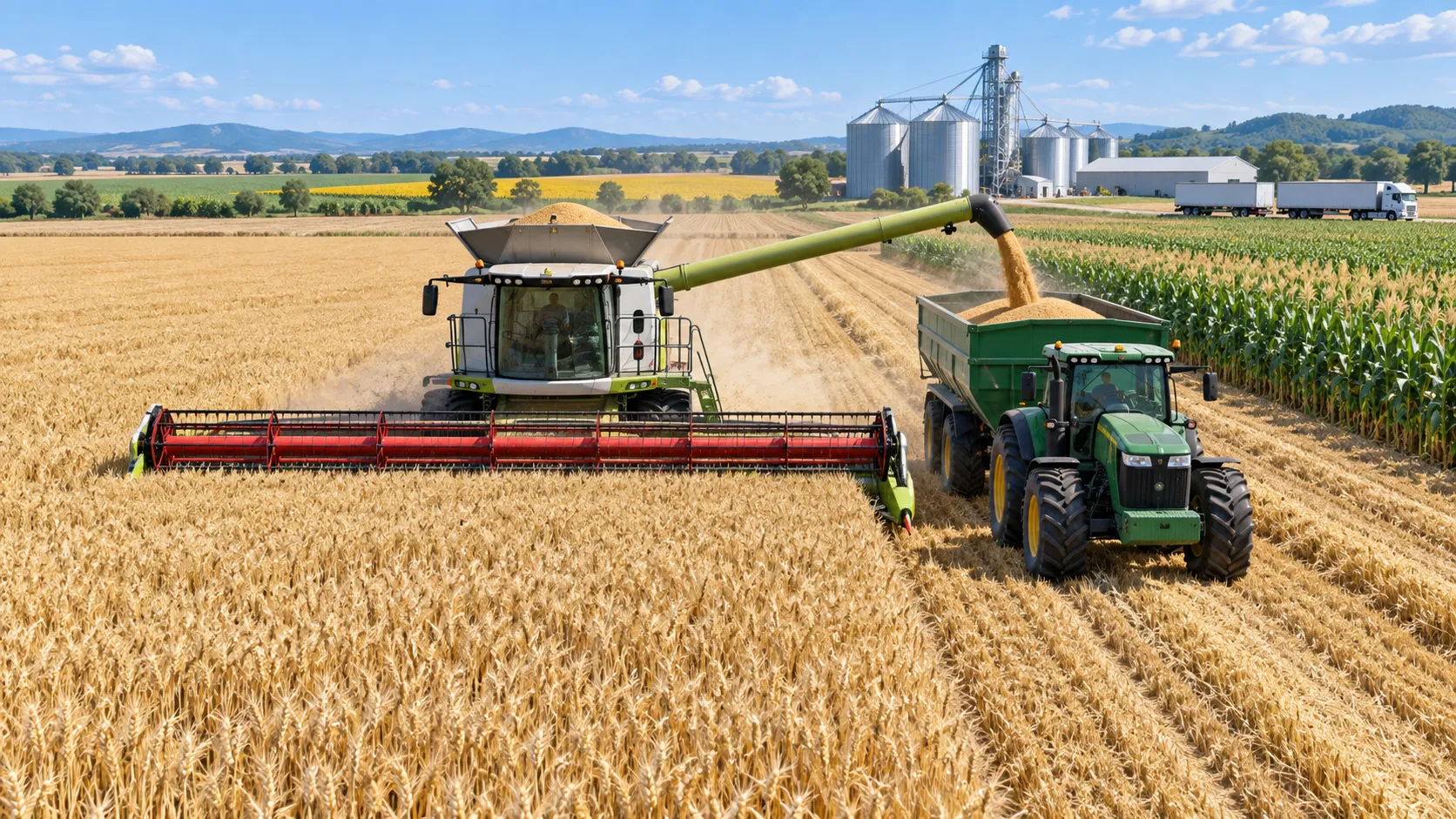
Selecting Grain Farm Equipment by Acreage, Crop Mix, and Harvest Window
Agricultural equipment selection for grain farming: match machinery to acreage, crop mix, and harvest windows to improve uptime, efficiency, and returns.
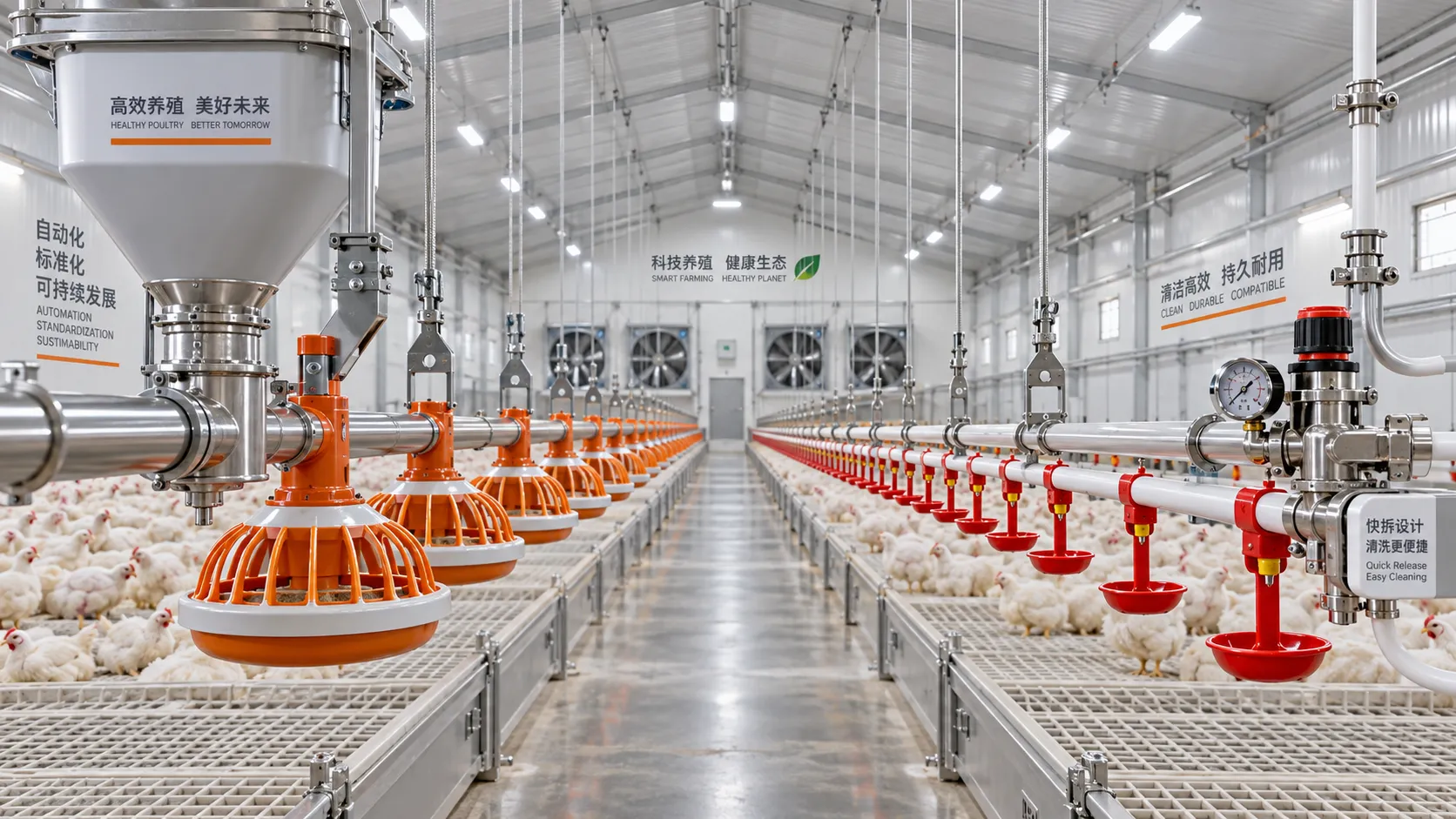
Poultry Equipment Selection: Evaluating Durability, Cleaning, and Compatibility
Poultry equipments selection guide: evaluate durability, cleaning access, and system compatibility to improve hygiene, reduce downtime, and support efficient flock management.
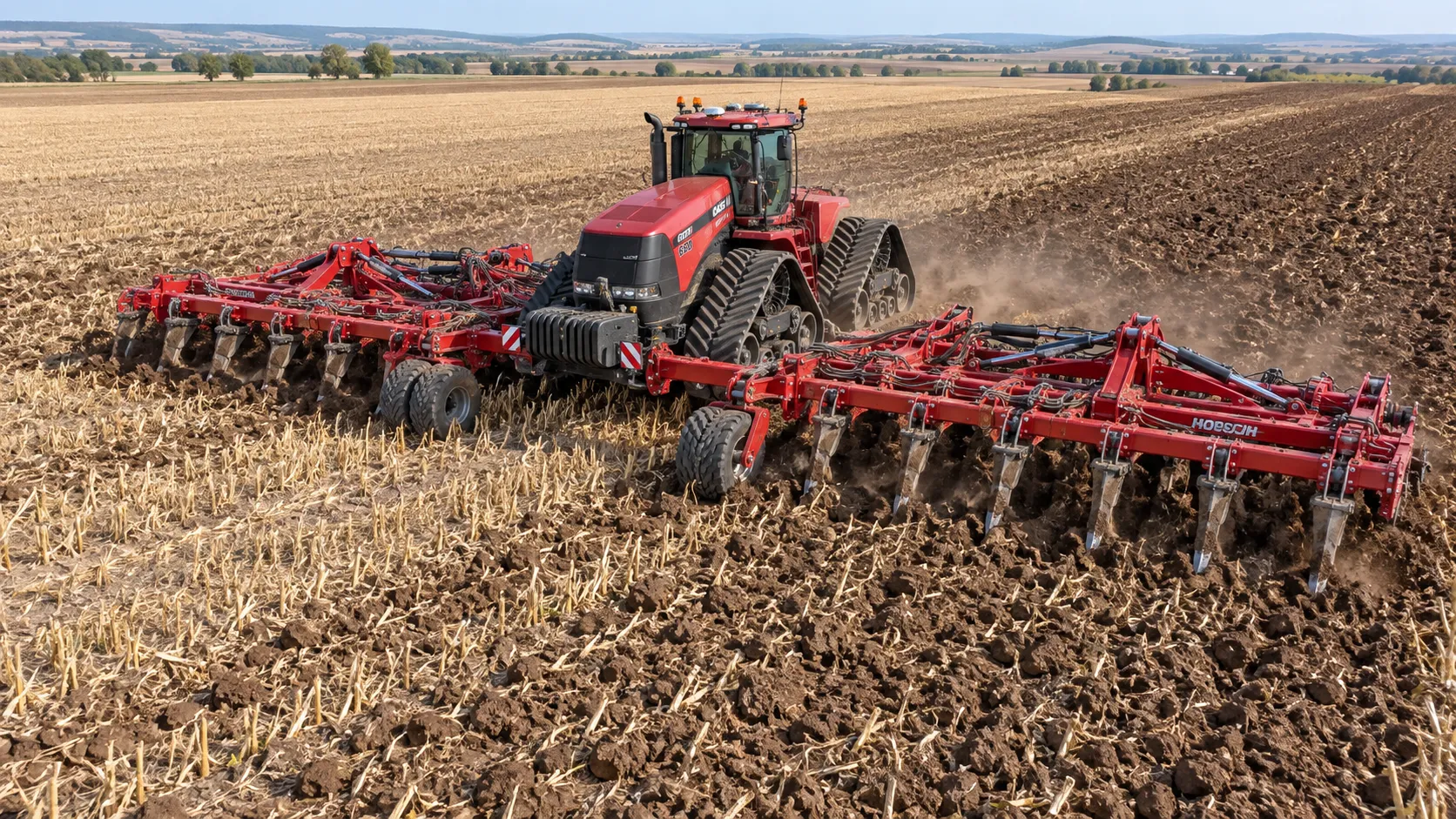
How to Select Heavy-Duty Farm Implements for High-Acreage, High-Horsepower Operations
Heavy duty farm implements: learn how to match draft, hydraulics, hitch capacity, frame strength, and field conditions for reliable high-acreage performance.
Related News
- 00
0000-00
When Does Agricultural Machinery Leasing Cost Less Than Owning Equipment? - 00
0000-00
Selecting Grain Farm Equipment by Acreage, Crop Mix, and Harvest Window - 00
0000-00
Poultry Equipment Selection: Evaluating Durability, Cleaning, and Compatibility - 00
0000-00
How to Select Heavy-Duty Farm Implements for High-Acreage, High-Horsepower Operations - 00
0000-00
Smart Farming Technology for Dairy Farms: Where Automation Delivers Measurable ROI
Popular Tags
Ms. Elena Rodriguez
Weekly Insights
Stay ahead with our curated technology reports delivered every Monday.