
Which Climate-Smart Agriculture Solutions Improve Food Security?
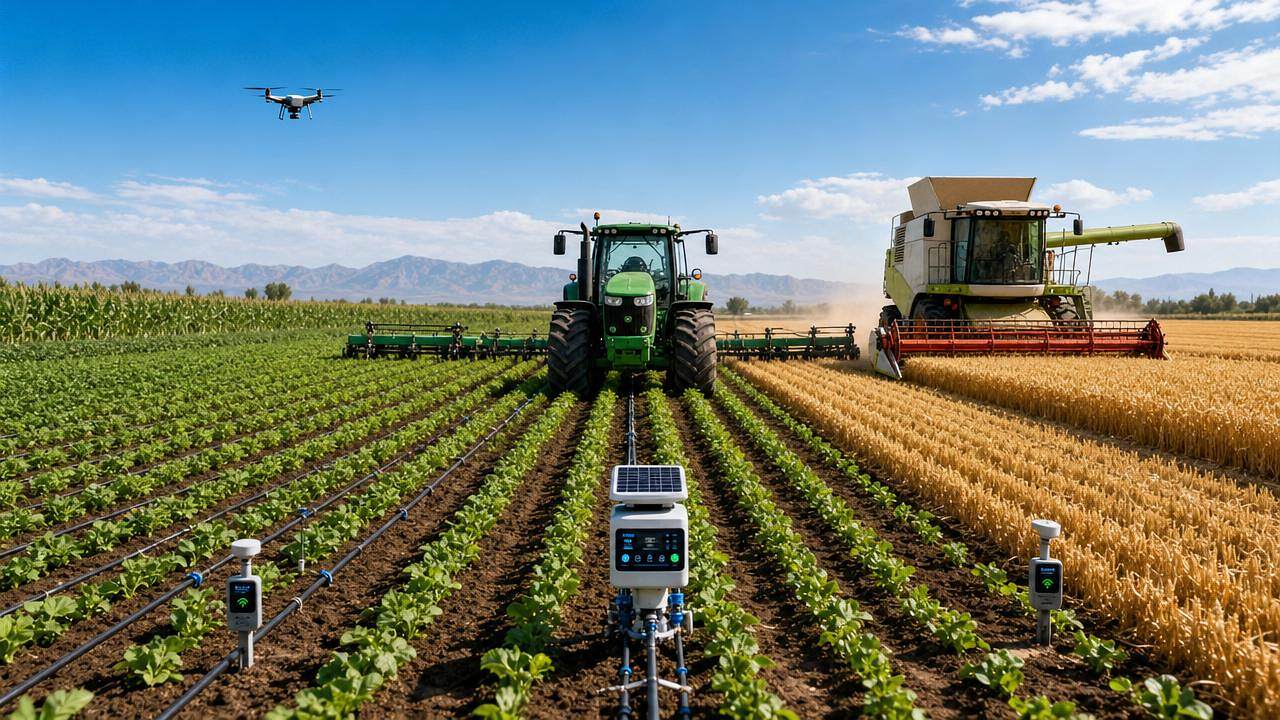




As climate volatility reshapes global farming, identifying climate-smart agriculture solutions for food security has become essential for growers, suppliers, and policymakers alike. From precision irrigation and data-driven field operations to resilient mechanization and efficient harvesting systems, the right strategies can protect yields while conserving resources. This article explores practical, scalable solutions that strengthen food security across modern agricultural value chains.
Climate pressure is changing how food security is defined
Food security no longer depends on yield alone. It now depends on stability, efficiency, and resilience across planting, irrigation, harvesting, storage, and distribution.
That shift explains rising interest in climate-smart agriculture solutions for food security. Farms need systems that perform under drought, flood, heat, labor shortages, and volatile input costs.
Across the Agriculture 4.0 landscape, climate-smart agriculture solutions for food security increasingly combine machinery, sensors, software, and water management into one operating model.
This matters for the wider industry too. Equipment makers, irrigation planners, dealers, agronomic advisors, and logistics networks all face stronger expectations for measurable resilience.
The strongest trend signals point to integrated field resilience
Several signals show where climate-smart agriculture solutions for food security are moving. The market is favoring integrated systems instead of isolated tools.
- Precision irrigation is replacing fixed water schedules.
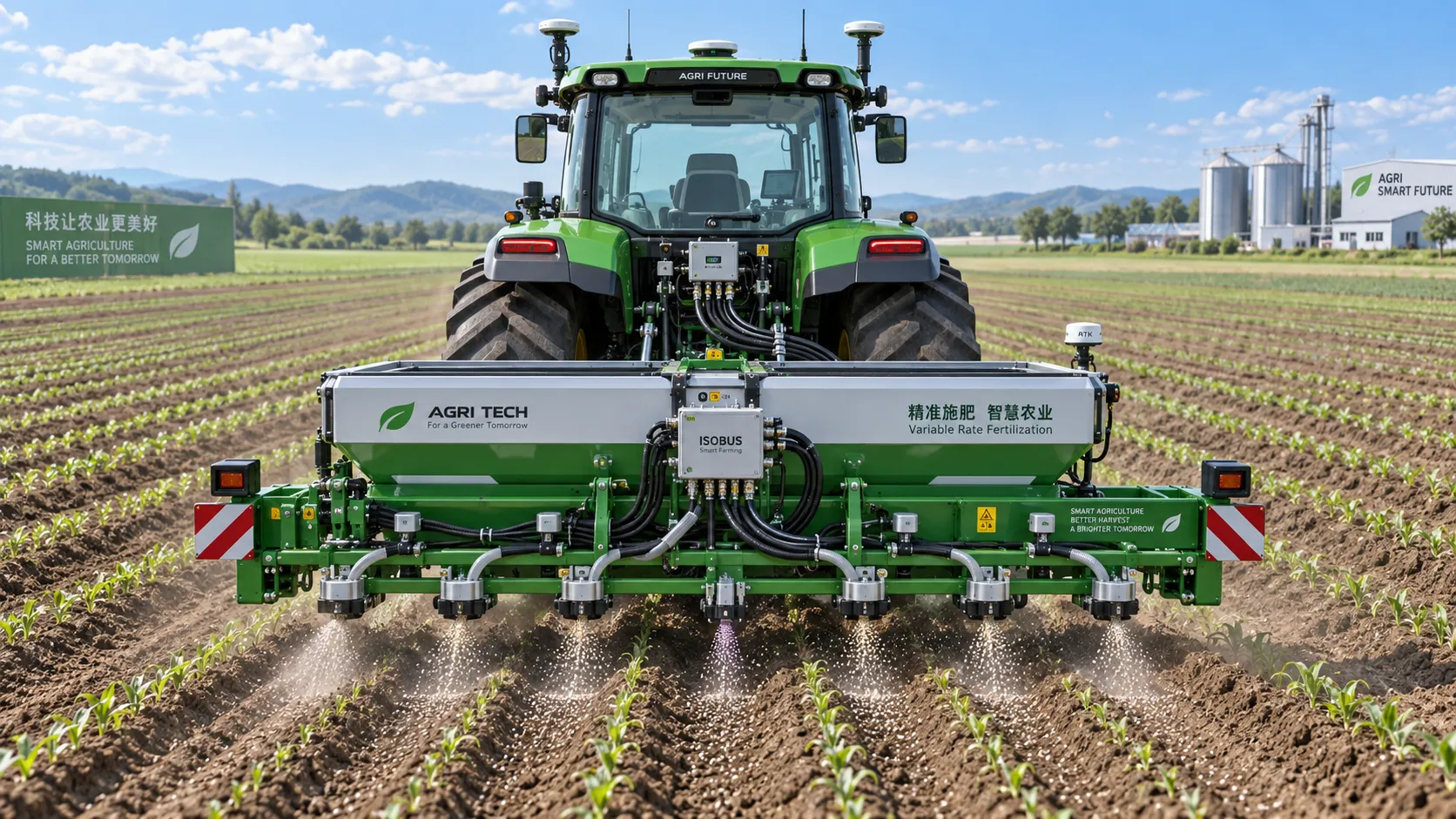
- Variable-rate input application is reducing waste under uncertain weather.
- High-efficiency combine harvesting is gaining value where weather windows are shorter.
- Telematics and remote monitoring are improving response speed in the field.
- Heavy-duty tractor chassis are being optimized for fuel efficiency and traction stability.
- Data platforms are linking agronomy, machinery performance, and water-use decisions.
These shifts show that climate-smart agriculture solutions for food security are becoming operational systems, not single technologies purchased in isolation.
Why adoption is accelerating across modern agriculture
The acceleration is not driven by one factor. It comes from combined environmental, economic, and technological pressures affecting every stage of production.
Which climate-smart agriculture solutions improve food security most directly
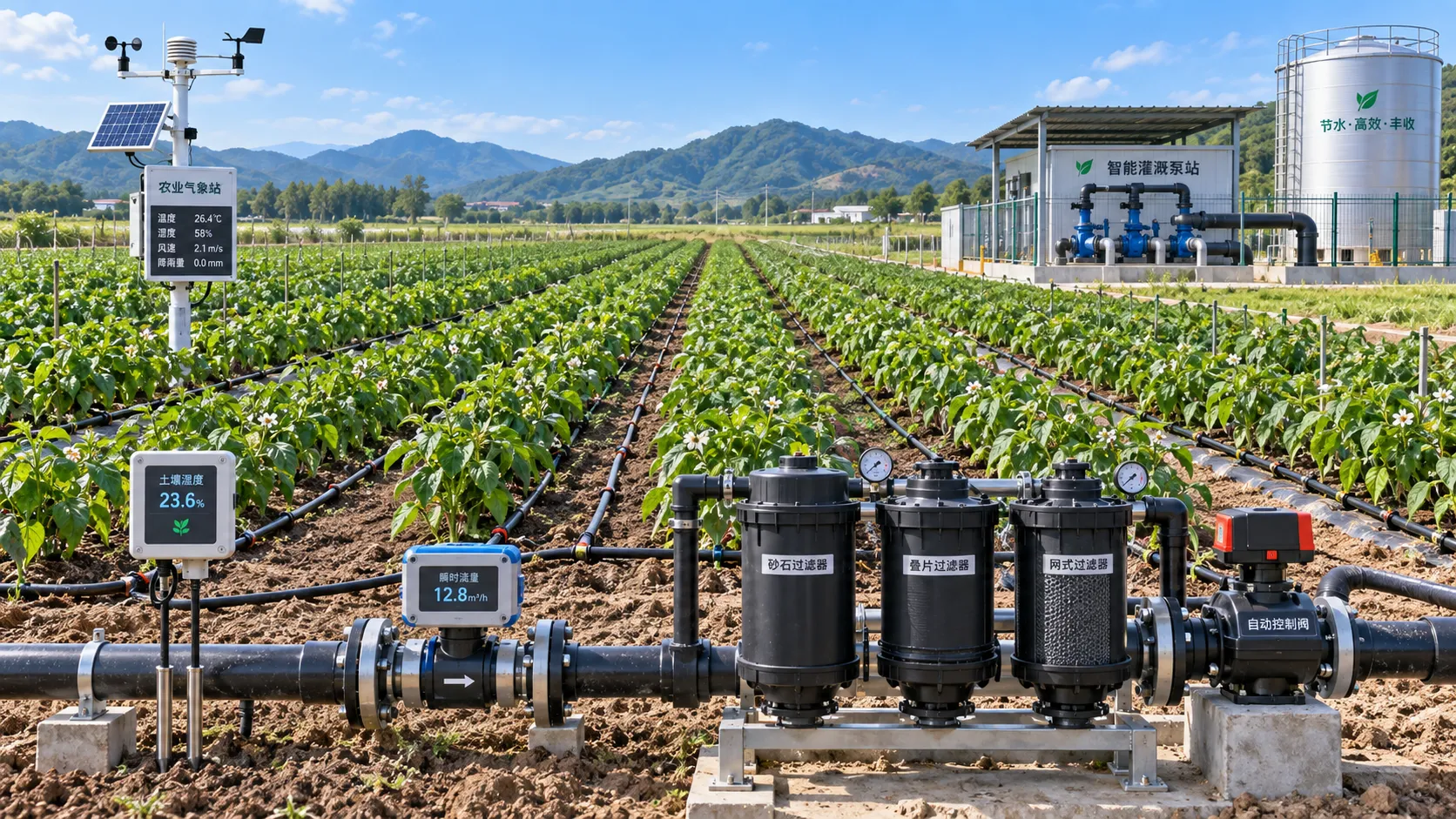
Precision irrigation delivers the fastest resilience gains
Among all climate-smart agriculture solutions for food security, precision irrigation often creates the clearest impact. It reduces water waste while supporting uniform crop development.
Smart irrigation networks use soil moisture data, weather forecasts, and evapotranspiration models. This helps match application timing to real crop need.
For water-stressed regions, drip systems, automated valves, and remote controls improve reliability. They also lower the risk of under-irrigation during critical growth stages.
Efficient mechanization protects narrow planting and harvesting windows
Climate shocks often shorten workable field periods. That makes large-scale agri-machinery and reliable tractor chassis central to climate-smart agriculture solutions for food security.
High-torque power systems, traction control, and stable hydraulic performance help operations continue under uneven soil conditions. This supports timely seeding, spraying, and transport.
When weather windows close quickly, mechanization is no longer just a productivity issue. It becomes a resilience tool tied directly to final output.
Advanced combine harvesting reduces field loss and quality decline
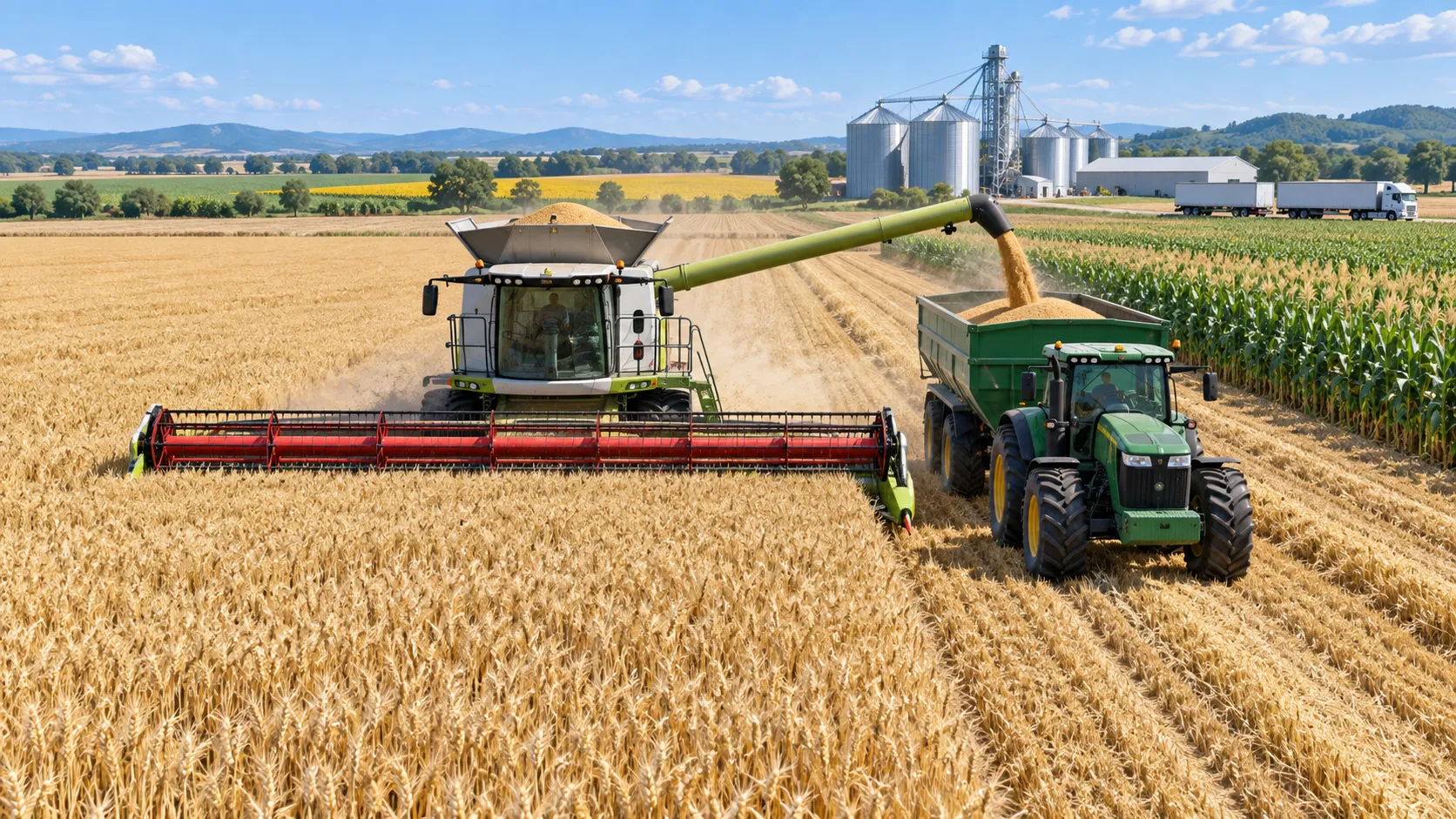
Short harvest windows increase the value of combine harvesting technology. Losses from delayed cutting, poor threshing, or weak cleaning systems can threaten local food availability.
Climate-smart agriculture solutions for food security therefore include harvest optimization. Sensor-guided adjustment, better residue handling, and lower grain loss preserve more usable output.
In humid or storm-prone areas, this technology also supports grain quality, reducing spoilage risks after harvest.
Precision field tools improve input efficiency under uncertainty
Intelligent farm tools help align seed, nutrient, and crop protection decisions with local field variability. That makes every hectare more responsive under unstable conditions.
Variable-rate technology, GPS guidance, and sensor feedback reduce overlap and missed zones. They support crop vigor without unnecessary input use.
This is why many experts rank precision operations among the most scalable climate-smart agriculture solutions for food security in both advanced and transitional farming systems.
The impact reaches beyond farms into the full value chain
The benefits of climate-smart agriculture solutions for food security are not limited to field yields. They influence supply continuity, equipment utilization, and resource planning across the chain.
- More stable production supports steadier grain flows and contract fulfillment.
- Lower harvesting losses improve total marketable volume.
- Better irrigation efficiency reduces exposure to water restrictions.
- Data visibility improves maintenance timing and fleet planning.
- Smarter input use helps preserve margins during commodity volatility.
For intelligence-led platforms such as AP-Strategy, this convergence matters. Equipment performance, agronomic outcomes, and sustainability goals are now deeply connected.
What deserves the closest attention in the next adoption phase
Not every investment creates the same resilience value. The most effective climate-smart agriculture solutions for food security usually share several characteristics.
- They solve a clear field bottleneck linked to yield risk.
- They combine hardware performance with measurable data feedback.
- They reduce resource waste without adding excessive operating complexity.
- They remain scalable across crop types, farm sizes, and climate zones.
- They support maintenance, training, and interoperability over time.
This is especially important when evaluating combine harvesters, intelligent irrigation systems, tractor platforms, and precision field tools as part of one long-term strategy.
A practical decision path for building stronger food security
A structured approach helps separate urgent needs from optional upgrades. The best climate-smart agriculture solutions for food security should be chosen according to local risk patterns.
The next step is integration, not isolated upgrades
The most effective climate-smart agriculture solutions for food security are those that connect water, machinery, data, and harvest performance into one resilient operating system.
That is where strategic intelligence becomes valuable. It helps compare technologies not only by specifications, but also by field impact under real climate stress.
AP-Strategy tracks this shift through mechanization analysis, precision farming signals, and smart irrigation insights. The goal is clearer decisions that protect yield, conserve resources, and strengthen food security.
If the priority is long-term resilience, start by identifying the weakest production link. Then align the right climate-smart agriculture solutions for food security around that constraint.
Related News
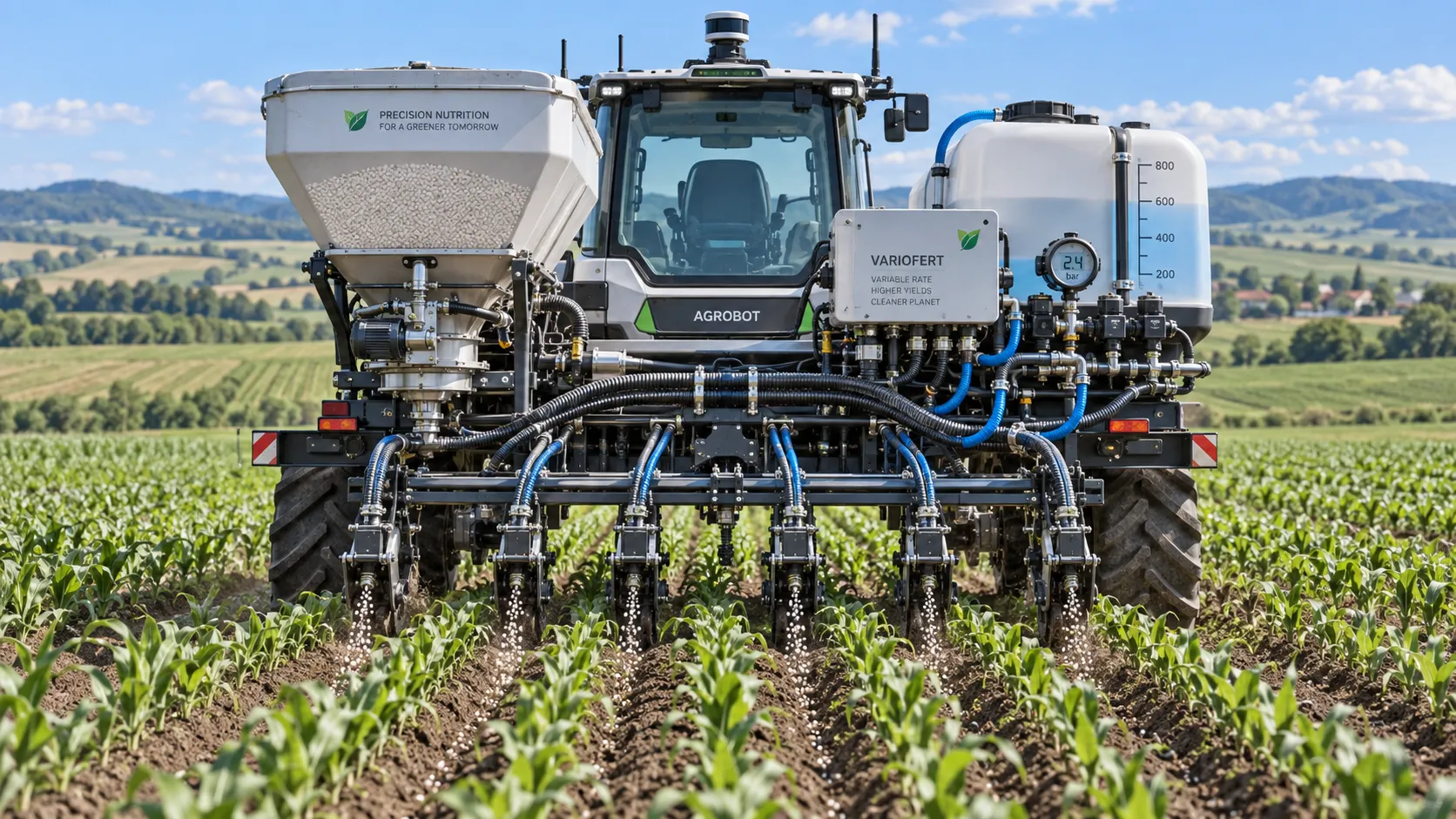
How Sensor Feedback Enables Accurate Variable-Rate Fertilization in Field Conditions
Precision fertilization systems with sensor feedback improve variable-rate accuracy by verifying flow, managing latency, and ensuring reliable field application.
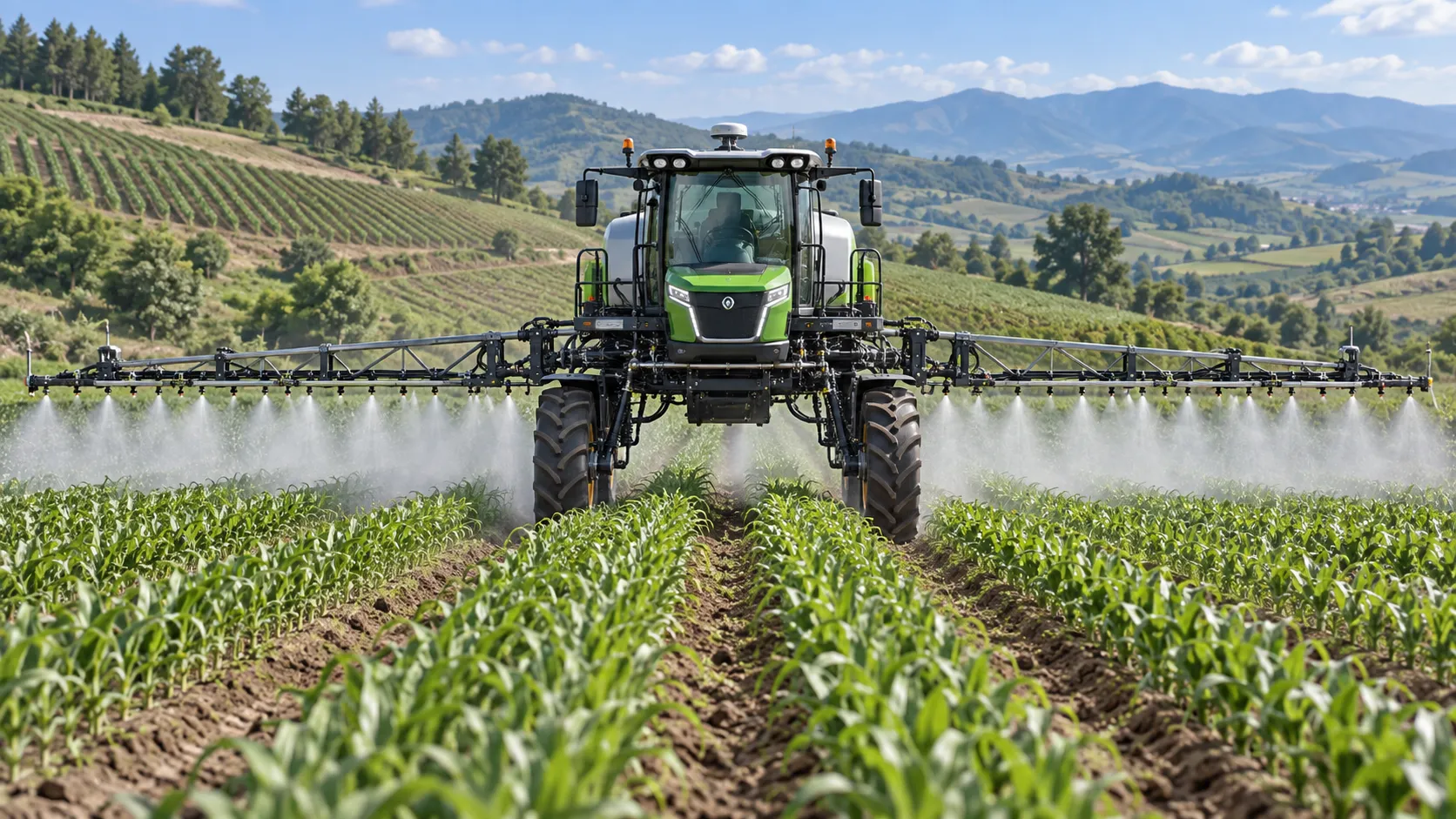
How to Select Precision Crop Protection Equipment for Variable Field Conditions
Precision crop protection equipment selection made simple: compare terrain, canopy, weather, control accuracy, and data workflows for reliable applications.

When Does Agricultural Machinery Leasing Cost Less Than Owning Equipment?
Agricultural machinery leasing can lower farm costs when use is seasonal or uncertain. Compare utilization, maintenance, cash flow, and risk to make a smarter equipment decision.
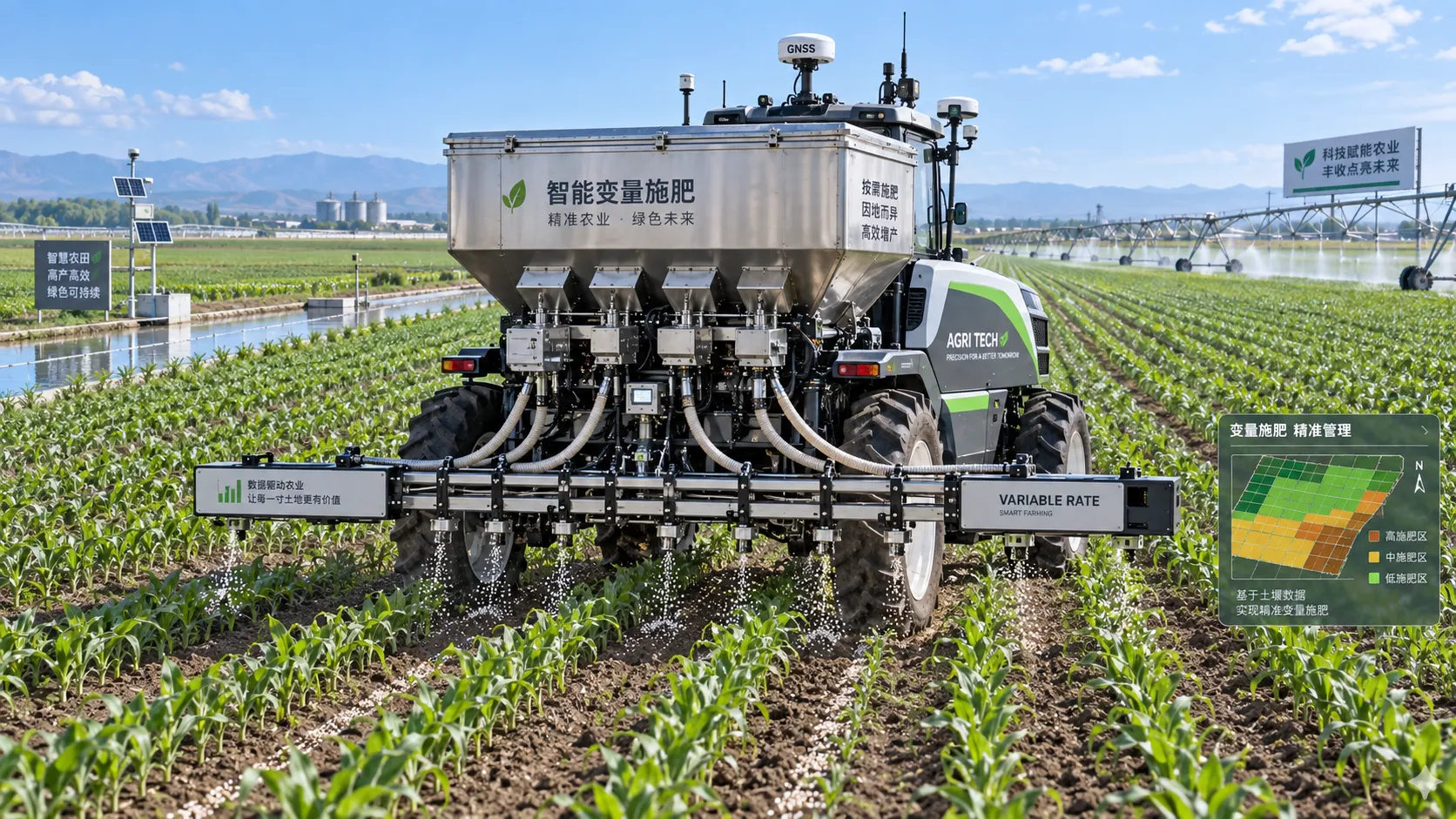
How to Evaluate Precision Fertilization System Suppliers for Farm-Scale Deployment
Precision fertilization systems suppliers: learn how to compare accuracy, integration, uptime, service, and total cost for confident farm-scale deployment.
ISOBUS for Smart Agriculture: How It Connects Tractors, Implements, and Farm Data
ISOBUS for smart agriculture connects tractors, implements, terminals, and farm data—helping growers improve precision, documentation, and smarter field decisions.
Automated Water-Saving Irrigation: How to Cut Water Use Without Reducing Crop Yields
Automated water-saving irrigation helps farms cut water use, protect crop yields, improve scheduling, and gain reliable control with sensors, flow monitoring, and smart zones.
Selecting Grain Farm Equipment by Acreage, Crop Mix, and Harvest Window
Agricultural equipment selection for grain farming: match machinery to acreage, crop mix, and harvest windows to improve uptime, efficiency, and returns.
Poultry Equipment Selection: Evaluating Durability, Cleaning, and Compatibility
Poultry equipments selection guide: evaluate durability, cleaning access, and system compatibility to improve hygiene, reduce downtime, and support efficient flock management.
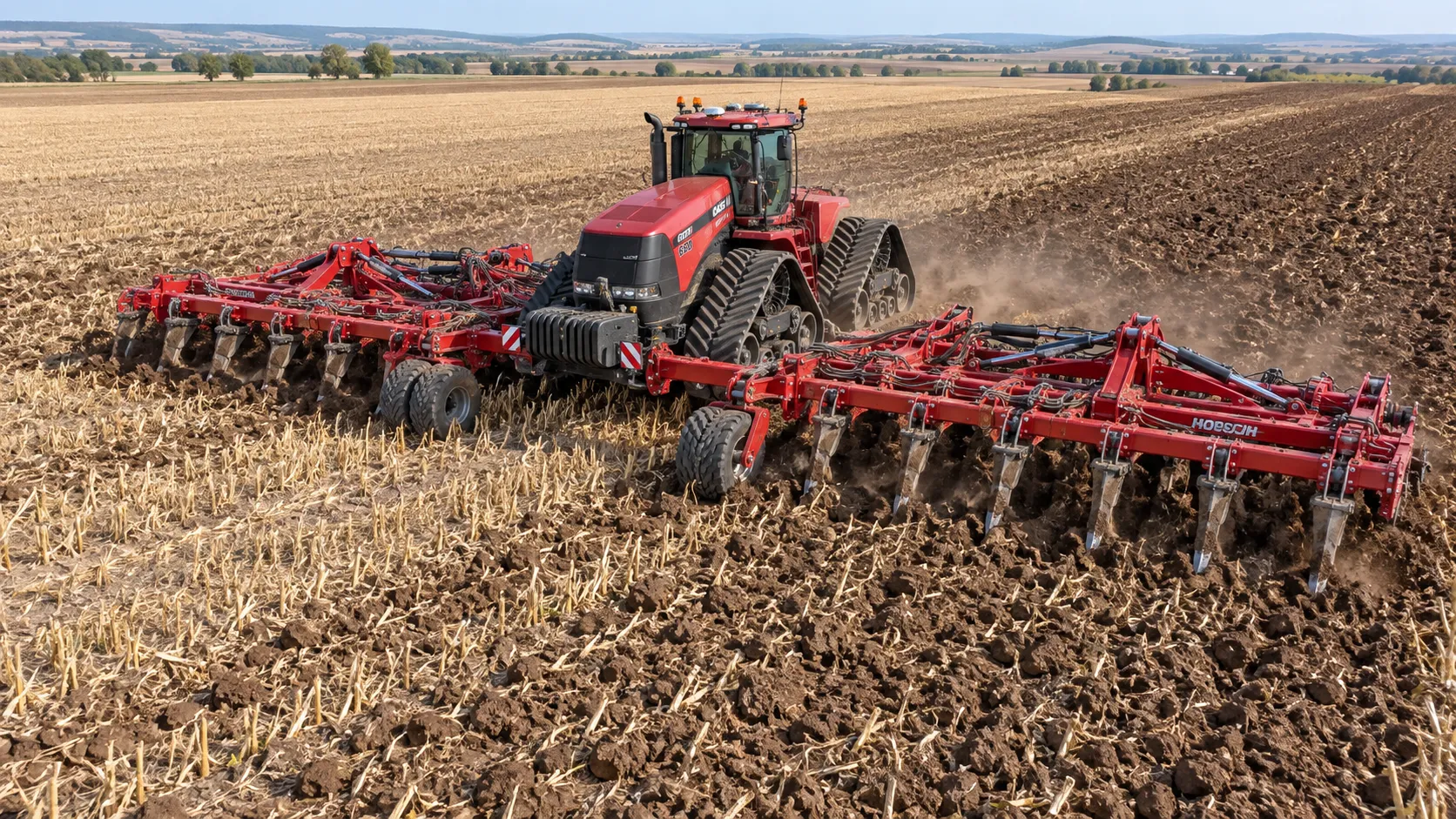
How to Select Heavy-Duty Farm Implements for High-Acreage, High-Horsepower Operations
Heavy duty farm implements: learn how to match draft, hydraulics, hitch capacity, frame strength, and field conditions for reliable high-acreage performance.
Related News
- 00
0000-00
When Does Agricultural Machinery Leasing Cost Less Than Owning Equipment? - 00
0000-00
Selecting Grain Farm Equipment by Acreage, Crop Mix, and Harvest Window - 00
0000-00
Poultry Equipment Selection: Evaluating Durability, Cleaning, and Compatibility - 00
0000-00
How to Select Heavy-Duty Farm Implements for High-Acreage, High-Horsepower Operations - 00
0000-00
Smart Farming Technology for Dairy Farms: Where Automation Delivers Measurable ROI
Popular Tags
Ms. Elena Rodriguez
Weekly Insights
Stay ahead with our curated technology reports delivered every Monday.