
When Hybrid Technology Solutions Make Farming More Sustainable
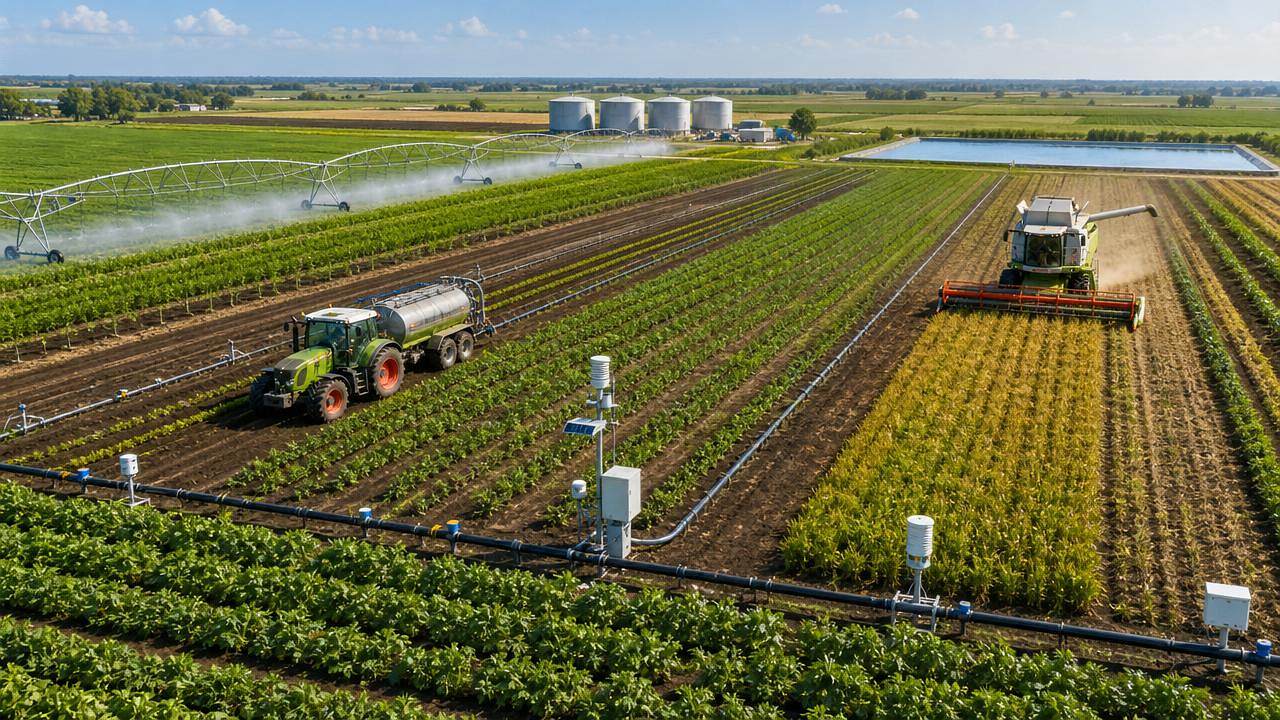




As global agriculture faces rising pressure to produce more with fewer resources, hybrid technology solutions for sustainable farming are becoming a strategic priority across the agricultural value chain.
By connecting machinery, data intelligence, and efficient irrigation, farms can reduce input waste, stabilize yields, and improve long-term resilience under climate and market uncertainty.
For large-scale operations, the topic is no longer experimental. It is now about integration, performance, and measurable returns from coordinated technology adoption.
Understanding hybrid technology solutions for sustainable farming
Hybrid technology solutions for sustainable farming combine mechanical systems, digital tools, and resource-saving infrastructure into one operating model.
The goal is not simply to add more equipment. The goal is to make field operations more precise, energy-efficient, and adaptive.
In practical terms, this model often links tractors, combine harvesters, smart implements, sensors, connectivity platforms, and irrigation controls.
Some systems also include hybrid powertrains, variable-rate application tools, automated steering, and predictive maintenance software.
The strongest value appears when these tools exchange data and support decisions across the entire crop cycle.
Core elements of an integrated model
- High-performance machinery for cultivation, spraying, harvesting, and transport
- Precision guidance and field mapping based on GNSS and sensors
- Water-saving irrigation systems with automated flow control
- Operational software for planning, benchmarking, and equipment diagnostics
- Hybrid or electrified subsystems that reduce fuel use and emissions
Why the agricultural sector is accelerating this transition
Several structural pressures are moving hybrid technology solutions for sustainable farming from optional upgrades to strategic infrastructure.
Weather volatility increases production risk. Input costs remain unstable. Water access is tightening in many regions. Labor availability is also becoming less predictable.
At the same time, food systems need higher output with lower environmental impact. That requirement rewards precision and penalizes waste.
Current market signals
These signals explain why integrated agricultural technology is gaining attention well beyond early adopters.
Operational value across machinery, data, and water systems
The real strength of hybrid technology solutions for sustainable farming comes from system-level coordination.
A tractor with smart transmission control saves fuel. A sensor-driven sprayer reduces chemical overlap. An intelligent irrigation network lowers water loss.
When these systems share data, the farm gains more than isolated efficiency. It gains timing, consistency, and traceable performance.
Key business benefits
- Lower fuel consumption through hybrid power support and optimized field routes
- Reduced harvest loss through dynamic combine calibration and crop sensing
- More accurate seeding, feeding, and spraying with prescription-based applications
- Better water productivity from real-time irrigation scheduling
- Improved equipment uptime through remote diagnostics and predictive maintenance
- Stronger sustainability reporting with machine and field data records
For many enterprises, this creates a clearer path to balancing margin protection with environmental responsibility.
Typical application scenarios in large-scale farming
Hybrid technology solutions for sustainable farming can be adapted to different crops, field conditions, and operating structures.
The most successful deployments usually start with high-impact bottlenecks and then expand into connected workflows.
Representative scenarios
Where integration matters most
Integration is especially valuable when operation windows are short and field variability is high.
In those conditions, disconnected tools often create hidden inefficiencies that standard reporting fails to capture.
Implementation priorities and risk considerations
Adopting hybrid technology solutions for sustainable farming works best when technology choices follow agronomic and operational priorities.
A common mistake is purchasing advanced equipment without a data plan, maintenance framework, or workforce training path.
Practical implementation steps
- Map the largest cost and loss drivers by field, crop, and season.
- Prioritize technologies that directly improve those pressure points.
- Check compatibility among machines, sensors, and software platforms.
- Define baseline metrics for fuel, water, downtime, and crop loss.
- Pilot on selected acreage before full-scale deployment.
- Review outcomes after each season and refine workflows.
Common decision risks
- Underestimating data integration costs
- Ignoring field-specific water and soil variability
- Focusing on equipment purchase price instead of lifecycle value
- Lack of service support for advanced drivetrain and control systems
- Weak performance measurement after installation
These issues do not eliminate value, but they can delay returns if not managed early.
Strategic outlook for sustainable agricultural modernization
The future of agricultural modernization will depend on how well farms connect power, precision, and resource stewardship.
Hybrid technology solutions for sustainable farming offer a practical bridge between today’s mechanical realities and tomorrow’s low-carbon expectations.
This is particularly relevant in sectors relying on large-scale machinery, combine harvesting technology, intelligent farm tools, and water-saving irrigation systems.
Organizations that build connected technology roadmaps can improve efficiency now while preparing for stricter resource, reporting, and resilience demands.
The next practical step is to evaluate current operations as a system, not as separate equipment categories.
From that point, hybrid technology solutions for sustainable farming can be introduced in stages with clearer priorities, stronger evidence, and more durable results.
Related News
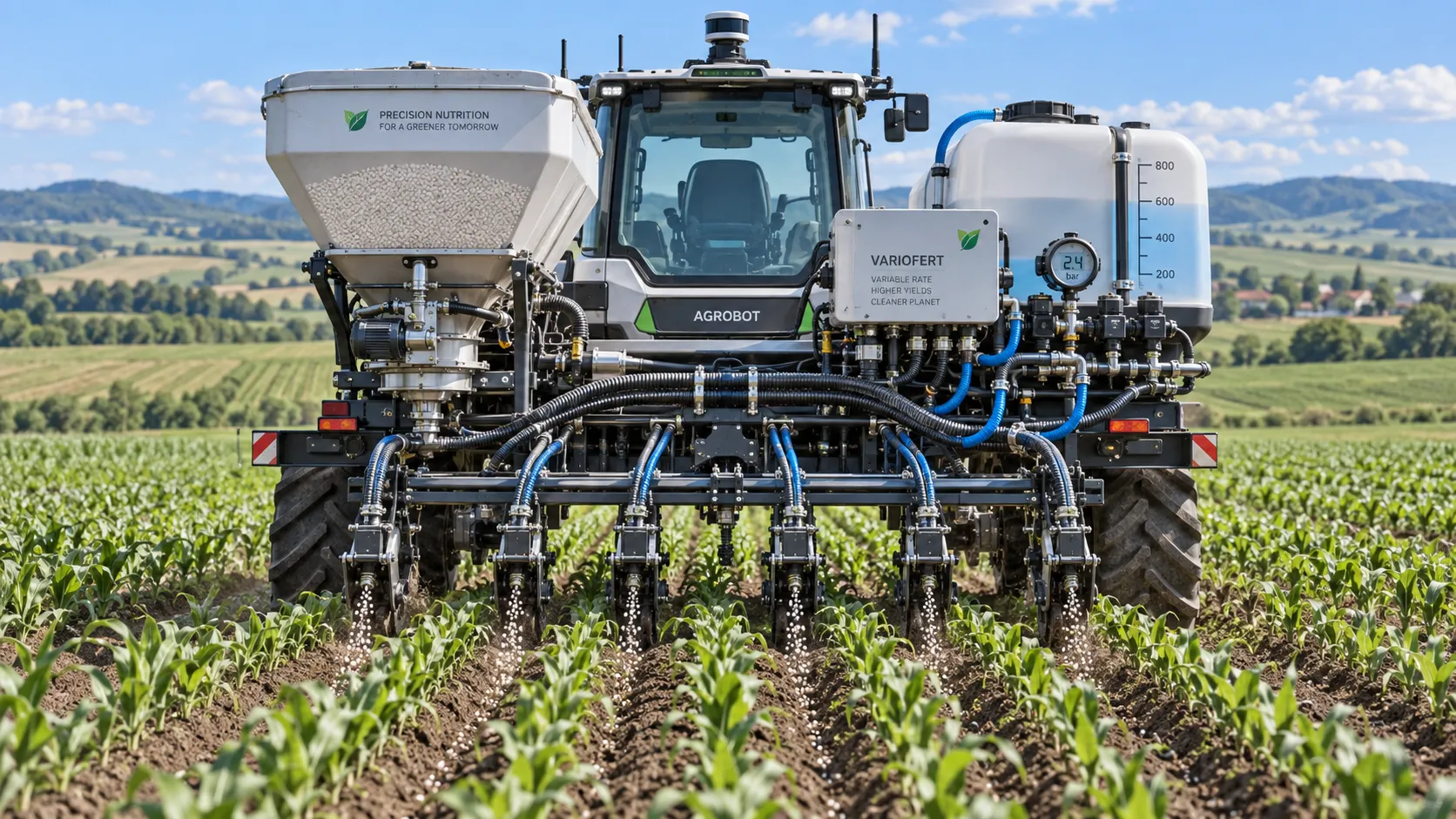
How Sensor Feedback Enables Accurate Variable-Rate Fertilization in Field Conditions
Precision fertilization systems with sensor feedback improve variable-rate accuracy by verifying flow, managing latency, and ensuring reliable field application.
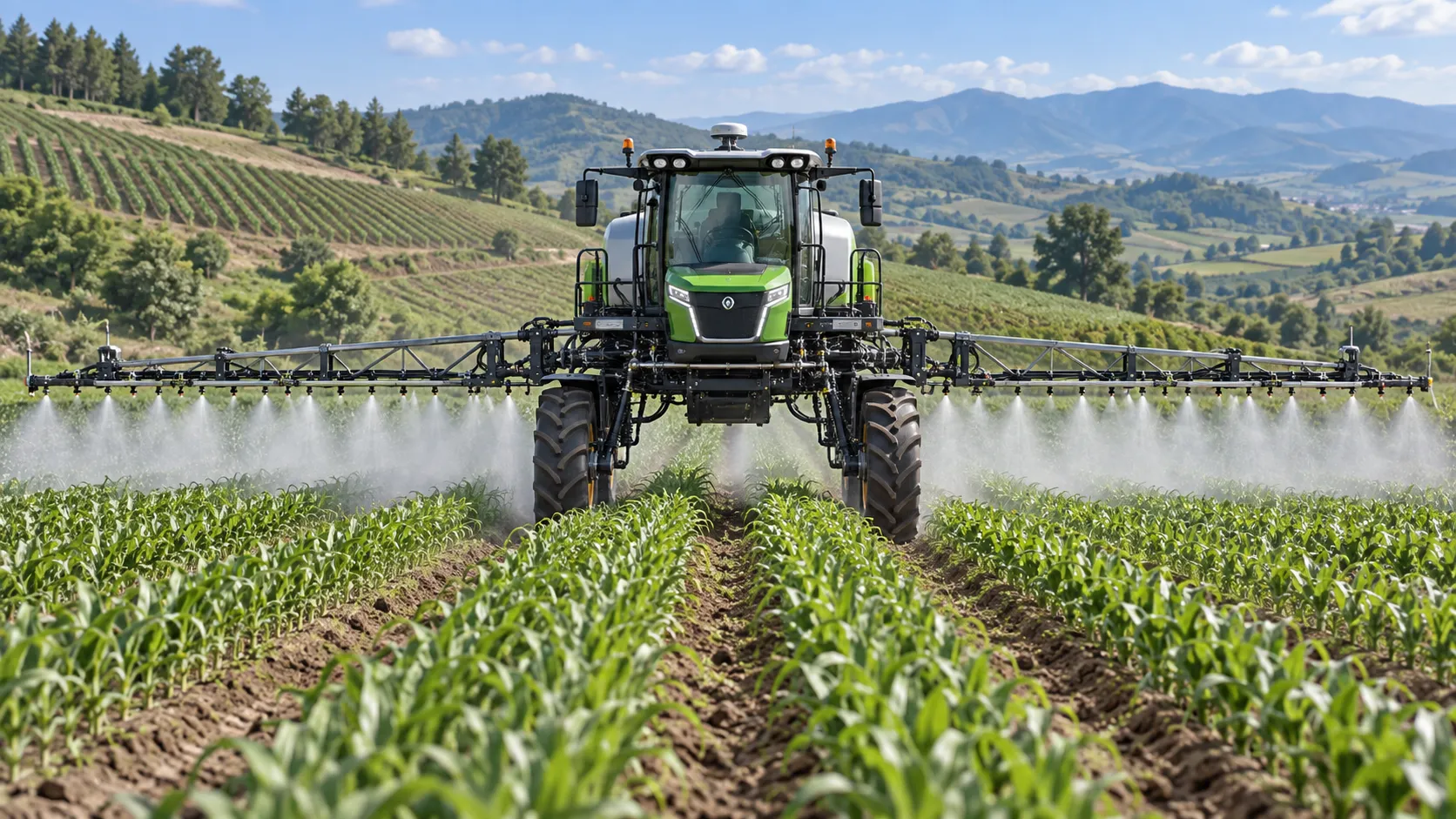
How to Select Precision Crop Protection Equipment for Variable Field Conditions
Precision crop protection equipment selection made simple: compare terrain, canopy, weather, control accuracy, and data workflows for reliable applications.

When Does Agricultural Machinery Leasing Cost Less Than Owning Equipment?
Agricultural machinery leasing can lower farm costs when use is seasonal or uncertain. Compare utilization, maintenance, cash flow, and risk to make a smarter equipment decision.
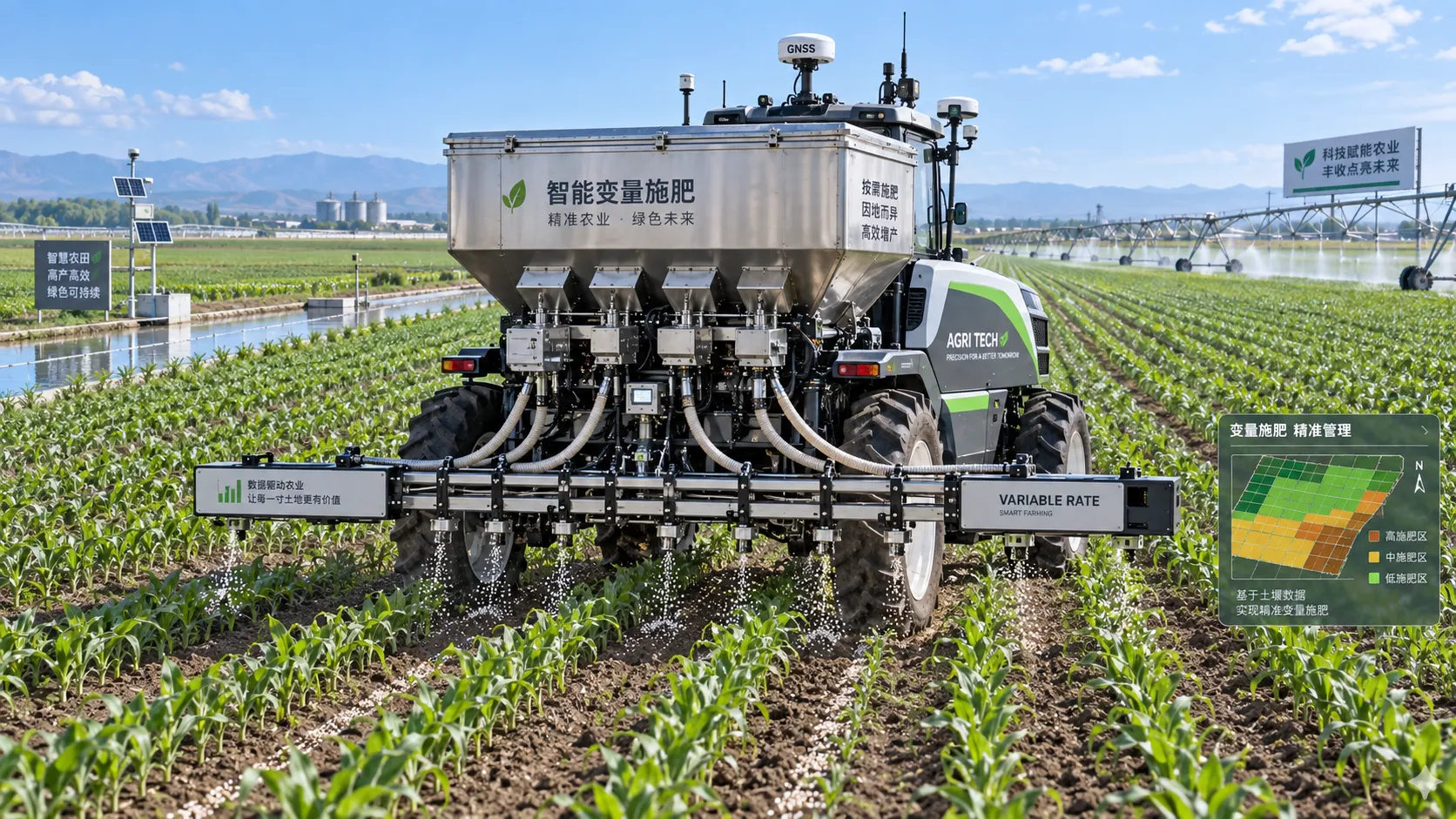
How to Evaluate Precision Fertilization System Suppliers for Farm-Scale Deployment
Precision fertilization systems suppliers: learn how to compare accuracy, integration, uptime, service, and total cost for confident farm-scale deployment.
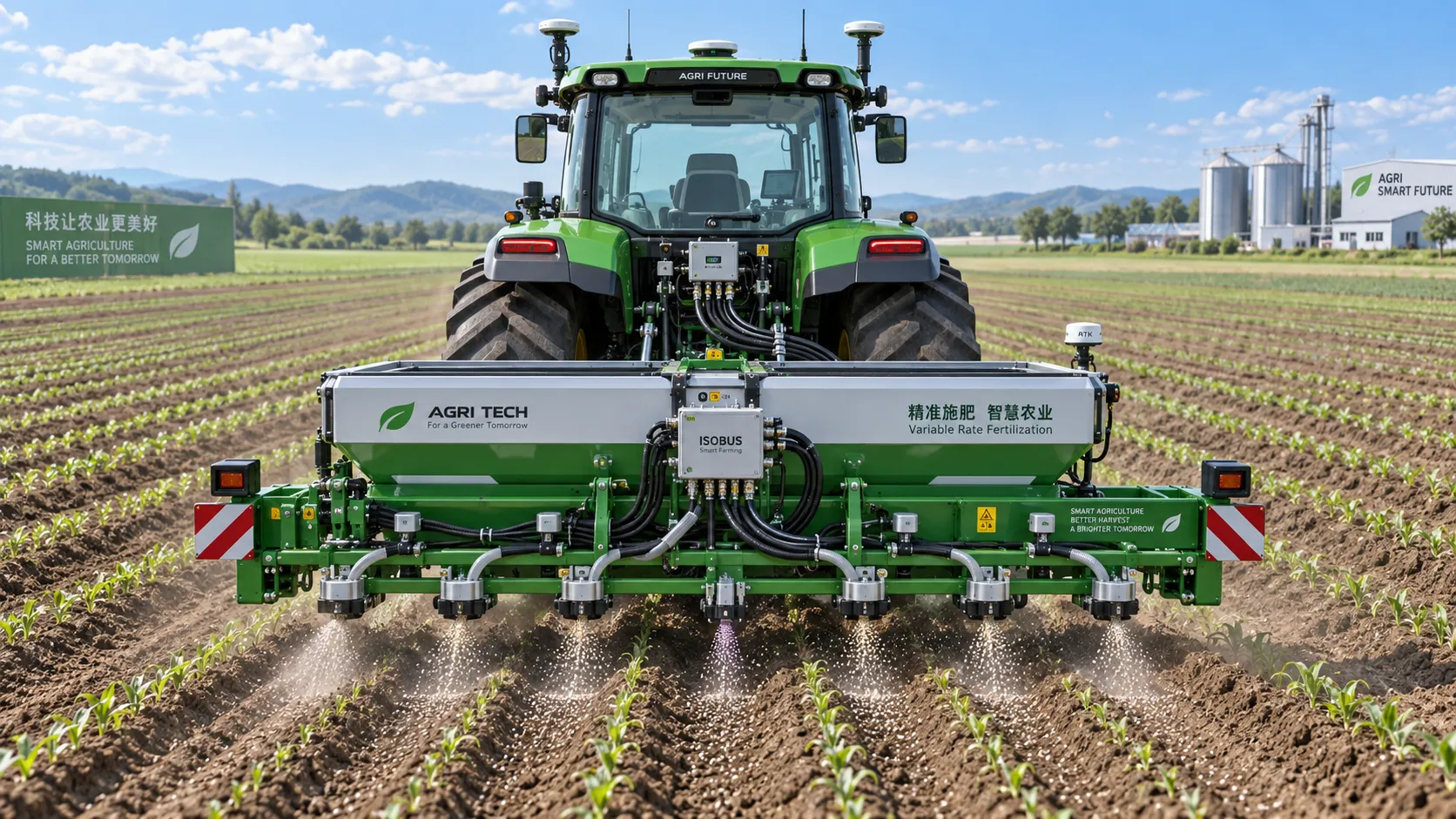
ISOBUS for Smart Agriculture: How It Connects Tractors, Implements, and Farm Data
ISOBUS for smart agriculture connects tractors, implements, terminals, and farm data—helping growers improve precision, documentation, and smarter field decisions.
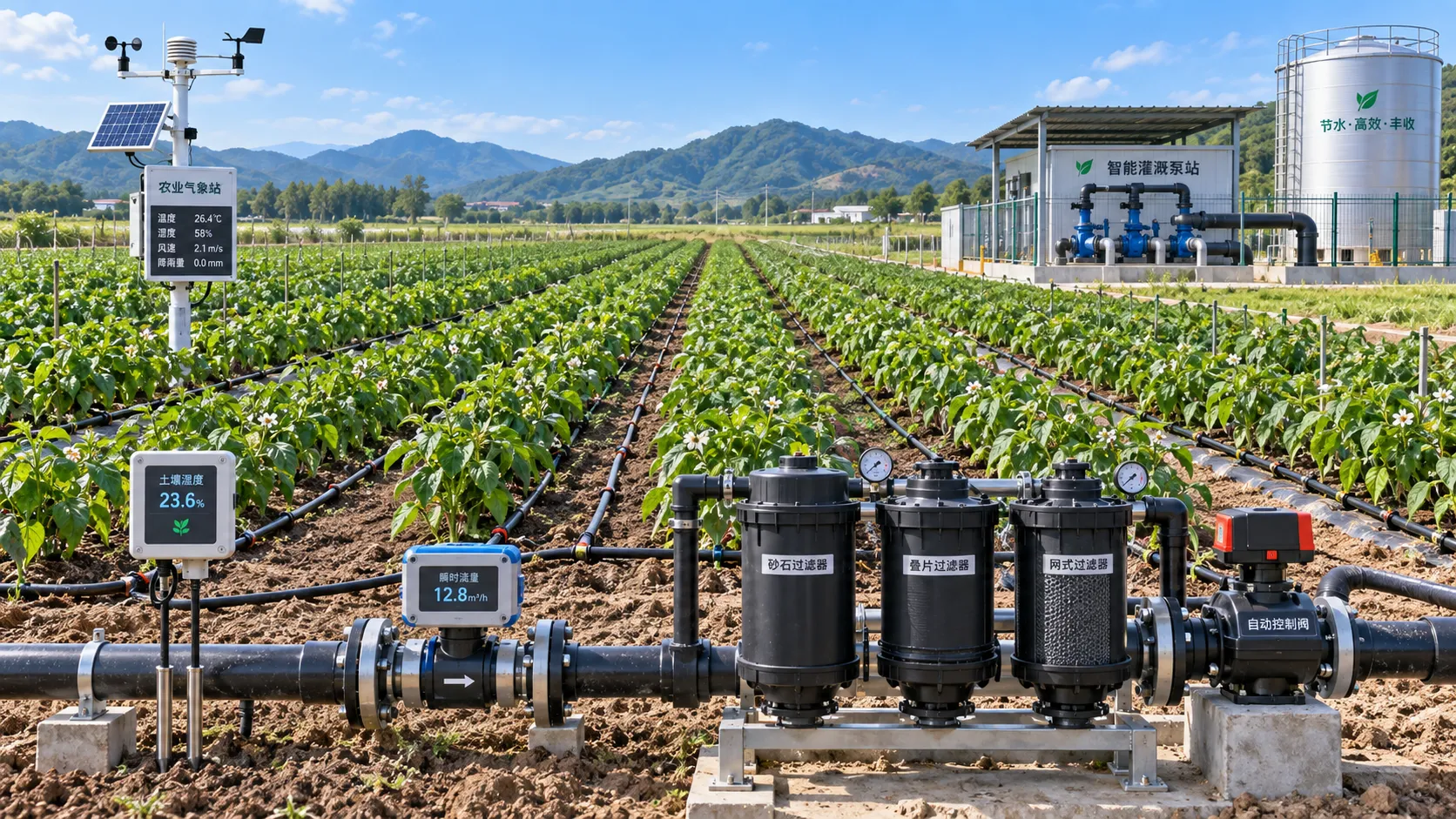
Automated Water-Saving Irrigation: How to Cut Water Use Without Reducing Crop Yields
Automated water-saving irrigation helps farms cut water use, protect crop yields, improve scheduling, and gain reliable control with sensors, flow monitoring, and smart zones.
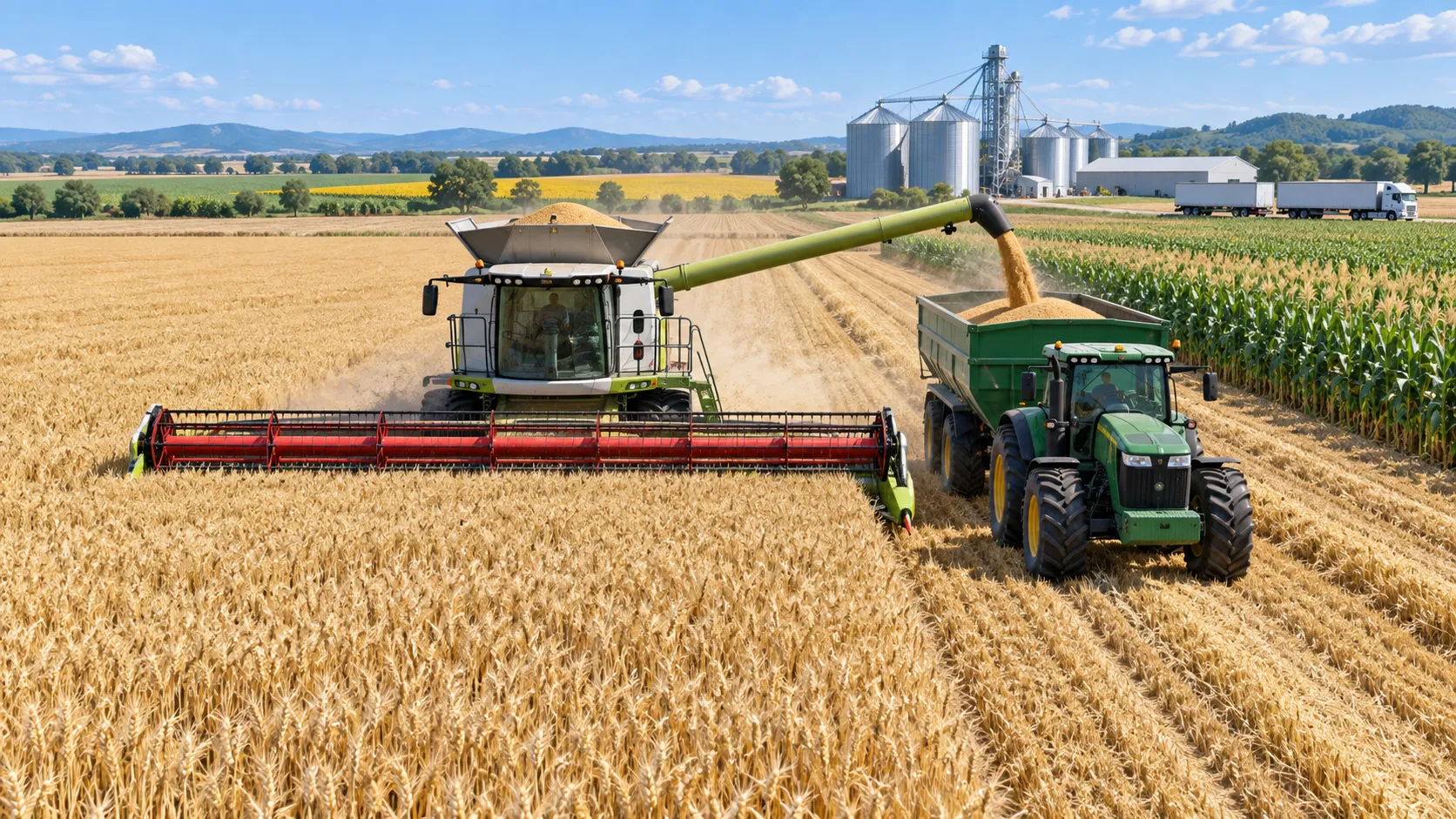
Selecting Grain Farm Equipment by Acreage, Crop Mix, and Harvest Window
Agricultural equipment selection for grain farming: match machinery to acreage, crop mix, and harvest windows to improve uptime, efficiency, and returns.
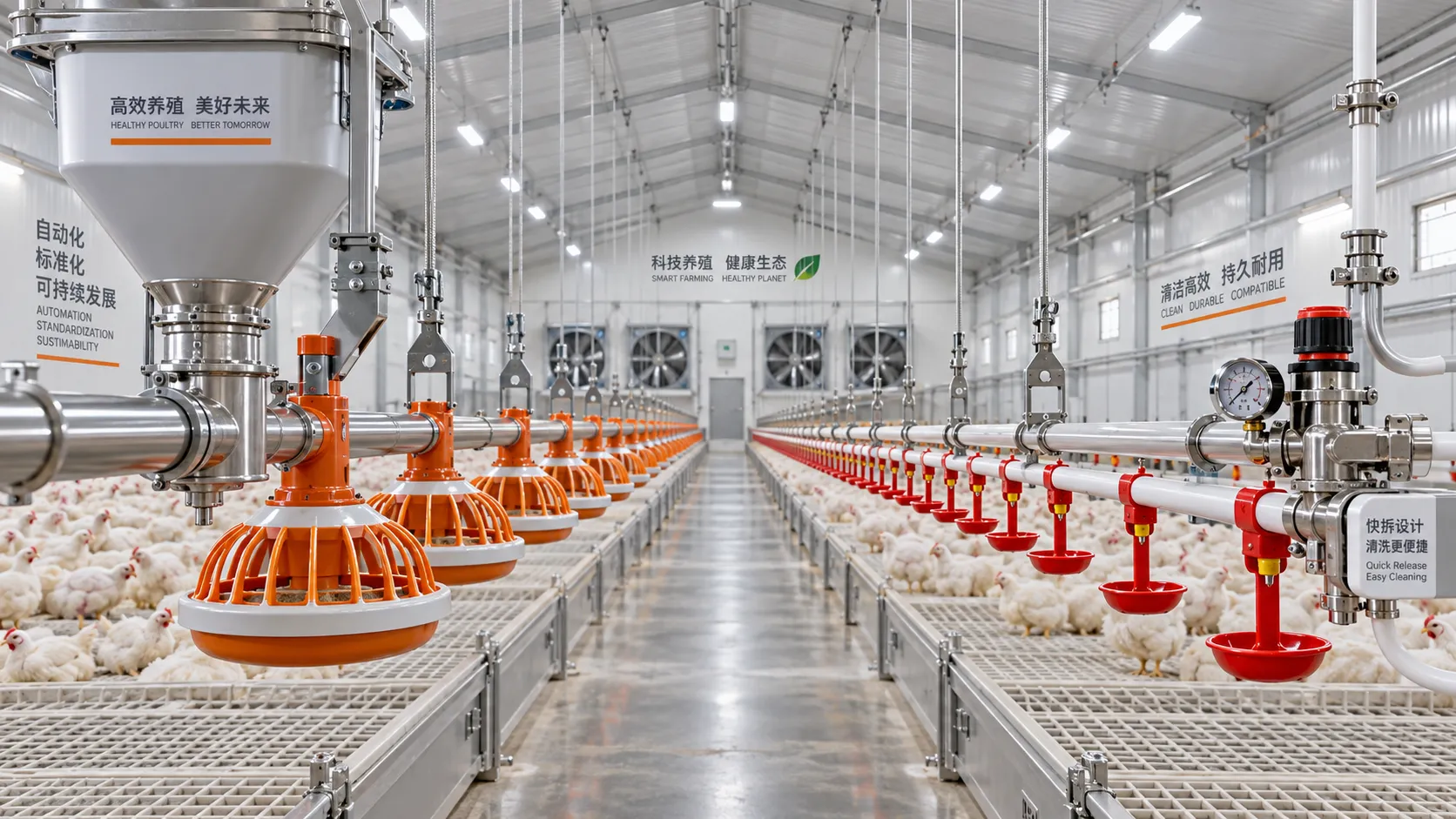
Poultry Equipment Selection: Evaluating Durability, Cleaning, and Compatibility
Poultry equipments selection guide: evaluate durability, cleaning access, and system compatibility to improve hygiene, reduce downtime, and support efficient flock management.
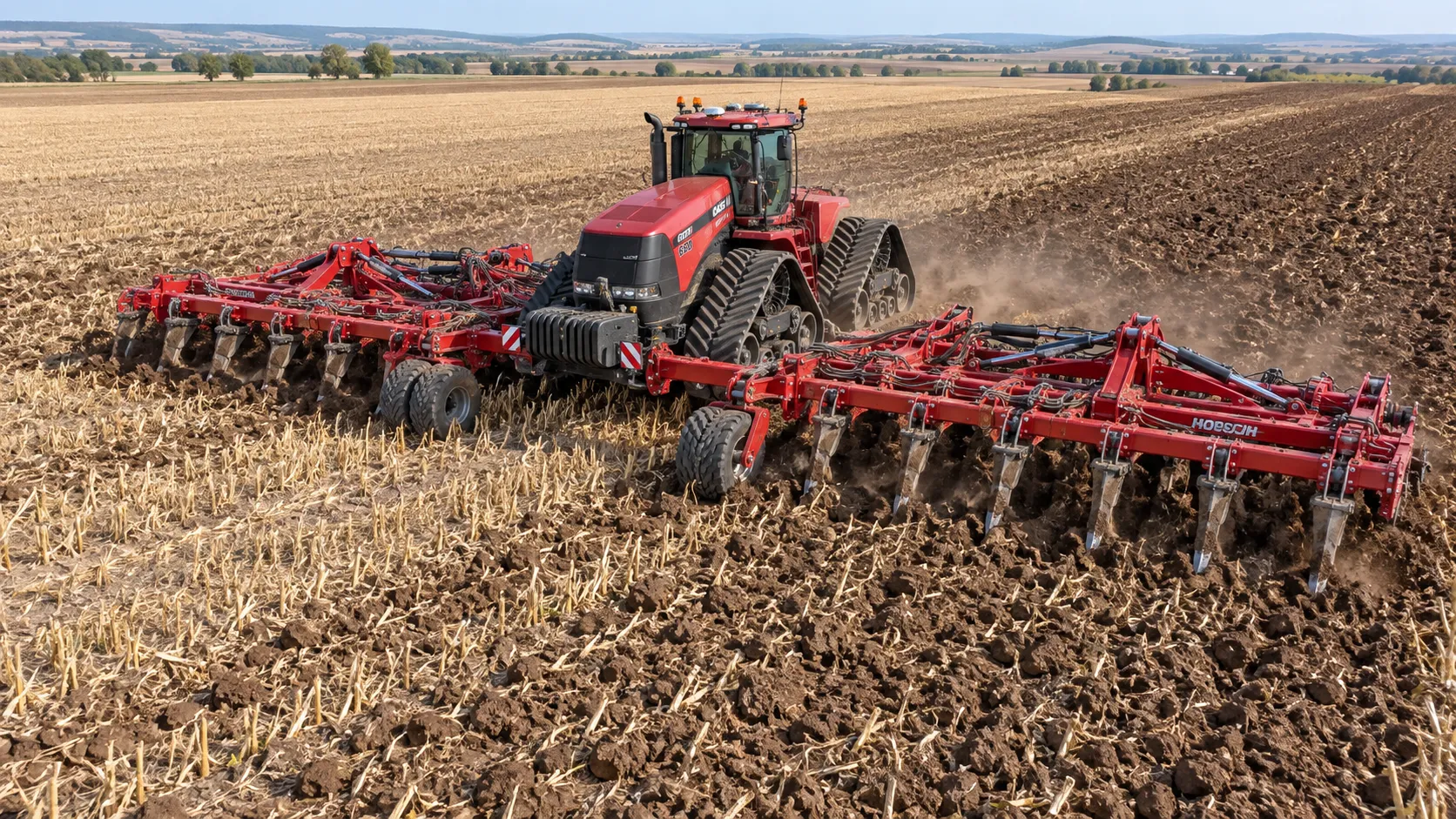
How to Select Heavy-Duty Farm Implements for High-Acreage, High-Horsepower Operations
Heavy duty farm implements: learn how to match draft, hydraulics, hitch capacity, frame strength, and field conditions for reliable high-acreage performance.
Related News
- 00
0000-00
How Does Farm Mechanization Affect Food Security in Developing Regions? - 00
0000-00
Agricultural Technology Insights by Region: Where Adoption Is Growing Fastest - 00
0000-00
How Climate-Smart Agriculture Technology Improves Yield, Soil Health, and Risk Resilience - 00
0000-00
Smart Farming Solutions in Latin America: Which Technologies Fit Large Farms Best? - 00
0000-00
Long-Cycle Agri-Trade Price Trends: How to Read Supply, Freight, and Currency Signals
Popular Tags
Prof. Marcus Chen
Weekly Insights
Stay ahead with our curated technology reports delivered every Monday.