
Climate-Resilient Agriculture Techniques Worth Scaling for Food Security
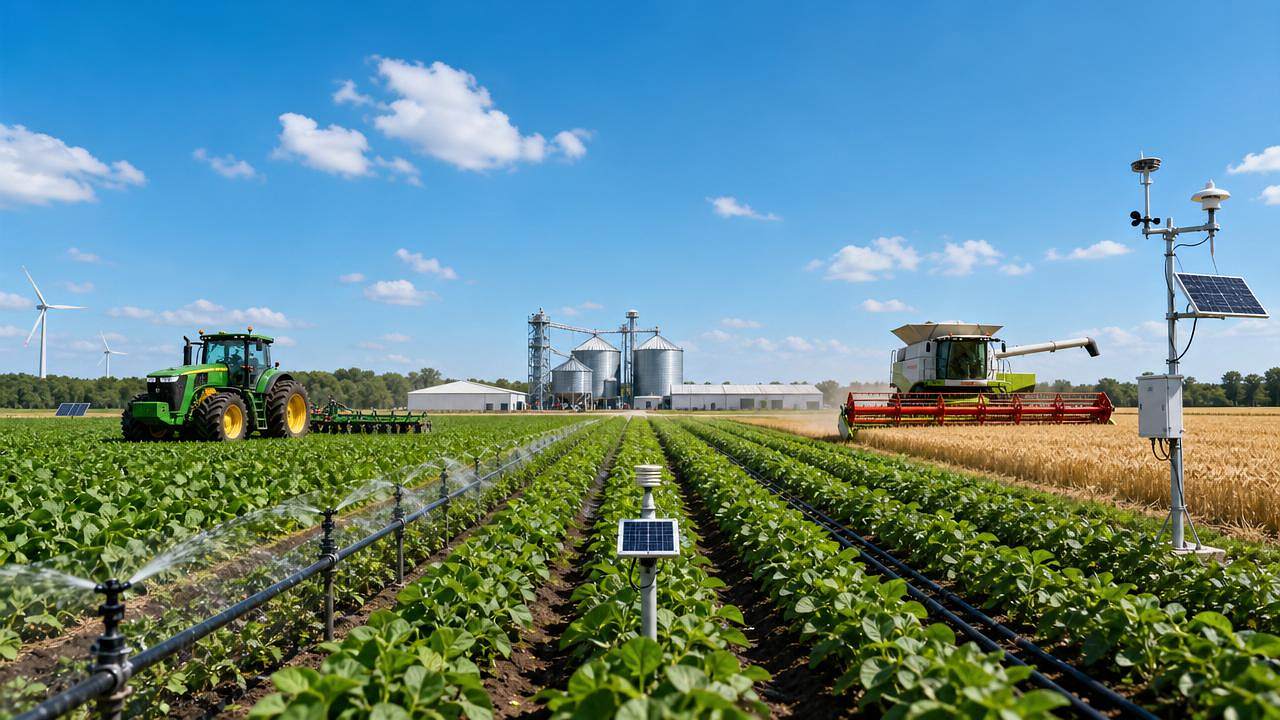




As climate shocks reshape global crop production, climate-resilient agriculture techniques for food security are moving from pilot projects to strategic infrastructure. Yield stability now depends on systems that absorb drought, heat, floods, and labor pressure.
Across the Agriculture 4.0 landscape, resilient farming is no longer only about seed choice. It now includes intelligent irrigation, precision tools, adaptive machinery, field data, and efficient harvesting performance.
This shift matters because food security is increasingly shaped by operational resilience. When weather volatility rises, scalable technologies determine whether production losses stay local or spread through supply chains.
Climate pressure is changing what scalable resilience means in agriculture
The old model focused on maximizing output in average seasons. Today, climate-resilient agriculture techniques for food security must perform well during abnormal seasons, not only ideal ones.
Heat stress shortens grain filling periods. Erratic rain disrupts sowing windows. Water scarcity raises irrigation costs. Extreme storms increase harvest loss and soil degradation.
These signals are creating new demand for equipment and systems that protect field performance under stress. Resilience is becoming measurable through water efficiency, fuel productivity, uptime, and harvest recovery.
For AP-Strategy, this trend confirms that hard machinery, intelligent control, and sustainability targets are now interconnected. Climate-resilient agriculture techniques for food security rely on that integration.
The strongest trend signals are coming from water, timing, and loss control
Several field signals explain why resilient technologies are scaling faster across global agricultural systems.
- Water stress is making intelligent irrigation a first-priority investment.
- Shorter planting and harvesting windows require faster, more accurate field operations.
- Input prices are pushing precision application over blanket treatment models.
- Yield loss at harvest is gaining attention as a hidden food security risk.
- Policy and finance frameworks increasingly reward measurable sustainability outcomes.
Together, these forces are redefining climate-resilient agriculture techniques for food security as a system of timing control, resource efficiency, and loss reduction.
Why these techniques are scaling now
This is why climate-resilient agriculture techniques for food security are attracting attention across both field operations and agricultural intelligence platforms.
The most valuable techniques combine agronomy with machinery intelligence
Intelligent irrigation is becoming the resilience backbone
Water-saving irrigation systems now do more than deliver water. They balance crop demand, soil conditions, evapotranspiration signals, and forecast risk to prevent both stress and waste.
In dry regions, variable-rate irrigation supports stable output with lower water use. In wetter regions, sensor-led scheduling helps avoid overwatering, nutrient leaching, and root-zone damage.
Precision farm tools are reducing wasted inputs
Climate-resilient agriculture techniques for food security depend on applying the right dose in the right place at the right time. Satellite positioning and sensor feedback make that practical at scale.
Prescription seeding, precision fertilization, and guided plant protection improve field uniformity. They also reduce input losses when weather conditions turn unstable after application.
Efficient harvest systems protect final output
A crop is not truly secured until it is harvested with minimal loss. Combine harvesting technology is therefore a major part of climate-resilient agriculture techniques for food security.
High-efficiency threshing, improved cleaning systems, and dynamic loss monitoring are essential when crops mature unevenly due to heat or interrupted rainfall.
Durable tractor platforms keep operations on schedule
Tractor chassis performance matters more during shortened field windows. Reliable transmission, traction control, and hydraulic responsiveness support timely tillage, planting, spraying, and transport.
When operations are delayed by weather, machine uptime becomes a food security variable. Strong platforms reduce that vulnerability.
The impact reaches every key business link in agricultural supply
The shift toward climate-resilient agriculture techniques for food security is affecting more than farms. It is altering product priorities, service expectations, and portfolio design across the agricultural ecosystem.
- Equipment portfolios are moving toward connected, data-compatible, resource-efficient systems.
- After-sales value is expanding from repair support to performance optimization.
- Demand signals increasingly favor solutions that prove savings under variable weather.
- Financing discussions are shifting toward lifecycle efficiency, not only purchase price.
This means climate resilience is becoming a market language. Solutions that connect operational efficiency with food security outcomes will likely hold stronger long-term relevance.
What deserves the closest attention over the next cycle
Several focus areas will help identify which climate-resilient agriculture techniques for food security are worth scaling, rather than simply testing.
- Interoperability: Tools should connect across tractors, harvesters, irrigation, and data platforms.
- Measurable savings: Water, fuel, fertilizer, and harvest-loss metrics must be visible.
- Adaptability: Equipment should perform across uneven moisture, temperature swings, and crop variability.
- Service readiness: Resilient systems need calibration, diagnostics, and operator support.
- Scalability: Proven field logic should transfer from pilot acreage to commercial acreage.
These criteria separate attractive technology stories from operationally useful resilience investments.
A practical framework for judging next-step resilience investment
Using a structured framework helps turn climate-resilient agriculture techniques for food security into clear operational priorities.
The next move is integration, not isolated technology adoption
The strongest resilience gains come from connected decisions. Smart irrigation without field sensing is limited. A high-capacity harvester without loss analytics leaves value behind.
Likewise, precision application without durable tractor hydraulics can fail during narrow windows. Climate-resilient agriculture techniques for food security work best when hardware, software, and agronomic timing align.
AP-Strategy’s intelligence model reflects this reality. Large-scale machinery, combine performance, tractor chassis engineering, intelligent tools, and water-saving systems must be interpreted as one strategic field network.
A clear action path for stronger food security positioning
Start by identifying where climate stress creates the biggest operational losses: water, timing, input waste, or harvest inefficiency. Then rank technologies by measurable resilience impact rather than technical novelty.
Prioritize solutions that improve field decisions across seasons. Focus on systems that generate data, support timely action, and protect output under volatile weather.
In the coming cycle, climate-resilient agriculture techniques for food security will define which agricultural systems remain productive under pressure. Scaling the right combination of irrigation intelligence, precision tools, harvest efficiency, and power reliability is no longer optional. It is the operational foundation of food security.
Related News
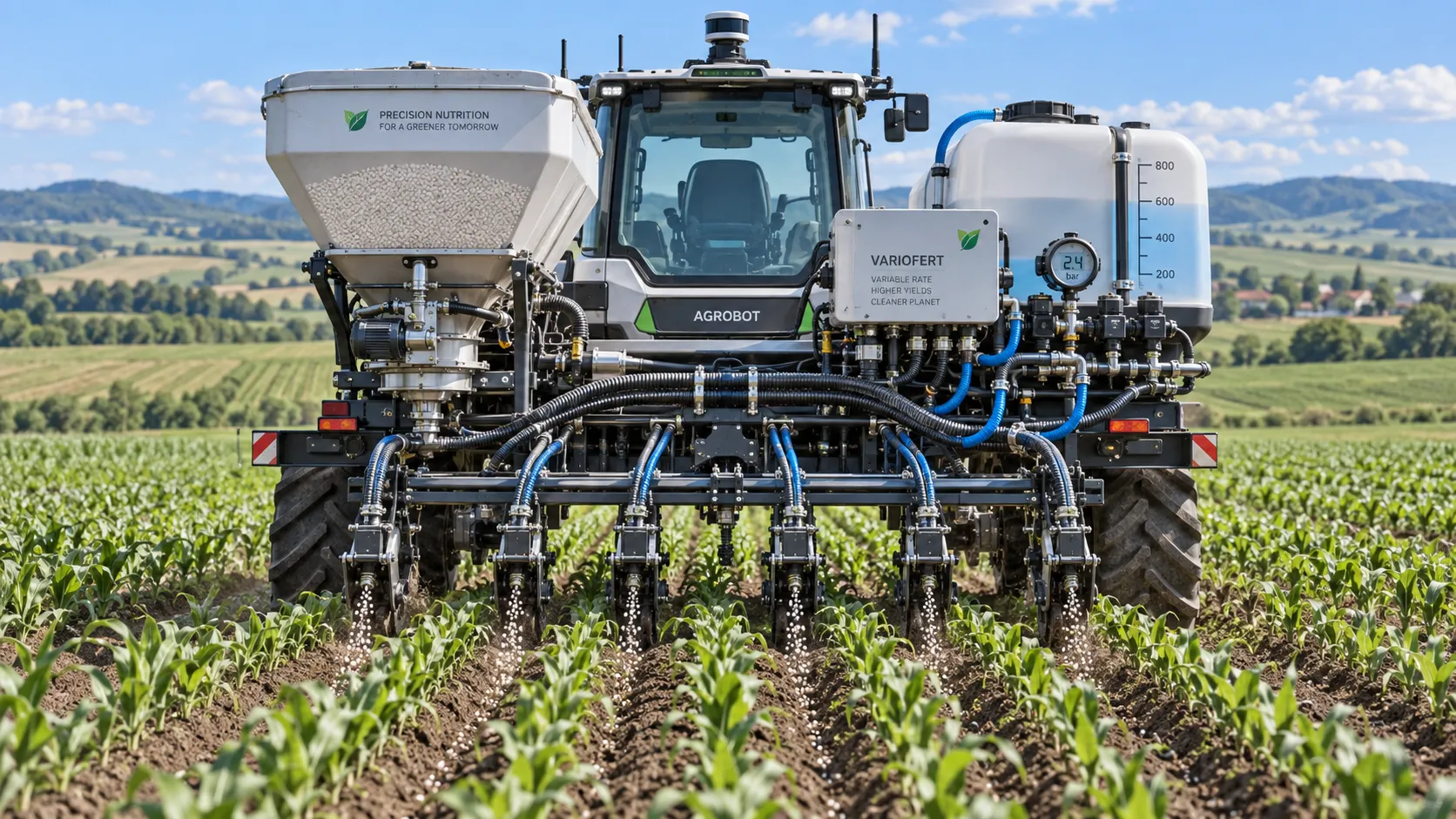
How Sensor Feedback Enables Accurate Variable-Rate Fertilization in Field Conditions
Precision fertilization systems with sensor feedback improve variable-rate accuracy by verifying flow, managing latency, and ensuring reliable field application.
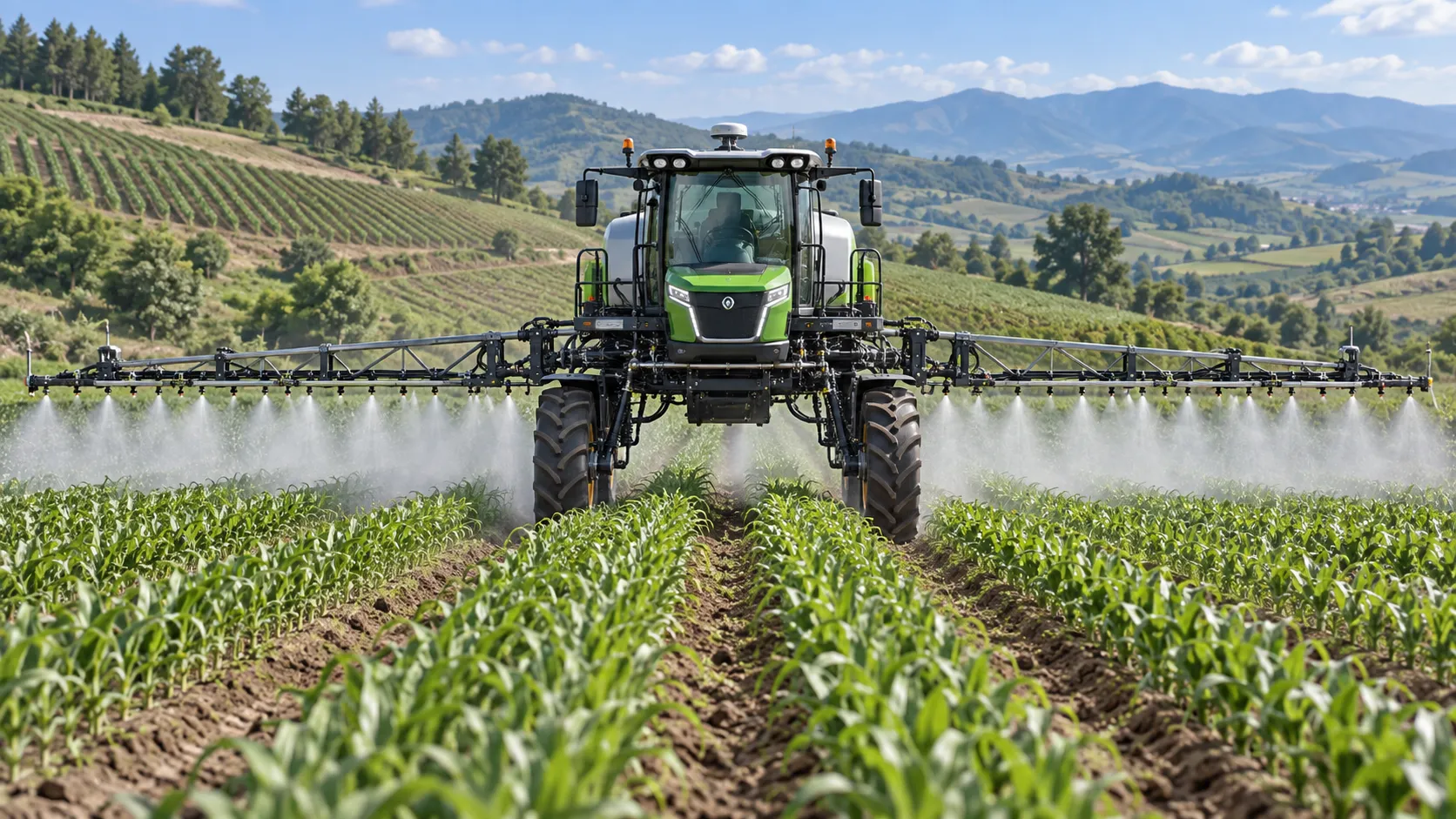
How to Select Precision Crop Protection Equipment for Variable Field Conditions
Precision crop protection equipment selection made simple: compare terrain, canopy, weather, control accuracy, and data workflows for reliable applications.
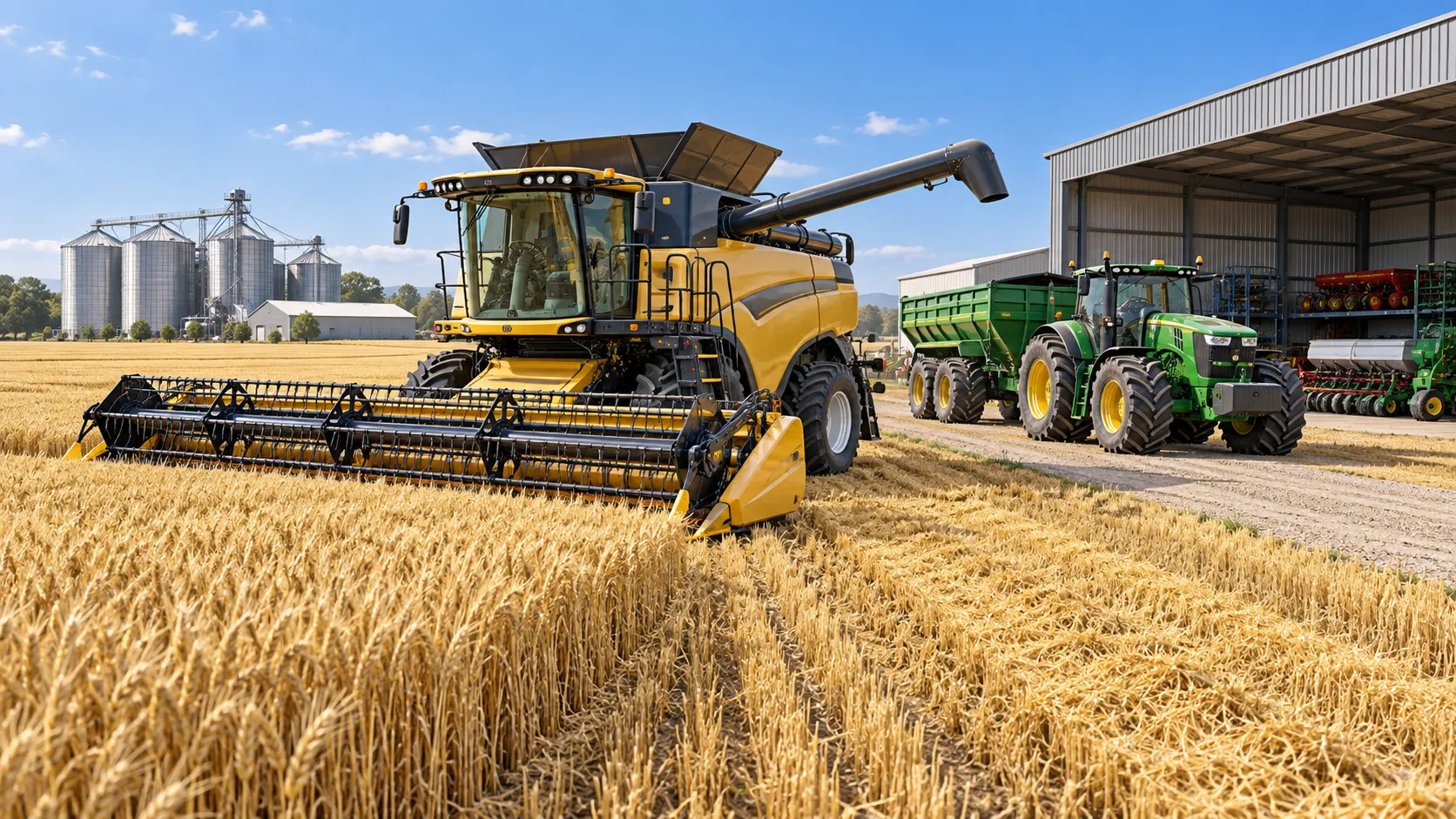
When Does Agricultural Machinery Leasing Cost Less Than Owning Equipment?
Agricultural machinery leasing can lower farm costs when use is seasonal or uncertain. Compare utilization, maintenance, cash flow, and risk to make a smarter equipment decision.
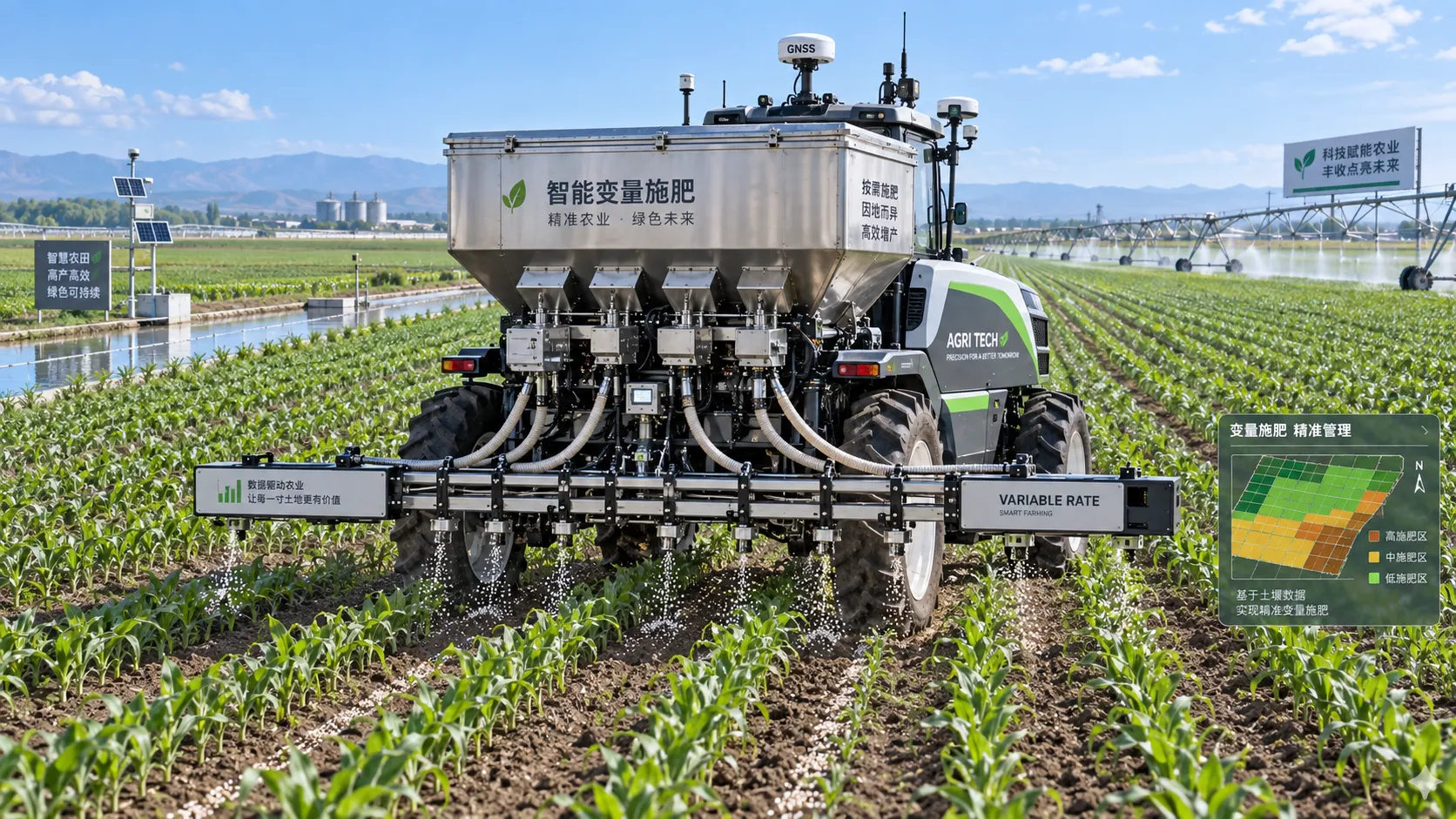
How to Evaluate Precision Fertilization System Suppliers for Farm-Scale Deployment
Precision fertilization systems suppliers: learn how to compare accuracy, integration, uptime, service, and total cost for confident farm-scale deployment.
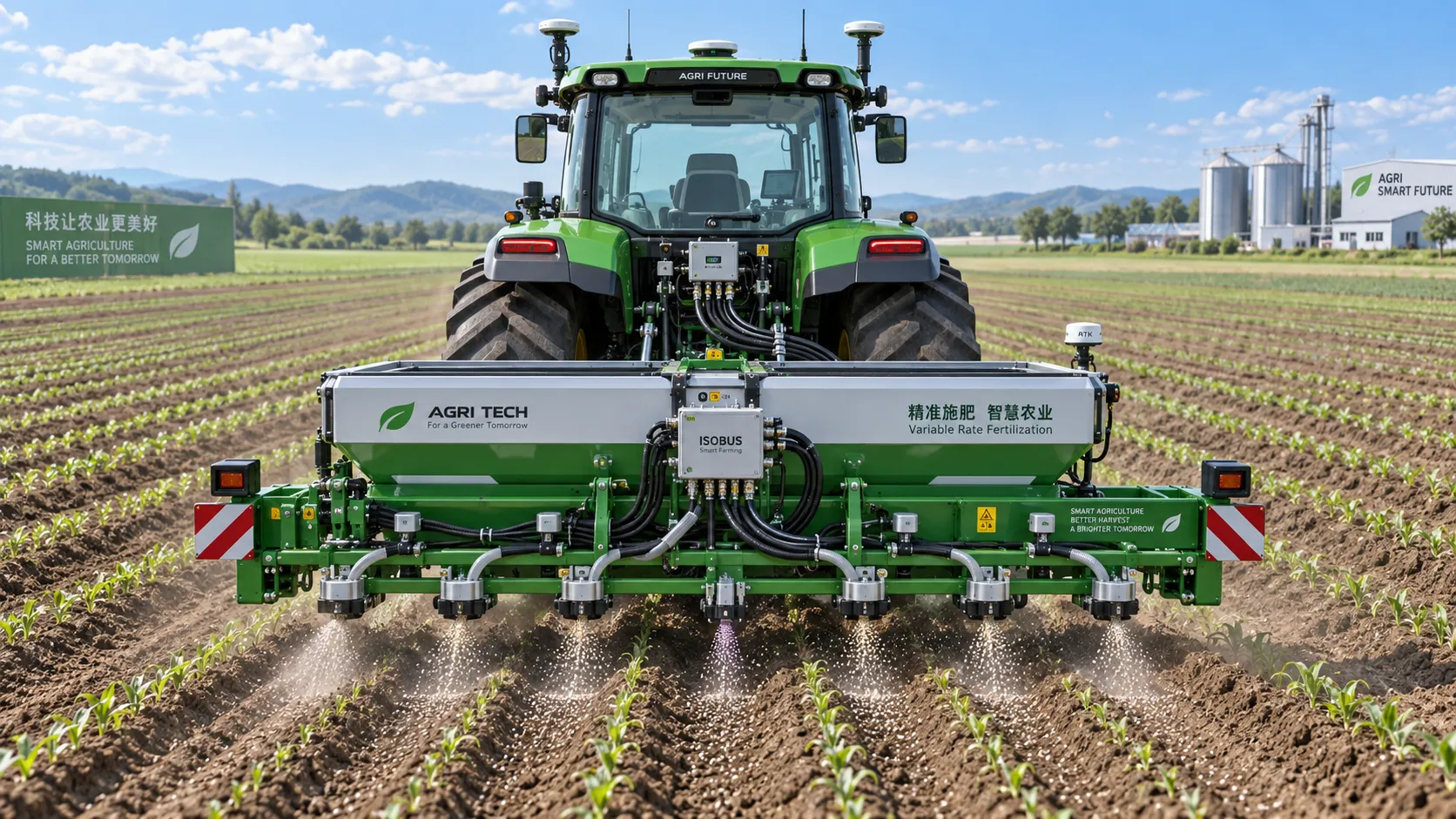
ISOBUS for Smart Agriculture: How It Connects Tractors, Implements, and Farm Data
ISOBUS for smart agriculture connects tractors, implements, terminals, and farm data—helping growers improve precision, documentation, and smarter field decisions.
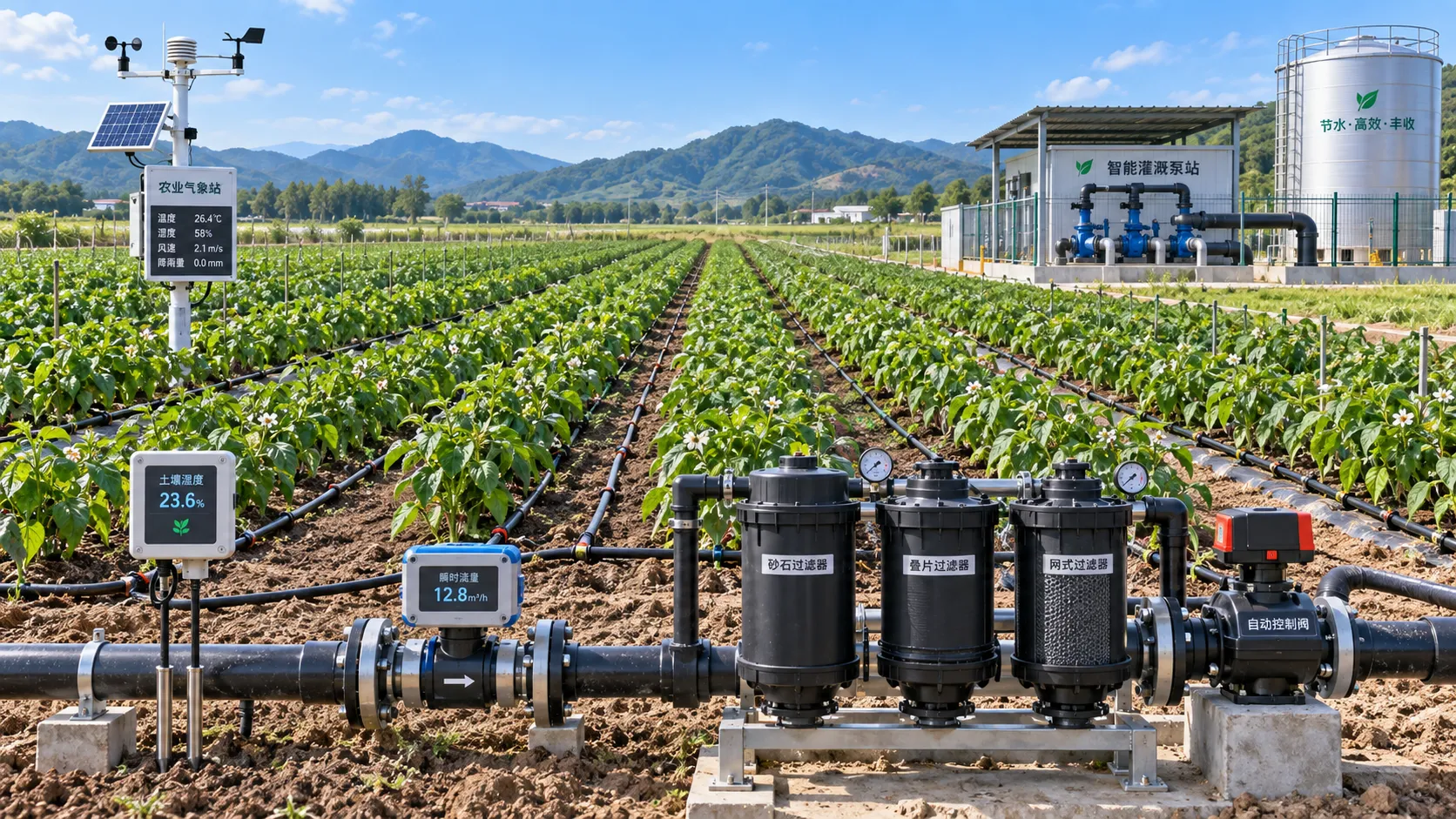
Automated Water-Saving Irrigation: How to Cut Water Use Without Reducing Crop Yields
Automated water-saving irrigation helps farms cut water use, protect crop yields, improve scheduling, and gain reliable control with sensors, flow monitoring, and smart zones.
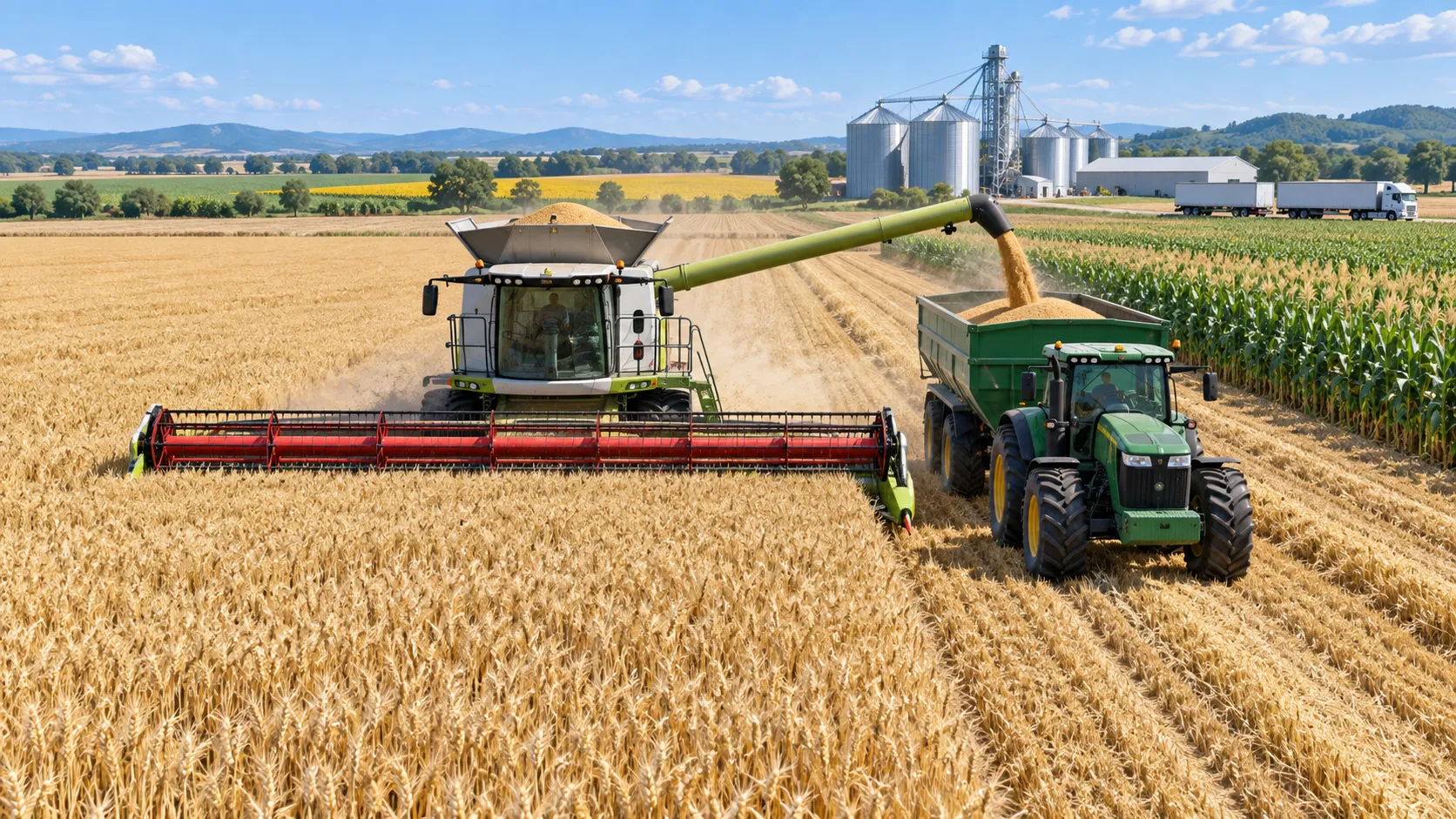
Selecting Grain Farm Equipment by Acreage, Crop Mix, and Harvest Window
Agricultural equipment selection for grain farming: match machinery to acreage, crop mix, and harvest windows to improve uptime, efficiency, and returns.
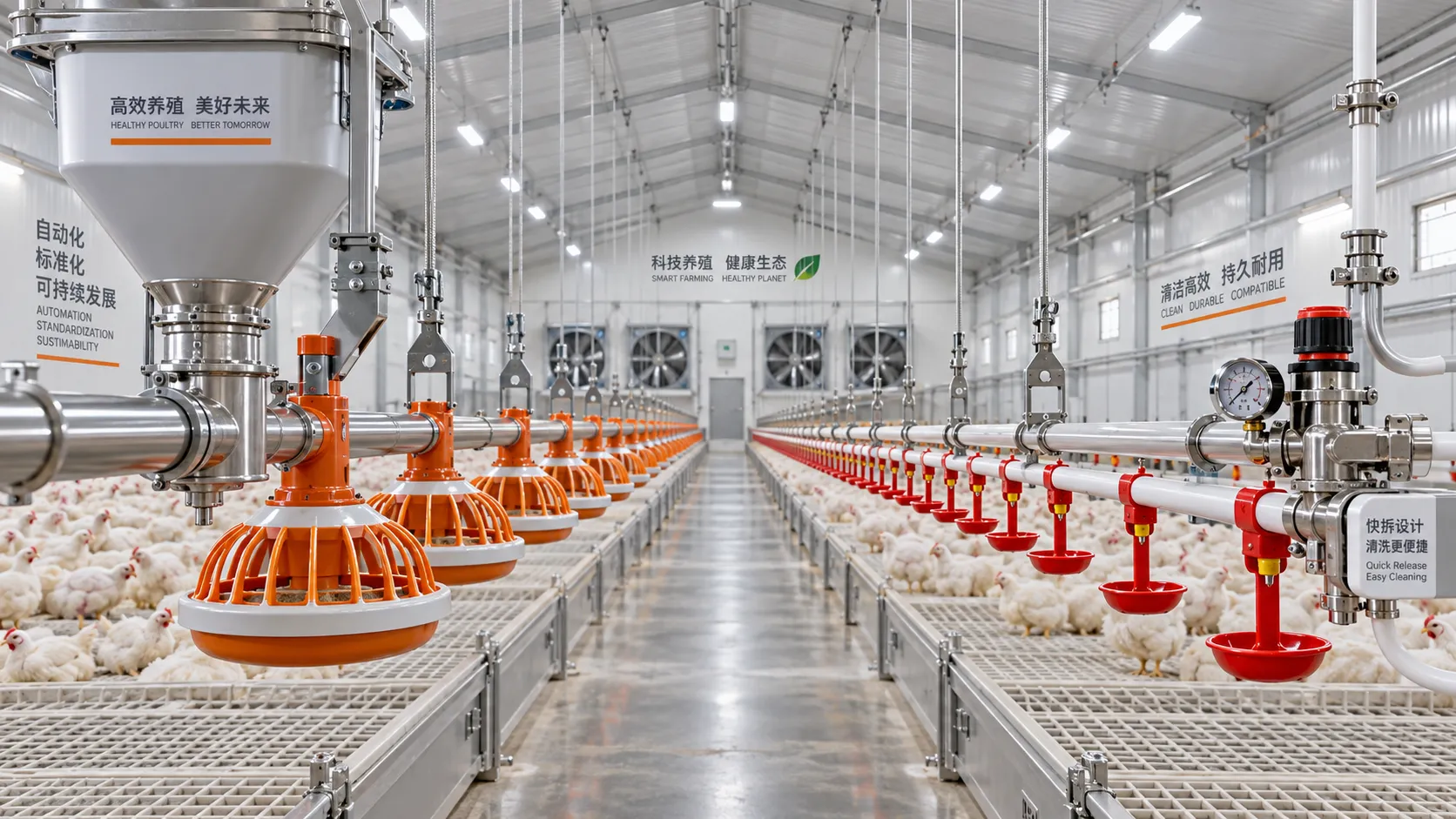
Poultry Equipment Selection: Evaluating Durability, Cleaning, and Compatibility
Poultry equipments selection guide: evaluate durability, cleaning access, and system compatibility to improve hygiene, reduce downtime, and support efficient flock management.
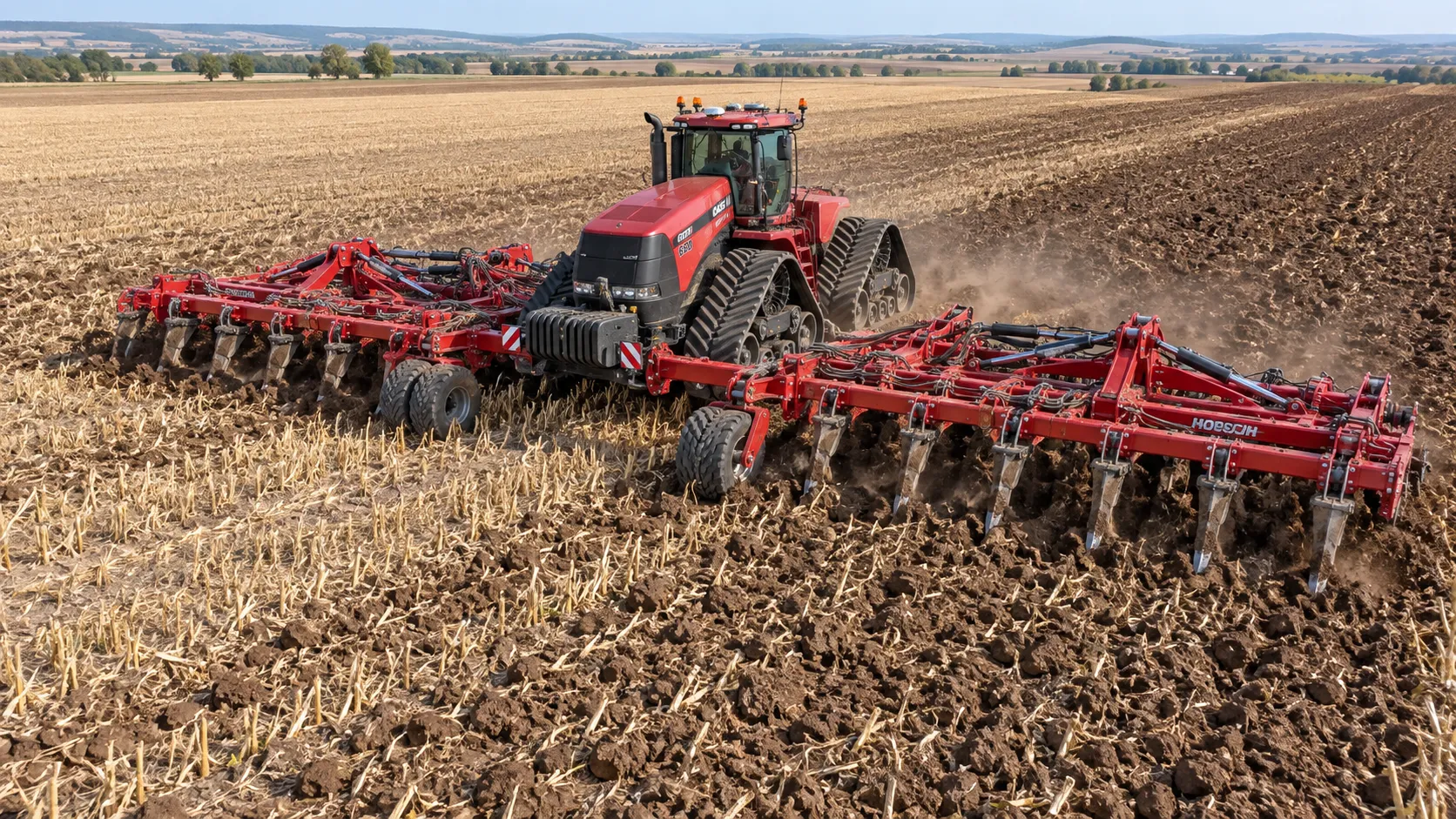
How to Select Heavy-Duty Farm Implements for High-Acreage, High-Horsepower Operations
Heavy duty farm implements: learn how to match draft, hydraulics, hitch capacity, frame strength, and field conditions for reliable high-acreage performance.
Related News
- 00
0000-00
When Does Agricultural Machinery Leasing Cost Less Than Owning Equipment? - 00
0000-00
Selecting Grain Farm Equipment by Acreage, Crop Mix, and Harvest Window - 00
0000-00
Poultry Equipment Selection: Evaluating Durability, Cleaning, and Compatibility - 00
0000-00
How to Select Heavy-Duty Farm Implements for High-Acreage, High-Horsepower Operations - 00
0000-00
Smart Farming Technology for Dairy Farms: Where Automation Delivers Measurable ROI
Popular Tags
Ms. Elena Rodriguez
Weekly Insights
Stay ahead with our curated technology reports delivered every Monday.