
ABARES Raises Farm AI System Budget to AUD 1.9B, Hydraulic Lift Systems Critical
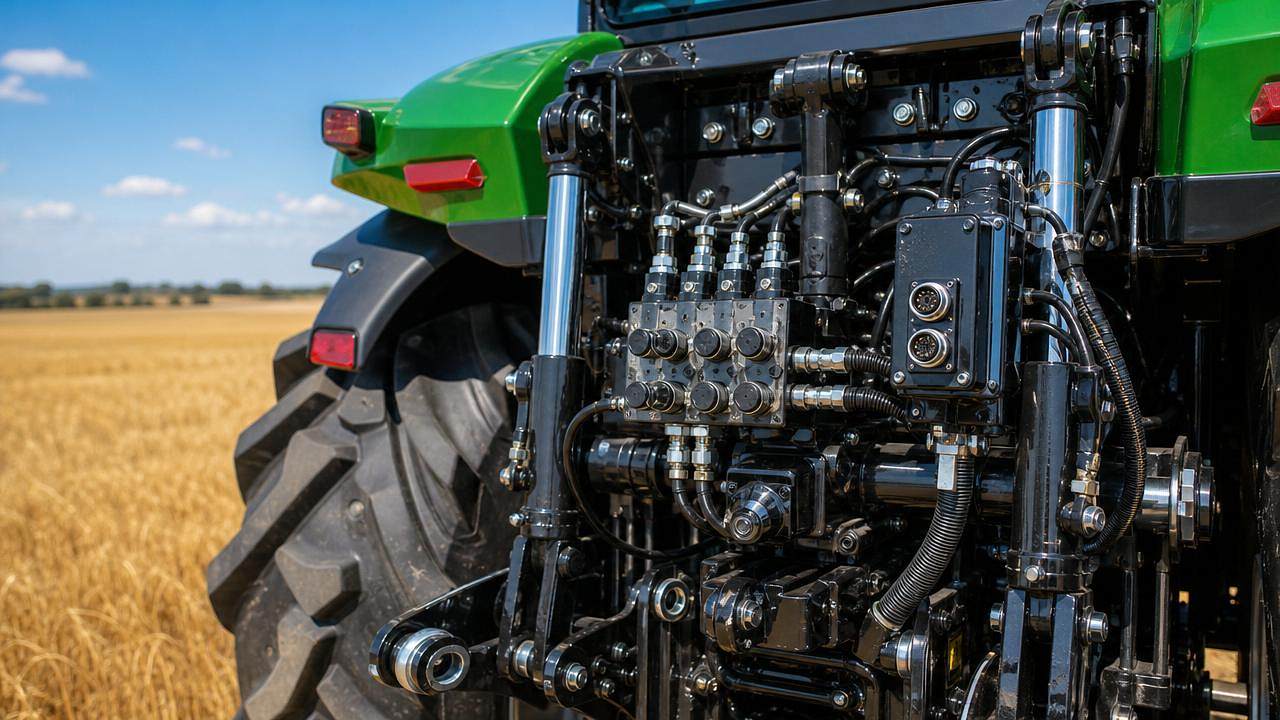




Australia’s agricultural technology landscape shifted on 14 May 2026, when the Australian Bureau of Agricultural and Resource Economics and Sciences (ABARES) released its 2026 Mid-Year Farm Technology Outlook. The report forecasts a 38% year-on-year increase in farm AI decision system procurement—reaching AUD 1.9 billion for FY2026–27—with hydraulic lift systems newly designated as the highest-priority hardware interface for AI-driven variable control. This development signals material implications for global suppliers of smart agricultural hydraulics, particularly those engaged in digital interface integration and export to Australia.
Event Overview
On 14 May 2026, ABARES published the 2026 Mid-Year Farm Technology Outlook. It projects that farm AI decision system procurement in Australia will total AUD 1.9 billion in the 2026–2027 financial year—a 38% increase compared to the prior year. The report explicitly identifies hydraulic lift systems as the ‘highest-priority hardware interface’ for AI variable control execution, specifying requirements for CAN FD protocol support and real-time pressure feedback. It further notes that Australian importers are now requesting digital interface upgrades from Chinese hydraulic system suppliers.
Industries Affected
Direct Trading Enterprises
Export-oriented trading firms supplying hydraulic components to Australian agricultural equipment integrators face immediate technical specification shifts. The ABARES report’s emphasis on CAN FD and real-time pressure feedback means legacy analog or basic CAN 2.0-compatible systems may no longer meet tender criteria for AI-integrated farm machinery.
Manufacturing Enterprises (Hydraulic Systems & Subsystems)
Manufacturers producing hydraulic lift systems—including cylinder assemblies, control valves, and integrated actuators—are directly impacted. Compliance with CAN FD and embedded sensor feedback capabilities is now framed not as optional differentiation but as a baseline requirement for market access in AI-enabled farm equipment deployments.
Supply Chain Service Providers (Logistics, Certification, Technical Support)
Service providers supporting cross-border hydraulic component shipments must anticipate increased demand for documentation related to CAN FD conformance, real-time sensor calibration validation, and firmware update traceability—especially where Australian end-users require audit-ready compliance evidence.
Component Sourcing & Procurement Teams (OEMs and Tier-1 Integrators)
OEMs and agricultural machinery integrators sourcing hydraulic subsystems externally now face tighter technical alignment requirements. The ABARES designation elevates hydraulic lift systems from passive mechanical components to active AI execution nodes—shifting procurement evaluation from cost and durability alone toward interoperability, protocol fidelity, and data latency performance.
What Enterprises and Practitioners Should Focus On
Monitor ABARES and Australian state-level implementation guidance
The report is a forecast and strategic outlook—not a regulation. Current procurement mandates remain governed by individual tender specifications and OEM requirements. Enterprises should track whether subsequent ABARES updates or state agricultural department guidelines convert these priorities into formal compliance benchmarks.
Assess CAN FD readiness across existing hydraulic product lines
Manufacturers and exporters should audit current hydraulic lift products for CAN FD physical layer compatibility, message bandwidth capacity, and firmware capability to transmit calibrated pressure feedback at sub-10ms intervals—key parameters implied by ‘real-time’ AI control demands.
Distinguish between policy signal and commercial traction
While ABARES identifies hydraulic lift systems as ‘highest priority’, actual adoption depends on AI platform deployment timelines and machinery OEM integration cycles. Observably, early-mover integrators may begin specifying CAN FD interfaces in tenders before FY2027; however, broad-scale retrofitting remains constrained by hardware lifecycle and software stack maturity.
Prepare technical documentation and supplier communication protocols
Exporters responding to Australian importer inquiries should align internal technical documentation (e.g., datasheets, protocol stacks, sensor calibration reports) with CAN FD and real-time feedback terminology used in the ABARES report. Preemptive alignment reduces friction during bid preparation and technical due diligence.
Editorial Perspective / Industry Observation
This ABARES update is best understood not as an immediate mandate, but as a forward-looking signal of architectural convergence: AI decision layers are increasingly dependent on deterministic, low-latency physical execution. Hydraulic lift systems—long treated as commodity mechanical units—are now positioned at the critical interface between algorithmic intent and field action. Analysis shows this reflects a broader trend where ‘smart farming’ infrastructure investment is shifting downstream from data collection toward closed-loop actuation. That said, the report does not indicate widespread field deployment yet; rather, it signals growing procurement intentionality among early-adopter farms and machinery OEMs. Continued observation is warranted to assess whether CAN FD adoption accelerates beyond pilot programs in FY2026–27 or remains concentrated in high-value precision applications such as automated grain handling or variable-rate bale lifting.
Concluding, the ABARES mid-year outlook marks a meaningful recalibration in how agricultural technology budgets allocate value across the AI stack—elevating hardware interface reliability to parity with software intelligence. For stakeholders, it is more accurately interpreted as an early-stage indicator of system architecture evolution than a near-term procurement directive. A measured, specification-led response—grounded in verifiable CAN FD capability and documented feedback performance—is currently more appropriate than broad product overhauls.
Source: Australian Bureau of Agricultural and Resource Economics and Sciences (ABARES), 2026 Mid-Year Farm Technology Outlook, released 14 May 2026. Note: Further implementation details, tender-level requirements, and OEM adoption timelines remain subject to ongoing monitoring.
Related News
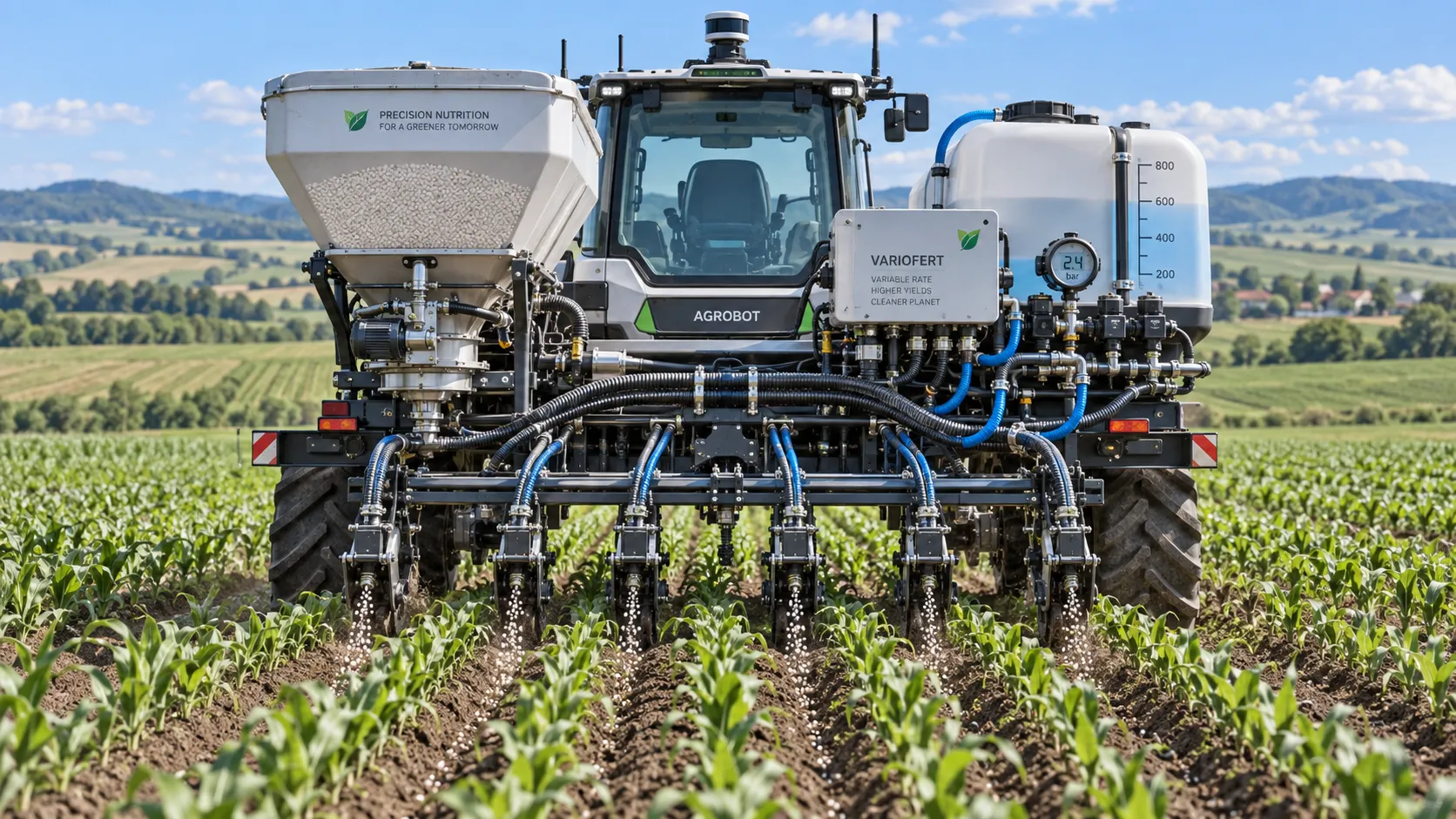
How Sensor Feedback Enables Accurate Variable-Rate Fertilization in Field Conditions
Precision fertilization systems with sensor feedback improve variable-rate accuracy by verifying flow, managing latency, and ensuring reliable field application.
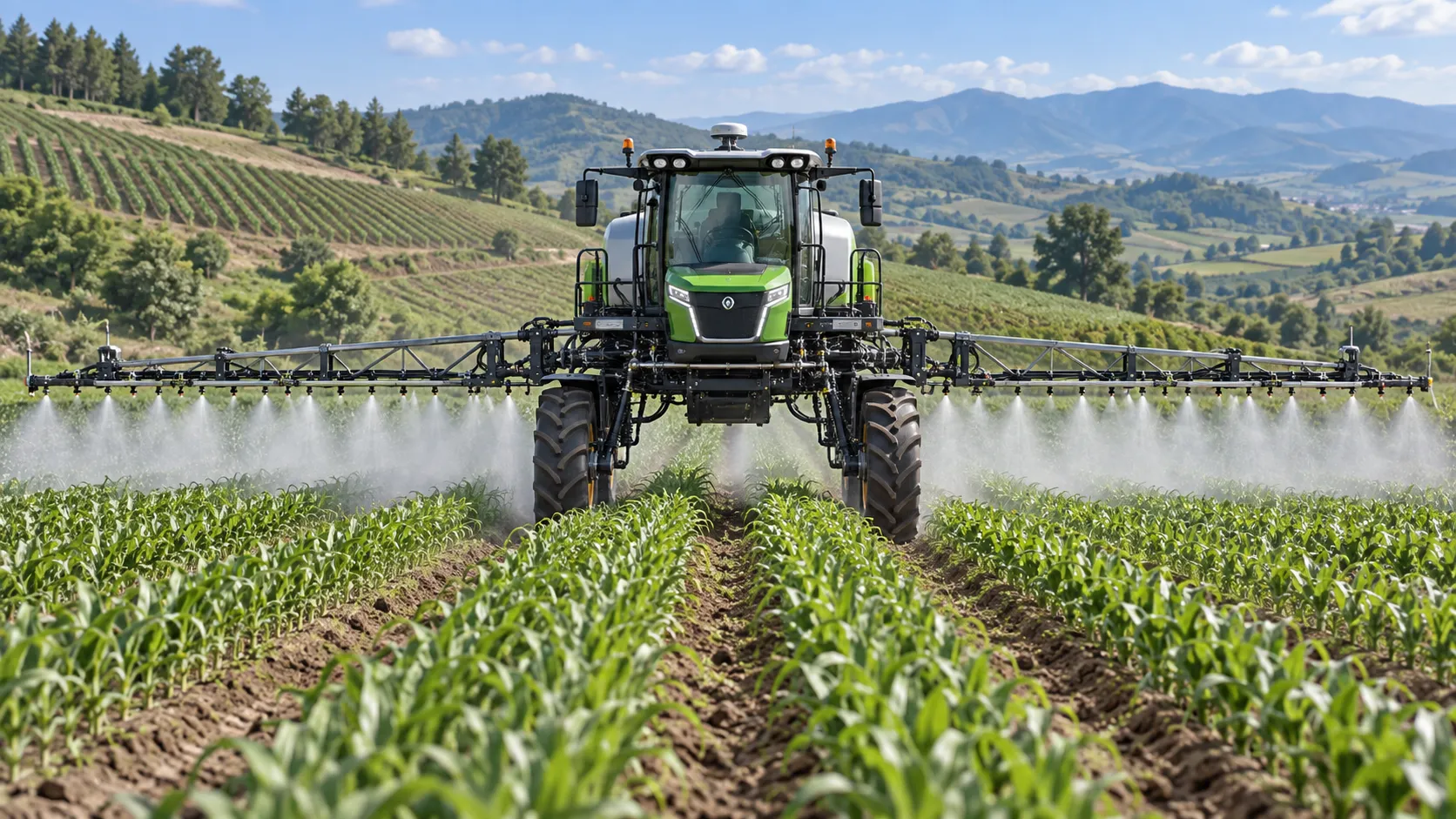
How to Select Precision Crop Protection Equipment for Variable Field Conditions
Precision crop protection equipment selection made simple: compare terrain, canopy, weather, control accuracy, and data workflows for reliable applications.
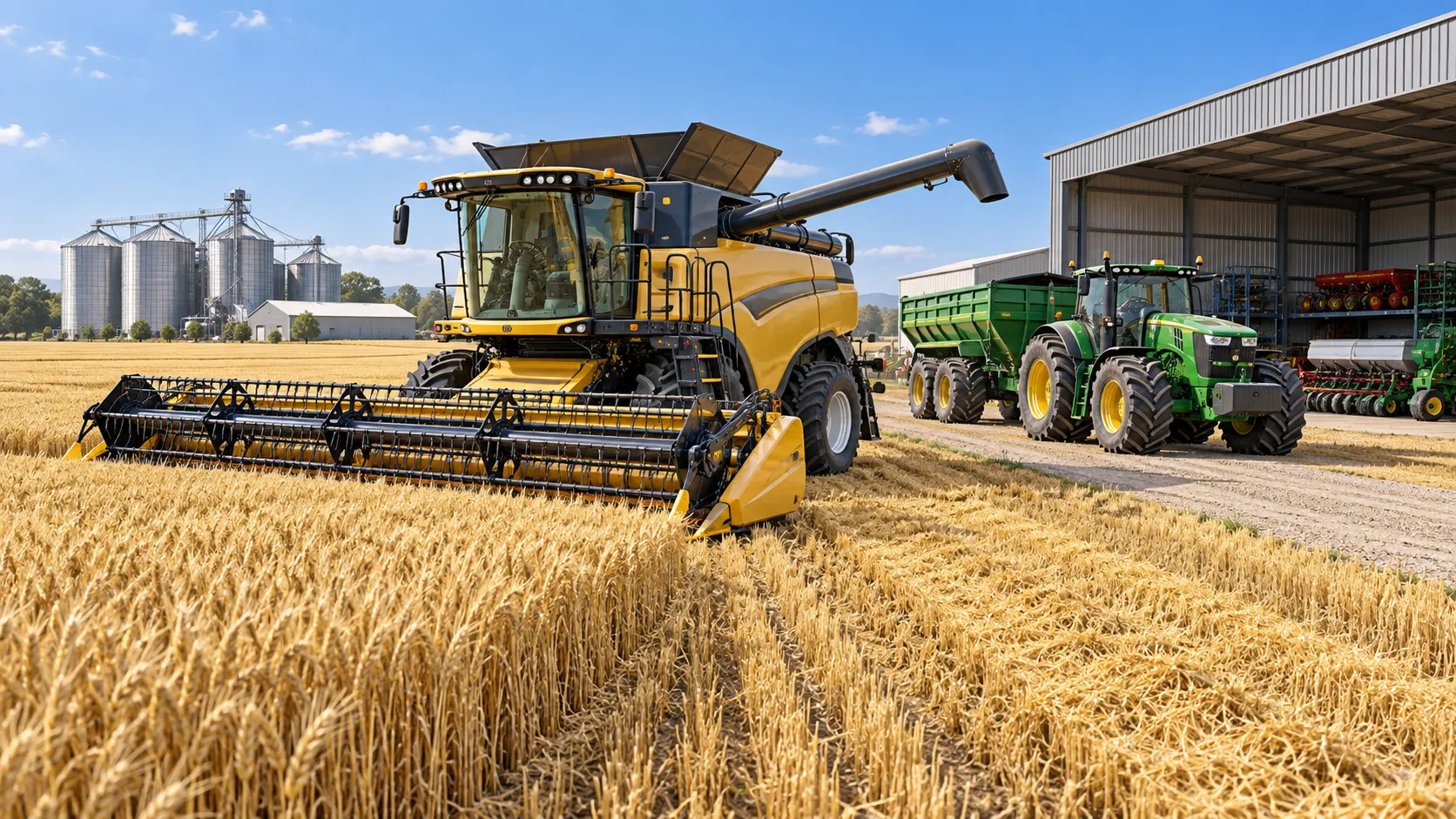
When Does Agricultural Machinery Leasing Cost Less Than Owning Equipment?
Agricultural machinery leasing can lower farm costs when use is seasonal or uncertain. Compare utilization, maintenance, cash flow, and risk to make a smarter equipment decision.
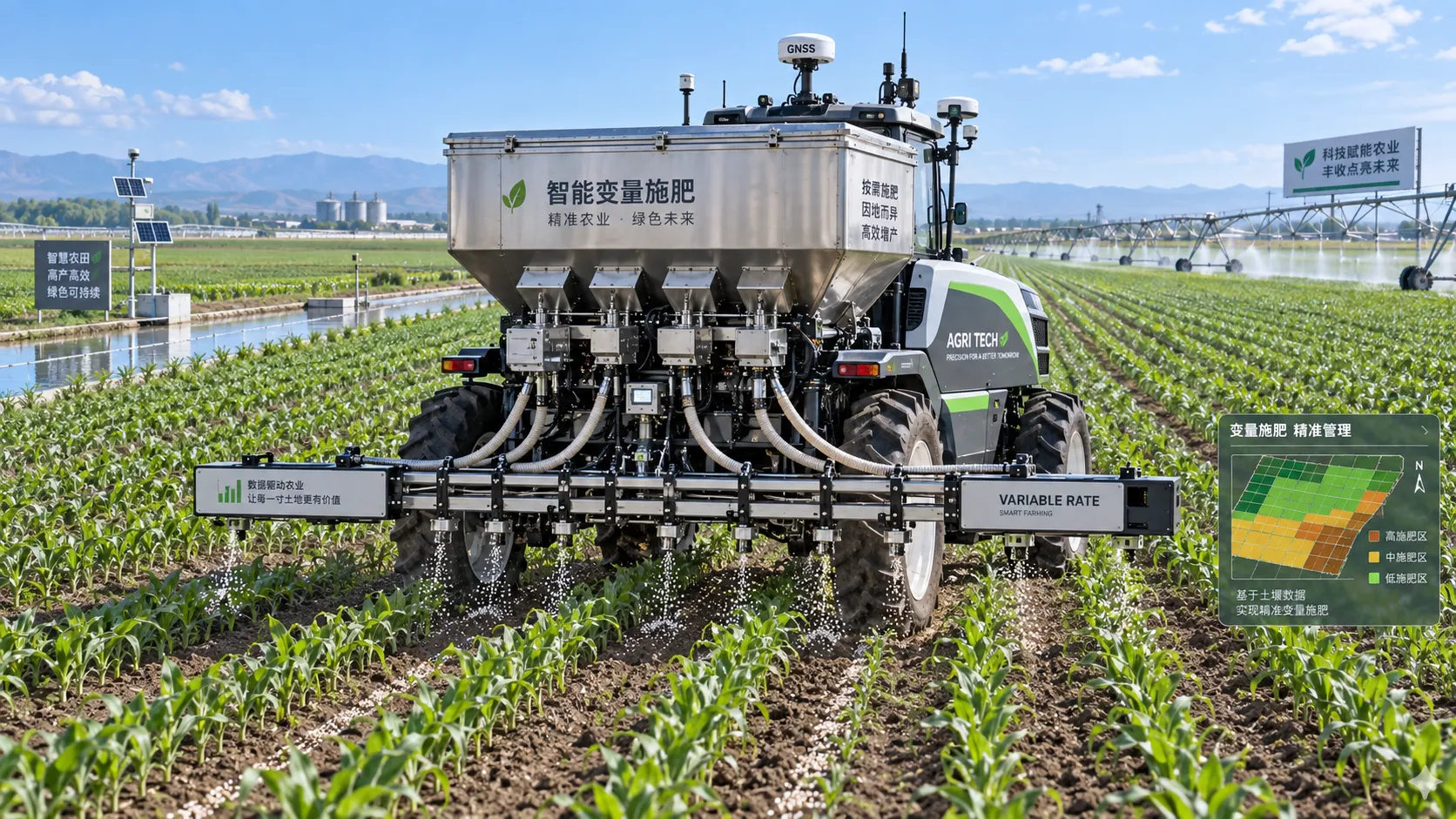
How to Evaluate Precision Fertilization System Suppliers for Farm-Scale Deployment
Precision fertilization systems suppliers: learn how to compare accuracy, integration, uptime, service, and total cost for confident farm-scale deployment.
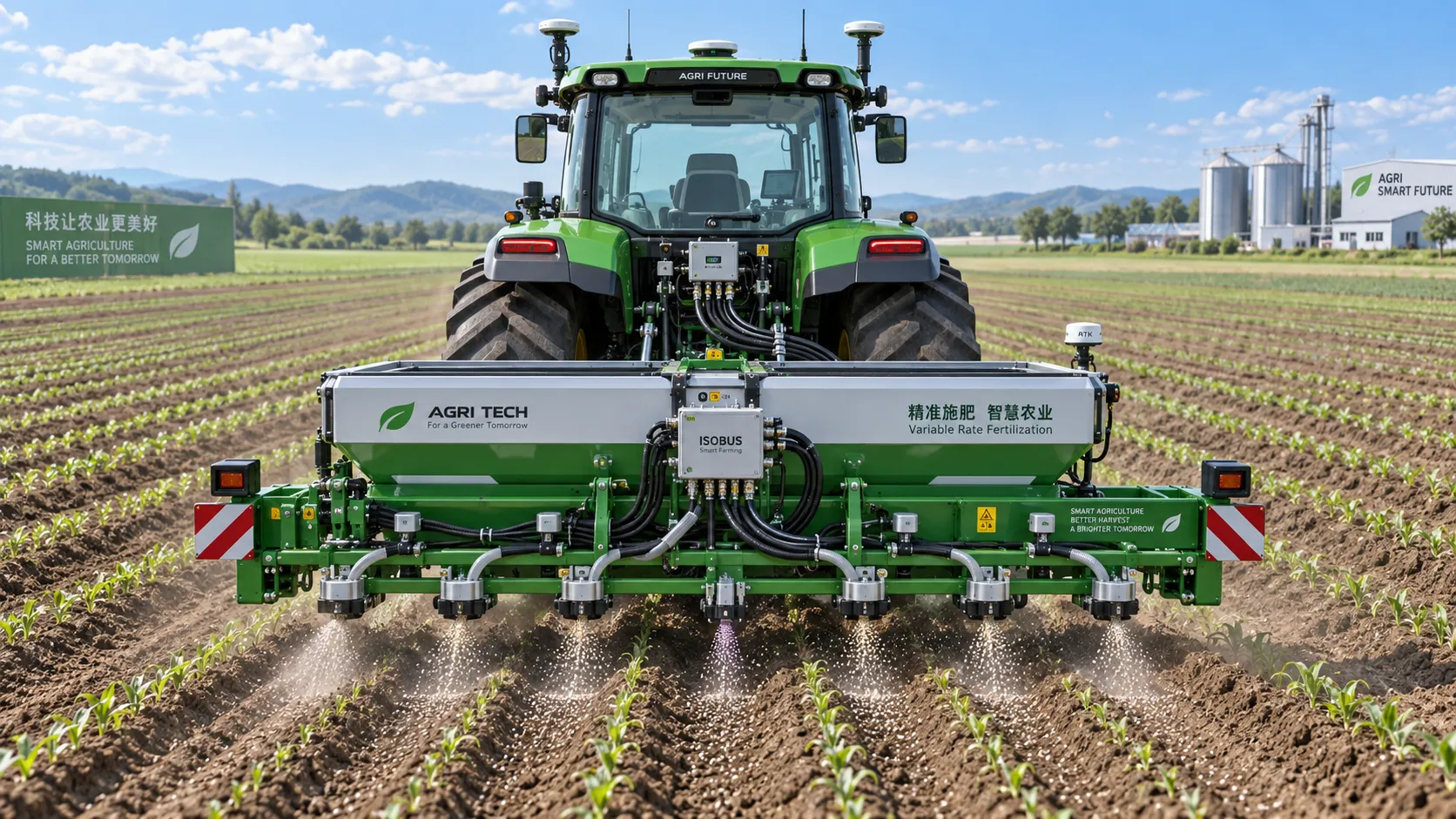
ISOBUS for Smart Agriculture: How It Connects Tractors, Implements, and Farm Data
ISOBUS for smart agriculture connects tractors, implements, terminals, and farm data—helping growers improve precision, documentation, and smarter field decisions.
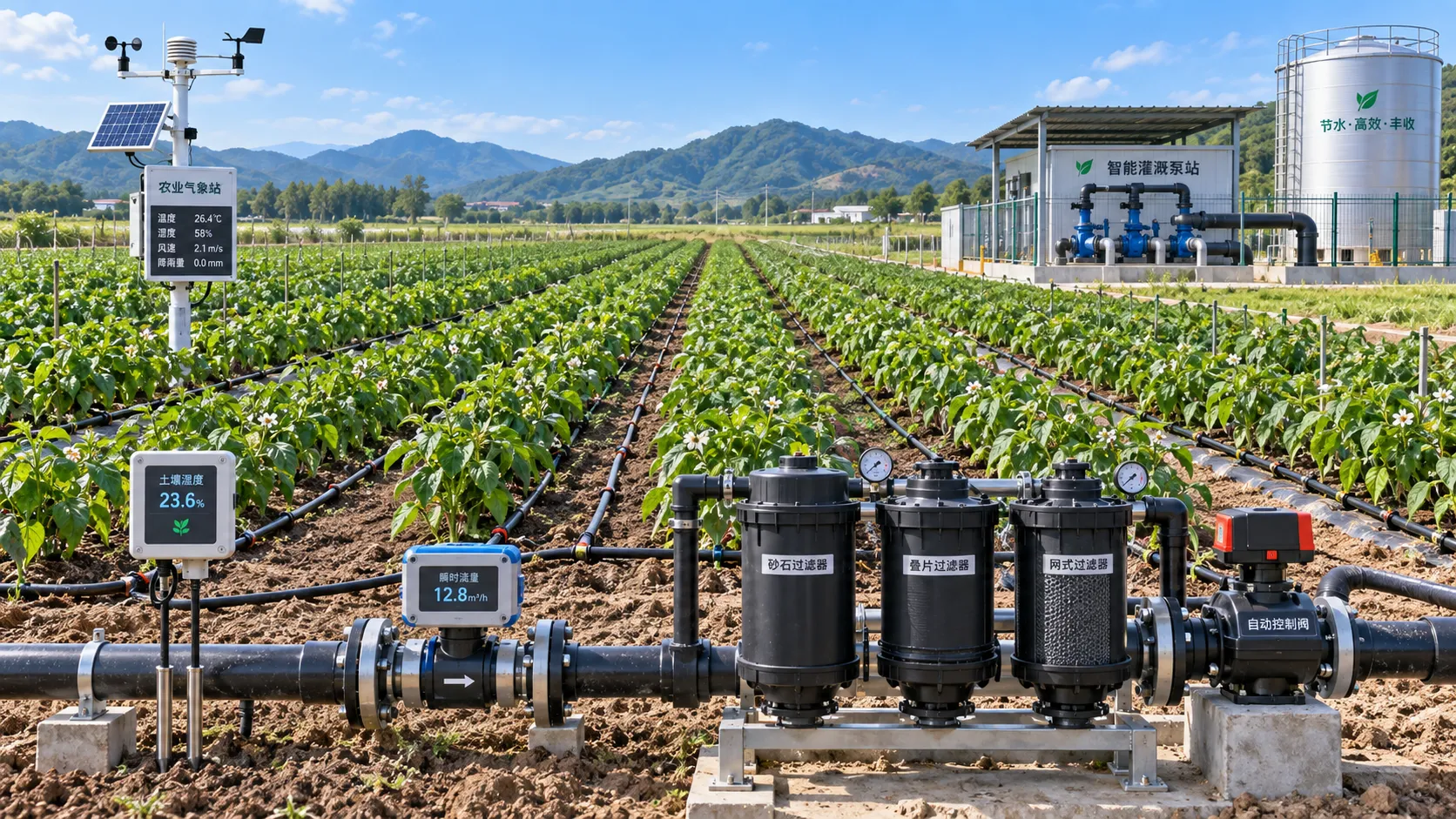
Automated Water-Saving Irrigation: How to Cut Water Use Without Reducing Crop Yields
Automated water-saving irrigation helps farms cut water use, protect crop yields, improve scheduling, and gain reliable control with sensors, flow monitoring, and smart zones.
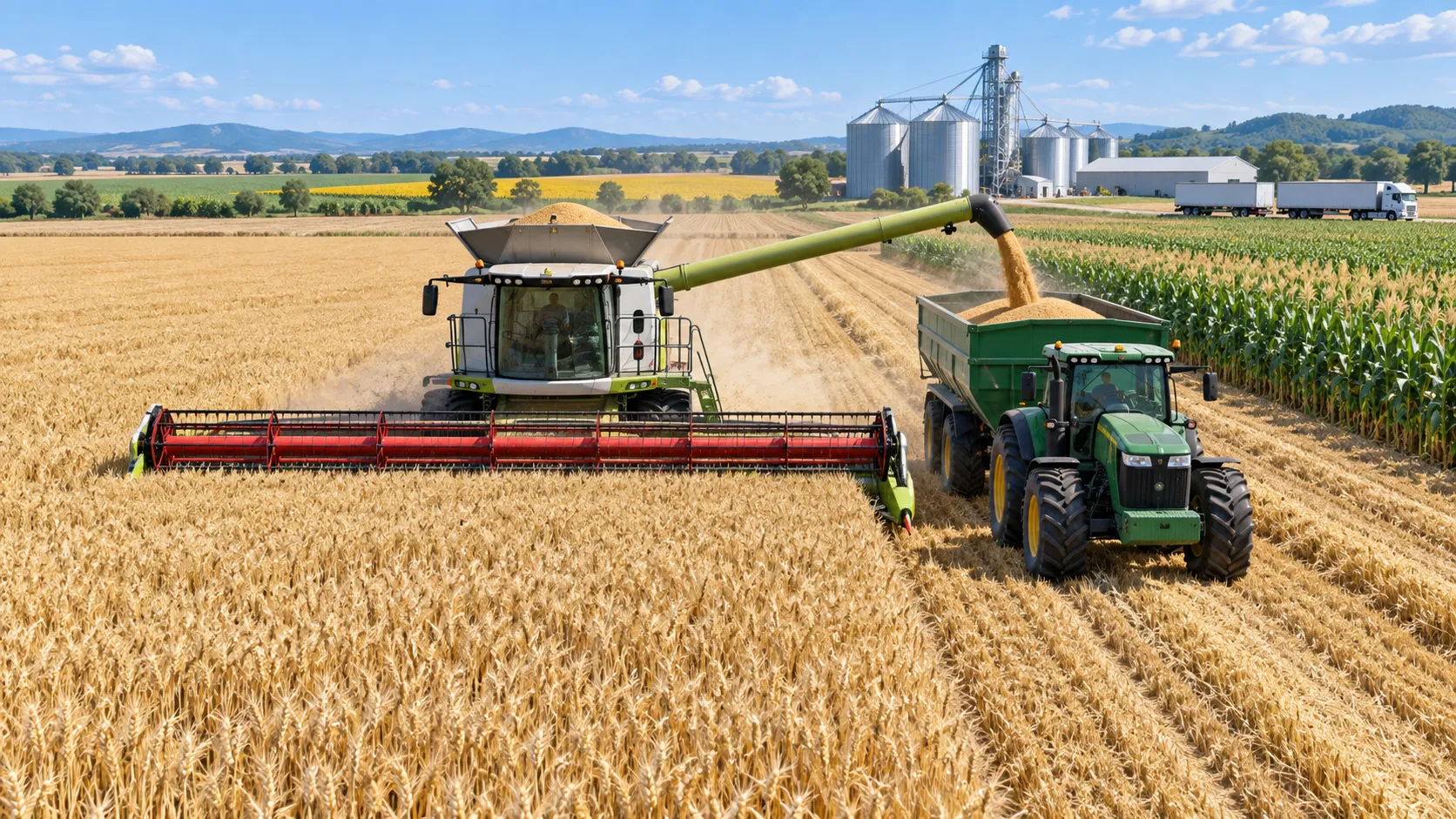
Selecting Grain Farm Equipment by Acreage, Crop Mix, and Harvest Window
Agricultural equipment selection for grain farming: match machinery to acreage, crop mix, and harvest windows to improve uptime, efficiency, and returns.
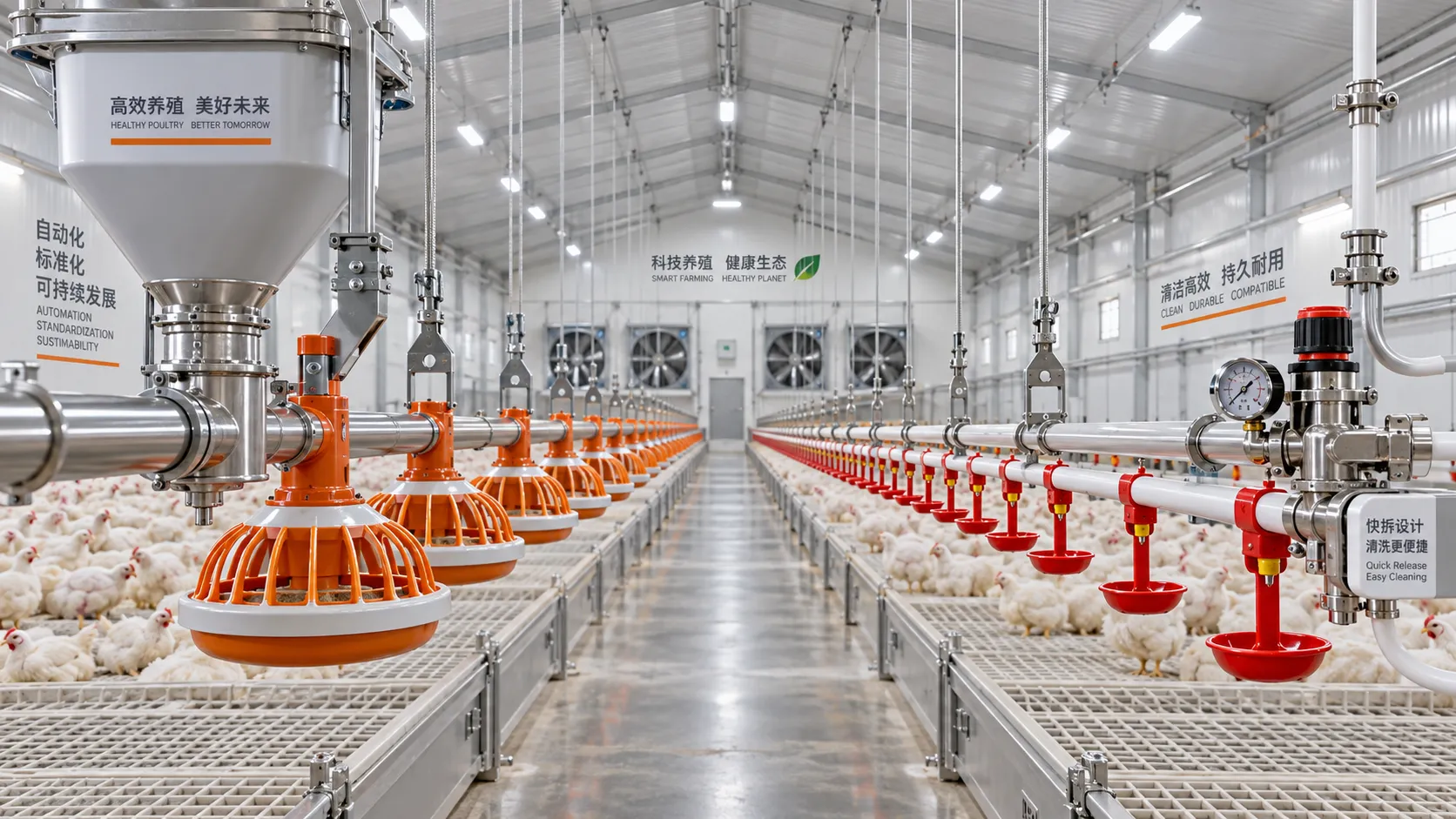
Poultry Equipment Selection: Evaluating Durability, Cleaning, and Compatibility
Poultry equipments selection guide: evaluate durability, cleaning access, and system compatibility to improve hygiene, reduce downtime, and support efficient flock management.
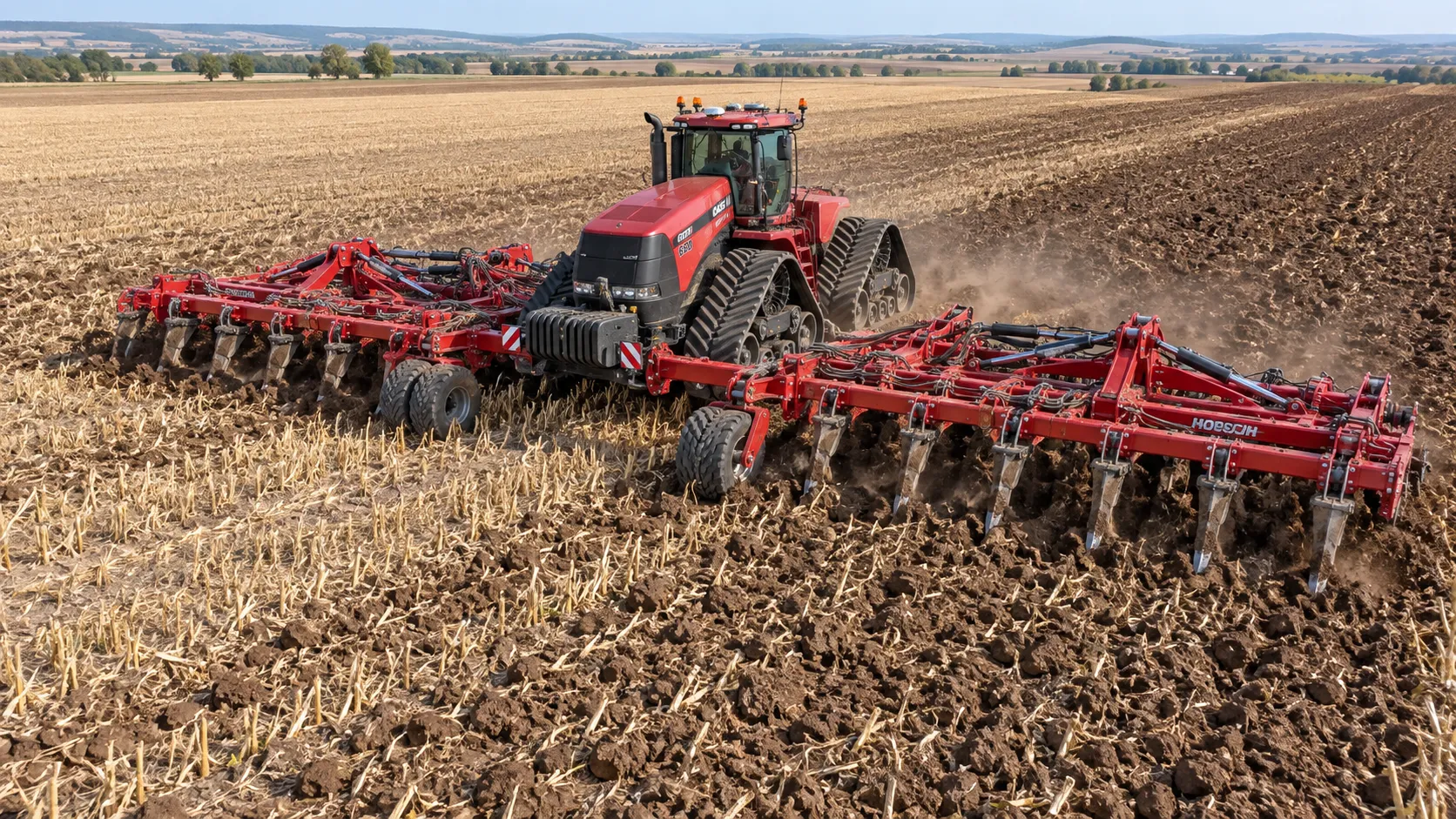
How to Select Heavy-Duty Farm Implements for High-Acreage, High-Horsepower Operations
Heavy duty farm implements: learn how to match draft, hydraulics, hitch capacity, frame strength, and field conditions for reliable high-acreage performance.
Related News
- 00
0000-00
Tractor Hydraulic Systems Troubleshooting: Diagnosing Weak Lift and Slow Implements - 00
0000-00
Which Implements Are Compatible With a 200 HP Tractor for Mixed Cropping? - 00
0000-00
How to Select Agricultural Hydraulic Systems for Sprayers by Flow, Pressure, and Boom Demand - 00
0000-00
Australia Tightens Carbon Rules for Hydraulic Lift System Imports - 00
0000-00
ANATEL Sets New Rules for Wireless Hydraulic Lift Systems
Popular Tags
Tractor Power Architect
Weekly Insights
Stay ahead with our curated technology reports delivered every Monday.