
What precision fertilization tools get wrong in wet soils
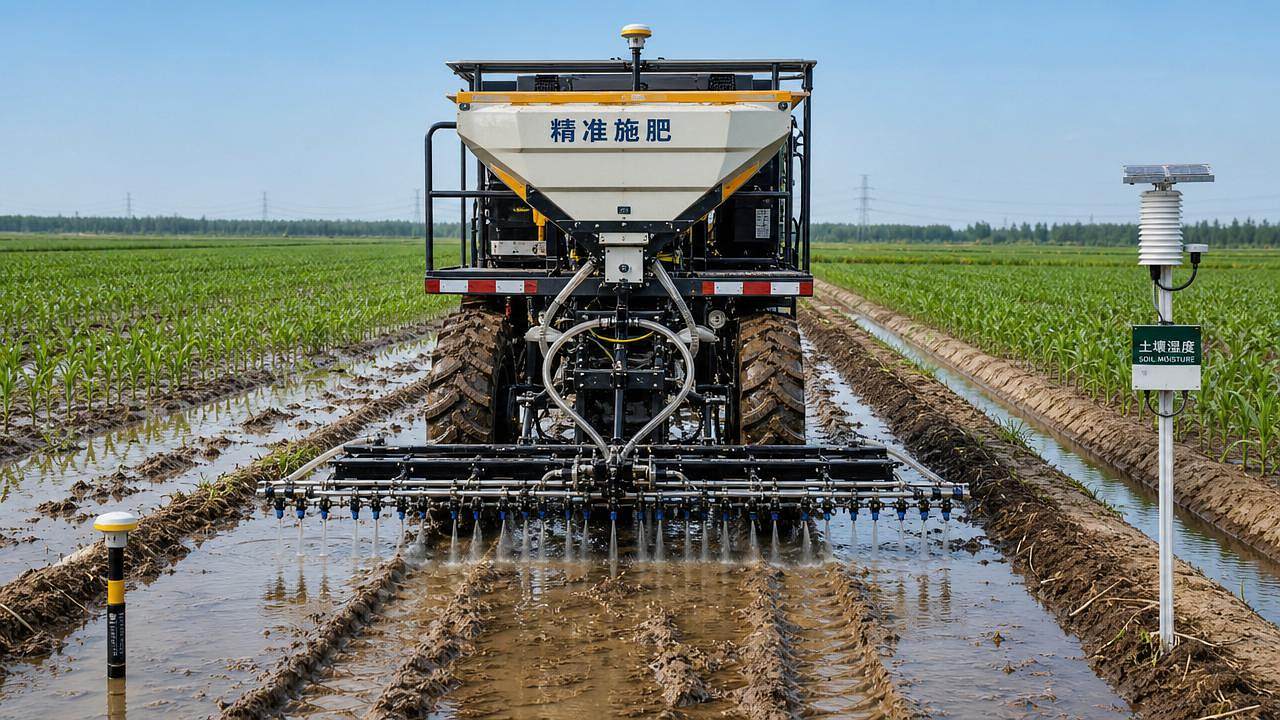




Precision fertilization tools promise efficiency, but in wet soils they often misread nutrient movement, trafficability, and root-zone variability. For quality control and safety management, these blind spots can trigger uneven application, equipment instability, and compliance exposure. This article explains what precision fertilization tools get wrong in saturated conditions, and how a checklist-based review can improve field decisions, reduce losses, and protect application accuracy.
Why wet soils expose the limits of precision fertilization tools
Many precision fertilization tools are calibrated for stable soil structure, predictable traction, and relatively uniform nutrient behavior. Wet soils break those assumptions quickly.
In saturated fields, nitrogen movement accelerates, wheel slip increases, sensor signals drift, and root uptake changes by the hour. A recommendation map can look exact while the field reality is unstable.
This matters across the broader agriculture technology chain. Large-scale machinery, tractor chassis, intelligent farm tools, and irrigation planning all interact with fertilizer placement outcomes.
Without a disciplined review, precision fertilization tools may deliver false confidence. The result is not just lower efficiency, but also rework, runoff risk, and avoidable machine stress.
Use this checklist before trusting fertilizer prescriptions in wet fields
The following checklist helps evaluate whether precision fertilization tools are reading the field correctly, or simply repeating dry-condition logic in the wrong environment.
- Verify soil moisture at multiple depths, not only the surface, because precision fertilization tools often miss subsurface saturation that changes nutrient mobility and root access.
- Check trafficability separately from nutrient status, since a field may support crop growth but still fail to support accurate machine movement and stable applicator control.
- Compare prescription maps with recent rainfall, drainage patterns, and ponding history, because wet soils redistribute fertilizer differently from static zone maps.
- Inspect GNSS guidance accuracy under slippery conditions, as wheel slip and drift can shift application bands even when the display shows acceptable pass-to-pass alignment.
- Review sensor calibration after rain events, because optical, electrical, and conductivity readings often change when residue, mud, and free water alter signal quality.
- Measure compaction risk before entry, since repeated passes in wet soils can seal the surface, distort root-zone data, and reduce the value of precision fertilization tools.
- Validate nutrient form against field conditions, because ammonium, nitrate, and stabilized blends react differently when oxygen levels drop and denitrification pressure rises.
- Confirm actual application rate at the toolbar, not only in software logs, because wet material flow, clogging, and pressure variation can silently change delivery volume.
- Review edge-of-field runoff pathways, since precision fertilization tools may optimize in-field rates while ignoring the transport routes that create environmental compliance problems.
- Adjust timing windows aggressively, because waiting twelve hours for partial drying can improve placement quality more than forcing high-tech application into unstable soil.
What precision fertilization tools get wrong most often
They assume variability is spatial, not temporal
Most precision fertilization tools are built around zones, grids, or management layers. In wet soils, however, nutrient availability changes faster than map layers can capture.
A low area may shift from responsive to loss-prone within one storm cycle. Static prescriptions cannot fully represent those rapid wet-dry transitions.
They confuse measurement with accessibility
A sensor may detect nitrogen potential, but roots in oxygen-starved soils may not access it efficiently. Measured nutrient presence does not equal plant uptake.
This is a common blind spot in precision fertilization tools, especially where waterlogging suppresses root respiration and changes biological conversion rates.
They underestimate machine dynamics
Wet fields challenge the entire application platform. Tractor chassis behavior, tire sinkage, hydraulic response, and implement bounce all affect placement accuracy.
Even advanced precision fertilization tools can fail if the machine cannot maintain depth, spacing, or speed in saturated lanes and turning zones.
They overtrust clean data streams
Wet residue, splash, and mud contamination degrade sensors quietly. The dashboard may look normal while signal quality has already degraded below useful thresholds.
That is why precision fertilization tools need physical verification in addition to digital diagnostics, especially after repeated rainfall or irrigation events.
How these errors appear in different operating scenarios
Broadcast application on large-scale cereal fields
In broadacre systems, wet soils create spread-pattern distortion through wheel tracks, inconsistent speed, and uneven spinner performance. Precision fertilization tools may still report target rates.
The hidden issue is distribution uniformity. A correct total rate can still become an incorrect field outcome when wet travel conditions alter overlap and throw distance.
Banding in row crops
Band placement depends on stable depth and row alignment. In wet soils, sidewall smearing and opener drag can move fertilizer away from the intended root zone.
Here, precision fertilization tools often miss the mechanical side of accuracy. Digital precision cannot correct poor physical placement after the pass is complete.
Variable-rate topdressing after irrigation or storms
Post-rain topdressing is where precision fertilization tools often look most attractive. Yet this is also where runoff, volatilization, and denitrification can erase planned efficiency.
Maps should be cross-checked with drainage status, crop stress signals, and short-term weather. Otherwise, variable-rate logic simply accelerates uneven results.
Commonly ignored risks that deserve closer attention
False confidence from historical layers
Historical yield and soil maps are useful, but wet soils can temporarily override them. Precision fertilization tools should not treat old spatial patterns as current truth.
Compliance exposure near drainage exits
Application precision inside the field means little if nutrients leave through tile inlets, ditches, or compacted wheel tracks. Loss pathways require equal attention.
Operator response delay during unstable conditions
Wet-field changes happen fast. If a system cannot prompt timely rate reduction, pause decisions, or route adjustments, precision fertilization tools become reactive instead of preventive.
Overlooking interaction with irrigation scheduling
In irrigated systems, poor coordination between fertigation timing and soil saturation magnifies movement errors. Fertilizer logic must align with water application strategy.
Practical steps to improve decision quality in wet soils
- Build a wet-soil verification routine using probe checks, infiltration observations, and machine access scoring before loading any prescription into the controller.
- Separate agronomic accuracy from operational feasibility, and stop treating rate algorithms as proof that the field is ready for entry.
- Use short-interval weather updates and drainage intelligence to refresh recommendations, especially for nitrogen applications within forty-eight hours of major rain.
- Audit actual placement with field strips, catch tests, or post-pass excavation, depending on whether the system broadcasts, bands, or fertigates nutrients.
- Document wheel slip, sinkage, blocked outlets, and runoff signs as quality records, because these factors explain many failures blamed on agronomy alone.
- Set hold thresholds for saturation, rut depth, or ponding so that precision fertilization tools support a no-go decision when conditions exceed control limits.
Conclusion: use precision fertilization tools with field reality, not against it
Precision fertilization tools are valuable, but wet soils reveal where digital precision can outrun physical reality. Saturation changes nutrient behavior, machine stability, and application integrity at the same time.
The strongest approach is not abandoning precision fertilization tools. It is placing them inside a stricter evaluation process that includes moisture depth, traction, runoff pathways, and placement checks.
When wet-field decisions are reviewed through a practical checklist, fertilizer strategy becomes more reliable, more defensible, and better aligned with modern Agriculture 4.0 performance goals. The next step is simple: test every prescription against actual wet-soil behavior before committing the machine to the field.
Related News
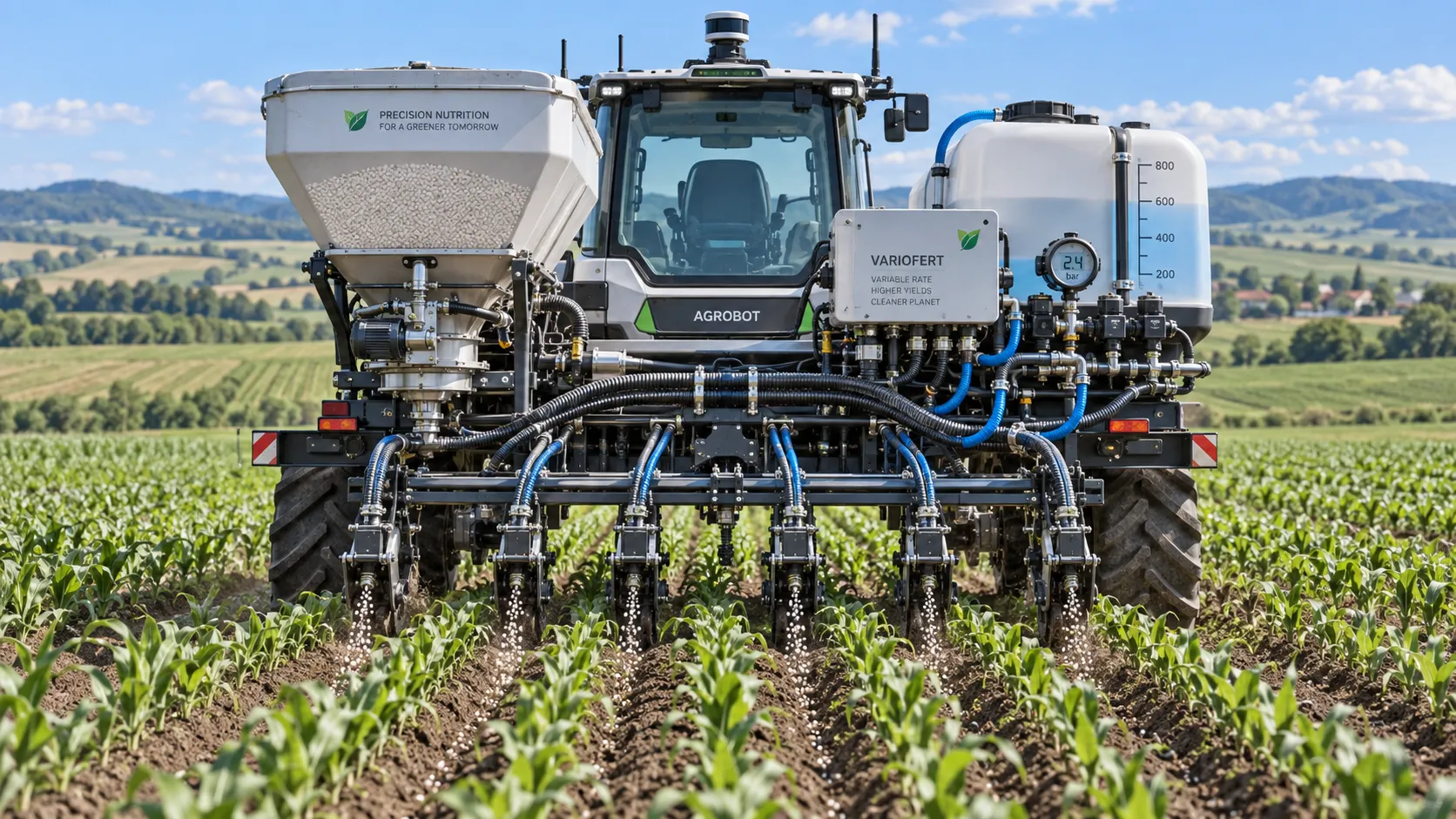
How Sensor Feedback Enables Accurate Variable-Rate Fertilization in Field Conditions
Precision fertilization systems with sensor feedback improve variable-rate accuracy by verifying flow, managing latency, and ensuring reliable field application.
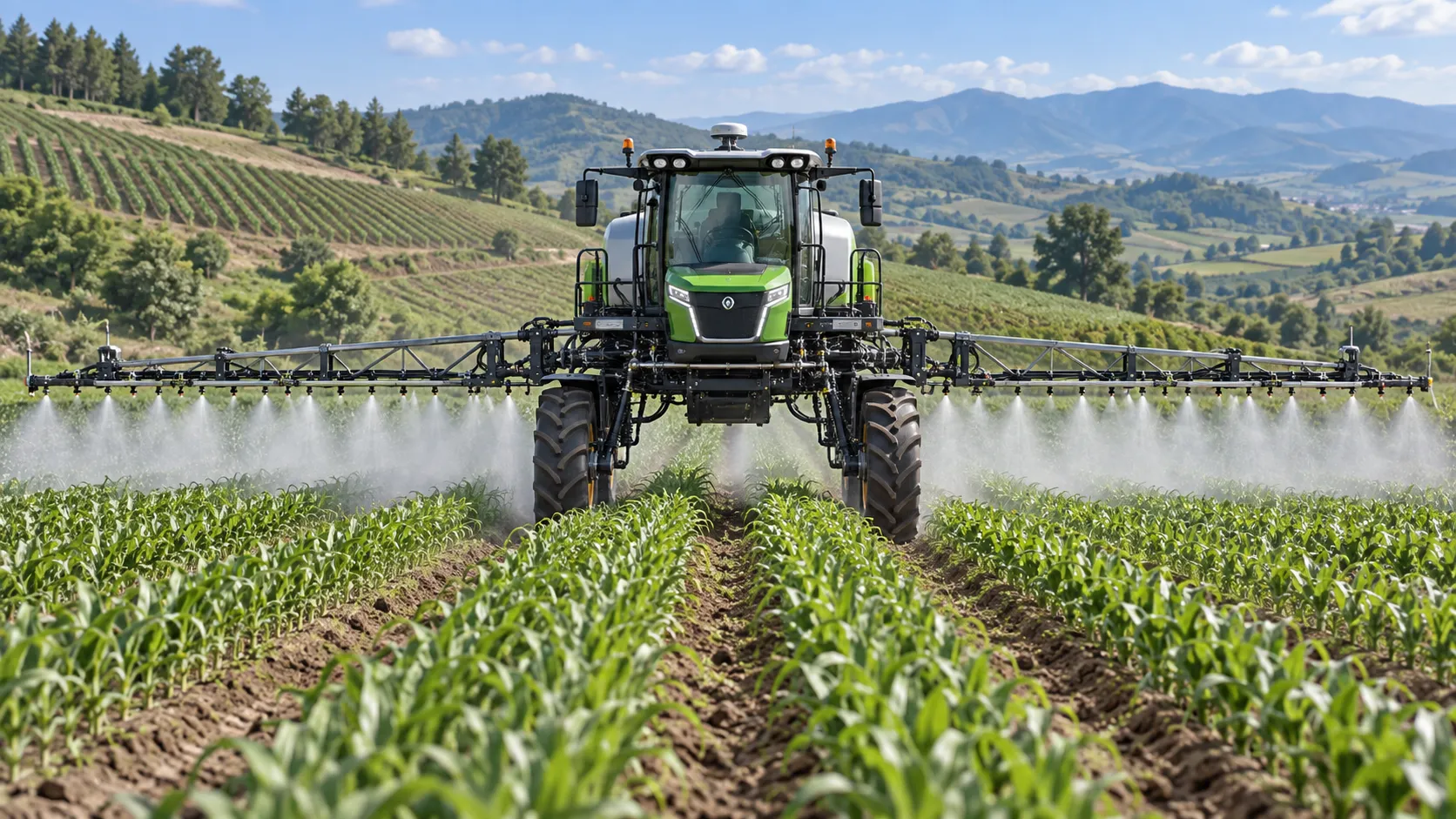
How to Select Precision Crop Protection Equipment for Variable Field Conditions
Precision crop protection equipment selection made simple: compare terrain, canopy, weather, control accuracy, and data workflows for reliable applications.
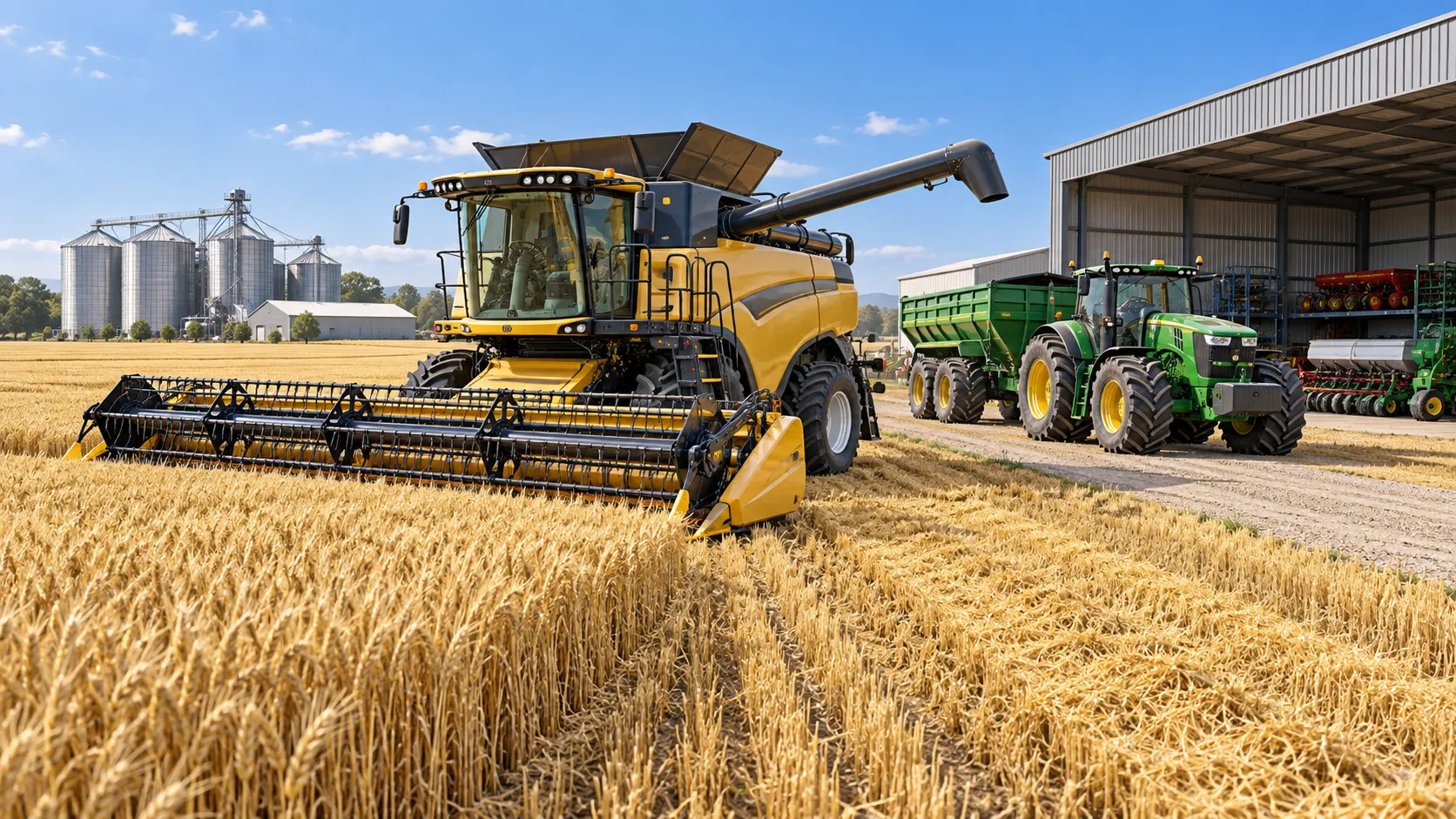
When Does Agricultural Machinery Leasing Cost Less Than Owning Equipment?
Agricultural machinery leasing can lower farm costs when use is seasonal or uncertain. Compare utilization, maintenance, cash flow, and risk to make a smarter equipment decision.
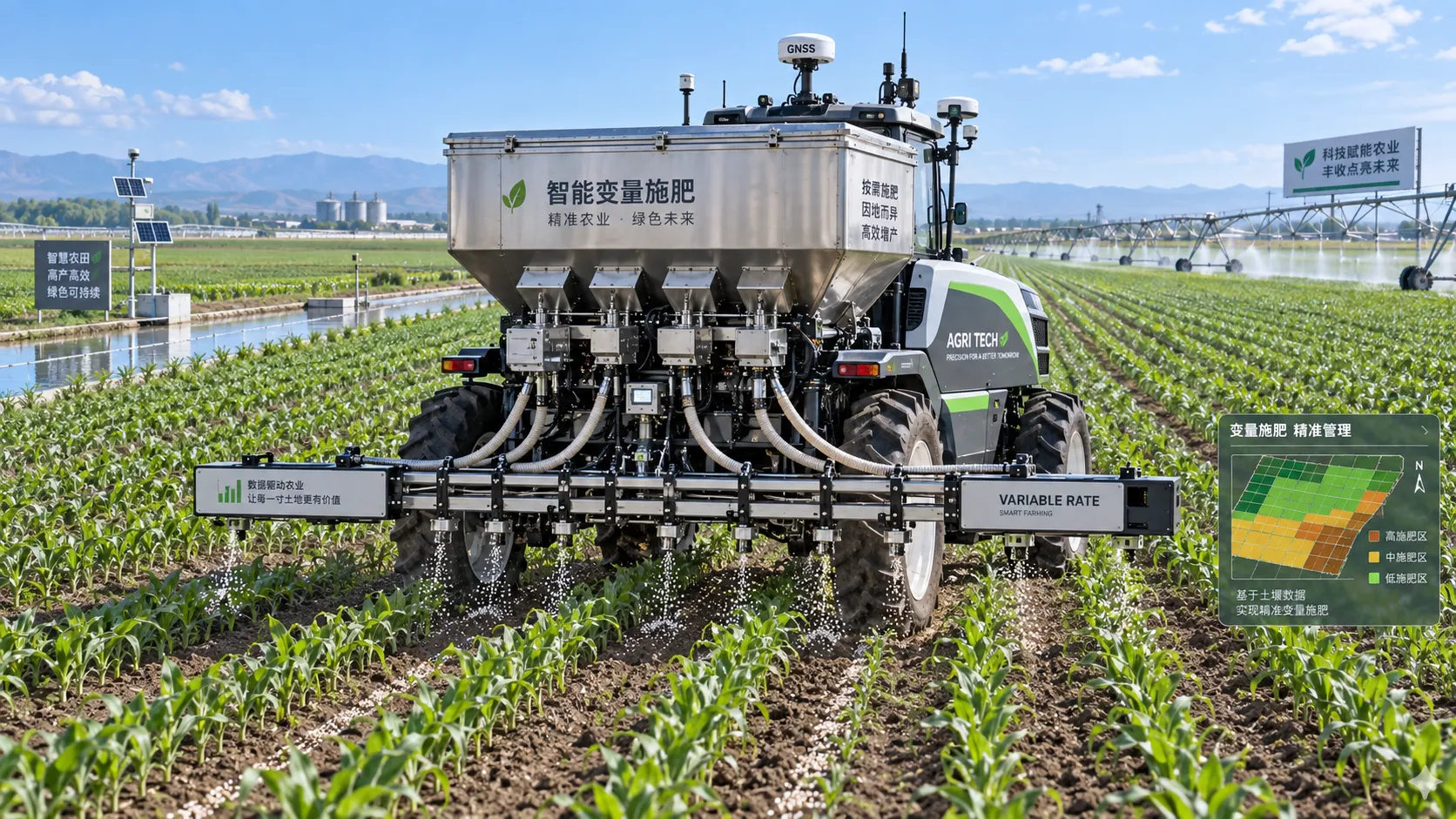
How to Evaluate Precision Fertilization System Suppliers for Farm-Scale Deployment
Precision fertilization systems suppliers: learn how to compare accuracy, integration, uptime, service, and total cost for confident farm-scale deployment.
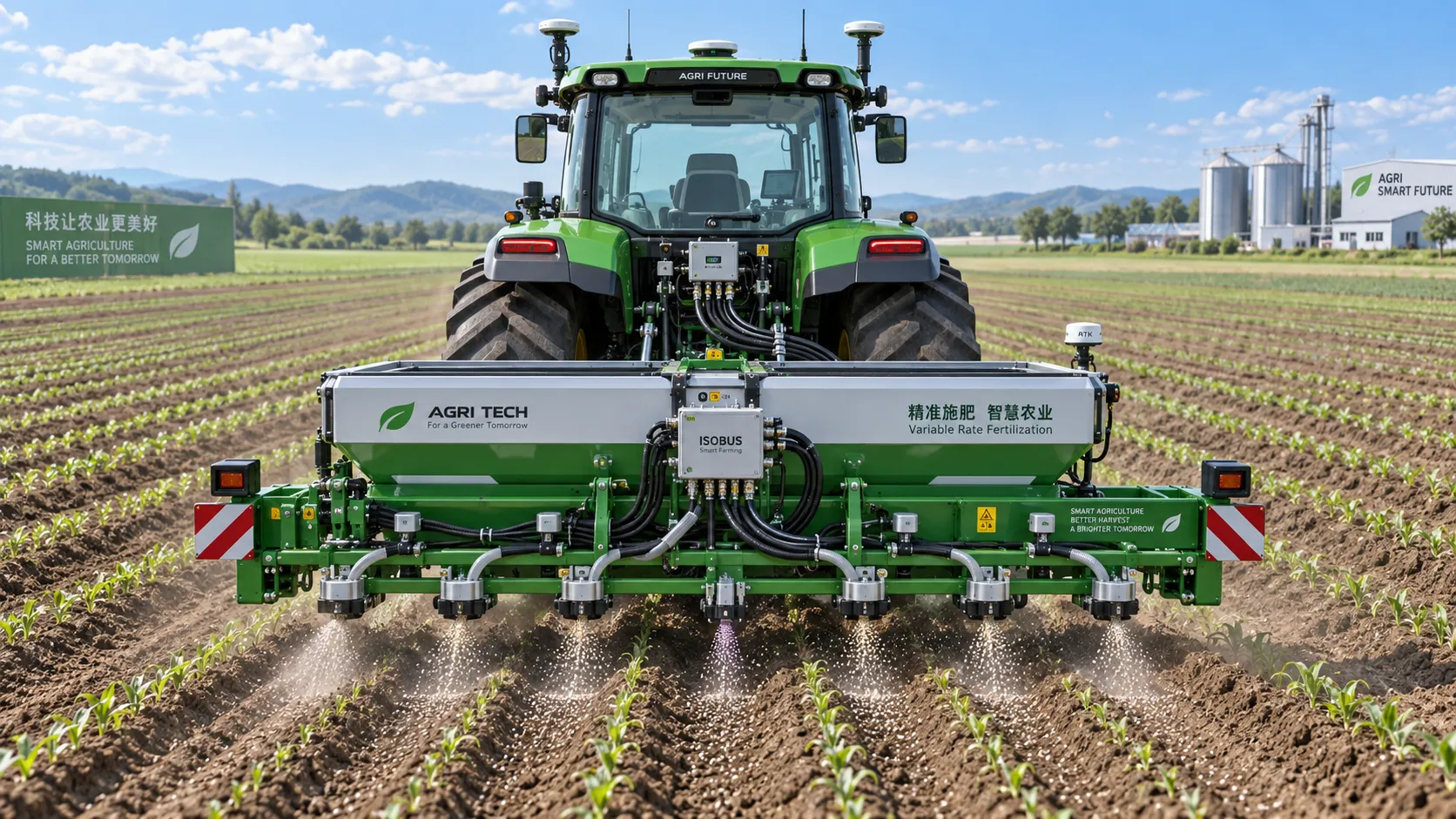
ISOBUS for Smart Agriculture: How It Connects Tractors, Implements, and Farm Data
ISOBUS for smart agriculture connects tractors, implements, terminals, and farm data—helping growers improve precision, documentation, and smarter field decisions.
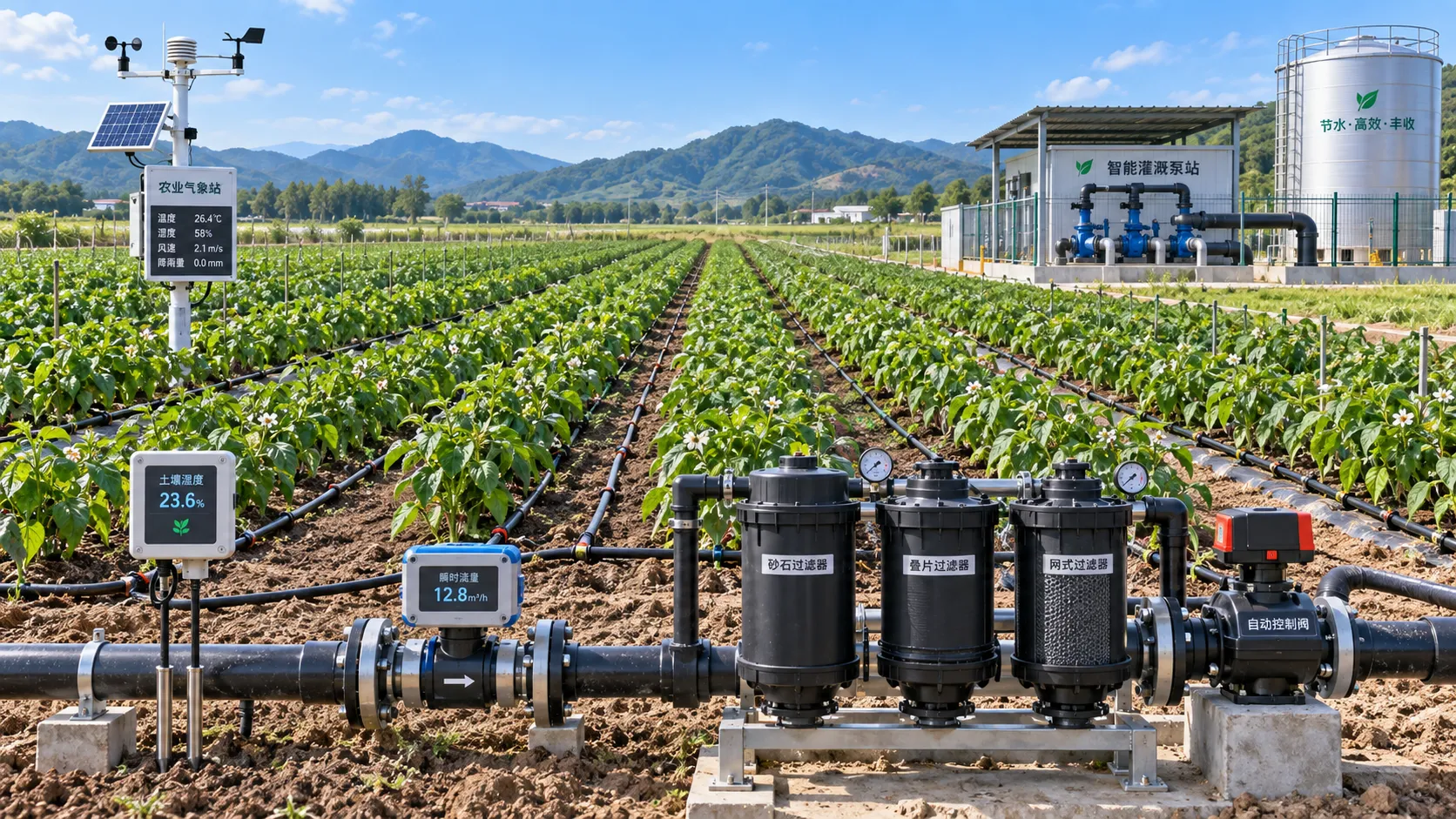
Automated Water-Saving Irrigation: How to Cut Water Use Without Reducing Crop Yields
Automated water-saving irrigation helps farms cut water use, protect crop yields, improve scheduling, and gain reliable control with sensors, flow monitoring, and smart zones.
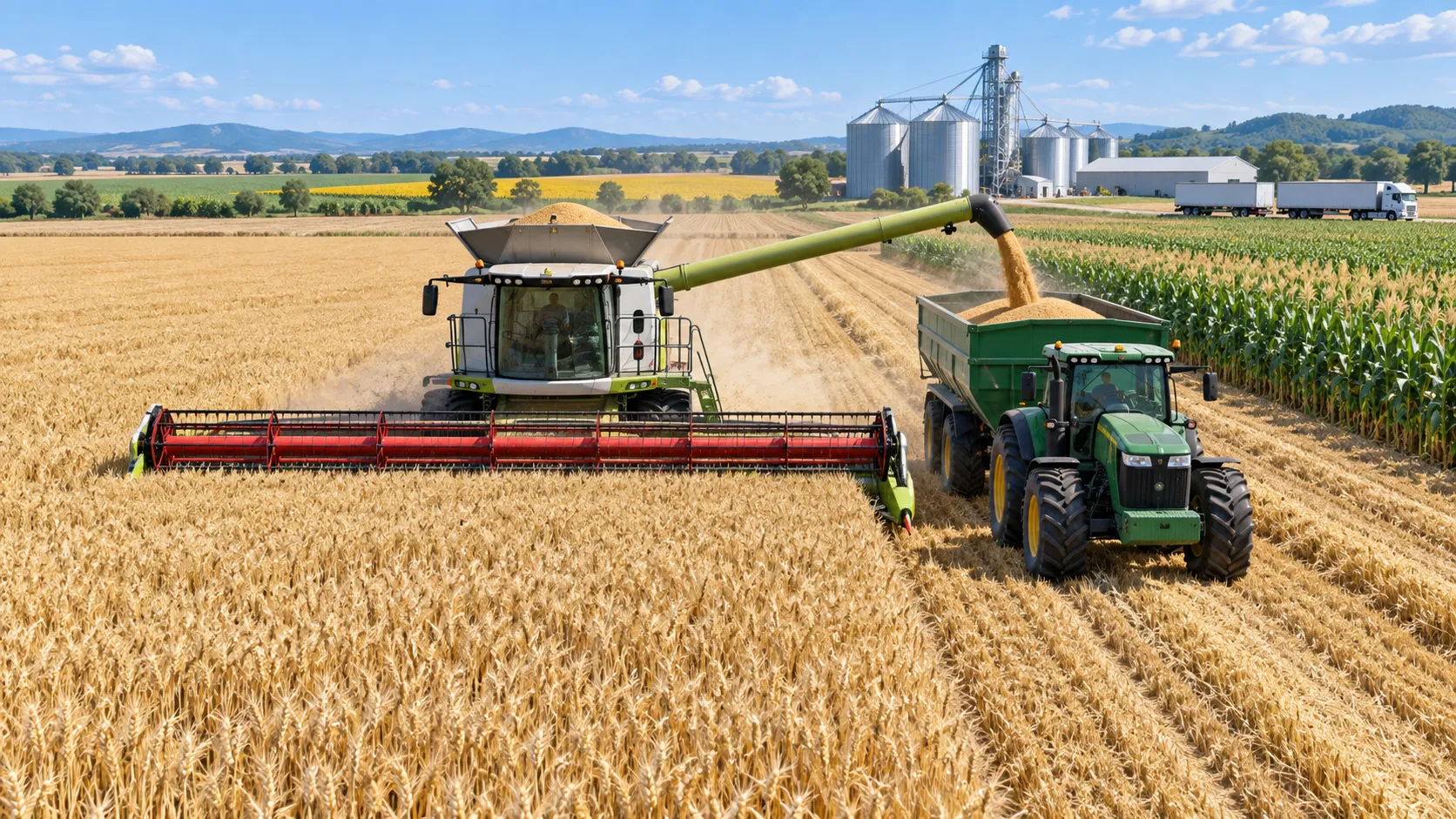
Selecting Grain Farm Equipment by Acreage, Crop Mix, and Harvest Window
Agricultural equipment selection for grain farming: match machinery to acreage, crop mix, and harvest windows to improve uptime, efficiency, and returns.
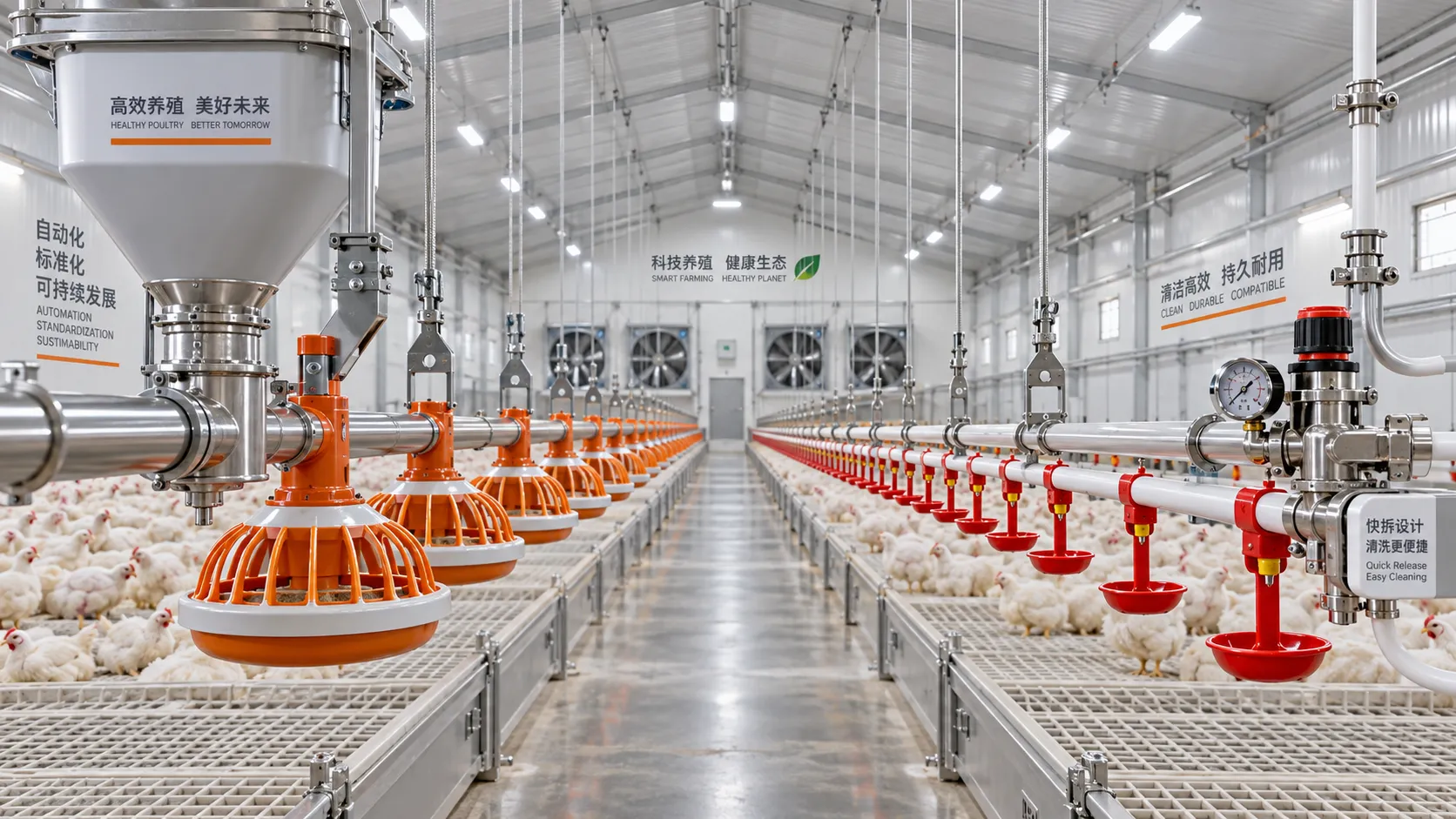
Poultry Equipment Selection: Evaluating Durability, Cleaning, and Compatibility
Poultry equipments selection guide: evaluate durability, cleaning access, and system compatibility to improve hygiene, reduce downtime, and support efficient flock management.
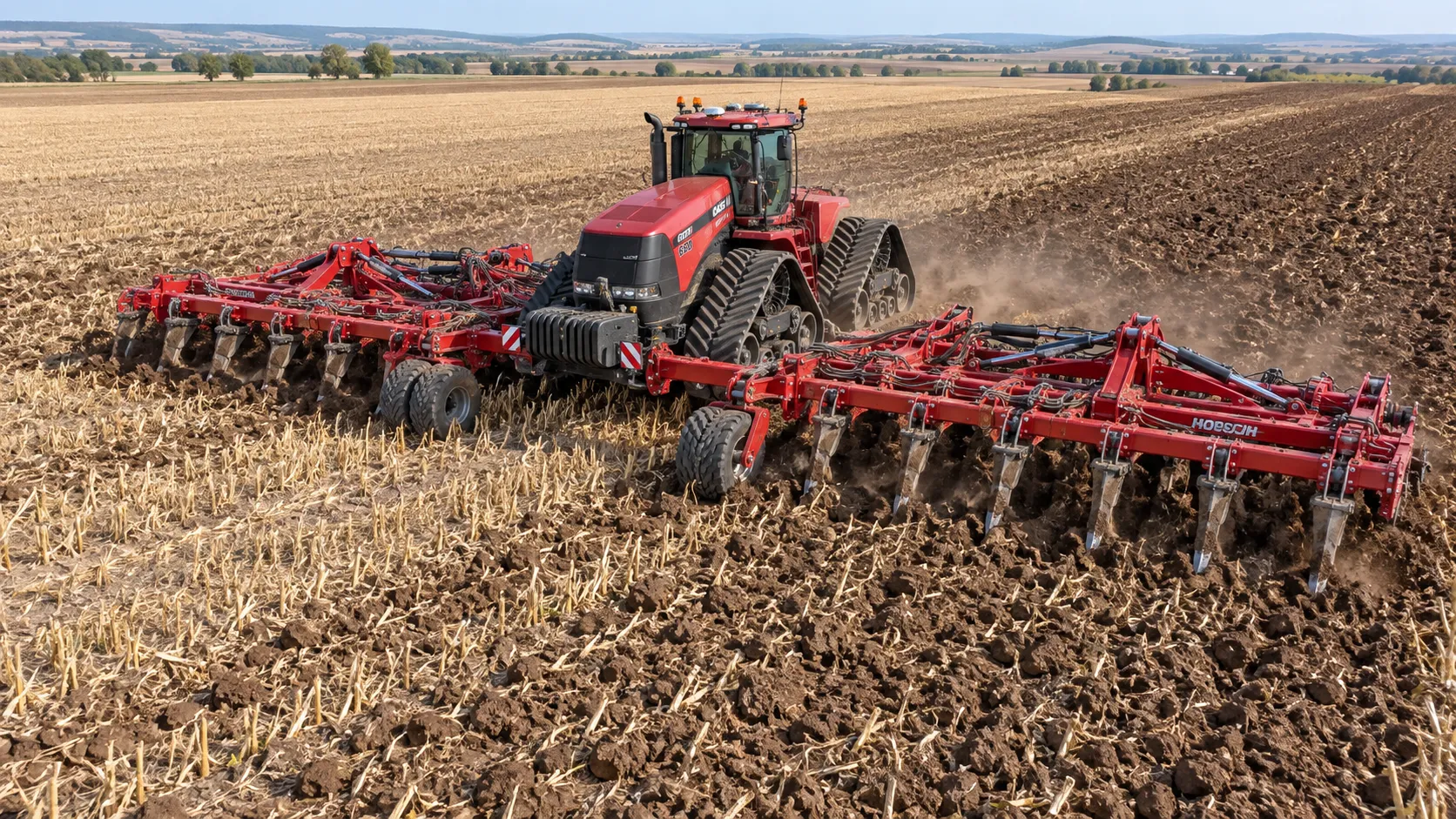
How to Select Heavy-Duty Farm Implements for High-Acreage, High-Horsepower Operations
Heavy duty farm implements: learn how to match draft, hydraulics, hitch capacity, frame strength, and field conditions for reliable high-acreage performance.
Related News
- 00
0000-00
How Sensor Feedback Enables Accurate Variable-Rate Fertilization in Field Conditions - 00
0000-00
How to Select Precision Crop Protection Equipment for Variable Field Conditions - 00
0000-00
How to Evaluate Precision Fertilization System Suppliers for Farm-Scale Deployment - 00
0000-00
How to Select a Precision Fertilization System for Variable Corn Field Conditions - 00
0000-00
When does equipment for sustainable farming justify a higher capital spend?
Popular Tags
Tractor Power Architect
Weekly Insights
Stay ahead with our curated technology reports delivered every Monday.