
China's Q1 2026 Software Exports Up 12.7%; Cloud-Native Agri-SaaS Gains Global Validation




China’s software exports rose 12.7% year-on-year to USD 15.6 billion in Q1 2026, with cloud-native agricultural management SaaS platforms — featuring variable-rate fertilization prescription generation, irrigation scheduling engines, and farm machinery coordination systems — posting 23.4% export growth. Released by the Ministry of Industry and Information Technology (MIIT) on May 6, 2026, this data signals early international operational validation for China’s precision agriculture SaaS offerings, particularly across Southeast Asia and the Middle East. Stakeholders in agri-tech software development, cross-border SaaS delivery, and agricultural digital infrastructure should treat this as a concrete indicator of evolving global demand patterns and delivery maturity.
Event Overview
On May 6, 2026, the Ministry of Industry and Information Technology (MIIT) reported that China’s software business exports totaled USD 15.6 billion in Q1 2026, up 12.7% year-on-year. Exports of cloud-native agricultural management platforms — specifically those integrating variable-rate fertilization prescription generation, irrigation scheduling engines, and farm machinery operation coordination systems — grew by 23.4% year-on-year. MIIT noted these solutions have undergone real-world deployment and stability verification with clients in multiple Southeast Asian and Middle Eastern countries.
Which Subsectors Are Affected
Agri-Tech SaaS Developers & Platform Providers
These firms face heightened expectations around international compliance, multilingual UX, localized agronomic logic (e.g., crop-specific irrigation rules), and uptime SLAs. The 23.4% growth reflects not just sales volume but demonstrated field reliability — meaning technical debt, regional certification readiness (e.g., GCC conformity, ASEAN digital interoperability frameworks), and post-deployment support capacity are now material differentiators.
Global Agricultural Input Suppliers (Fertilizer, Irrigation Equipment, Machinery)
Suppliers integrating with or embedding these SaaS platforms — such as fertilizer blenders using prescription APIs or irrigation controller OEMs adopting scheduling engines — may see increased co-sell opportunities and integration requirements. The validation implies downstream partners increasingly expect API-first, cloud-native connectivity rather than standalone hardware or on-premise software.
Cross-Border IT Services & Localization Providers
Firms supporting international SaaS rollout — including cloud infrastructure localization (e.g., multi-region Kubernetes clusters), regulatory documentation translation, and agronomic domain adaptation — face rising demand for vertical-specific expertise. The focus on Southeast Asia and the Middle East suggests urgency in mastering local water rights policies, soil classification standards, and subsidy program interfaces.
Agricultural Digital Infrastructure Integrators
System integrators delivering end-to-end farm digitalization (e.g., combining IoT sensors, satellite imagery, and SaaS analytics) must now prioritize interoperability with validated cloud-native agri-platforms. The MIIT data indicates such platforms are becoming anchor components in foreign deployments — shifting integration architecture from ‘best-effort’ to ‘production-grade’ compatibility.
What Relevant Enterprises or Practitioners Should Focus On
Monitor official follow-up guidance from MIIT and MOFCOM on export facilitation for vertical SaaS
While the Q1 data is factual, no formal policy instruments (e.g., export credit lines, certification fast-tracks) have been announced. Enterprises should track whether MIIT or the Ministry of Commerce issues targeted support measures for agricultural SaaS — distinct from generic software export incentives.
Track deployment patterns in priority markets: ASEAN and Middle East
The report specifies validation occurred in Southeast Asia and the Middle East — not broader emerging markets. Firms should analyze which countries within those regions showed strongest uptake (e.g., Thailand for irrigation scheduling, Saudi Arabia for variable-rate input optimization), and assess local regulatory thresholds for data residency, agronomic model validation, and service-level enforcement.
Distinguish between policy signal and commercial execution
The 23.4% growth reflects actual export revenue, not pipeline or MoU activity. This means enterprises should benchmark their own international delivery KPIs — e.g., mean time to first production deployment, client-reported uptime over 90-day cycles, or localization completeness scores — against industry-level validation implied by the data.
Prepare for scalability pressure in core platform components
Real-world deployment validation across multiple countries suggests growing reliance on shared infrastructure layers (e.g., multi-tenant irrigation scheduling engine). Teams should audit scalability of critical modules — especially those handling real-time sensor ingestion, prescription batch generation, and cross-device orchestration — ahead of anticipated demand spikes.
Editorial Perspective / Industry Observation
Observably, this data point functions less as a standalone milestone and more as an early inflection marker: it confirms that Chinese-developed cloud-native agri-SaaS has crossed from pilot-phase adoption into sustained, production-grade use abroad. Analysis shows the 23.4% growth rate outpaces overall software exports by over 10 percentage points — suggesting sector-specific momentum rooted in functional differentiation, not general trade tailwinds. From an industry perspective, this is best understood not as proof of market saturation, but as evidence that delivery capability — not just feature parity — is now a decisive competitive factor. Continued observation is warranted on whether subsequent quarterly reports show consistent growth, geographic diversification beyond the initial two regions, or shifts toward higher-value services (e.g., advisory-as-a-service layered atop prescription engines).
This MIIT release represents a tangible, data-backed signal of maturing export readiness in a high-impact vertical segment. It does not indicate broad-based transformation across China’s software export landscape, nor does it imply automatic scalability for all agri-SaaS providers. Rather, it highlights that specific technical capabilities — particularly those enabling reliable, localized, real-world farm operations — are now achieving measurable international traction. Current interpretation should emphasize operational validation over strategic dominance; it reflects progress in execution, not completion of market entry.
Information Source: Ministry of Industry and Information Technology (MIIT), People’s Republic of China — Official Q1 2026 Software Business Export Data Release, issued May 6, 2026. Note: Market-level deployment details (e.g., exact countries, client names, uptime metrics) remain unconfirmed and are subject to future official disclosure or third-party verification.
Related News
When Does Agricultural Machinery Leasing Cost Less Than Owning Equipment?
Agricultural machinery leasing can lower farm costs when use is seasonal or uncertain. Compare utilization, maintenance, cash flow, and risk to make a smarter equipment decision.
How to Evaluate Precision Fertilization System Suppliers for Farm-Scale Deployment
Precision fertilization systems suppliers: learn how to compare accuracy, integration, uptime, service, and total cost for confident farm-scale deployment.
ISOBUS for Smart Agriculture: How It Connects Tractors, Implements, and Farm Data
ISOBUS for smart agriculture connects tractors, implements, terminals, and farm data—helping growers improve precision, documentation, and smarter field decisions.
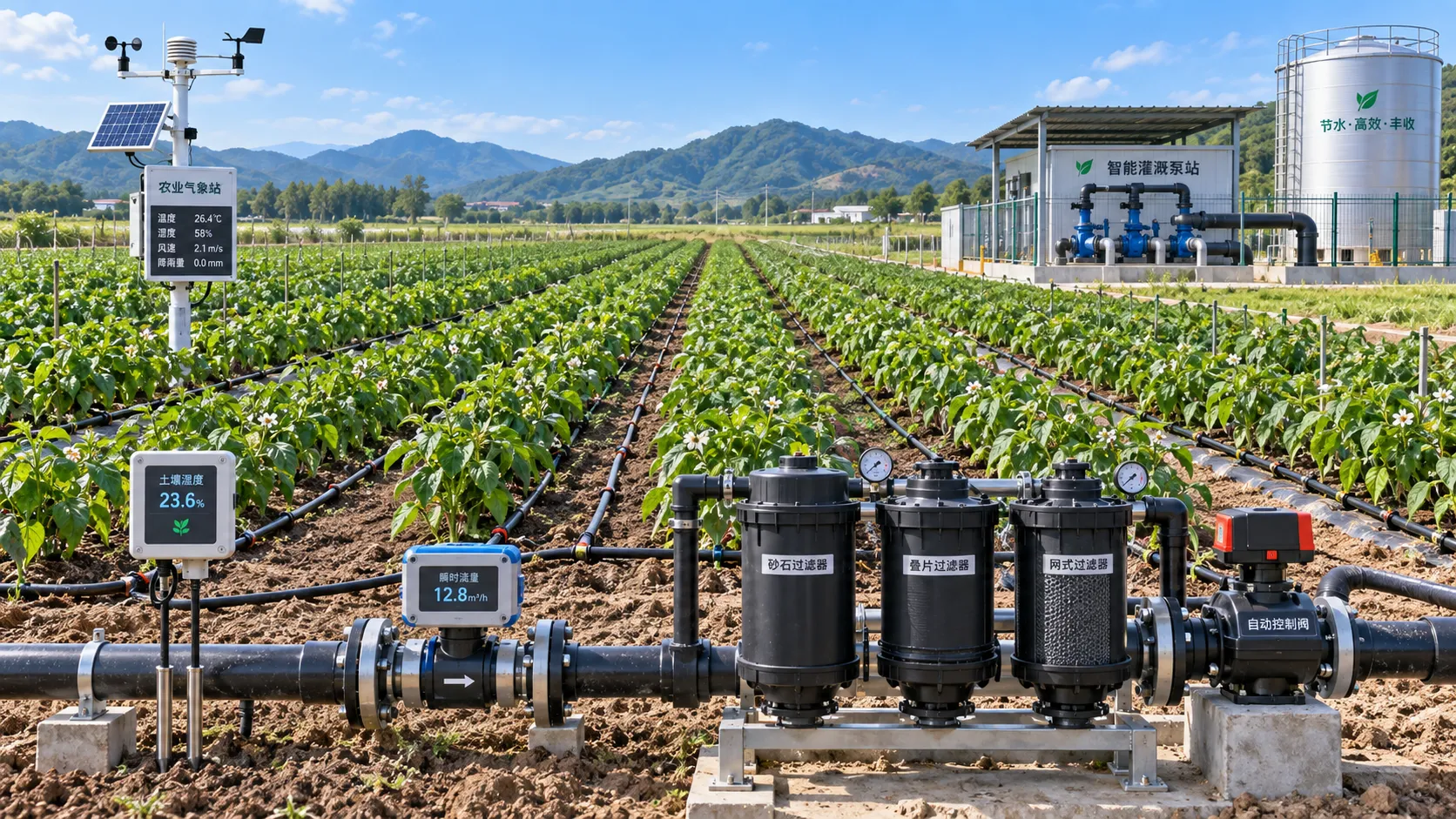
Automated Water-Saving Irrigation: How to Cut Water Use Without Reducing Crop Yields
Automated water-saving irrigation helps farms cut water use, protect crop yields, improve scheduling, and gain reliable control with sensors, flow monitoring, and smart zones.
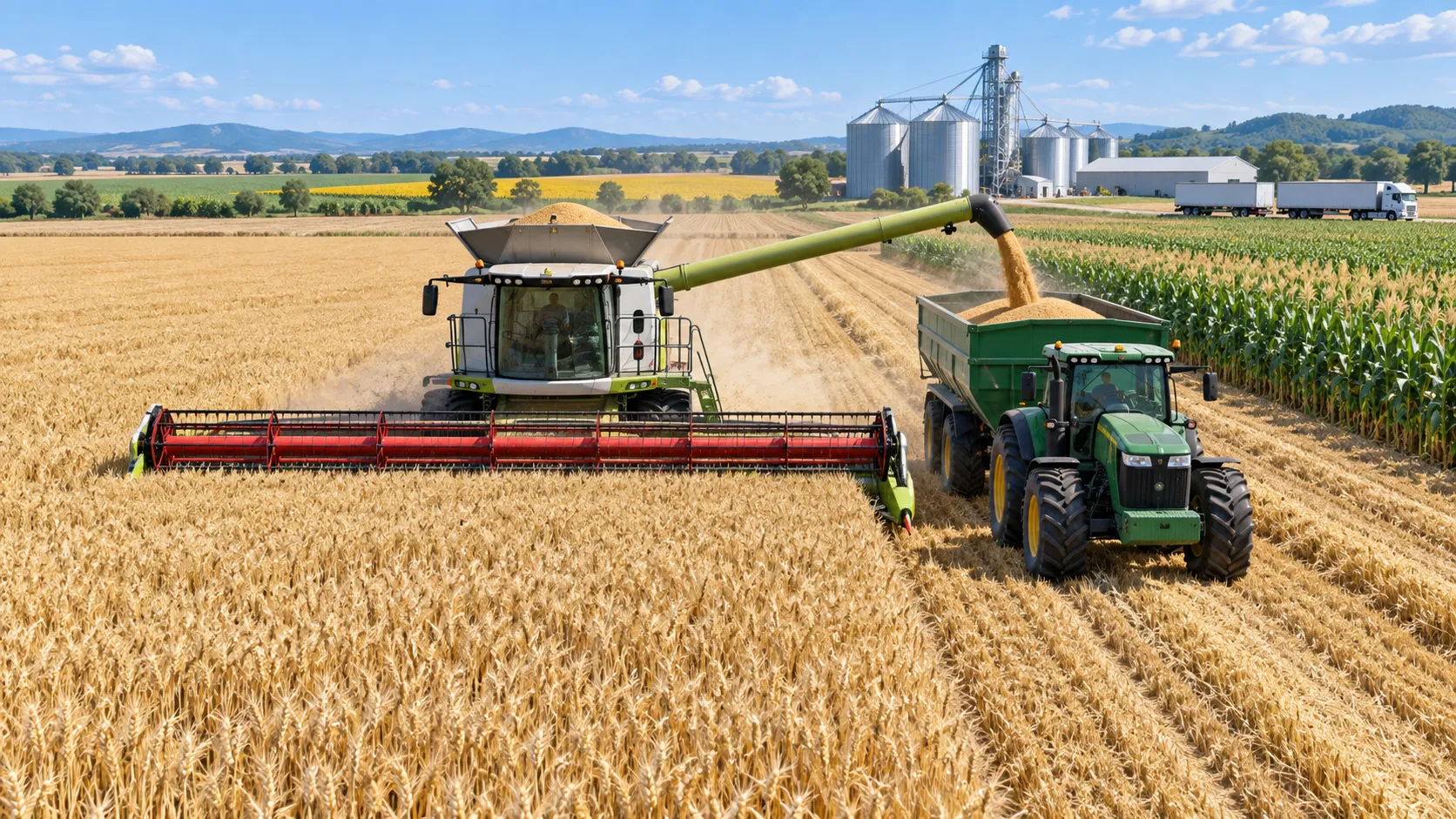
Selecting Grain Farm Equipment by Acreage, Crop Mix, and Harvest Window
Agricultural equipment selection for grain farming: match machinery to acreage, crop mix, and harvest windows to improve uptime, efficiency, and returns.
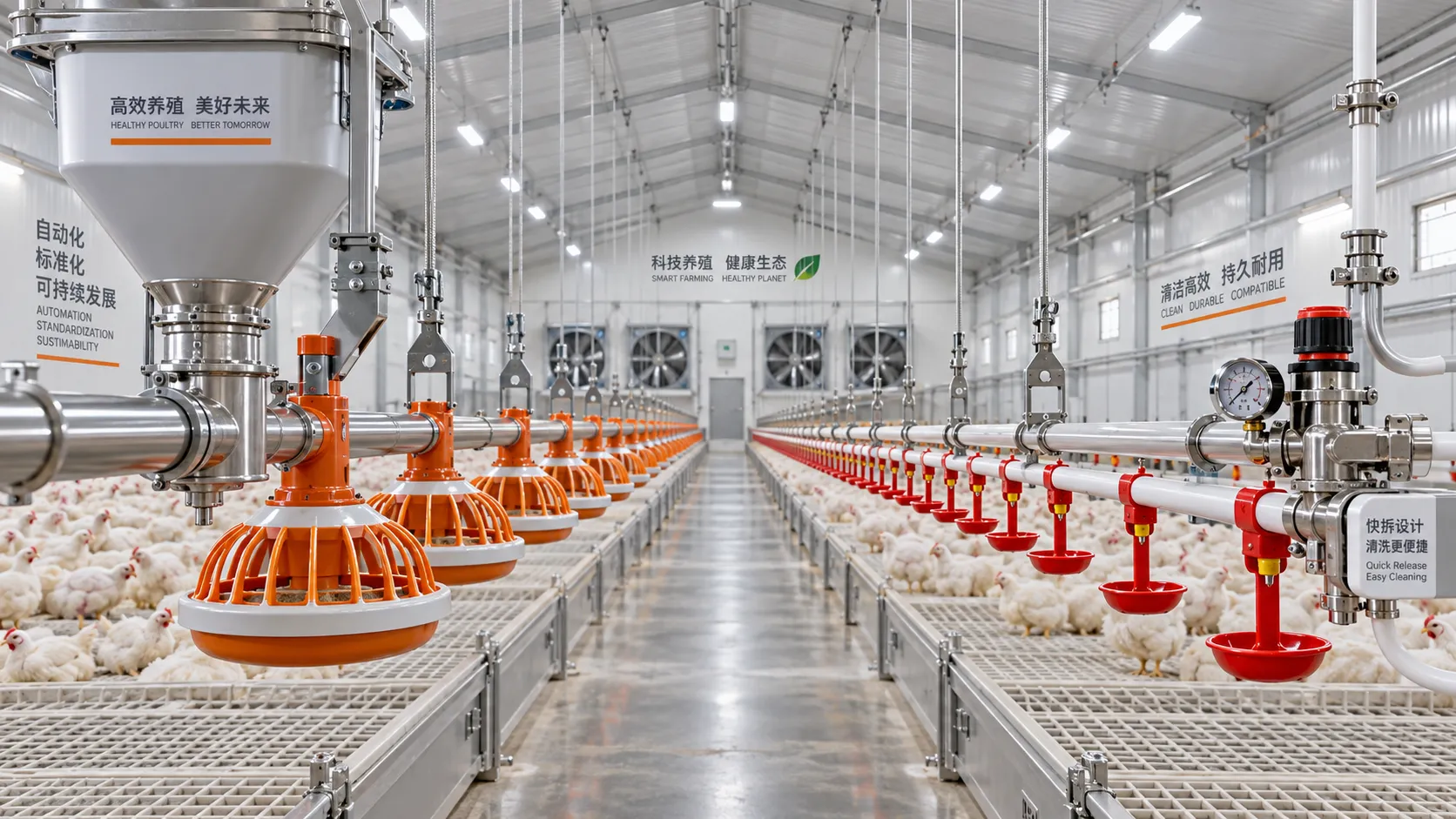
Poultry Equipment Selection: Evaluating Durability, Cleaning, and Compatibility
Poultry equipments selection guide: evaluate durability, cleaning access, and system compatibility to improve hygiene, reduce downtime, and support efficient flock management.
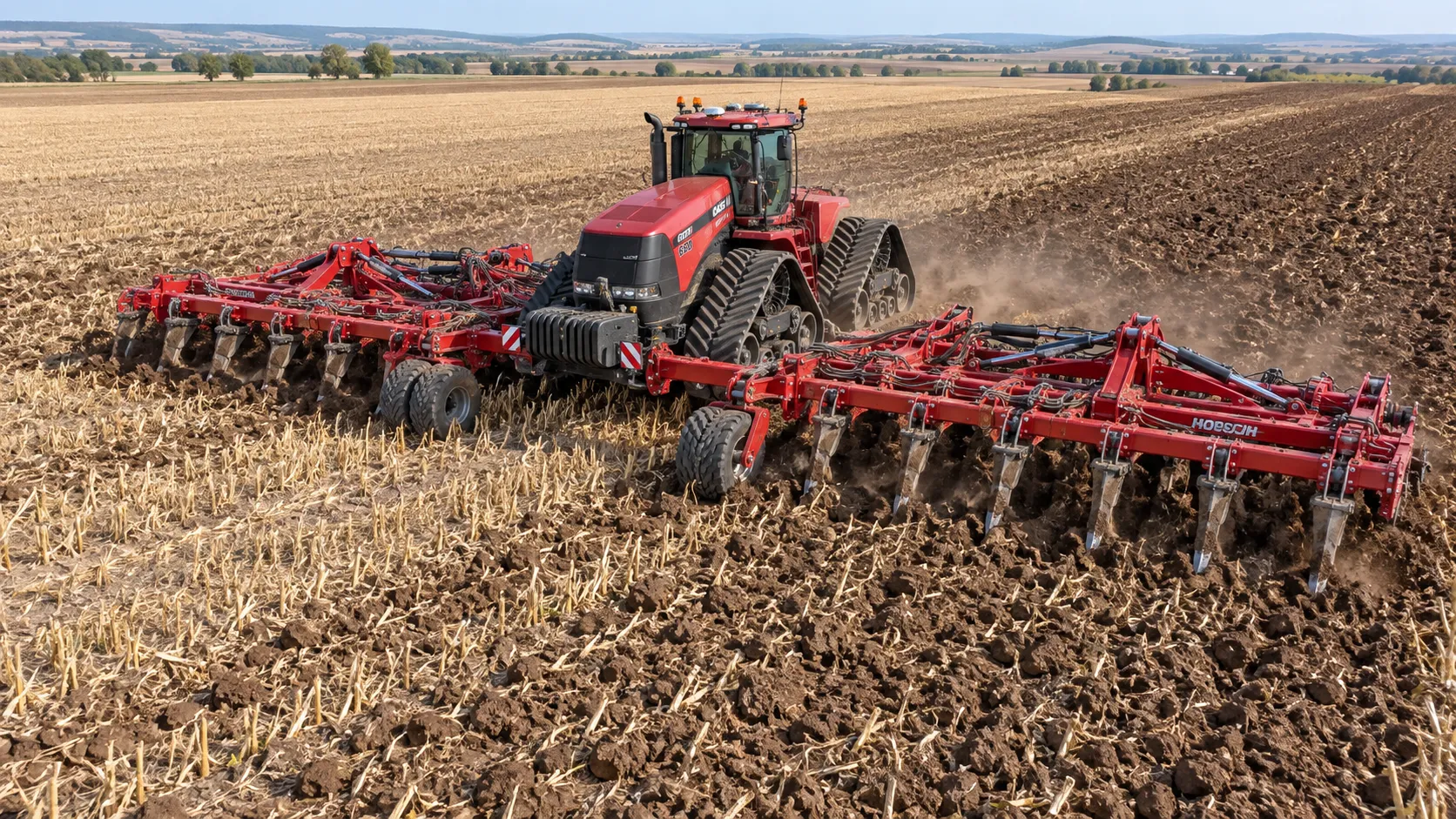
How to Select Heavy-Duty Farm Implements for High-Acreage, High-Horsepower Operations
Heavy duty farm implements: learn how to match draft, hydraulics, hitch capacity, frame strength, and field conditions for reliable high-acreage performance.
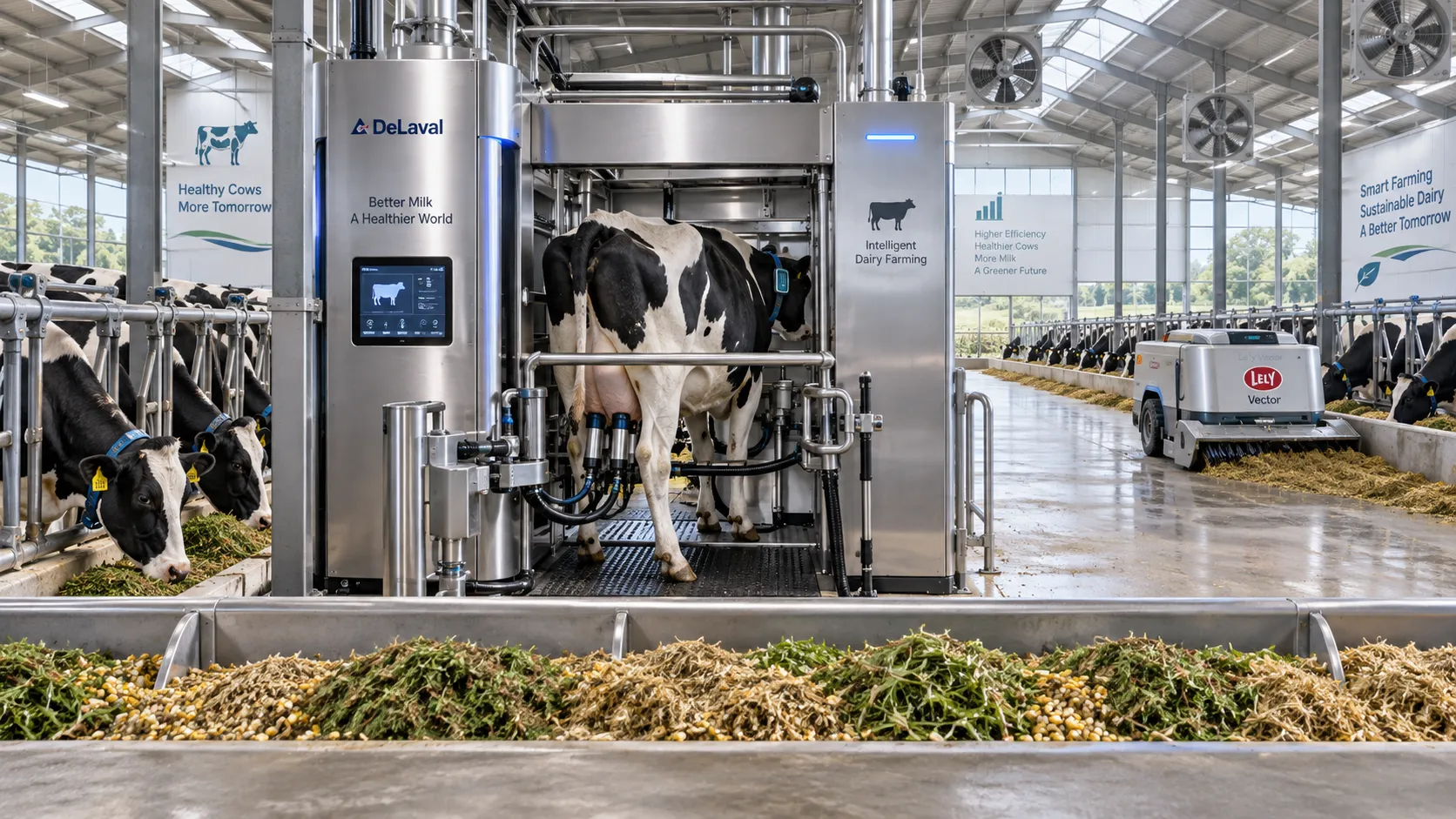
Smart Farming Technology for Dairy Farms: Where Automation Delivers Measurable ROI
Smart farming technology for dairy farms delivers measurable ROI through automation, precision feeding, health monitoring, and data-driven cost control.
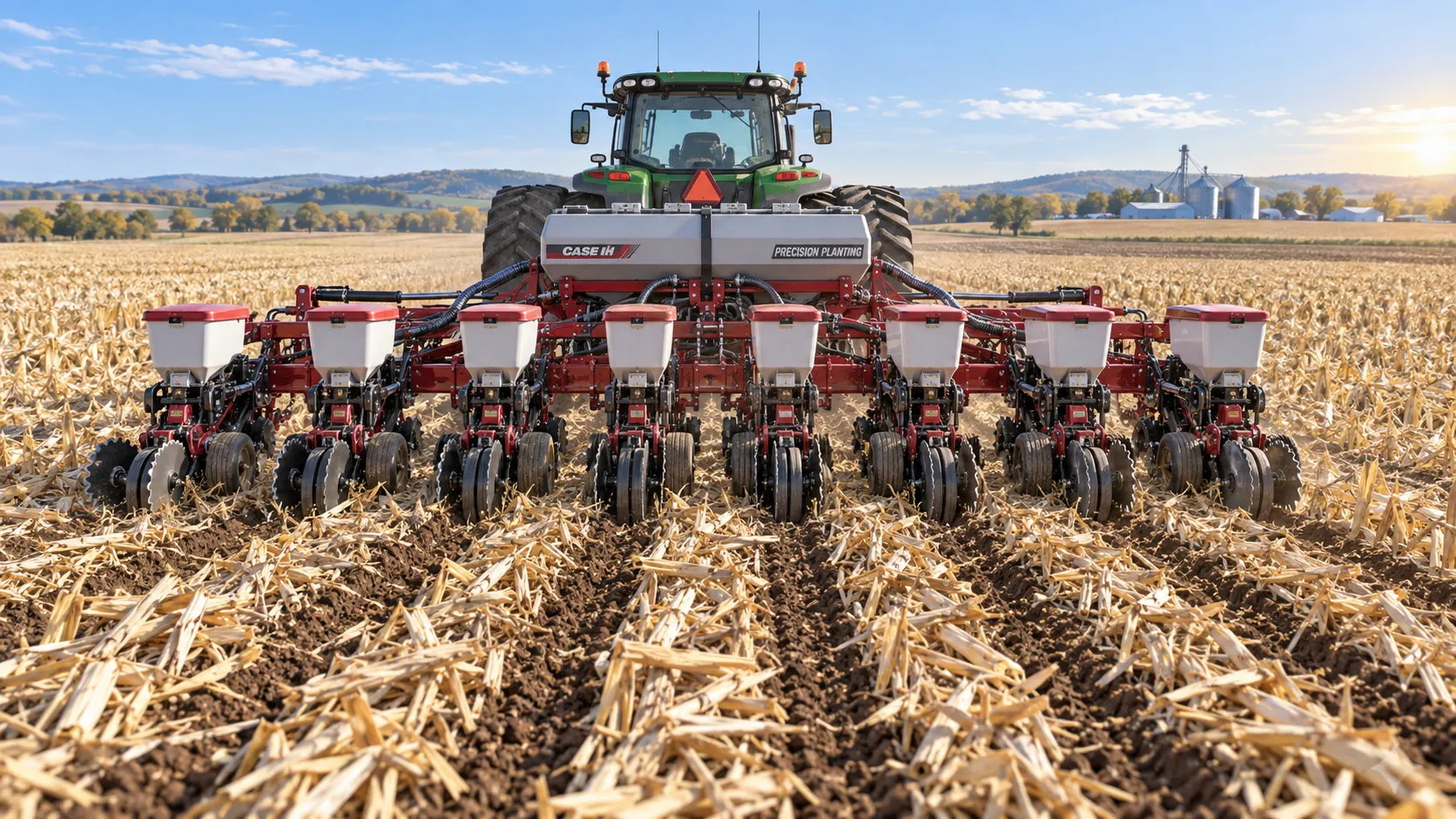
How to Select a Heavy-Duty Seeder for Large Acreage and High-Residue Fields
Heavy duty seeders for large acreage: compare residue handling, depth control, downforce, metering accuracy, and precision features to select the right model.
Related News
- 00
0000-00
How to Evaluate Precision Fertilization System Suppliers for Farm-Scale Deployment - 00
0000-00
How to Select a Precision Fertilization System for Variable Corn Field Conditions - 00
0000-00
When does equipment for sustainable farming justify a higher capital spend? - 00
0000-00
Precision Farming Solutions with Drone Data for Field Mapping and Crop Decisions - 00
0000-00
Precision Farming Systems for Yield Mapping: Key Technologies and Field Applications
Popular Tags
Tractor Power Architect
Weekly Insights
Stay ahead with our curated technology reports delivered every Monday.