
Guangxi-ASEAN AI Concept Validation Center Launched
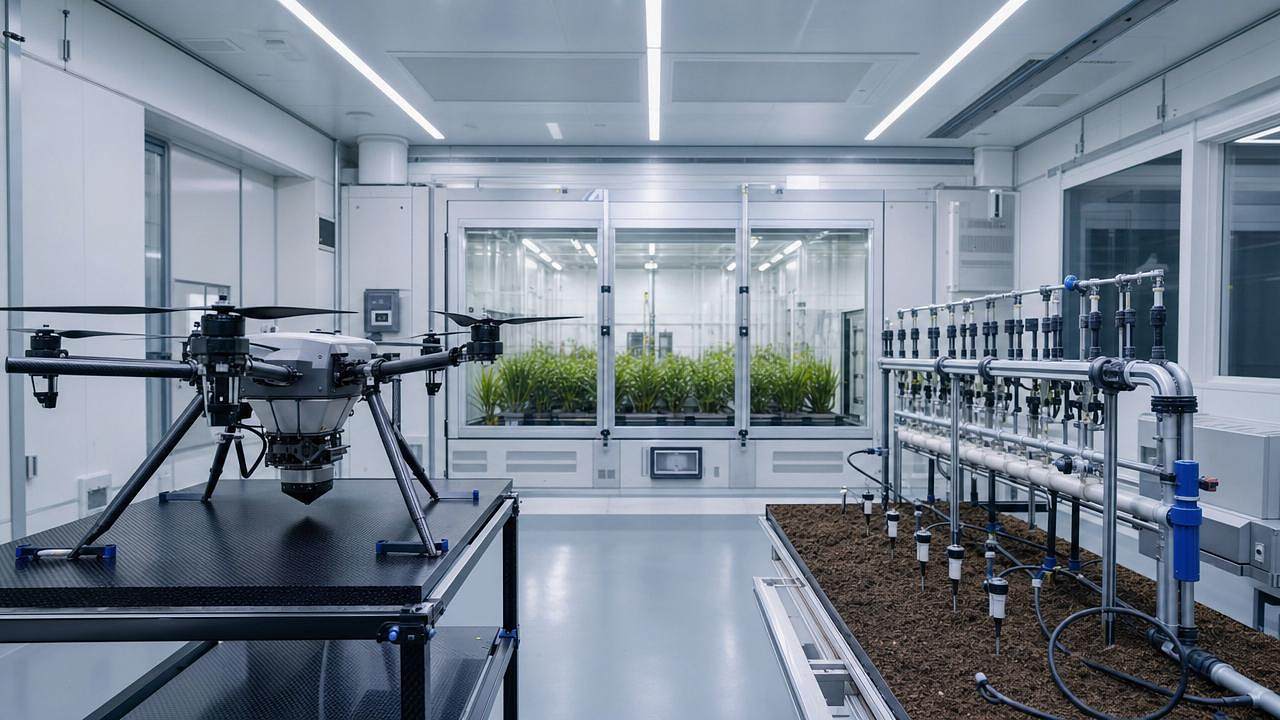




On April 1, 2026, the Guangxi–ASEAN Artificial Intelligence Concept Validation Center was officially inaugurated in Nanning. The initiative directly impacts agricultural technology exporters, smart irrigation system manufacturers, and drone-based precision farming service providers—particularly those targeting RCEP markets including Vietnam and Thailand—by accelerating local certification and field validation of AI-enabled agri-tech solutions.
Event Overview
On April 1, 2026, the Guangxi–ASEAN AI Concept Validation Center launched in Nanning. Its first-phase development focuses on three technical components: variable-rate sowing algorithms for agricultural drones, drip irrigation system modeling adapted to ASEAN climate conditions, and a tropical soil moisture sensor calibration database. The platform aims to expedite local regulatory acceptance and real-world scenario validation of Chinese intelligent irrigation and aerial application equipment across RCEP member states, shortening market entry timelines by 6–9 months in Southeast Asian countries such as Vietnam and Thailand.
Which Subsectors Are Affected
Agri-Tech Exporters (Direct Trade Enterprises)
These enterprises face accelerated but more structured pathways to market access in ASEAN. The Center’s standardized validation outputs may reduce redundant testing requirements across multiple jurisdictions—but only for products aligned with its prioritized technical scopes (e.g., drone播撒 algorithms, tropical sensor calibration).
Smart Irrigation System Manufacturers
Manufacturers whose hardware relies on climate-responsive control logic—especially drip and micro-irrigation systems—may encounter revised expectations for regional performance documentation. Localized model validation (e.g., ASEAN climate modeling) could become a de facto prerequisite for tender eligibility in public-sector agricultural modernization programs.
Agricultural Drone Developers & Integrators
Firms developing or integrating variable-rate application software for crop protection or fertilization must align algorithmic inputs and outputs with the Center’s tropical soil and weather data baselines. Deviations may trigger additional adaptation cycles before validation can proceed.
Sensor Hardware Suppliers (Soil Moisture & Environmental Monitoring)
Suppliers of soil moisture sensors—particularly those calibrated for temperate zones—may need to revalidate device accuracy under high-humidity, high-temperature conditions. The Center’s tropical calibration database signals an emerging benchmark for hardware interoperability in ASEAN deployments.
What Relevant Enterprises or Practitioners Should Monitor and Do Now
Track official scope updates from the Center’s operational guidelines
The Center’s current focus is limited to three technical domains. Enterprises should monitor whether future phases expand into post-harvest AI applications, livestock monitoring, or cross-border data interoperability frameworks—each of which would shift priority requirements for product documentation and testing protocols.
Assess alignment of existing product specifications with the Center’s first-phase priorities
Specifically: (1) whether drone control software supports variable-rate output formats compatible with ASEAN crop types; (2) whether irrigation controllers embed or accept ASEAN-specific climate model parameters; and (3) whether soil sensors include traceable calibration against tropical reference standards. Misalignment may delay participation in validation workflows.
Distinguish between policy signal and operational readiness
The Center’s launch represents a formalized infrastructure commitment—not yet a streamlined certification channel. Enterprises should avoid assuming automatic recognition of validation outcomes by national regulators (e.g., Vietnam’s Ministry of Agriculture or Thailand’s Department of Agriculture) until mutual recognition arrangements are publicly confirmed.
Prepare technical documentation for potential submission under pilot validation tracks
No public call for submissions has been issued. However, firms with products matching the stated technical priorities should pre-assemble test reports, algorithm architecture summaries, and sensor calibration certificates—structured per ISO/IEC 17025 or ASEAN-relevant metrology standards—to enable rapid response if pilot intake windows open.
Editorial Perspective / Industry Observation
Observably, this initiative functions primarily as an institutional signal—not an immediate market access mechanism. It reflects a deliberate effort to standardize technical prerequisites ahead of broader regulatory harmonization under RCEP. Analysis shows that its near-term value lies less in shortcutting approvals and more in revealing which technical adaptations ASEAN markets increasingly treat as non-negotiable. From an industry perspective, it is better understood as a forward-looking alignment tool than a certification engine. Sustained attention is warranted because the Center’s evolving technical scope may gradually shape procurement criteria, public tender language, and private-sector interoperability expectations across the region.
Conclusion
This launch marks the formal institutionalization of a targeted technical alignment pathway—not a new regulatory gateway. Its significance resides in making certain adaptation requirements (e.g., tropical sensor calibration, climate-aware irrigation logic) more visible, standardized, and anticipatable for exporters and developers. Currently, it is more accurately interpreted as an early indicator of converging technical expectations across ASEAN agriculture markets, rather than an operational acceleration tool.
Information Sources
Main source: Official announcement of the Guangxi–ASEAN AI Concept Validation Center inauguration on April 1, 2026. Ongoing developments—including validation protocols, intake procedures, and scope expansions—remain subject to observation and are not yet publicly documented.
Related News
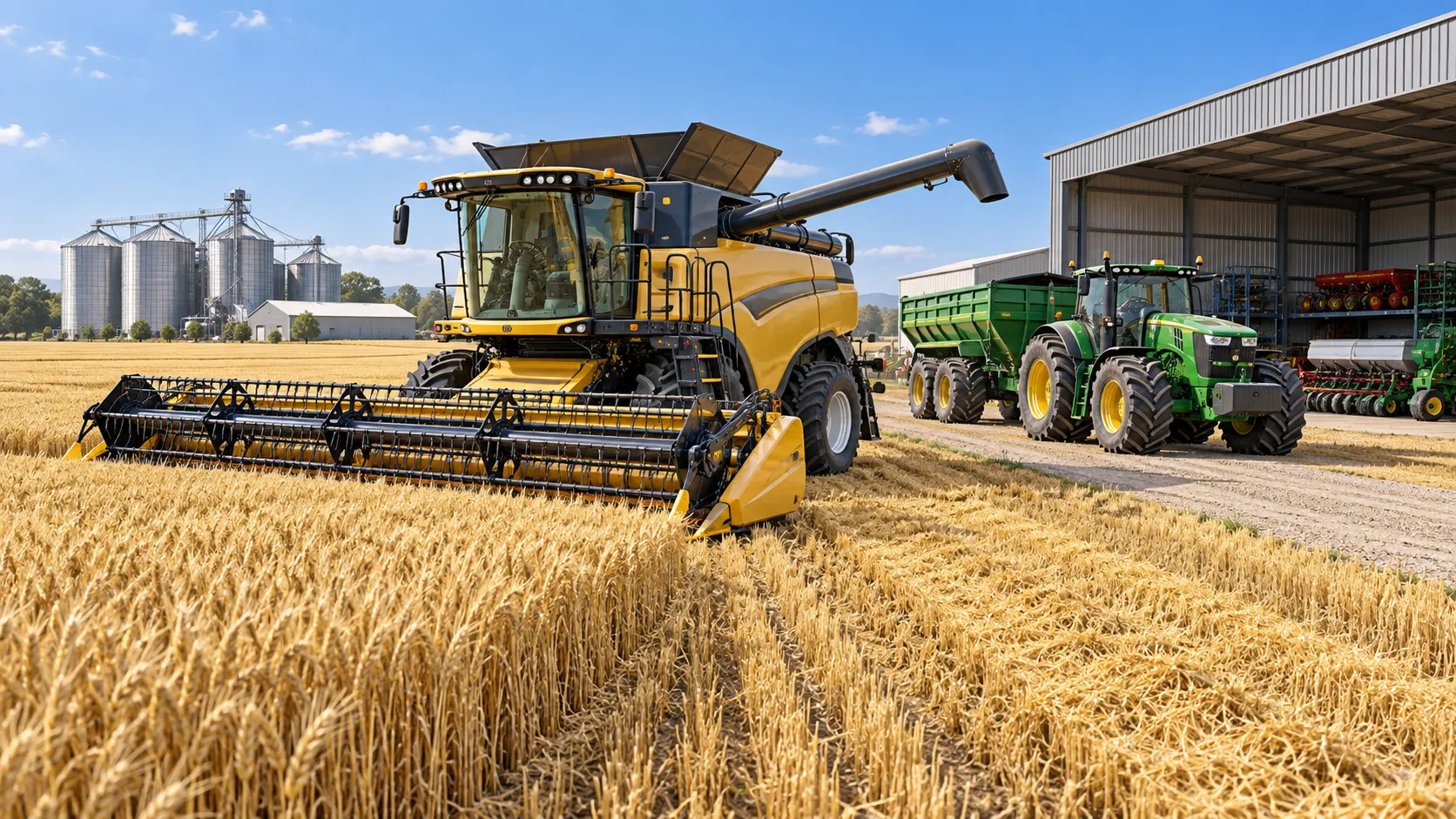
When Does Agricultural Machinery Leasing Cost Less Than Owning Equipment?
Agricultural machinery leasing can lower farm costs when use is seasonal or uncertain. Compare utilization, maintenance, cash flow, and risk to make a smarter equipment decision.
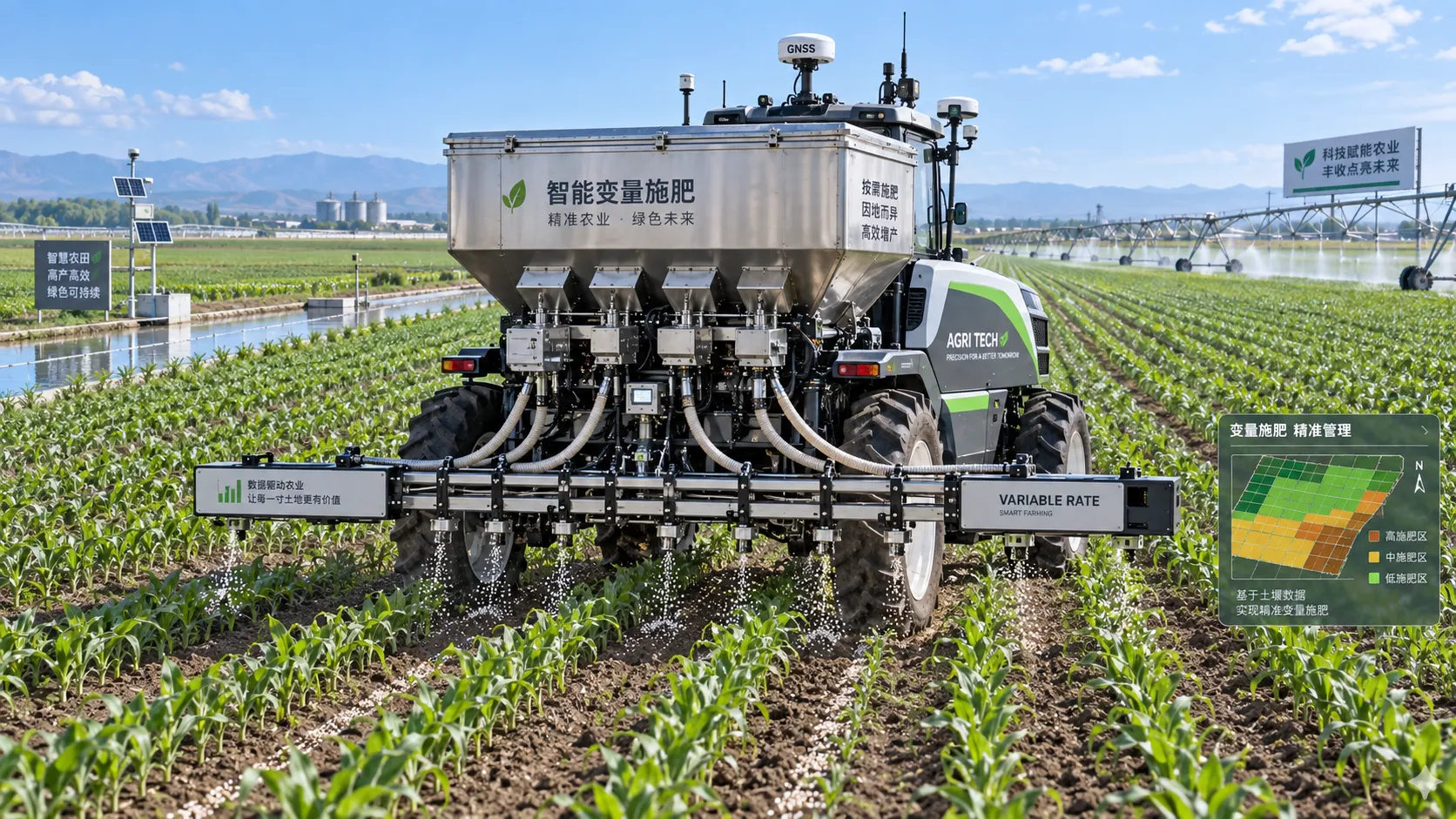
How to Evaluate Precision Fertilization System Suppliers for Farm-Scale Deployment
Precision fertilization systems suppliers: learn how to compare accuracy, integration, uptime, service, and total cost for confident farm-scale deployment.
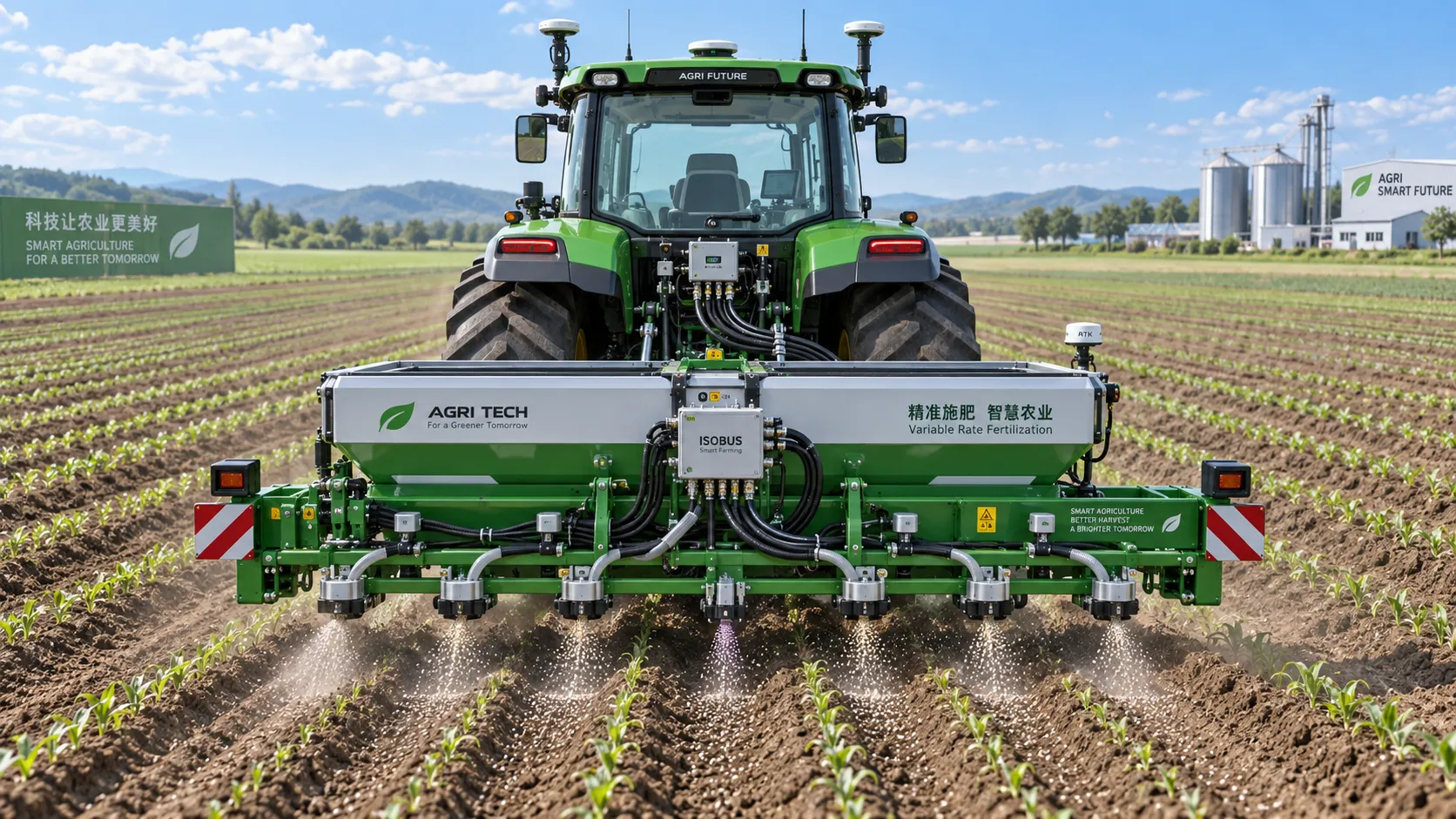
ISOBUS for Smart Agriculture: How It Connects Tractors, Implements, and Farm Data
ISOBUS for smart agriculture connects tractors, implements, terminals, and farm data—helping growers improve precision, documentation, and smarter field decisions.
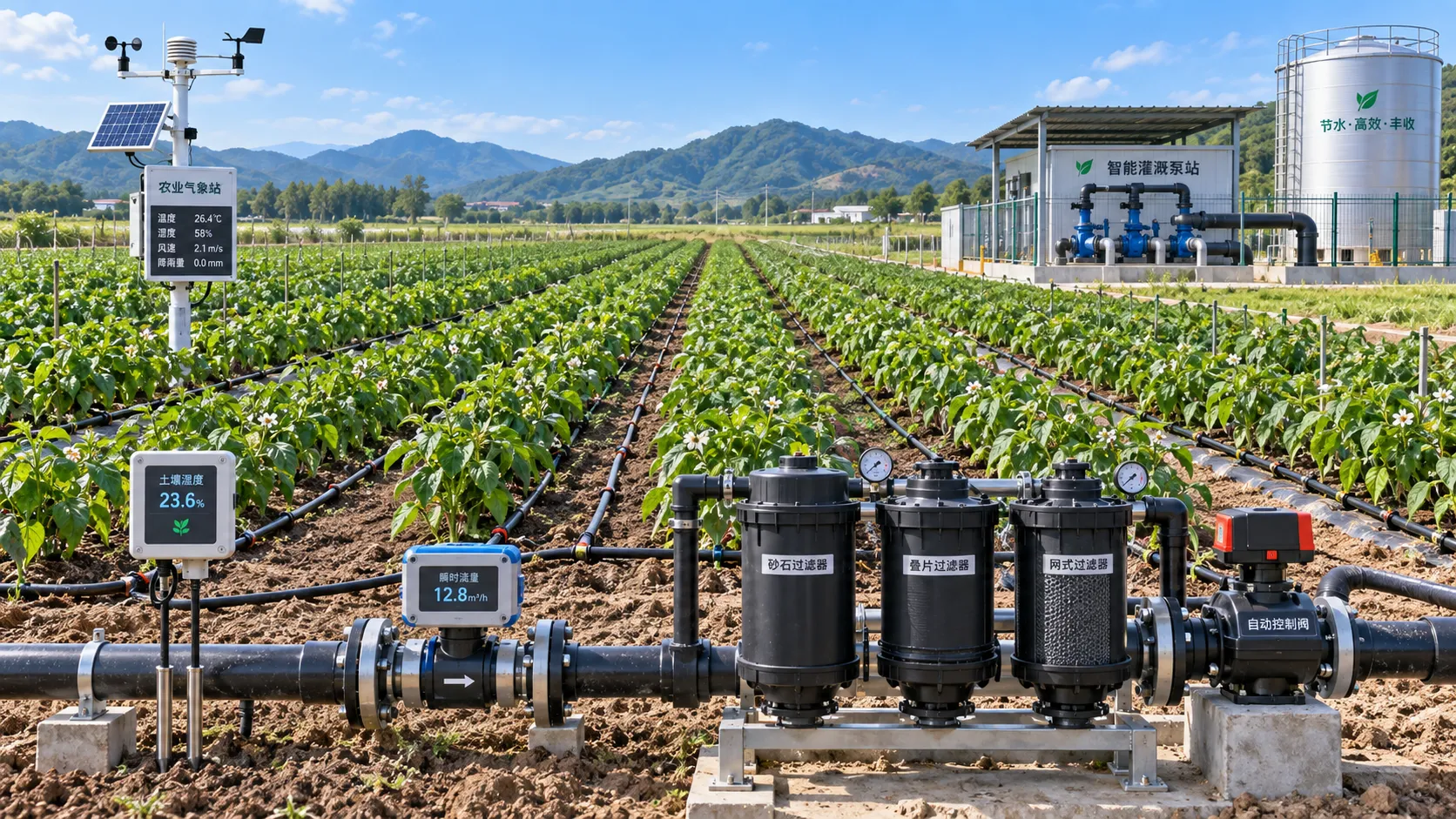
Automated Water-Saving Irrigation: How to Cut Water Use Without Reducing Crop Yields
Automated water-saving irrigation helps farms cut water use, protect crop yields, improve scheduling, and gain reliable control with sensors, flow monitoring, and smart zones.
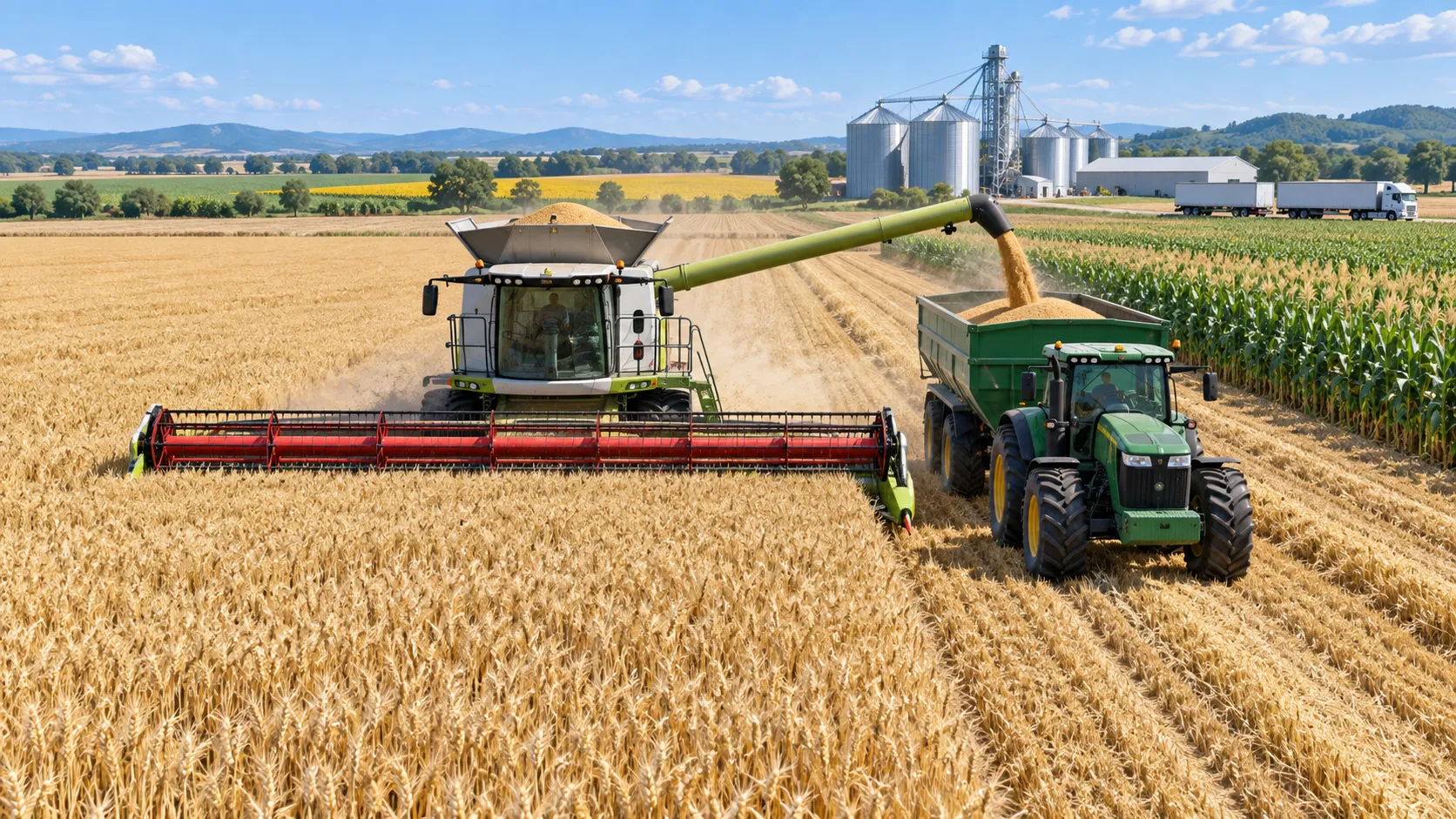
Selecting Grain Farm Equipment by Acreage, Crop Mix, and Harvest Window
Agricultural equipment selection for grain farming: match machinery to acreage, crop mix, and harvest windows to improve uptime, efficiency, and returns.
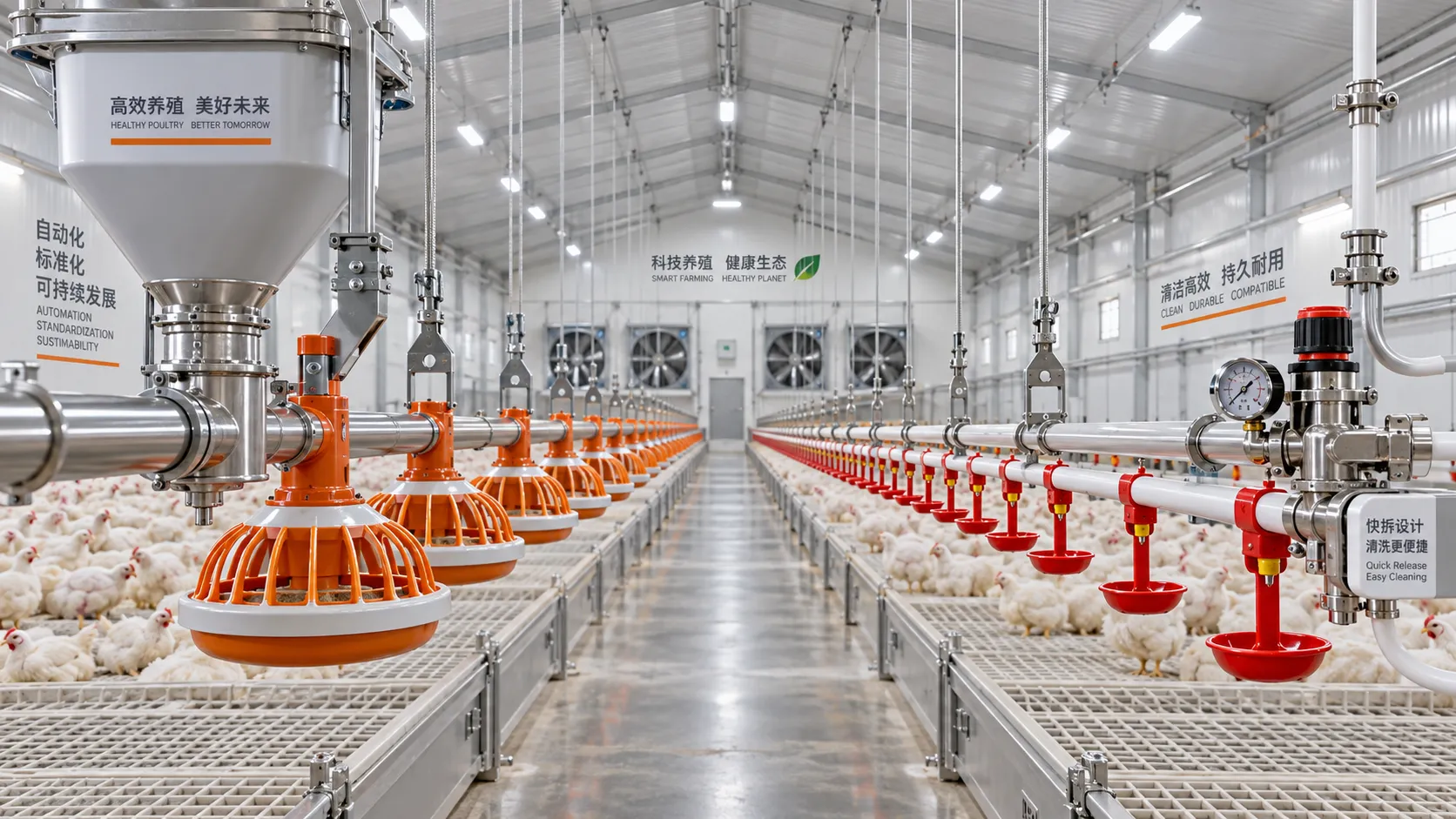
Poultry Equipment Selection: Evaluating Durability, Cleaning, and Compatibility
Poultry equipments selection guide: evaluate durability, cleaning access, and system compatibility to improve hygiene, reduce downtime, and support efficient flock management.
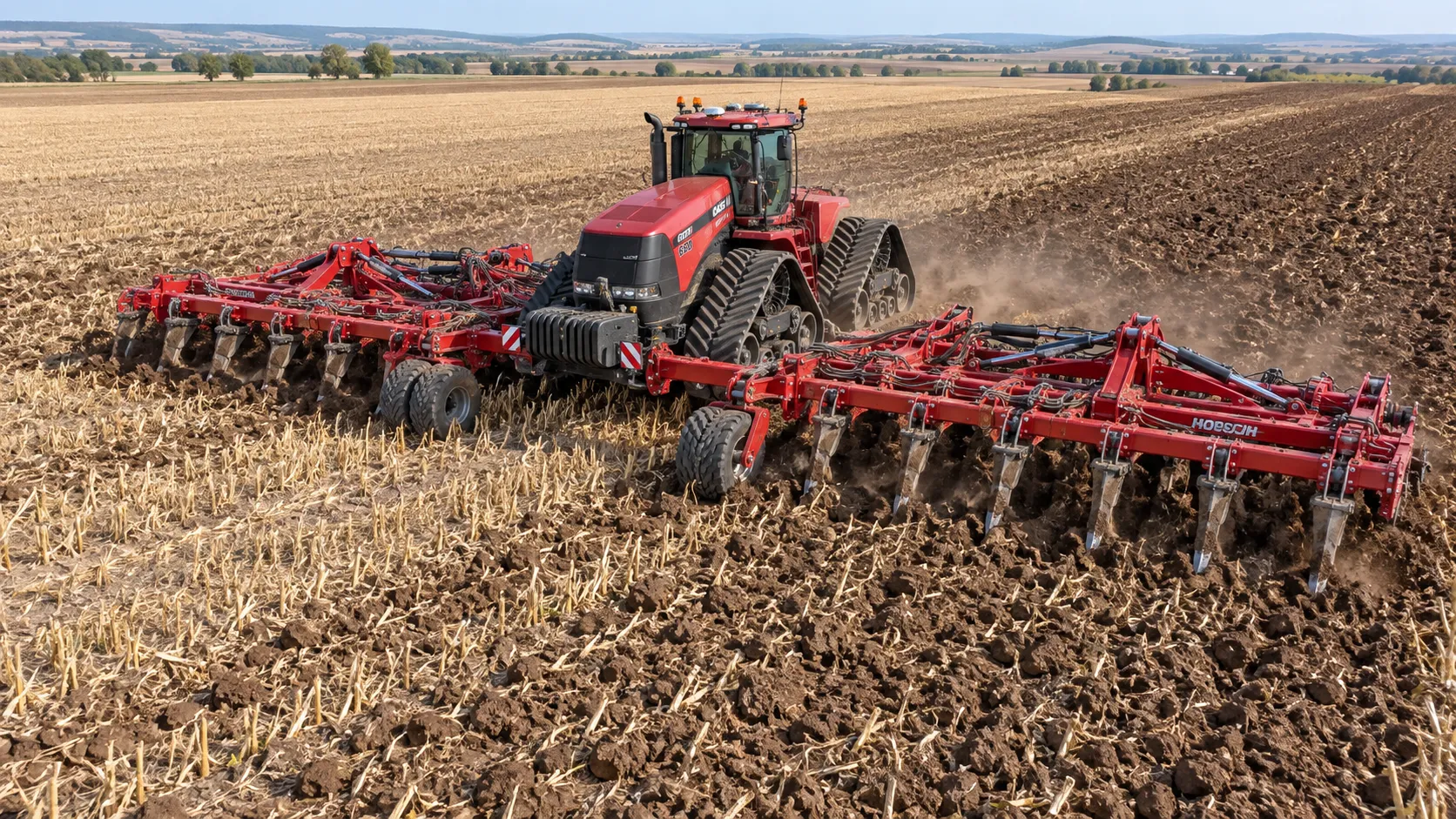
How to Select Heavy-Duty Farm Implements for High-Acreage, High-Horsepower Operations
Heavy duty farm implements: learn how to match draft, hydraulics, hitch capacity, frame strength, and field conditions for reliable high-acreage performance.
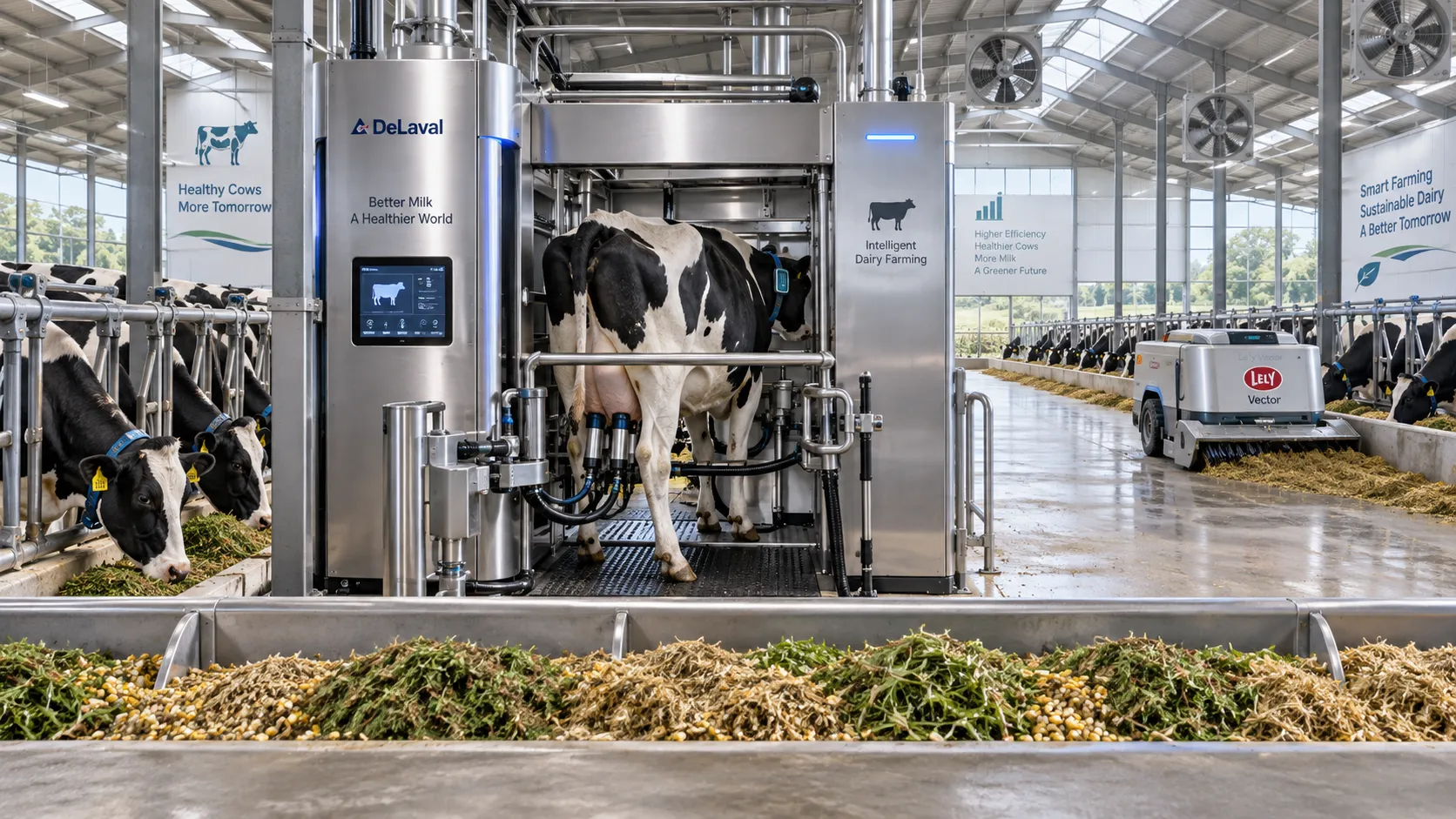
Smart Farming Technology for Dairy Farms: Where Automation Delivers Measurable ROI
Smart farming technology for dairy farms delivers measurable ROI through automation, precision feeding, health monitoring, and data-driven cost control.
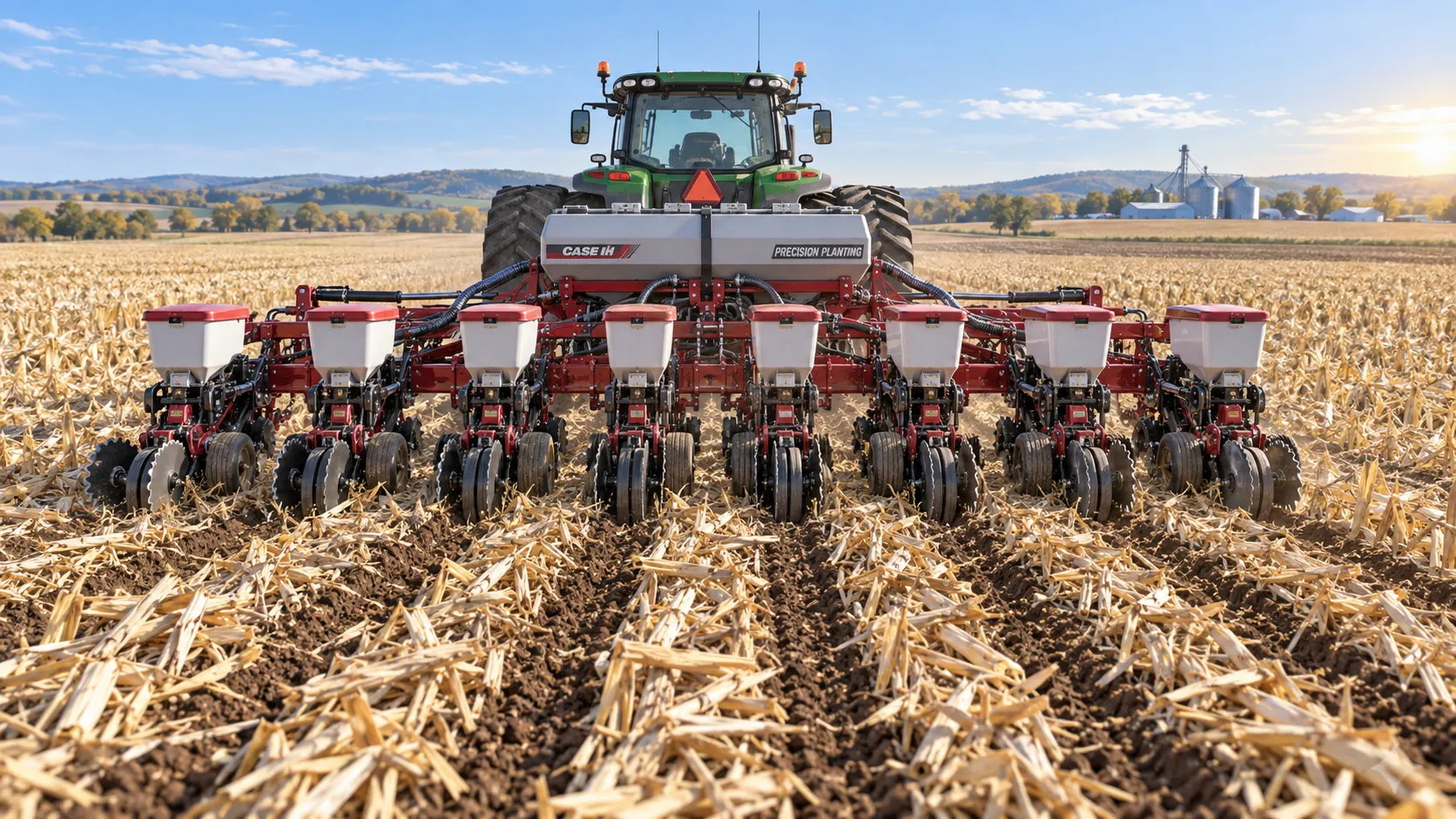
How to Select a Heavy-Duty Seeder for Large Acreage and High-Residue Fields
Heavy duty seeders for large acreage: compare residue handling, depth control, downforce, metering accuracy, and precision features to select the right model.
Related News
- 00
0000-00
How to Evaluate Precision Fertilization System Suppliers for Farm-Scale Deployment - 00
0000-00
How to Select a Precision Fertilization System for Variable Corn Field Conditions - 00
0000-00
When does equipment for sustainable farming justify a higher capital spend? - 00
0000-00
Precision Farming Solutions with Drone Data for Field Mapping and Crop Decisions - 00
0000-00
Precision Farming Systems for Yield Mapping: Key Technologies and Field Applications
Popular Tags
Tractor Power Architect
Weekly Insights
Stay ahead with our curated technology reports delivered every Monday.