
Are precision ag scientists changing how variable rate plans are built?
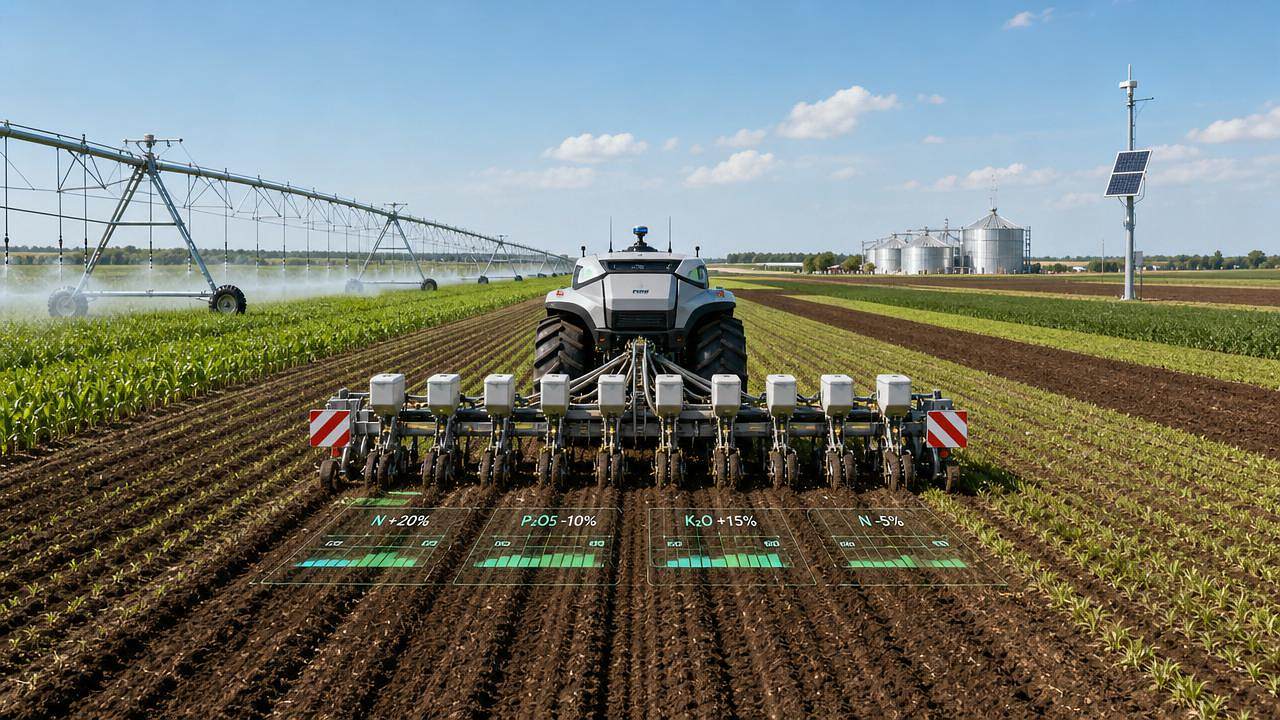




As farm operations become more data-driven, precision ag scientists are playing a larger role in how variable rate plans are designed, tested, and refined. For project managers and engineering leads, this shift matters: it connects machinery capability, field intelligence, and input efficiency into one decision framework. Understanding these changes helps teams build smarter deployment strategies, reduce waste, and align precision agriculture investments with measurable operational outcomes.
Why scenario differences now matter more in variable rate planning
The short answer is yes: precision ag scientists are changing how variable rate plans are built, but the impact is not uniform across every operation. In one project, the key issue may be whether planter, sprayer, and spreader controllers can execute prescriptions accurately. In another, the bigger challenge may be whether soil, weather, and yield layers are reliable enough to justify a multi-zone strategy. That is why project leaders should not ask only whether variable rate planning is “advanced.” They should ask which field scenario, operating model, and decision objective it actually fits.
Historically, many variable rate plans were built from a narrower agronomic base: one or two data layers, simple management zones, and seasonal assumptions translated into equipment commands. Today, precision ag scientists contribute broader models. They combine geospatial analysis, machine performance limits, sensor calibration logic, irrigation response, and economic thresholds. As a result, variable rate planning is moving from a static prescription exercise to a cross-functional operating system for inputs, machinery, and field timing.
For AP-Strategy readers in large-scale mechanization, combine systems, tractor chassis, smart implements, and water-saving irrigation, this evolution is especially relevant. A strong variable rate plan is no longer just an agronomy output. It is an execution plan that must fit power availability, field traffic patterns, application width, section control precision, harvester data quality, and even water allocation rules.
Where precision ag scientists have the biggest influence
The role of precision ag scientists is expanding because the design of variable rate plans increasingly depends on evidence, not assumptions. Their influence is strongest in five practical areas that matter to project managers.
- Data layer validation: checking whether soil maps, satellite imagery, yield maps, conductivity scans, and drainage information are accurate enough for decision use.
- Zone logic design: deciding whether to use stable management zones, hybrid zones, or dynamic in-season adjustments.
- Machine-execution alignment: ensuring the prescription can actually be delivered by spreaders, seeders, sprayers, irrigation systems, and tractor-mounted control systems.
- Feedback modeling: integrating harvest data, cleaning loss behavior, moisture readings, and application results into the next plan cycle.
- Economic decision framing: translating agronomic variation into measurable ROI, risk management, and operating priorities.
This means precision ag scientists are not replacing farm managers or engineers. They are changing the build process by making variable rate plans more iterative, more field-specific, and more tightly connected to system performance.
Typical application scenarios: where the new planning model fits best
Different business scenarios require different levels of scientific involvement. The table below helps project teams judge where precision ag scientists deliver the most value in variable rate planning.
Scenario 1: large-scale row crop operations with uneven field potential
This is the most common setting where precision ag scientists reshape variable rate plans. On large farms, productivity gaps often come from subtle but repeatable differences in soil texture, organic matter, slope, drainage, compaction, and historic yield stability. Older plans may divide a field into broad high-medium-low zones. Newer plans developed with precision ag scientists often go further by testing whether yield potential is truly stable, whether nutrient response changes by moisture pattern, and whether zones should be split by root-zone behavior rather than by yield alone.
For project managers, the question is not whether more complexity is always better. It is whether better zoning leads to decisions that machinery can execute at field speed. If a prescription map has excessive micro-zones, controller lag, overlap error, and operator confusion can erase the gain. In this scenario, the best build approach is often a balance: enough scientific precision to improve input placement, but simple enough for real machines, real operators, and real time windows.
What to prioritize in this scenario
- Stable historical layers over single-season imagery
- Planter and spreader rate-change responsiveness
- Simple zone architecture for high-acreage execution
- Clear post-harvest validation criteria
Scenario 2: smart irrigation systems and water-limited regions
In irrigated agriculture, precision ag scientists are changing variable rate plans by moving beyond fertilizer or seeding maps into water prescriptions. This matters in regions where energy costs, water rights, drought risk, or salinity pressure make every irrigation decision strategic. Here, variable rate planning is no longer only about where to apply more or less input. It becomes a question of how soil moisture variation, crop stage, and hydraulic capability interact across the field.
In this setting, hydrological logic matters as much as agronomic logic. A scientifically built plan may incorporate evapotranspiration forecasting, infiltration differences, and irrigation uniformity limits. For engineering leads, the practical issue is whether the irrigation network can execute zone-specific decisions reliably. A smart plan fails if valves, emitters, pressure regulation, or telemetry cannot support the intended variability.
This is where precision ag scientists create value by preventing overconfidence. They help teams avoid building highly detailed variable rate plans on top of weak sensor networks or poor hydraulic consistency. In many water-saving irrigation projects, a simpler but operationally trustworthy prescription is the better investment.
Scenario 3: fleet-driven operations where machinery capability sets the ceiling
Some farms have strong data, but their actual limiting factor is fleet execution. Large tractors, self-propelled spreaders, intelligent farm tools, and application rigs may vary widely in controller generation, GPS correction quality, hydraulic responsiveness, and section control behavior. In these operations, precision ag scientists are changing variable rate plans by building around the machine, not around the perfect model.
That shift is important for engineering project leads. A variable rate plan that looks excellent in software may perform poorly if the chassis platform cannot maintain speed consistency, if implement actuation delays are not modeled, or if terminal formats create file-transfer errors. Precision ag scientists increasingly cooperate with equipment teams to define rate-change thresholds, travel-speed assumptions, and acceptable transition lengths between zones.
In this scenario, the best question is: does the plan improve controllable execution? If yes, the plan is useful. If not, scientific complexity should be reduced until it matches fleet capability.
Scenario 4: harvest-centered operations using combine data as a planning engine
Operations with advanced combines and strong yield monitoring are seeing another major change. Precision ag scientists are using harvest data not just as an annual report card, but as a live feedback system for the next variable rate plan. When yield maps are cleaned, georeferenced, and linked with moisture and loss behavior, they become more than a visual summary. They become evidence about how each management zone actually responded.
This is particularly valuable in crops or environments where field variability is driven by seasonal stress. Harvester data can reveal whether a high-input zone truly paid back, whether drainage-related weakness was misread as fertility limitation, or whether stand variability was the real issue. Precision ag scientists help separate signal from noise by accounting for lag, calibration error, and harvesting conditions.
For project managers, the implication is clear: if combine data quality is poor, the next variable rate plan may be built on false confidence. Investment in calibration discipline can be as important as investment in new analytics.
How needs differ by operation type and project maturity
Not every organization needs the same level of scientific involvement. The maturity of the operation changes what “good” looks like.
In practical terms, precision ag scientists create the greatest value when an operation has enough data and enough management discipline to act on better insights. If those foundations are weak, their role should focus first on framework simplification, data cleaning, and pilot design.
Common misjudgments when evaluating variable rate plans
Several mistakes repeatedly appear when teams evaluate whether precision ag scientists are changing variable rate plans for the better.
- Assuming more data always means better decisions. Poorly aligned layers can produce elegant but misleading prescriptions.
- Ignoring machine behavior. Variable rate plans must respect application lag, overlap, and operating speed.
- Treating one strong season as proof. Precision planning needs multi-season evidence, especially in volatile climates.
- Separating agronomy from infrastructure. Irrigation capacity, tractor power, implement control, and connectivity all matter.
- Measuring success only by yield. Input savings, water productivity, timeliness, and operational stability may matter just as much.
Practical adaptation advice for project managers and engineering leads
If your team is deciding whether to deepen the role of precision ag scientists in variable rate planning, begin with a scenario-based checklist rather than a technology-first discussion. Confirm which decisions are being improved: seed placement, nutrient efficiency, water scheduling, machinery utilization, or harvest feedback. Then test whether your current data and equipment stack can support those decisions consistently.
A strong rollout sequence usually looks like this: define the field scenario, identify the operational bottleneck, select only the data layers that affect that bottleneck, simplify zone logic to fit machine behavior, and create a post-season review loop. This phased method is especially useful in large, capital-intensive operations where tractors, combines, smart implements, and irrigation systems must work as one coordinated platform.
For AP-Strategy audiences, the key takeaway is that precision ag scientists add the most value when they help connect strategic intelligence with field execution. Their contribution is not simply analytical sophistication. It is the ability to make variable rate plans more actionable across equipment, timing, labor, and sustainability targets.
FAQ: scenario-based questions decision-makers often ask
Are precision ag scientists necessary for every variable rate project?
No. Their involvement is most valuable in operations with meaningful field variability, strong data availability, or complex machinery and irrigation systems. Smaller or early-stage projects may benefit more from a simpler prescription model first.
Which scenario shows the fastest return?
Large row crop fields with repeatable soil differences and capable application equipment often show fast returns. Water-limited irrigation projects can also perform well when sensor quality and hydraulic control are reliable.
What should engineering leads validate before approving a more advanced plan?
Validate controller compatibility, actuation response, GPS consistency, file transfer workflow, operator training, and the quality of feedback data from harvest or irrigation systems.
Closing perspective: match the science to the scenario
So, are precision ag scientists changing how variable rate plans are built? Absolutely—but the most important issue is where and how that change fits your operating scenario. In some environments, they help unlock better zoning and measurable input efficiency. In others, they prevent teams from overengineering prescriptions that the field system cannot execute. For project managers and engineering leaders, the smart move is to evaluate variable rate planning as a scenario-dependent capability, not a universal formula.
If your organization is scaling mechanization, modernizing combine intelligence, strengthening tractor-implement integration, or deploying water-saving irrigation systems, now is the time to review whether your current variable rate process reflects real field variability and real machine limits. The right precision ag scientists can help turn that review into a clearer, more profitable deployment path.
Related News
When Does Agricultural Machinery Leasing Cost Less Than Owning Equipment?
Agricultural machinery leasing can lower farm costs when use is seasonal or uncertain. Compare utilization, maintenance, cash flow, and risk to make a smarter equipment decision.
How to Evaluate Precision Fertilization System Suppliers for Farm-Scale Deployment
Precision fertilization systems suppliers: learn how to compare accuracy, integration, uptime, service, and total cost for confident farm-scale deployment.
ISOBUS for Smart Agriculture: How It Connects Tractors, Implements, and Farm Data
ISOBUS for smart agriculture connects tractors, implements, terminals, and farm data—helping growers improve precision, documentation, and smarter field decisions.
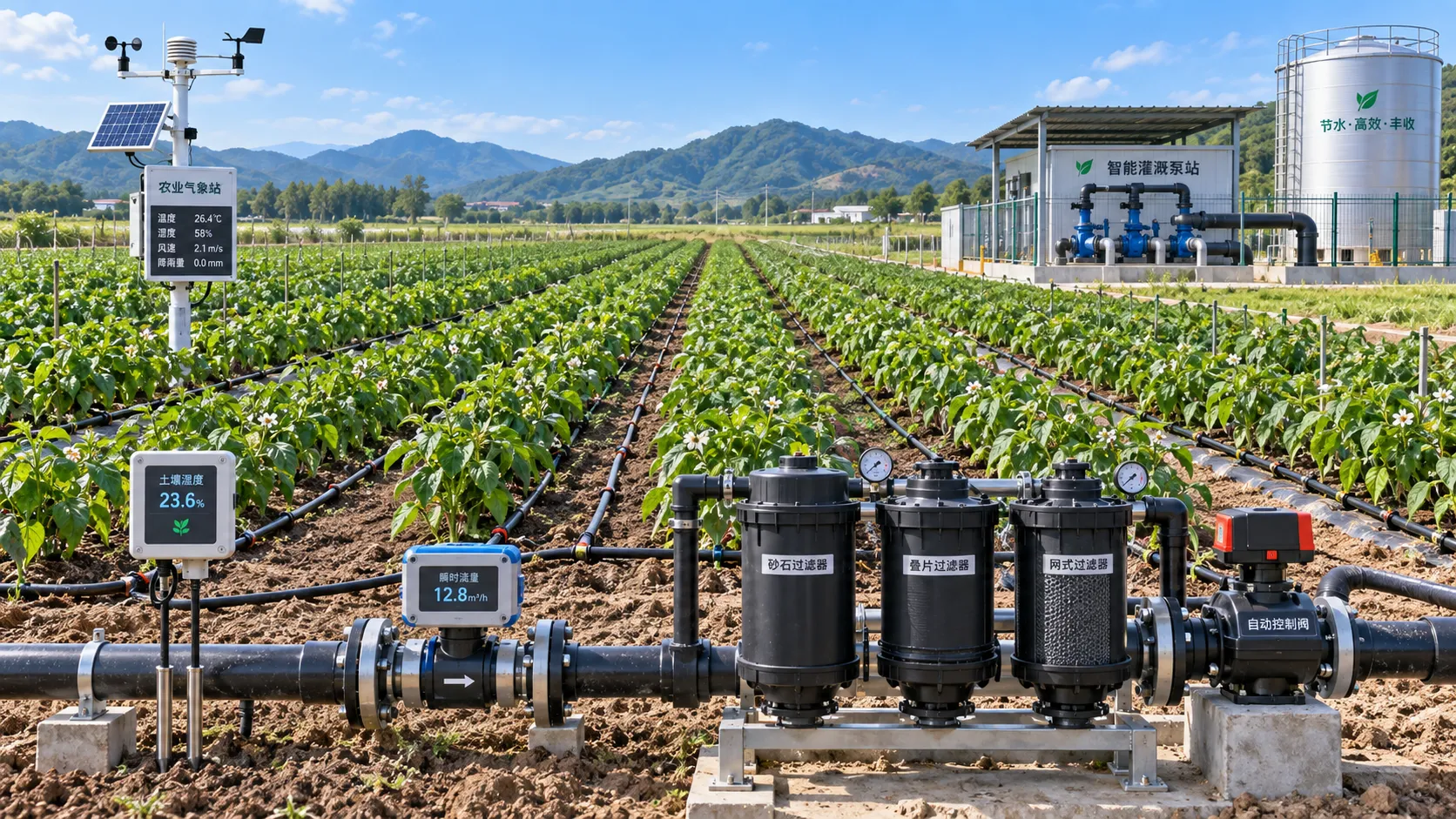
Automated Water-Saving Irrigation: How to Cut Water Use Without Reducing Crop Yields
Automated water-saving irrigation helps farms cut water use, protect crop yields, improve scheduling, and gain reliable control with sensors, flow monitoring, and smart zones.
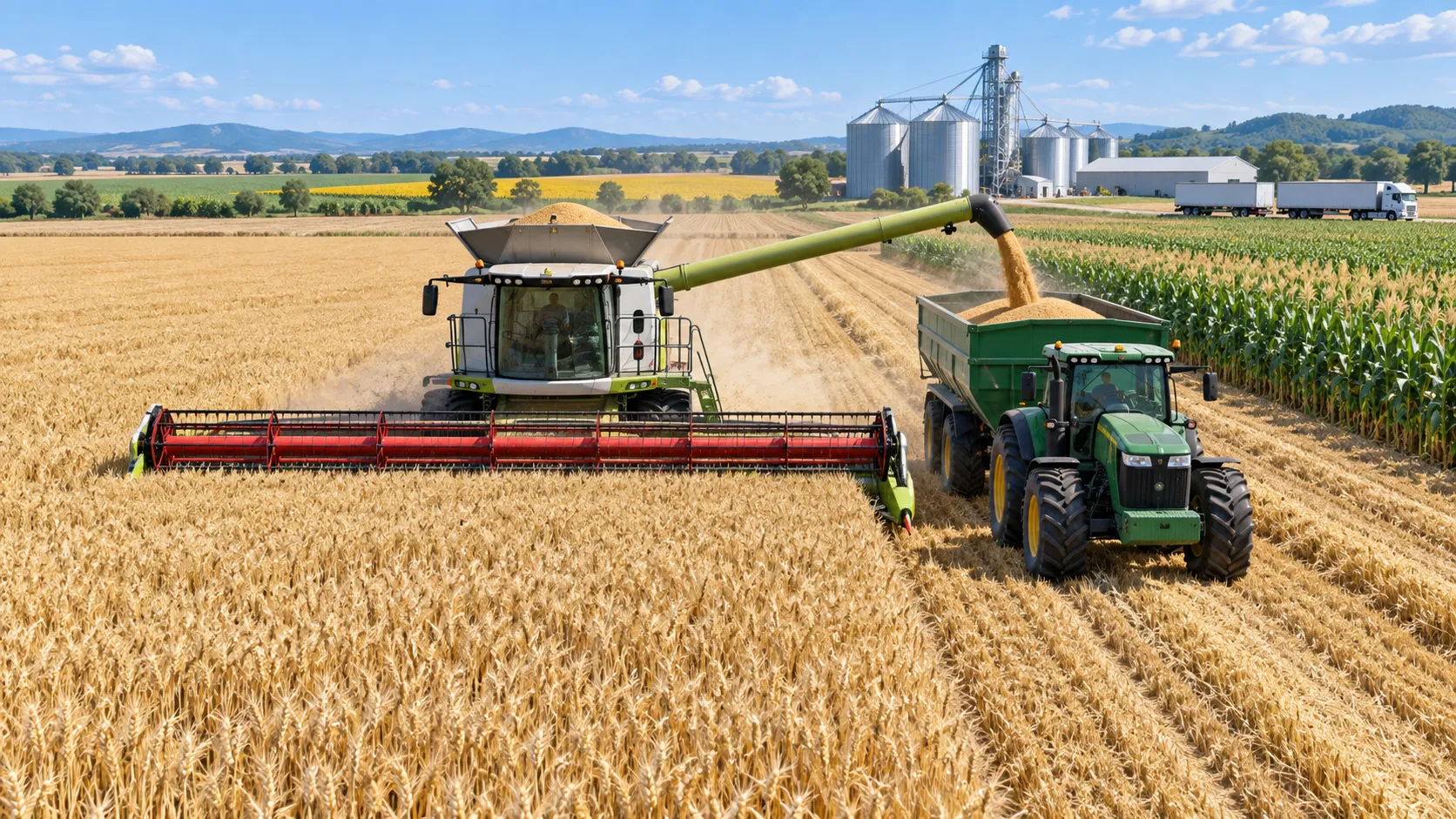
Selecting Grain Farm Equipment by Acreage, Crop Mix, and Harvest Window
Agricultural equipment selection for grain farming: match machinery to acreage, crop mix, and harvest windows to improve uptime, efficiency, and returns.
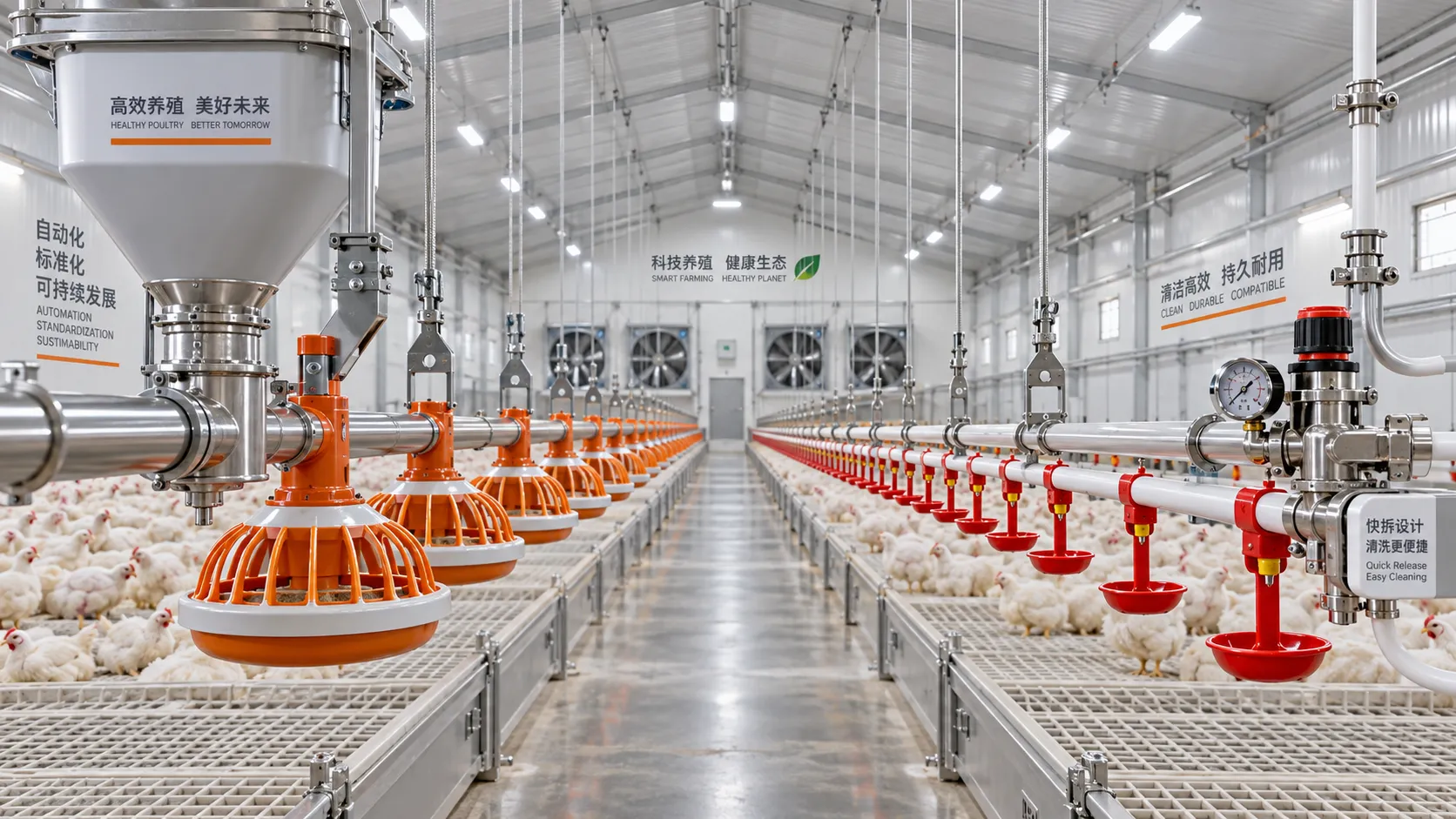
Poultry Equipment Selection: Evaluating Durability, Cleaning, and Compatibility
Poultry equipments selection guide: evaluate durability, cleaning access, and system compatibility to improve hygiene, reduce downtime, and support efficient flock management.
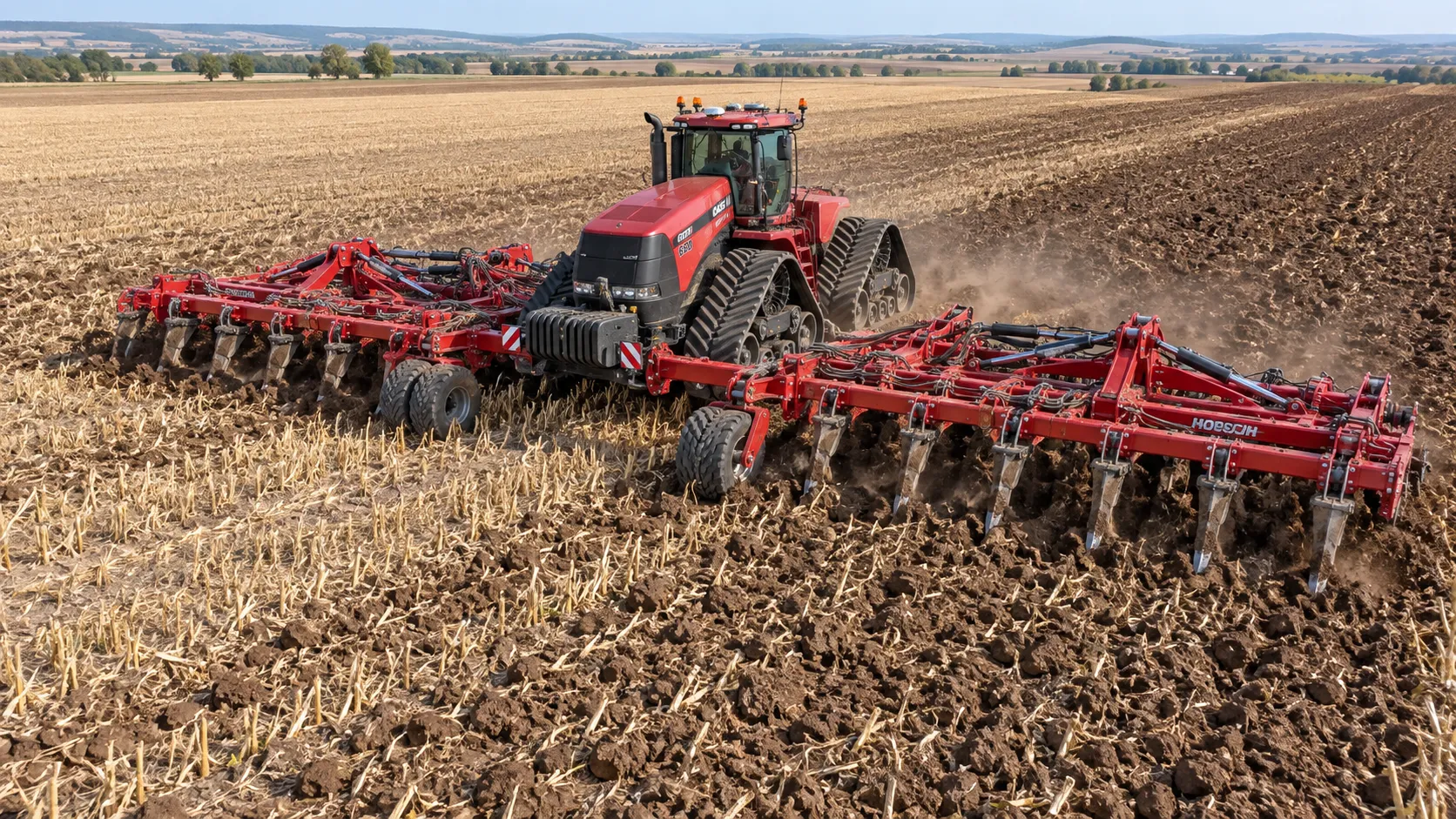
How to Select Heavy-Duty Farm Implements for High-Acreage, High-Horsepower Operations
Heavy duty farm implements: learn how to match draft, hydraulics, hitch capacity, frame strength, and field conditions for reliable high-acreage performance.
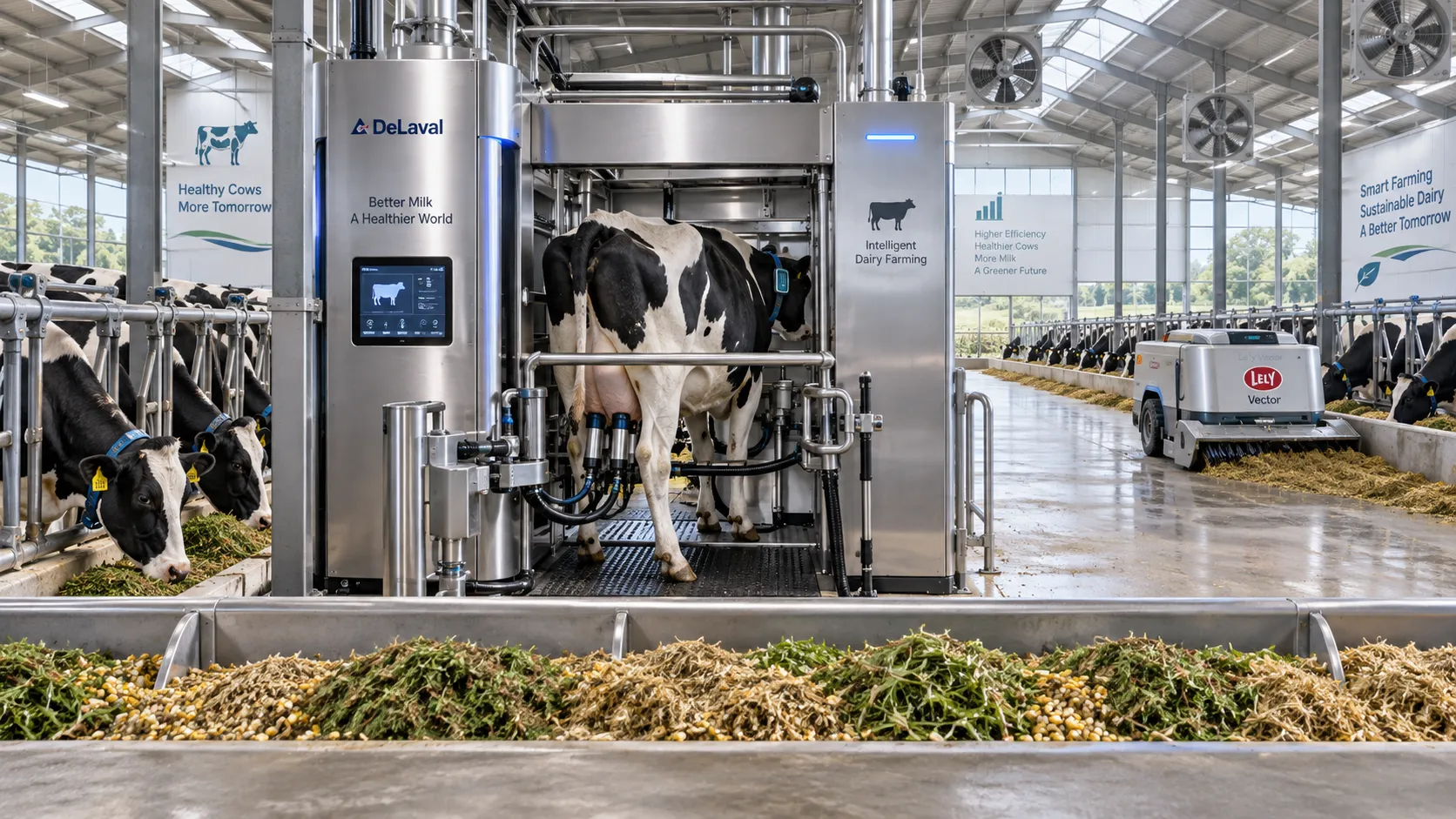
Smart Farming Technology for Dairy Farms: Where Automation Delivers Measurable ROI
Smart farming technology for dairy farms delivers measurable ROI through automation, precision feeding, health monitoring, and data-driven cost control.
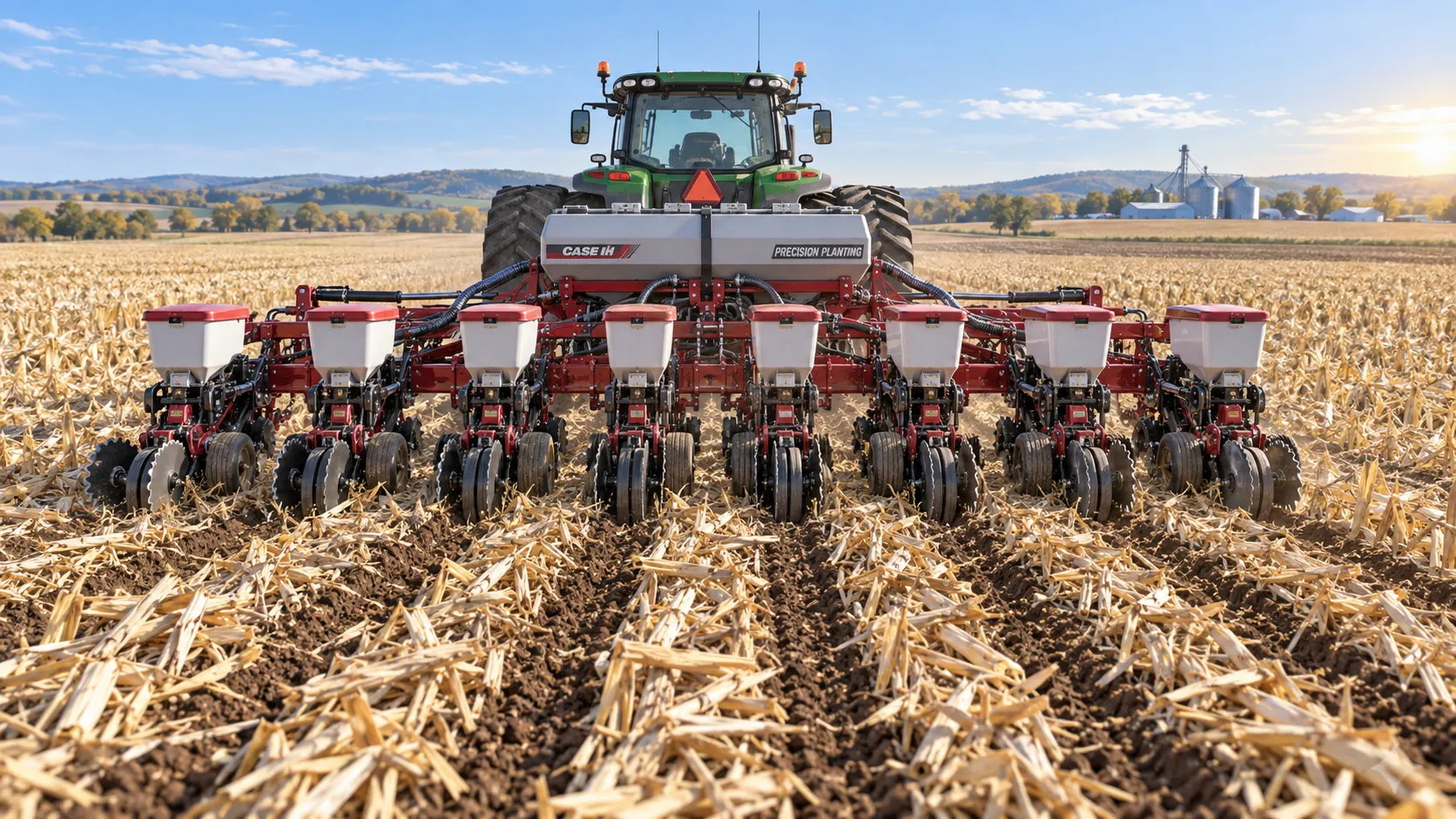
How to Select a Heavy-Duty Seeder for Large Acreage and High-Residue Fields
Heavy duty seeders for large acreage: compare residue handling, depth control, downforce, metering accuracy, and precision features to select the right model.
Related News
- 00
0000-00
How to Evaluate Precision Fertilization System Suppliers for Farm-Scale Deployment - 00
0000-00
How to Select a Precision Fertilization System for Variable Corn Field Conditions - 00
0000-00
When does equipment for sustainable farming justify a higher capital spend? - 00
0000-00
Precision Farming Solutions with Drone Data for Field Mapping and Crop Decisions - 00
0000-00
Precision Farming Systems for Yield Mapping: Key Technologies and Field Applications
Popular Tags
Tractor Power Architect
Weekly Insights
Stay ahead with our curated technology reports delivered every Monday.