
Precision fertilization tools can save inputs, but do they pay back fast?
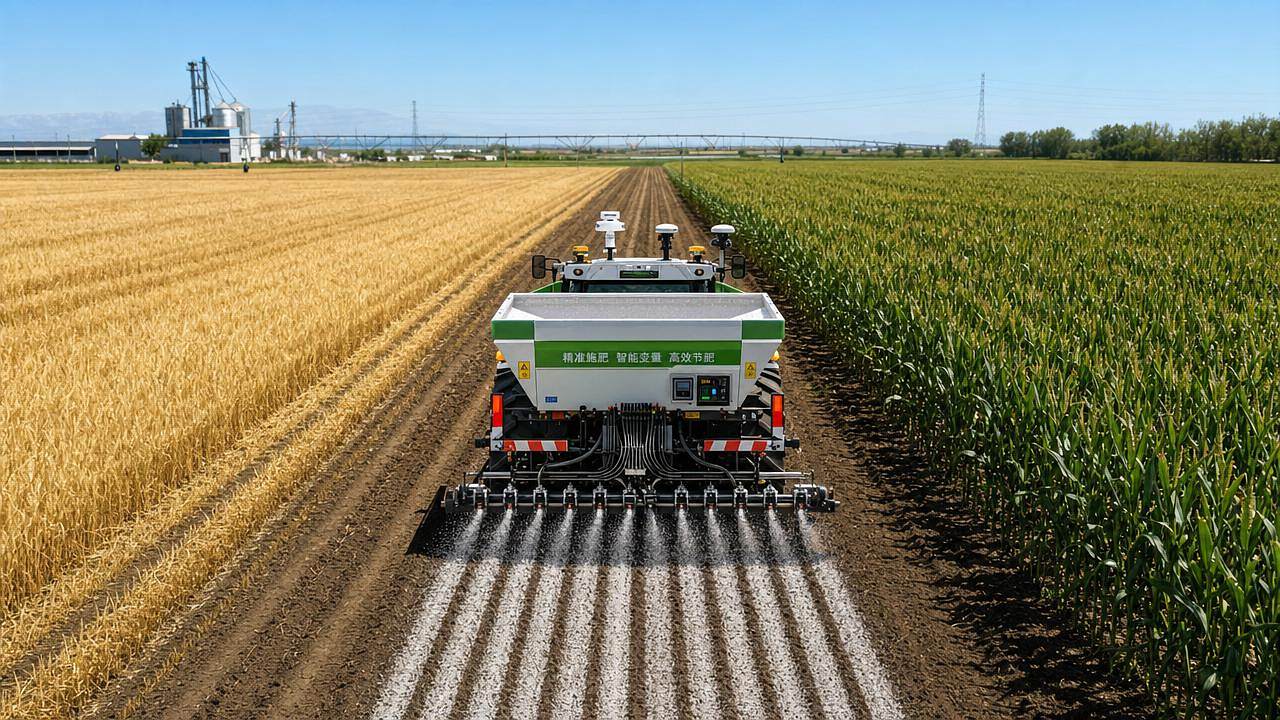




For procurement teams evaluating smart farm investments, precision fertilization tools promise lower input waste, tighter nutrient control, and better field-level efficiency. But the real question is whether these systems deliver a fast, measurable payback under today’s volatile crop prices, labor costs, and sustainability pressures. This article examines the economic logic, operational variables, and purchasing considerations behind precision fertilization tools to help buyers make more confident decisions.
Why scenario differences matter before estimating payback
Not every farm captures value from precision fertilization tools at the same speed. A large grain operation with variable soil zones, rising nitrogen prices, and digital field records will usually see a different return profile than a uniform field with low fertilizer intensity and limited data history. For procurement professionals, that means the question is not simply whether precision fertilization tools work. The better question is: in which operational scenarios do they recover capital quickly, and in which scenarios is the payback slower or more uncertain?
This scenario-based view is especially important for buyers serving dealers, contractors, producer groups, or multi-farm enterprises. The same equipment package may create strong savings in one customer segment and weak utilization in another. AP-Strategy’s broader perspective on Agriculture 4.0 shows that mechanical capability, agronomic data quality, operator discipline, and local service support all influence real-world returns. Precision agriculture investments succeed fastest when hardware, software, and field execution are aligned.
Where precision fertilization tools usually create the strongest business case
For purchasing teams, the most practical way to judge return is to break demand into common field scenarios. In most markets, precision fertilization tools generate the fastest economic impact in the following situations:
- Large-scale row crop farms with significant field variability
- Operations facing high fertilizer prices or nutrient-use restrictions
- Businesses with repeatable, data-driven management across many hectares
- Farms already using GPS guidance, yield mapping, or section control
- Contracting models where machine utilization can be spread across multiple customers
In these scenarios, savings do not come only from lower fertilizer application. Precision fertilization tools may also reduce overlap, improve timing, support compliance documentation, and stabilize yield by matching nutrients more closely to crop need. The payback can therefore come from multiple streams rather than from product savings alone.
Scenario comparison: who gets fast payback, and who should be cautious?
The table below gives procurement teams a quick framework for comparing likely return conditions across common buying scenarios.
Application scenario 1: broadacre grain farms seeking input control at scale
This is often the strongest use case for precision fertilization tools. On large wheat, corn, soybean, or canola operations, even a small percentage reduction in fertilizer waste can translate into meaningful savings over thousands of hectares. If those same operations already use auto-steer, telematics, or digital farm records, implementation friction is lower and value realization is faster.
In this scenario, procurement teams should pay close attention to prescription map handling, controller response speed, spread pattern consistency, and calibration stability. A buyer may be tempted to focus on the headline feature list, but field-level efficiency depends more on whether the machine can apply the right rate at the right place, with minimal lag and reliable documentation. Precision fertilization tools that integrate smoothly with tractor chassis electronics and existing precision platforms tend to reduce adoption risk.
The payback here is usually accelerated by scale. Even if yield uplift is modest or inconsistent, reduced overlap, cleaner field zoning, and lower over-application can justify the investment. This makes the broadacre segment one of the most procurement-friendly scenarios.
Application scenario 2: contractors and service providers needing high annual utilization
For agricultural contractors, the economics of precision fertilization tools can be attractive because the equipment works across multiple clients, crops, and fields. Instead of relying on one farm’s fertilizer bill, the business case is supported by service revenue, premium pricing for variable-rate application, and stronger customer retention. A contractor that can prove better nutrient placement and cleaner data reporting may also improve market differentiation.
However, this scenario adds operational pressure. Downtime is expensive, operator turnover is common, and software compatibility issues can quickly erode margin. Buyers in this segment should prioritize rugged hardware, remote diagnostics, fast calibration workflows, and compatibility with multiple agronomic file formats. For contractors, the best precision fertilization tools are not only accurate but also easy to deploy across changing customer requirements.
If utilization is high enough, payback can be rapid. But if seasonal demand is fragmented and clients are not ready with clean field data, the technology may be underused. Procurement teams should model realistic annual application area rather than optimistic peak-season assumptions.
Application scenario 3: high-value crops under quality and compliance pressure
Fruit, vegetable, seed, and specialty crop operations may not always have the largest acreage, but they often have stronger incentives to manage nutrients precisely. In these businesses, excess or poorly timed fertilizer can affect not just cost, but crop quality, marketable output, and environmental compliance. Precision fertilization tools can therefore support a wider value proposition: traceability, reduced runoff risk, and better crop consistency.
In this scenario, procurement decisions should weigh sensor reliability, compatibility with irrigation scheduling, and the ability to support localized application plans. Farms using intelligent irrigation systems may gain more value when nutrient delivery and water management are coordinated. This is where AP-Strategy’s cross-domain view matters: the strongest returns often come when precision fertilization is not treated as an isolated device purchase, but as part of a broader smart cultivation system.
Payback may be less dependent on raw tonnage and more dependent on quality preservation, reduced rework, and compliance confidence. Buyers should therefore avoid applying broadacre ROI formulas to specialty systems without adjustment.
Application scenario 4: smaller farms or early-stage digital adopters
This is the segment where caution is most needed. Precision fertilization tools can still create value for smaller operations, but fast payback is less automatic. The challenge is not only purchase price. It is also data readiness, operator confidence, maintenance capacity, and the ability to spread investment over enough hectares. If a farm has simple field conditions and limited software use, a premium variable-rate package may be more capability than the operation can actually absorb.
That does not mean the category should be dismissed. In many regions, smaller buyers can still benefit from modular systems, service-based access, or dealer-supported entry packages. A simple path may start with section control, basic guidance integration, and application logging before moving into full variable-rate management. Procurement teams serving this segment should be honest about adoption maturity and focus on low-friction deployment.
What actually determines whether payback is fast?
Across all scenarios, fast payback from precision fertilization tools usually depends on five measurable conditions:
- High baseline fertilizer spending per hectare
- Noticeable field variability that makes uniform application inefficient
- Enough annual area or machine utilization to spread fixed cost
- Reliable agronomic data for prescription decisions
- Strong operator training and after-sales support
If two or more of these conditions are weak, payback usually slows. Buyers should also separate gross savings from realized savings. A machine may technically reduce nutrient waste, but if prescriptions are poor, application windows are missed, or calibration drifts, actual return may underperform the sales estimate.
Common procurement mistakes when evaluating precision fertilization tools
One common mistake is buying based on technology ambition rather than field scenario. Some organizations choose the most advanced package available, then discover that the customer lacks reliable soil maps, operator time, or software discipline. Another mistake is using fertilizer savings alone to justify the investment while ignoring labor efficiency, compliance value, and data workflow costs.
A third mistake is underestimating integration. Precision fertilization tools perform better when connected to guidance systems, field records, and sometimes irrigation or crop monitoring platforms. If compatibility is weak, hidden implementation costs appear later. Finally, some buyers neglect local dealer capability. In seasonal agriculture, delayed service support can damage the economics of even an excellent machine.
A practical buying checklist by scenario
Before placing an order, procurement teams should align the solution to the operating context rather than to a generic brochure claim.
FAQ for procurement teams
Do precision fertilization tools always reduce fertilizer use?
Not always. In some fields, total fertilizer volume may fall. In others, nutrients may be redistributed rather than reduced, with stronger yield consistency becoming the main gain. Buyers should assess both input efficiency and production outcome.
How fast is “fast payback” in real projects?
It varies widely by acreage, nutrient cost, utilization, and digital readiness. Contractors and large broadacre farms often recover investment faster than small single-farm users. The right comparison is between scenarios, not between generic vendor claims.
Should buyers choose a full-feature package immediately?
Only if the operating environment can use it. In many cases, phased adoption is more effective. A simpler configuration with dependable execution may outperform an advanced system that operators cannot fully utilize.
Final procurement view: match the tool to the field reality
Precision fertilization tools can absolutely save inputs, but fast payback depends on scenario fit more than on technology promise alone. The most favorable conditions are large or highly variable fields, high fertilizer intensity, strong annual utilization, and an operation already comfortable with digital agriculture. The most cautious cases are smaller farms with limited data and low capacity to absorb complexity.
For buyers, the smartest next step is to compare options through a field-scenario lens: application area, variability, data quality, machine compatibility, and service support. When procurement decisions are tied to actual use conditions, precision fertilization tools become easier to justify, easier to deploy, and far more likely to deliver the measurable return that modern agriculture demands.
Related News

When Does Agricultural Machinery Leasing Cost Less Than Owning Equipment?
Agricultural machinery leasing can lower farm costs when use is seasonal or uncertain. Compare utilization, maintenance, cash flow, and risk to make a smarter equipment decision.
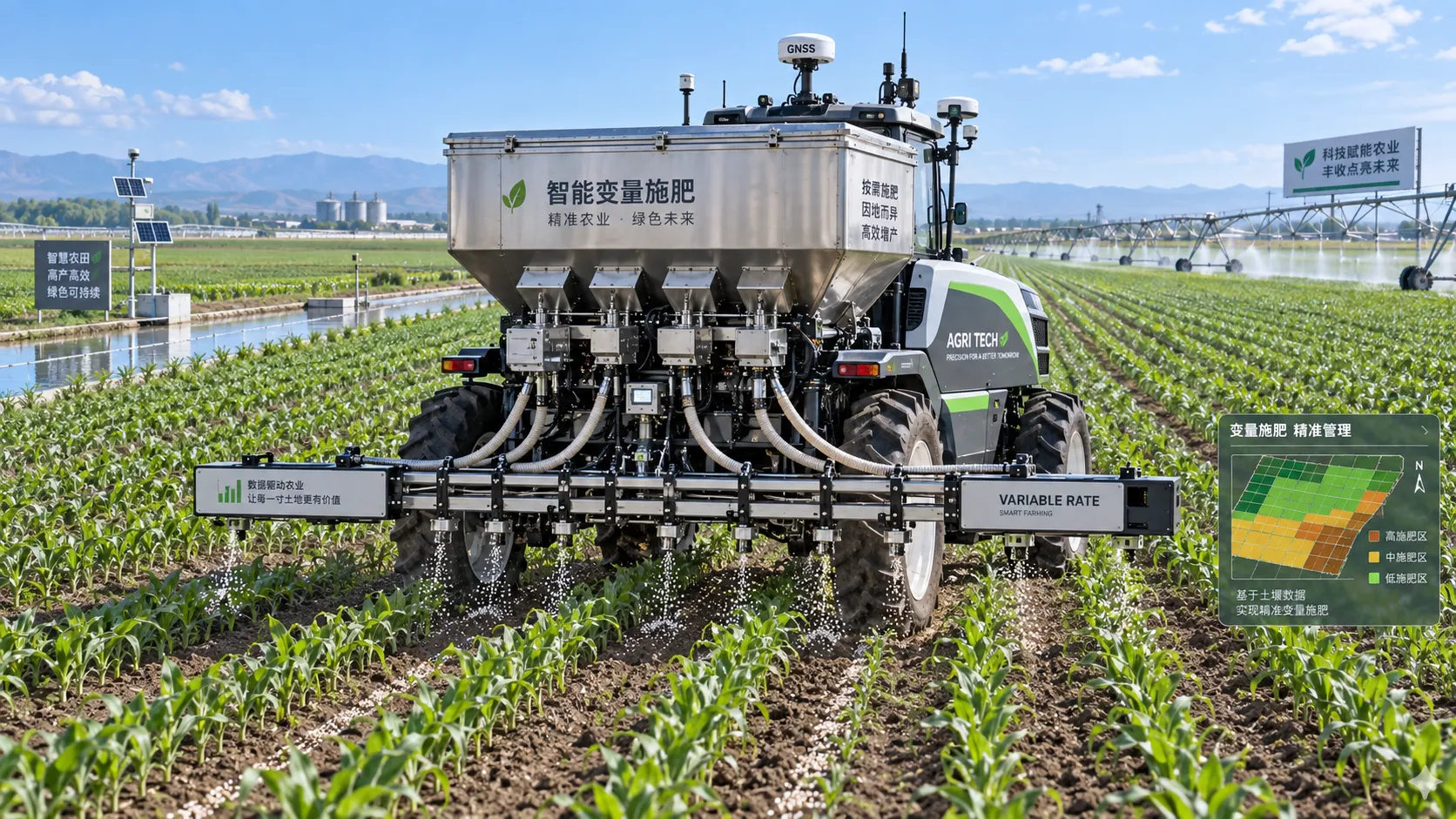
How to Evaluate Precision Fertilization System Suppliers for Farm-Scale Deployment
Precision fertilization systems suppliers: learn how to compare accuracy, integration, uptime, service, and total cost for confident farm-scale deployment.
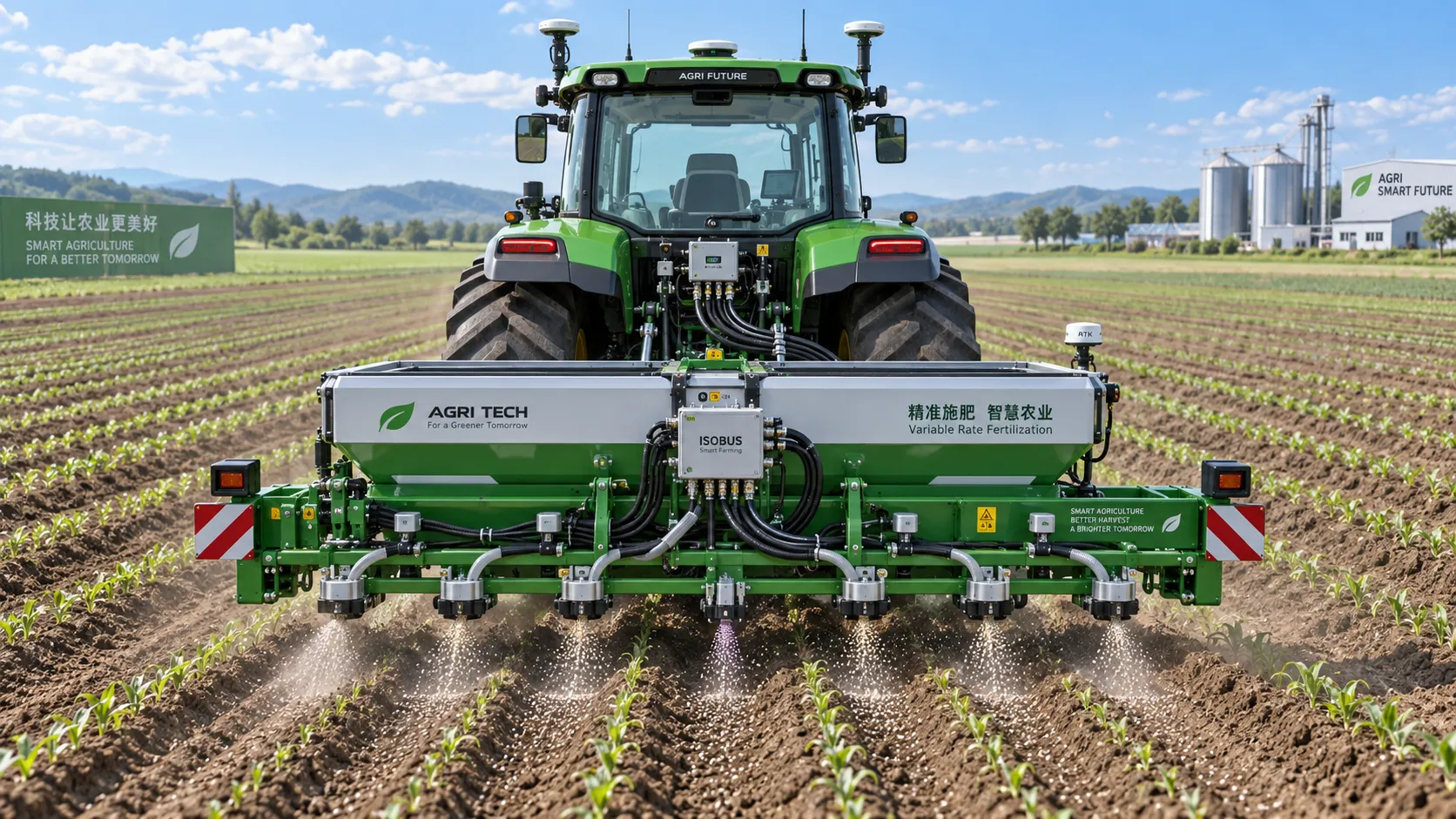
ISOBUS for Smart Agriculture: How It Connects Tractors, Implements, and Farm Data
ISOBUS for smart agriculture connects tractors, implements, terminals, and farm data—helping growers improve precision, documentation, and smarter field decisions.
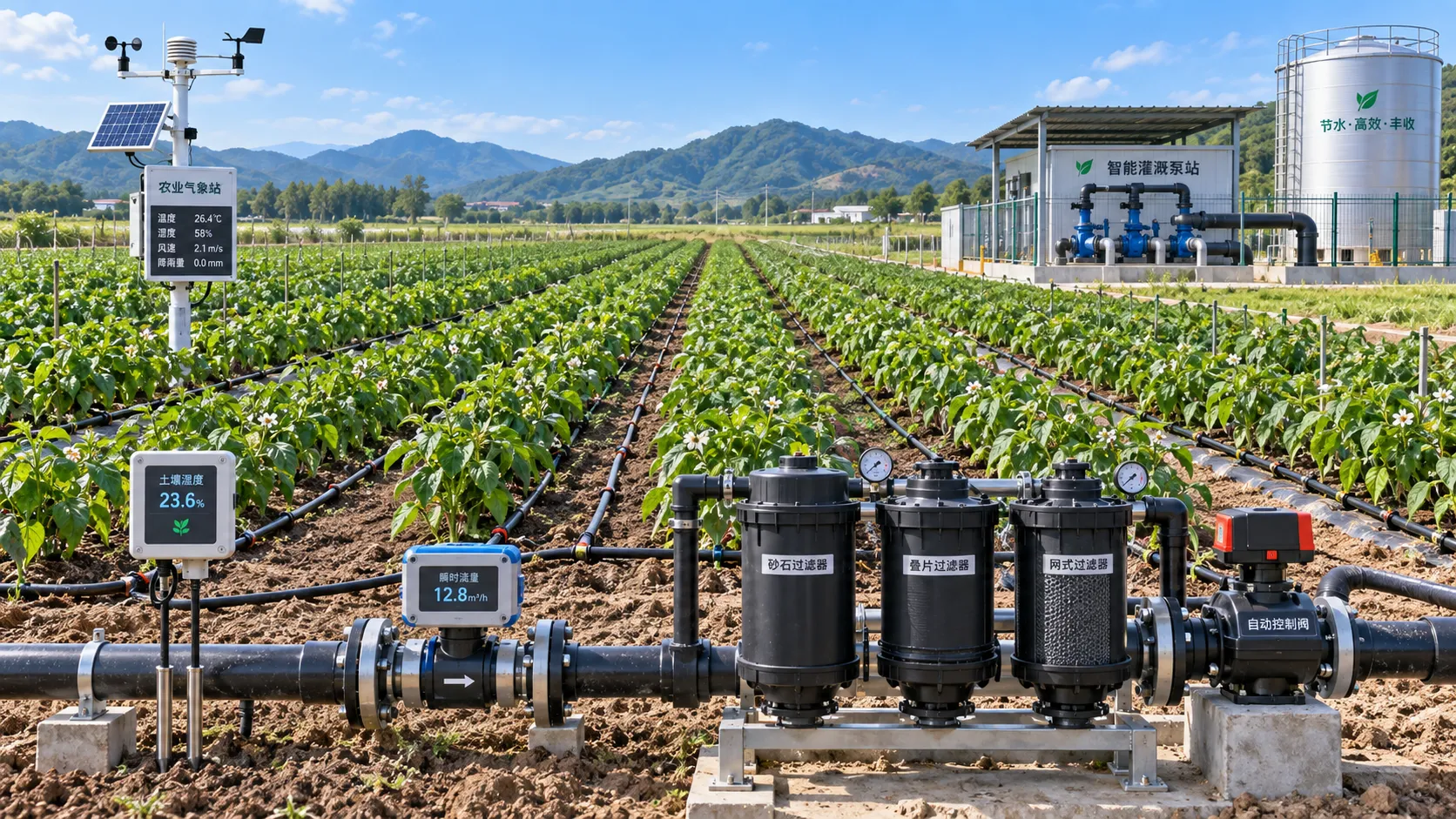
Automated Water-Saving Irrigation: How to Cut Water Use Without Reducing Crop Yields
Automated water-saving irrigation helps farms cut water use, protect crop yields, improve scheduling, and gain reliable control with sensors, flow monitoring, and smart zones.
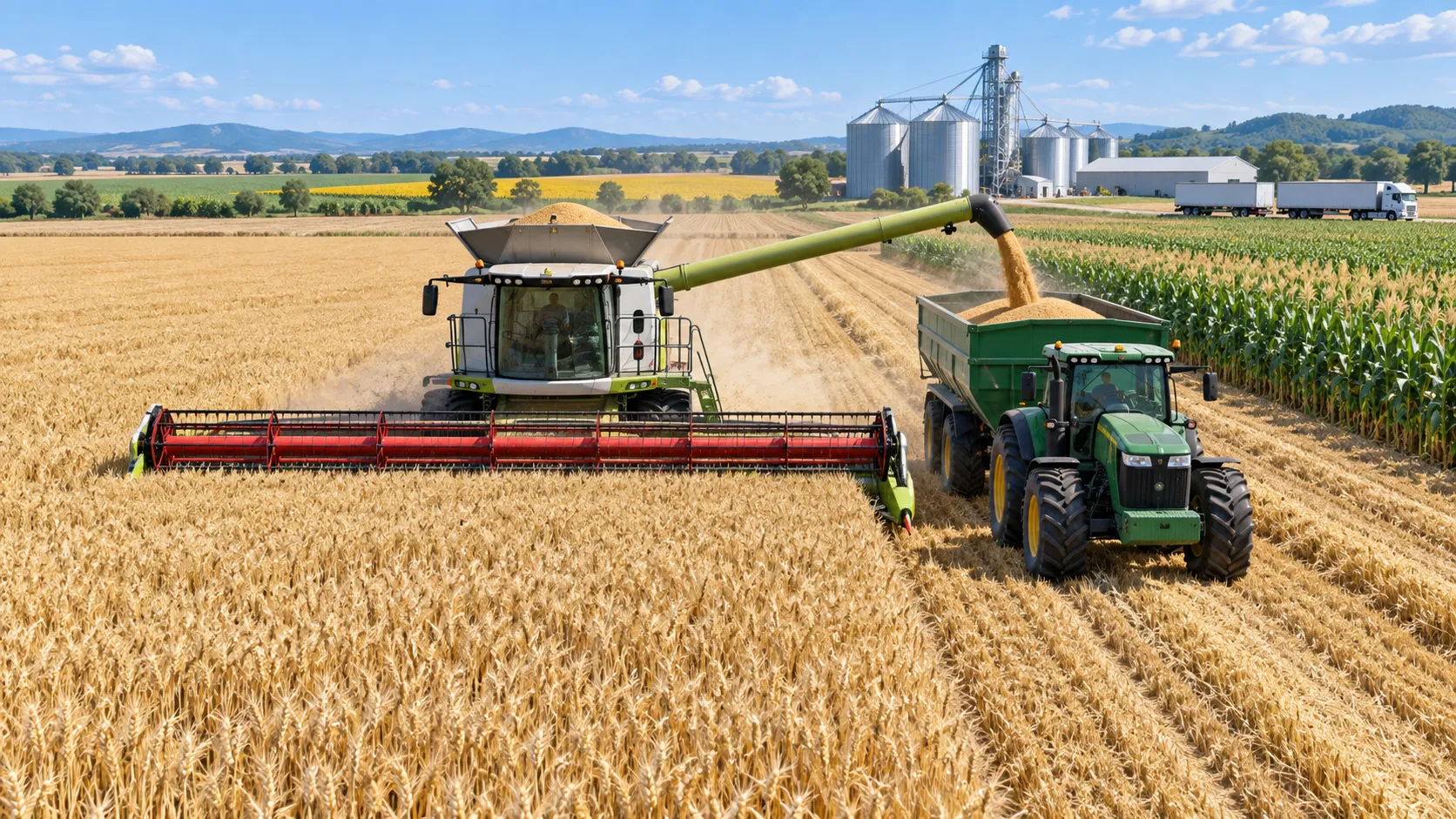
Selecting Grain Farm Equipment by Acreage, Crop Mix, and Harvest Window
Agricultural equipment selection for grain farming: match machinery to acreage, crop mix, and harvest windows to improve uptime, efficiency, and returns.
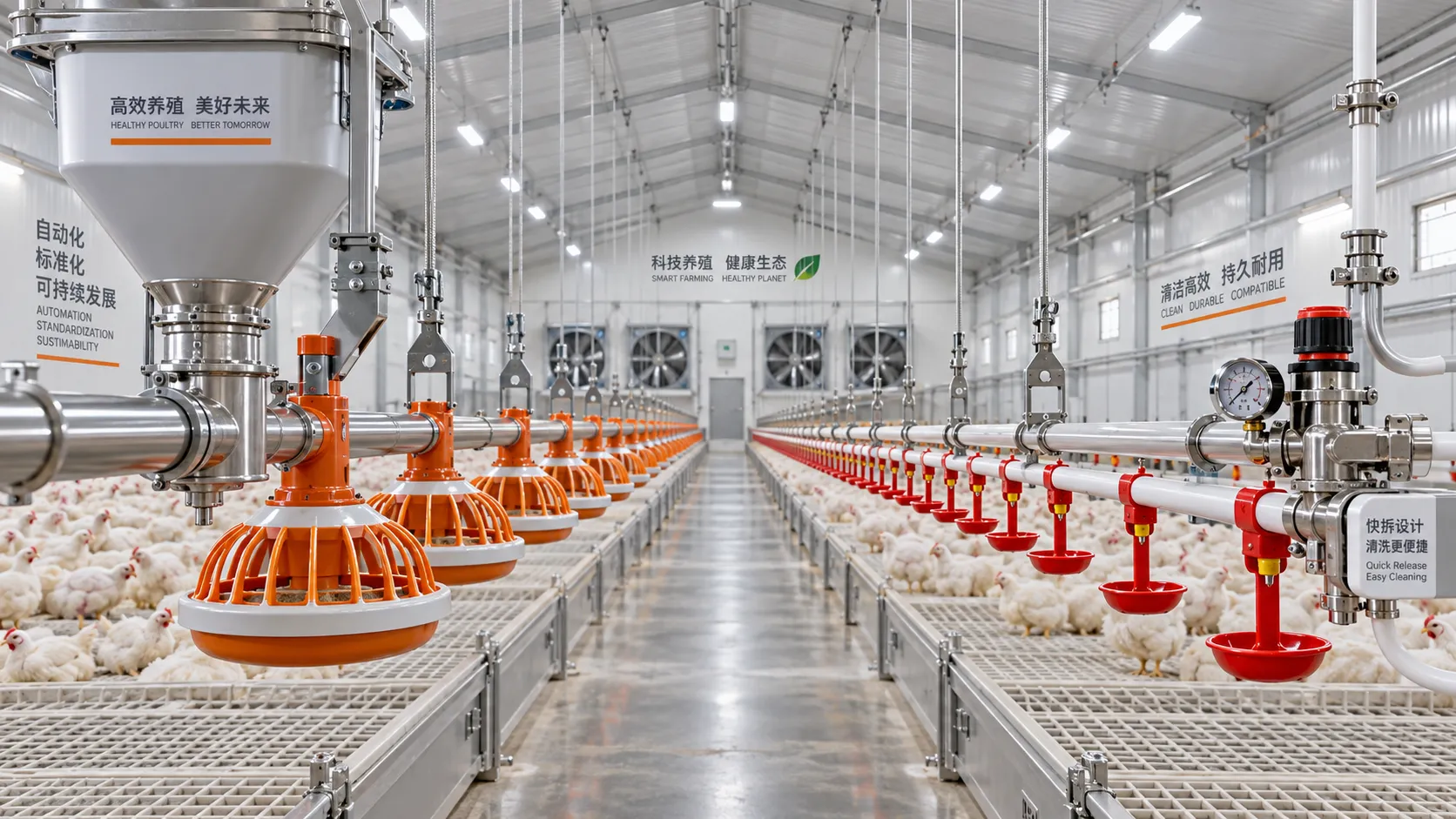
Poultry Equipment Selection: Evaluating Durability, Cleaning, and Compatibility
Poultry equipments selection guide: evaluate durability, cleaning access, and system compatibility to improve hygiene, reduce downtime, and support efficient flock management.
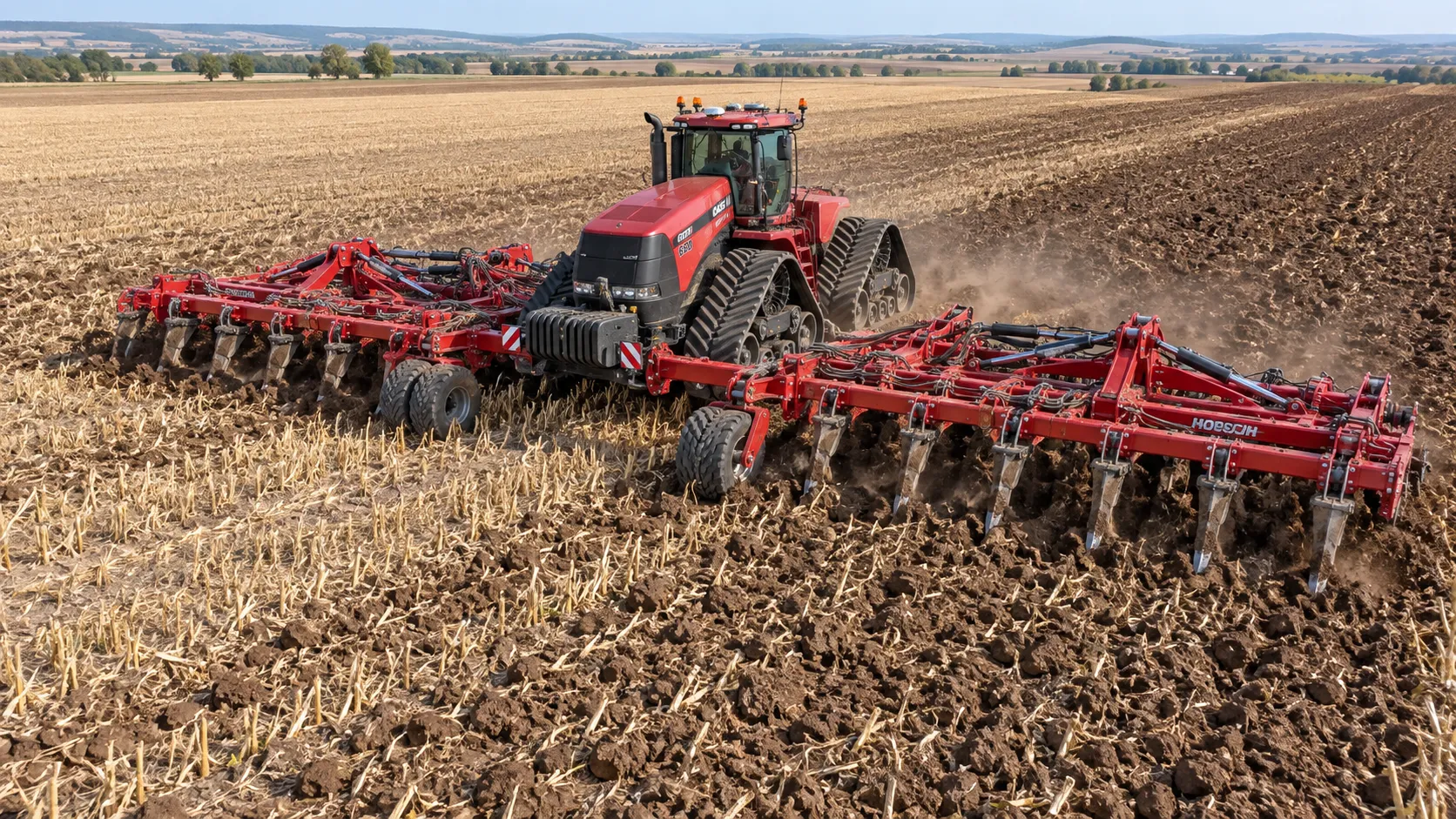
How to Select Heavy-Duty Farm Implements for High-Acreage, High-Horsepower Operations
Heavy duty farm implements: learn how to match draft, hydraulics, hitch capacity, frame strength, and field conditions for reliable high-acreage performance.
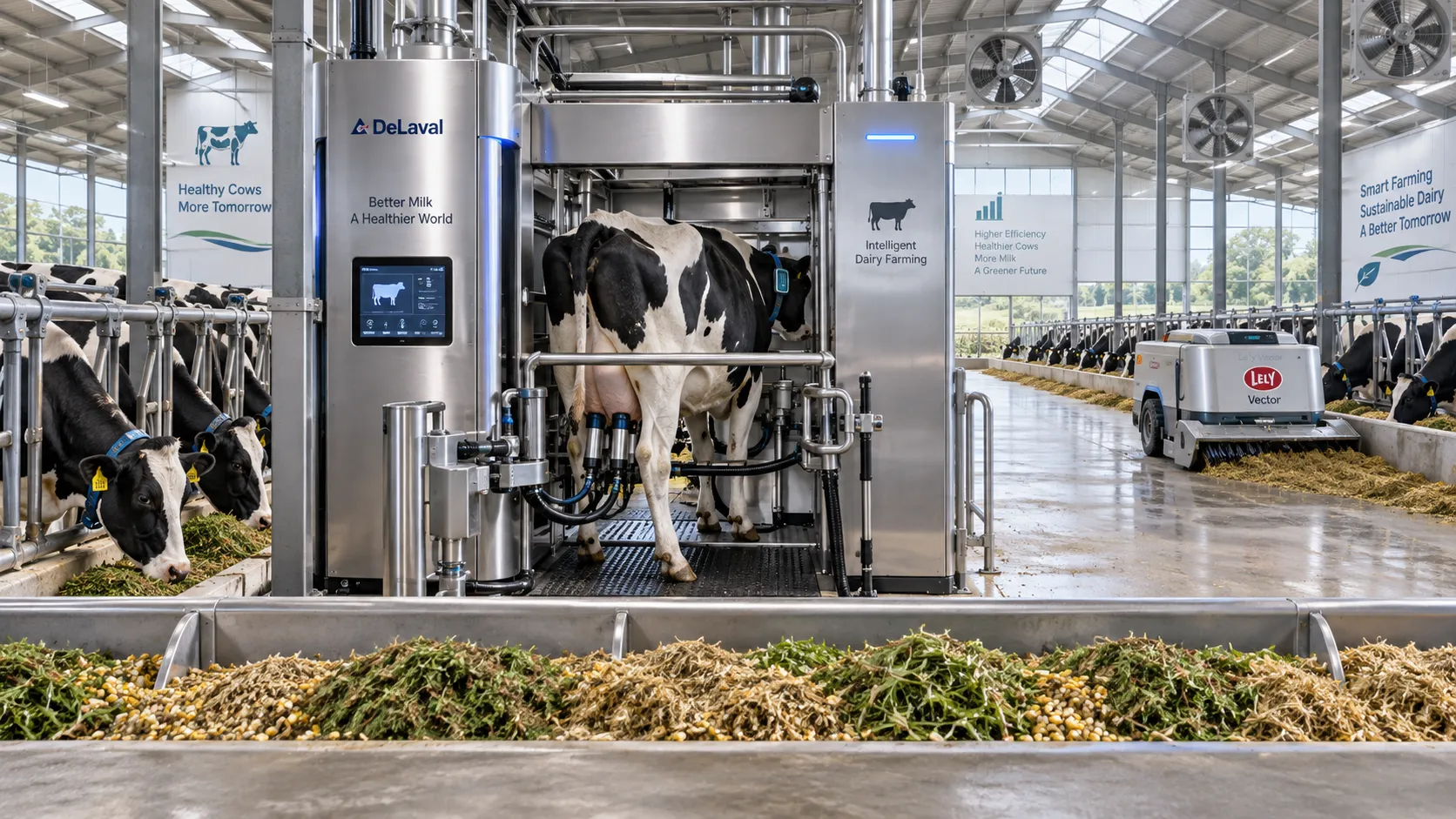
Smart Farming Technology for Dairy Farms: Where Automation Delivers Measurable ROI
Smart farming technology for dairy farms delivers measurable ROI through automation, precision feeding, health monitoring, and data-driven cost control.
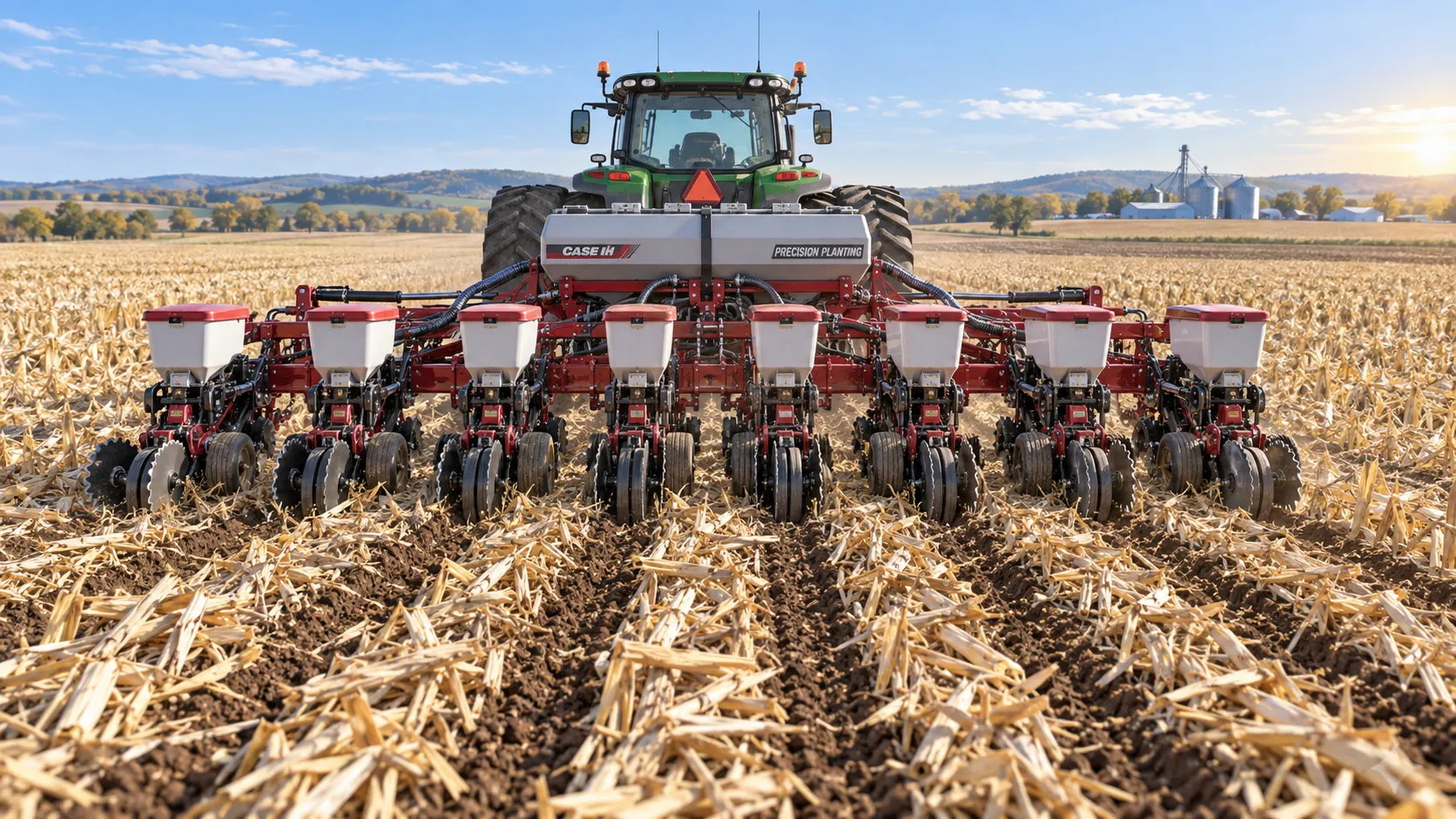
How to Select a Heavy-Duty Seeder for Large Acreage and High-Residue Fields
Heavy duty seeders for large acreage: compare residue handling, depth control, downforce, metering accuracy, and precision features to select the right model.
Related News
- 00
0000-00
How to Evaluate Precision Fertilization System Suppliers for Farm-Scale Deployment - 00
0000-00
How to Select a Precision Fertilization System for Variable Corn Field Conditions - 00
0000-00
When does equipment for sustainable farming justify a higher capital spend? - 00
0000-00
Precision Farming Solutions with Drone Data for Field Mapping and Crop Decisions - 00
0000-00
Precision Farming Systems for Yield Mapping: Key Technologies and Field Applications
Popular Tags
Tractor Power Architect
Weekly Insights
Stay ahead with our curated technology reports delivered every Monday.