
Precision Agriculture Tools That Look Accurate but Waste Input
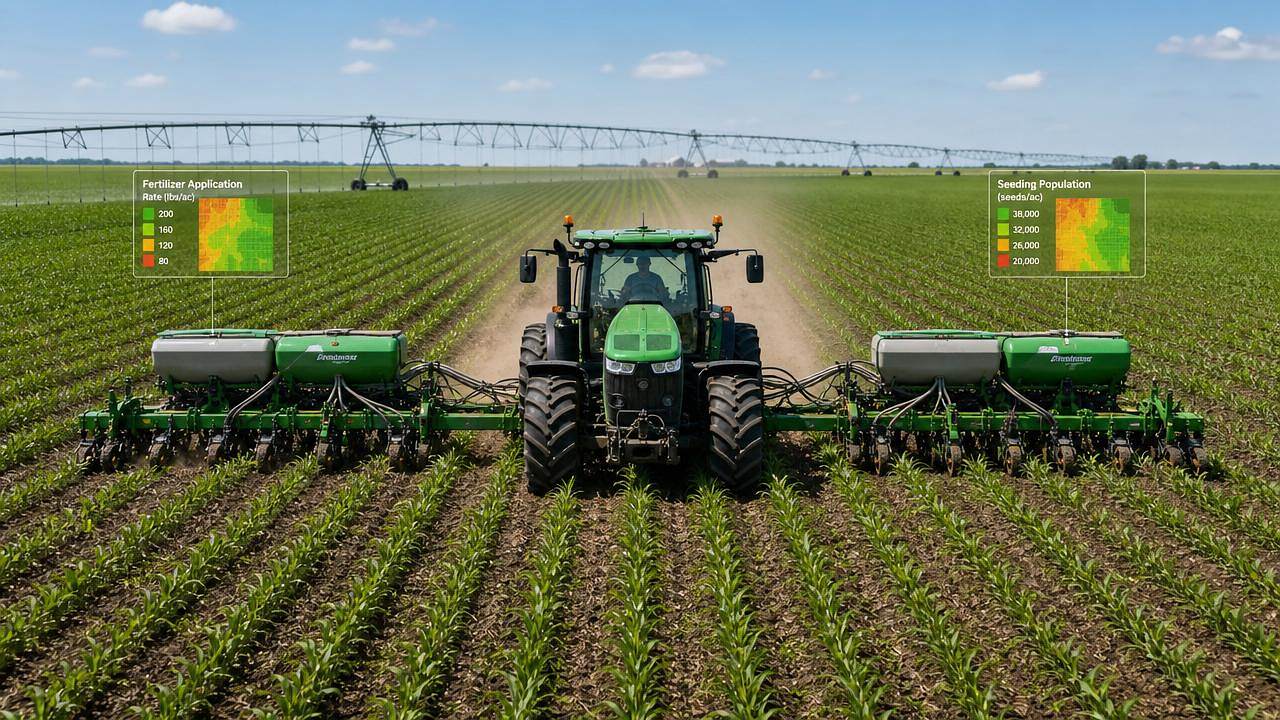




Many precision agriculture tools promise pinpoint accuracy, yet still waste seed, fertilizer, water, or fuel when field conditions, calibration, and machine integration are overlooked. In today’s mechanized farming environment, visual accuracy on a screen does not always translate into biological efficiency in the field. That gap matters because input costs are rising, sustainability reporting is tightening, and equipment decisions increasingly shape long-term operating resilience. This article explores why some precision agriculture tools look advanced but fail to reduce waste, what signals reveal a costly mismatch, and how to judge systems by real agronomic and mechanical performance rather than by interface appeal alone.
Why the market is rethinking precision agriculture tools that only appear accurate
Across large-scale farming, the conversation has shifted from digital visibility to verified efficiency. A variable-rate spreader may show neat application maps, a guidance system may hold straight passes, and a smart irrigation controller may display detailed zones, yet waste still occurs when the machine, the prescription, and the field reality do not align. As a result, precision agriculture tools are being judged less by software sophistication and more by measurable savings per hectare, consistency under changing conditions, and compatibility with tractors, harvesters, and irrigation infrastructure.
This change is especially visible in operations managing high-value inputs over broad acreage. Uneven terrain, soil variability, clogged nozzles, delayed sensor updates, and poor implement calibration can all distort application outcomes. In practice, many operations discover that the most expensive source of waste is not the absence of technology, but technology deployed without system-level validation.
The strongest trend signals point to efficiency proof, not feature count
The latest trend in precision agriculture tools is a move away from isolated tools toward connected performance ecosystems. This reflects broader Agriculture 4.0 priorities: lower input intensity, auditable resource use, and tighter linkage between machine output and agronomic response. Equipment that cannot demonstrate these connections is losing strategic value, even if it appears technically advanced.
- Input inflation is forcing closer scrutiny of seed, nutrient, chemical, water, and fuel efficiency.
- Sustainability targets are pushing farms to document reduced over-application and runoff risk.
- Mixed fleets require stronger compatibility between guidance, ISOBUS controls, sensors, and implements.
- Labor constraints increase dependence on intuitive systems that stay accurate outside ideal conditions.
- Data-rich platforms are creating pressure to prove that prescriptions improve outcomes, not just produce maps.
These signals suggest that future demand will favor precision agriculture tools capable of adapting in real time, integrating with machinery already in operation, and maintaining accuracy when dust, slope, moisture variability, or crop residue interfere with ideal model assumptions.
Where precision agriculture tools often waste inputs despite accurate-looking data
The most common failures are not always dramatic. They often emerge as small errors repeated across thousands of hectares. A system can be digitally precise but operationally inefficient when the execution layer breaks down. That is why evaluating precision agriculture tools requires attention to field mechanics as much as algorithm quality.
1. Variable-rate systems without stable ground truth
Prescription maps depend on the quality of underlying soil, yield, moisture, and satellite data. If those data layers are outdated, too coarse, or poorly interpreted, variable-rate application simply distributes error with more sophistication. This can lead to underfeeding productive zones and overfeeding weak zones, increasing both waste and yield inconsistency.
2. Guidance accuracy without implement accuracy
Auto-steering may keep the tractor on line, but seed meters, spray booms, fertilizer discs, and planter downforce still determine whether inputs land correctly. Side-draft, boom bounce, overlap on headlands, and delayed shutoff create waste that dashboards may not reveal clearly. In these cases, precision agriculture tools improve pass geometry while failing to improve actual placement efficiency.
3. Smart irrigation with weak hydraulic reality
Intelligent irrigation platforms can recommend exact watering schedules, but field performance suffers when pressure variation, emitter wear, filtration issues, or uneven distribution reduce delivery uniformity. The software may be correct, yet the water application remains inefficient. This is a major reason why irrigation-focused precision agriculture tools must be audited at both the digital and hardware levels.
4. Sensor richness without maintenance discipline
Optical sensors, flow meters, moisture probes, and machine telematics degrade in value when calibration intervals are ignored. Dust contamination, drift, broken harnesses, and poor installation angles can create false confidence. Waste follows because decisions are made from data that looks detailed but is no longer trustworthy.
What is driving this mismatch between digital precision and real input efficiency
The broader lesson is that precision agriculture tools must be assessed as part of an operating system that includes agronomy, hydraulics, transmission stability, implement design, and operator behavior. Precision is not a feature; it is an outcome.
How these issues affect field operations, equipment strategy, and sustainability goals
When inaccurate execution hides behind accurate-looking interfaces, the operational impact is broad. Input waste raises direct costs, but it also reduces machinery efficiency by adding rework, increasing refill frequency, and extending field time. On large-scale operations, small overlap or misapplication rates can multiply into substantial annual losses in fertilizer, water, diesel, and labor hours.
There is also a strategic effect. Poorly matched precision agriculture tools can distort investment priorities by pushing capital into analytics while neglecting the mechanical bottlenecks that actually determine field performance. That weakens the value of tractors, combine support logistics, and irrigation systems that depend on coordinated timing and data accuracy. In sustainability terms, the same mismatch can raise nitrate leaching risk, increase spray drift exposure, and undermine claims of resource-efficient production.
- Seed waste appears as doubles, skips, and uneven stand establishment.
- Fertilizer waste appears as overlap, unstable spread patterns, or poor response-zone targeting.
- Water waste appears as non-uniform infiltration, drainage loss, or irrigation timing errors.
- Fuel waste appears through redundant passes, transport inefficiency, and low field execution quality.
What deserves closer attention before selecting precision agriculture tools
The most reliable selection process starts with input-loss pathways, not product brochures. Instead of asking which system has the most functions, it is more useful to ask where waste currently occurs and whether the proposed tool can correct that loss under everyday field conditions.
- Execution accuracy: Confirm whether rates, depth, pressure, and shutoff timing remain stable across speed changes, slopes, and headlands.
- Machine compatibility: Check integration with tractor chassis controls, hydraulic systems, planter or sprayer electronics, and irrigation hardware.
- Calibration burden: Evaluate how often the system needs adjustment and whether maintenance routines are realistic during peak season.
- Data transparency: Require access to raw and processed performance data, not only polished dashboards.
- Field verification: Ask for proof tied to emergence uniformity, nutrient-use efficiency, water distribution uniformity, or reduced overlap.
- Upgrade path: Prefer precision agriculture tools that can scale across fleets and future autonomy layers.
A practical framework for judging whether precision agriculture tools will truly reduce waste
This framework helps separate cosmetic precision from durable efficiency. The best precision agriculture tools are not necessarily the most complex; they are the ones that maintain agronomic intent from prescription to final placement.
The next useful step is to test systems against real field loss points
A sound next move is to map the largest sources of waste in current operations, then compare each candidate system against those specific failures. Review overlap on headlands, check spread pattern consistency, measure irrigation uniformity, confirm response latency in section control, and inspect whether machine telematics match physical outcomes in the field. If a tool cannot reduce a known loss point, its precision value is limited no matter how advanced it appears.
For operations tracking long-term equipment strategy, the strongest investments will come from precision agriculture tools that connect data quality, machinery reliability, and resource efficiency into one verifiable performance chain. That is where lower waste, stronger sustainability outcomes, and better capital discipline begin.
Related News
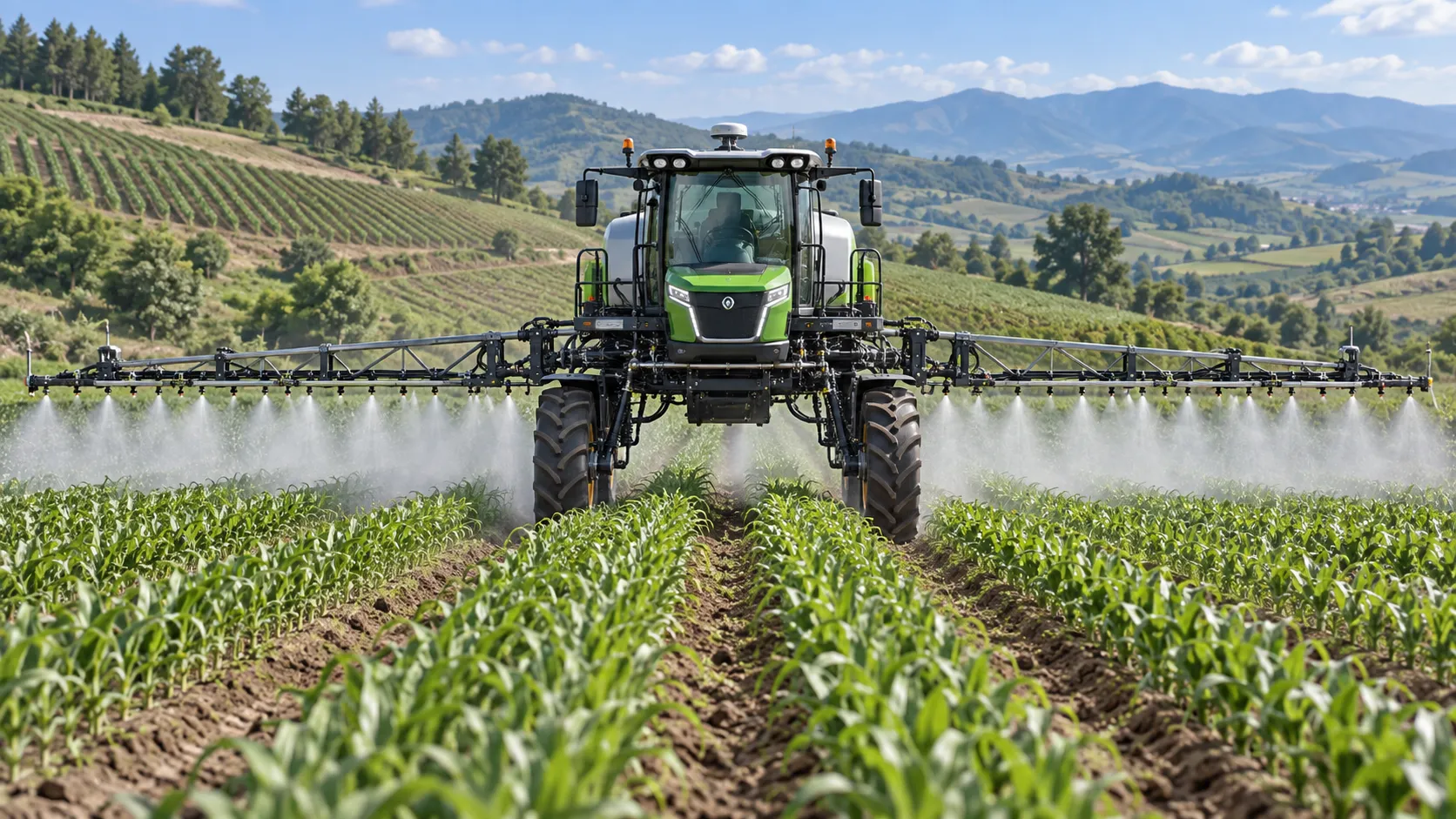
How to Select Precision Crop Protection Equipment for Variable Field Conditions
Precision crop protection equipment selection made simple: compare terrain, canopy, weather, control accuracy, and data workflows for reliable applications.

When Does Agricultural Machinery Leasing Cost Less Than Owning Equipment?
Agricultural machinery leasing can lower farm costs when use is seasonal or uncertain. Compare utilization, maintenance, cash flow, and risk to make a smarter equipment decision.

How to Evaluate Precision Fertilization System Suppliers for Farm-Scale Deployment
Precision fertilization systems suppliers: learn how to compare accuracy, integration, uptime, service, and total cost for confident farm-scale deployment.
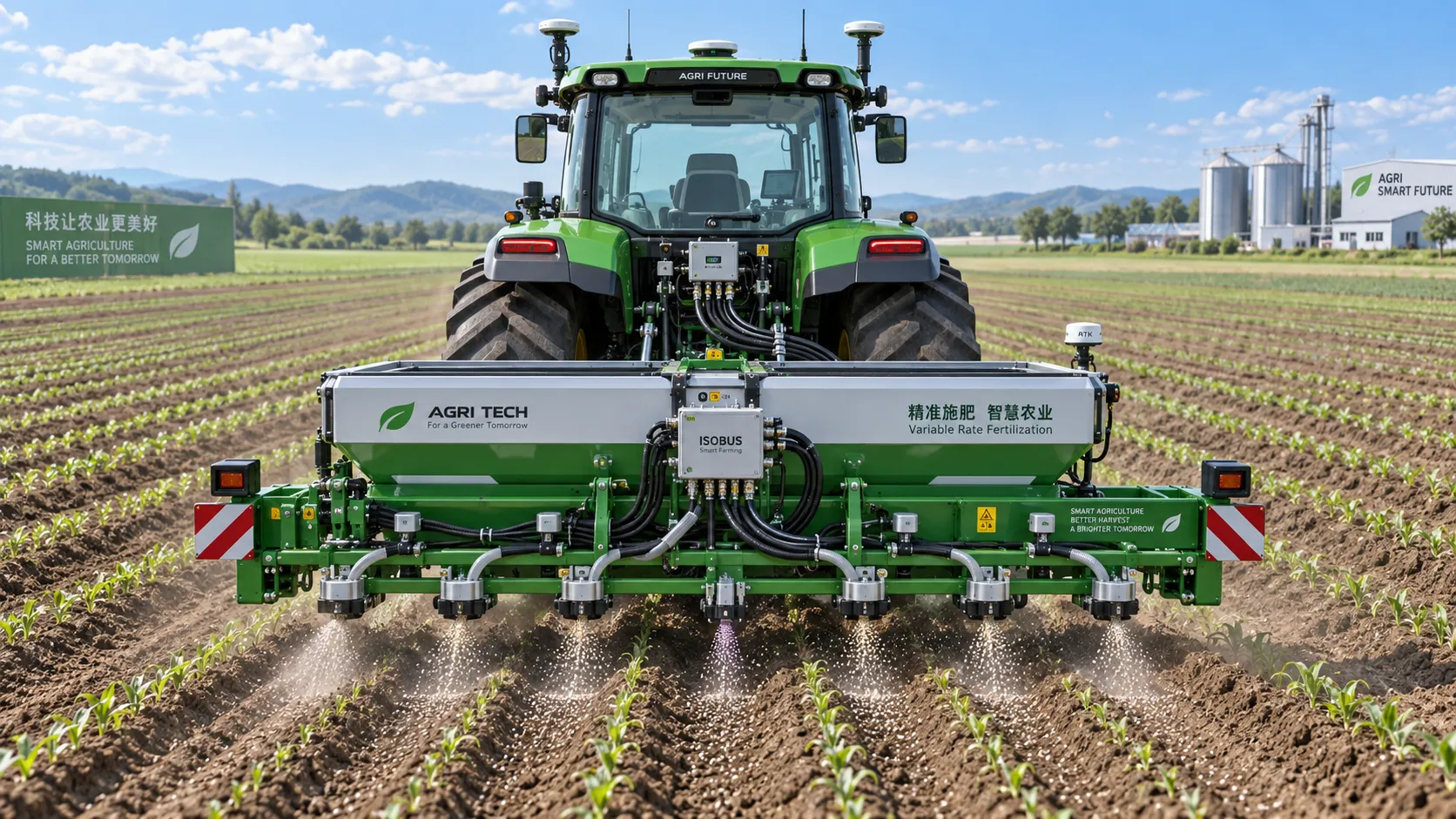
ISOBUS for Smart Agriculture: How It Connects Tractors, Implements, and Farm Data
ISOBUS for smart agriculture connects tractors, implements, terminals, and farm data—helping growers improve precision, documentation, and smarter field decisions.
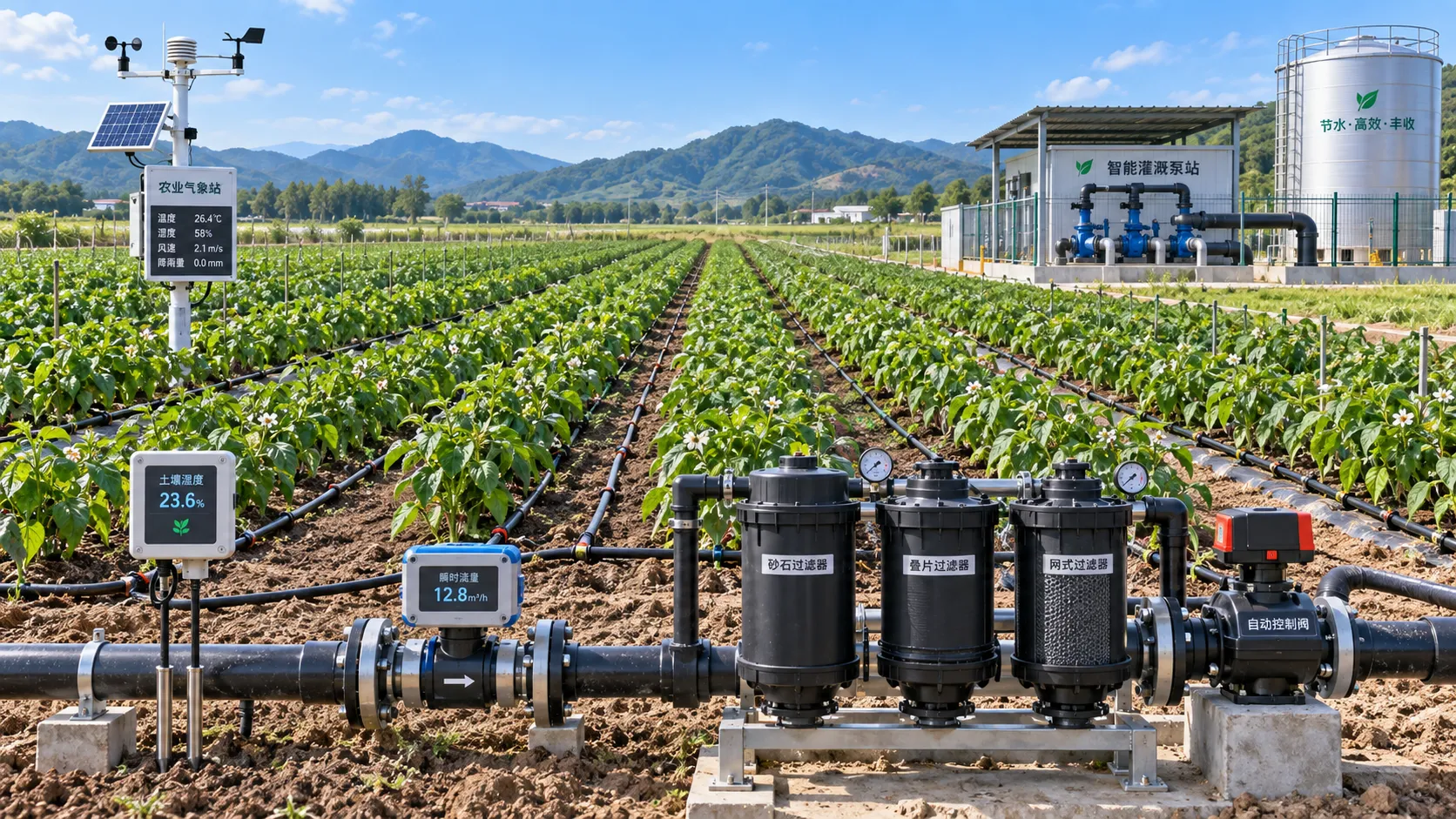
Automated Water-Saving Irrigation: How to Cut Water Use Without Reducing Crop Yields
Automated water-saving irrigation helps farms cut water use, protect crop yields, improve scheduling, and gain reliable control with sensors, flow monitoring, and smart zones.
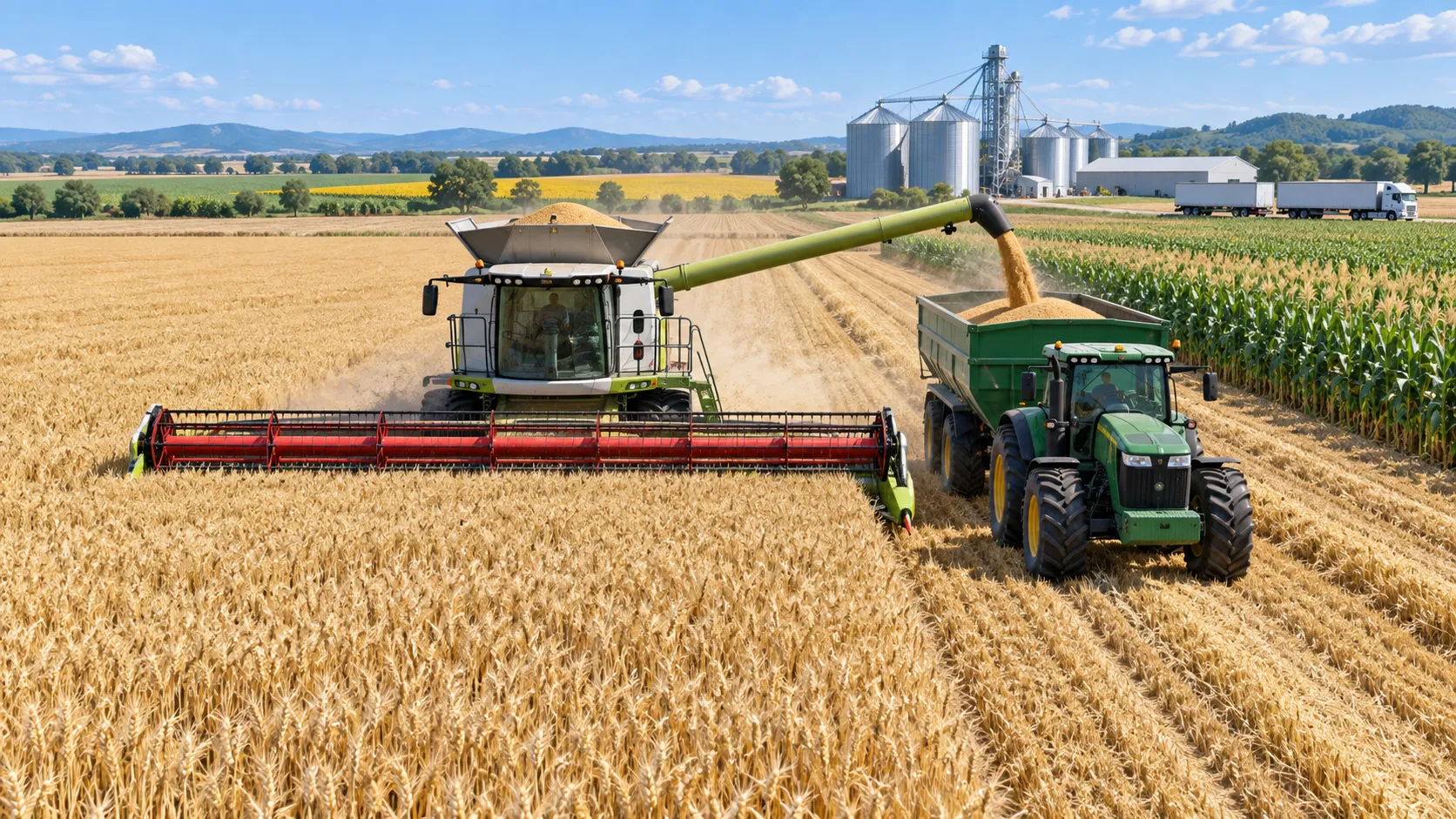
Selecting Grain Farm Equipment by Acreage, Crop Mix, and Harvest Window
Agricultural equipment selection for grain farming: match machinery to acreage, crop mix, and harvest windows to improve uptime, efficiency, and returns.
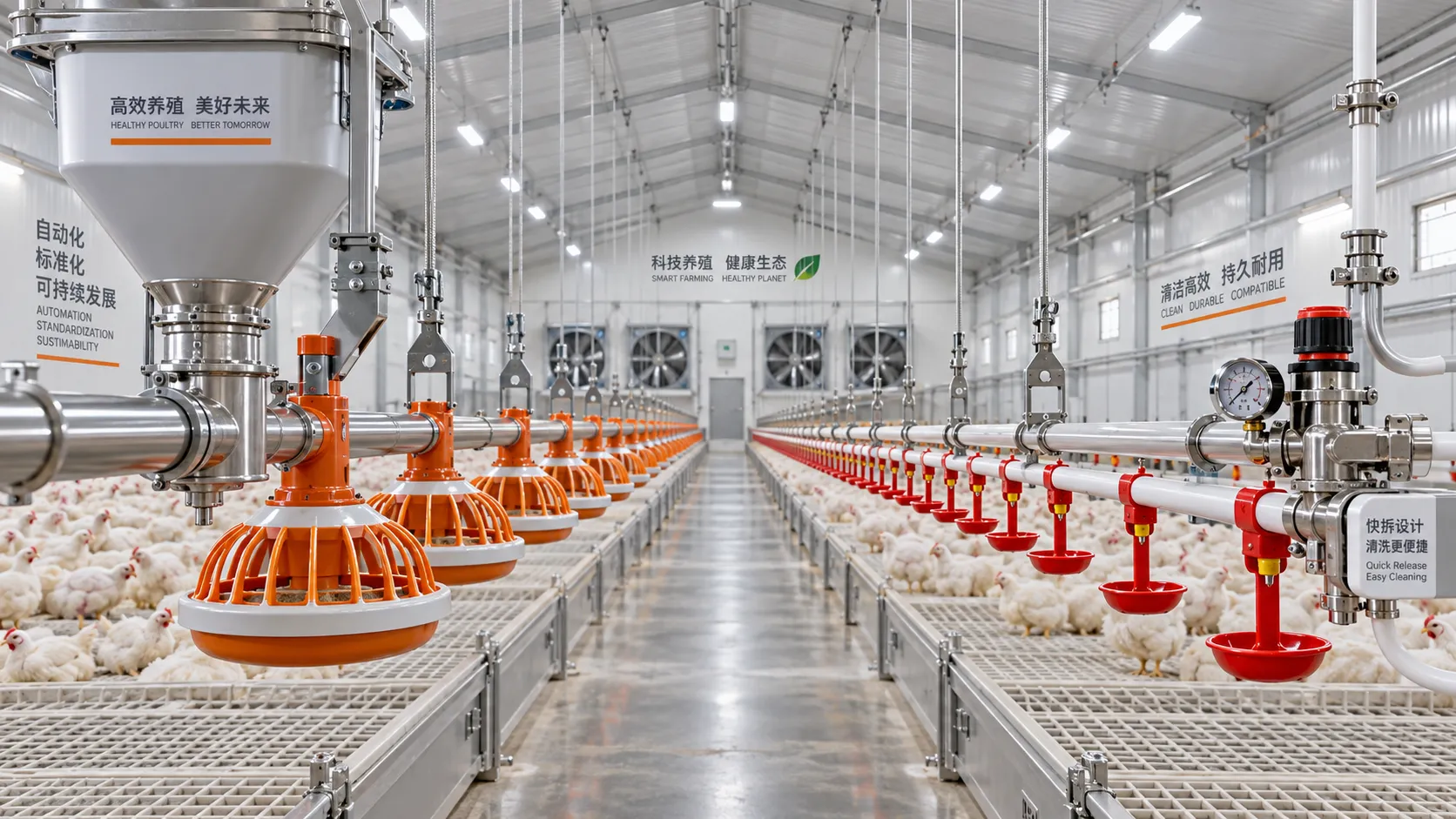
Poultry Equipment Selection: Evaluating Durability, Cleaning, and Compatibility
Poultry equipments selection guide: evaluate durability, cleaning access, and system compatibility to improve hygiene, reduce downtime, and support efficient flock management.
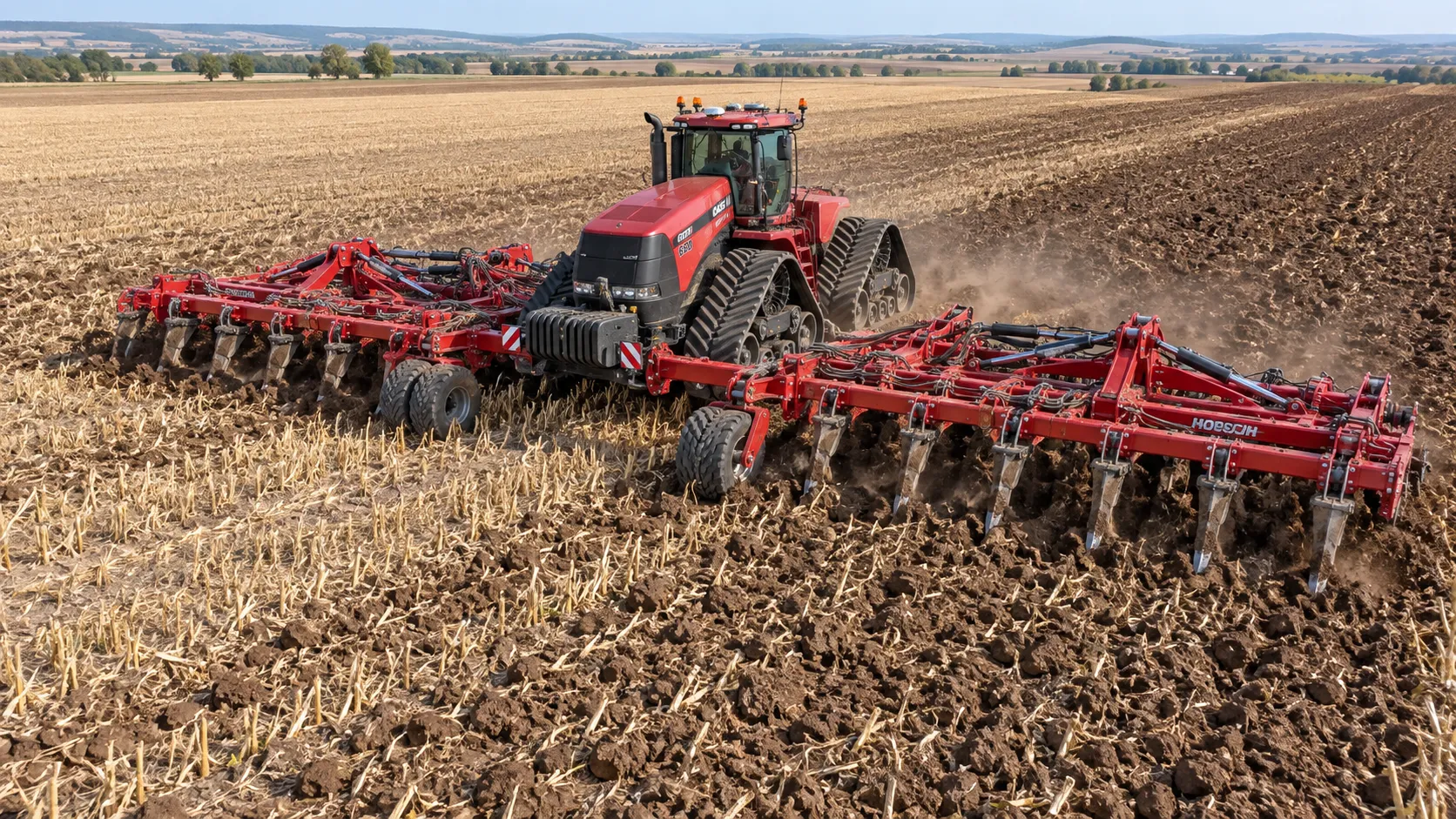
How to Select Heavy-Duty Farm Implements for High-Acreage, High-Horsepower Operations
Heavy duty farm implements: learn how to match draft, hydraulics, hitch capacity, frame strength, and field conditions for reliable high-acreage performance.
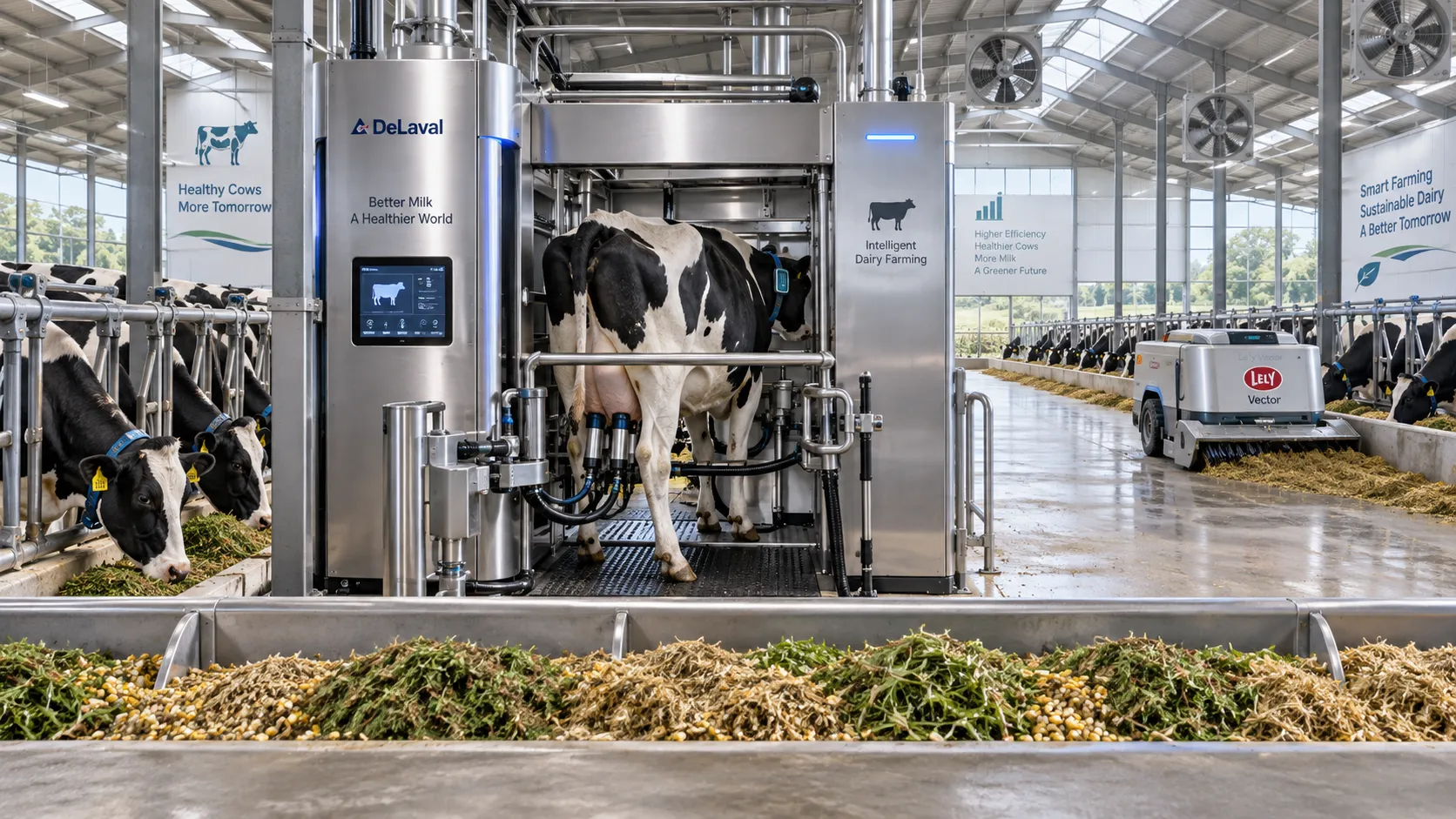
Smart Farming Technology for Dairy Farms: Where Automation Delivers Measurable ROI
Smart farming technology for dairy farms delivers measurable ROI through automation, precision feeding, health monitoring, and data-driven cost control.
Related News
- 00
0000-00
How to Select Precision Crop Protection Equipment for Variable Field Conditions - 00
0000-00
How to Evaluate Precision Fertilization System Suppliers for Farm-Scale Deployment - 00
0000-00
How to Select a Precision Fertilization System for Variable Corn Field Conditions - 00
0000-00
When does equipment for sustainable farming justify a higher capital spend? - 00
0000-00
Precision Farming Solutions with Drone Data for Field Mapping and Crop Decisions
Popular Tags
Tractor Power Architect
Weekly Insights
Stay ahead with our curated technology reports delivered every Monday.