
Where Precision Farming Algorithms Still Miss the Field
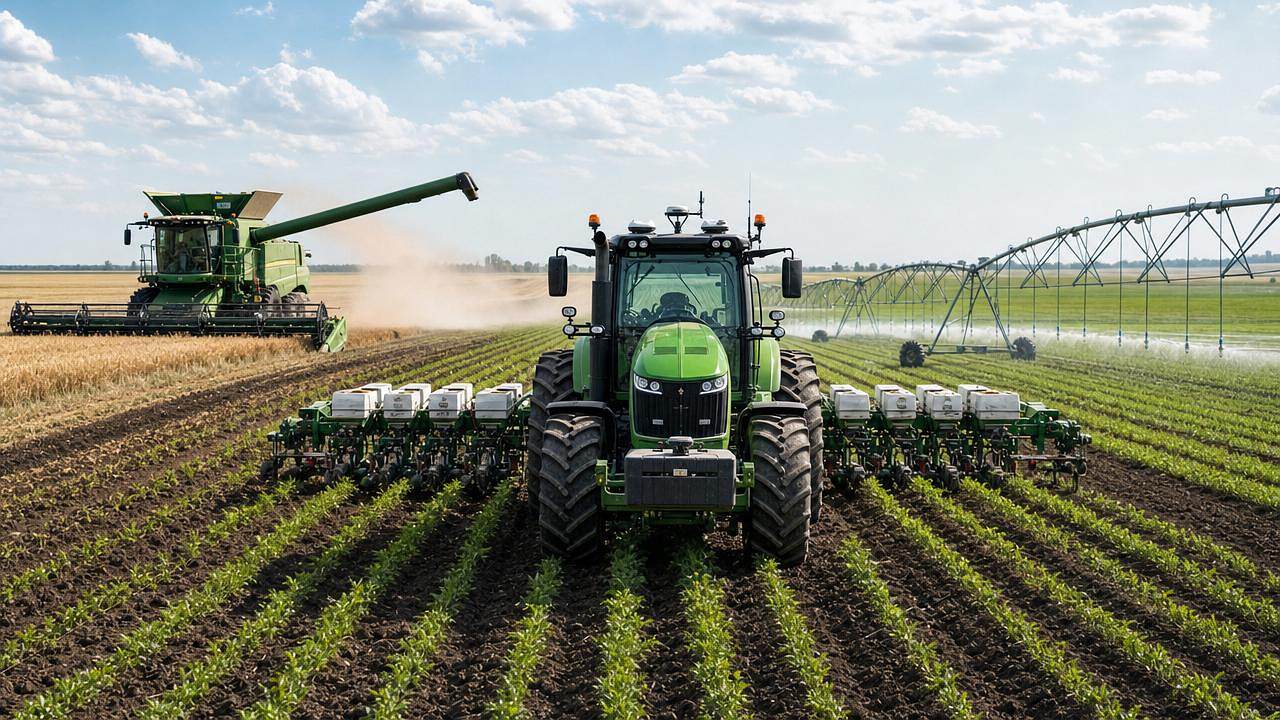




Precision farming algorithms promise cleaner data, tighter inputs, and smarter decisions, yet many still struggle to capture the variability of real field conditions. For technical evaluators, the gap between model output and machine performance is where risk, cost, and opportunity converge. This article examines why precision farming algorithms still miss the field and what that means for large-scale equipment, harvesting efficiency, and intelligent irrigation strategy.
In large-scale agriculture, algorithm performance is rarely judged on dashboard elegance alone. It is judged in dust, heat, latency, wheel slip, residue load, water pressure fluctuations, and the operational discipline of crews working across hundreds or thousands of hectares. For AP-Strategy’s core audience, the real question is not whether precision farming algorithms are useful, but where they fail, how often they drift, and what evaluation framework can separate a promising digital tool from an operational liability.
That distinction matters because Agriculture 4.0 systems increasingly tie together tractor chassis control, combine harvester loss monitoring, intelligent farm tools, and water-saving irrigation networks. A small mismatch in one model can cascade into 3 downstream problems: poor input placement, unstable machine behavior, and weak return on capital expenditure. Technical evaluators therefore need to assess algorithms as part of a field system, not as isolated software logic.
Why the Field Still Defeats the Model
Many precision farming algorithms are built on structured assumptions: stable sensor calibration, consistent soil response, reliable GNSS positioning, and repeatable crop conditions. Real farms rarely provide all 4 at once. A prescription map that performs within a ±3% response band in one trial block may miss by 10% to 18% when residue cover, soil compaction, and operator speed vary during a 12-hour shift.
Data quality is often weaker than the model architecture
In practice, the first failure point is usually not the algorithmic formula but the data pipeline. Yield monitors can drift, moisture sensors can lag, nozzle flow sensors can foul, and machine CAN-bus signals may not be synchronized at sub-second intervals. If timestamps differ by even 1 to 3 seconds, spatial recommendations can be offset enough to distort section control, variable-rate application, or irrigation timing across large passes.
For technical evaluators, this means model testing must include at least 3 layers: sensor integrity, data fusion consistency, and decision execution on the machine. A model that reports high prediction quality in a cloud environment may still fail when transferred to a sprayer, planter, combine, or pump controller with intermittent communication and inconsistent field calibration routines.
Biological systems are non-linear and seasonal
Precision farming algorithms often underperform because crop response is not a clean engineering system. Root depth, evapotranspiration, pest pressure, lodging, and nutrient uptake interact over time. A model trained on 2 seasons of data may not generalize well in the third season if rainfall timing shifts by 20 to 30 days or if temperature stress alters plant development during a critical 7- to 14-day window.
What this means for equipment-linked decisions
- Variable-rate seeding can miss target populations when emergence assumptions differ from actual residue and moisture conditions.
- Harvester optimization models can misread grain loss risk when crop density changes within a single 300-meter pass.
- Irrigation algorithms may overestimate plant demand if wind, infiltration rate, and emitter uniformity are not updated frequently.
- Autonomous path planning may look efficient in simulation but create soil compaction penalties over a 2- to 4-season cycle.
The table below highlights where precision farming algorithms commonly lose accuracy when moving from controlled design logic to operating field reality.
The key point is that precision farming algorithms fail less from abstract mathematical weakness than from weak translation between digital assumptions and mechanical reality. That is especially relevant for businesses evaluating integrated systems across machinery, harvesting, and irrigation rather than single-function software modules.
Where Technical Evaluators Should Focus First
A useful evaluation process starts with a simple principle: field performance is a chain, and the weakest link is often physical, not computational. Before comparing vendors or model types, evaluators should define 4 measurable checkpoints: data reliability, machine actuation response, agronomic fit, and operator usability. Without that structure, even a sophisticated algorithm can appear better in a sales demonstration than in a 500-hectare deployment.
1. Validate sensor and signal integrity
Start by checking update frequency, calibration interval, and failure tolerance. For example, a real-time control function may need signal refresh at 1-second or faster intervals, while strategic zone planning may tolerate longer cycles such as 15 minutes or daily summaries. Mixing these use cases often creates unrealistic expectations and poor procurement decisions.
2. Measure execution lag on the machine
Precision farming algorithms should never be assessed without actuation latency testing. If a section control command takes 0.8 to 1.5 seconds to execute, and the machine is moving at 18 km/h, the actual application point may shift by several meters. In fertilizer, chemical, or irrigation pulse control, that distance is large enough to reduce prescription accuracy and complicate ROI analysis.
3. Test robustness across field variability bands
Single-condition testing is not enough. Evaluators should run at least 3 scenario bands: normal condition, stress condition, and edge condition. In combine harvesting, that may mean testing across low, medium, and high feed rates. In intelligent irrigation, it may mean pressure variation, partial clogging, and changing evaporative demand. The value lies in knowing not only average performance, but also the point at which the algorithm begins to fail.
4. Review operator override burden
A system that requires operator correction every 20 minutes is not truly autonomous in practical terms. Technical evaluators should document override frequency, alarm quality, and training time. In many field operations, a 2-hour training gain is less important than reducing intervention events by 30% during a long harvest or irrigation window.
The following framework helps compare precision farming algorithms in an equipment-centered procurement or validation workflow.
This framework also helps distributors, integrators, and farm groups compare solutions without overemphasizing software claims that are difficult to verify in daily operation. It aligns digital intelligence with procurement discipline, which is increasingly important in long-cycle agri-equipment investment.
The Hidden Interface Problem: Algorithms and Heavy Equipment
One reason precision farming algorithms still miss the field is that they are often developed faster than the mechanical systems expected to execute them. In large-scale machinery, hydraulic response, chassis stability, implement vibration, and powertrain loading all influence whether a digital command becomes a precise field action. This is why evaluating software without equipment dynamics can mislead procurement teams.
Tractor chassis and traction variability
GNSS guidance may hold a tight path under ideal conditions, but traction changes on wet, compacted, or sloped ground can still alter the effective implement position. A chassis-control or auto-guidance algorithm may maintain a nominal line while the implement drifts enough to affect seed placement or cultivation overlap. Even a 5 to 8 cm lateral deviation can matter in high-value row operations.
Combine harvesters and fast-changing crop flow
In harvesting, the problem is intensified by feed-rate volatility. Precision farming algorithms used for loss management, rotor adjustment, or cleaning optimization often respond to data that are already delayed relative to the physical crop stream. When crop moisture or biomass changes within seconds, a control recommendation may arrive after the critical disturbance has already passed through the machine.
That is why harvester evaluation should measure at least 3 variables together: sensor delay, control adjustment speed, and resulting grain loss or sample cleanliness. Looking at only one metric can hide a damaging tradeoff, such as lower visible loss but higher impurity load or increased fuel use over a 10-hour harvesting day.
Intelligent irrigation and network friction
In irrigation systems, algorithms often assume that water reaches the target zone according to design intent. Yet real networks face pressure drop, filtration issues, emitter wear, and uneven infiltration. A smart scheduling model that is agronomically sound can still underdeliver if the hydraulic network is operating at 85% uniformity instead of the expected 95% or higher.
Common interface risks evaluators should document
- Whether the algorithm depends on sensor types not consistently maintained in the field.
- Whether response speed matches the machine’s operating speed and control hardware.
- Whether the recommendation engine adapts to wear, seasonal drift, and maintenance gaps.
- Whether the machine can log enough feedback to verify actual execution against intended action.
For AP-Strategy readers focused on combine harvesting technology, tractor chassis performance, and intelligent farm tools, this interface layer is often where the highest-value intelligence sits. It connects field analytics with equipment reality and helps decision-makers avoid systems that appear advanced but lack durable operational fit.
How to Improve Deployment Outcomes Without Overtrusting the Algorithm
The practical response is not to abandon precision farming algorithms, but to deploy them with narrower claims, stronger validation, and clearer fallback logic. The best-performing operations usually combine predictive models with machine-level feedback and human review rather than relying on a single automated decision layer.
Use staged rollout instead of full-farm activation
A staged rollout over 3 phases is often safer: pilot block, expanded validation zone, and full operational scale. For example, a farm group may first test 50 to 100 hectares, then expand to 300 to 500 hectares, then evaluate broad deployment only after one full crop cycle. This reduces capital risk and gives evaluators enough data to identify weak assumptions before they affect an entire season.
Build acceptance criteria around field outcomes
Acceptance criteria should include measurable field metrics such as overlap reduction, grain loss stability, irrigation uniformity support, operator override frequency, and data completeness rate. A software interface score is not enough. What matters is whether the system improves output quality, protects inputs, and holds performance under operating pressure.
Keep manual fallback procedures active
Technical evaluators should require manual or semi-automatic fallback modes, especially for harvest and irrigation operations where failure costs escalate quickly. If a recommendation engine degrades, crews need a known baseline setting or rule set that can maintain acceptable performance for 24 to 72 hours while diagnostics are completed.
Treat maintenance as part of algorithm performance
An algorithm is only as good as the maintenance discipline supporting its sensors, valves, belts, filters, and calibration points. In many deployments, performance erosion appears to be a software problem when it is actually a service problem. Maintenance frequency, replacement cycles, and inspection routines should therefore be written into the evaluation plan from day 1.
Precision farming algorithms will continue to shape large-scale agri-machinery, combine harvesting technology, and intelligent irrigation systems, but only when they are evaluated against the full complexity of the field. Technical evaluators who test data quality, mechanical execution, agronomic variability, and service discipline together are more likely to identify solutions that deliver stable value over multiple seasons, not just impressive demonstrations. If you are assessing integrated agriculture technology for procurement, optimization, or market positioning, AP-Strategy can help you compare field intelligence with equipment reality. Contact us to discuss a tailored evaluation framework, request solution-specific insight, or explore more strategies for intelligent cultivation.
Related News

When Does Agricultural Machinery Leasing Cost Less Than Owning Equipment?
Agricultural machinery leasing can lower farm costs when use is seasonal or uncertain. Compare utilization, maintenance, cash flow, and risk to make a smarter equipment decision.
How to Evaluate Precision Fertilization System Suppliers for Farm-Scale Deployment
Precision fertilization systems suppliers: learn how to compare accuracy, integration, uptime, service, and total cost for confident farm-scale deployment.
ISOBUS for Smart Agriculture: How It Connects Tractors, Implements, and Farm Data
ISOBUS for smart agriculture connects tractors, implements, terminals, and farm data—helping growers improve precision, documentation, and smarter field decisions.
Automated Water-Saving Irrigation: How to Cut Water Use Without Reducing Crop Yields
Automated water-saving irrigation helps farms cut water use, protect crop yields, improve scheduling, and gain reliable control with sensors, flow monitoring, and smart zones.
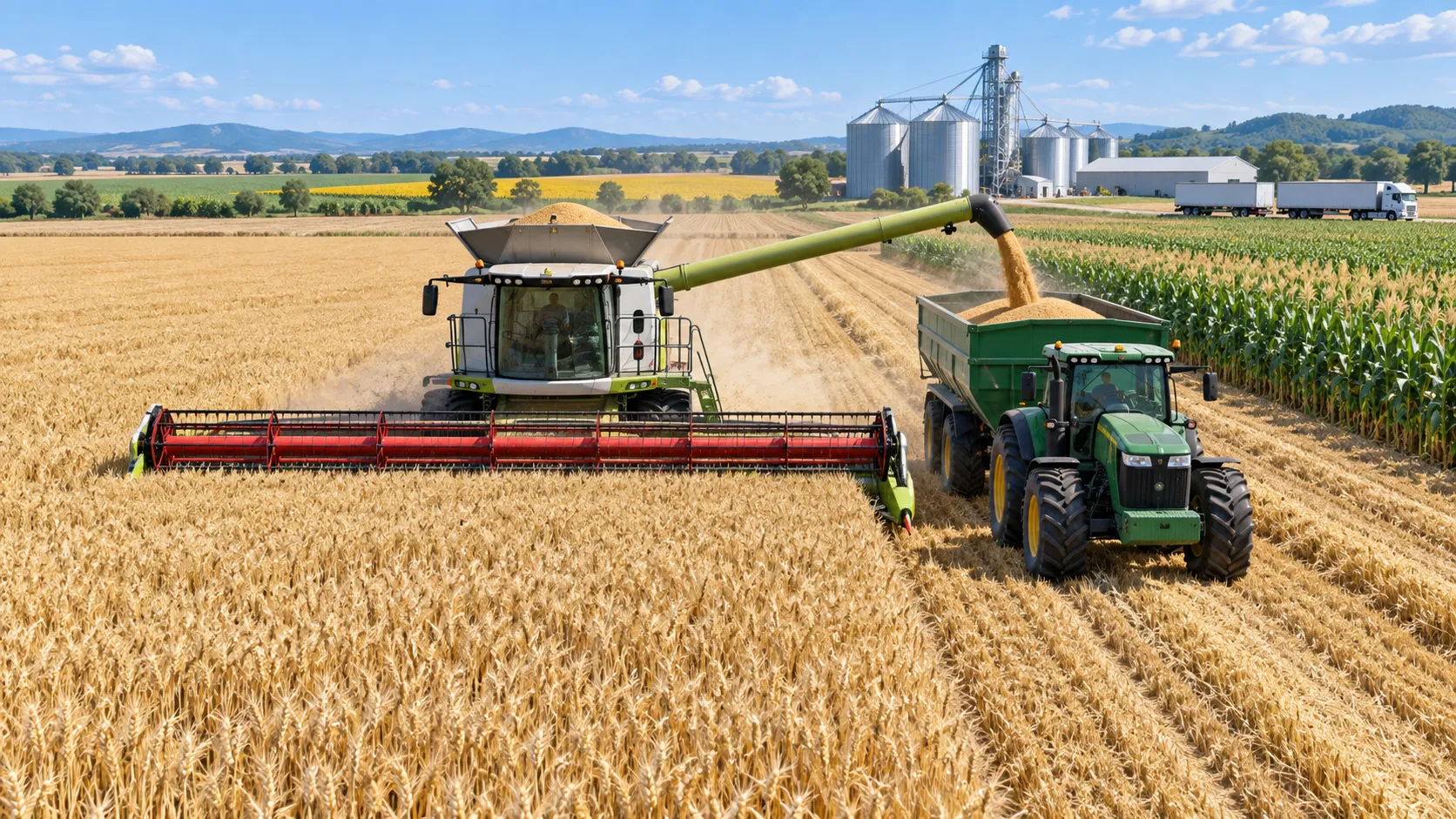
Selecting Grain Farm Equipment by Acreage, Crop Mix, and Harvest Window
Agricultural equipment selection for grain farming: match machinery to acreage, crop mix, and harvest windows to improve uptime, efficiency, and returns.
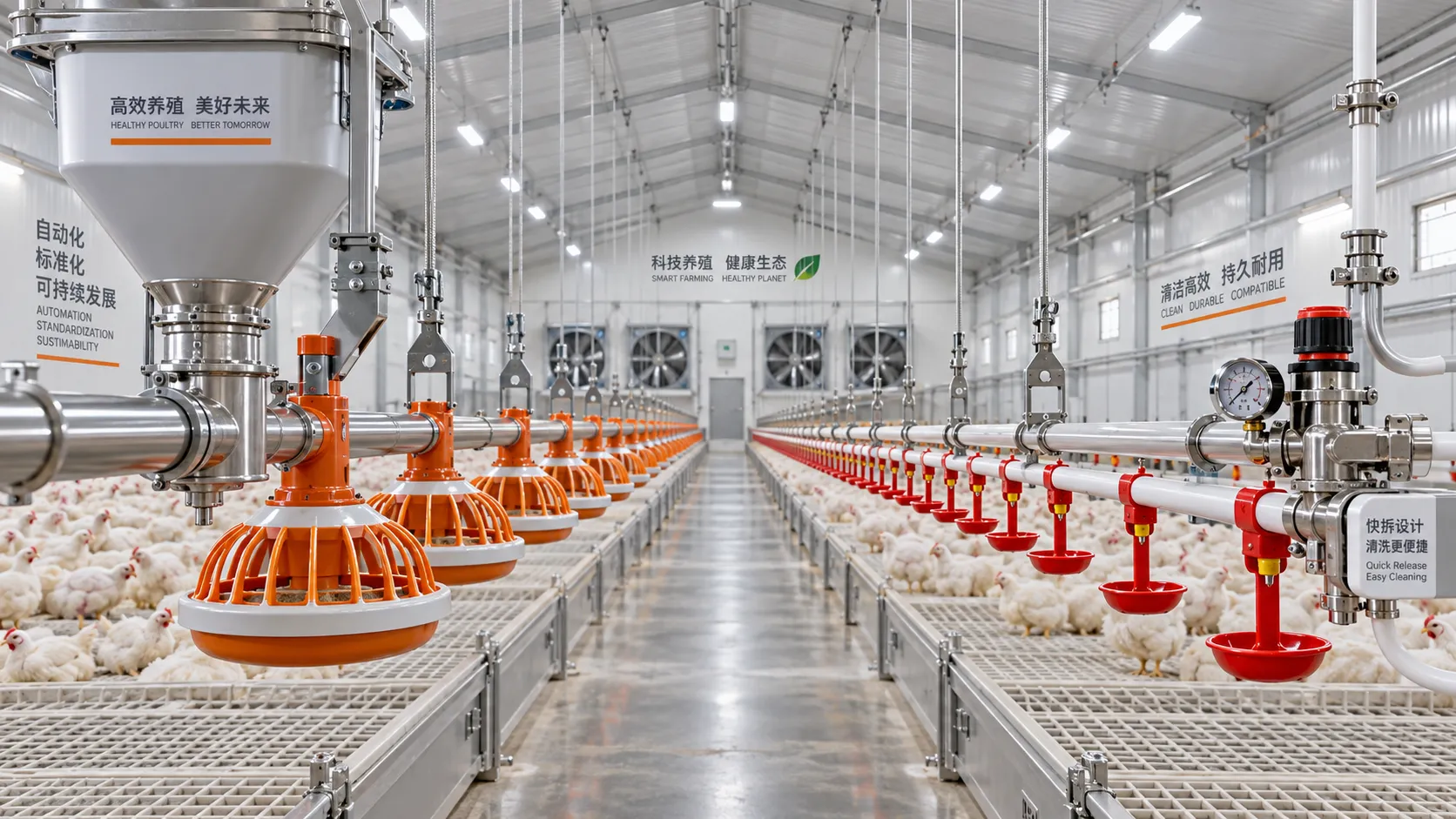
Poultry Equipment Selection: Evaluating Durability, Cleaning, and Compatibility
Poultry equipments selection guide: evaluate durability, cleaning access, and system compatibility to improve hygiene, reduce downtime, and support efficient flock management.
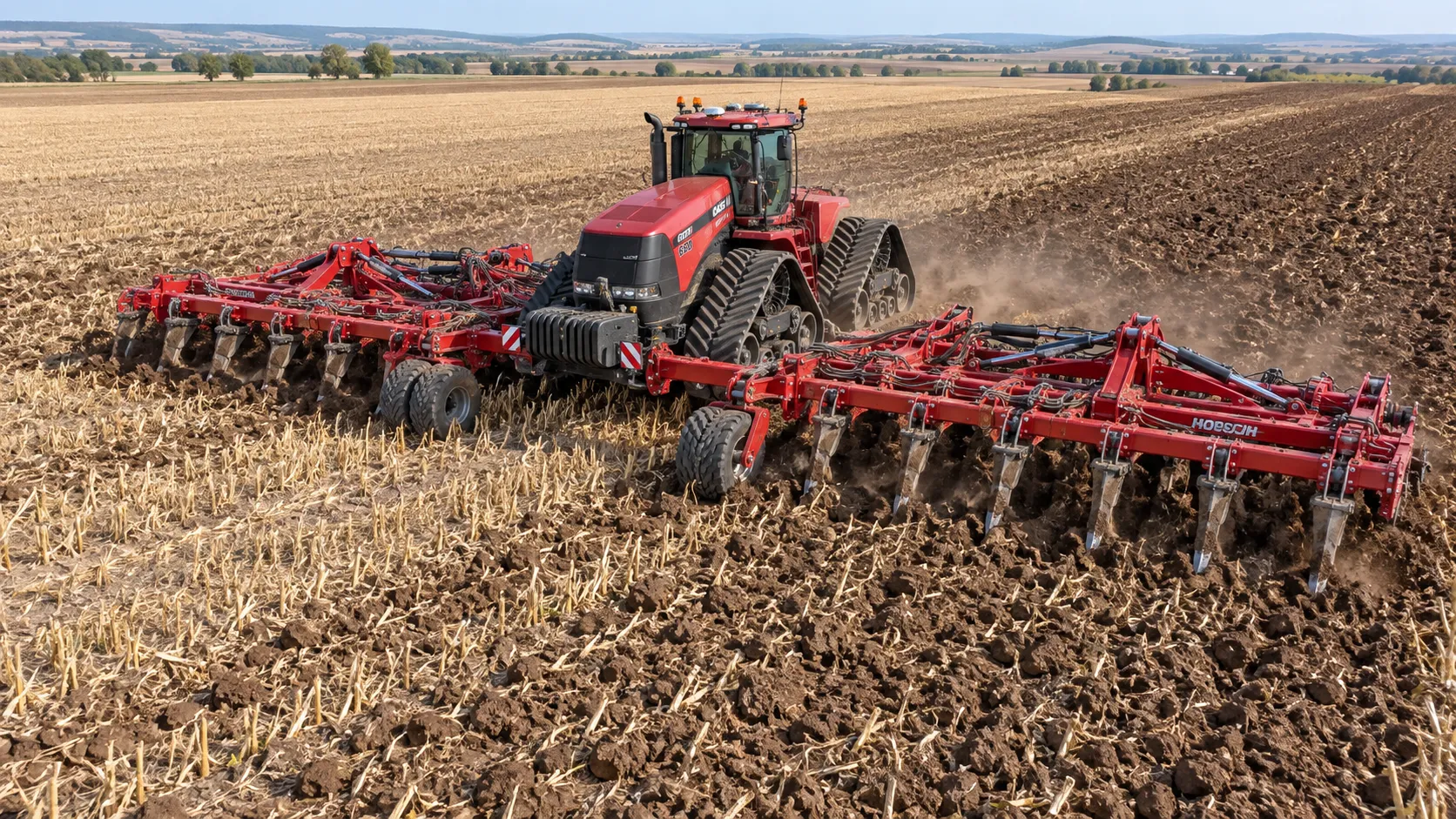
How to Select Heavy-Duty Farm Implements for High-Acreage, High-Horsepower Operations
Heavy duty farm implements: learn how to match draft, hydraulics, hitch capacity, frame strength, and field conditions for reliable high-acreage performance.
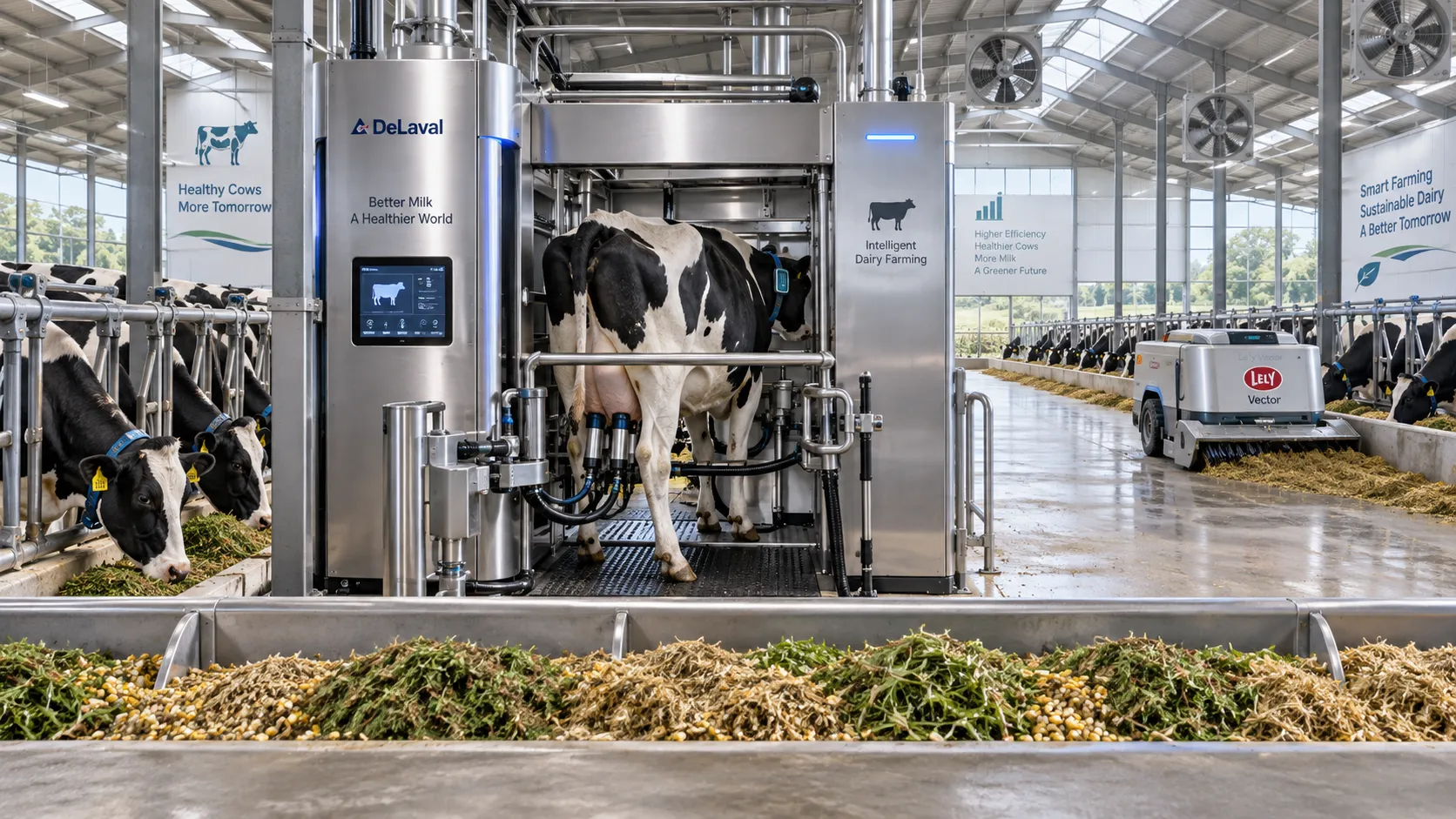
Smart Farming Technology for Dairy Farms: Where Automation Delivers Measurable ROI
Smart farming technology for dairy farms delivers measurable ROI through automation, precision feeding, health monitoring, and data-driven cost control.
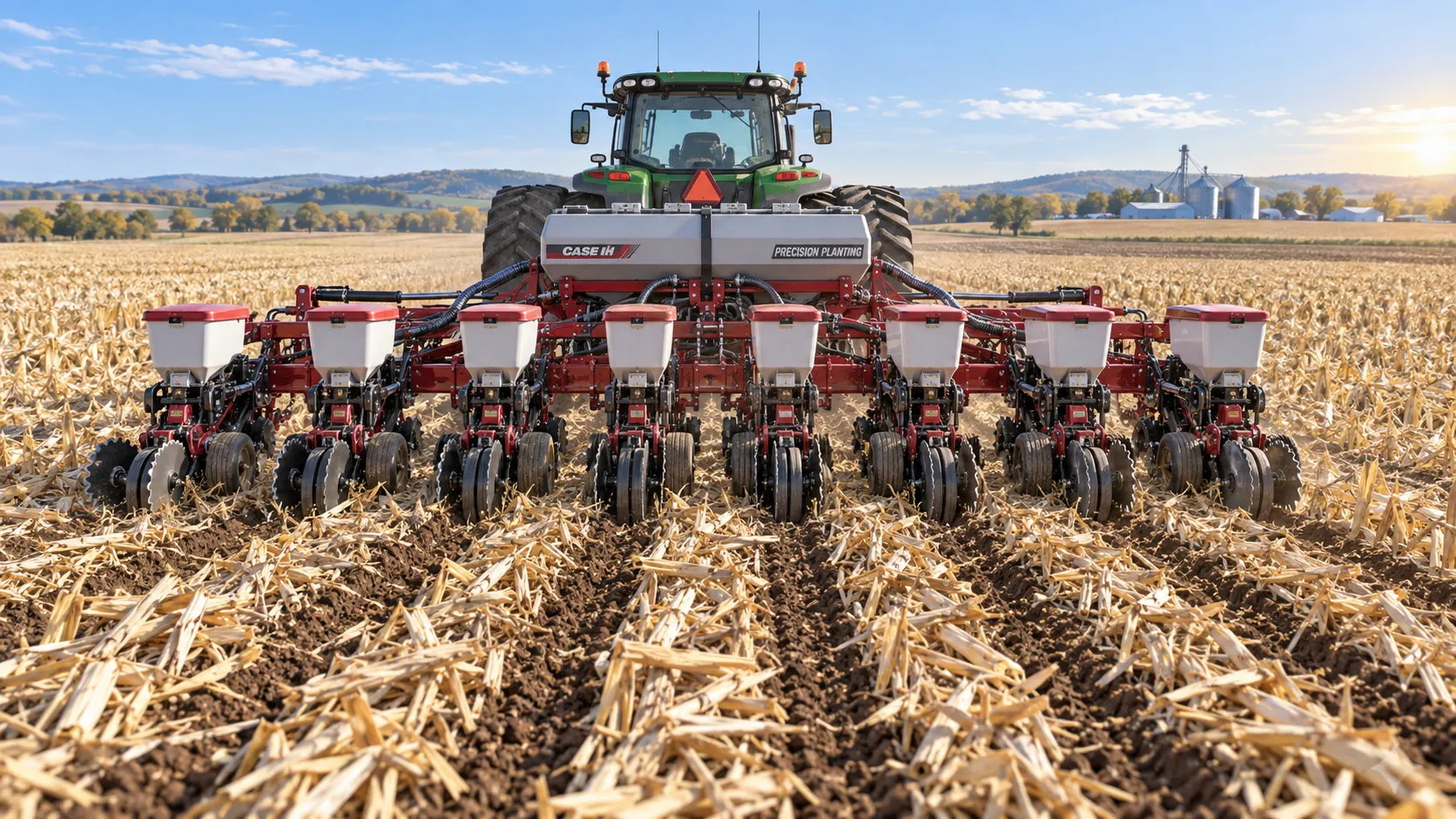
How to Select a Heavy-Duty Seeder for Large Acreage and High-Residue Fields
Heavy duty seeders for large acreage: compare residue handling, depth control, downforce, metering accuracy, and precision features to select the right model.
Related News
- 00
0000-00
How to Evaluate Precision Fertilization System Suppliers for Farm-Scale Deployment - 00
0000-00
How to Select a Precision Fertilization System for Variable Corn Field Conditions - 00
0000-00
When does equipment for sustainable farming justify a higher capital spend? - 00
0000-00
Precision Farming Solutions with Drone Data for Field Mapping and Crop Decisions - 00
0000-00
Precision Farming Systems for Yield Mapping: Key Technologies and Field Applications
Popular Tags
Tractor Power Architect
Weekly Insights
Stay ahead with our curated technology reports delivered every Monday.