
2026 Global AI Tech Conference Releases Agri-LLM Data Standard
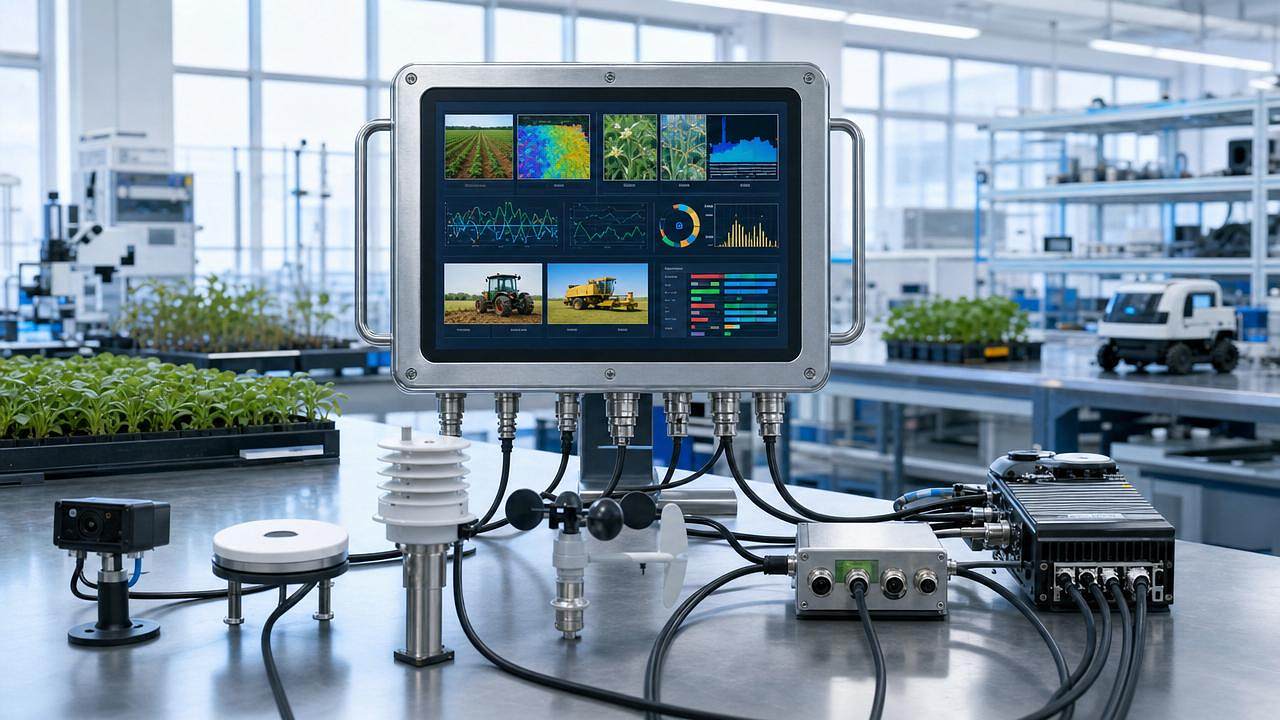




On May 23, 2026, the 2026 Global Artificial Intelligence Technology Conference will launch the Agricultural Multimodal Large Language Model Training Dataset Standard (GB/T 43210—2026), defining annotation specifications for 12 data types—including field imagery, soil spectral readings, meteorological time-series records, and agricultural machinery operational status. This development is of immediate relevance to precision agriculture technology providers, AI-driven farm equipment manufacturers, agritech data platform operators, and certification bodies operating in global agri-machinery markets.
Event Overview
The 2026 Global Artificial Intelligence Technology Conference, scheduled for May 23, 2026, will officially release GB/T 43210—2026—the first national standard in China specifying labeling protocols for multimodal agricultural data used in large model training. The standard covers 12 defined data categories. It has been adopted by Germany’s DLG and the U.S.-based AFE as a benchmark for AI-integrated agricultural machinery product testing. According to publicly reported outcomes, variable-rate fertilization models trained under this standard achieved a 92.3% accuracy rate among Chinese vendors.
Impact on Specific Industry Segments
AI-Integrated Agricultural Machinery Manufacturers
These firms are directly affected because the standard now serves as an external validation benchmark used by two major international certification institutions (DLG and AFE). Compliance influences market access—especially for exports to EU and North American markets where DLG and AFE certifications carry regulatory weight. Impact manifests in product development cycles, testing protocols, and documentation requirements for AI functionality claims.
Agritech Data Platform Providers
Data platforms supplying labeled agricultural datasets face revised commercial and technical expectations. The standard introduces explicit definitions for data structure, provenance traceability, and modality alignment (e.g., synchronizing soil spectra with concurrent satellite imagery). Platforms must assess whether existing dataset offerings align with the 12-category taxonomy and annotation depth specified in GB/T 43210—2026.
Certification & Testing Service Providers
Organizations offering conformity assessment services—including those accredited by DLG or AFE—must update test methodologies and reporting templates to reflect the new standard. Its adoption as a formal benchmark implies that AI-related performance claims for farm equipment will increasingly require verification against GB/T 43210—2026–aligned datasets, not just proprietary benchmarks.
What Relevant Enterprises or Practitioners Should Focus On Now
Monitor official interpretations and implementation guidance
GB/T standards typically enter a phased rollout; watch for supplementary technical bulletins or interpretation notes from SAC (Standardization Administration of China) or the drafting committee, especially regarding transitional arrangements for legacy datasets or model versions.
Assess alignment of current AI training pipelines with the 12 data categories
Manufacturers and developers should conduct a gap analysis: identify which of the 12 standardized data types (e.g.,农机工况 → “agricultural machinery operational status”) are already captured, annotated, and integrated—and which require new sensor integration, labeling workflows, or third-party data procurement.
Distinguish between certification signal and operational readiness
Adoption by DLG and AFE signals growing international recognition—but does not equate to mandatory regulatory enforcement yet. Firms should treat it as a de facto quality benchmark rather than an immediate compliance mandate, unless targeting specific tenders or programs explicitly referencing GB/T 43210—2026.
Prepare documentation and traceability infrastructure
Since the standard emphasizes structured annotation and cross-modal synchronization, enterprises should begin documenting data lineage (source, collection method, preprocessing steps) and building metadata schemas compatible with the defined categories—particularly ahead of third-party audits or certification submissions.
Editorial Perspective / Industry Observation
Observably, GB/T 43210—2026 functions less as an isolated technical document and more as an early institutional anchor for AI standardization in digital agriculture. Its adoption by DLG and AFE suggests convergence toward shared evaluation criteria across key export markets—a notable shift from fragmented, vendor-specific benchmarks. Analysis shows this is currently a signal of direction rather than a fully enforced requirement; however, its linkage to measurable performance gains (e.g., 92.3% accuracy in variable fertilization) strengthens its credibility as a practical reference—not just a theoretical framework. The industry needs to track how widely it is cited in public procurement specifications, OEM technical tenders, and next-generation ISO/IEC agricultural AI working group drafts.
Conclusion
This standard represents a foundational step in formalizing data quality expectations for agricultural AI systems—not a comprehensive regulatory regime. Its value lies in enabling comparability, reproducibility, and interoperability across R&D, testing, and commercial deployment stages. For now, it is best understood as an emerging benchmark for technical maturity, not a compliance gate.
Information Sources
Primary source: Official announcement of the 2026 Global Artificial Intelligence Technology Conference. Status of GB/T 43210—2026 adoption by DLG and AFE, and reported model accuracy figures, are drawn from conference pre-release briefing materials. Ongoing monitoring is advised for official SAC publications and DLG/AFE technical bulletins referencing the standard.
Related News

When Does Agricultural Machinery Leasing Cost Less Than Owning Equipment?
Agricultural machinery leasing can lower farm costs when use is seasonal or uncertain. Compare utilization, maintenance, cash flow, and risk to make a smarter equipment decision.

How to Evaluate Precision Fertilization System Suppliers for Farm-Scale Deployment
Precision fertilization systems suppliers: learn how to compare accuracy, integration, uptime, service, and total cost for confident farm-scale deployment.
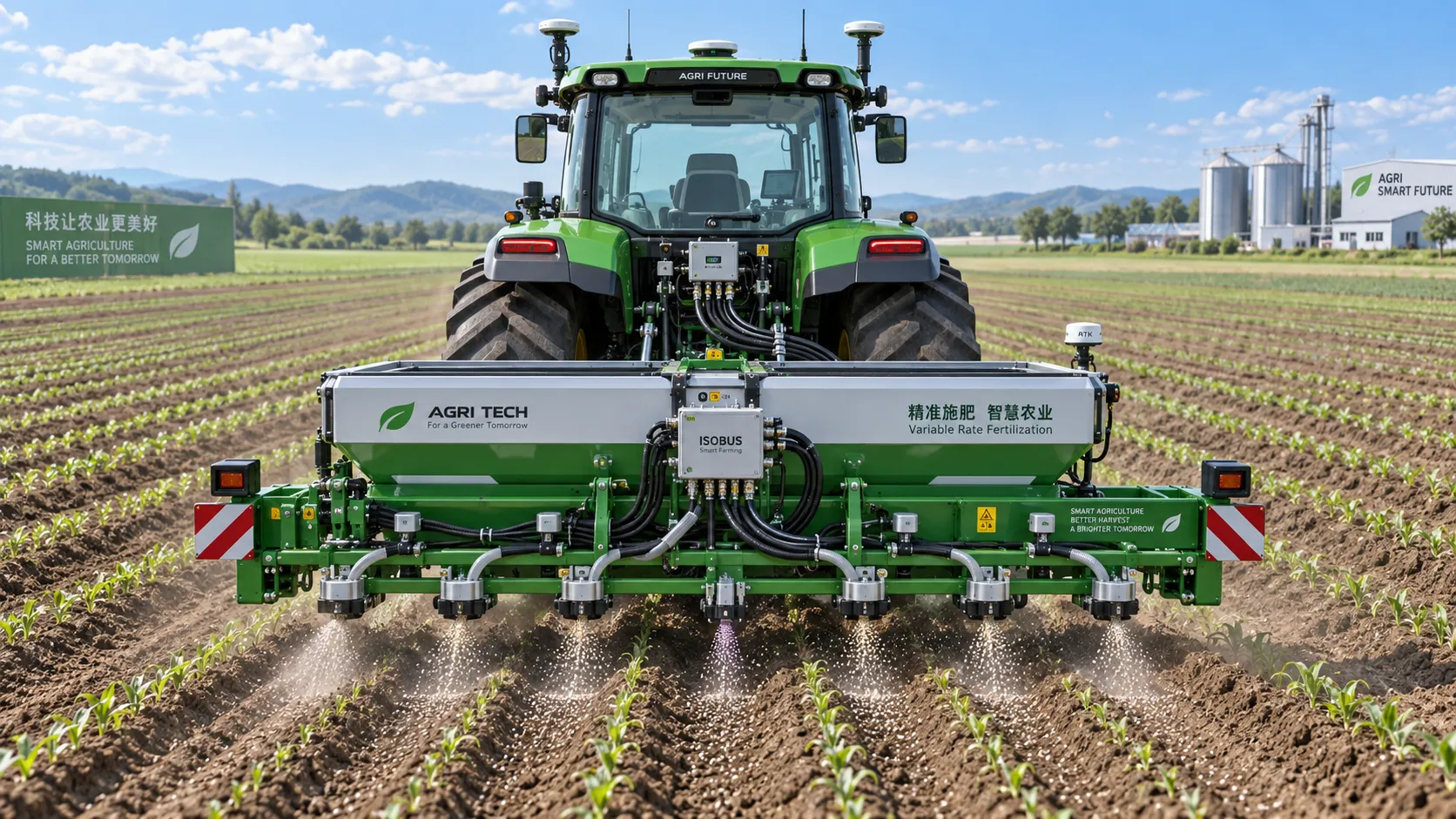
ISOBUS for Smart Agriculture: How It Connects Tractors, Implements, and Farm Data
ISOBUS for smart agriculture connects tractors, implements, terminals, and farm data—helping growers improve precision, documentation, and smarter field decisions.
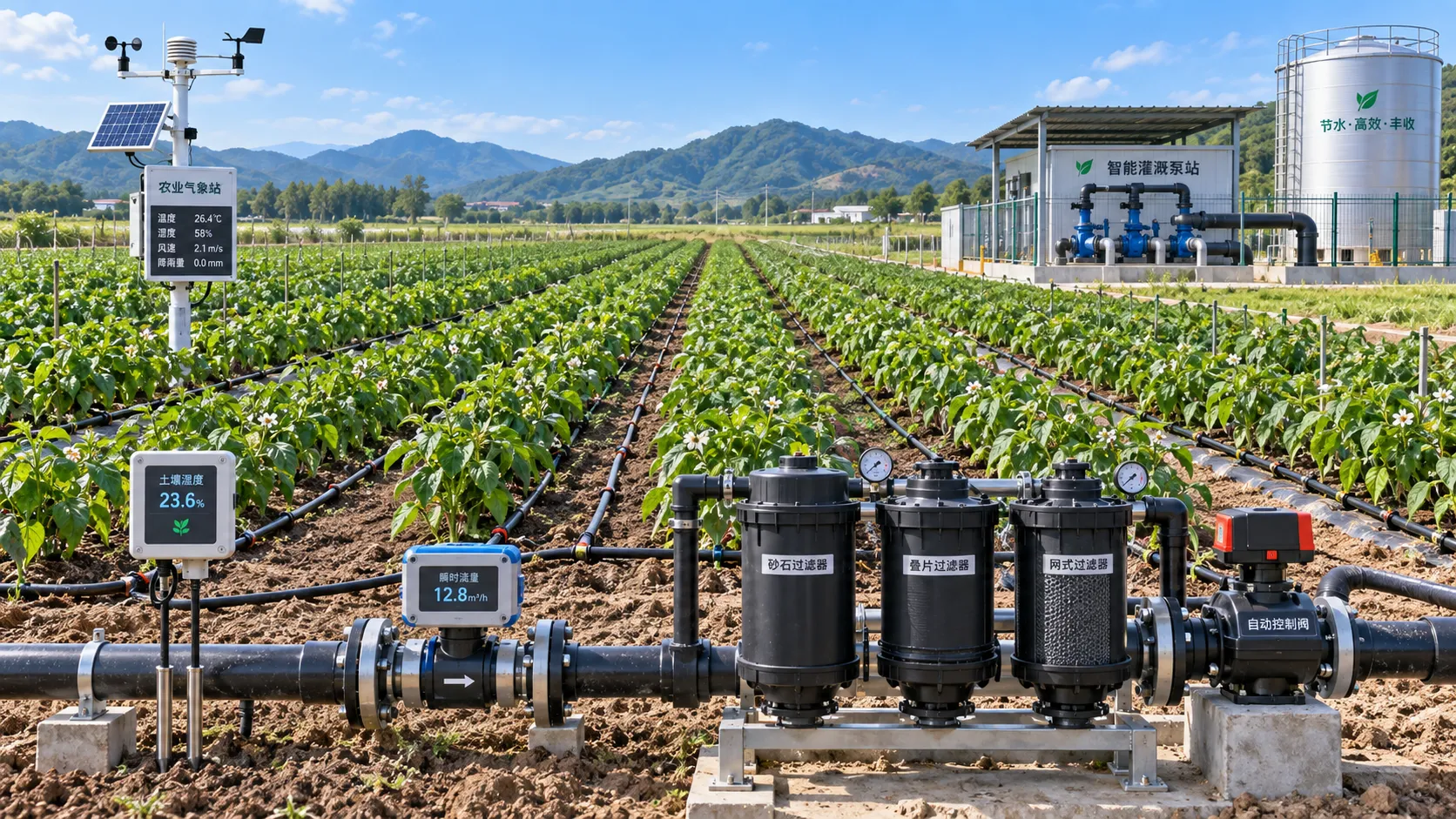
Automated Water-Saving Irrigation: How to Cut Water Use Without Reducing Crop Yields
Automated water-saving irrigation helps farms cut water use, protect crop yields, improve scheduling, and gain reliable control with sensors, flow monitoring, and smart zones.
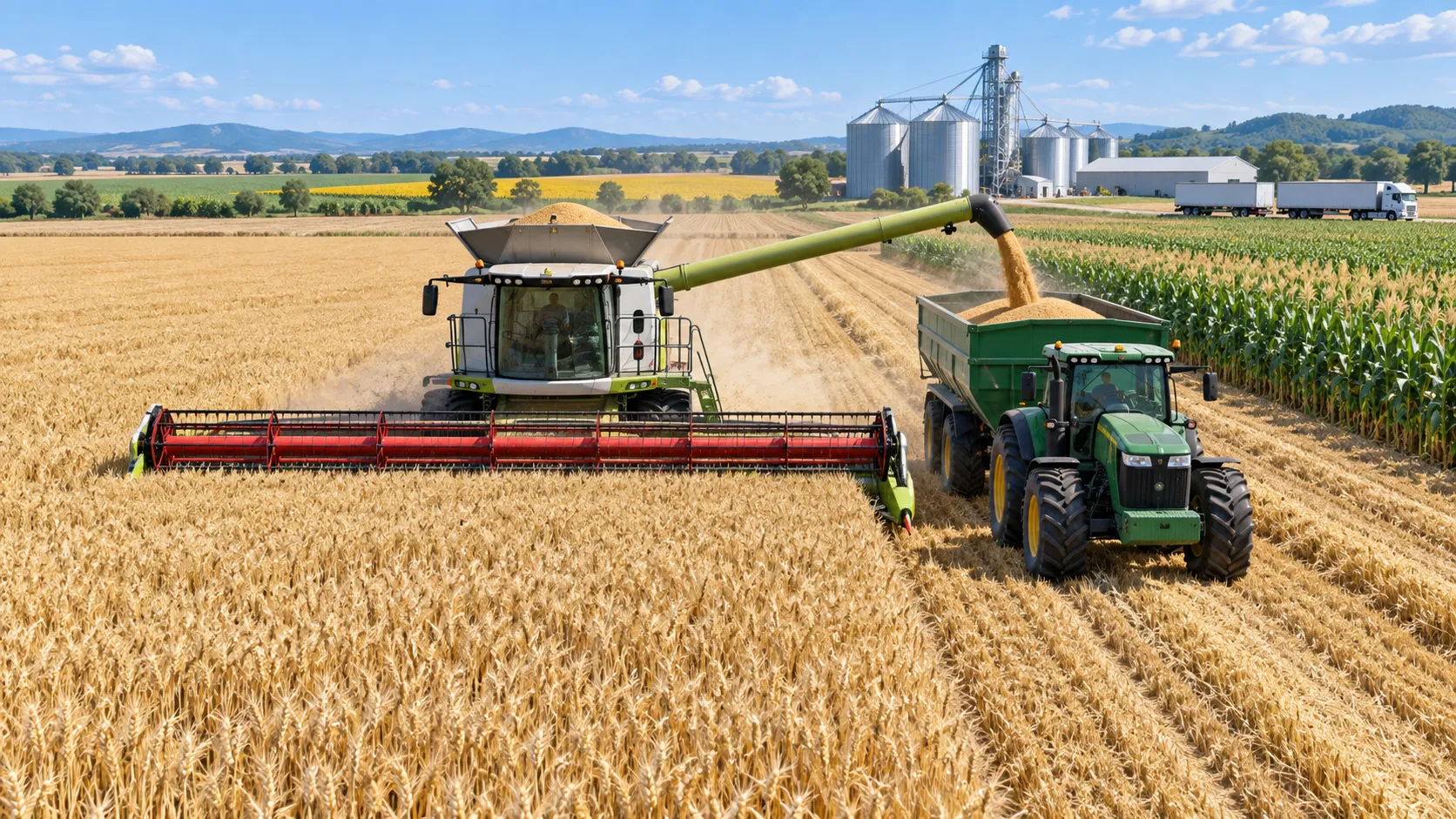
Selecting Grain Farm Equipment by Acreage, Crop Mix, and Harvest Window
Agricultural equipment selection for grain farming: match machinery to acreage, crop mix, and harvest windows to improve uptime, efficiency, and returns.
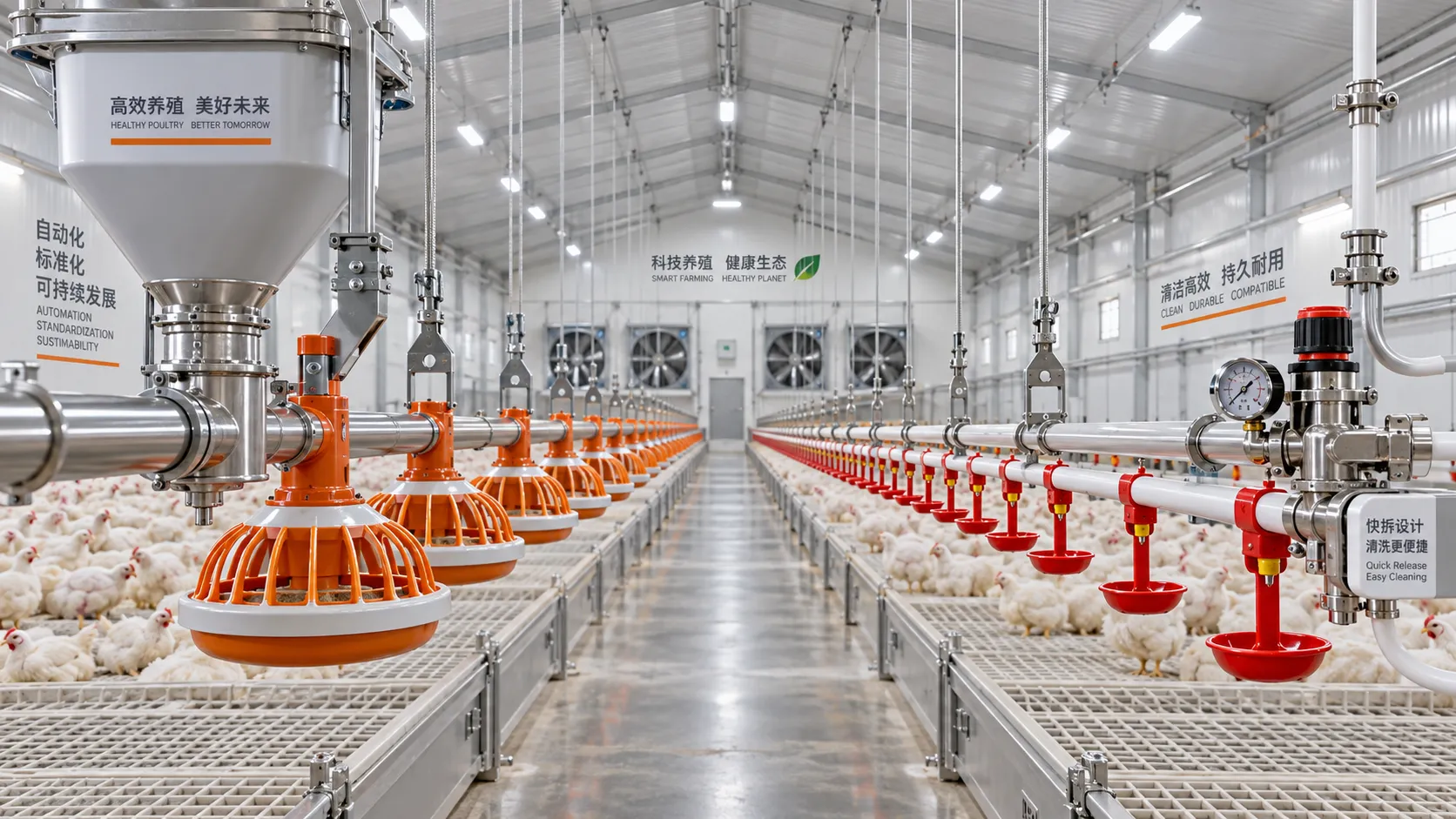
Poultry Equipment Selection: Evaluating Durability, Cleaning, and Compatibility
Poultry equipments selection guide: evaluate durability, cleaning access, and system compatibility to improve hygiene, reduce downtime, and support efficient flock management.
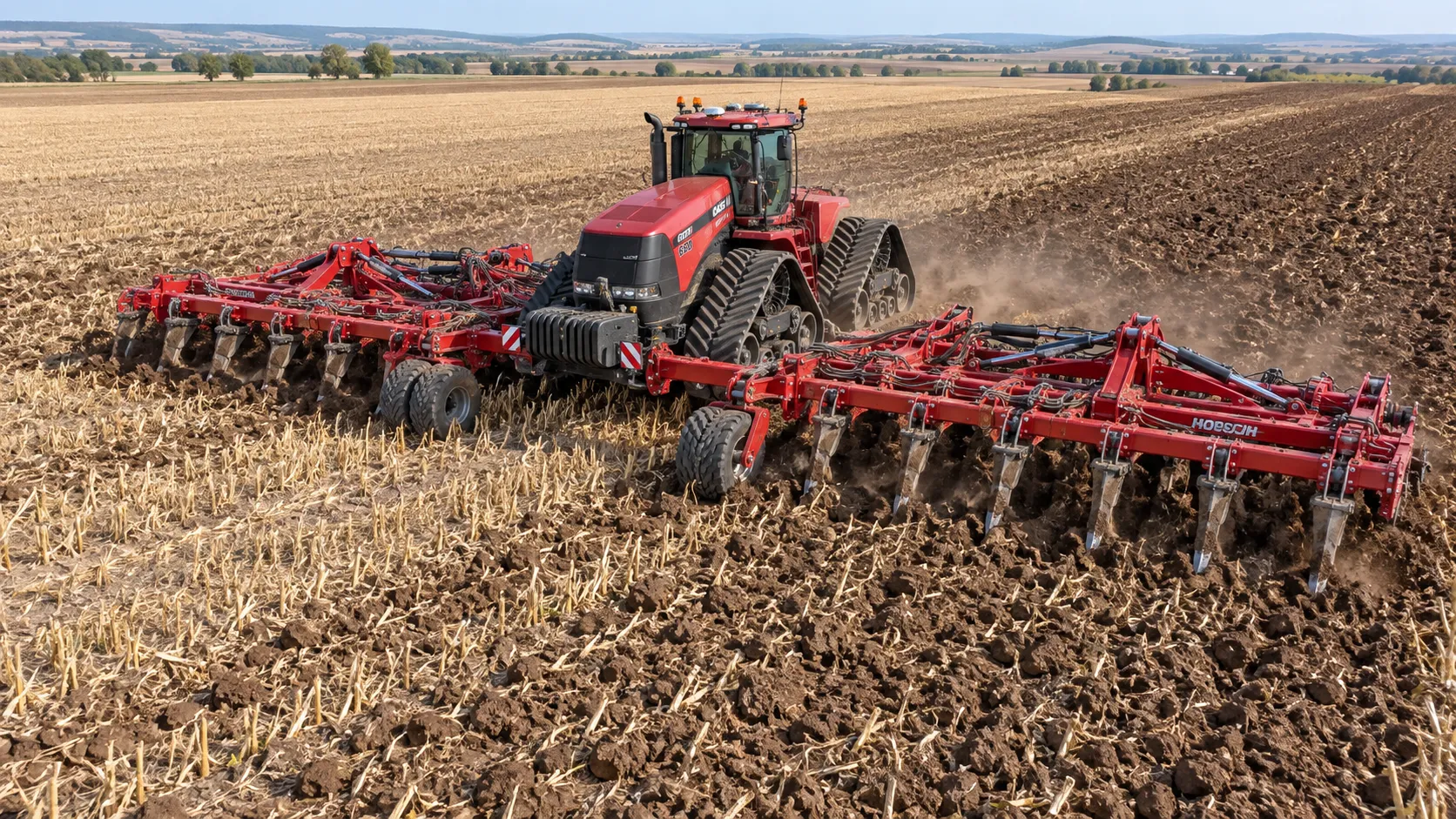
How to Select Heavy-Duty Farm Implements for High-Acreage, High-Horsepower Operations
Heavy duty farm implements: learn how to match draft, hydraulics, hitch capacity, frame strength, and field conditions for reliable high-acreage performance.
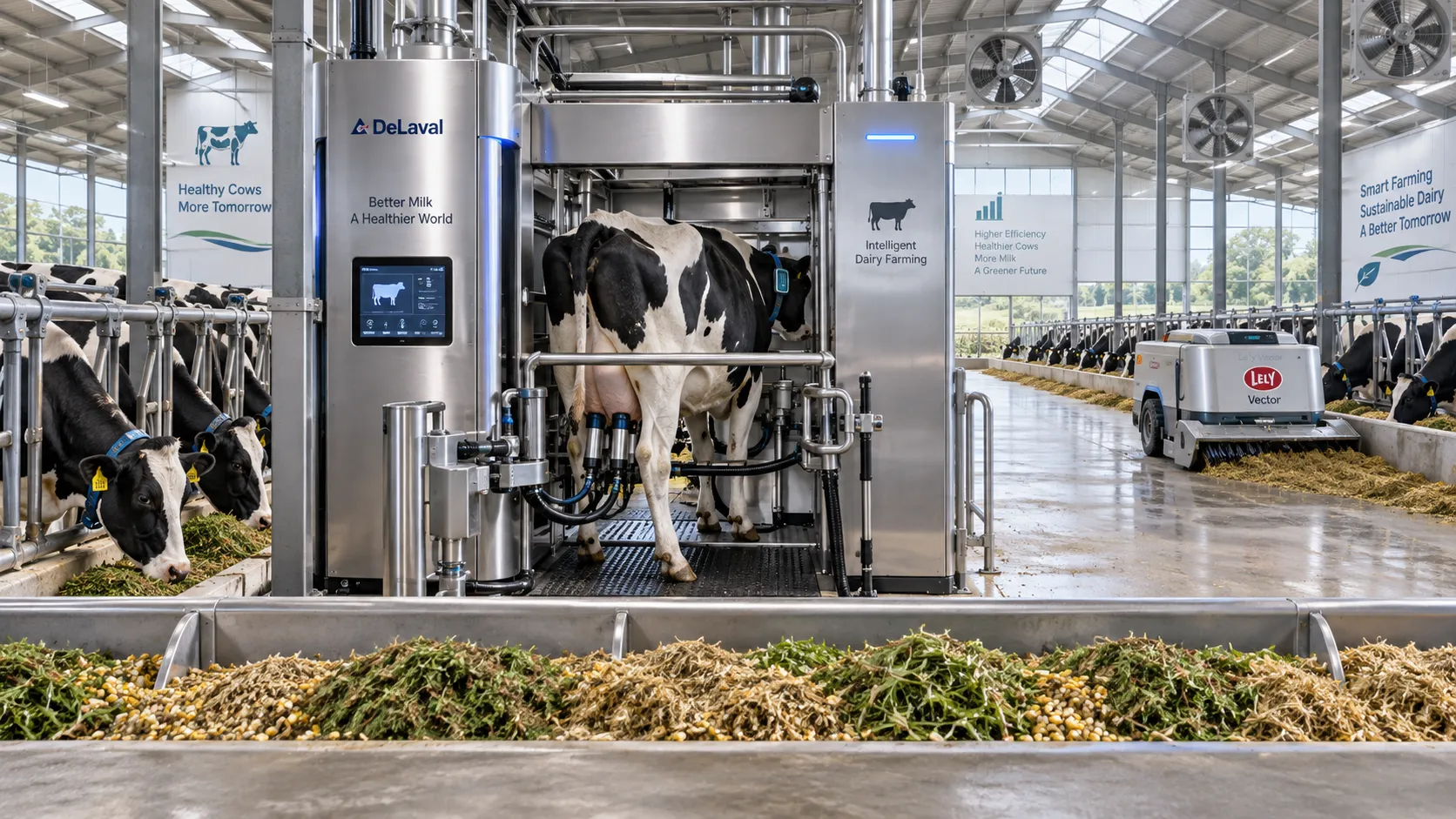
Smart Farming Technology for Dairy Farms: Where Automation Delivers Measurable ROI
Smart farming technology for dairy farms delivers measurable ROI through automation, precision feeding, health monitoring, and data-driven cost control.
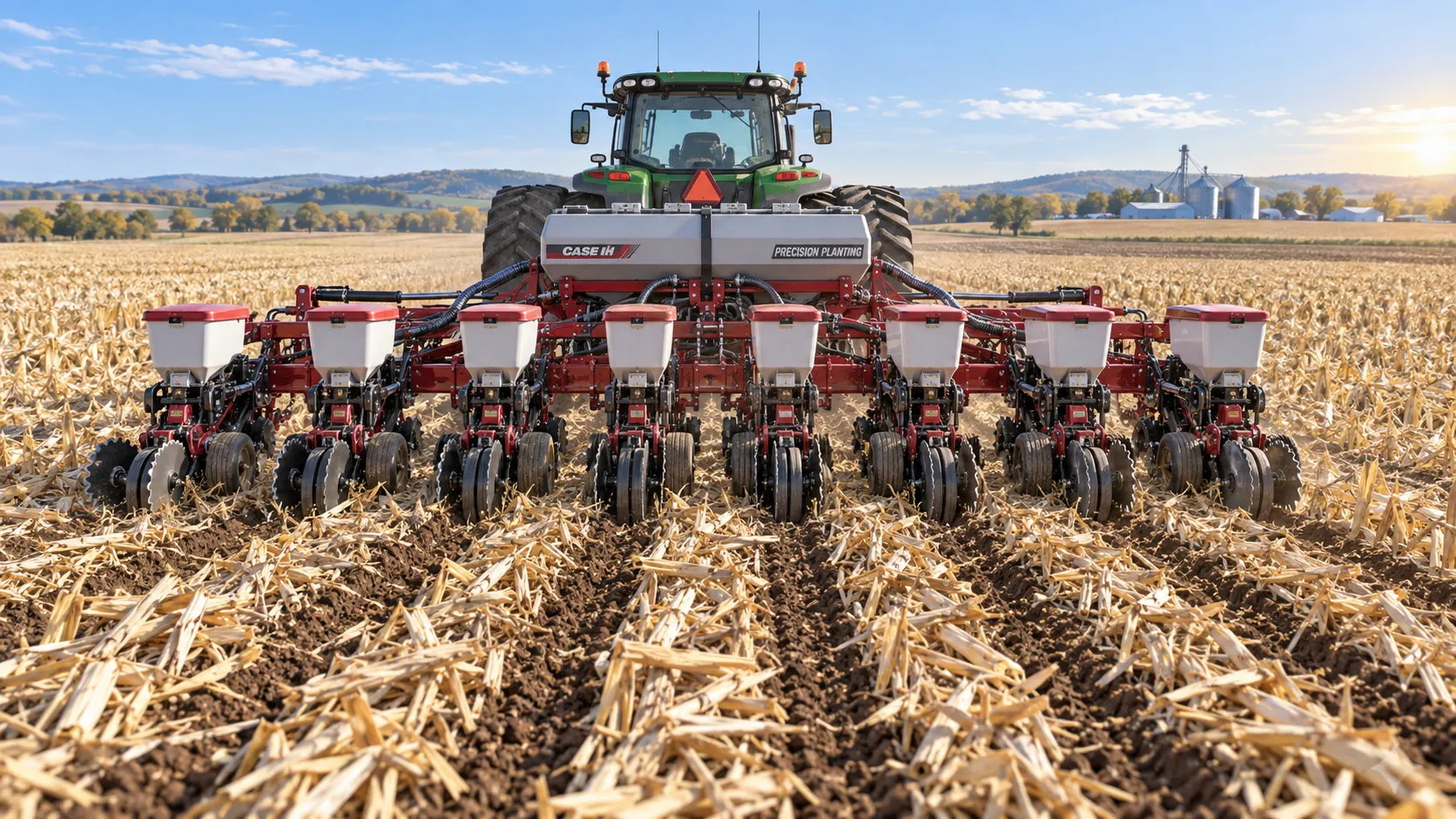
How to Select a Heavy-Duty Seeder for Large Acreage and High-Residue Fields
Heavy duty seeders for large acreage: compare residue handling, depth control, downforce, metering accuracy, and precision features to select the right model.
Related News
- 00
0000-00
How to Evaluate Precision Fertilization System Suppliers for Farm-Scale Deployment - 00
0000-00
How to Select a Precision Fertilization System for Variable Corn Field Conditions - 00
0000-00
When does equipment for sustainable farming justify a higher capital spend? - 00
0000-00
Precision Farming Solutions with Drone Data for Field Mapping and Crop Decisions - 00
0000-00
Precision Farming Systems for Yield Mapping: Key Technologies and Field Applications
Popular Tags
Tractor Power Architect
Weekly Insights
Stay ahead with our curated technology reports delivered every Monday.