
4th China Int'l Low-Altitude Economy Expo Opens May 6 in Shenzhen
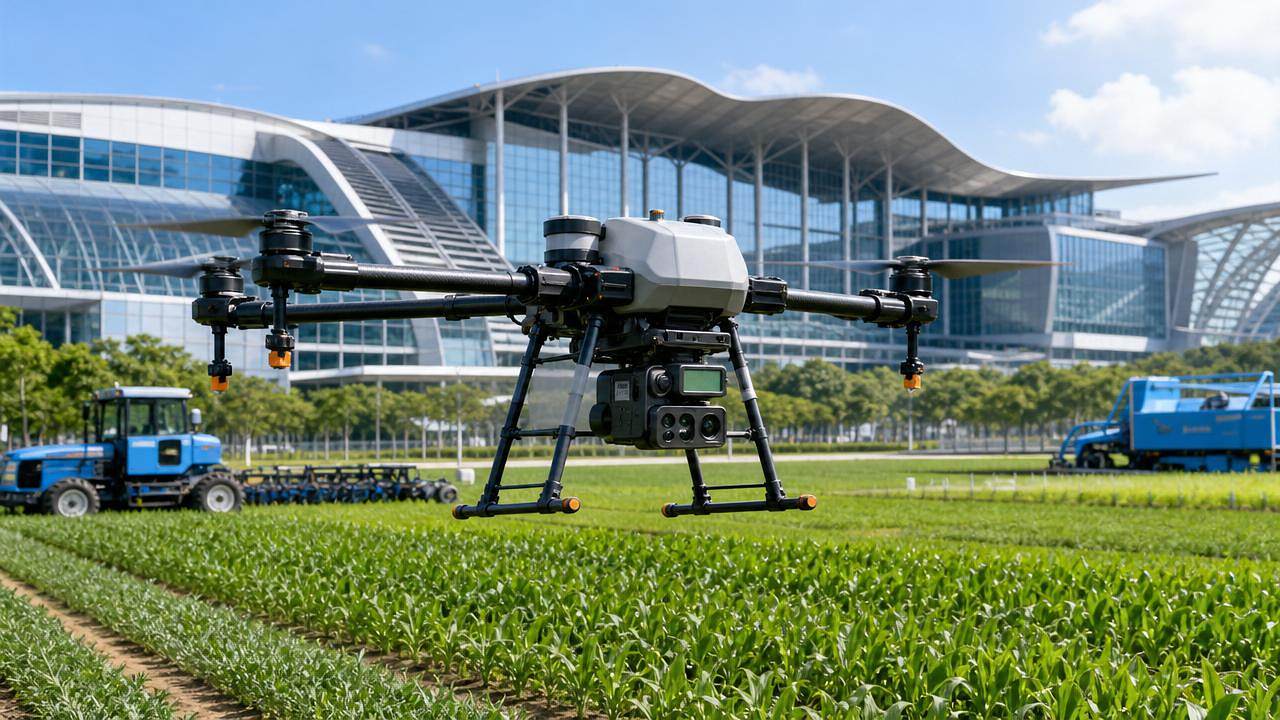




The 4th China International Low-Altitude Economy Industry Expo opens on May 6, 2026, in Shenzhen — marking the first time the event features a dedicated Smart Agriculture Aerial Application Equipment Zone. This development signals growing institutional recognition of unmanned aerial systems (UAS) as integrated agricultural production tools, particularly for precision pesticide application and variable-rate seeding. Stakeholders in agritech hardware distribution, farm machinery integration, and cross-border certification compliance should monitor this event closely.
Event Overview
The 4th China International Low-Altitude Economy Industry Expo will open on May 6, 2026, in Shenzhen. It introduces, for the first time, a ‘Smart Agriculture Aerial Application Equipment Zone’. Confirmed exhibits include: autonomous sowing drones equipped with RTK positioning and multispectral identification; pneumatic seed-and-fertilizer simultaneous broadcasting systems incorporating Variable Rate Technology (VRT); and a flight-control–farm-machinery coordination platform compliant with ISO 11783. Overseas distributors may engage directly with Chinese OEMs whose full-system UAS products hold both FAA Part 107 and EASA UAS Operator Certificate certifications.
Industries Affected by This Development
Direct Trade Enterprises (e.g., Exporters, Distributors)
These entities face newly structured opportunities for market entry into regulated aviation-agritech markets. The on-site access to dual-certified Chinese OEMs lowers initial due diligence barriers for overseas partners seeking compliant hardware. Impact manifests primarily in shortened vendor qualification timelines and increased demand for technical documentation aligned with FAA/EASA operational requirements.
Original Equipment Manufacturers (OEMs) & System Integrators
OEMs supplying components for RTK-enabled drones or ISO 11783–compliant control interfaces may see intensified specification alignment requests from system integrators preparing for export. Impact centers on design validation cycles — especially around interoperability testing between flight controllers and third-party agricultural implements.
Supply Chain Service Providers (e.g., Certification Support, Logistics)
Providers offering regulatory compliance support — particularly for FAA Part 107 remote pilot licensing or EASA UAS operator authorization — may experience rising demand from Chinese manufacturers scaling international operations. Impact is reflected in service scope expansion toward end-to-end operational certification packages, not just product-level approvals.
What Relevant Enterprises or Practitioners Should Monitor and Do Now
Track official certification pathways for dual-certified platforms
Current exhibitor claims reference FAA Part 107 and EASA UAS Operator Certificate status — but neither standard certifies hardware itself. Analysis shows these references likely indicate operator-level authorizations held by Chinese vendors’ overseas subsidiaries or local partners. Enterprises should verify whether certifications cover actual deployment scenarios (e.g., BVLOS operations, payload-specific limits), not just theoretical compliance.
Assess compatibility requirements for ISO 11783–based interoperability
The inclusion of an ISO 11783–compliant flight-control–farm-machinery platform signals growing emphasis on standardized data exchange. From industry perspective, this means hardware suppliers must prepare documentation on ISOBUS-compatible message sets (e.g., VT, TC, ECUs) — not only electrical interface specs. Early engagement with implement makers on protocol versioning (e.g., ISO 11783-10:2023 vs. legacy versions) is advisable.
Evaluate VRT implementation depth beyond marketing terminology
Variable Rate Technology is cited as embedded in showcased systems, but no public detail confirms whether VRT logic resides onboard the drone, in ground-based decision software, or via cloud-based prescription mapping. Observation suggests current deployments likely rely on pre-loaded maps rather than real-time sensor-driven adjustment. Companies planning integration should clarify input data sources (e.g., NDVI maps, soil sampling grids) and update frequency before committing to interoperability investments.
Editorial Perspective / Industry Observation
This expo’s dedicated agriculture zone is best understood as a policy-aligned signal — not yet evidence of mature commercial deployment at scale. Analysis shows the focus on RTK+multispectral drones and ISO 11783 integration reflects ongoing standardization efforts within China’s low-altitude economy framework, rather than widespread field adoption. It more closely resembles a coordinated readiness demonstration across domestic supply chains, aimed at synchronizing technical capabilities with emerging export market expectations. Continued observation is warranted on whether subsequent editions shift emphasis from hardware showcase to verified operational case studies — especially those involving multi-vendor interoperability under live farm conditions.
Conclusion
The establishment of a Smart Agriculture Aerial Application Equipment Zone at the 4th China International Low-Altitude Economy Industry Expo represents a formalized step toward aligning domestic UAS innovation with global agricultural automation infrastructure standards. It does not confirm immediate scalability or regulatory harmonization, but it does mark a definable inflection point where interoperability protocols, certification pathways, and application-specific functionality are being treated as interdependent priorities — not isolated technical features. Current interpretation should emphasize institutional signaling over market readiness.
Information Sources
Main source: Official announcement of the 4th China International Low-Altitude Economy Industry Expo (Shenzhen, May 6, 2026). No additional background, statistics, or third-party verification has been provided or incorporated. Areas requiring ongoing observation include: actual field validation of RTK+multispectral spraying accuracy, real-world throughput metrics for VRT-enabled broadcast systems, and documented cases of ISO 11783–based drone–tractor coordination in commercial farming operations.
Related News
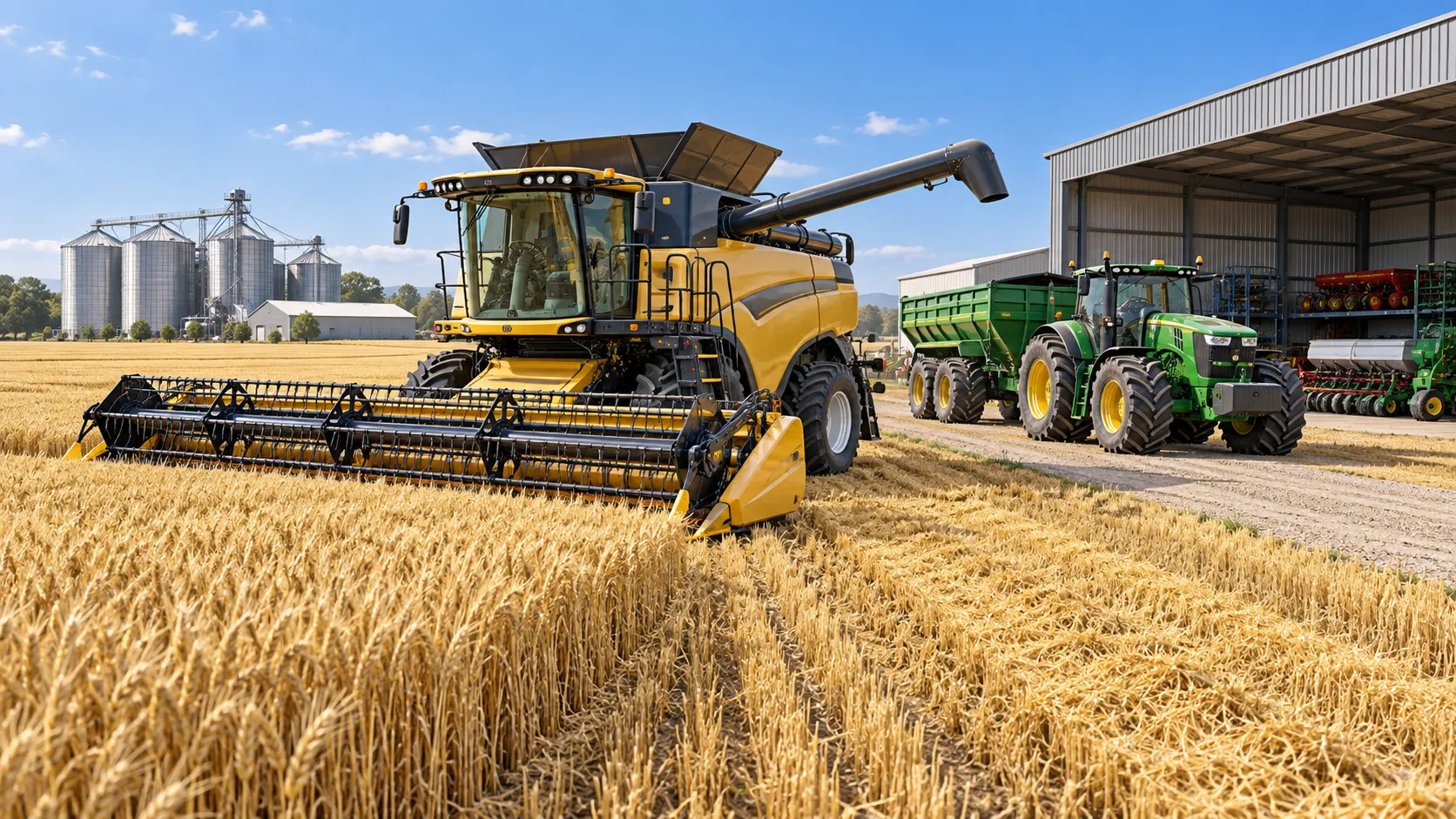
When Does Agricultural Machinery Leasing Cost Less Than Owning Equipment?
Agricultural machinery leasing can lower farm costs when use is seasonal or uncertain. Compare utilization, maintenance, cash flow, and risk to make a smarter equipment decision.
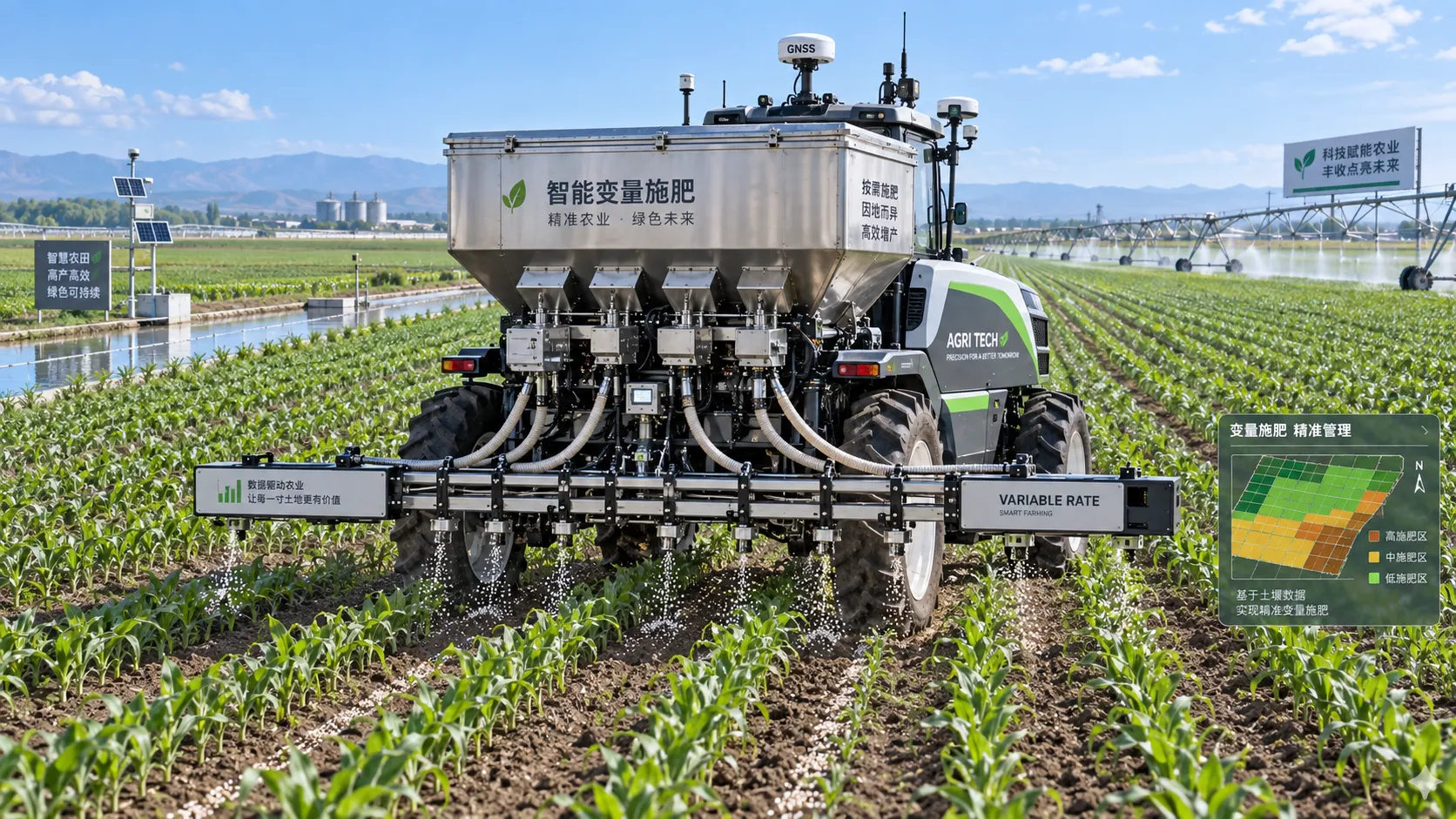
How to Evaluate Precision Fertilization System Suppliers for Farm-Scale Deployment
Precision fertilization systems suppliers: learn how to compare accuracy, integration, uptime, service, and total cost for confident farm-scale deployment.
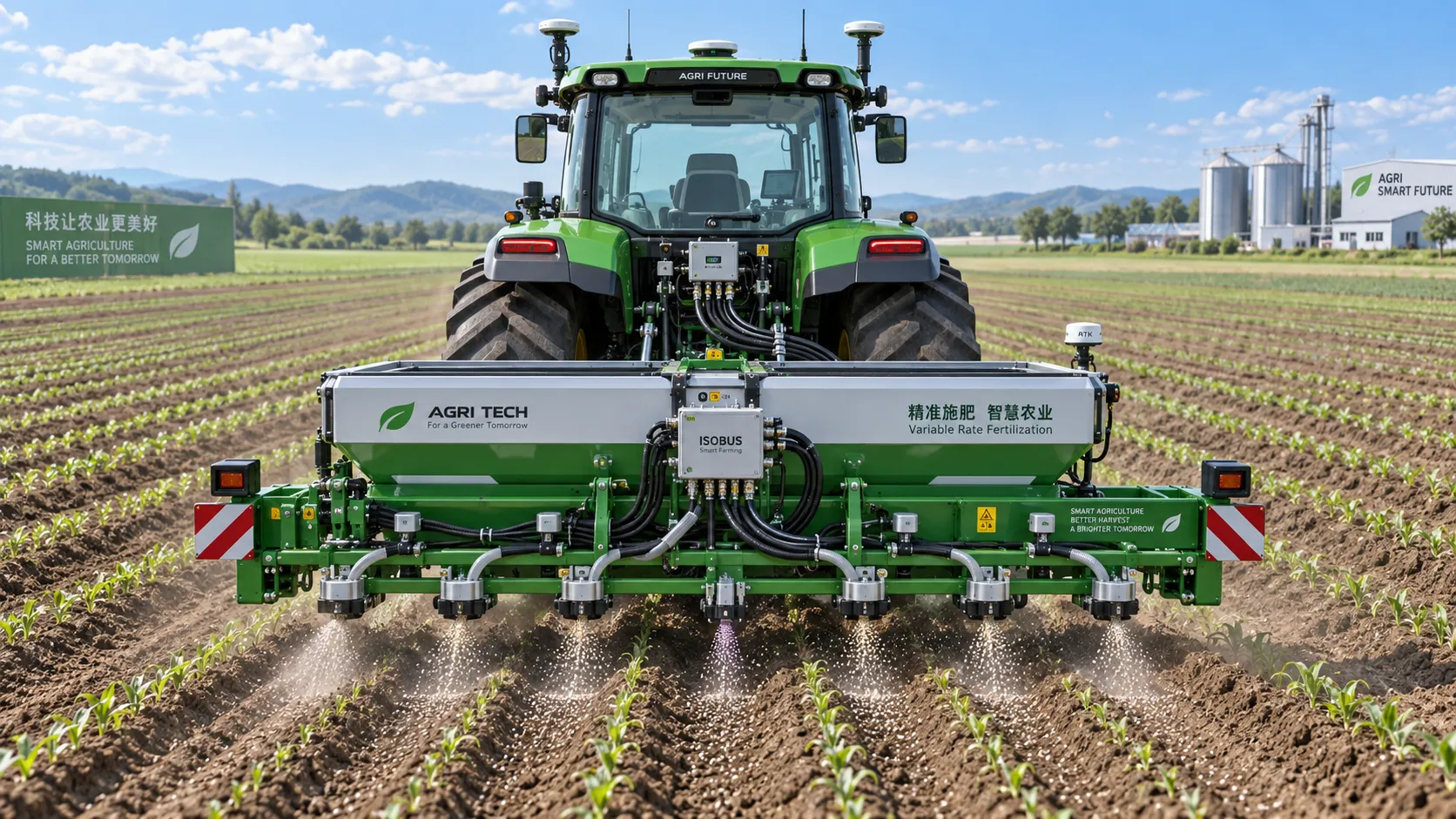
ISOBUS for Smart Agriculture: How It Connects Tractors, Implements, and Farm Data
ISOBUS for smart agriculture connects tractors, implements, terminals, and farm data—helping growers improve precision, documentation, and smarter field decisions.
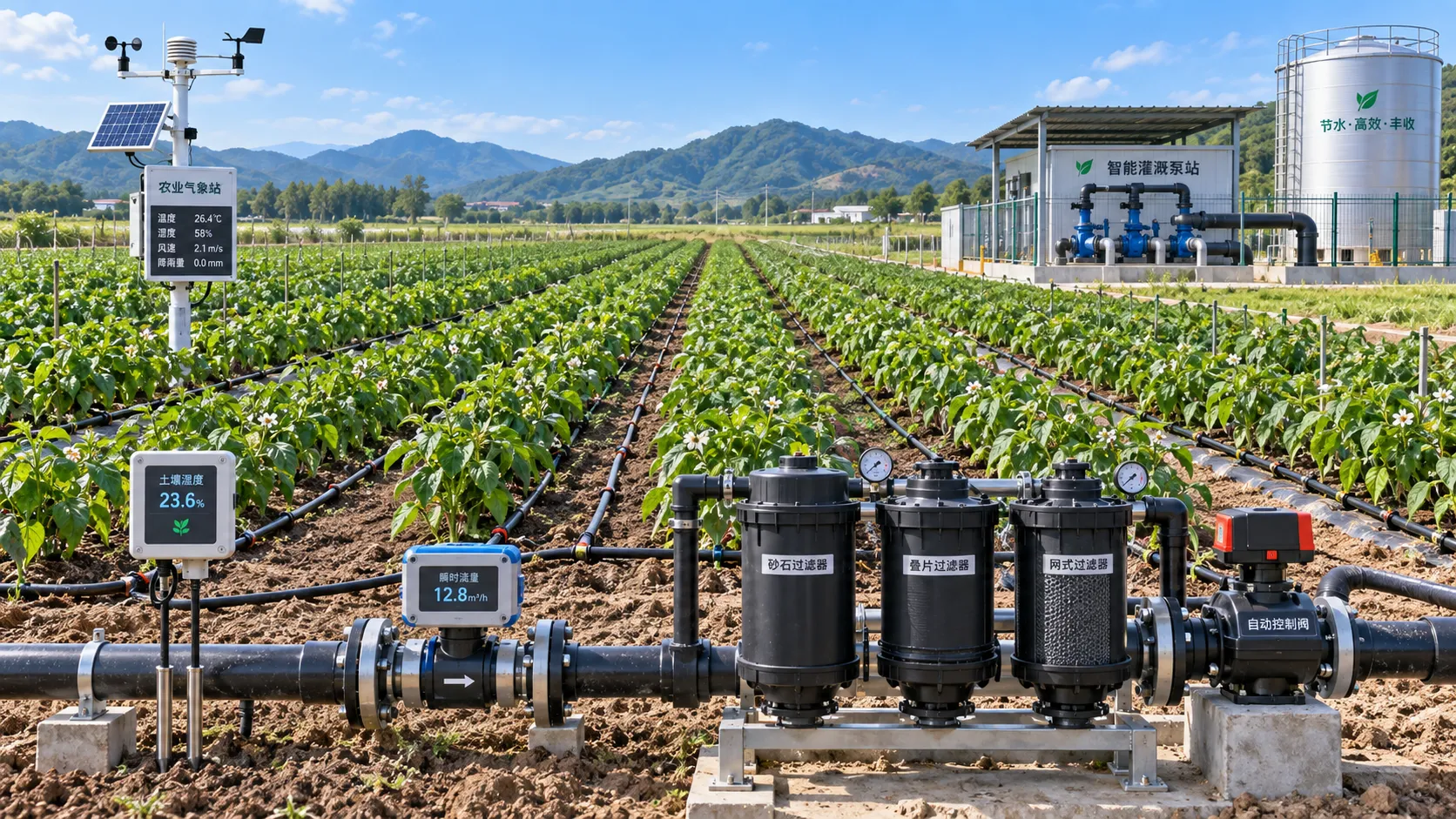
Automated Water-Saving Irrigation: How to Cut Water Use Without Reducing Crop Yields
Automated water-saving irrigation helps farms cut water use, protect crop yields, improve scheduling, and gain reliable control with sensors, flow monitoring, and smart zones.
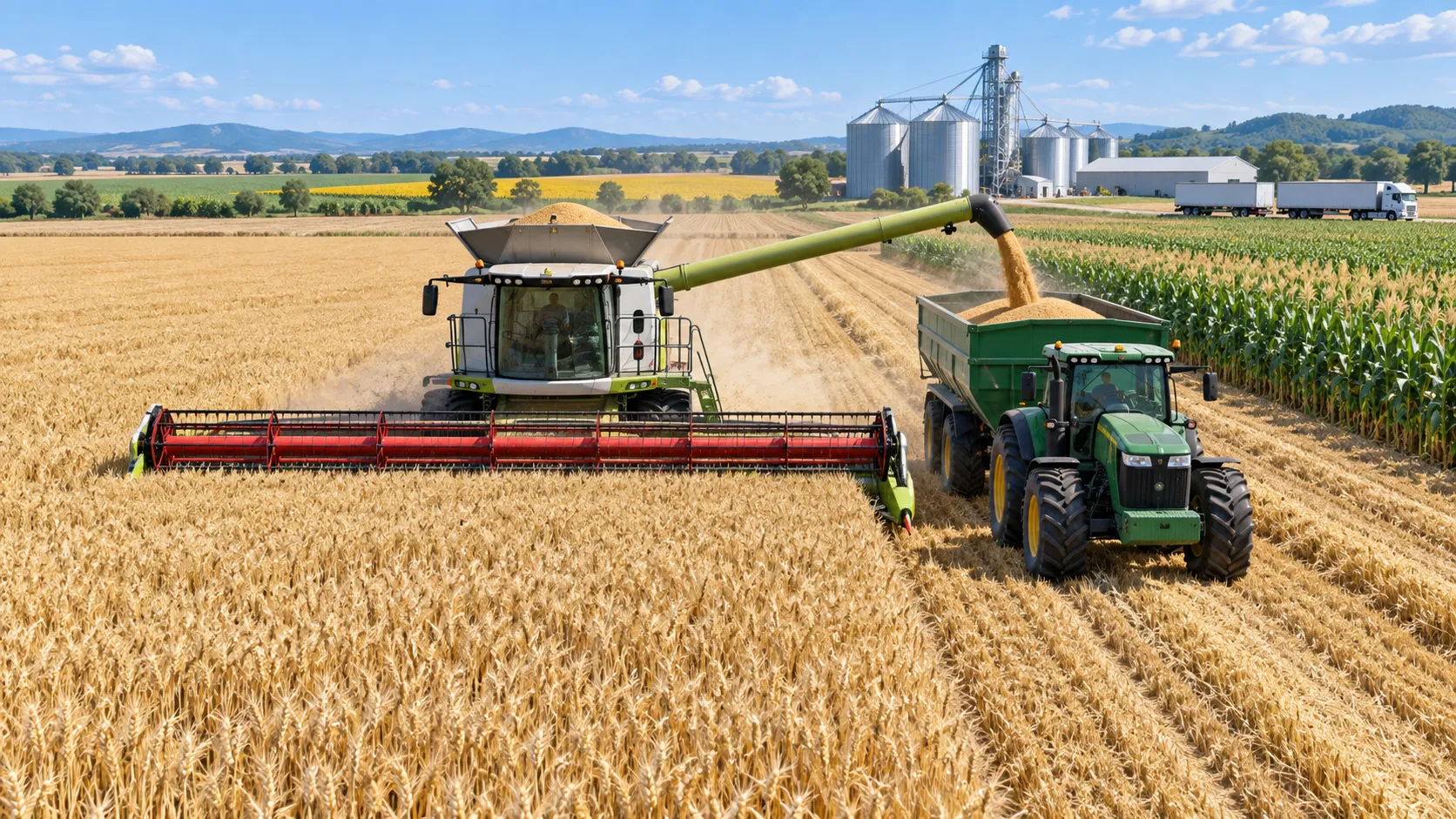
Selecting Grain Farm Equipment by Acreage, Crop Mix, and Harvest Window
Agricultural equipment selection for grain farming: match machinery to acreage, crop mix, and harvest windows to improve uptime, efficiency, and returns.
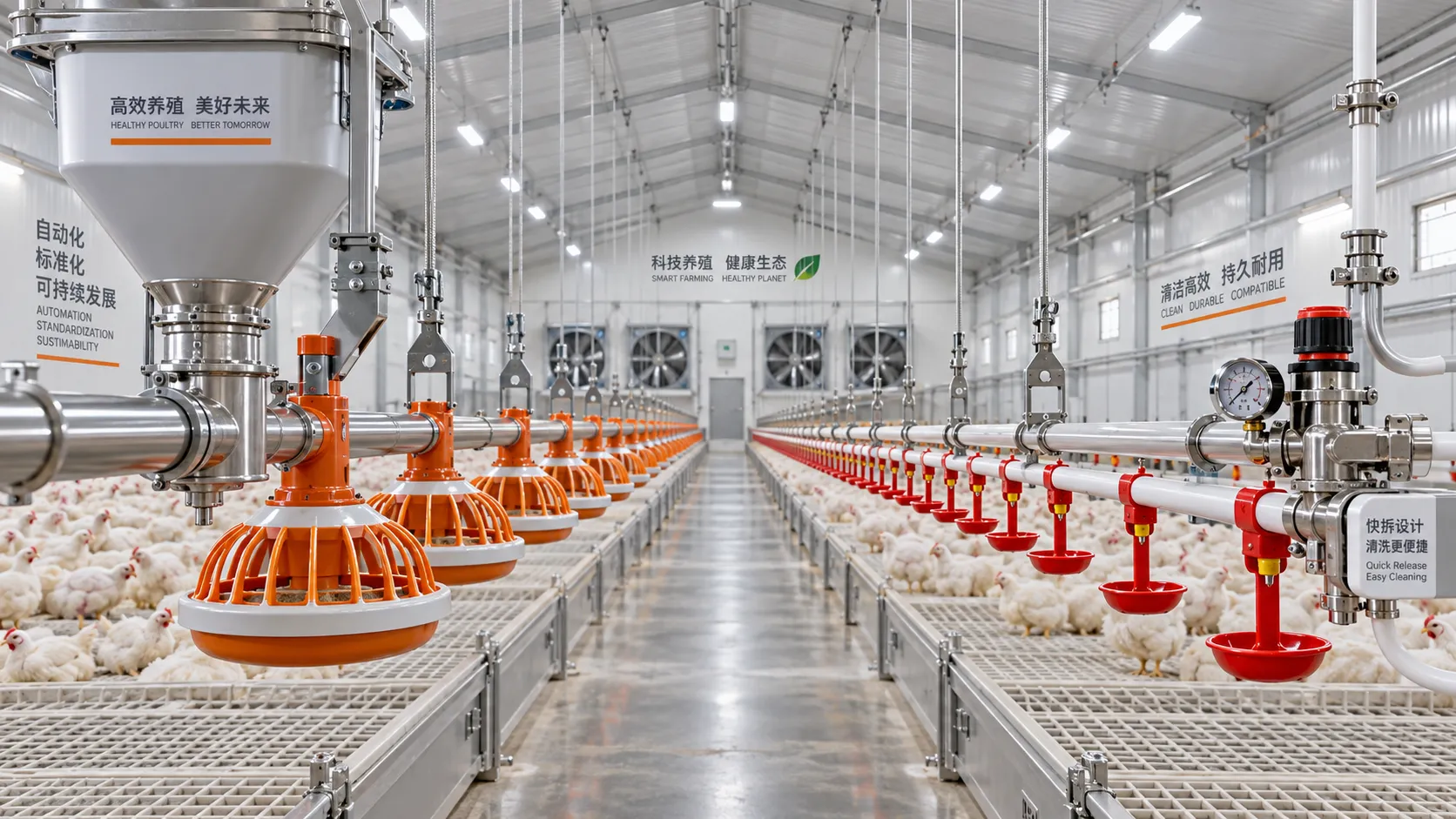
Poultry Equipment Selection: Evaluating Durability, Cleaning, and Compatibility
Poultry equipments selection guide: evaluate durability, cleaning access, and system compatibility to improve hygiene, reduce downtime, and support efficient flock management.
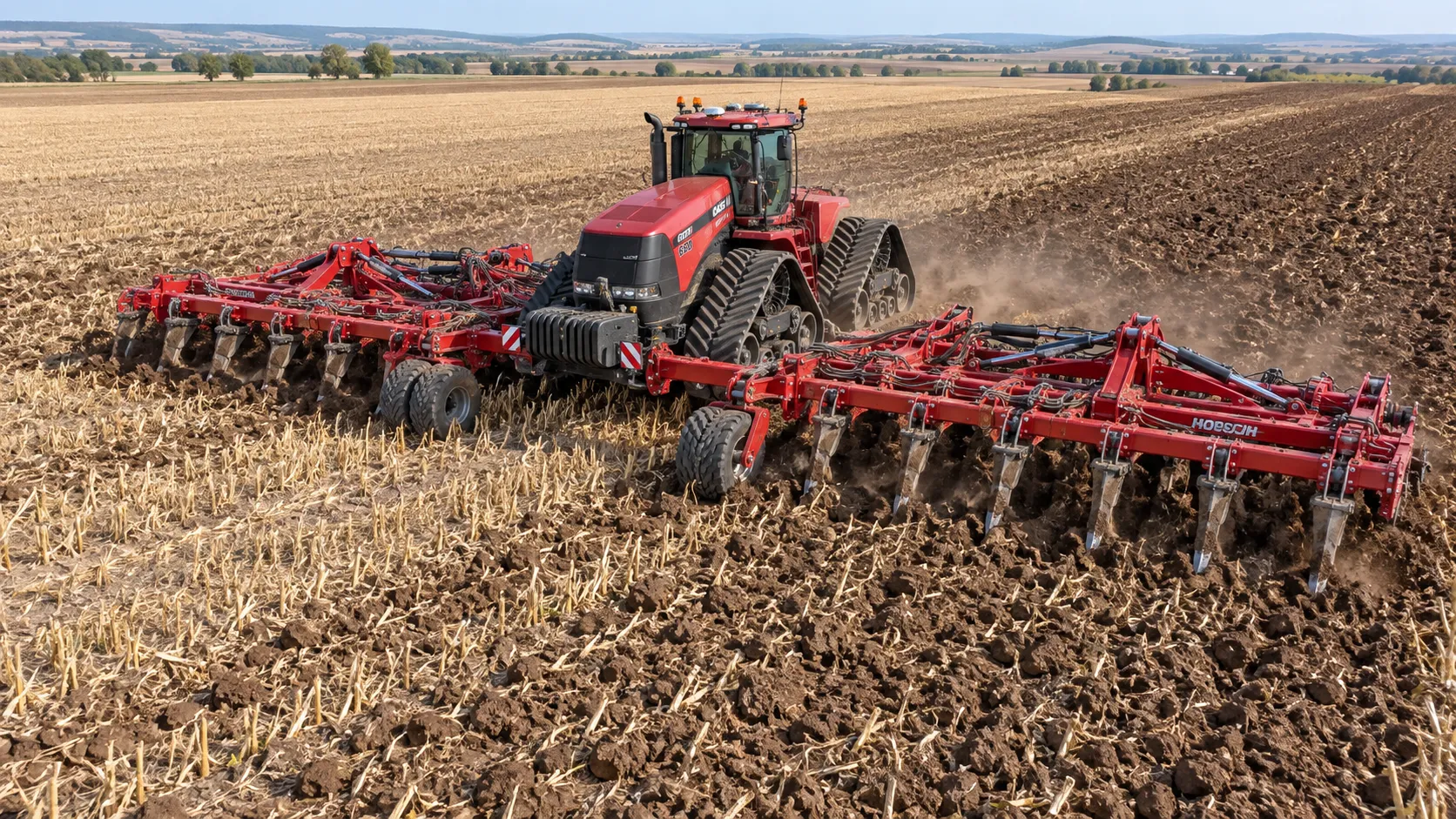
How to Select Heavy-Duty Farm Implements for High-Acreage, High-Horsepower Operations
Heavy duty farm implements: learn how to match draft, hydraulics, hitch capacity, frame strength, and field conditions for reliable high-acreage performance.
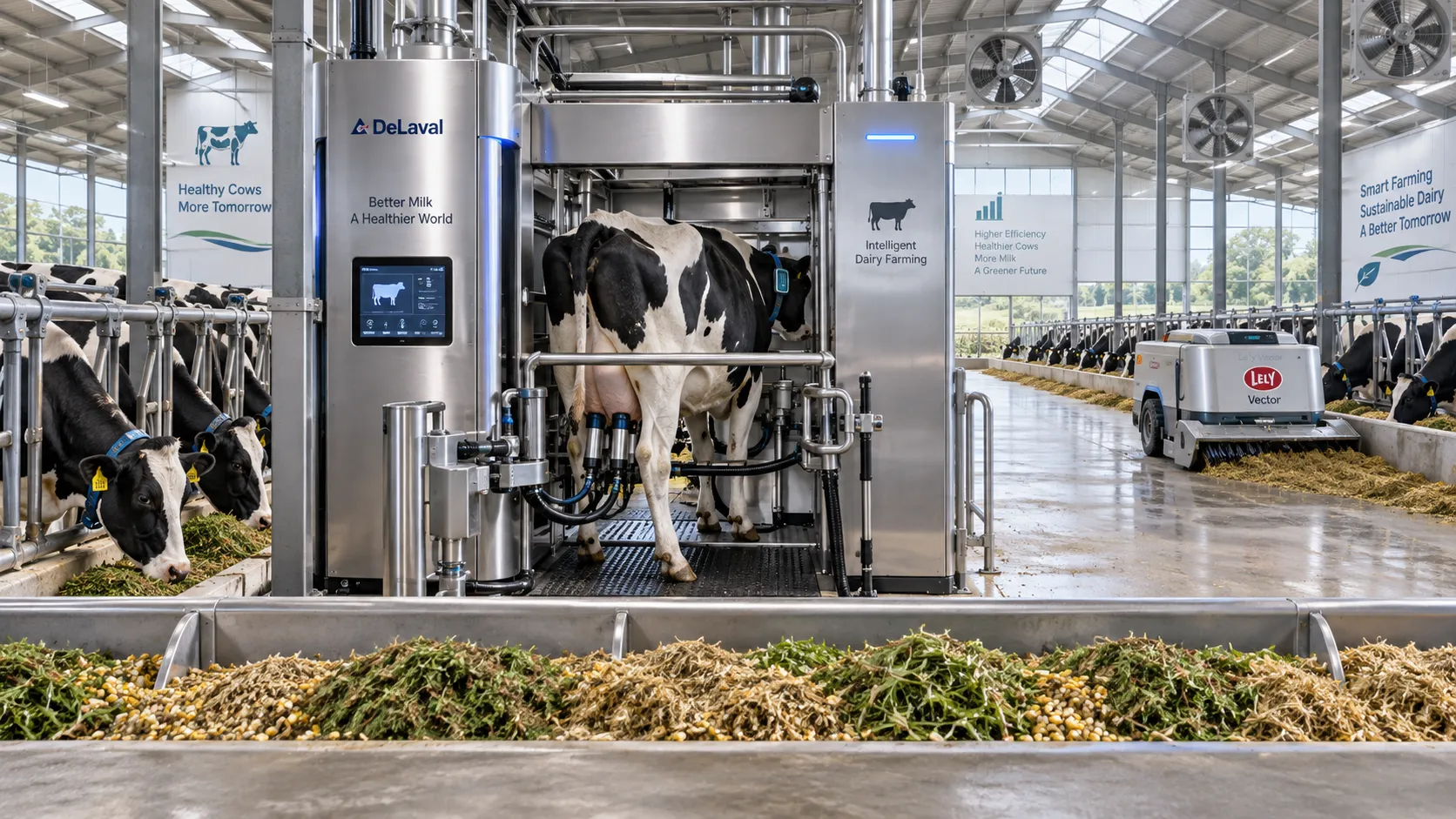
Smart Farming Technology for Dairy Farms: Where Automation Delivers Measurable ROI
Smart farming technology for dairy farms delivers measurable ROI through automation, precision feeding, health monitoring, and data-driven cost control.
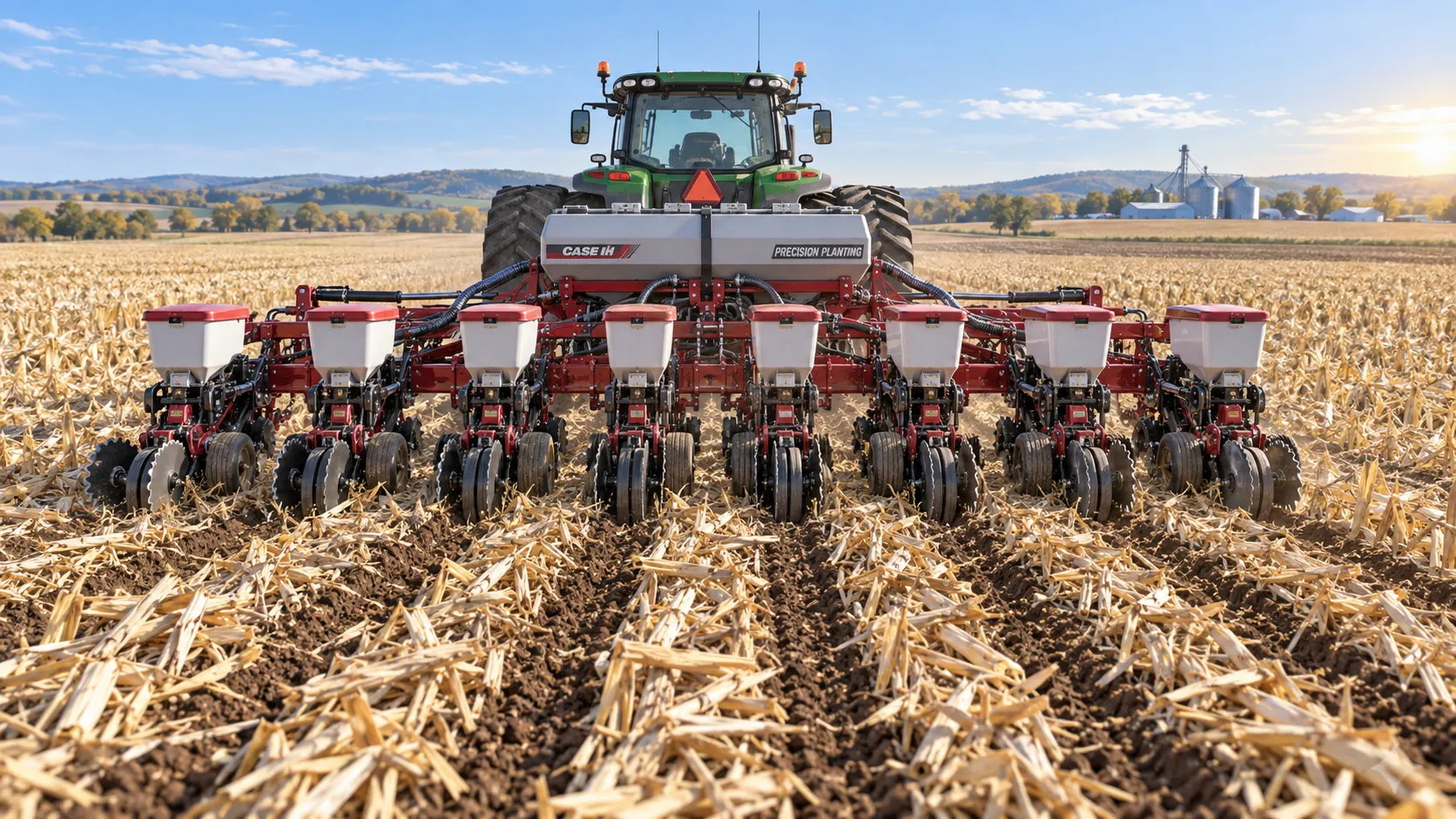
How to Select a Heavy-Duty Seeder for Large Acreage and High-Residue Fields
Heavy duty seeders for large acreage: compare residue handling, depth control, downforce, metering accuracy, and precision features to select the right model.
Related News
- 00
0000-00
How to Evaluate Precision Fertilization System Suppliers for Farm-Scale Deployment - 00
0000-00
How to Select a Precision Fertilization System for Variable Corn Field Conditions - 00
0000-00
When does equipment for sustainable farming justify a higher capital spend? - 00
0000-00
Precision Farming Solutions with Drone Data for Field Mapping and Crop Decisions - 00
0000-00
Precision Farming Systems for Yield Mapping: Key Technologies and Field Applications
Popular Tags
Tractor Power Architect
Weekly Insights
Stay ahead with our curated technology reports delivered every Monday.