
Precision Agriculture Technology Without Good Data Can Backfire
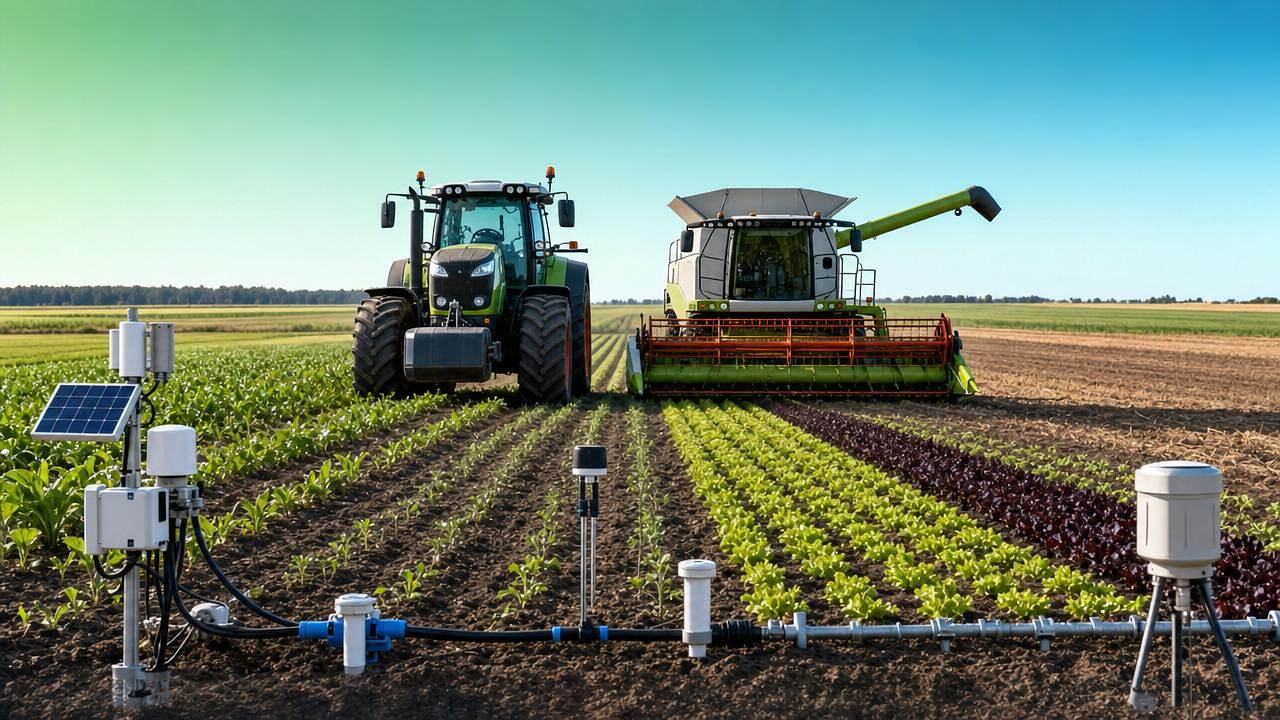




Precision agriculture technology promises sharper decisions, lower input waste, and stronger yields—but without reliable data, it can drive costly mistakes at scale. For enterprise decision-makers navigating modern farm investment, the real advantage lies not only in smarter machines, but in the quality of the intelligence behind them. This article explores how poor data can undermine automation, irrigation, harvesting, and field planning across today’s evolving agricultural landscape.
Why enterprise teams should use a checklist before scaling precision agriculture technology
For decision-makers, the biggest risk in precision agriculture technology is not always buying the wrong machine. It is building strategy on data that looks modern, but is incomplete, delayed, inconsistent, or context-blind. A farm group may invest in intelligent irrigation, auto-guidance, yield mapping, or variable-rate application, yet still see weak returns if the underlying field data is unreliable.
That is why a checklist approach matters. It helps leadership teams validate whether data is decision-grade before connecting it to fleet management, agronomic planning, harvester optimization, water-use control, and capital allocation. In large-scale operations, a small data error can become a large financial error when repeated across thousands of hectares, multiple machines, and several crop cycles.
A practical checklist also supports cross-functional alignment. Operations leaders, agronomists, equipment distributors, procurement teams, and finance executives often evaluate the same precision agriculture technology from different angles. A structured review makes it easier to decide what to deploy now, what to test first, and what to postpone until the data foundation is stronger.
First-pass decision checklist: what to confirm before trusting the system
Before approving expansion, enterprise teams should confirm whether the information feeding precision agriculture technology is accurate enough for operational use. The following checklist is a practical starting point.
- Is the data source clear? Confirm whether information comes from satellites, sensors, machine telematics, weather feeds, scouting reports, or manual input, and identify who validates each source.
- Is the data current enough for the task? Irrigation decisions may need near-real-time inputs, while machinery replacement planning may tolerate slower reporting cycles.
- Is the field-level resolution sufficient? A zone map that is too coarse can hide soil variability, disease pressure, or drainage problems and lead to uniform decisions where targeted action is needed.
- Is the data calibrated across equipment brands and generations? Mixed fleets often create inconsistent readings in seeding, yield, fuel, and application records.
- Is there a history of outliers or gaps? Missing data during harvest, blocked sensors, or unstable connectivity can distort performance evaluation.
- Is the system translating data into recommendations transparently? If the algorithm suggests a prescription but the decision logic cannot be explained, operational risk rises.
- Can the output be verified in the field? Precision agriculture technology should improve agronomic decisions, not replace ground truthing.
If two or more of these points remain uncertain, leaders should treat the system as a pilot tool rather than a fully trusted operating layer.
Core evaluation criteria: how bad data causes expensive mistakes
1. Irrigation optimization can become water misallocation
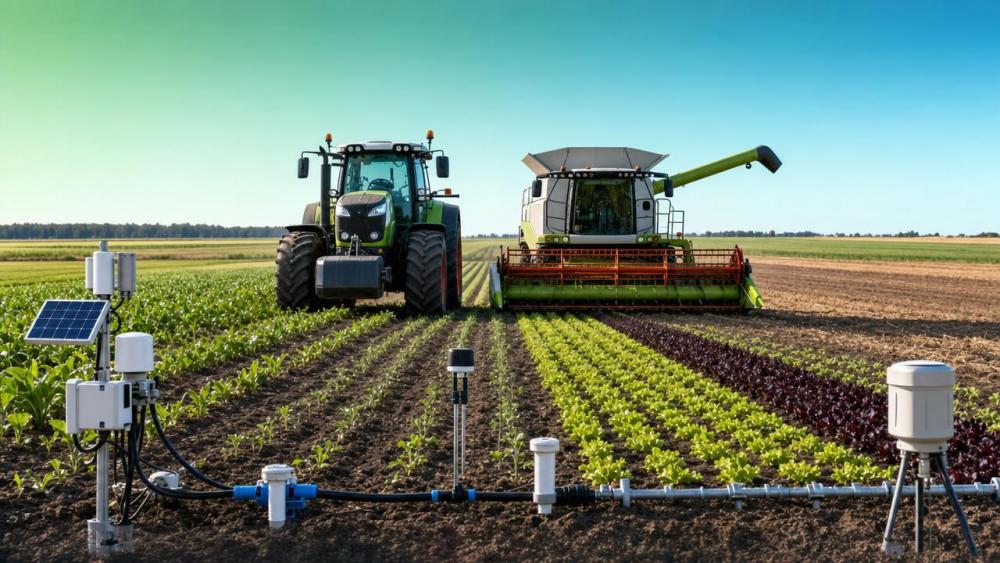
In water-saving irrigation systems, weak data can create false precision. If evapotranspiration models are based on outdated weather data, or if soil moisture probes are poorly placed, irrigation schedules may under-serve high-demand zones and over-serve low-demand areas. The result is not only yield stress, but also energy waste, nutrient leaching, and distorted ROI calculations for irrigation infrastructure.
Decision standard: confirm probe placement logic, weather feed refresh intervals, and the match between field variability and irrigation zone design before expanding automated irrigation programs.
2. Yield maps can mislead input strategy
Many organizations assume yield maps are objective. In reality, combine settings, header losses, moisture variability, machine speed changes, and calibration discipline all affect data quality. If harvest data is noisy, prescription maps for next season may be built on flawed conclusions. A low-yield zone may reflect machine loss or timing issues rather than weak soil performance.
Decision standard: do not use yield maps alone for variable-rate decisions. Cross-check against tissue analysis, soil history, weather records, and harvester calibration logs.
3. Autonomous guidance can spread systematic error
Auto-steer, path planning, and implement control are powerful layers of precision agriculture technology, but they can scale misalignment when positioning data drifts or implement offsets are incorrectly configured. Small row placement errors can influence stand quality, overlap rates, fuel use, and chemical efficiency across large acreages.
Decision standard: verify correction signal quality, equipment offset settings, and seasonal recalibration routines. Automation should reduce variability, not industrialize it.
4. Commercial planning can become distorted
For distributors, equipment groups, and enterprise farms, poor data affects not only field operations but also investment timing. If telematics reports understate chassis load, field days, or hydraulic stress, replacement cycles may be delayed. If data exaggerates machine utilization, managers may overinvest in capacity that is not truly needed.
Decision standard: connect operational data to maintenance records, downtime logs, and seasonal workload peaks before making fleet decisions.
A practical table for leadership review
The table below helps enterprise teams assess where precision agriculture technology is most vulnerable to poor data and what should be checked first.
Scenario-specific checks: what different enterprise users should prioritize
For large-scale farm operators
Prioritize decision latency, zone-level accuracy, and operator discipline. Even strong precision agriculture technology can fail if operators bypass calibration steps or if field records are uploaded too late to influence in-season action. Focus on process reliability, not only technology capability.
For equipment distributors and solution integrators
Prioritize interoperability. Customers increasingly run mixed machinery ecosystems, which means telematics, sensors, and software must exchange data consistently. A high-performance harvester or intelligent implement loses strategic value when information remains locked in separate platforms.
For agribusiness investors and executive leadership
Prioritize governance. Ask who owns the data, who cleans it, who can challenge recommendations, and how exceptions are escalated. Precision agriculture technology becomes board-level relevant only when data responsibilities are explicit and measurable.
Common blind spots that are easy to miss
- Assuming more data automatically means better decisions. Volume does not replace relevance or validation.
- Treating all fields the same. Crop history, topography, soil texture, drainage, and local weather patterns can change how precision agriculture technology should be interpreted.
- Ignoring seasonal timing. Data that is accurate but late may still be operationally useless.
- Separating machine performance from agronomic outcomes. High machine efficiency does not always equal high crop performance.
- Overlooking maintenance impacts on data quality. Worn sensors, dirty optics, loose harnesses, and hydraulic inconsistencies can quietly degrade confidence in the system.
Execution guide: how to strengthen precision agriculture technology before wider rollout
If the goal is to scale precision agriculture technology responsibly, enterprises should sequence their actions instead of trying to digitize every workflow at once.
- Start with a data audit. Identify every critical source, update frequency, known gap, and validation owner.
- Rank decisions by financial sensitivity. Irrigation control, harvest analytics, and variable-rate inputs usually deserve earlier scrutiny than low-impact reporting features.
- Define minimum confidence thresholds. Not every dashboard should trigger automatic action; some outputs should remain advisory until validated over multiple seasons.
- Use pilot fields to compare algorithm output with field observations. This is especially important for intelligent irrigation, yield analysis, and machine optimization.
- Integrate maintenance and calibration routines into digital governance. Equipment health is part of data quality management.
- Review vendor transparency. Ask how recommendations are generated, how anomalies are flagged, and what support exists when field results diverge from model output.
FAQ: key questions executives should ask
How do we know whether our precision agriculture technology is ready for scale?
It is ready when data sources are traceable, calibration routines are consistent, outputs can be field-verified, and business decisions based on the system have performed reliably across more than one cycle or season.
What is the most dangerous type of bad data?
Plausible but wrong data is often more dangerous than obviously missing data. Teams tend to act on it confidently, which spreads error into planning, irrigation, harvesting, and investment decisions.
Should enterprises delay automation until all data issues are solved?
No. The better approach is staged deployment. Use precision agriculture technology where data quality is already strong, while building controls and audits in weaker areas before full automation.
Final decision guide and next-step action
Precision agriculture technology creates real strategic advantage when enterprises treat data quality as operating infrastructure, not as a secondary IT issue. For organizations working across large-scale agri-machinery, combine harvesting technology, tractor chassis performance, intelligent farm tools, and water-saving irrigation systems, the winning question is simple: can this data support a financial, agronomic, and operational decision with confidence?
If your team is evaluating next steps, prioritize a structured discussion around five points: required field data layers, equipment compatibility, validation responsibility, rollout timeline, and budget linked to measurable outcomes. If those points are clear, precision agriculture technology can become a force multiplier. If they are vague, even advanced systems may backfire at scale.
Related News
When Does Agricultural Machinery Leasing Cost Less Than Owning Equipment?
Agricultural machinery leasing can lower farm costs when use is seasonal or uncertain. Compare utilization, maintenance, cash flow, and risk to make a smarter equipment decision.
How to Evaluate Precision Fertilization System Suppliers for Farm-Scale Deployment
Precision fertilization systems suppliers: learn how to compare accuracy, integration, uptime, service, and total cost for confident farm-scale deployment.
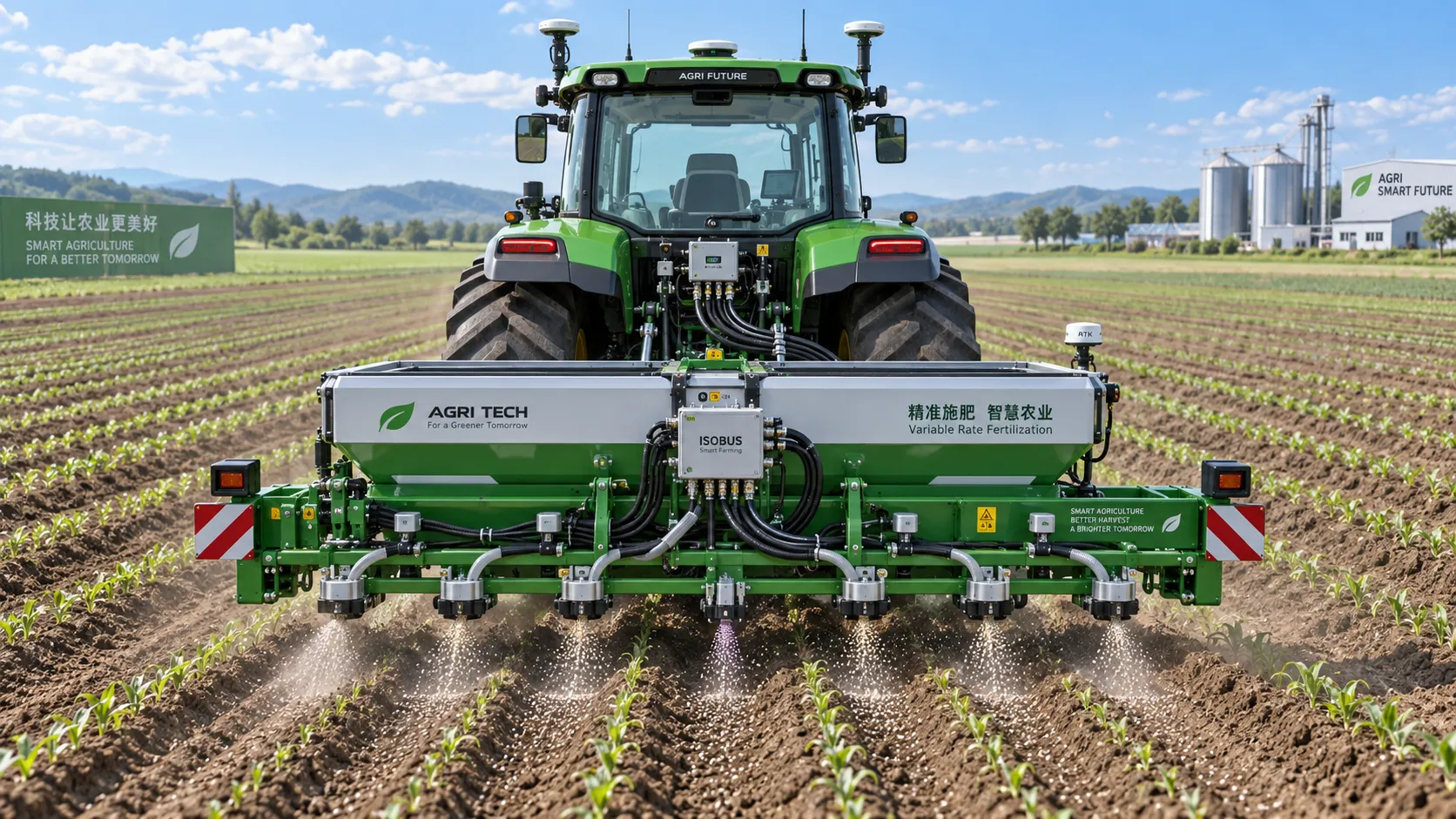
ISOBUS for Smart Agriculture: How It Connects Tractors, Implements, and Farm Data
ISOBUS for smart agriculture connects tractors, implements, terminals, and farm data—helping growers improve precision, documentation, and smarter field decisions.
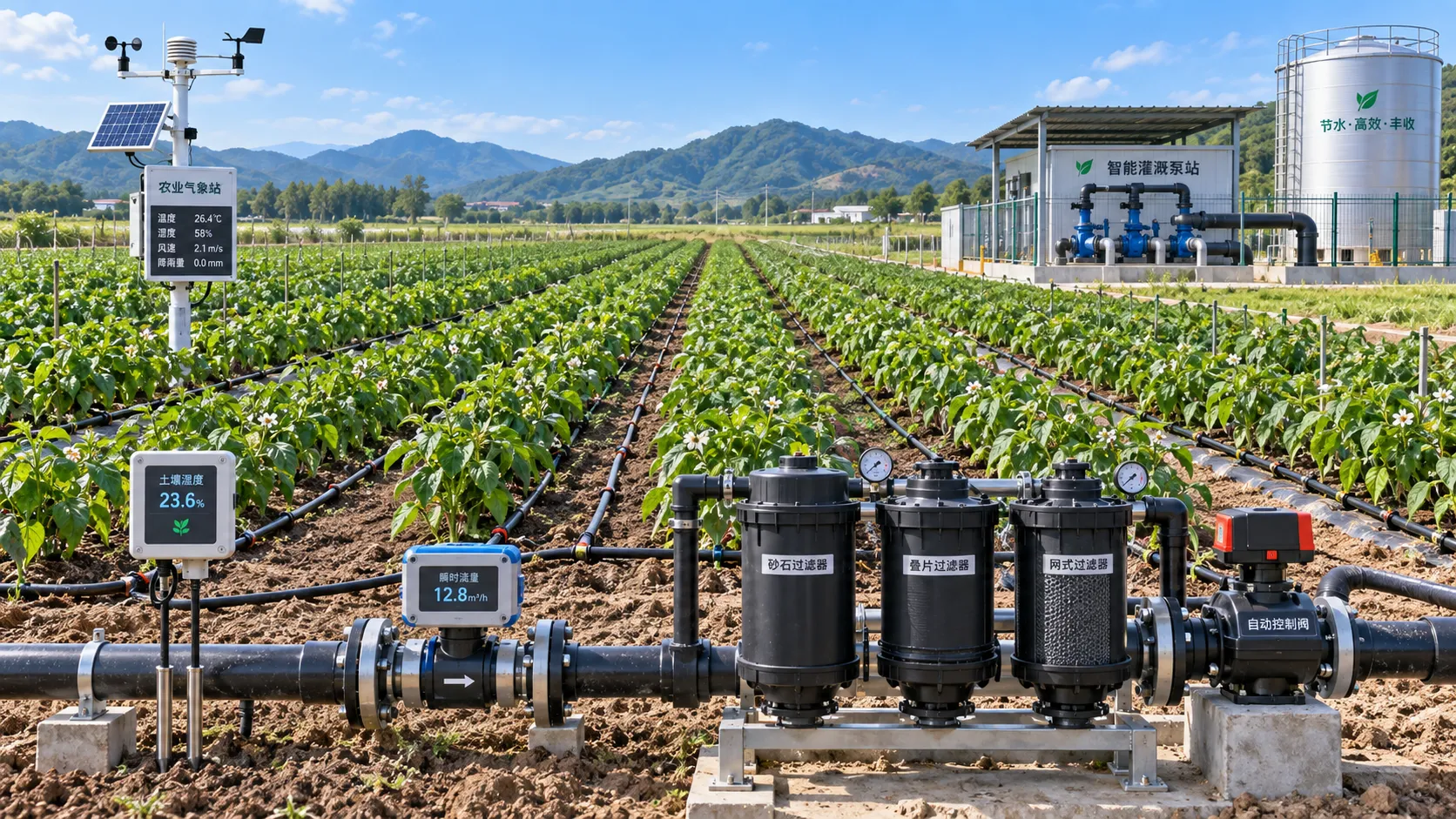
Automated Water-Saving Irrigation: How to Cut Water Use Without Reducing Crop Yields
Automated water-saving irrigation helps farms cut water use, protect crop yields, improve scheduling, and gain reliable control with sensors, flow monitoring, and smart zones.
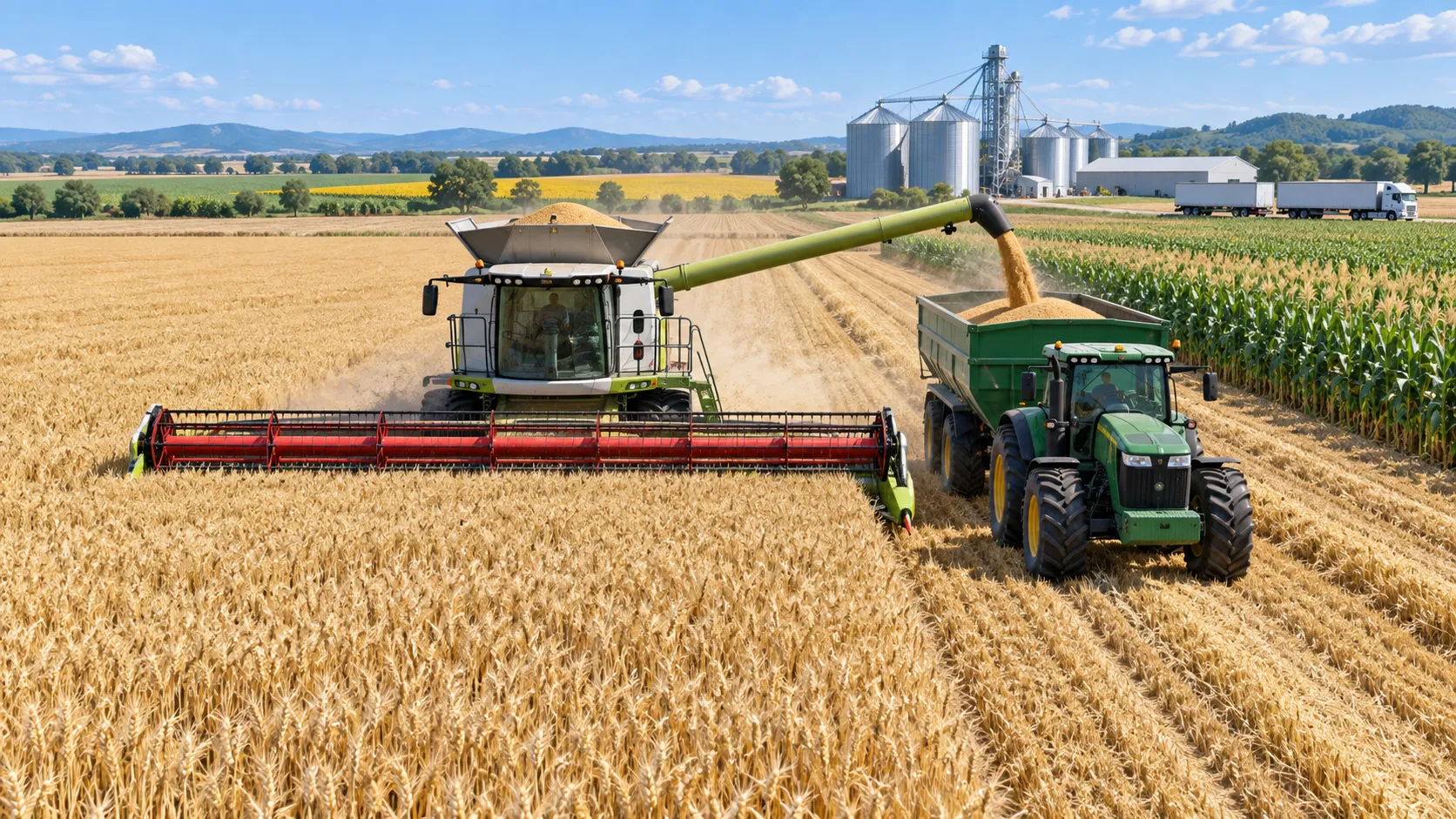
Selecting Grain Farm Equipment by Acreage, Crop Mix, and Harvest Window
Agricultural equipment selection for grain farming: match machinery to acreage, crop mix, and harvest windows to improve uptime, efficiency, and returns.
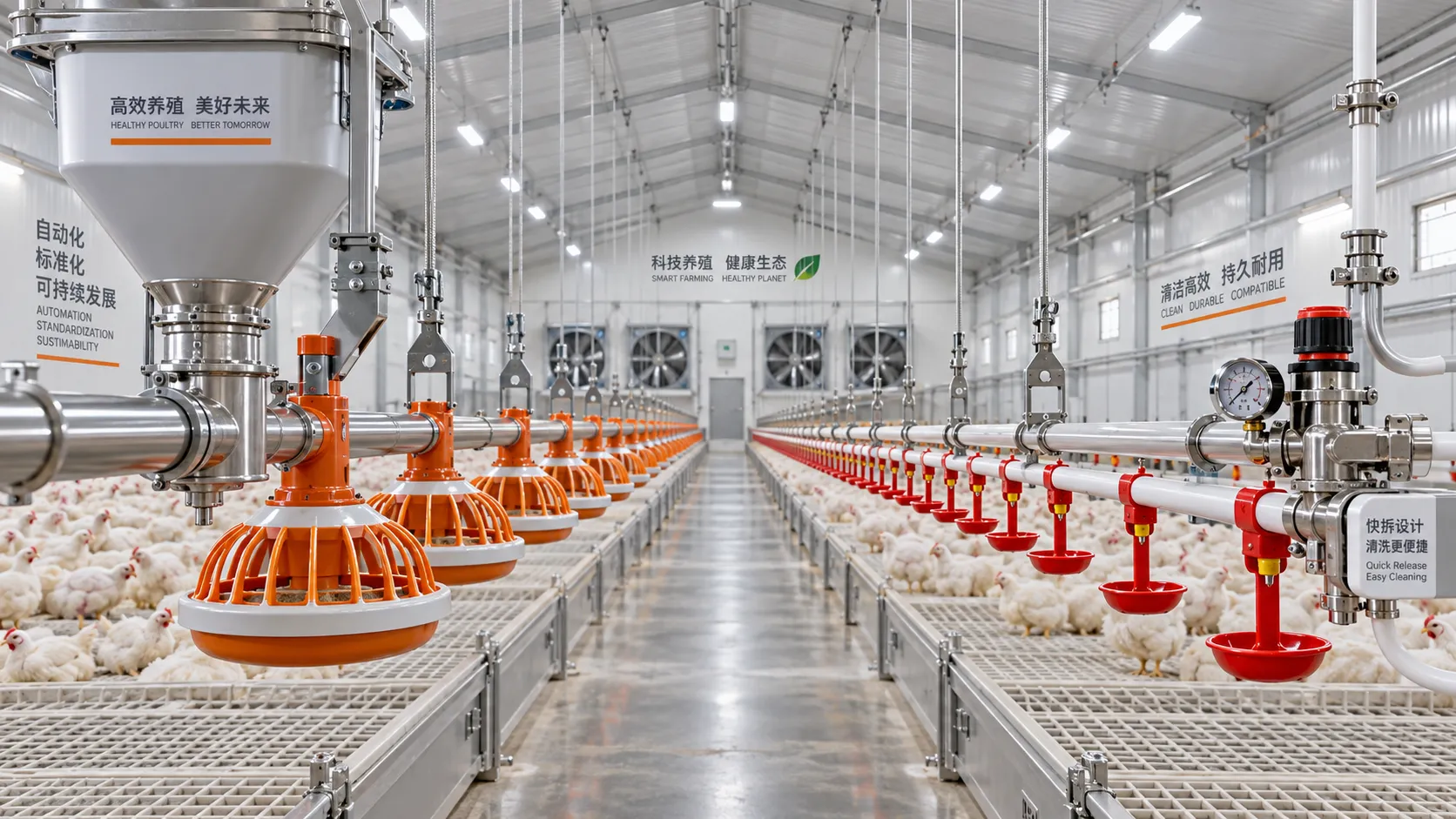
Poultry Equipment Selection: Evaluating Durability, Cleaning, and Compatibility
Poultry equipments selection guide: evaluate durability, cleaning access, and system compatibility to improve hygiene, reduce downtime, and support efficient flock management.
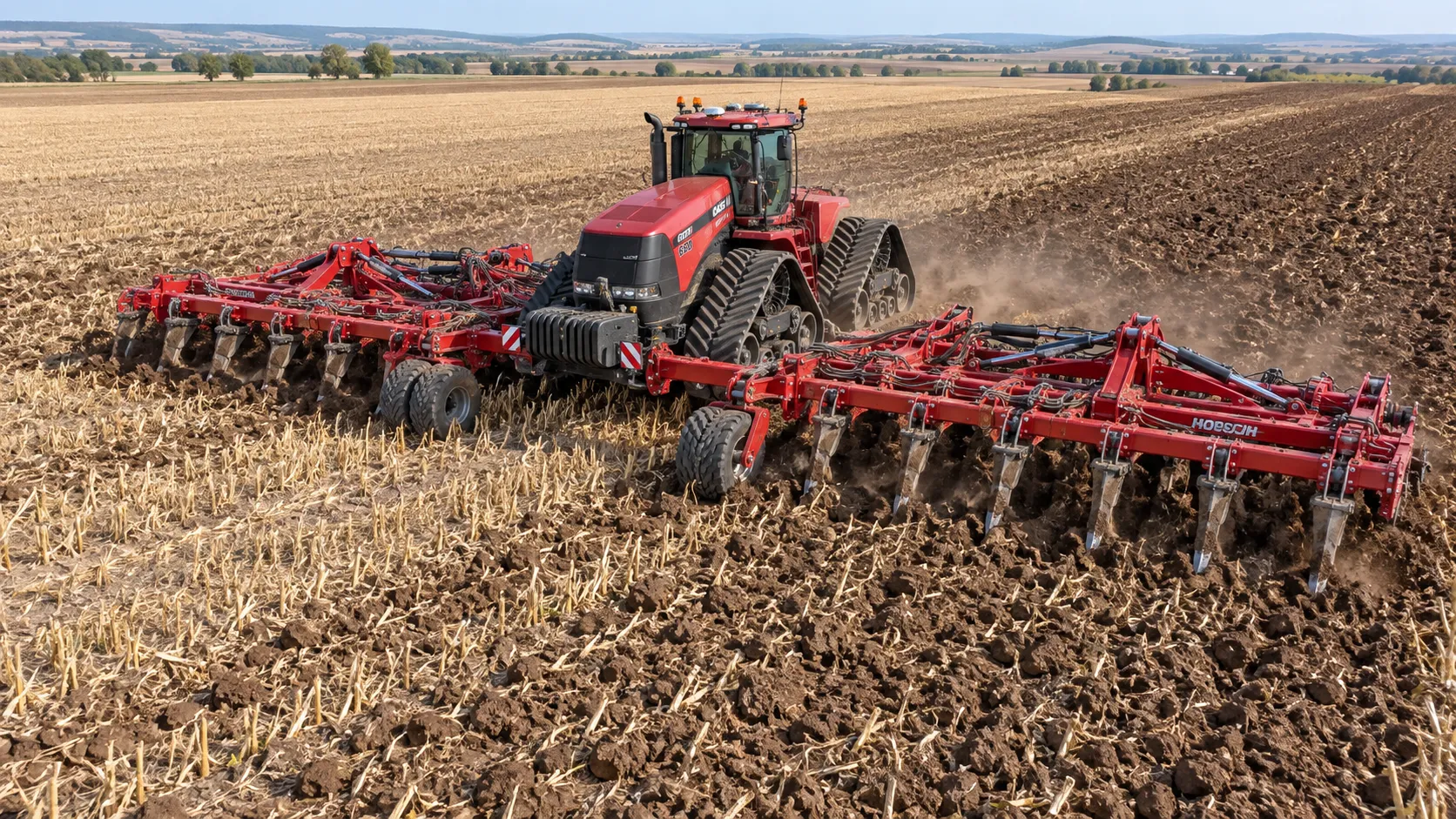
How to Select Heavy-Duty Farm Implements for High-Acreage, High-Horsepower Operations
Heavy duty farm implements: learn how to match draft, hydraulics, hitch capacity, frame strength, and field conditions for reliable high-acreage performance.
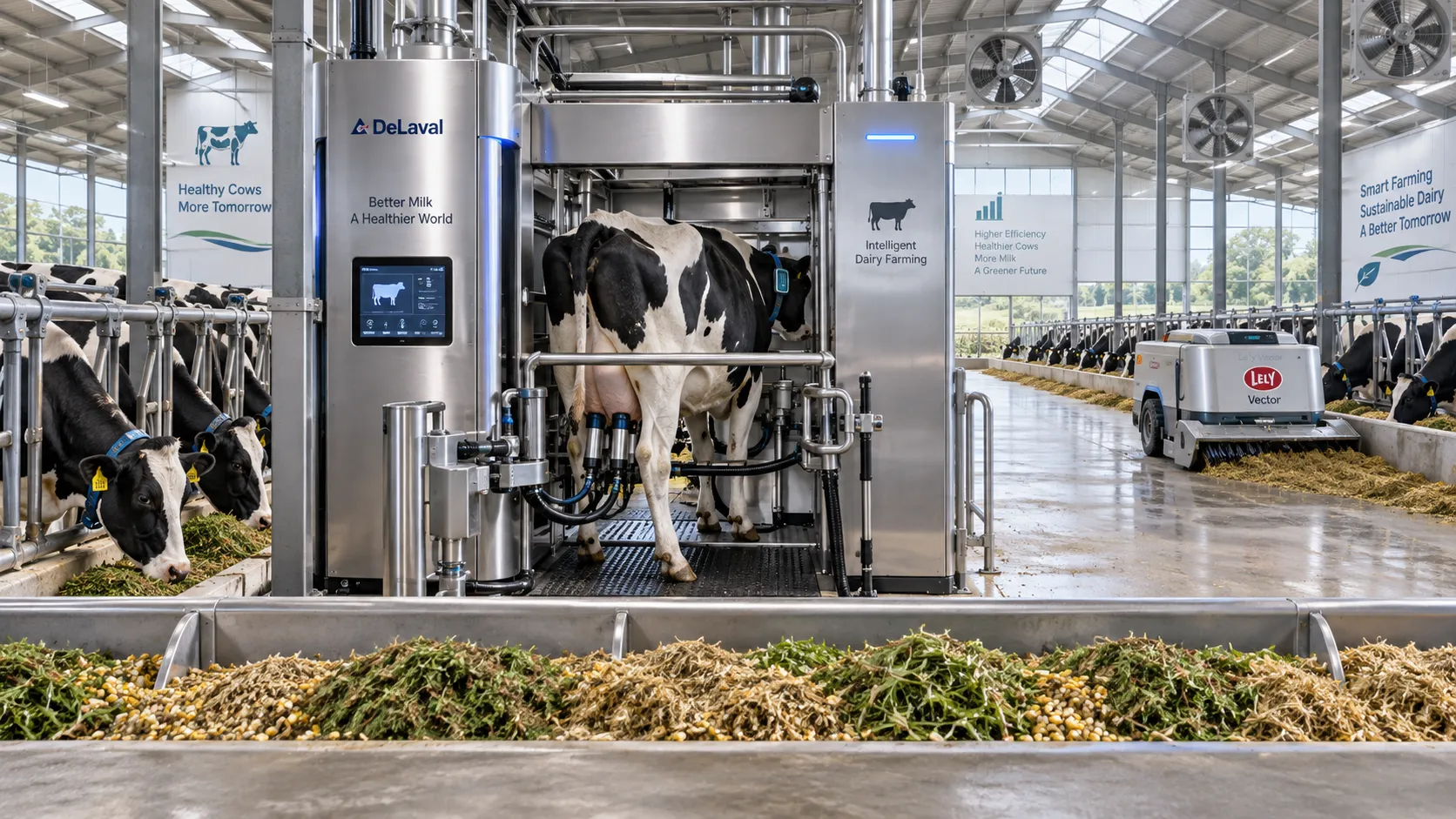
Smart Farming Technology for Dairy Farms: Where Automation Delivers Measurable ROI
Smart farming technology for dairy farms delivers measurable ROI through automation, precision feeding, health monitoring, and data-driven cost control.
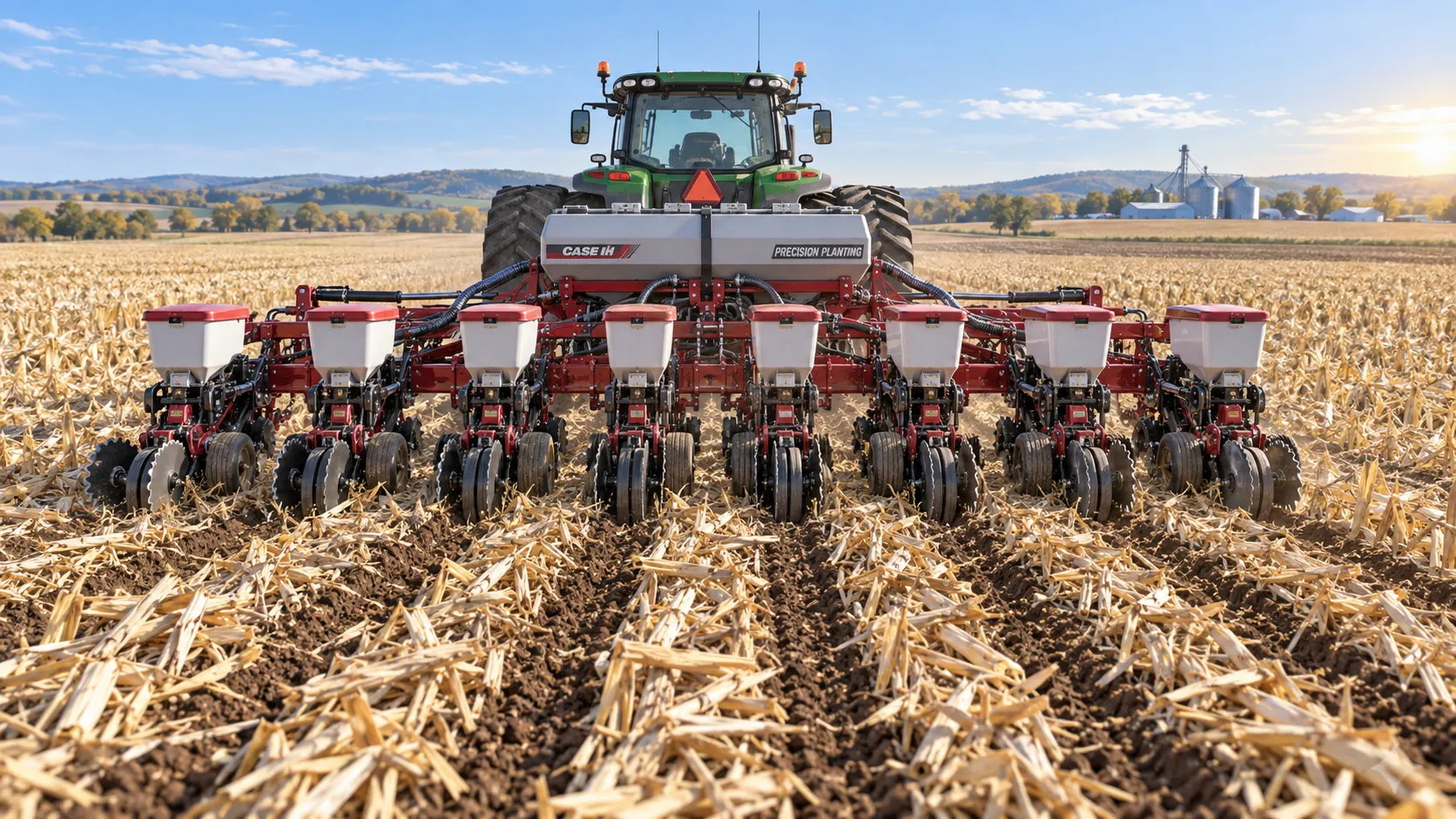
How to Select a Heavy-Duty Seeder for Large Acreage and High-Residue Fields
Heavy duty seeders for large acreage: compare residue handling, depth control, downforce, metering accuracy, and precision features to select the right model.
Related News
- 00
0000-00
How to Evaluate Precision Fertilization System Suppliers for Farm-Scale Deployment - 00
0000-00
How to Select a Precision Fertilization System for Variable Corn Field Conditions - 00
0000-00
When does equipment for sustainable farming justify a higher capital spend? - 00
0000-00
Precision Farming Solutions with Drone Data for Field Mapping and Crop Decisions - 00
0000-00
Precision Farming Systems for Yield Mapping: Key Technologies and Field Applications
Popular Tags
Tractor Power Architect
Weekly Insights
Stay ahead with our curated technology reports delivered every Monday.