
How large-scale farm equipment changes cost per acre
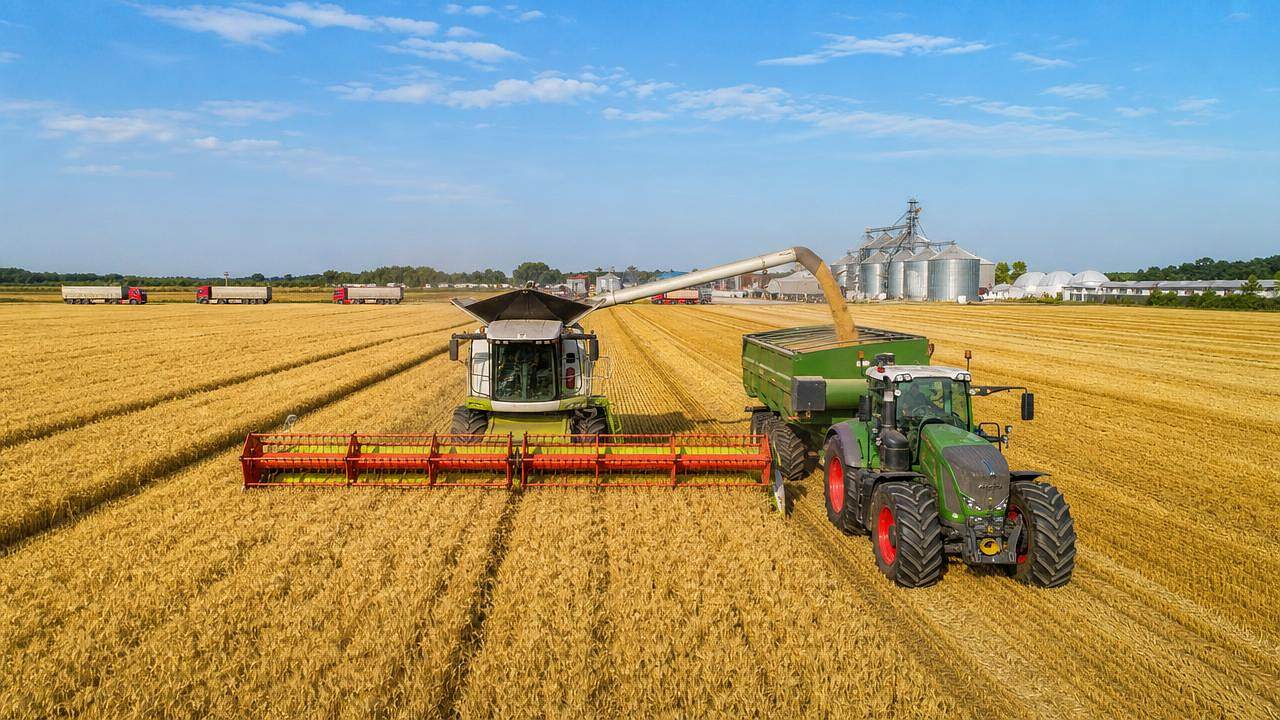




For financial decision-makers, large-scale farm equipment is no longer just a capital expense—it is a strategic lever that reshapes cost per acre, labor efficiency, fuel use, and long-term asset performance. This article examines how machinery scale, harvesting efficiency, and precision operations influence unit economics, helping you evaluate investment returns with greater clarity in today’s high-pressure agricultural environment.
The core question behind investments in large-scale farm equipment is simple: does a bigger machine truly lower cost per acre, or does it only increase financial exposure? For most large operations, the answer is that scale can reduce unit costs, but only when machine capacity is matched to acreage, labor availability, crop windows, and support infrastructure.
That distinction matters because financial approval is rarely about horsepower alone. It is about whether equipment scale improves annual throughput, prevents yield loss during narrow operating windows, lowers labor dependency, and spreads fixed ownership costs across enough productive acres to justify the investment.
What financial approvers are really trying to determine
When a buyer searches for information about large-scale farm equipment and cost per acre, the underlying intent is usually commercial rather than technical. They want to understand how machinery scale affects total operating economics, payback speed, and risk across multiple seasons, not simply how big equipment performs in ideal field conditions.
For finance leaders, the most important concern is whether larger machines create durable cost advantages. That means looking beyond purchase price and asking how the equipment changes depreciation per acre, labor cost per acre, fuel consumption, maintenance exposure, timeliness of fieldwork, and the probability of missing critical planting or harvest windows.
They also want decision-ready guidance. Broad claims about efficiency are less useful than a practical framework for comparing a current fleet with a larger replacement. The most helpful content therefore connects machine scale to measurable outcomes, scenario planning, and the operational constraints that determine whether expected savings actually materialize.
Why cost per acre changes when equipment gets larger
Cost per acre is shaped by both fixed and variable elements. Large-scale farm equipment usually raises fixed costs because acquisition, financing, insurance, and depreciation move upward. At the same time, it can reduce variable and semi-variable costs by covering more acres per hour, cutting operator hours, reducing idle fleet overlap, and improving timeliness.
The biggest economic shift often comes from spreading ownership cost over more productive work. A larger tractor, planter, sprayer, or combine can process more acres in the same number of workable days. If annual utilization is high enough, depreciation and interest cost per acre can decline, even when total ownership cost increases.
However, lower unit cost is never automatic. If the machine is oversized relative to acreage, seasonal demand, or field logistics, utilization falls and fixed cost per acre rises sharply. In that case, the farm pays for unused capacity. The financial case improves only when larger equipment converts capacity into actual seasonal output.
The hidden value of timeliness in cost-per-acre calculations
One of the most overlooked drivers of cost per acre is timeliness. Large-scale farm equipment can create value not only by lowering direct operating cost, but also by reducing revenue leakage caused by delays. This is especially important in planting, spraying, and harvesting, where a short delay can affect yield, quality, moisture, and marketability.
For example, a larger combine may cost more per machine hour, but if it shortens harvest by several days, it can reduce grain loss, weather exposure, drying expense, and labor overtime. Those gains do not always appear in basic equipment comparisons, yet they can meaningfully improve margin per acre and accelerate payback.
From a finance perspective, timeliness should be treated as an economic variable, not a convenience benefit. Equipment that protects yield under narrow weather windows may have a stronger business case than a cheaper alternative with lower hourly capacity. In volatile climates, this protection can be worth more than modest savings in purchase cost.
Labor economics: why bigger machines matter when skilled operators are scarce
Labor is a major reason many farms move toward larger machinery. A high-capacity machine allows one operator to cover more ground per shift, which lowers labor cost per acre and reduces dependency on seasonal hiring. For operations facing rural labor shortages, this can be one of the clearest financial advantages.
Large-scale farm equipment also simplifies workforce structure. Instead of staffing multiple smaller units with several operators, a farm may run fewer machines with more experienced personnel. That can improve supervision, reduce scheduling complexity, and lower hidden costs linked to training, errors, delays, and uneven machine performance.
Still, labor savings should be evaluated carefully. Larger machines can require better operators, stronger maintenance planning, and more disciplined logistics. If the business lacks trained staff or service support, the expected labor benefit may be offset by downtime, bottlenecks, or underperformance during the most critical operating periods.
Fuel, maintenance, and field efficiency are not always moving in the same direction
Many buyers assume larger equipment automatically burns more fuel and therefore weakens per-acre economics. In absolute terms, that is often true on an hourly basis. But cost per acre depends on output. If a larger machine completes more work per pass, maintains optimal engine load, and reduces overlap, fuel per acre may improve.
This is especially relevant when equipment scale is paired with guidance systems, section control, auto-steering, and variable-rate capability. These technologies reduce wasted movement, duplicate coverage, and input losses. For finance teams, the lesson is that machine size and machine intelligence should be evaluated together, not as separate spending categories.
Maintenance follows a similar pattern. A larger machine can have higher repair bills per event, but fewer total machine units may reduce fleet-wide maintenance complexity, inventory duplication, and service scheduling. The right comparison is not “big machine versus small machine,” but “whole-system cost of the current fleet versus whole-system cost of the proposed fleet.”
Harvesting capacity often has the fastest impact on unit economics
Among all equipment categories, combines frequently have the most visible effect on cost per acre because they sit at the intersection of labor, fuel, throughput, grain loss, and crop risk. A more capable harvesting system can process more acres during tight windows and reduce losses caused by weather, lodging, moisture variation, and delayed field access.
Financial decision-makers should pay close attention to harvesting losses, because even small percentage improvements can outweigh savings from lower-cost machinery. If a larger combine or upgraded harvesting platform reduces field loss and maintains crop quality, the value captured per acre may exceed the increase in annual ownership cost.
This is where operational data matters. Capacity should be measured not only in brochure terms, but in actual tons per hour, field efficiency, unloading logistics, and downtime rates. A combine that looks expensive in capital terms may become the lower-cost option when harvest compression and loss prevention are included in the model.
Precision capability changes the economics of scale
Modern large-scale farm equipment increasingly delivers value through precision, not only physical size. On large acreages, guidance systems, implement control, sensor feedback, and data-driven application management reduce waste across seed, fertilizer, chemicals, fuel, and machine hours. That changes cost per acre in ways older sizing models often miss.
For a financial approver, the question is whether precision features generate enough measurable savings to justify their premium. In many cases, they do when acreage is sufficient and execution is disciplined. Reduced overlap, more accurate application, and better records can improve both direct cost control and compliance confidence.
The strongest business case appears when scale and precision work together. A large machine without data discipline may simply move faster. A large machine with precise control can move faster while also reducing input error, improving consistency, and creating management visibility across the operation. That combination is far more valuable.
When larger equipment lowers cost per acre—and when it does not
Large-scale farm equipment tends to lower cost per acre in operations with high annual utilization, limited labor supply, narrow fieldwork windows, and enough acreage to keep machines productive. It is also more attractive where field layouts, transport distances, and crop systems support sustained high-capacity work.
It is less likely to deliver savings when fields are fragmented, transportation is slow, storage or unloading capacity is weak, or annual acreage is too low to absorb fixed costs. The same problem appears when growers buy ahead of operational readiness, adding machine capacity before labor, maintenance, telematics, and logistics are prepared to support it.
In short, size creates value only when the farm can convert capacity into completed acres at the right time. Financially, the best purchase is not the biggest machine available. It is the machine whose annual output, reliability, and operating fit create the lowest realistic total cost per acre under actual farm conditions.
A practical evaluation framework for capital approval
Finance teams need a structured way to assess proposals. Start with baseline metrics from the current fleet: acres per hour, acres per labor hour, fuel per acre, maintenance per acre, ownership cost per acre, and estimated revenue loss from delayed operations. Without a true baseline, large-equipment claims are difficult to test.
Next, model the proposed equipment under conservative assumptions. Include acquisition cost, financing terms, trade-in value, depreciation schedule, insurance, expected utilization, service intervals, fuel use, and realistic field efficiency. Add sensitivity testing for weather delays, labor shortages, and lower-than-expected annual acreage.
Then include the economics of timeliness and loss prevention. Estimate how many days the new system could save in planting or harvest, and translate that into yield protection, moisture savings, reduced overtime, or lower custom hiring. These gains are often the deciding factor in whether a project clears the required return threshold.
Finally, compare alternatives beyond outright purchase. Leasing, shared ownership, staged fleet replacement, or selective outsourcing may produce a better risk-adjusted outcome. In some regions, a mixed strategy can preserve flexibility while still gaining some advantages of large-scale farm equipment.
Common approval mistakes that distort the business case
A frequent mistake is focusing too heavily on purchase price and not enough on annual cost per productive acre. This can favor smaller equipment that appears cheaper upfront but creates higher labor cost, longer field windows, more machine overlap, and greater exposure to weather-related losses over time.
Another mistake is using ideal utilization assumptions. Many proposals assume full seasonal deployment that never occurs in practice. If actual acres, operator availability, or field access are lower than planned, fixed costs remain while projected savings disappear. Conservative modeling is essential for sound financial approval.
Decision-makers also underestimate infrastructure bottlenecks. A larger combine does not create value if grain carts, trucks, storage, or unloading systems cannot keep pace. The same principle applies across the fleet. Equipment scale should be approved as part of an operating system, not as an isolated asset decision.
What this means for long-term strategy
In the Agriculture 4.0 environment, machinery investment is increasingly tied to resilience as much as efficiency. Large-scale farm equipment can help operations respond to labor scarcity, climate volatility, and the pressure to document input use and field performance with greater precision. That makes machinery scale a strategic issue, not only an operational one.
For financial leaders, the most important takeaway is that cost per acre should be treated as a dynamic metric. It changes with utilization, timing, precision capability, logistics, and management quality. The right machine can lower unit costs substantially, but only if the business has the acreage and discipline to capture that potential.
That is why the best approval decisions combine mechanical performance data with agronomic timing, labor planning, and capital discipline. When evaluated this way, large-scale farm equipment becomes easier to judge: not by size alone, but by how reliably it improves throughput, protects revenue, and lowers total cost per acre over time.
Conclusion: approve scale based on economics, not assumptions
Large-scale farm equipment changes cost per acre through a combination of higher fixed investment and potentially lower operating cost, better labor productivity, stronger timeliness, and improved precision. For many large operations, these benefits are real. But they emerge only when scale is matched to acreage, logistics, labor, and seasonal urgency.
If you are responsible for financial approval, the right question is not whether bigger equipment is better. It is whether the proposed machine will produce more completed work, at the right time, with lower total system cost and lower risk of revenue loss. That is the standard that turns capital spending into strategic advantage.
Viewed through that lens, large-scale farm equipment is not simply a larger balance-sheet item. It is a unit-economics tool. When selected with discipline, it can materially reduce cost per acre and strengthen long-term competitiveness in a market where operational timing and resource efficiency increasingly define profitability.
Related News
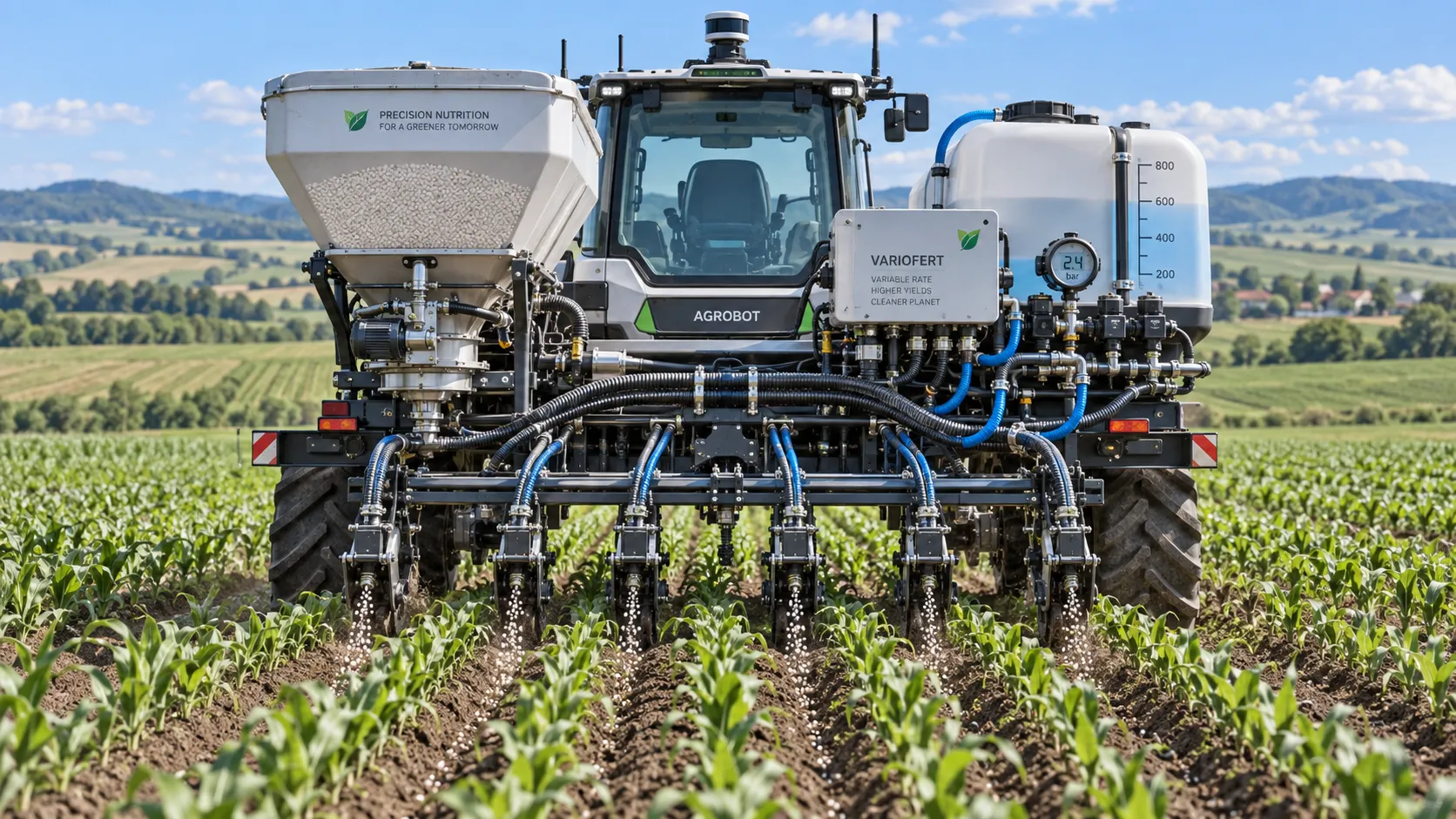
How Sensor Feedback Enables Accurate Variable-Rate Fertilization in Field Conditions
Precision fertilization systems with sensor feedback improve variable-rate accuracy by verifying flow, managing latency, and ensuring reliable field application.
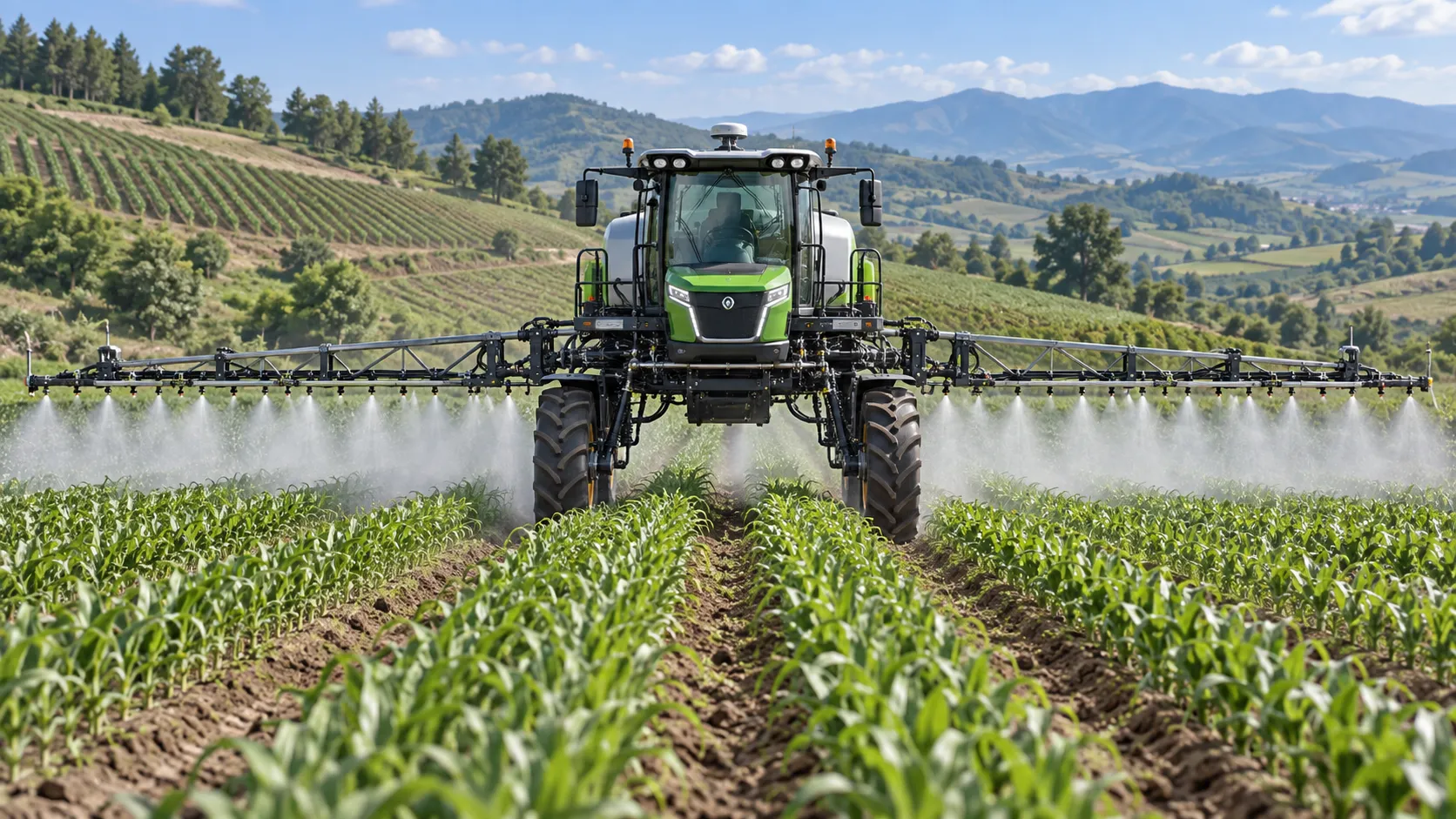
How to Select Precision Crop Protection Equipment for Variable Field Conditions
Precision crop protection equipment selection made simple: compare terrain, canopy, weather, control accuracy, and data workflows for reliable applications.
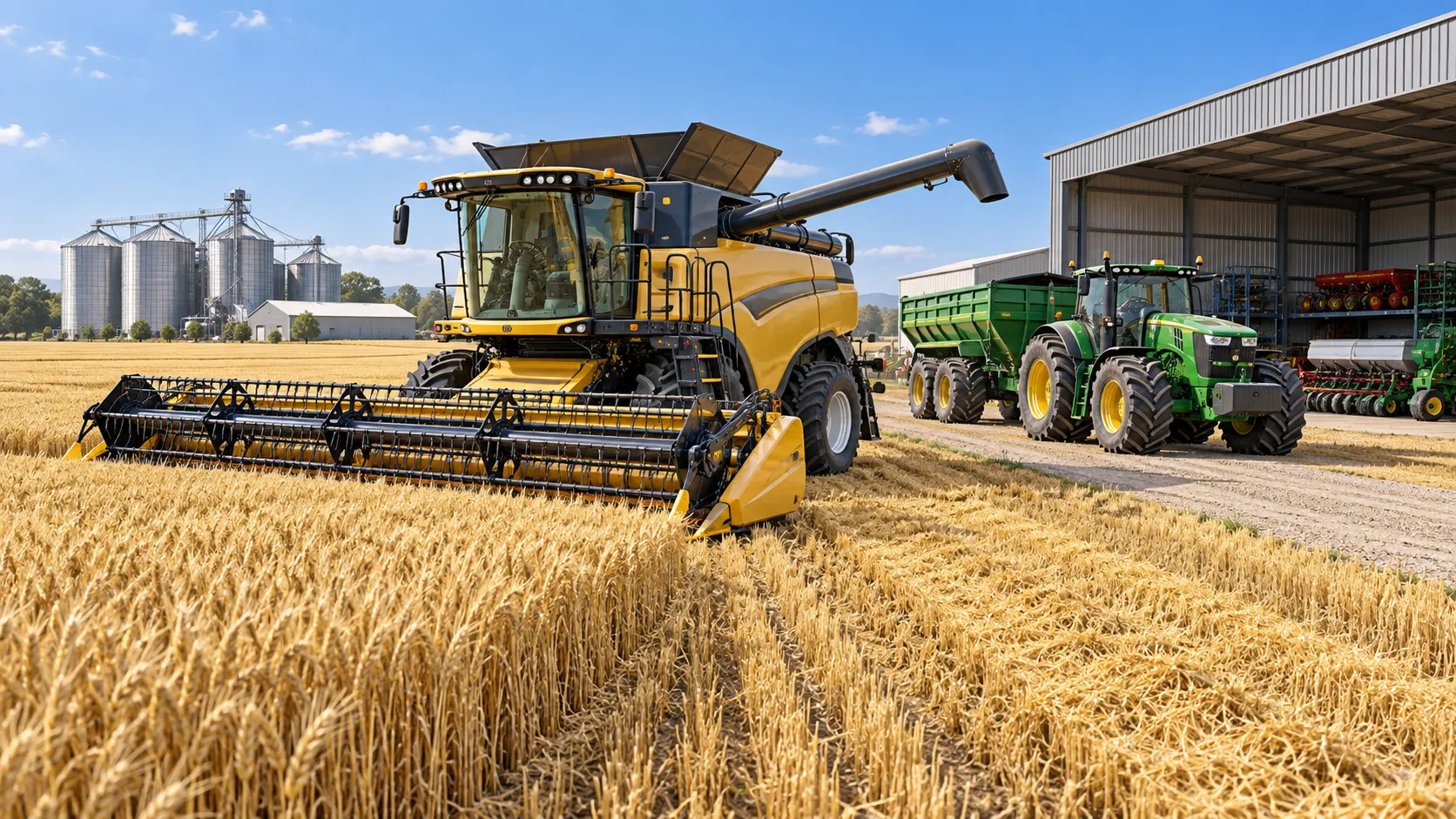
When Does Agricultural Machinery Leasing Cost Less Than Owning Equipment?
Agricultural machinery leasing can lower farm costs when use is seasonal or uncertain. Compare utilization, maintenance, cash flow, and risk to make a smarter equipment decision.
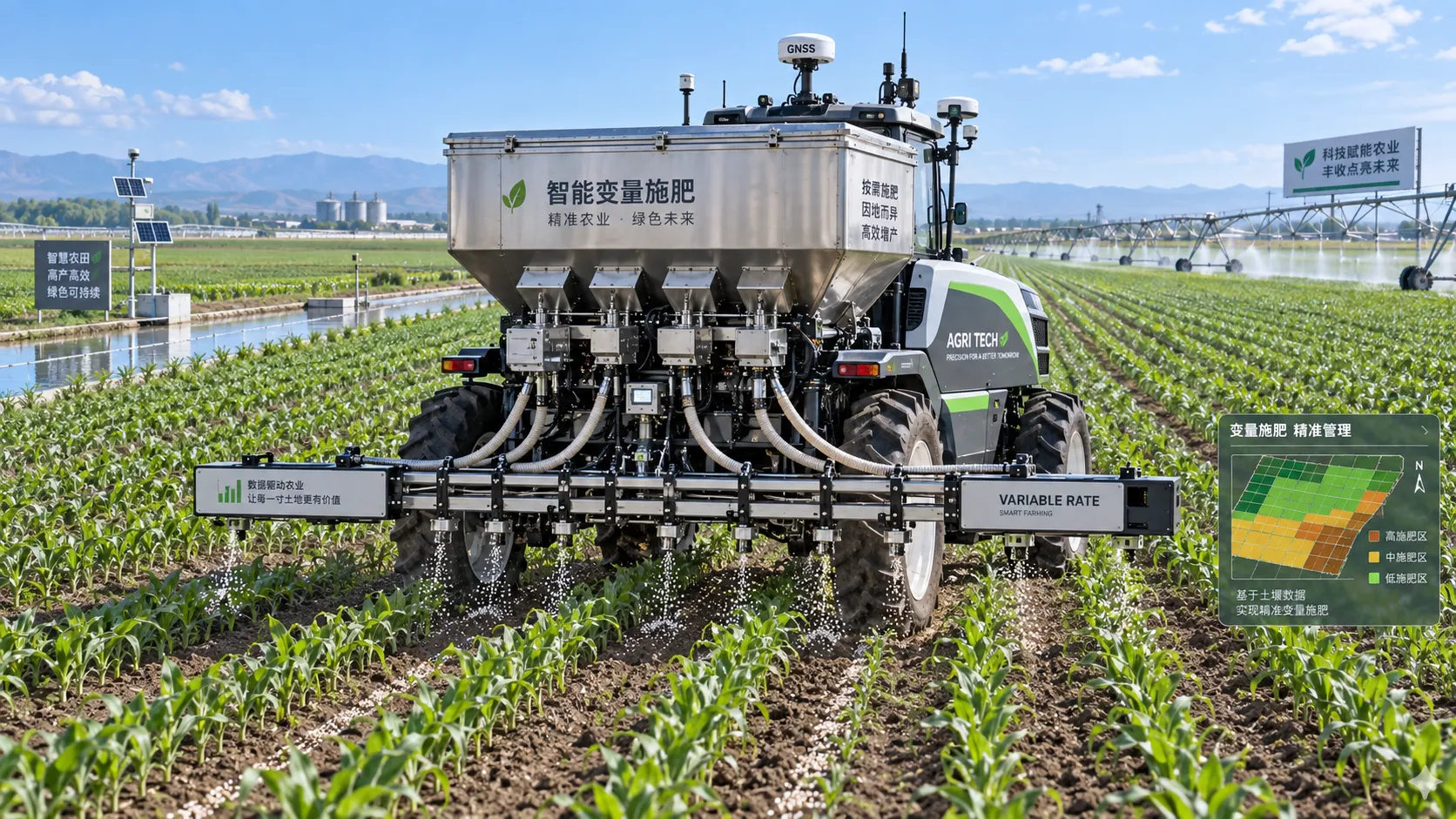
How to Evaluate Precision Fertilization System Suppliers for Farm-Scale Deployment
Precision fertilization systems suppliers: learn how to compare accuracy, integration, uptime, service, and total cost for confident farm-scale deployment.
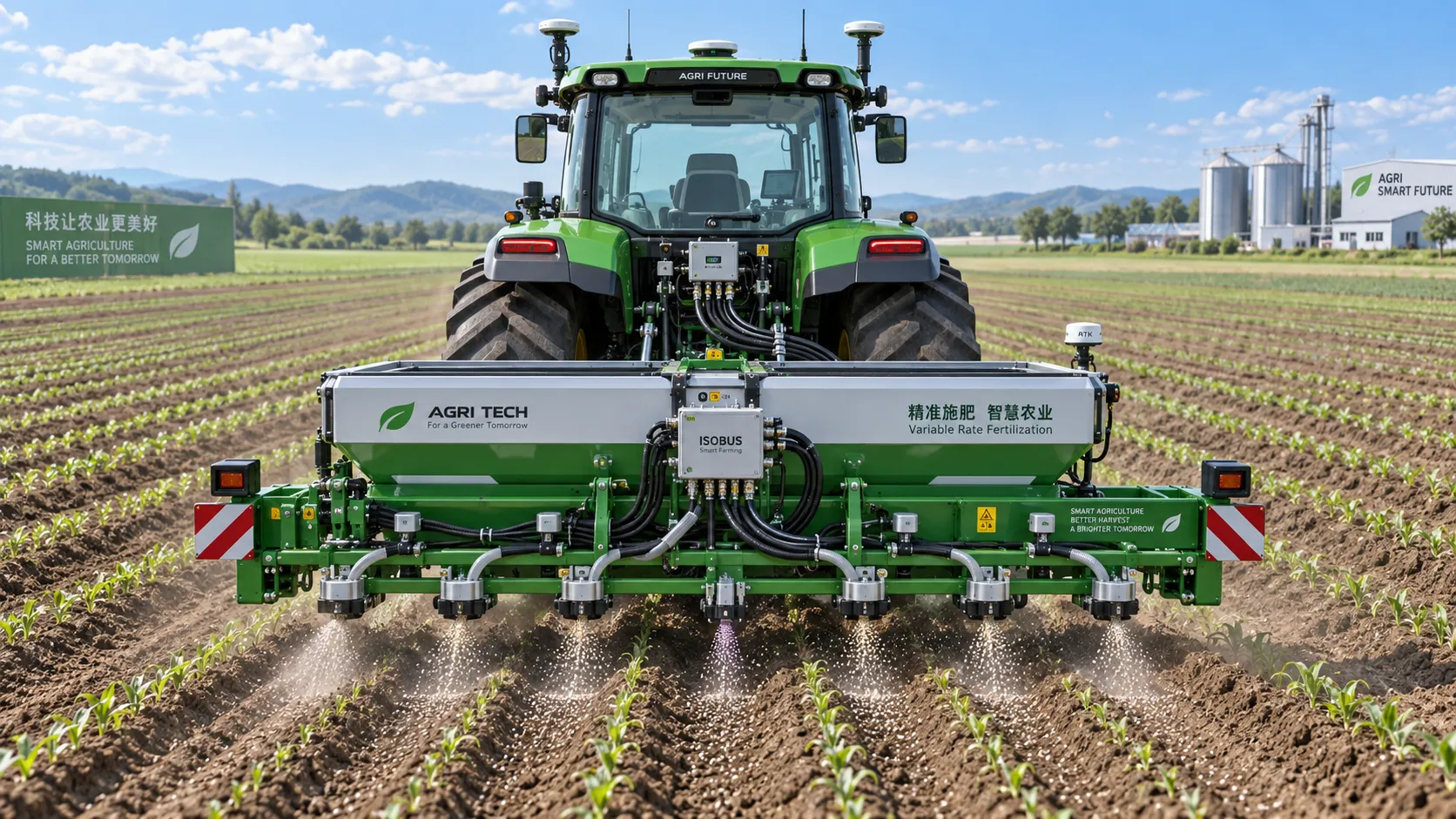
ISOBUS for Smart Agriculture: How It Connects Tractors, Implements, and Farm Data
ISOBUS for smart agriculture connects tractors, implements, terminals, and farm data—helping growers improve precision, documentation, and smarter field decisions.
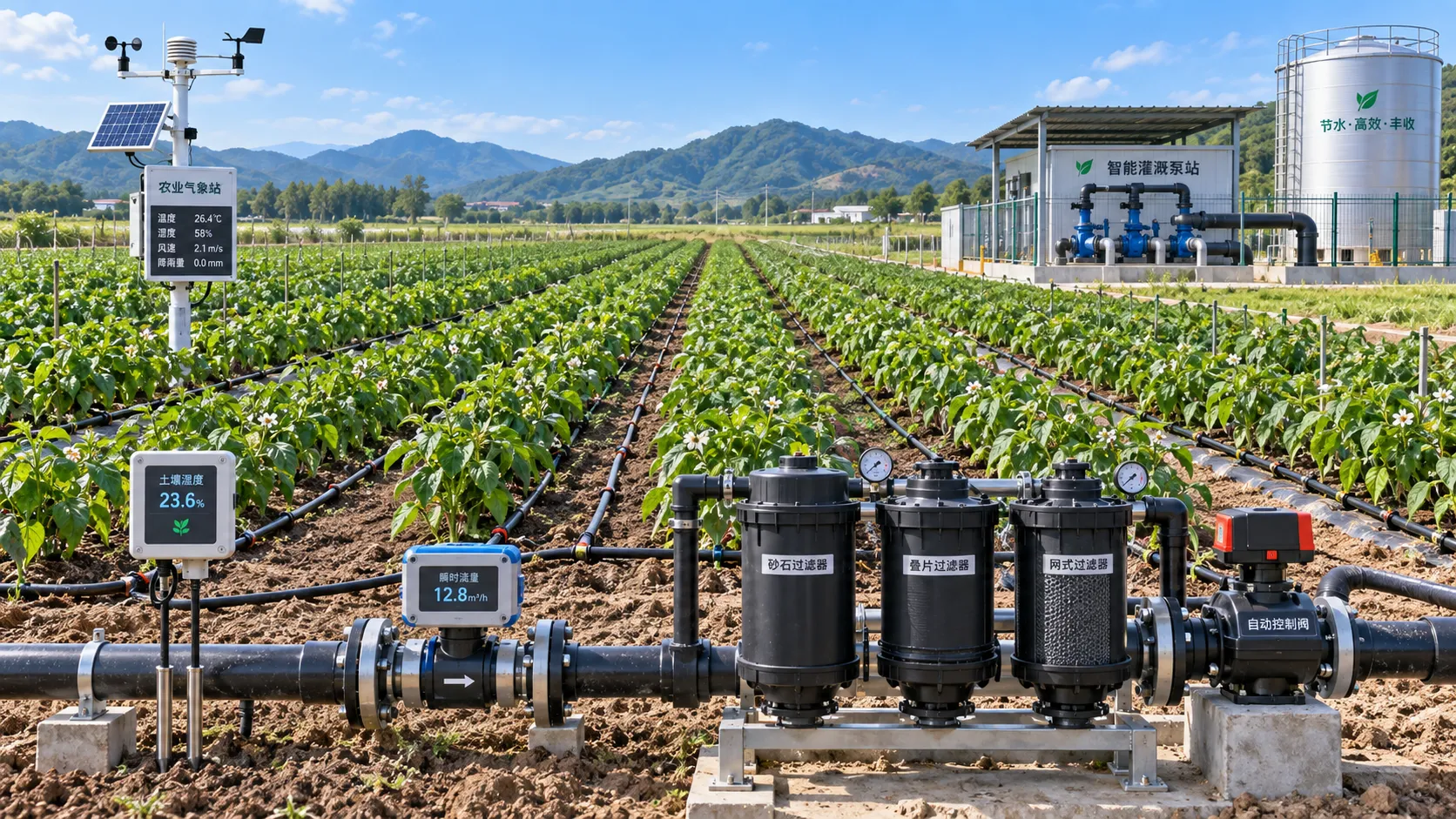
Automated Water-Saving Irrigation: How to Cut Water Use Without Reducing Crop Yields
Automated water-saving irrigation helps farms cut water use, protect crop yields, improve scheduling, and gain reliable control with sensors, flow monitoring, and smart zones.
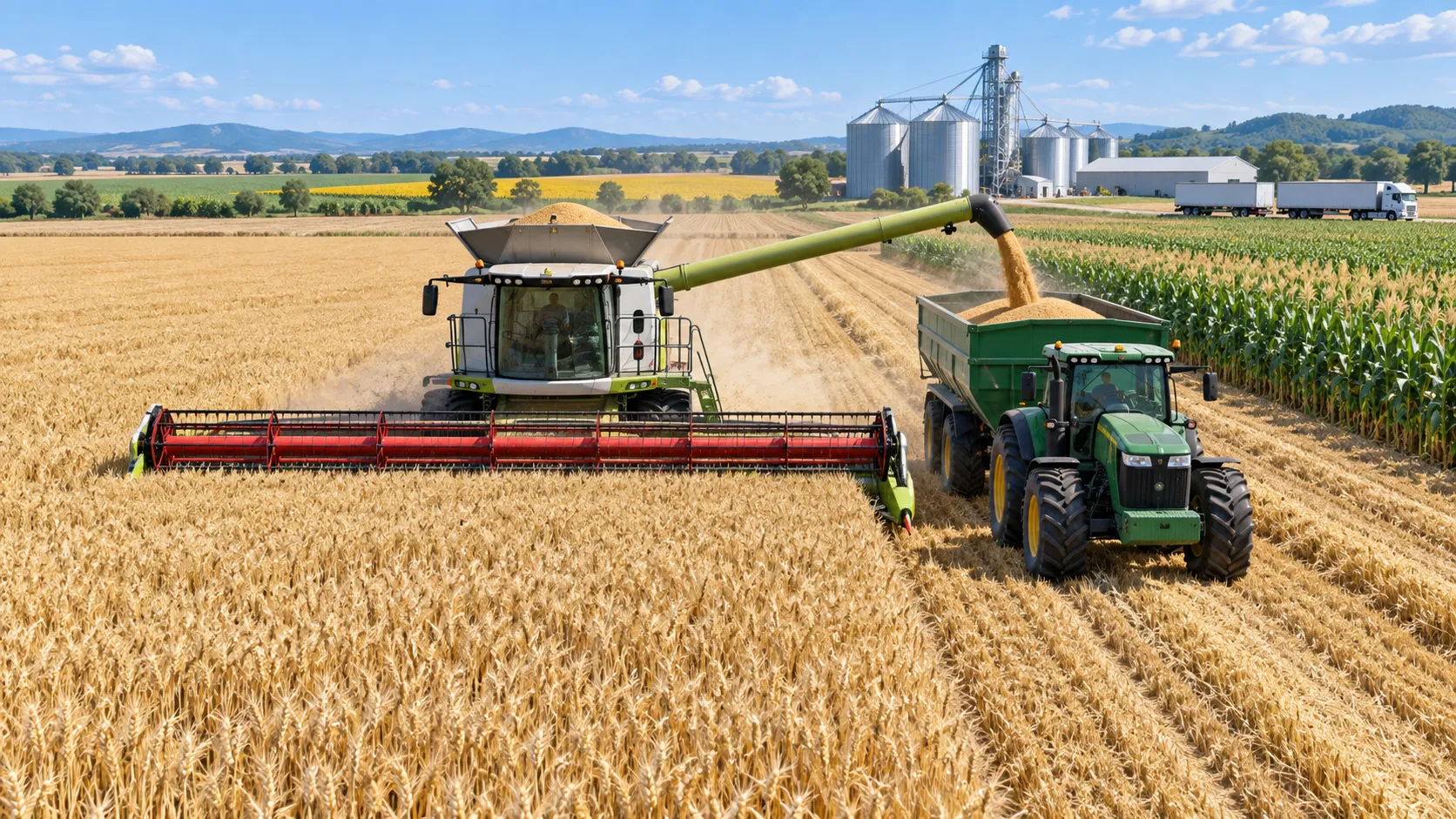
Selecting Grain Farm Equipment by Acreage, Crop Mix, and Harvest Window
Agricultural equipment selection for grain farming: match machinery to acreage, crop mix, and harvest windows to improve uptime, efficiency, and returns.
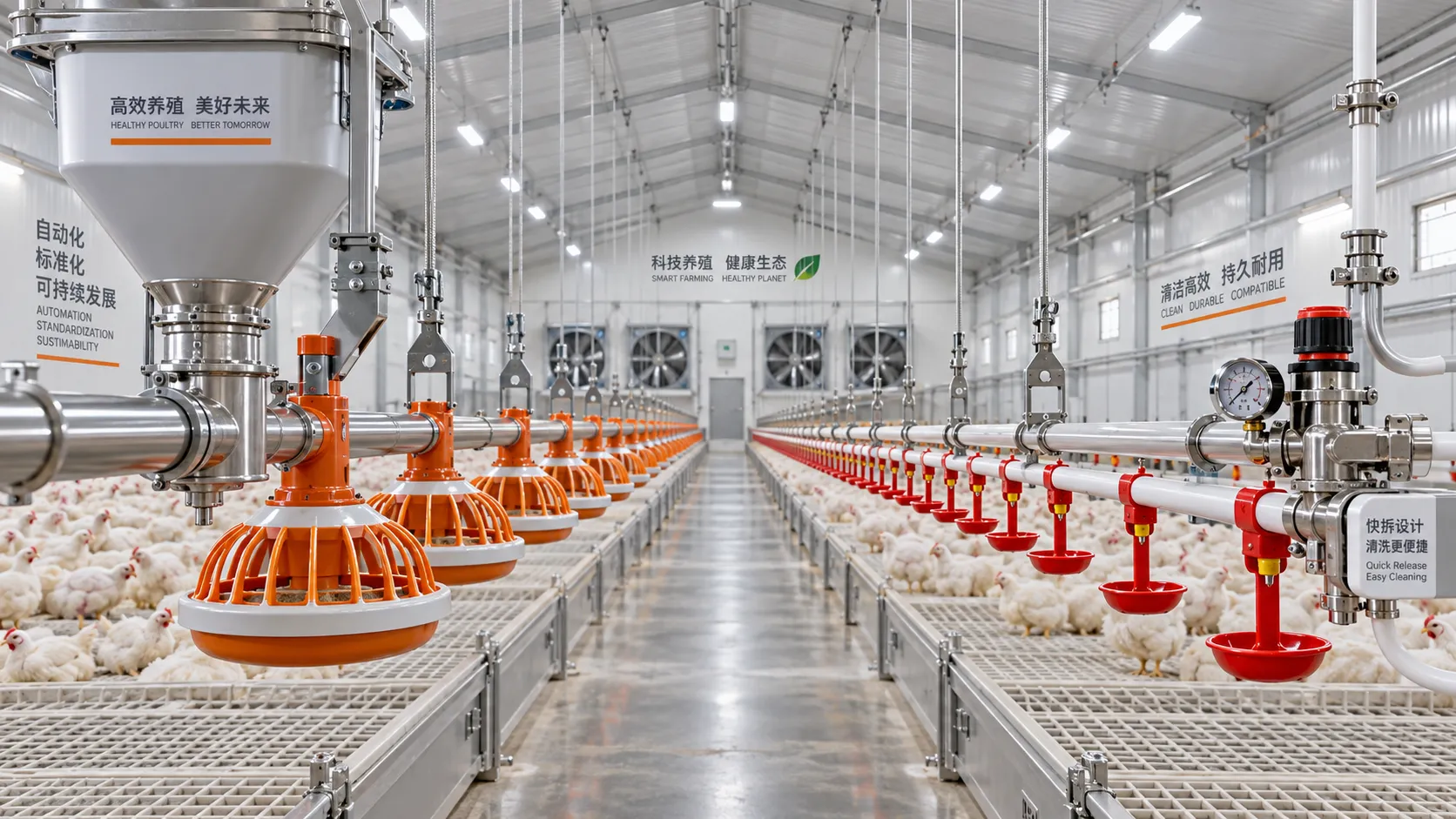
Poultry Equipment Selection: Evaluating Durability, Cleaning, and Compatibility
Poultry equipments selection guide: evaluate durability, cleaning access, and system compatibility to improve hygiene, reduce downtime, and support efficient flock management.
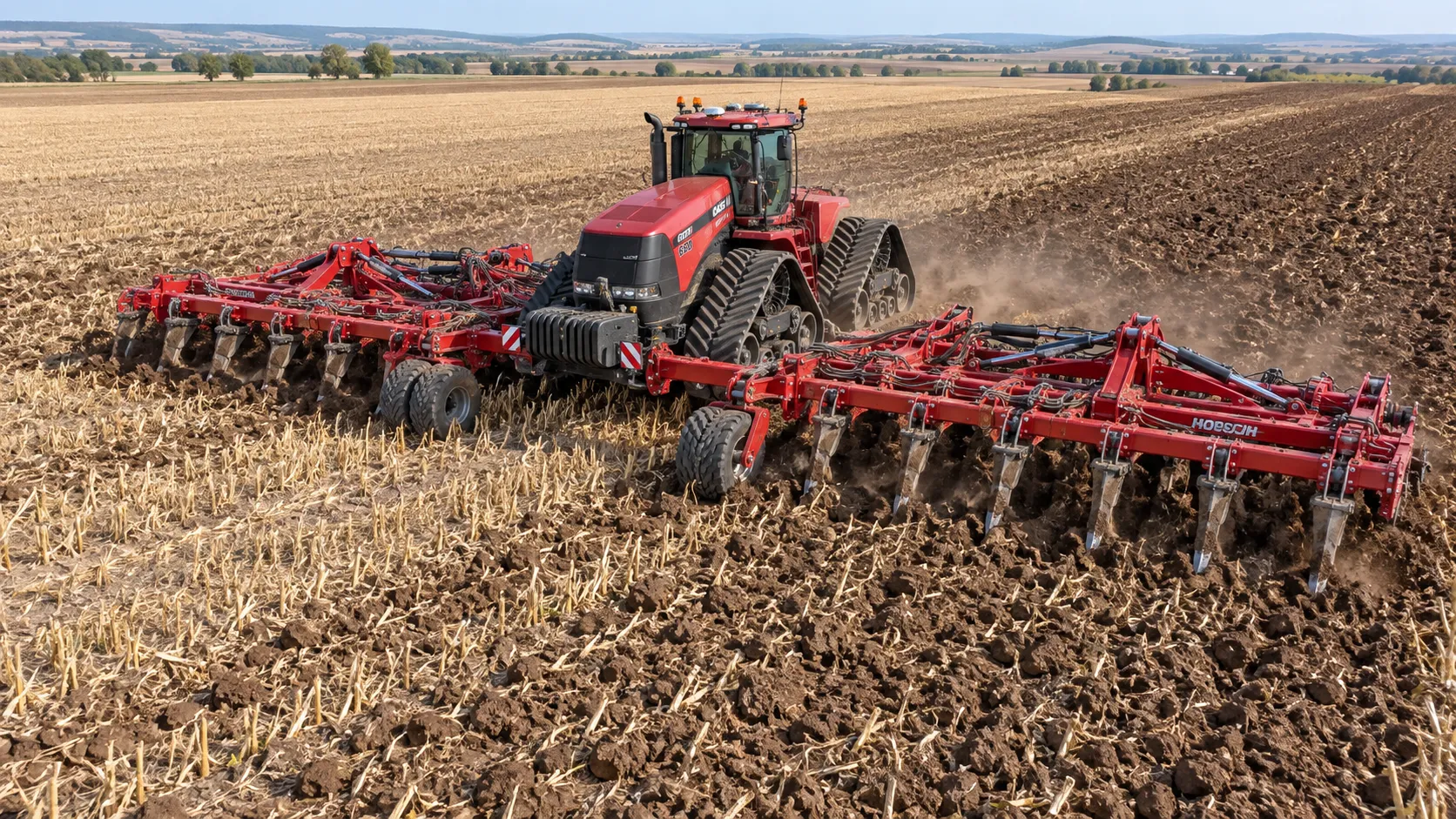
How to Select Heavy-Duty Farm Implements for High-Acreage, High-Horsepower Operations
Heavy duty farm implements: learn how to match draft, hydraulics, hitch capacity, frame strength, and field conditions for reliable high-acreage performance.
Related News
- 00
0000-00
When Does Agricultural Machinery Leasing Cost Less Than Owning Equipment? - 00
0000-00
Selecting Grain Farm Equipment by Acreage, Crop Mix, and Harvest Window - 00
0000-00
Poultry Equipment Selection: Evaluating Durability, Cleaning, and Compatibility - 00
0000-00
How to Select Heavy-Duty Farm Implements for High-Acreage, High-Horsepower Operations - 00
0000-00
Smart Farming Technology for Dairy Farms: Where Automation Delivers Measurable ROI
Popular Tags
Ms. Elena Rodriguez
Weekly Insights
Stay ahead with our curated technology reports delivered every Monday.