
Is electric agri-equipment ready for daily field work?
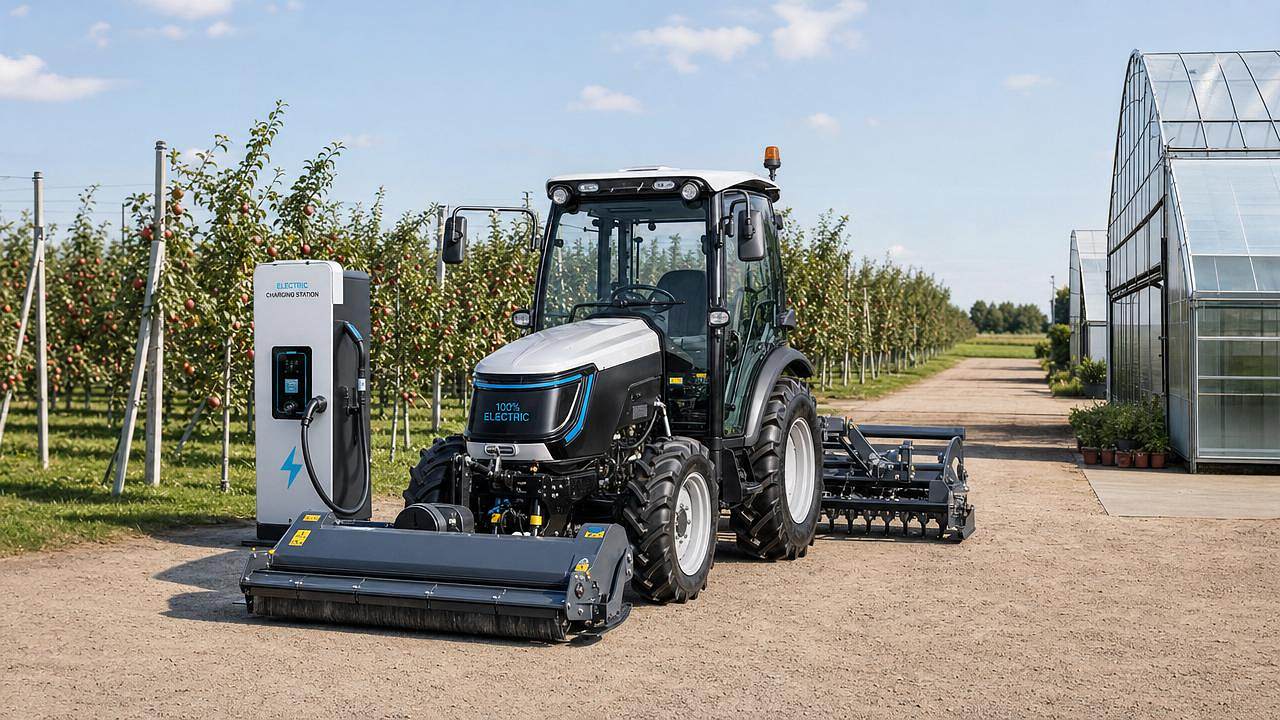




Electric agri-equipment is moving from pilot projects to real farm routines, but operators still ask the key question: can it handle long hours, heavy loads, and changing field conditions every day? This article explores where electric agri-equipment already delivers, where limits remain in power, charging, and durability, and what users need to know before relying on it for daily field work.
What operators really want to know before trusting electric agri-equipment
For most users, the question is not whether electric agri-equipment is innovative. The real question is much more practical: will it finish the job today, tomorrow, and during peak season?
That means daily field readiness depends less on marketing claims and more on runtime, torque delivery, charging access, weather tolerance, maintenance needs, and recovery options when something fails far from the yard.
The short answer is yes, electric agri-equipment is ready for some daily work today. But it is not yet equally ready for every farm task, every field size, or every operating schedule.
Machines built for lighter-duty, repetitive, or shorter-cycle work are already proving useful. Heavier operations that demand long hours, constant high draw, and quick refueling flexibility still favor diesel in many real-world conditions.
So operators should not ask whether electric equipment is ready in general. They should ask which machine, which task, which field pattern, and what support system exists around it.
Where electric agri-equipment already works well in daily operations
Electric agri-equipment performs best where work is predictable, distances are limited, and power demand comes in manageable cycles rather than continuous all-day maximum load.
Examples include orchard and vineyard tractors, compact utility units, feeder vehicles, loader work near buildings, greenhouse transport, municipal-style mowing, and some light spraying or precision tool applications.
These jobs often involve frequent stops, lower average travel speed, and repeated routes. That operating pattern fits electric drivetrains well because batteries can support steady productivity without wasting energy in idle time.
Operators also notice useful performance advantages in these settings. Electric motors deliver immediate torque, smoother low-speed control, less vibration, and quieter working conditions, especially around livestock, buildings, or residential boundaries.
For jobs that start and stop often, electric machines can feel more responsive than conventional units. They also eliminate cold-start frustration, engine warm-up delays, and many small maintenance interruptions familiar to field crews.
Another strong area is precision work. When a machine combines electric drive with sensors, GPS guidance, and variable-rate tools, the overall system can support cleaner control and more predictable response during delicate operations.
In other words, electric agri-equipment is already practical where the duty cycle matches battery capability. When operators work close to power access and can plan charging into the day, readiness improves significantly.
Where the limits still show up in real field work
The biggest barrier is not motion. Electric motors can move machinery effectively. The real barrier is sustained energy supply during heavy-duty work over long hours in large, demanding field conditions.
Primary tillage, deep cultivation, heavy transport, large-scale seeding, and intense harvesting support operations often require continuous high output for many hours with limited breaks. That is where batteries face their toughest test.
Diesel equipment still holds a strong advantage when the workday includes long distance between fields, uncertain schedules, sudden overtime, and little opportunity to pause for charging.
Weight is another issue. Large battery packs add mass, which can improve traction in some cases but can also increase soil compaction, transport burden, and design complexity for certain machine classes.
Temperature also matters. Very cold conditions can reduce battery performance and charging speed. Extreme heat can affect thermal management and system efficiency during demanding workloads.
Field support remains less mature as well. A diesel machine can often be refueled quickly almost anywhere. Electric recovery depends on charger type, available power, battery state, and technician access.
That does not mean electric machines fail in agriculture. It means their limits are more directly tied to planning, infrastructure, and duty matching. Operators need to understand those limits before peak pressure reveals them.
Can electric equipment handle long hours and heavy loads?
This is usually the deciding question for users, and the honest answer is: sometimes, but not always, and not without careful comparison against the exact work requirement.
Heavy loads by themselves are not the whole story. What matters more is the combination of load, duration, terrain, speed, hydraulic demand, and how often the machine must operate without interruption.
An electric unit may handle short bursts of demanding work extremely well because motor torque is immediate and controllable. But if the same task requires sustained maximum draw for many hours, battery depletion becomes critical.
Hydraulic functions also matter. Many agricultural tools rely on significant hydraulic output. If the machine must power both traction and hydraulic systems continuously, available runtime can drop faster than operators expect.
Slopes, wet ground, towing resistance, and repeated transport runs between fields all add load variability. Those real-world factors often separate brochure performance from true daily field readiness.
That is why operators should request runtime data under realistic field conditions, not only under standard test settings. Ask how long the machine runs with the implement actually attached and the terrain actually used.
If your operation depends on a machine staying productive through the full shift with no energy gap, you need a model with proven battery endurance, swappable packs, or a reliable charging break built into the workflow.
Charging is the make-or-break factor for daily readiness
For many farms, charging matters more than the machine itself. A capable electric unit becomes impractical if the site cannot recharge it safely, quickly, and consistently between or during jobs.
Operators should first think about where the machine spends its time. If it returns to a central yard daily, overnight charging may be enough. If it works remotely all day, the charging plan gets harder.
Charging speed must match operational pressure. A slow charger may be fine for night recovery but useless during planting or harvest windows when every lost hour affects the whole schedule.
Power supply quality also matters. Some farms may need electrical upgrades, dedicated charging stations, load management, or backup planning to avoid conflicts with irrigation pumps, workshops, or grain handling systems.
Mobile charging is promising, but it is not yet a simple answer for every farm. Transporting high-capacity energy to the field adds cost, logistics, and safety considerations that must be thought through carefully.
Battery swapping can reduce downtime in specific machine categories, especially smaller or standardized platforms. But it requires spare battery inventory, lifting systems, safety protocols, and trained personnel.
If a farm cannot define exactly when, where, and how charging happens during busy periods, then electric agri-equipment is not fully ready for daily critical work on that operation.
Durability, dust, water, and rough conditions: what users should check
Farm equipment lives in a harsh environment. Daily readiness depends on more than drivetrain performance. Electric agri-equipment must survive dust, mud, washdowns, vibration, crop residue, impacts, and weather exposure.
Operators should check enclosure ratings, cable protection, connector quality, battery shielding, cooling system design, and how the machine handles repeated shock loads over rough field surfaces.
Water resistance is especially important where machines face spraying conditions, irrigation zones, or frequent cleaning. A unit designed for light industrial use may not be durable enough for open-field agricultural abuse.
Battery housing location also affects survival. If the pack sits low or in exposed areas, debris strikes and contamination risk may increase. Ground clearance and underbody protection deserve close inspection.
Thermal control should not be overlooked. A battery system that performs well in mild weather may behave differently under summer heat, heavy dust intake, or repeated fast charging during intensive use.
Ask dealers and manufacturers direct questions about durability testing. Has the machine been validated in field agriculture or mainly demonstrated in controlled pilot conditions? That difference matters a great deal.
For operators, true confidence comes when the machine has already worked through real seasons, not just showroom demonstrations or short trial events under ideal conditions.
Maintenance can be simpler, but service support must be stronger
One reason interest in electric agri-equipment keeps growing is reduced routine maintenance. There is no engine oil, fewer filters, fewer vibration-related wear points, and less mechanical complexity in some systems.
That can mean less daily servicing and fewer minor breakdowns. For operators, this is valuable because it reduces downtime and simplifies pre-start checks compared with combustion equipment.
However, simpler maintenance does not mean no maintenance. High-voltage systems, software controls, cooling circuits, sensors, and battery health management require a different service culture.
If something goes wrong, the farm may not be able to improvise repairs as easily as with older mechanical equipment. Diagnostics may require proprietary tools or trained technicians.
That makes dealer response time and parts availability extremely important. A machine that is mechanically simple but unsupported in your region can still become a serious operational risk.
Operators should also ask what daily checks remain necessary. Battery condition, cable damage, charging port cleanliness, software alerts, and cooling performance may become new parts of the routine.
The best electric ownership experience usually comes where the manufacturer has already built strong service networks, operator training, and clear troubleshooting procedures for real farm use.
How operators should evaluate whether electric fits their farm
The smartest way to judge electric agri-equipment is not by hype or resistance. It is by matching the machine to a task map and comparing real duty cycles.
Start with one question: which jobs are energy predictable? If a machine follows a repeatable route, returns to base often, and does not spend all day at maximum draw, it is a stronger electric candidate.
Next, measure shift length, average load, hydraulic demand, travel distance, terrain, and seasonal peaks. Many farms discover that some jobs are ideal for electrification even if others are not.
Then look at infrastructure honestly. Is reliable charging available? Can the machine recharge overnight every day? Is there a backup if weather, scheduling, or another power demand disrupts the plan?
Trial periods are especially important. Operators should test machines during normal work, not only in short demonstrations. A proper trial reveals how battery use changes under different tools, soils, and operator habits.
Also compare whole-workflow impact, not only fuel savings. Noise reduction, lower maintenance time, smoother control, and easier use around sensitive areas may provide value that simple fuel math misses.
At the same time, be strict about risk. If a machine is mission-critical during a narrow working window, any uncertainty about charging or support should weigh heavily in the decision.
So, is electric agri-equipment ready for daily field work?
Yes, but readiness today is selective, not universal. Electric agri-equipment is already capable of daily work in the right applications, especially lighter-duty, precision-focused, route-based, or close-to-base operations.
It is less convincing where farms need uninterrupted heavy draft power, long-distance mobility, field refueling flexibility, and full-shift endurance under variable loads with minimal planning tolerance.
For operators, the best approach is practical rather than ideological. Do not ask whether electric will replace everything now. Ask where it can already perform reliably and profitably on your farm.
If the machine’s duty cycle fits the battery, charging is built into the routine, and service support is dependable, electric agri-equipment can be a real daily tool rather than a technology experiment.
If those conditions are missing, diesel or hybrid platforms may remain the safer choice for critical field work. Readiness is not just about the machine. It is about the whole operating system around it.
The clearest conclusion is this: electric agri-equipment is ready for some farms and some tasks every day, but successful use depends on honest workload analysis, not broad assumptions.
For users and operators, that means the future is already arriving, but it works best where planning, infrastructure, and job selection are as strong as the machine itself.
Related News
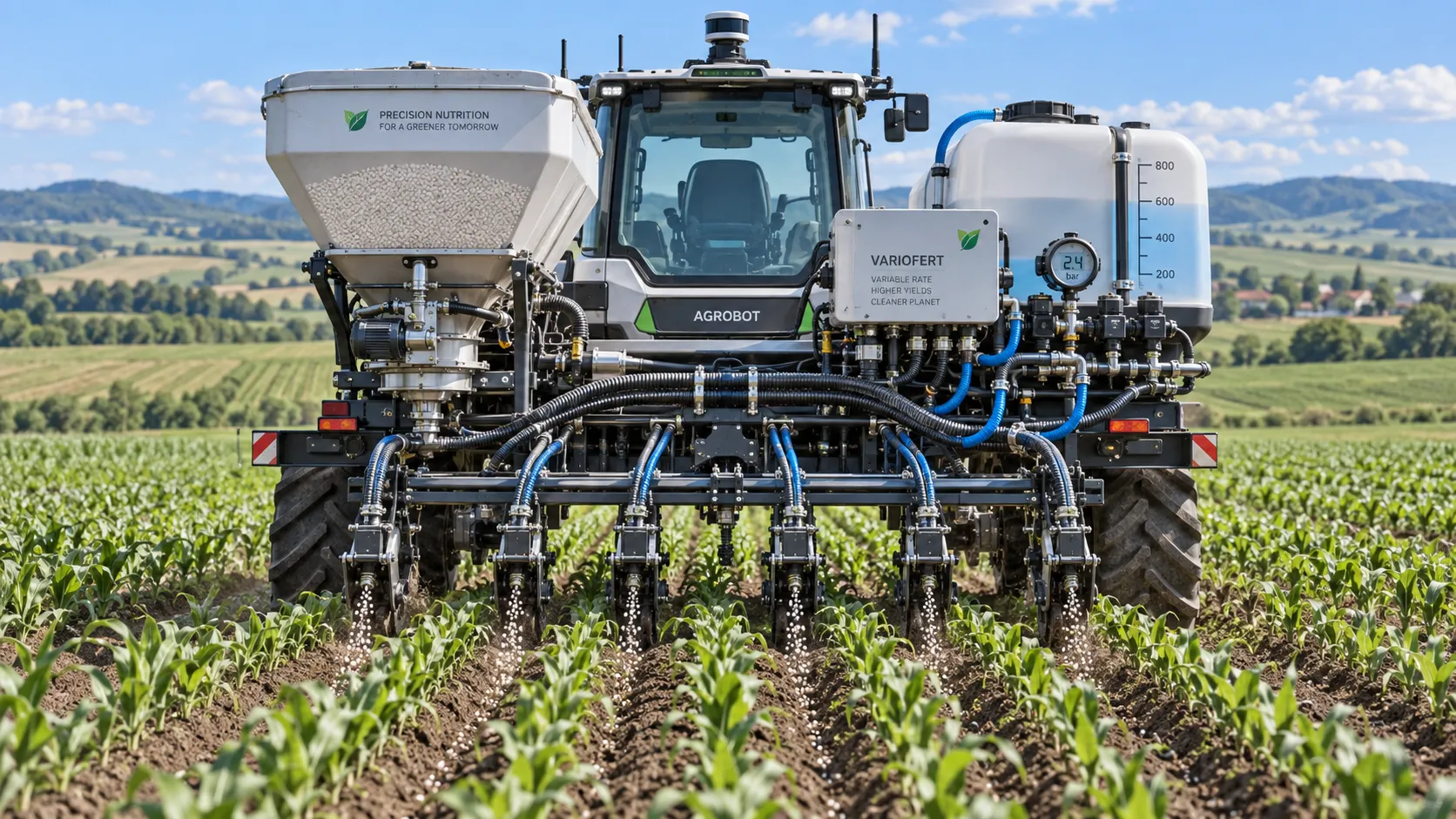
How Sensor Feedback Enables Accurate Variable-Rate Fertilization in Field Conditions
Precision fertilization systems with sensor feedback improve variable-rate accuracy by verifying flow, managing latency, and ensuring reliable field application.
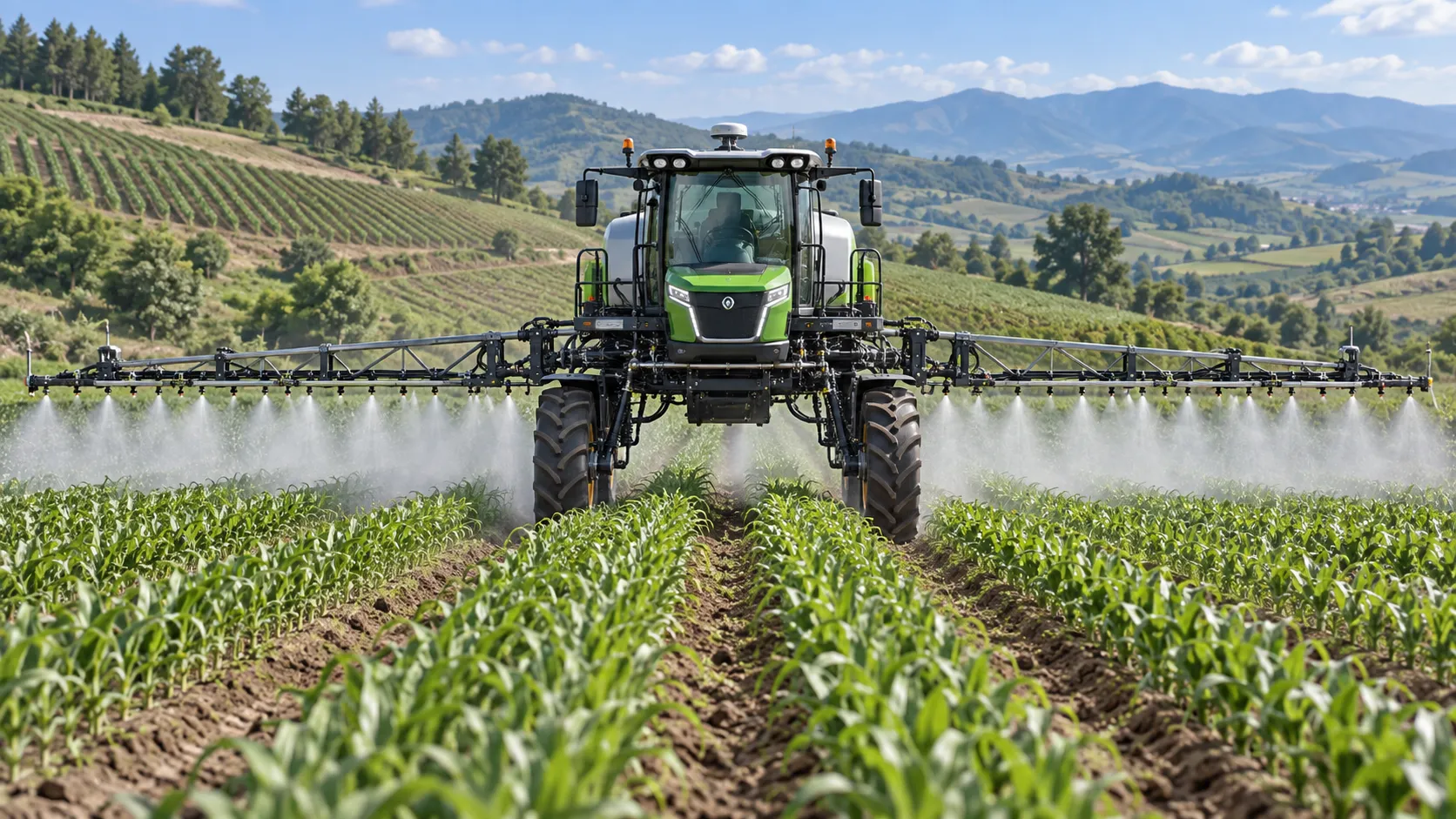
How to Select Precision Crop Protection Equipment for Variable Field Conditions
Precision crop protection equipment selection made simple: compare terrain, canopy, weather, control accuracy, and data workflows for reliable applications.

When Does Agricultural Machinery Leasing Cost Less Than Owning Equipment?
Agricultural machinery leasing can lower farm costs when use is seasonal or uncertain. Compare utilization, maintenance, cash flow, and risk to make a smarter equipment decision.
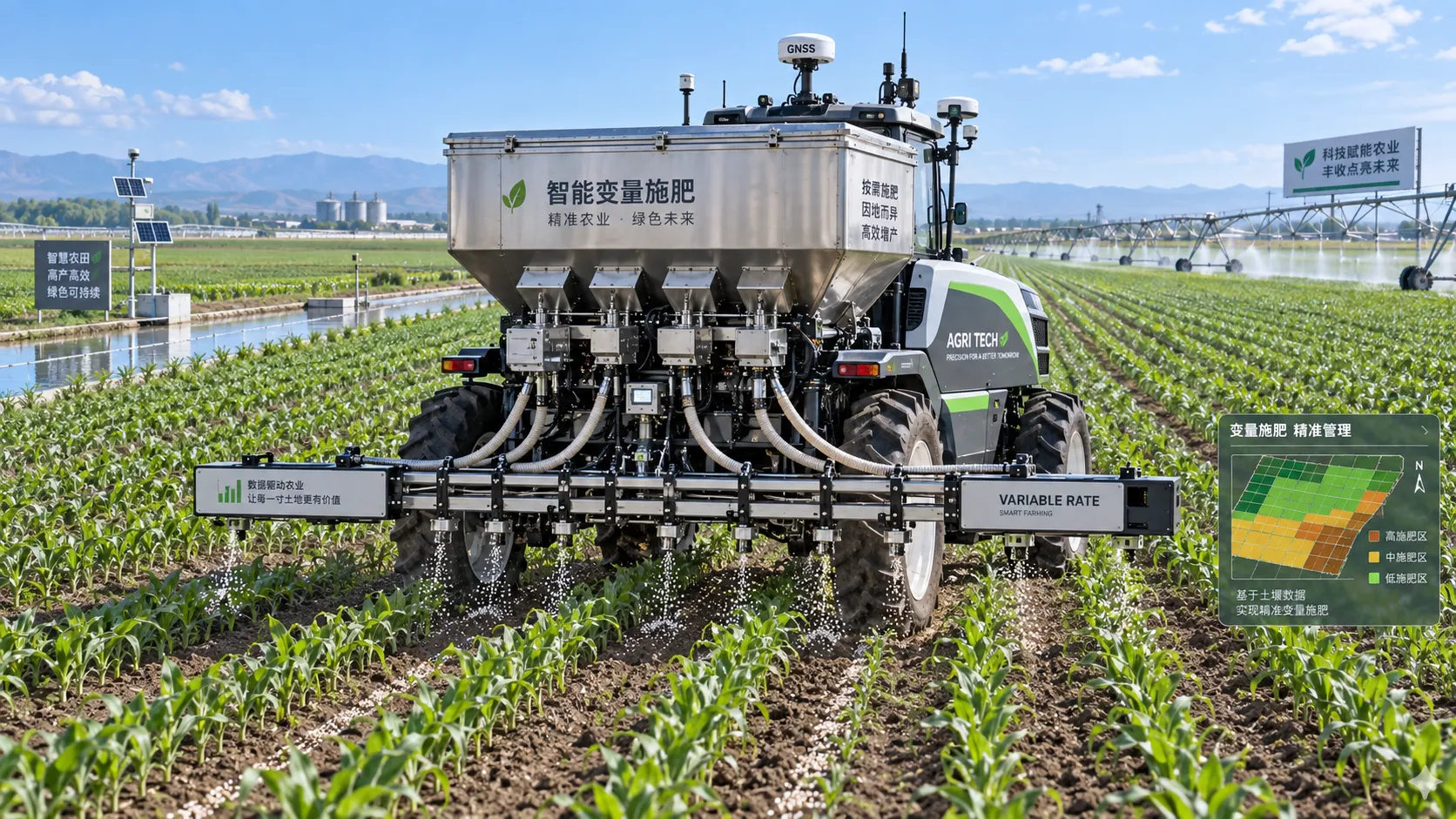
How to Evaluate Precision Fertilization System Suppliers for Farm-Scale Deployment
Precision fertilization systems suppliers: learn how to compare accuracy, integration, uptime, service, and total cost for confident farm-scale deployment.
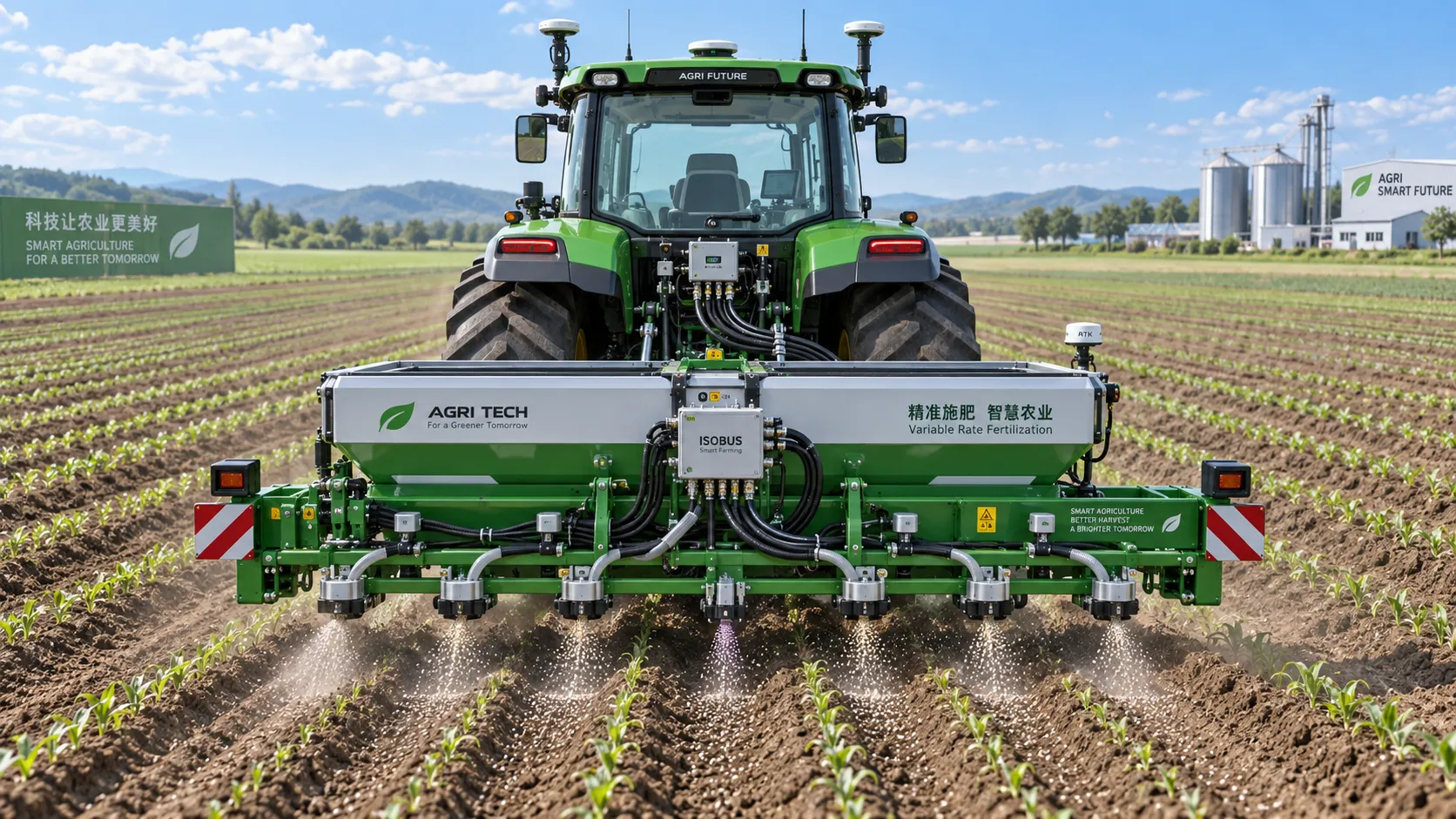
ISOBUS for Smart Agriculture: How It Connects Tractors, Implements, and Farm Data
ISOBUS for smart agriculture connects tractors, implements, terminals, and farm data—helping growers improve precision, documentation, and smarter field decisions.
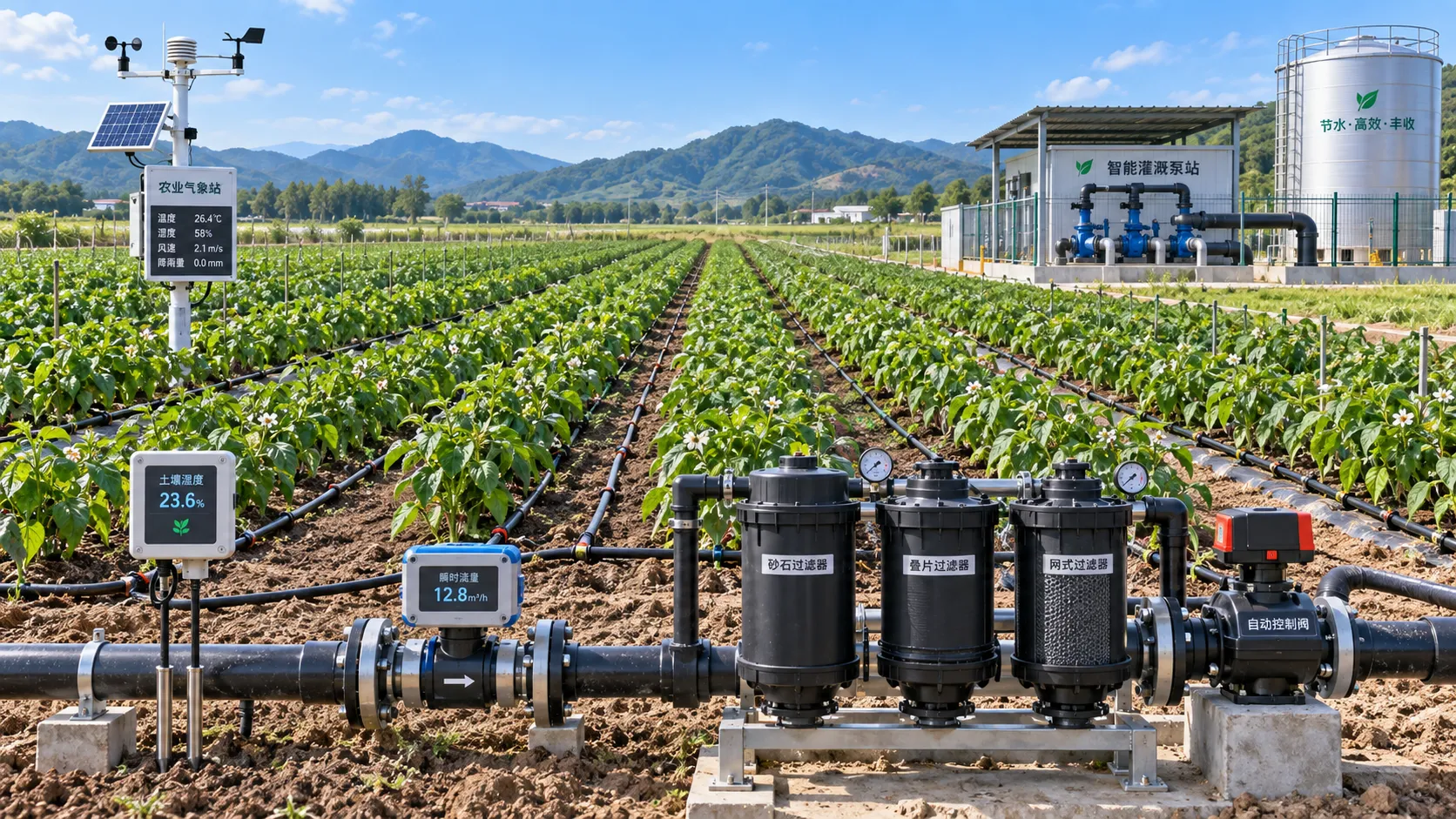
Automated Water-Saving Irrigation: How to Cut Water Use Without Reducing Crop Yields
Automated water-saving irrigation helps farms cut water use, protect crop yields, improve scheduling, and gain reliable control with sensors, flow monitoring, and smart zones.
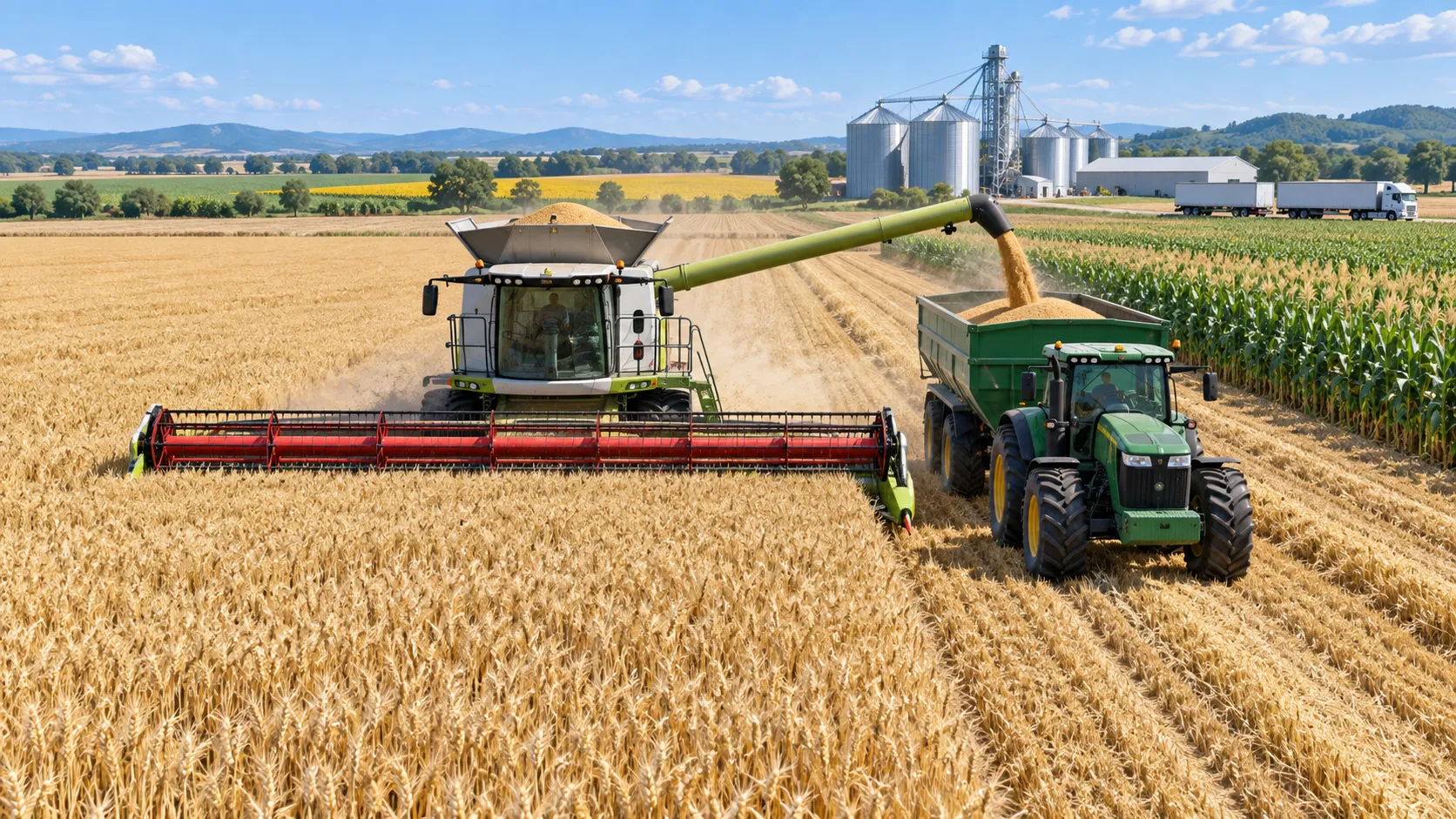
Selecting Grain Farm Equipment by Acreage, Crop Mix, and Harvest Window
Agricultural equipment selection for grain farming: match machinery to acreage, crop mix, and harvest windows to improve uptime, efficiency, and returns.
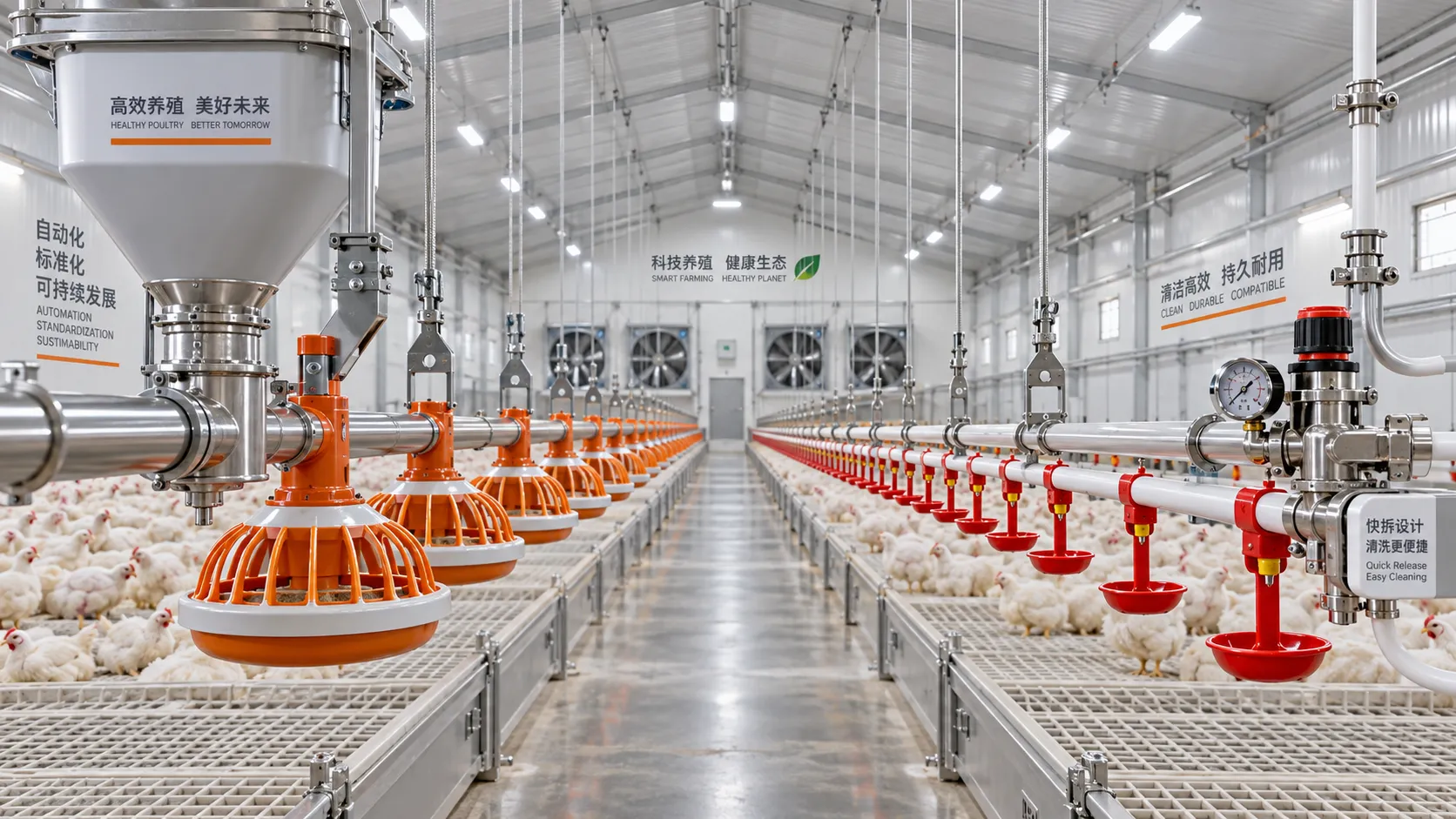
Poultry Equipment Selection: Evaluating Durability, Cleaning, and Compatibility
Poultry equipments selection guide: evaluate durability, cleaning access, and system compatibility to improve hygiene, reduce downtime, and support efficient flock management.
How to Select Heavy-Duty Farm Implements for High-Acreage, High-Horsepower Operations
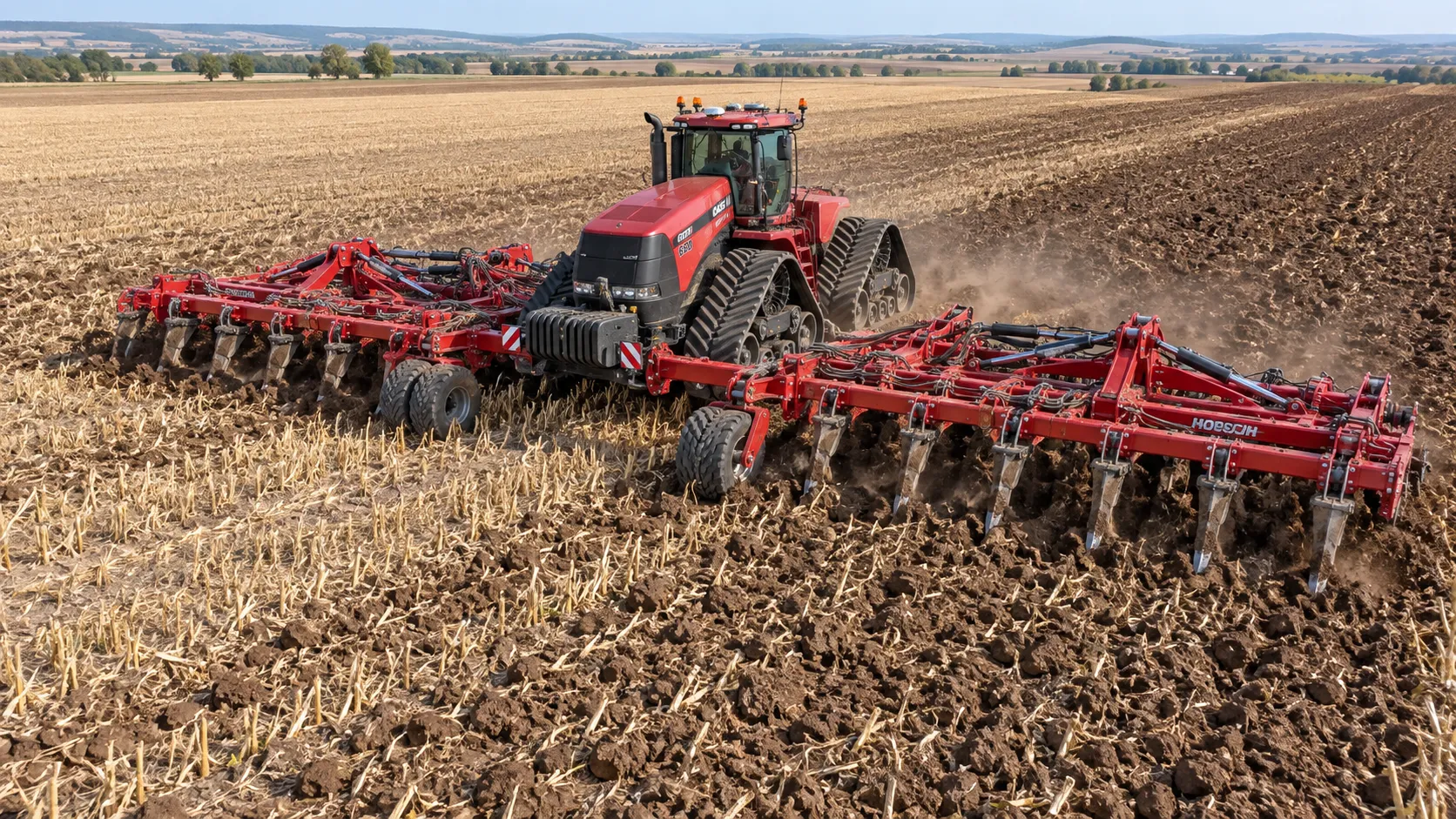
Heavy duty farm implements: learn how to match draft, hydraulics, hitch capacity, frame strength, and field conditions for reliable high-acreage performance.
Related News
- 00
0000-00
How Does Farm Mechanization Affect Food Security in Developing Regions? - 00
0000-00
Agricultural Technology Insights by Region: Where Adoption Is Growing Fastest - 00
0000-00
How Climate-Smart Agriculture Technology Improves Yield, Soil Health, and Risk Resilience - 00
0000-00
Smart Farming Solutions in Latin America: Which Technologies Fit Large Farms Best? - 00
0000-00
Long-Cycle Agri-Trade Price Trends: How to Read Supply, Freight, and Currency Signals
Popular Tags
Prof. Marcus Chen
Weekly Insights
Stay ahead with our curated technology reports delivered every Monday.