
Agri-mechanization technology is reshaping planting speed
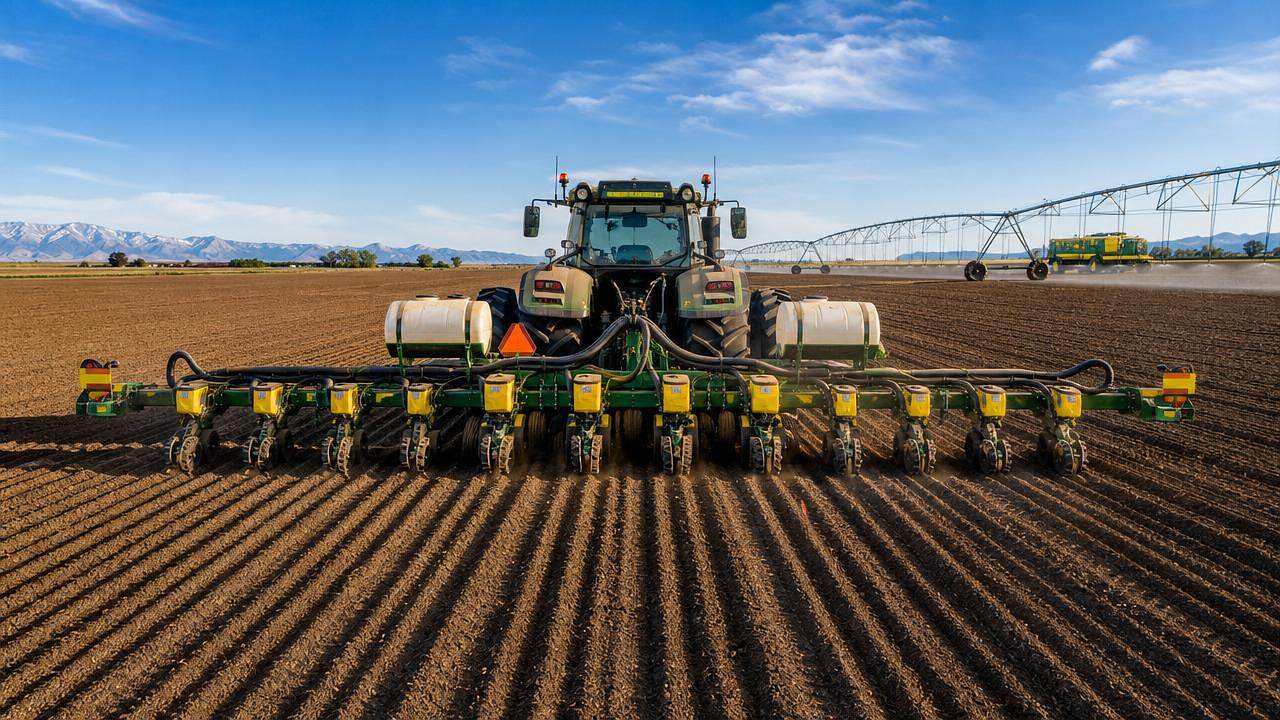




Agri-mechanization technology is redefining how modern agriculture scales productivity, controls costs, and responds to global food security pressures. For business decision-making, this shift is no longer a distant trend.
It is a practical framework for faster planting, better field precision, and more resilient resource use. The biggest gains come from linking machinery, data, and irrigation into one operating system.
At AP-Strategy, this topic sits at the center of Agriculture 4.0. Large machines, combine systems, tractor chassis, smart tools, and water-saving irrigation now shape planting speed together.
What does agri-mechanization technology really mean today?
Agri-mechanization technology no longer refers only to bigger machines. It now includes automation, satellite guidance, variable-rate application, machine intelligence, and connected irrigation control.
In earlier models, speed depended mostly on engine power and field labor. Today, speed also depends on route optimization, soil sensing, implement accuracy, and downtime prediction.
This broader definition matters because planting speed is not just about moving faster. It is about planting more acres correctly, within a narrower weather window, with fewer wasted inputs.
The most effective agri-mechanization technology combines three layers:
- Mechanical performance, including traction, chassis stability, and tool compatibility
- Digital precision, including GPS, sensors, and prescription-based operations
- Resource intelligence, including fuel management and smart irrigation timing
When these layers work together, planting operations gain consistency. That consistency often delivers more value than isolated bursts of machine speed.
How is agri-mechanization technology accelerating planting speed?
Planting speed improves when preparation, movement, placement, and support systems become synchronized. Agri-mechanization technology makes that synchronization possible across the entire field cycle.
1. Faster soil preparation
High-performance tractors and implement control systems reduce passes across the field. Fewer passes save time, limit compaction, and prepare seedbeds more uniformly.
2. More efficient field navigation
Auto-steering and guidance algorithms reduce overlap and missed strips. Operators can maintain steady speed while preserving row accuracy in low visibility or long working hours.
3. Higher planting accuracy at speed
Advanced metering, downforce control, and row monitoring allow faster operation without sacrificing seed spacing. That balance is critical for yield stability and rework prevention.
4. Reduced interruption risk
Predictive maintenance tools and telemetry reduce breakdown surprises. Connected fleets can plan fuel, parts, and machine rotation before delays damage the planting window.
5. Better water coordination
Smart irrigation platforms help align planting depth, soil moisture, and early establishment. In dry regions, this coordination can improve stand quality while protecting schedules.
In short, agri-mechanization technology increases speed by reducing friction. The field becomes more predictable, and predictability is what makes fast planting repeatable.
Which applications benefit most from agri-mechanization technology?
The strongest benefits appear where scale, timing pressure, and input efficiency matter most. Still, the technology is not limited to one crop or one geography.
Common high-impact applications include:
- Large grain operations facing short planting windows
- Mixed farms needing versatile tractor chassis and tool integration
- Regions with labor shortages and rising wage pressure
- Water-stressed areas requiring precise planting and irrigation timing
- Operations expanding acreage without proportional labor growth
Agri-mechanization technology also creates downstream value. Better planting uniformity can improve crop protection planning, harvest scheduling, and combine harvester efficiency later in the season.
That cross-season impact explains why mechanization decisions should not be evaluated only by planting-day output. They affect the full agricultural value chain.
How should investment choices be evaluated?
Choosing agri-mechanization technology requires more than comparing purchase price. The smarter question is whether the system improves timing, precision, uptime, and resource efficiency together.
A practical evaluation framework includes five factors:
- Field capacity under real conditions, not ideal brochure conditions
- Compatibility with existing tractors, tools, and data systems
- Service access, spare parts, and diagnostic support speed
- Precision functions that reduce input waste
- Water and energy performance across the growing cycle
For example, a fast planter without reliable row monitoring may create hidden yield losses. A powerful tractor without efficient hydraulic control may waste fuel during repeated field operations.
Likewise, intelligent irrigation should be assessed as part of mechanization strategy. If planting speed increases but water availability remains poorly managed, early crop performance may still suffer.
What are the common risks and misunderstandings?
One common mistake is treating agri-mechanization technology as a single equipment purchase. In reality, performance depends on system fit, operator use, and field-specific adaptation.
Another misunderstanding is assuming maximum speed always means maximum productivity. Excessive speed can reduce placement quality, increase wear, and create avoidable replanting risk.
Several risks deserve attention:
- Overbuying machine size without matching field layout or infrastructure
- Ignoring software interoperability across brands and platforms
- Underestimating training needs for precision functions
- Separating planting decisions from irrigation and harvest planning
- Focusing on headline speed instead of seasonal return
AP-Strategy’s sector view shows that the best outcomes come from integrated thinking. Machine power, cleaning efficiency, irrigation prediction, and market timing increasingly influence each other.
What does the next phase of agri-mechanization technology look like?
The next phase will be defined by autonomy, electrification, and more predictive decision systems. Planting speed will remain important, but adaptive control will become the bigger competitive edge.
Three developments are especially important:
Autonomous operation
Autonomous platforms can extend work hours and improve repeatability. This is valuable where labor availability is tight or field timing is highly sensitive.
Data-driven prescription tasks
Prescription planting, fertilization, and irrigation will create more location-specific field decisions. Agri-mechanization technology will increasingly act on real-time agronomic intelligence.
Integrated sustainability performance
Water use, fuel efficiency, soil protection, and emissions reporting will become part of equipment evaluation. Productivity and sustainability will no longer be separate management goals.
This direction aligns with AP-Strategy’s focus on food security and smart cultivation. Mechanization is becoming both a production lever and an intelligence platform.
Quick FAQ: how to judge agri-mechanization technology in practice?
Agri-mechanization technology is reshaping planting speed by turning isolated machines into coordinated production systems. The real advantage is not only faster motion, but smarter execution across land, water, and timing.
For stronger results, evaluate machinery, intelligent farm tools, tractor chassis, combine implications, and irrigation networks as one strategic portfolio. That approach improves productivity and builds durable agricultural resilience.
To move forward, start with a field-process review, identify the largest delays, and match them with integrated agri-mechanization technology priorities. Better planting speed begins with better system design.
Related News
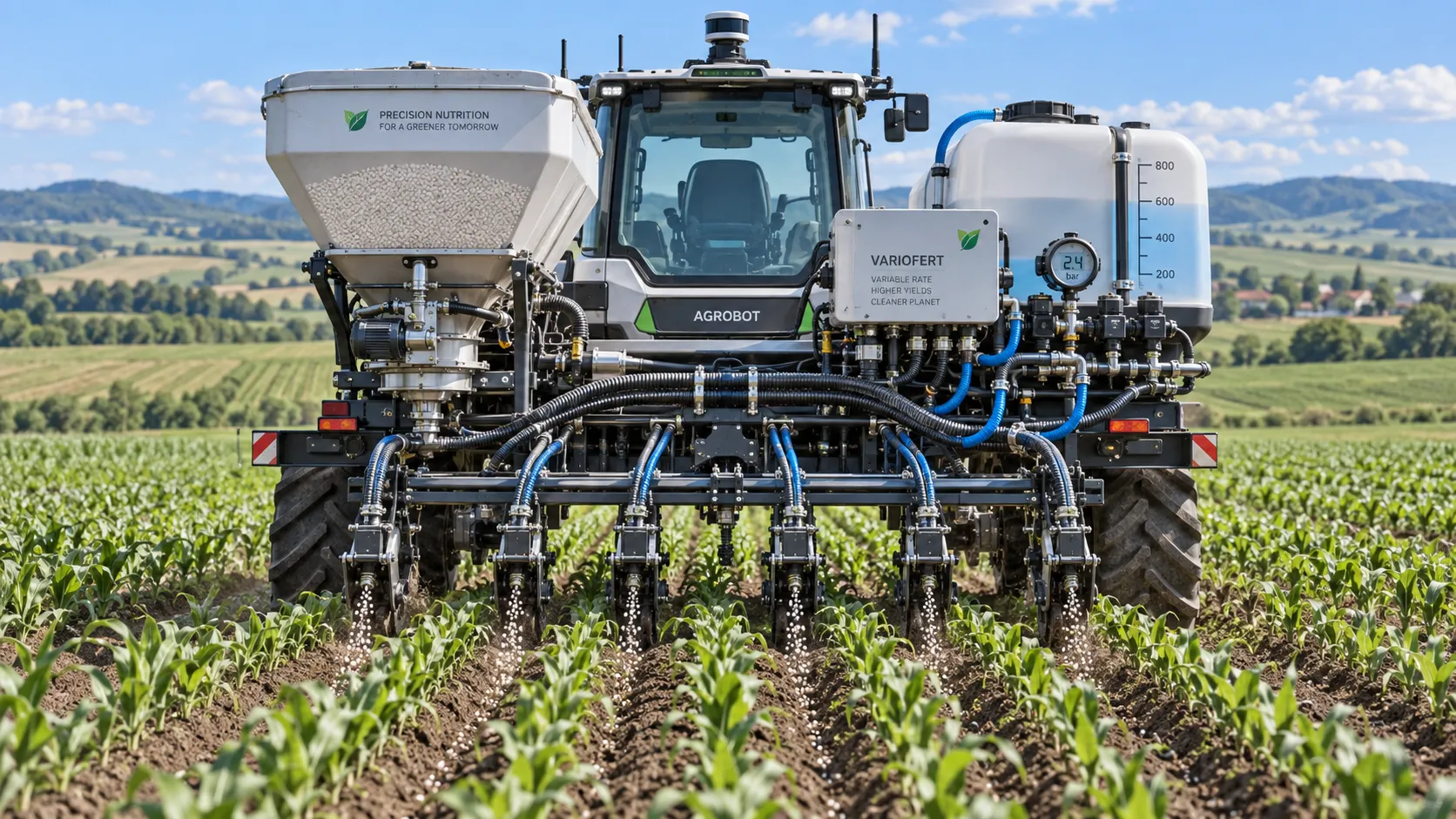
How Sensor Feedback Enables Accurate Variable-Rate Fertilization in Field Conditions
Precision fertilization systems with sensor feedback improve variable-rate accuracy by verifying flow, managing latency, and ensuring reliable field application.
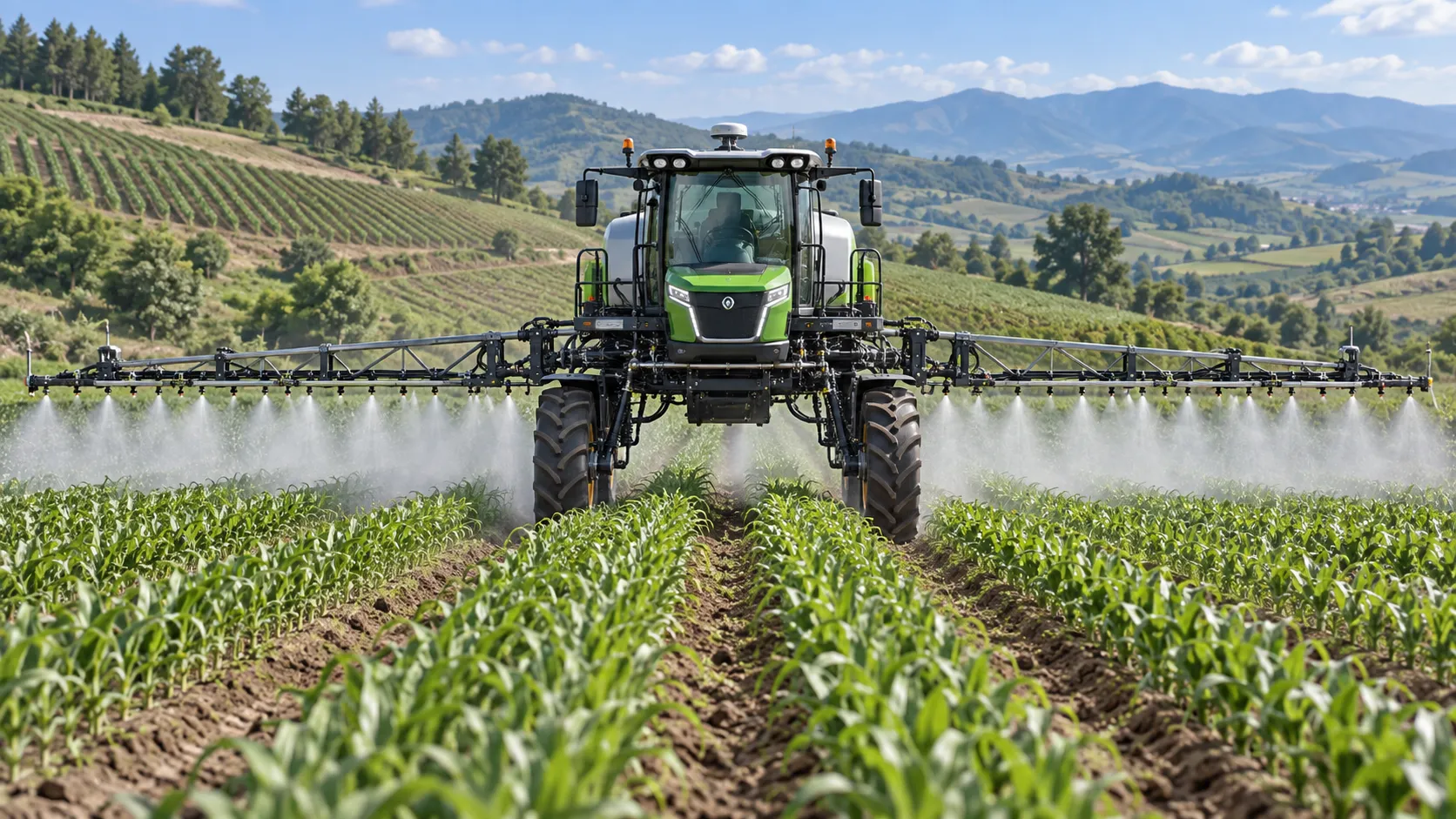
How to Select Precision Crop Protection Equipment for Variable Field Conditions
Precision crop protection equipment selection made simple: compare terrain, canopy, weather, control accuracy, and data workflows for reliable applications.
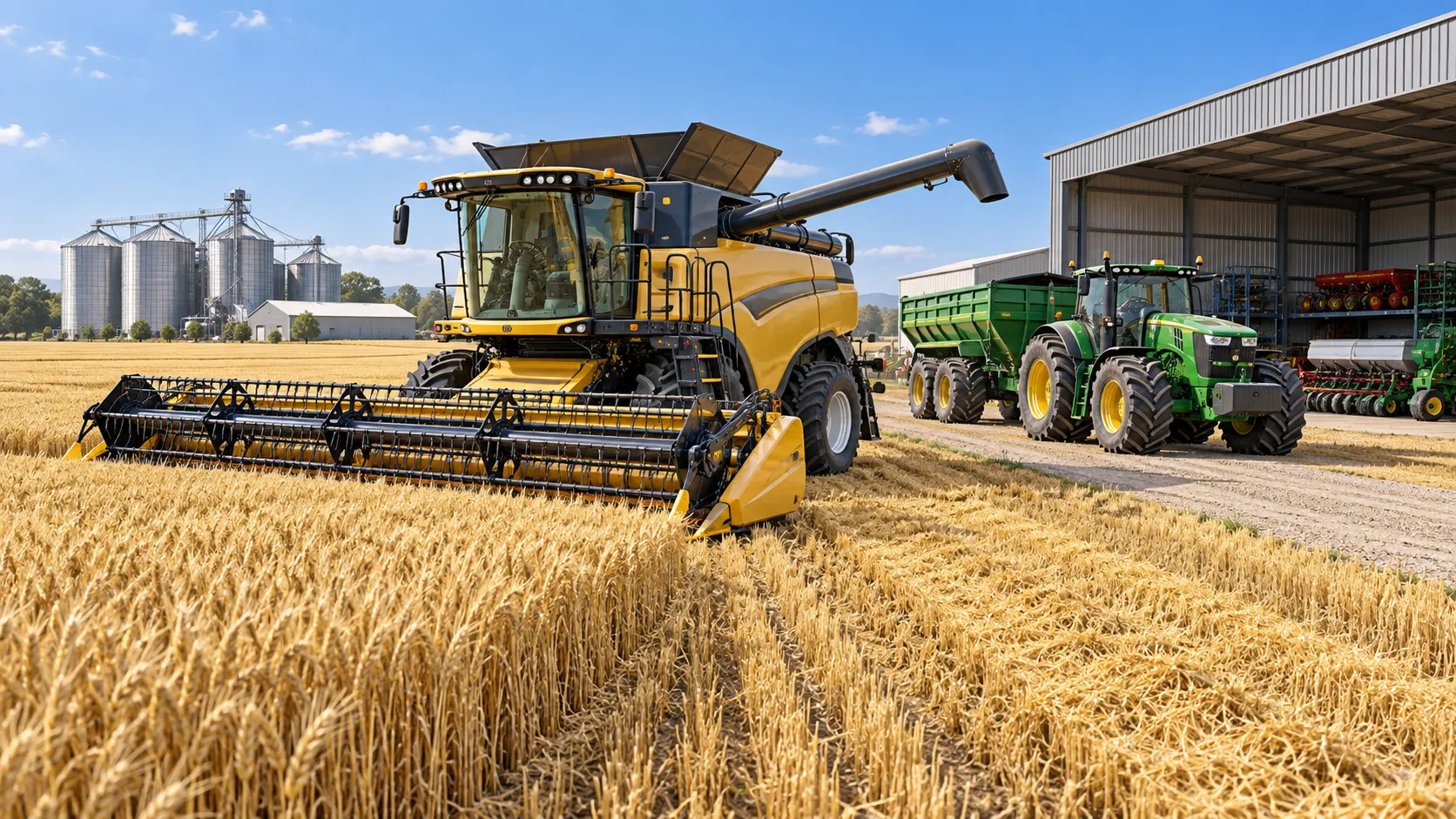
When Does Agricultural Machinery Leasing Cost Less Than Owning Equipment?
Agricultural machinery leasing can lower farm costs when use is seasonal or uncertain. Compare utilization, maintenance, cash flow, and risk to make a smarter equipment decision.
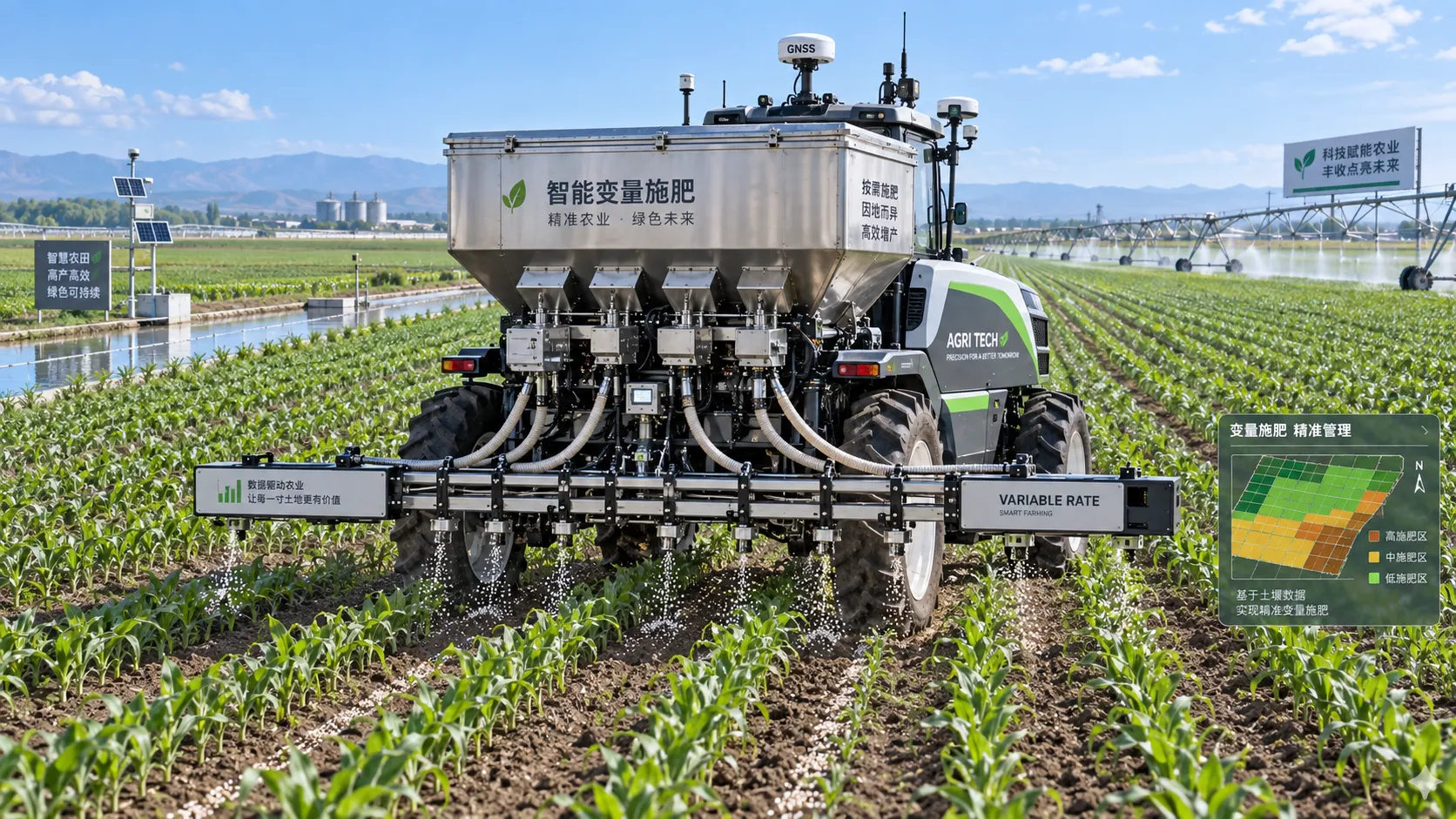
How to Evaluate Precision Fertilization System Suppliers for Farm-Scale Deployment
Precision fertilization systems suppliers: learn how to compare accuracy, integration, uptime, service, and total cost for confident farm-scale deployment.
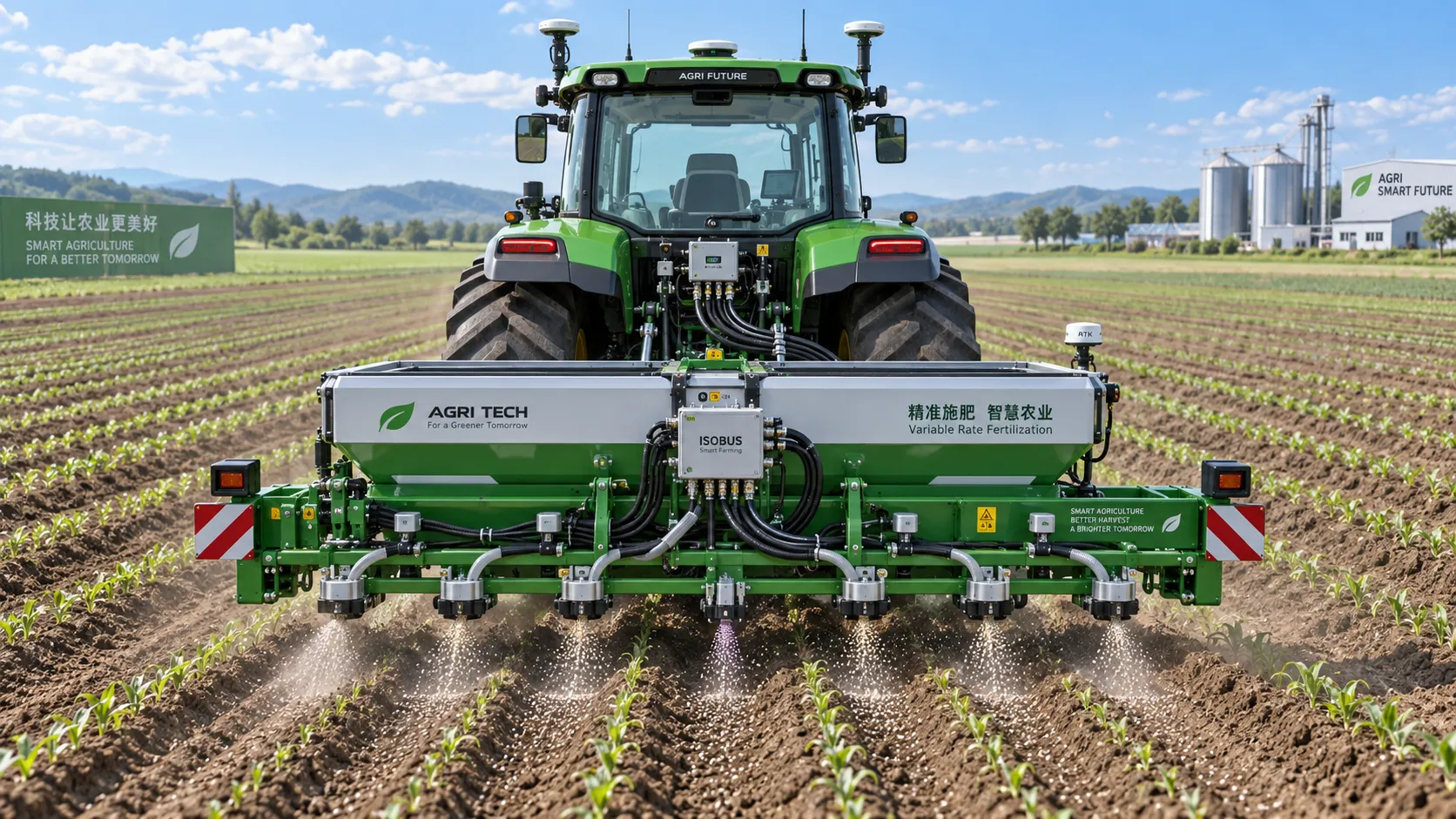
ISOBUS for Smart Agriculture: How It Connects Tractors, Implements, and Farm Data
ISOBUS for smart agriculture connects tractors, implements, terminals, and farm data—helping growers improve precision, documentation, and smarter field decisions.
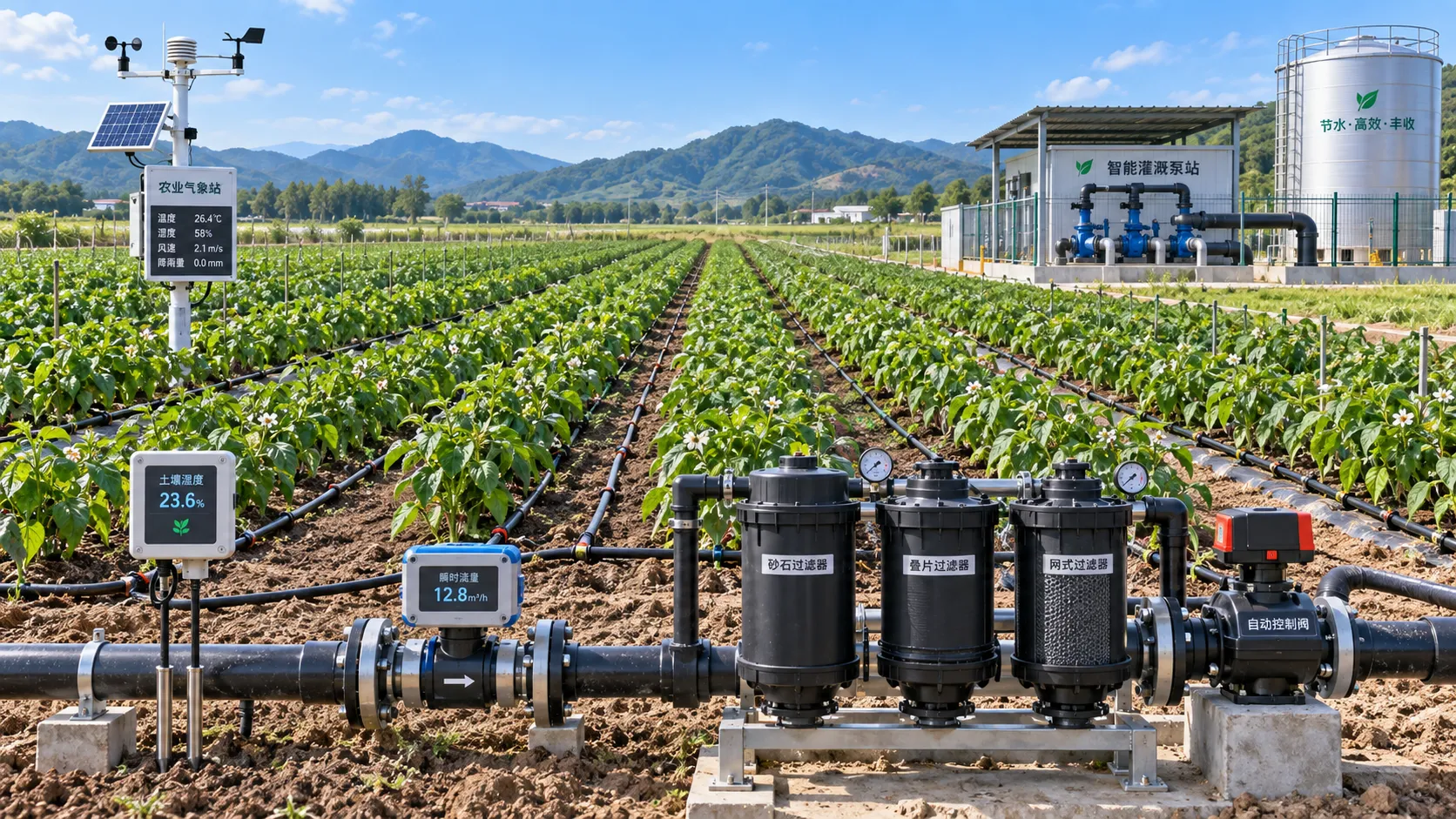
Automated Water-Saving Irrigation: How to Cut Water Use Without Reducing Crop Yields
Automated water-saving irrigation helps farms cut water use, protect crop yields, improve scheduling, and gain reliable control with sensors, flow monitoring, and smart zones.
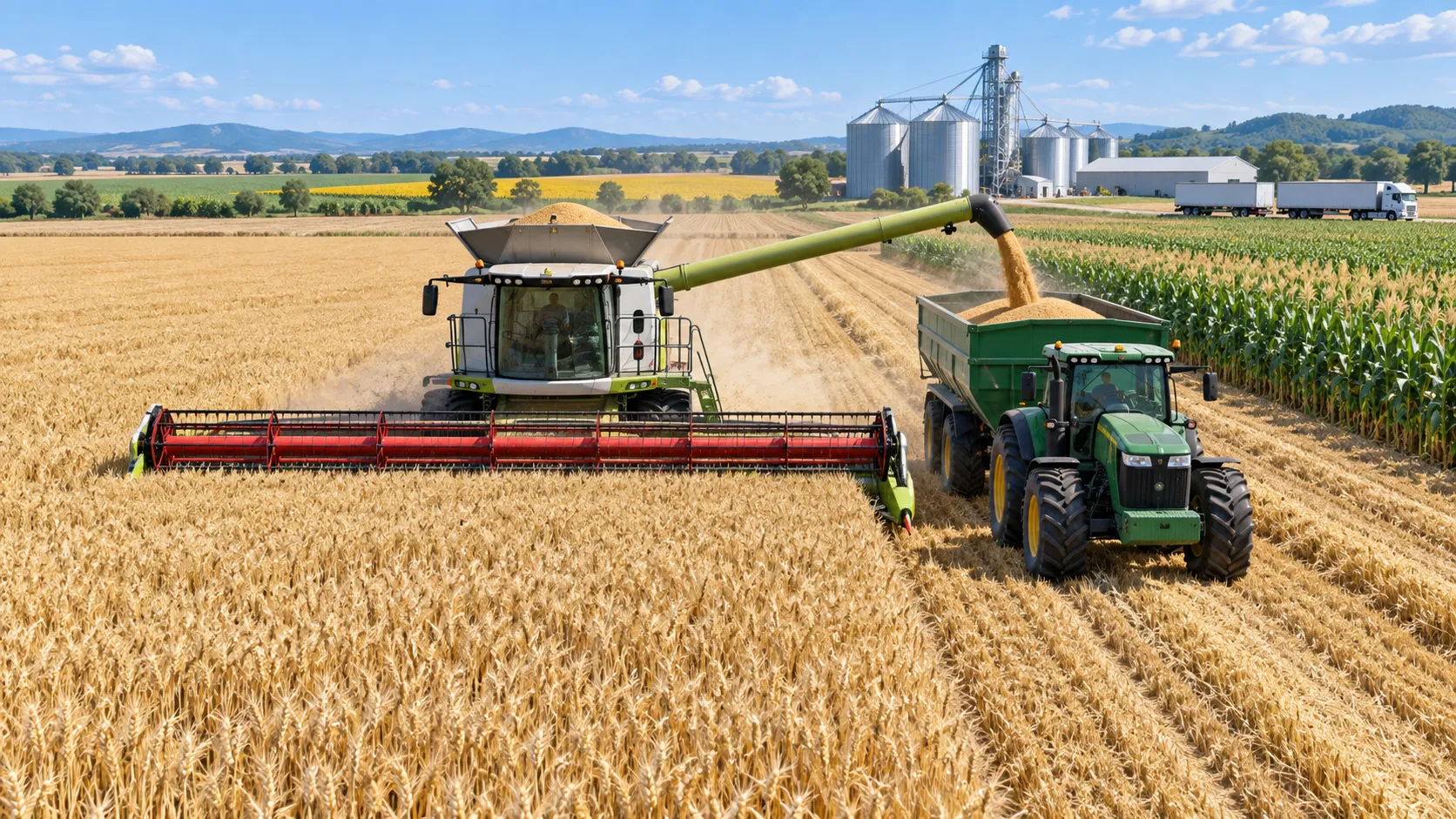
Selecting Grain Farm Equipment by Acreage, Crop Mix, and Harvest Window
Agricultural equipment selection for grain farming: match machinery to acreage, crop mix, and harvest windows to improve uptime, efficiency, and returns.
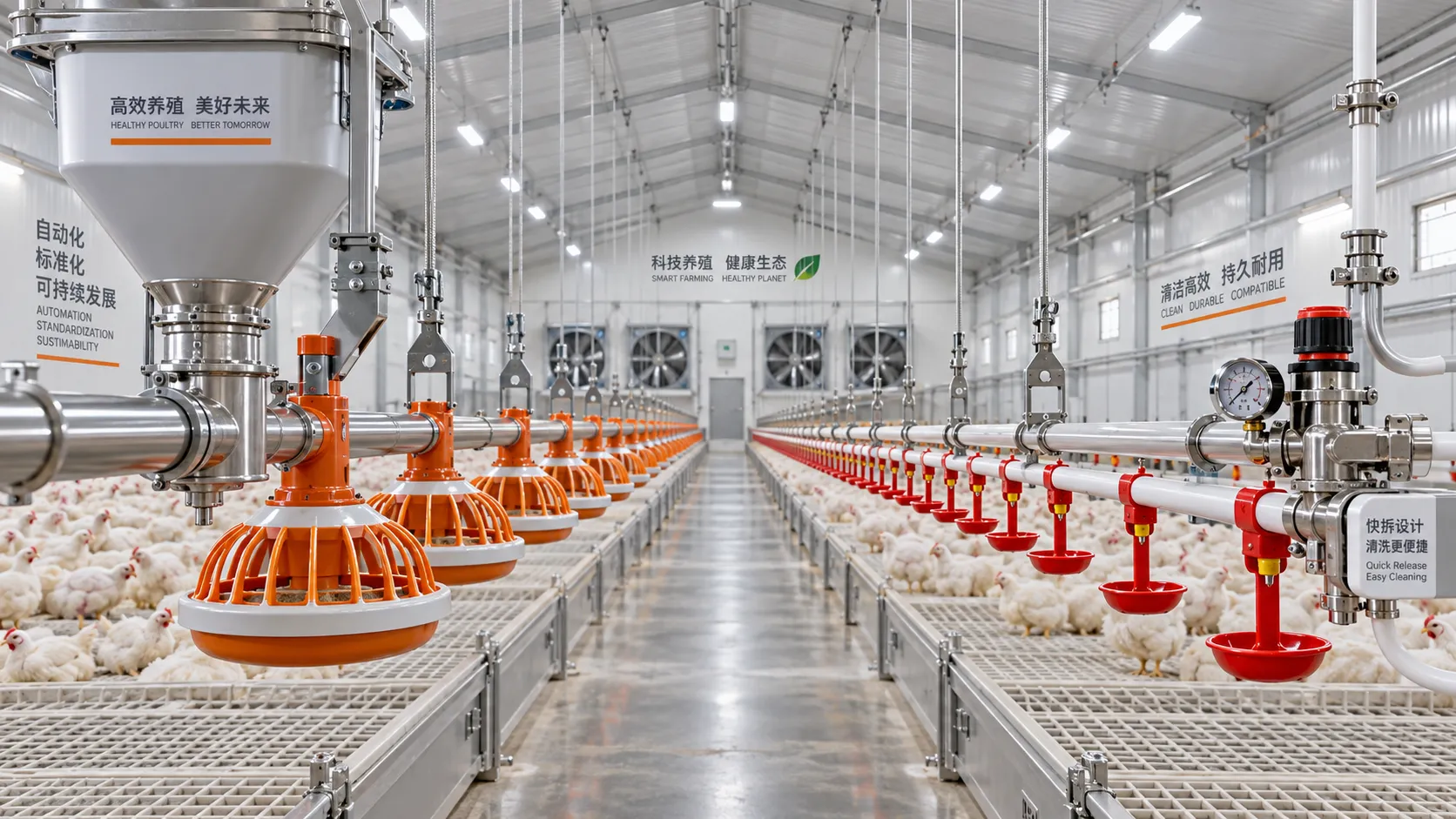
Poultry Equipment Selection: Evaluating Durability, Cleaning, and Compatibility
Poultry equipments selection guide: evaluate durability, cleaning access, and system compatibility to improve hygiene, reduce downtime, and support efficient flock management.
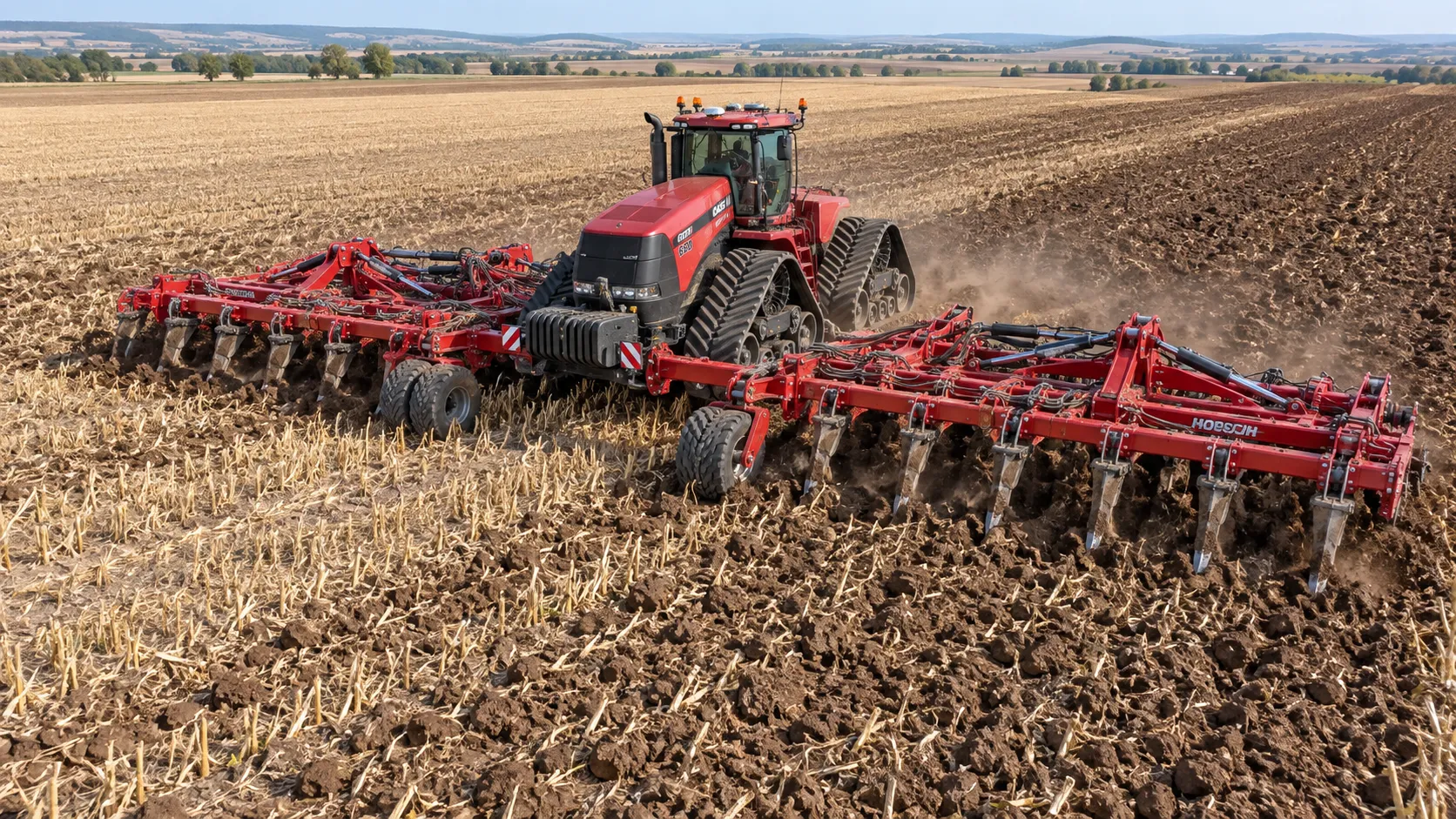
How to Select Heavy-Duty Farm Implements for High-Acreage, High-Horsepower Operations
Heavy duty farm implements: learn how to match draft, hydraulics, hitch capacity, frame strength, and field conditions for reliable high-acreage performance.
Related News
- 00
0000-00
How to Select a Heavy-Duty Seeder for Large Acreage and High-Residue Fields - 00
0000-00
How to Match Large-Scale Farm Equipment Working Width to Field Size and Crop Rows - 00
0000-00
Farm Implements for Seeding: How to Match Seeders to Crop Type and Soil Conditions - 00
0000-00
Ningjin Farm Machinery Cluster Strengthens Export Delivery - 00
0000-00
Ningxia Subsidy Plan Sets New Seeder Benchmarks
Popular Tags
Agri-Mechanization Fellow
Weekly Insights
Stay ahead with our curated technology reports delivered every Monday.