
Farm Machinery Innovations Changing Seeding Accuracy
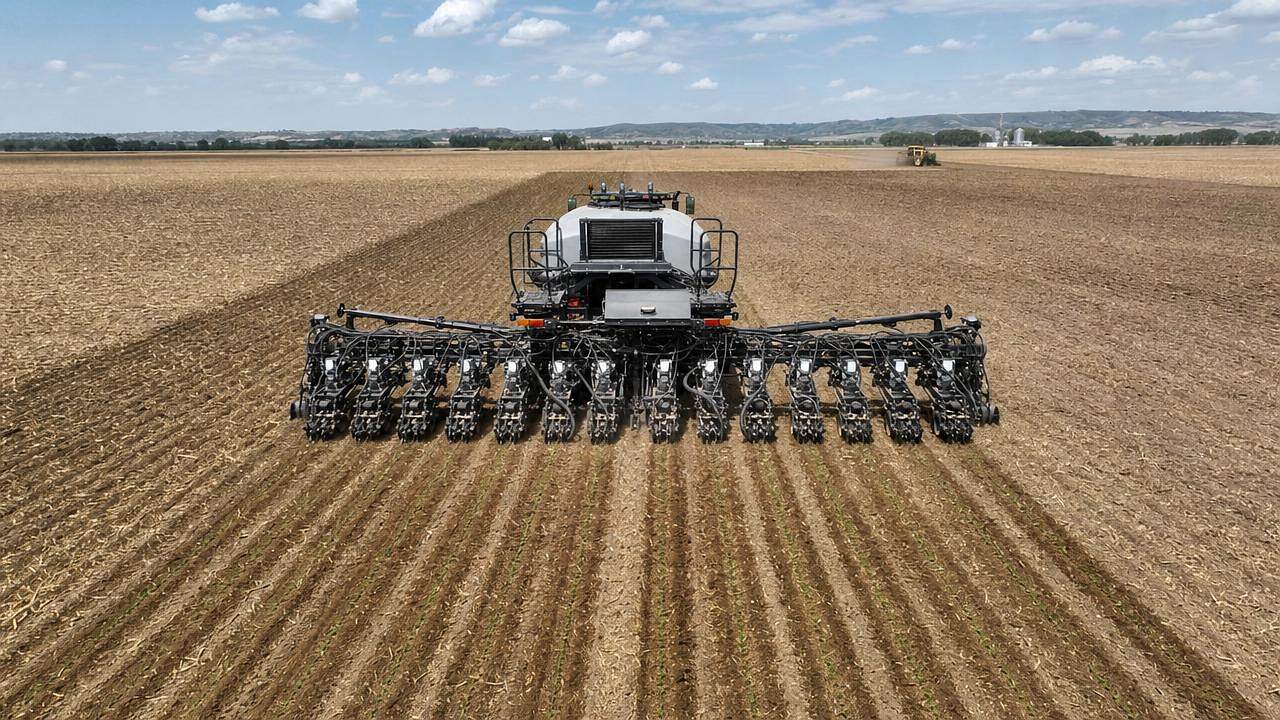




Farm machinery innovations are redefining seeding accuracy through smarter sensors, automated depth control, and data-driven field calibration. For technical evaluators, these advances are not just feature upgrades—they directly affect emergence uniformity, input efficiency, and operational ROI. This article examines how precision engineering and intelligent control systems are setting new benchmarks for seeding performance in modern large-scale agriculture.
Why are farm machinery innovations changing seeding accuracy so quickly?
Seeding accuracy used to be judged mainly by row spacing and average planting depth. Today, technical teams evaluate a wider system. They look at meter stability, downforce response, speed compensation, seed-to-soil contact, terrain adaptation, and digital traceability across every pass.
That shift explains why farm machinery innovations now matter far beyond machine design. Precision seeding has become a cross-functional performance issue linking agronomy, hydraulics, electronics, GNSS guidance, telematics, and operator decision support.
For large-scale operations, a small placement error multiplied across thousands of hectares can create uneven emergence, variable nutrient uptake, and lower harvest uniformity. Technical evaluators therefore need to compare not only rated specifications, but also how equipment performs under vibration, residue, moisture variation, and inconsistent field traffic.
- Higher working speeds increase the risk of row unit bounce, meter misses, and depth inconsistency.
- Heavier residue environments demand better opener geometry, cleaning action, and closing control.
- Variable soils require continuous adjustment rather than one-time pre-field setup.
- Data integration is now essential for verification, not just for display convenience.
This is where AP-Strategy brings value. Its intelligence framework connects mechanical behavior, precision farming algorithms, and field-scale operational realities, helping evaluators move from brochure-level comparison to evidence-based selection.
The practical definition of seeding accuracy
In procurement and technical validation, seeding accuracy should be treated as a compound metric. It includes singulation quality, in-row spacing consistency, target depth stability, row-to-row repeatability, and alignment between prescription intent and actual placement.
A planter may show acceptable laboratory singulation yet still perform poorly in the field if depth control lags on rough ground or if seed tubes introduce excessive ricochet at higher speeds. That is why modern farm machinery innovations focus on the whole placement chain rather than a single component.
Which technologies have the strongest impact on seeding performance?
Technical evaluators usually face a crowded market of claimed improvements. To simplify assessment, it helps to separate innovations by their real influence on placement consistency and calibration stability.
The table below summarizes major farm machinery innovations affecting seeding accuracy and the evaluation logic behind each one.
This comparison shows a key point: not all upgrades deliver equal value. Features tied directly to row unit control, meter stability, and data verification typically produce the clearest gains in seeding accuracy. Cosmetic interface changes or non-critical automation rarely justify premium cost on their own.
Sensors are only useful when control loops are fast
Many buyers overvalue sensor quantity. The better question is how quickly the system converts sensor input into a physical correction. In rough fields, delayed downforce adjustment can leave a row unit too shallow on ridges and too deep in soft pockets within seconds.
Fast control loops, stable hydraulic or electric actuation, and clean firmware integration often separate reliable farm machinery innovations from feature-heavy systems that struggle in real operating conditions.
Mechanical fundamentals still decide final accuracy
Digital tools do not replace mechanical discipline. Parallel linkage wear, opener disc condition, gauge wheel contact, closing wheel geometry, and frame rigidity still shape final placement quality. Technical evaluators should never review software capability without matching it to row unit construction and maintenance tolerance.
How should technical evaluators compare seeding systems in real field scenarios?
The most useful evaluations are scenario-based. Seeding performance in flat, well-prepared ground may reveal little about how a machine handles residue, slope transition, wet spots, or tramline compaction. Farm machinery innovations should therefore be tested against the environments where failures actually occur.
The next table links common operating scenarios to the technical priorities that most affect seeding accuracy.
This scenario view helps evaluators avoid a common mistake: buying for headline capability instead of operational fit. A machine optimized for speed may underperform in residue-heavy no-till conditions, while a highly capable row unit may be unnecessary for simpler seedbed systems.
A practical field validation checklist
- Record target versus actual planting depth at several speed bands and soil zones.
- Inspect in-row spacing consistency rather than relying only on monitor output.
- Measure emergence uniformity several days after planting in comparable moisture conditions.
- Review data logs for alarms, manual overrides, and section control behavior.
- Check wear-sensitive parts after test passes to estimate lifecycle maintenance burden.
AP-Strategy supports this approach by linking machinery assessment with agronomic and operational intelligence. For technical teams, this reduces the gap between machine specification and field outcome, especially when evaluating cross-region deployment.
What should buyers prioritize in procurement and selection?
Procurement decisions around farm machinery innovations often fail because teams compare too many features without assigning weight to actual business risk. Technical evaluators should build a selection matrix around agronomic sensitivity, operating scale, serviceability, and data compatibility.
Core procurement questions
- Will the seeding system maintain depth and spacing within the expected travel speed window?
- Can it integrate with existing guidance, task data, and farm management platforms?
- How dependent is performance on operator skill and frequent manual adjustment?
- What is the service response model for sensors, controllers, harnesses, and actuators?
- Does the machine support future upgrades such as variable-rate seeding or autonomy-ready workflows?
Selection risks that are often underestimated
The first risk is overbuying complexity. Some advanced farm machinery innovations offer excellent functions but demand higher diagnostic skill, cleaner electrical architecture, or more disciplined calibration routines than the local service environment can support.
The second risk is underestimating compatibility. A seeding platform may perform well as a standalone unit but create friction if data export, controller communication, or tractor hydraulic behavior does not align with the existing fleet.
The third risk is evaluating purchase price without lifecycle cost. Meter parts, sensor replacements, firmware support, and seasonal downtime exposure often matter more than the initial premium.
How do cost, alternatives, and compliance affect the final decision?
Not every operation needs the same technology level. The right choice depends on crop value, field variability, planting window pressure, and expected labor constraints. Evaluators should compare investment against the cost of poor emergence, replanting risk, and input waste.
The table below provides a structured view of selection paths often used when comparing farm machinery innovations for seeding accuracy.
The main lesson is not that the most advanced system is always preferable. It is that the optimal solution must match agronomic exposure and management capacity. Stronger farm machinery innovations deliver value when the operation can use their control precision and data output in a disciplined way.
Compliance and standardization considerations
For international procurement, evaluators should also review machinery safety, electronic compatibility, and data interface conventions. Depending on target market, this may involve checking conformity with common machinery safety expectations, electromagnetic compatibility requirements, and interoperability with widely used agricultural communication systems.
In addition, environmental and sustainability reporting is becoming more relevant. Equipment that supports precise input placement, reduced overlap, and stronger field traceability can align better with broader resource-efficiency targets across Agriculture 4.0 programs.
What are the most common misconceptions about farm machinery innovations?
Does higher planting speed always mean better productivity?
Not necessarily. Higher speed only helps if spacing, depth, and seed handling remain stable. If speed introduces row bounce or inconsistent furrow closure, the hidden agronomic cost may exceed the time saved. Evaluators should compare field capacity with verified placement quality, not speed alone.
Are more sensors automatically better for seeding accuracy?
No. Sensor quantity matters less than sensor reliability, calibration discipline, and control response. Poorly integrated sensing can overwhelm operators with alarms without improving seed placement. Farm machinery innovations create value when data leads to timely, accurate correction.
Can digital monitoring replace field checks?
It cannot replace them fully. Monitor data is essential, but real soil interaction still needs physical inspection. Depth, closure, residue interference, and emergence uniformity must be confirmed in the field, especially during commissioning or when conditions shift quickly.
Is a premium precision planter justified for every farm?
No. The business case is strongest where crops are high value, acreage is large, timing pressure is severe, or soil variability is significant. In lower-complexity environments, selected upgrades to meters, downforce, or monitoring may provide a better return than a complete technology jump.
Where is seeding accuracy heading next?
The next phase of farm machinery innovations will likely combine more predictive logic with more stable hardware. Instead of simply reacting to field variation, machines will increasingly anticipate it through integrated terrain, soil, and operational data layers.
Three trends deserve close attention. First, row-level automation will become more adaptive, especially in depth and pressure management. Second, prescription execution will become more tightly linked to live feedback rather than static maps. Third, compatibility across tractors, implements, telematics, and irrigation intelligence will matter more as farms seek system-level optimization.
This broader system perspective matches AP-Strategy’s role in the market. By connecting large-scale agri-machinery insight, tractor chassis evolution, intelligent farm tools, and sustainability-oriented field intelligence, AP-Strategy helps technical evaluators see how seeding accuracy fits into the full productivity chain.
Why choose us for technical evaluation support and next-step consultation?
AP-Strategy is built for decision-makers who need more than product descriptions. We connect machinery performance, precision agriculture logic, and global deployment context so technical teams can evaluate farm machinery innovations with clearer criteria and lower uncertainty.
You can consult us on specific evaluation topics, including parameter confirmation for seeding systems, row unit and meter selection, suitability for no-till or high-speed planting, controller and data compatibility, delivery cycle planning, customization direction, and common compliance considerations for international sourcing.
- Need help comparing configuration paths for different field conditions and budget limits?
- Need a structured shortlist for product selection based on target crops, acreage, and operation speed?
- Need guidance on delivery timing, upgrade potential, service readiness, or quotation alignment?
If your team is reviewing farm machinery innovations for seeding accuracy, contact AP-Strategy with your target operating scenario, current equipment baseline, and expected performance goals. We can help frame the right questions before procurement, before field trials, and before long-cycle investment decisions are locked in.
Related News
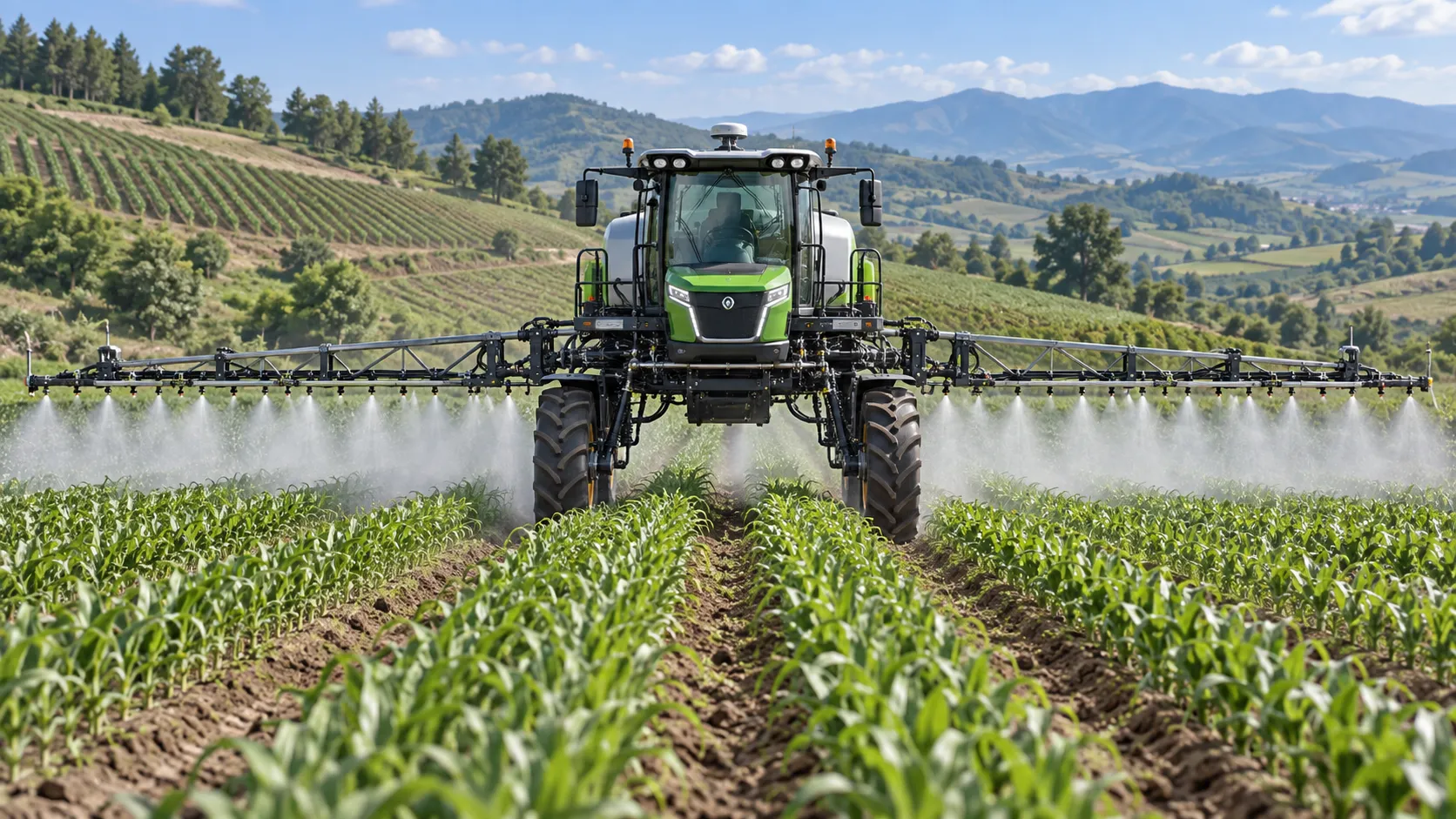
How to Select Precision Crop Protection Equipment for Variable Field Conditions
Precision crop protection equipment selection made simple: compare terrain, canopy, weather, control accuracy, and data workflows for reliable applications.
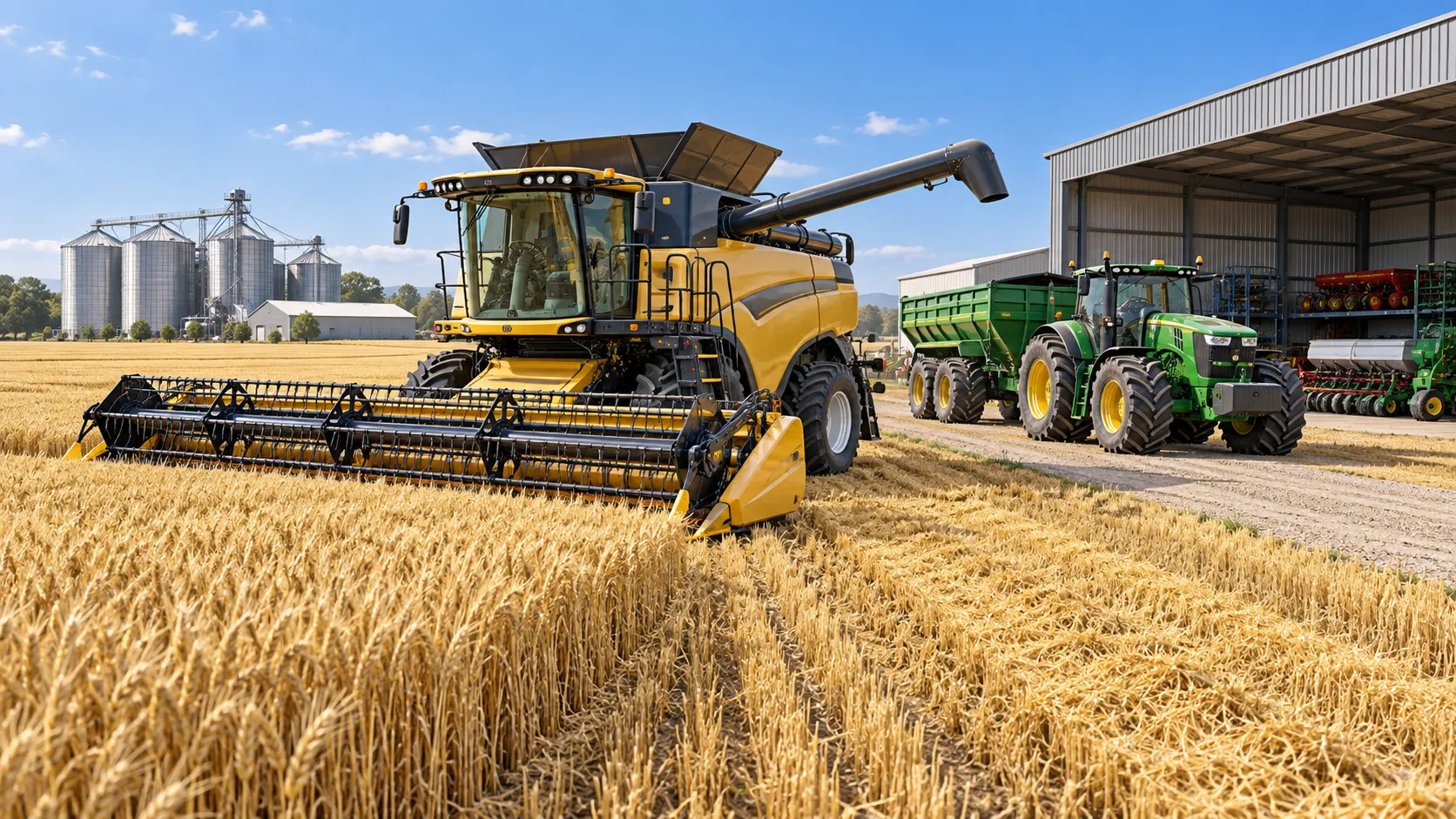
When Does Agricultural Machinery Leasing Cost Less Than Owning Equipment?
Agricultural machinery leasing can lower farm costs when use is seasonal or uncertain. Compare utilization, maintenance, cash flow, and risk to make a smarter equipment decision.
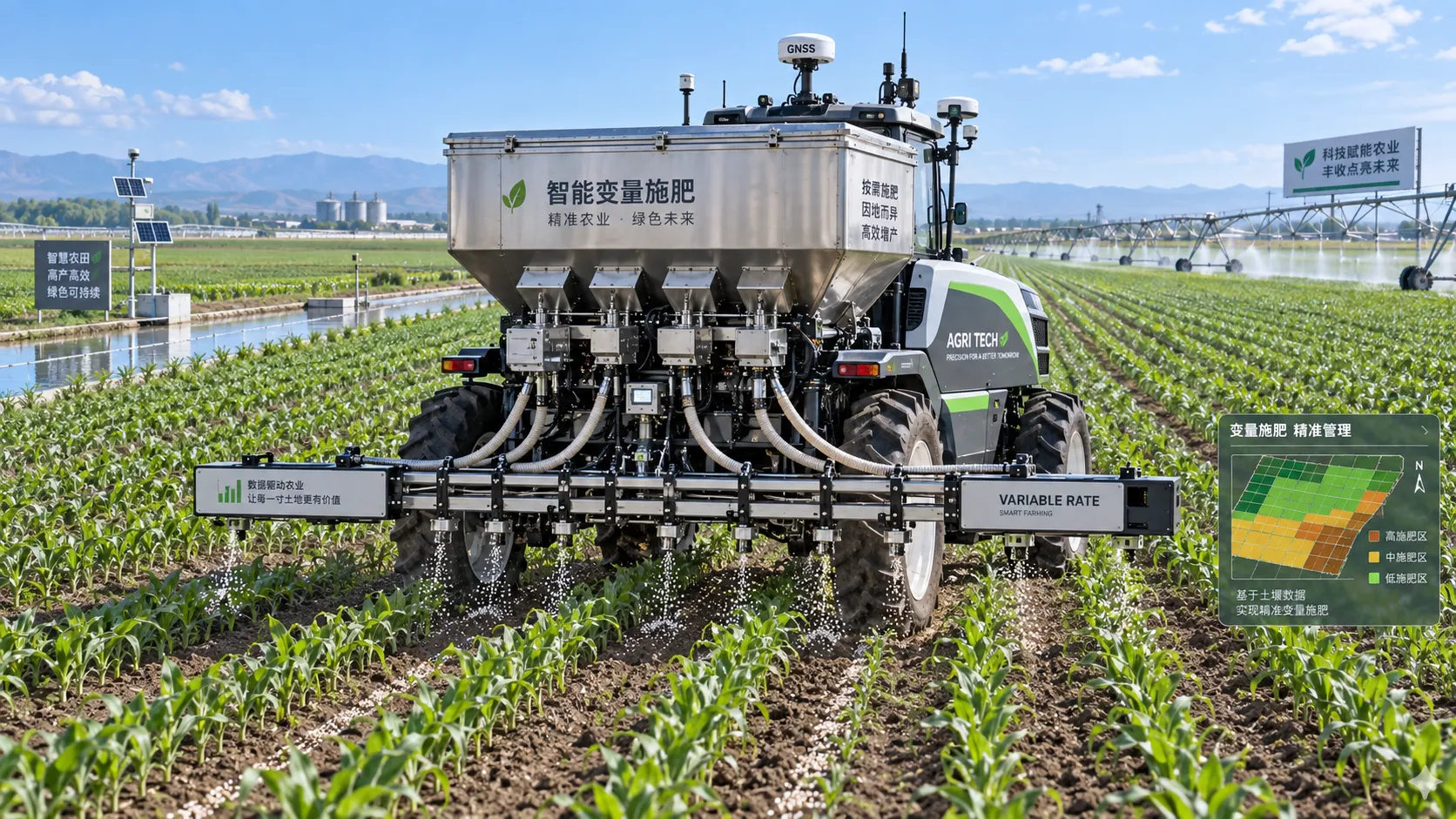
How to Evaluate Precision Fertilization System Suppliers for Farm-Scale Deployment
Precision fertilization systems suppliers: learn how to compare accuracy, integration, uptime, service, and total cost for confident farm-scale deployment.
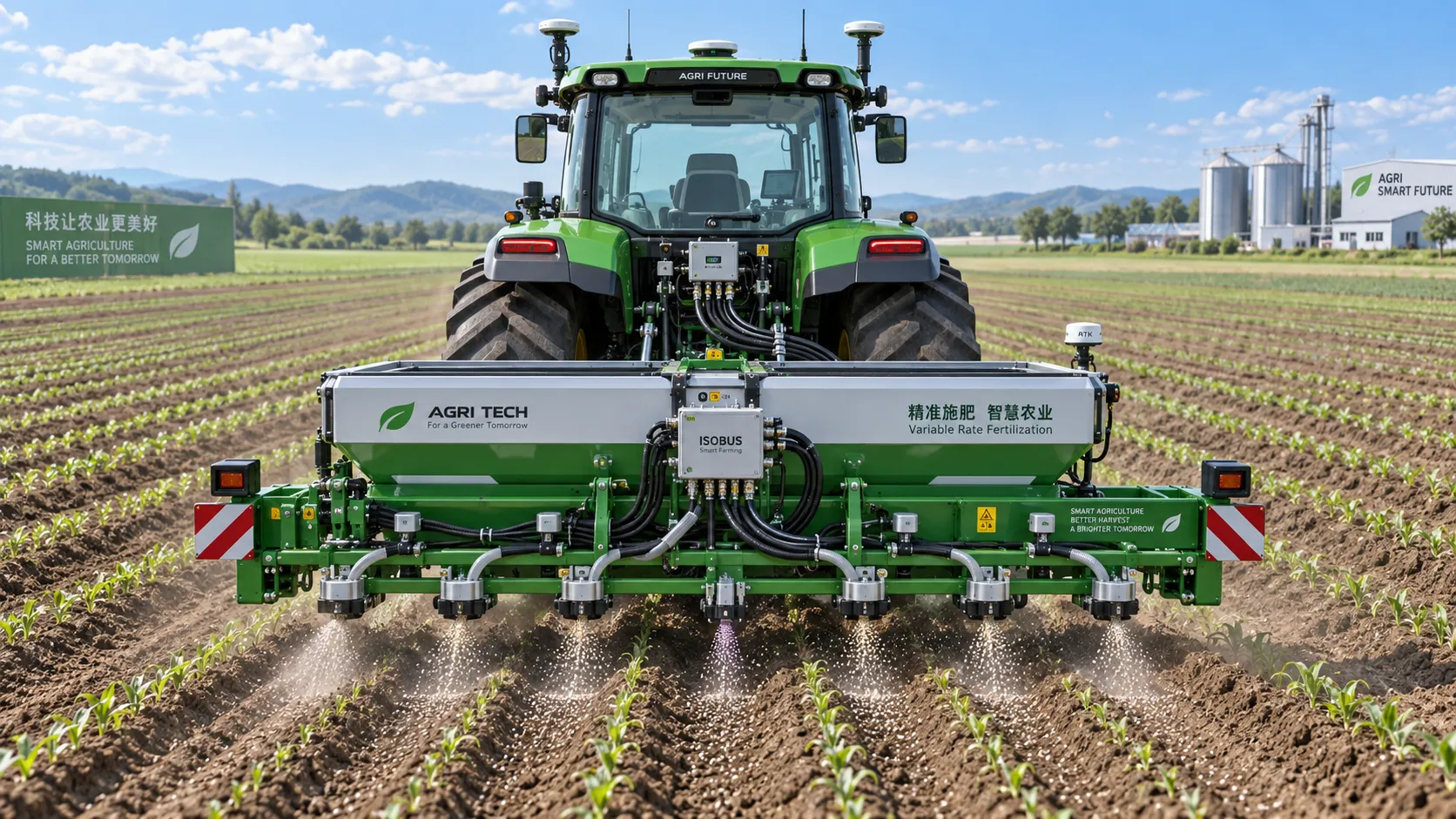
ISOBUS for Smart Agriculture: How It Connects Tractors, Implements, and Farm Data
ISOBUS for smart agriculture connects tractors, implements, terminals, and farm data—helping growers improve precision, documentation, and smarter field decisions.
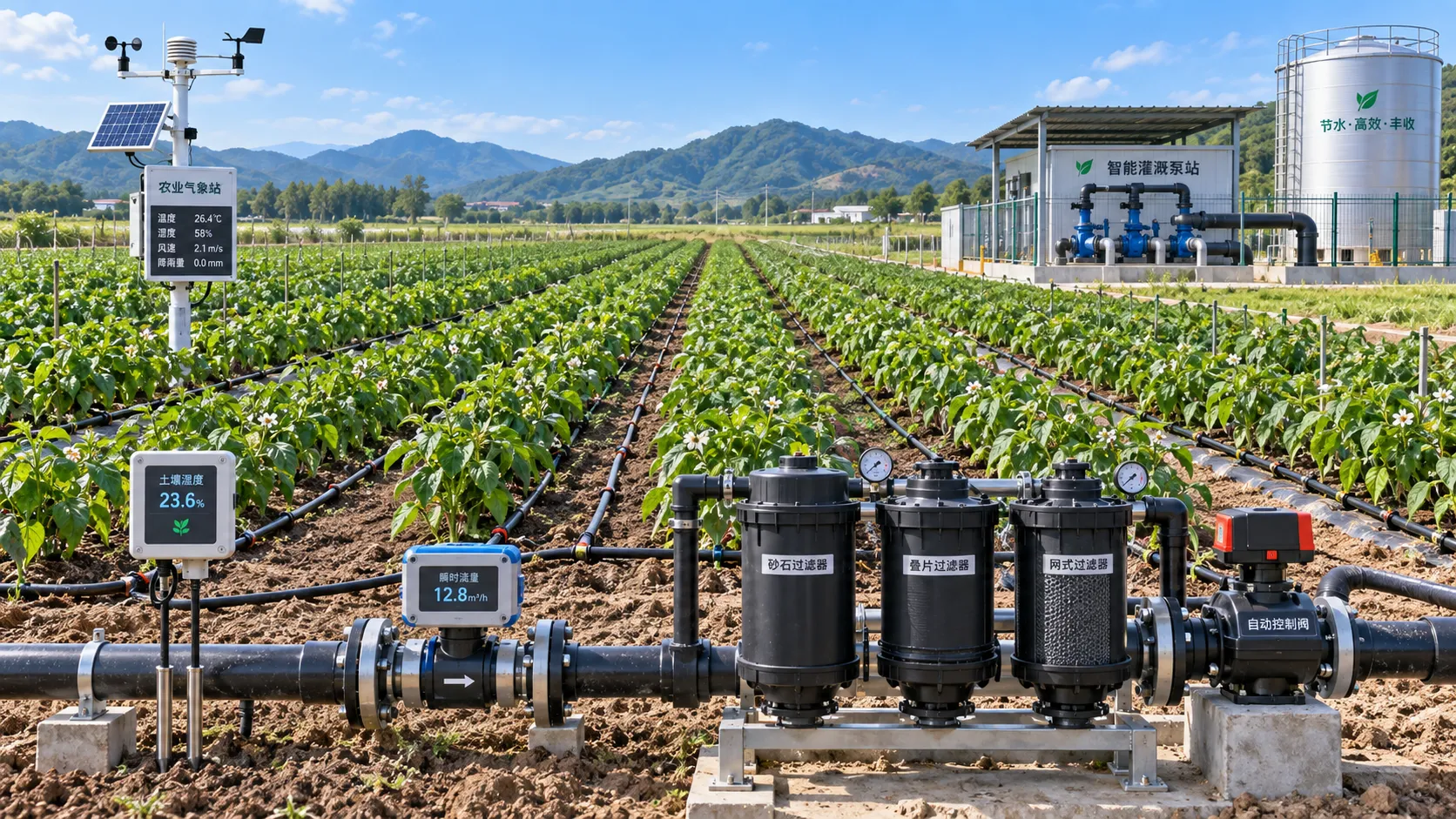
Automated Water-Saving Irrigation: How to Cut Water Use Without Reducing Crop Yields
Automated water-saving irrigation helps farms cut water use, protect crop yields, improve scheduling, and gain reliable control with sensors, flow monitoring, and smart zones.
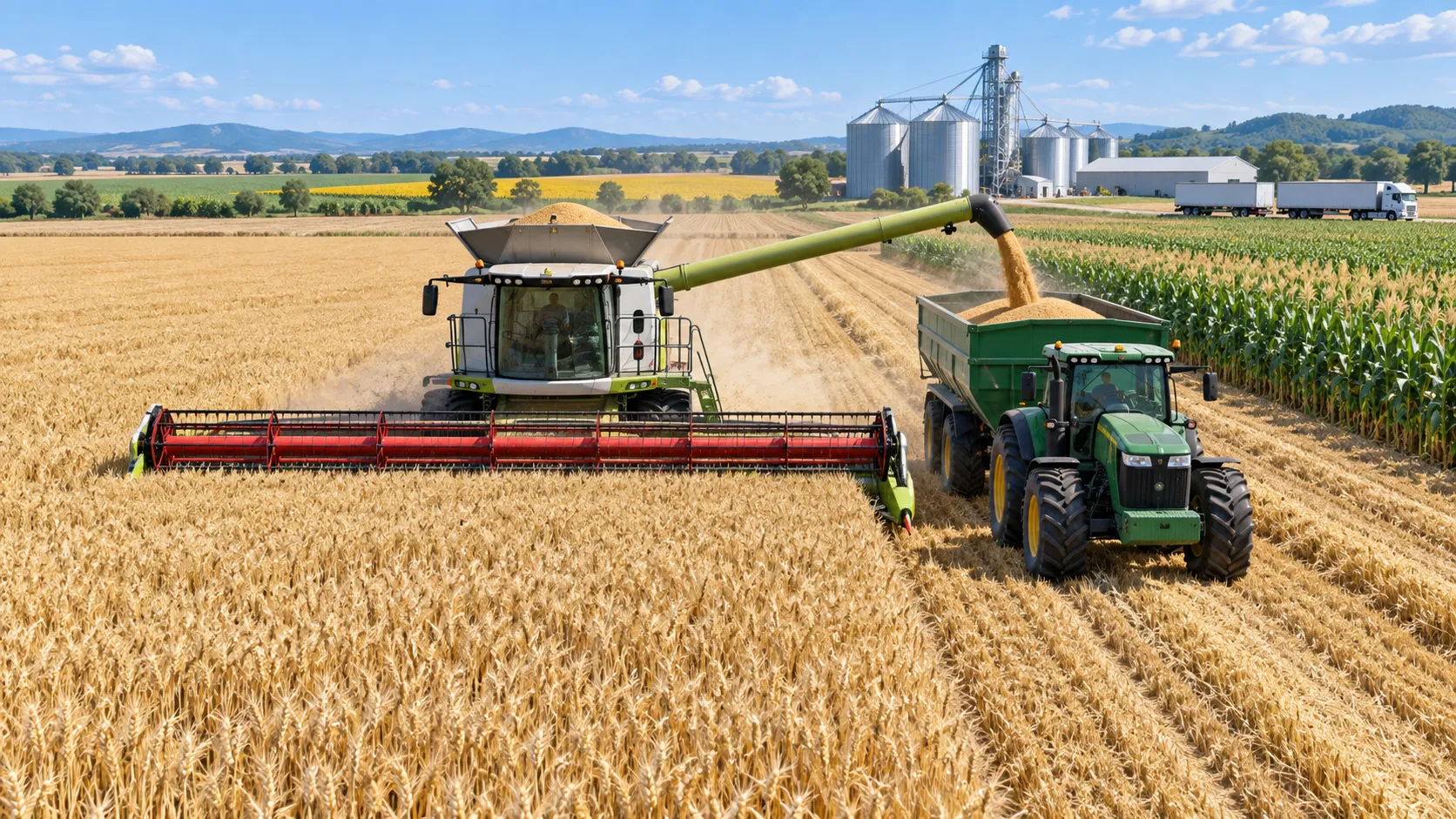
Selecting Grain Farm Equipment by Acreage, Crop Mix, and Harvest Window
Agricultural equipment selection for grain farming: match machinery to acreage, crop mix, and harvest windows to improve uptime, efficiency, and returns.
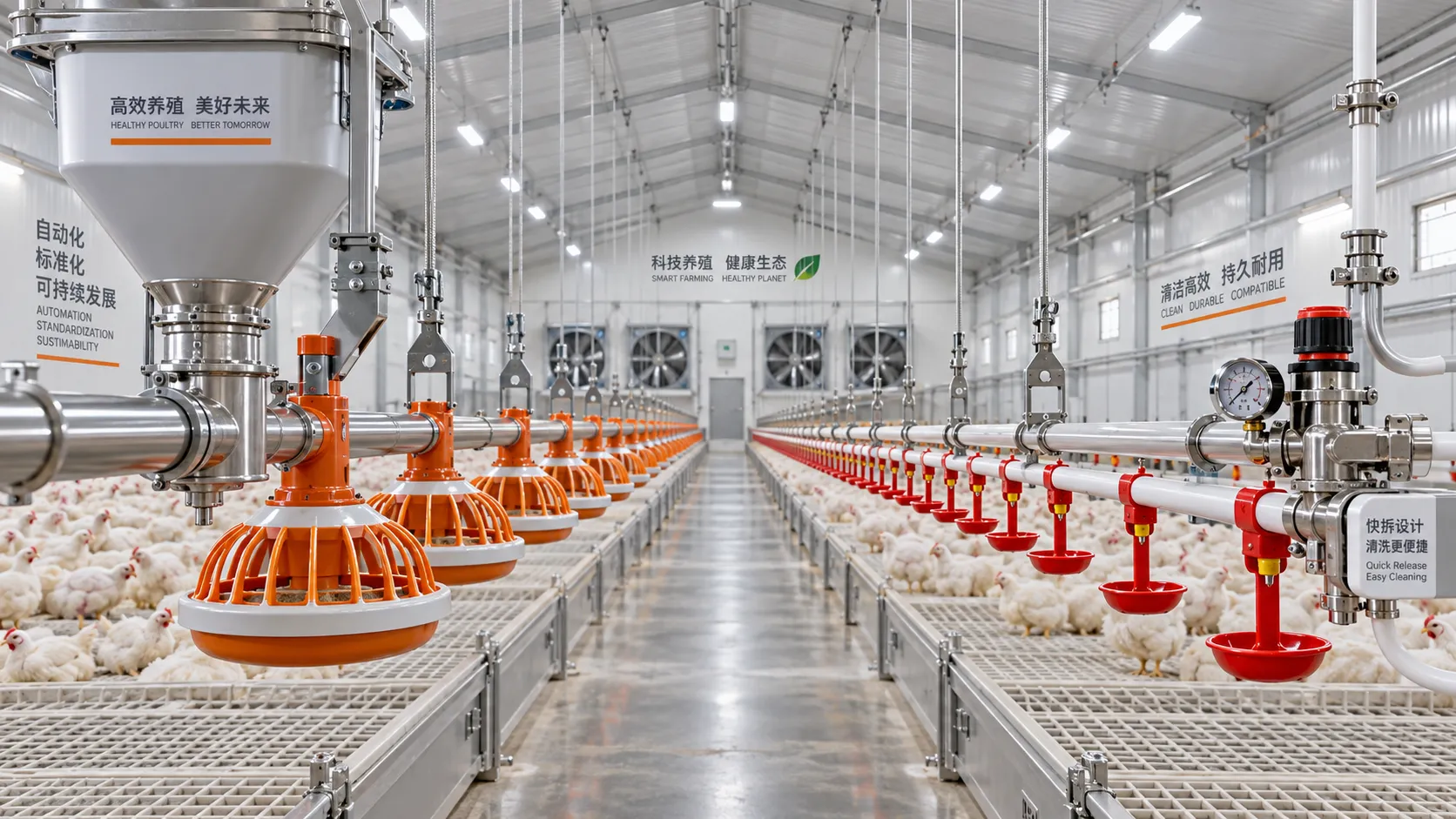
Poultry Equipment Selection: Evaluating Durability, Cleaning, and Compatibility
Poultry equipments selection guide: evaluate durability, cleaning access, and system compatibility to improve hygiene, reduce downtime, and support efficient flock management.
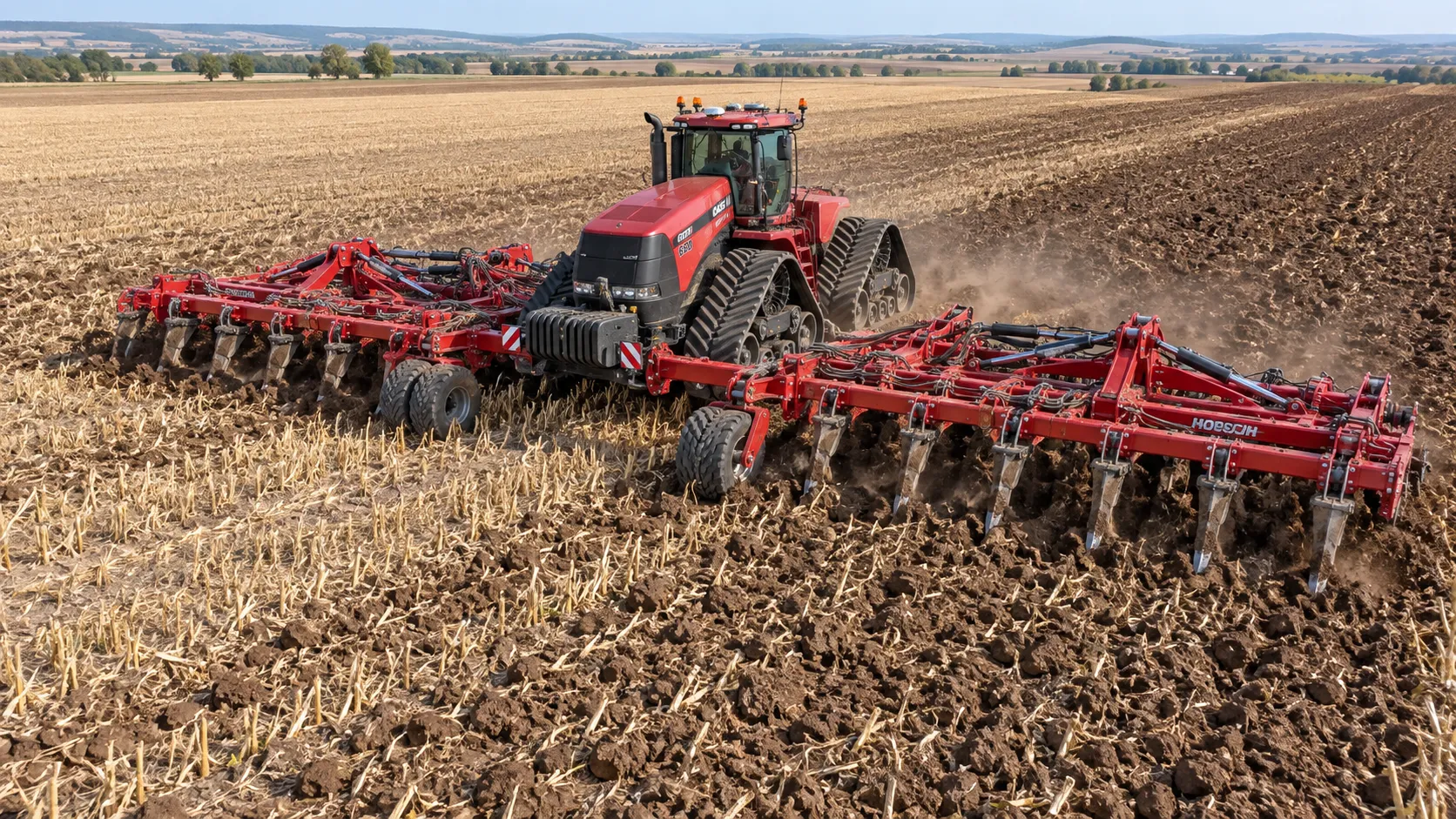
How to Select Heavy-Duty Farm Implements for High-Acreage, High-Horsepower Operations
Heavy duty farm implements: learn how to match draft, hydraulics, hitch capacity, frame strength, and field conditions for reliable high-acreage performance.
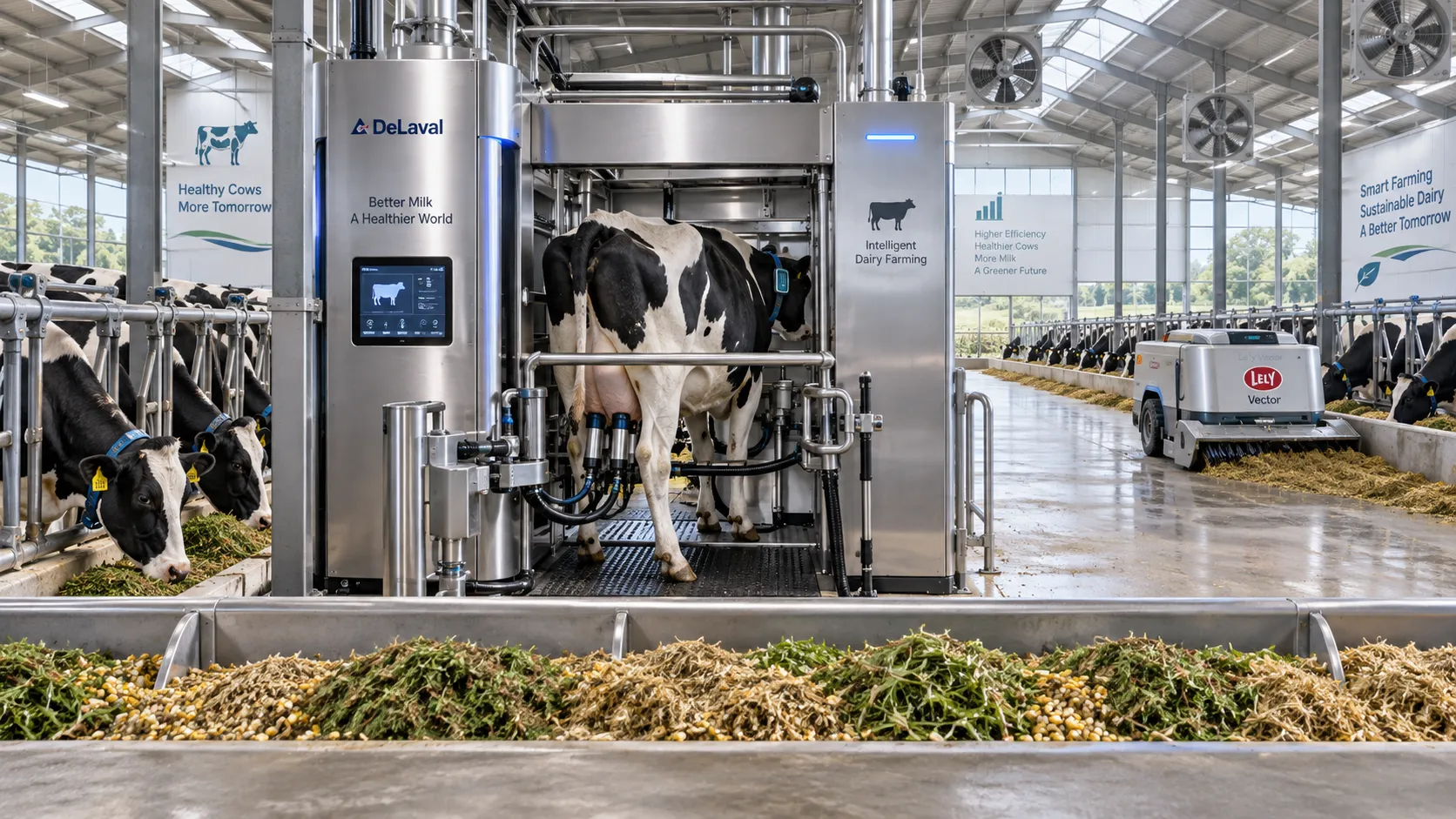
Smart Farming Technology for Dairy Farms: Where Automation Delivers Measurable ROI
Smart farming technology for dairy farms delivers measurable ROI through automation, precision feeding, health monitoring, and data-driven cost control.
Related News
- 00
0000-00
How to Select a Heavy-Duty Seeder for Large Acreage and High-Residue Fields - 00
0000-00
How to Match Large-Scale Farm Equipment Working Width to Field Size and Crop Rows - 00
0000-00
Farm Implements for Seeding: How to Match Seeders to Crop Type and Soil Conditions - 00
0000-00
Ningjin Farm Machinery Cluster Strengthens Export Delivery - 00
0000-00
Ningxia Subsidy Plan Sets New Seeder Benchmarks
Popular Tags
Agri-Mechanization Fellow
Weekly Insights
Stay ahead with our curated technology reports delivered every Monday.