
Soil Preparation Before Planting: What Saves Time and What Doesn't
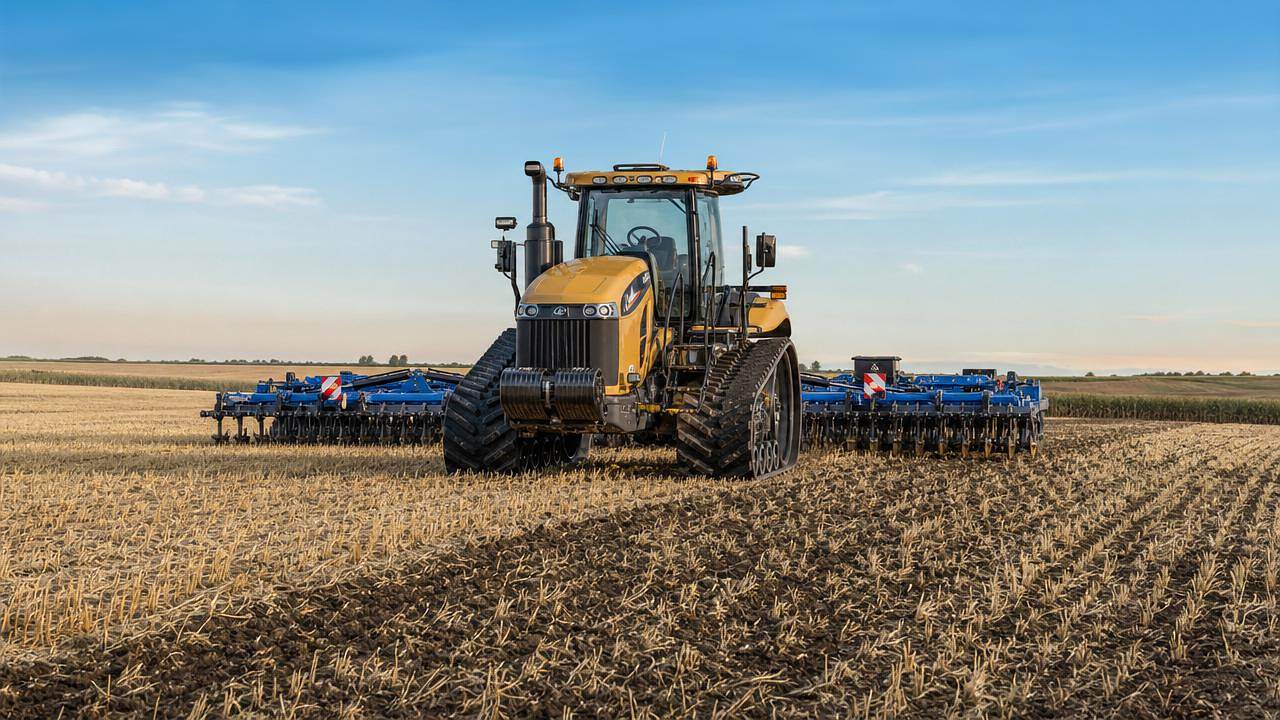




Effective soil preparation can accelerate planting schedules—or quietly drain labor, fuel, and budget. For project managers overseeing large-scale agricultural operations, knowing which steps truly improve field readiness is critical. This guide breaks down what saves time in soil preparation, what adds little value, and how to align decisions with machinery efficiency, crop performance, and operational planning.
Why soil preparation decisions vary by project scenario
For a project manager, soil preparation is not one task. It is a sequence of field-readiness decisions shaped by crop type, residue level, soil texture, planting window, weather pressure, labor availability, and machine fleet capacity. A step that is efficient in one field can be unnecessary in another. Deep tillage may rescue a compacted block after heavy traffic, yet waste time and diesel on a well-structured loam ready for minimum disturbance seeding.
This is why high-quality soil preparation planning should start with scenario matching rather than habit. Large-scale grain farms, irrigated row crop systems, post-harvest turnaround operations, and conservation-focused programs all use different success criteria. Some prioritize speed to capture a narrow planting window. Others prioritize residue cover, moisture retention, or a smooth seedbed for high-precision planters. The right question is not “What is the standard soil preparation method?” but “What level of soil preparation delivers measurable value in this field, under this deadline, with this machinery setup?”
The fastest path: what usually saves time in soil preparation
Across most commercial operations, time-saving soil preparation comes from reducing passes, matching implement depth to actual constraints, and preserving machine flow across the whole planting chain. The biggest gains rarely come from aggressive tillage. They come from disciplined field diagnosis and efficient execution.
- Using field scouting and penetrometer or historical traffic data to identify only the zones that need intervention.
- Combining operations where possible, such as residue sizing with shallow incorporation, or strip preparation with fertilizer placement.
- Standardizing implement settings across similar fields to reduce adjustment downtime.
- Prioritizing traffic management and moisture timing so machines work when the soil is fit, not merely when the calendar says so.
- Aligning soil preparation depth with planter requirements instead of pursuing a perfectly loose profile everywhere.
In practical terms, soil preparation saves time when it removes a real barrier to emergence or machine performance. It does not save time when it is done because “this is how we always prepare land.”
Scenario comparison: where soil preparation effort pays off and where it does not
The table below helps project leaders compare common operating scenarios and decide how much soil preparation is justified before planting.
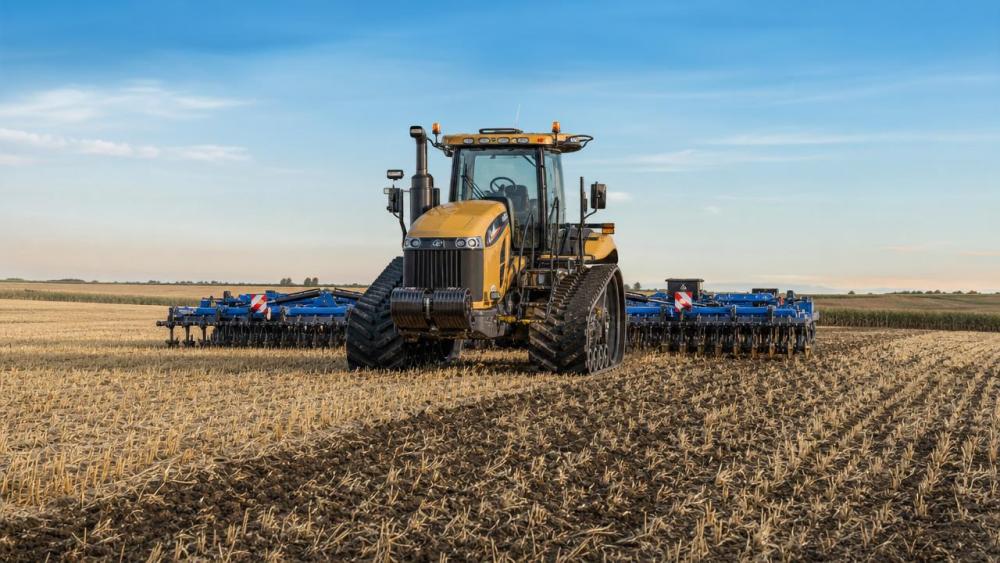
Scenario 1: large-scale cereal operations under tight planting deadlines
In broadacre grain systems, the key constraint is usually time, not the lack of tillage. When project teams must prepare hundreds or thousands of hectares, the most effective soil preparation strategy is often pass reduction. If the previous harvest left manageable residue and the field has no severe compaction, shallow conditioning or direct seeding support can outperform a full conventional sequence.
What saves time here is preserving machine hours for planting itself. A manager should ask whether extra tillage meaningfully improves seed-soil contact, opener performance, or emergence consistency. If not, the operation may simply shift labor and fuel away from the critical planting window. AP-Strategy-style operational intelligence is especially useful in these scenarios because machinery utilization matters as much as agronomy. A powerful tractor and wide implement can still become a bottleneck if the field plan includes too many low-value passes.
Best-fit approach
- Use minimum tillage where residue flow and surface uniformity remain acceptable.
- Target headlands and compacted tracks separately from the main field.
- Sequence machines to avoid waiting time between tillage, nutrient placement, and planting.
Scenario 2: row crop systems that need precision placement
Not every time-saving decision means less soil preparation. In high-value row crop systems, especially irrigated operations or those using precision planters, moderate and well-controlled preparation can save time later by reducing stand variability, replanting, and irrigation correction. Here the objective is not maximum looseness. It is a consistent planting zone.
For project managers, the risk is confusing precision with over-processing. A smooth-looking field may still have uneven firmness, smeared layers, or unstable beds. The most efficient soil preparation is the one that helps the planter maintain depth, singulation, and row uniformity. If bed shaping, strip-till, or shallow leveling supports that outcome, it is time well spent. If teams keep making finishing passes just to improve visual appearance, they may lose moisture and delay the start of planting.
What to confirm before approving extra passes
Check whether the intended pass improves planter ride, seed depth consistency, water flow in furrow or drip layouts, or early root development. If it does not improve one of those measurable outcomes, it likely belongs on the “what doesn’t save time” list.
Scenario 3: fields with compaction, drainage issues, or post-harvest traffic damage
This is the scenario where aggressive soil preparation is most often justified, but only when diagnosis is specific. Compaction can severely delay emergence, reduce infiltration, and increase planter bounce. Yet many operations overcorrect by applying deep ripping across entire fields when only localized zones are affected.
For project leadership, targeted treatment is the real time saver. Use yield maps, traffic records, moisture patterns, and scouting to isolate problem areas. Deep soil preparation should be linked to a known barrier such as plow pans, wheel-track density, or poor drainage channels. This focused approach preserves fuel, protects soil structure in unaffected zones, and frees machine time for higher-priority tasks.
By contrast, full-field deep tillage without evidence often creates a false sense of action. It can increase clod formation, require more secondary finishing, and postpone planting with limited agronomic return.
Scenario 4: conservation-focused and moisture-sensitive operations
In dryland systems or erosion-prone regions, soil preparation should be judged first by what it preserves. Every unnecessary pass can reduce surface cover, release moisture, and expose the soil to crusting or wind loss. In these scenarios, time-saving and resource-saving usually point in the same direction: disturb less, protect more, and let planter technology do more of the precision work.
Project managers in these environments should see soil preparation as a risk management process. The question is whether a pass protects establishment enough to justify the loss of residue and moisture. Often the answer favors reduced tillage, controlled traffic, and residue-aware planting systems. What does not save time is repairing avoidable damage later through extra irrigation, re-entry, or poor stand recovery.
Common misjudgments that add work without improving field readiness
Several mistakes repeatedly appear in large farming projects. They look productive in the moment but weaken overall schedule efficiency.
- Treating all fields the same, despite clear differences in residue, slope, traffic history, and moisture.
- Using maximum tillage depth as a default setting rather than matching depth to the actual restriction layer.
- Running equipment when soil is too wet, which creates smearing and future compaction.
- Judging soil preparation quality by surface appearance instead of seedbed function and planter performance.
- Ignoring the downstream impact on fuel use, maintenance cycles, labor shifts, and planting sequence coordination.
For engineering-minded managers, these are not only agronomic errors. They are workflow errors. The field may look “finished,” but the project loses throughput.
A practical decision framework for project managers
A strong soil preparation plan can be built around five checkpoints. First, define the planting constraint: residue, compaction, leveling, moisture, or seed placement. Second, identify whether the issue is field-wide or zone-specific. Third, choose the lightest intervention that solves the problem. Fourth, verify machinery compatibility across tractors, tillage tools, and planters. Fifth, measure the result through emergence uniformity, planting speed, fuel use, and rework rate.
This framework works well for organizations balancing agronomic goals with commercial realities. It helps prevent the common drift from purposeful soil preparation into routine soil disturbance. It also aligns with modern Agriculture 4.0 thinking, where field operations should be informed by data, machine capability, and sustainability targets rather than tradition alone.
FAQ: soil preparation questions that matter in real projects
Is more soil preparation always safer before planting?
No. More passes can delay planting, increase fuel consumption, and damage moisture conditions. Safer means more suitable, not more intensive.
When is deep soil preparation worth the time?
When verified compaction or drainage barriers are limiting roots, infiltration, or machine performance. The best use is targeted, not automatic.
Can minimum tillage support large-scale operations?
Yes, especially when residue is manageable and planters are configured for reduced-disturbance systems. It often improves schedule control across large acreages.
What is the most overlooked factor in soil preparation?
Timing relative to soil moisture. Even a well-chosen method loses value if executed in poor field conditions.
Final recommendation: match soil preparation to the field, the fleet, and the deadline
The most effective soil preparation strategy is rarely the most aggressive one. It is the one that fits the operating scenario, removes the true barrier to planting, and protects the efficiency of the entire field program. For project managers, that means separating useful intervention from inherited routine. In some fields, a targeted pass saves the season. In others, skipping an unnecessary pass saves more time than any machine upgrade could.
If your operation is evaluating machinery allocation, pass reduction, or scenario-based field preparation standards, use soil preparation as a decision system rather than a checklist. Compare field conditions, crop needs, planter tolerance, and fleet capacity before locking in the program. That is where faster planting, lower operational waste, and better establishment begin.
Related News
When Does Agricultural Machinery Leasing Cost Less Than Owning Equipment?
Agricultural machinery leasing can lower farm costs when use is seasonal or uncertain. Compare utilization, maintenance, cash flow, and risk to make a smarter equipment decision.
How to Evaluate Precision Fertilization System Suppliers for Farm-Scale Deployment
Precision fertilization systems suppliers: learn how to compare accuracy, integration, uptime, service, and total cost for confident farm-scale deployment.
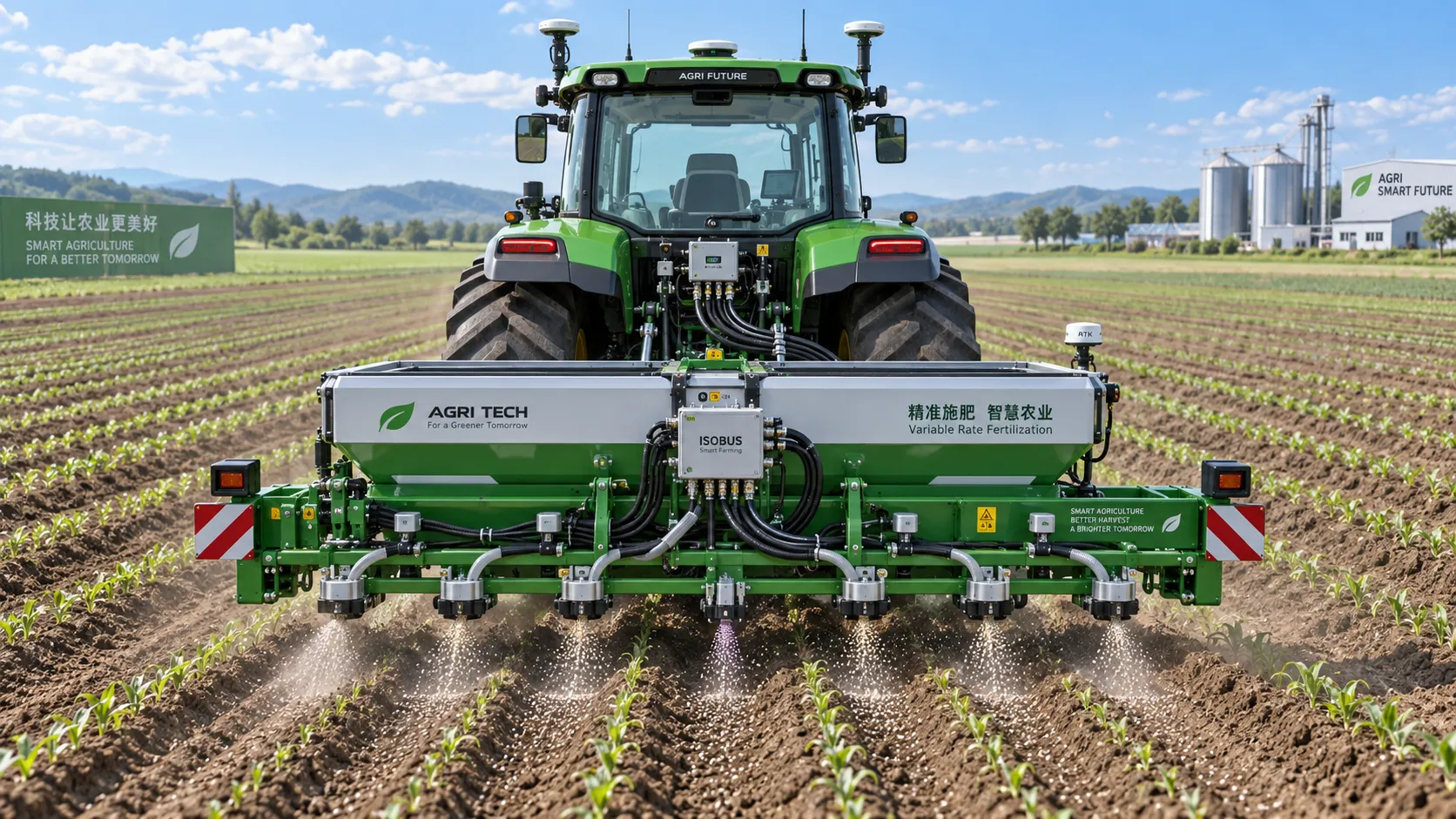
ISOBUS for Smart Agriculture: How It Connects Tractors, Implements, and Farm Data
ISOBUS for smart agriculture connects tractors, implements, terminals, and farm data—helping growers improve precision, documentation, and smarter field decisions.
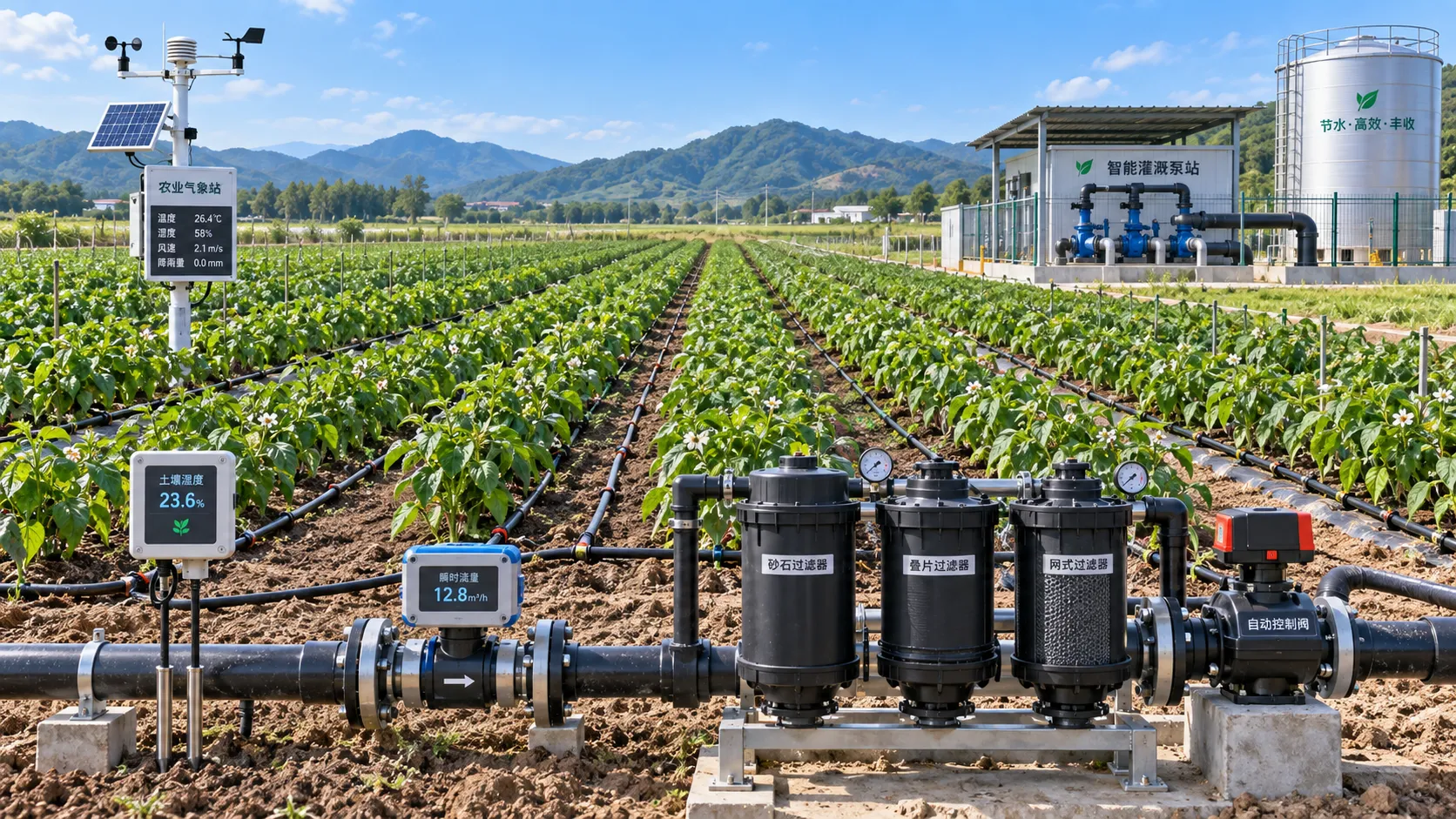
Automated Water-Saving Irrigation: How to Cut Water Use Without Reducing Crop Yields
Automated water-saving irrigation helps farms cut water use, protect crop yields, improve scheduling, and gain reliable control with sensors, flow monitoring, and smart zones.
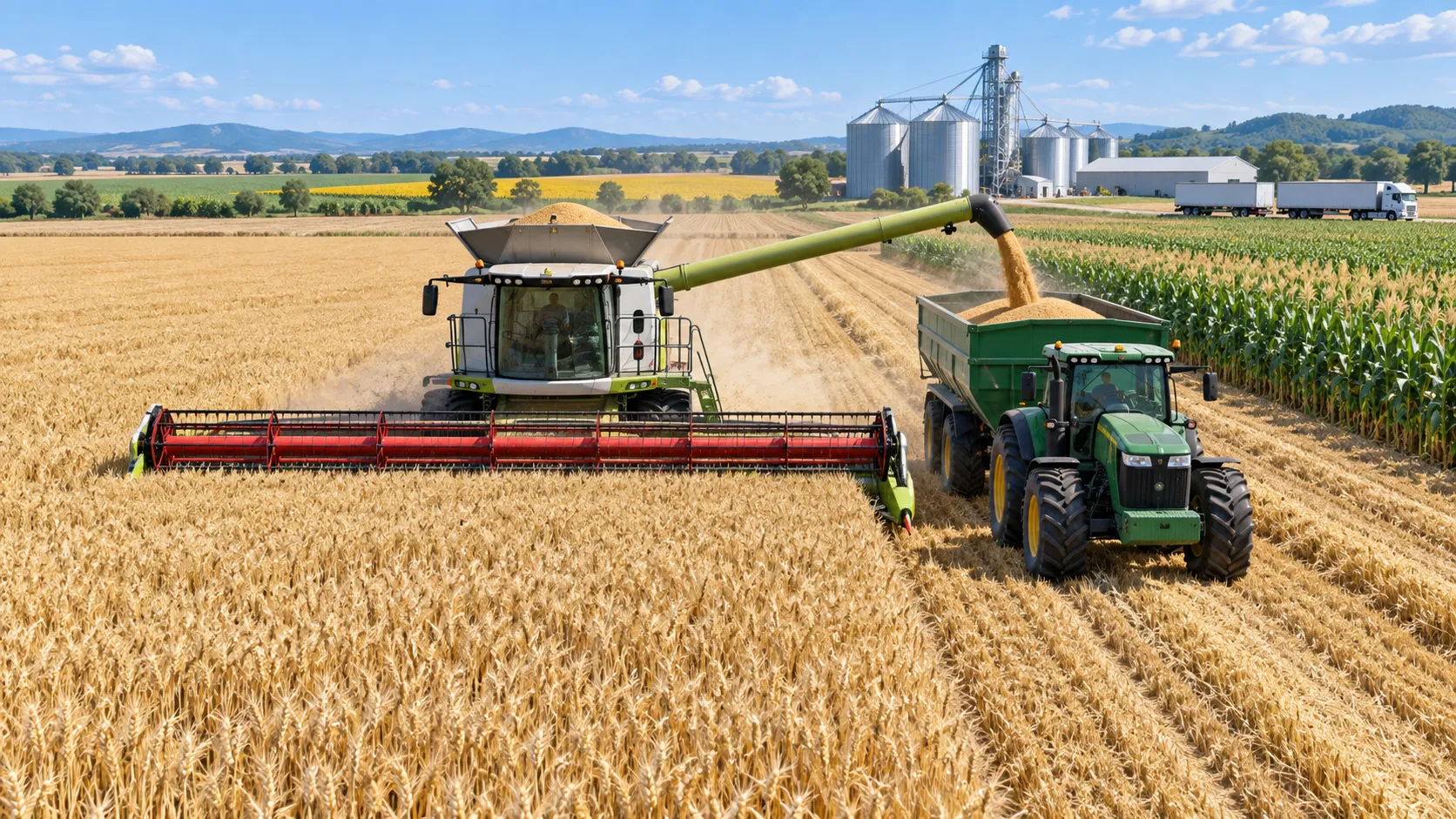
Selecting Grain Farm Equipment by Acreage, Crop Mix, and Harvest Window
Agricultural equipment selection for grain farming: match machinery to acreage, crop mix, and harvest windows to improve uptime, efficiency, and returns.
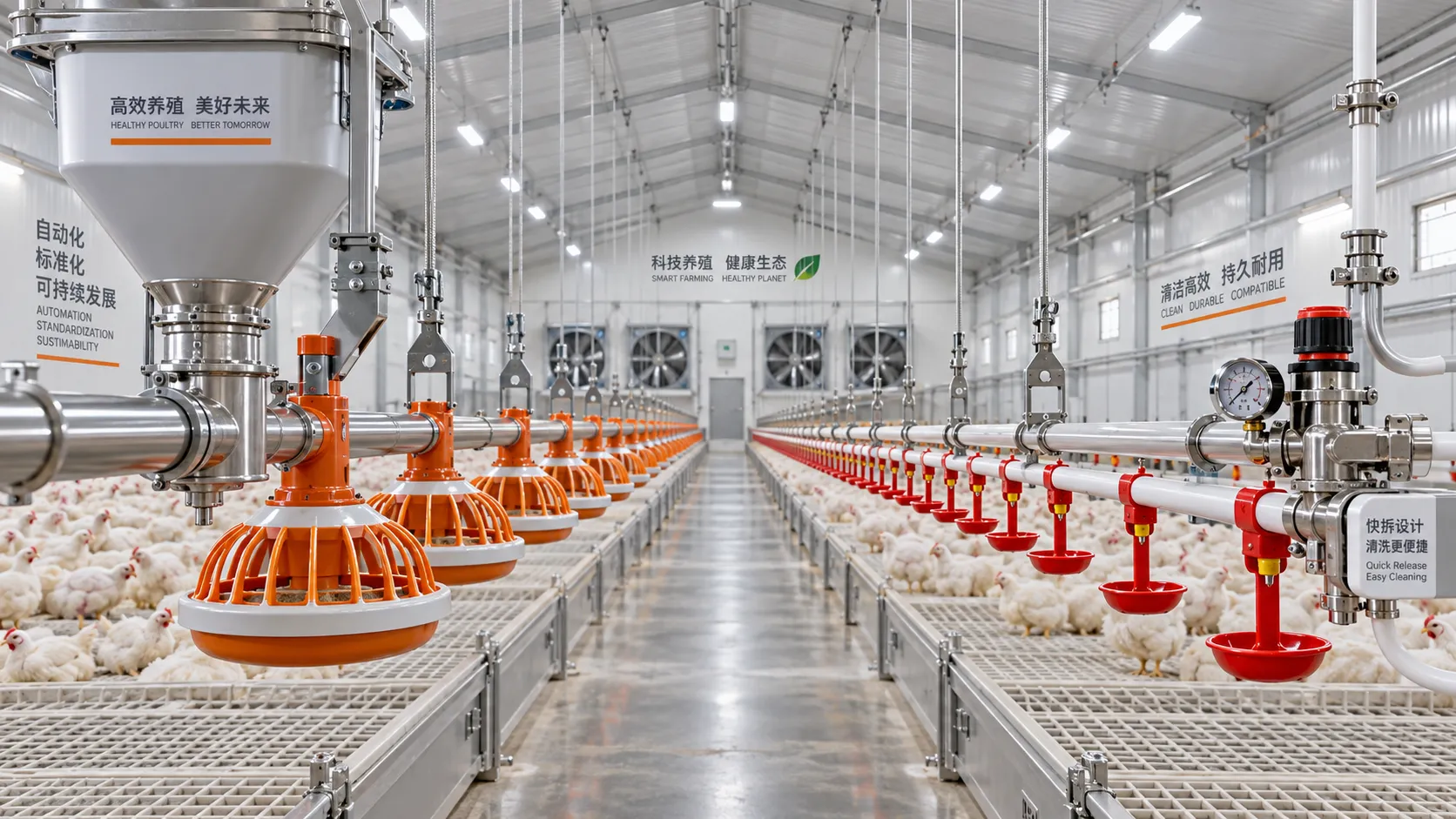
Poultry Equipment Selection: Evaluating Durability, Cleaning, and Compatibility
Poultry equipments selection guide: evaluate durability, cleaning access, and system compatibility to improve hygiene, reduce downtime, and support efficient flock management.
How to Select Heavy-Duty Farm Implements for High-Acreage, High-Horsepower Operations
Heavy duty farm implements: learn how to match draft, hydraulics, hitch capacity, frame strength, and field conditions for reliable high-acreage performance.
Smart Farming Technology for Dairy Farms: Where Automation Delivers Measurable ROI
Smart farming technology for dairy farms delivers measurable ROI through automation, precision feeding, health monitoring, and data-driven cost control.
How to Select a Heavy-Duty Seeder for Large Acreage and High-Residue Fields
Heavy duty seeders for large acreage: compare residue handling, depth control, downforce, metering accuracy, and precision features to select the right model.
Related News
- 00
0000-00
How to Select a Heavy-Duty Seeder for Large Acreage and High-Residue Fields - 00
0000-00
How to Match Large-Scale Farm Equipment Working Width to Field Size and Crop Rows - 00
0000-00
Farm Implements for Seeding: How to Match Seeders to Crop Type and Soil Conditions - 00
0000-00
Ningjin Farm Machinery Cluster Strengthens Export Delivery - 00
0000-00
Ningxia Subsidy Plan Sets New Seeder Benchmarks
Popular Tags
Agri-Mechanization Fellow
Weekly Insights
Stay ahead with our curated technology reports delivered every Monday.