
CBP Expands Review of Agricultural Smart Devices Under HTS 8432.80





U.S. Customs and Border Protection (CBP) issued an industry advisory notice on May 10, 2026, announcing enhanced scrutiny for GPS-guided seeders and planters classified under HTS code 8432.80. The move directly affects agricultural equipment importers, precision farming technology suppliers, and cross-border logistics providers—particularly those handling hardware integrating GNSS radio-frequency front-end components or AI-based path-planning algorithms. This policy shift extends average customs clearance time from 5 days to 12–18 days and introduces new compliance requirements, making it a material operational consideration for stakeholders in agri-tech trade.
Event Overview
On May 10, 2026, CBP distributed an official industry advisory to U.S. importers, effective immediately, mandating intensified origin verification and technical compliance review for goods under Harmonized Tariff Schedule (HTS) subheading 8432.80 — specifically covering GPS-guided seeders and planters. The review focuses on two key elements: (1) presence of GNSS radio-frequency front-end chips subject to the Export Administration Regulations (EAR), and (2) embedded AI-driven path-planning algorithms. As a result, average customs clearance duration has increased from 5 days to 12–18 days; certain shipments now require submission of a Bureau of Industry and Security (BIS) license prior to release.
Which Subsectors Are Affected
Direct Trading Enterprises
Importers and distributors specializing in precision planting equipment face immediate operational impact. Because HTS 8432.80 is narrowly defined, companies importing GPS-guided seeders or planters—even as complete units—must now verify component-level EAR status and prepare for extended dwell times at port. Delays affect order fulfillment cycles, inventory planning, and contractual delivery commitments.
Component Sourcing & Procurement Firms
Firms sourcing GNSS RF front-end chips or AI software modules for integration into planting systems must assess whether their supply chain triggers EAR jurisdiction. If imported chips originate from non-U.S. manufacturers using U.S.-origin design tools or IP, re-export controls may apply—even when the final assembled unit is shipped to the U.S. This adds traceability and documentation burdens upstream.
Manufacturers Integrating AI or GNSS Hardware
OEMs and contract manufacturers embedding AI path-planning logic or GNSS chipsets into seeding platforms must now validate export classification of both hardware and firmware. CBP’s focus on algorithmic functionality implies that software updates delivered post-import may also fall under review if they introduce EAR-controlled capabilities—raising questions about ongoing compliance beyond initial entry.
Supply Chain & Customs Brokerage Providers
Third-party logistics providers and licensed customs brokers handling HTS 8432.80 entries must adjust documentation workflows to include EAR eligibility statements, BIS license pre-clearance checks, and expanded origin affidavits. Failure to flag EAR-controlled components at entry may result in shipment holds, penalties, or referral to BIS for enforcement review.
What Relevant Enterprises or Practitioners Should Monitor and Do Now
Track official guidance updates from CBP and BIS
The May 10 advisory is a notice—not a formal rulemaking. CBP has not yet published revised instructions in the Customs Bulletin and Decisions or updated the HTS database notes for 8432.80. Stakeholders should monitor Federal Register notices and CBP’s official communications for clarifications on scope (e.g., whether retrofit kits or software-only upgrades are included) and procedural thresholds (e.g., de minimis U.S. content thresholds).
Map HTS 8432.80 SKUs against EAR-controlled components and functions
Enterprises should conduct a targeted technical assessment of all products classified under HTS 8432.80, focusing specifically on: (a) GNSS chipset models and their ECCN classifications; (b) whether onboard AI path-planning relies on EAR-controlled training data, models, or inference frameworks; and (c) whether firmware update mechanisms introduce new controlled functionality post-entry.
Distinguish between policy signaling and enforceable requirements
This advisory signals heightened CBP attention to dual-use features in agricultural automation—but does not establish new licensing mandates for end-use importers absent EAR-controlled items. For example, a seeder using commercially available GPS modules without U.S.-origin RF design or proprietary AI logic may remain outside BIS license requirements. Clarity hinges on technical substantiation, not product category alone.
Adjust procurement lead times, buffer inventory, and align with brokers early
Given the 12–18 day clearance window, importers should revise landed cost models and safety stock levels. Proactive coordination with customs brokers—including advance submission of technical specifications and EAR self-classification memos—is recommended to avoid last-minute delays or requests for supplemental information.
Editorial Perspective / Industry Observation
Observably, this action reflects CBP’s broader pivot toward functional, rather than purely tariff-based, classification review—especially where civil agricultural equipment incorporates technologies with national security relevance (e.g., high-precision GNSS, autonomous navigation). Analysis shows the directive is less about broad export control expansion and more about enforcing existing EAR obligations at the point of U.S. entry. It functions primarily as a compliance signal: CBP is now treating certain smart farming devices as potential vectors for controlled technology transfer, regardless of end-use intent. From an industry standpoint, this marks the beginning—not the endpoint—of regulatory engagement. Continued monitoring is warranted because CBP’s interpretation of ‘AI path-planning’ or ‘GNSS RF front-end’ remains undefined in public guidance, leaving room for case-by-case enforcement divergence.
Consequently, this development is best understood as an operational alert with strategic implications—not an isolated customs procedure change. Its significance lies in how it reshapes due diligence expectations across the agricultural technology import lifecycle.
Conclusion
This CBP advisory underscores that regulatory oversight of precision agriculture hardware is evolving beyond traditional tariff administration into technical compliance territory. For affected enterprises, the immediate priority is not speculation about future rules, but precise mapping of current products against EAR criteria and proactive alignment with customs representatives. The situation remains fluid: while clearance delays are already occurring, formal regulatory definitions and enforcement parameters have yet to be codified. Therefore, this notice is more accurately interpreted as a warning to strengthen internal technical compliance capacity—not as a finalized regulatory framework.
Source Attribution
Main source: U.S. Customs and Border Protection (CBP) Industry Advisory Notice, issued May 10, 2026.
Additional context drawn exclusively from publicly stated scope, timing, and procedural impacts outlined in the advisory.
Note: CBP’s detailed implementation protocols, including criteria for BIS license determination and definitions of ‘AI path-planning algorithm’ or ‘GNSS RF front-end’, remain pending formal publication and are subject to ongoing observation.
Related News

When Does Agricultural Machinery Leasing Cost Less Than Owning Equipment?
Agricultural machinery leasing can lower farm costs when use is seasonal or uncertain. Compare utilization, maintenance, cash flow, and risk to make a smarter equipment decision.

How to Evaluate Precision Fertilization System Suppliers for Farm-Scale Deployment
Precision fertilization systems suppliers: learn how to compare accuracy, integration, uptime, service, and total cost for confident farm-scale deployment.

ISOBUS for Smart Agriculture: How It Connects Tractors, Implements, and Farm Data
ISOBUS for smart agriculture connects tractors, implements, terminals, and farm data—helping growers improve precision, documentation, and smarter field decisions.
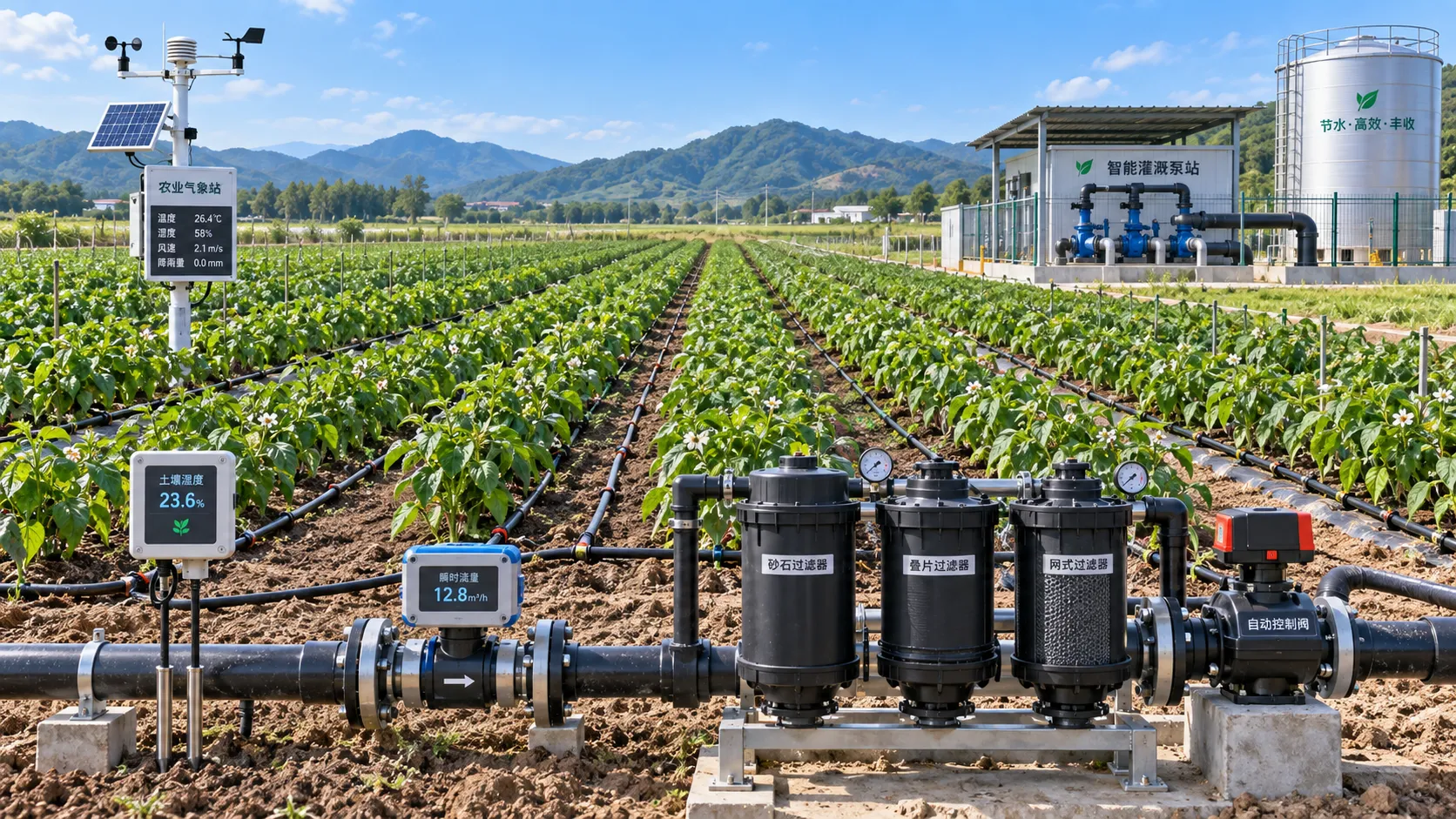
Automated Water-Saving Irrigation: How to Cut Water Use Without Reducing Crop Yields
Automated water-saving irrigation helps farms cut water use, protect crop yields, improve scheduling, and gain reliable control with sensors, flow monitoring, and smart zones.

Selecting Grain Farm Equipment by Acreage, Crop Mix, and Harvest Window
Agricultural equipment selection for grain farming: match machinery to acreage, crop mix, and harvest windows to improve uptime, efficiency, and returns.
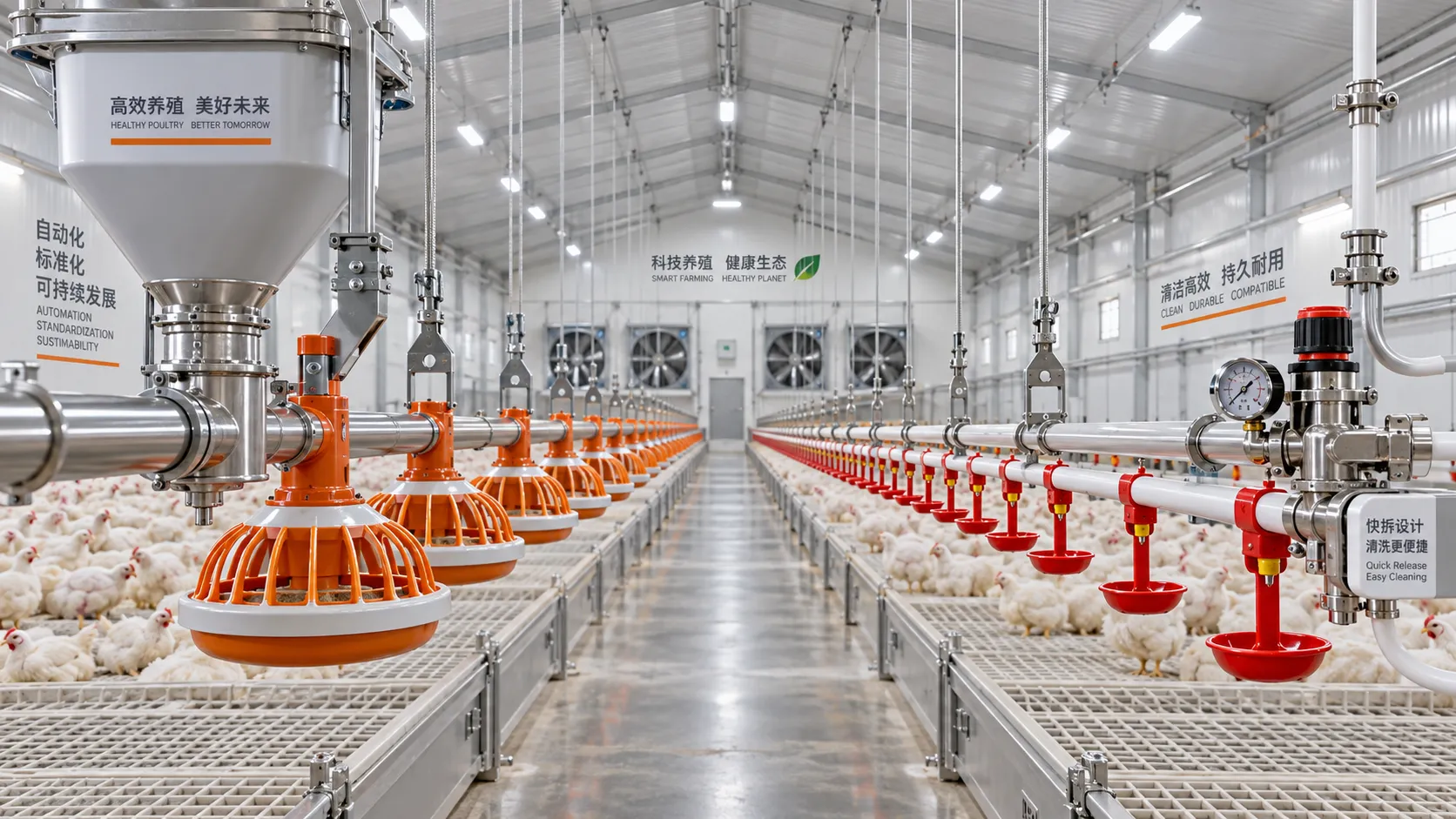
Poultry Equipment Selection: Evaluating Durability, Cleaning, and Compatibility
Poultry equipments selection guide: evaluate durability, cleaning access, and system compatibility to improve hygiene, reduce downtime, and support efficient flock management.

How to Select Heavy-Duty Farm Implements for High-Acreage, High-Horsepower Operations
Heavy duty farm implements: learn how to match draft, hydraulics, hitch capacity, frame strength, and field conditions for reliable high-acreage performance.
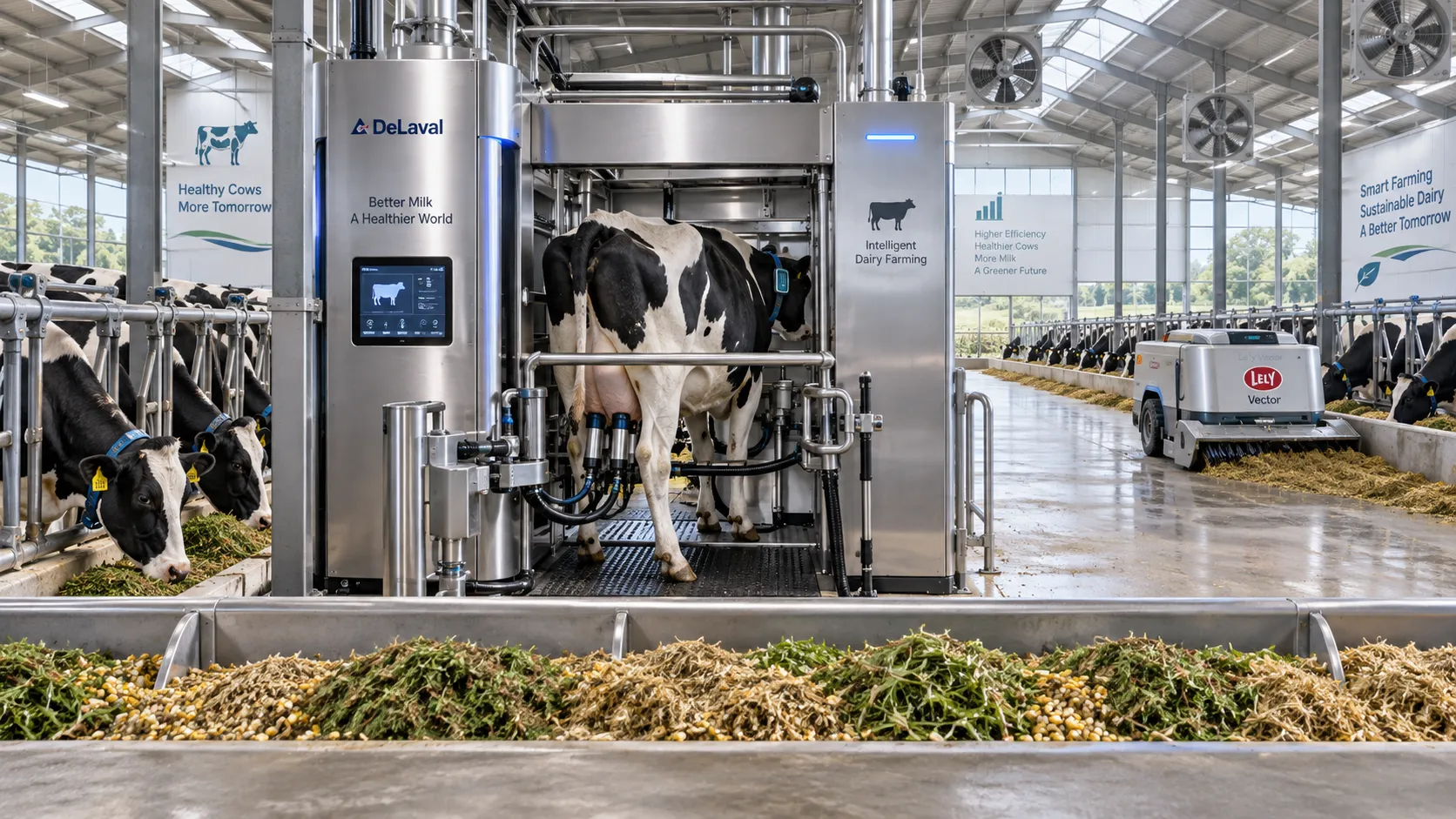
Smart Farming Technology for Dairy Farms: Where Automation Delivers Measurable ROI
Smart farming technology for dairy farms delivers measurable ROI through automation, precision feeding, health monitoring, and data-driven cost control.

How to Select a Heavy-Duty Seeder for Large Acreage and High-Residue Fields
Heavy duty seeders for large acreage: compare residue handling, depth control, downforce, metering accuracy, and precision features to select the right model.
Related News
- 00
0000-00
How to Select a Heavy-Duty Seeder for Large Acreage and High-Residue Fields - 00
0000-00
How to Match Large-Scale Farm Equipment Working Width to Field Size and Crop Rows - 00
0000-00
Farm Implements for Seeding: How to Match Seeders to Crop Type and Soil Conditions - 00
0000-00
Ningjin Farm Machinery Cluster Strengthens Export Delivery - 00
0000-00
Ningxia Subsidy Plan Sets New Seeder Benchmarks
Popular Tags
Agri-Mechanization Fellow
Weekly Insights
Stay ahead with our curated technology reports delivered every Monday.