
CBP Expands HTS Review for Agri-Intelligent Equipment
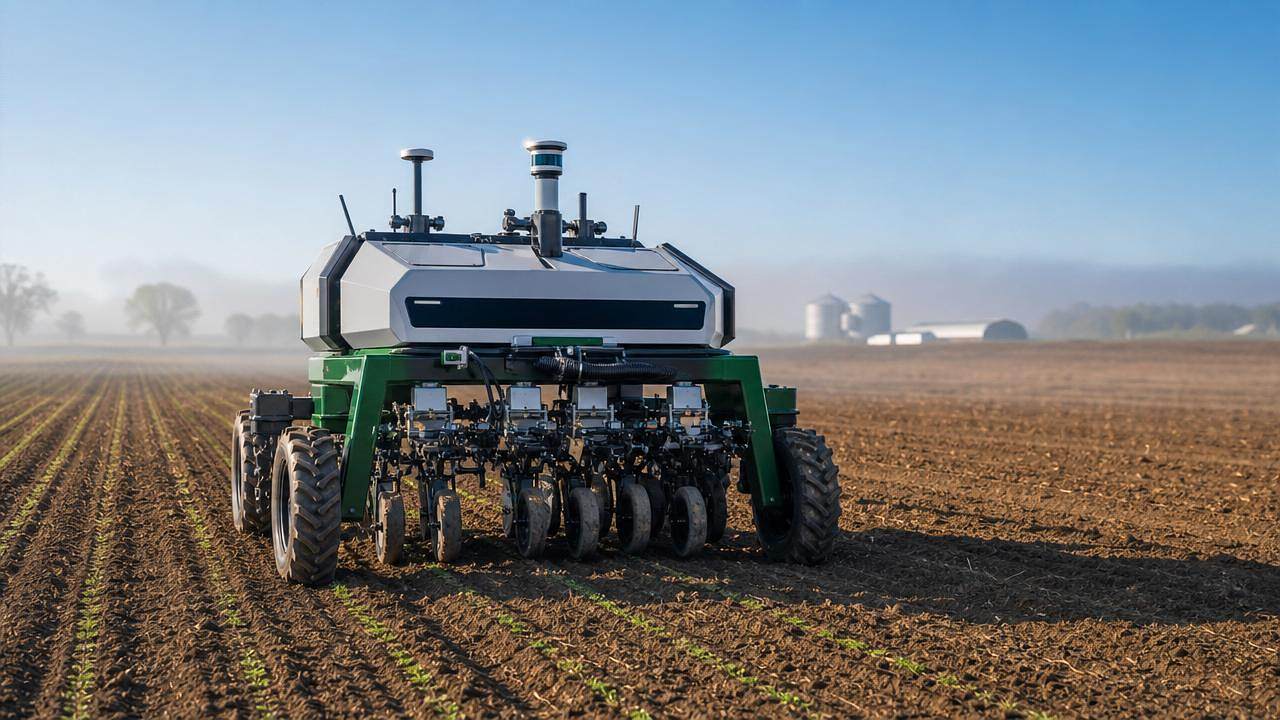




On May 8, 2026, U.S. Customs and Border Protection (CBP) issued an internal operational memorandum expanding scrutiny of HTS code 8432.80 (intelligent seeding and transplanting equipment) under its newly designated ‘High-Attention Agricultural AI Terminals’ review list. This development directly affects exporters of GPS-guided seeders and planters—particularly those based in China—and signals heightened compliance expectations for agricultural AI hardware entering the U.S. market. Stakeholders in precision agriculture equipment manufacturing, cross-border trade logistics, and agri-tech supply chain management should monitor this closely, as it marks a material shift in customs clearance protocols with measurable operational impact.
Event Overview
On May 8, 2026, CBP distributed an internal operational memorandum to major U.S. ports, adding HTS code 8432.80 to its ‘High-Attention Agricultural AI Terminals’ review list. The updated requirements include mandatory AI algorithm registration, submission of a local data storage declaration, and verification of Battery Management System (BMS) compatibility. As a result, average customs clearance time for Chinese-made seeders and planters at U.S. East Coast and West Coast ports has increased from five days to 12–18 days. Some shipments have been rejected and returned due to missing over-the-air (OTA) firmware update logs.
Industries Affected by Segment
Direct Exporters and Trading Companies
Exporters of GPS-guided seeding and transplanting equipment face extended clearance timelines and higher risk of shipment rejection. The new requirements apply specifically to HTS 8432.80—meaning companies shipping under this code must now prepare additional technical documentation prior to arrival. Delays directly affect order fulfillment cycles, inventory planning, and contractual penalty exposure.
Manufacturers and OEMs
Original equipment manufacturers—especially those producing or integrating AI-driven guidance systems into planting machinery—are impacted upstream. Compliance now requires traceable OTA logging capabilities, BMS interoperability testing, and formal documentation of AI logic architecture. Absence of these features may restrict market access even if hardware meets mechanical specifications.
Supply Chain and Logistics Service Providers
Freight forwarders, customs brokers, and third-party logistics providers handling agricultural machinery imports must adjust pre-arrival documentation workflows. The need to verify AI algorithm registration status, data residency statements, and BMS validation reports adds new checkpoints before cargo release—potentially increasing administrative overhead and coordination complexity across U.S. port operations.
Key Focus Areas and Recommended Actions for Affected Businesses
Monitor Official CBP Guidance and Port-Specific Implementation
CBP’s internal memorandum is not yet publicly published; implementation details may vary across ports. Companies should track official CBP notices, engage licensed customs brokers with agricultural equipment experience, and request written confirmation of required submissions for each shipment.
Validate Technical Documentation Against New Requirements
For all shipments under HTS 8432.80, confirm availability of: (1) a signed AI algorithm registration summary; (2) a formal statement affirming local data storage configuration (e.g., on-device only, no cloud transmission); and (3) test reports verifying BMS compatibility with standard U.S. battery safety protocols. OTA update logs must cover the full deployment history—not just the latest version.
Distinguish Between Policy Signal and Operational Reality
This action reflects a targeted expansion of existing agricultural technology oversight—not a broad-based tariff or ban. It applies exclusively to intelligent seeding and transplanting devices classified under HTS 8432.80. Other agricultural machinery (e.g., conventional tillage or harvesting equipment) remains unaffected unless separately added to future review lists.
Adjust Lead Times and Contingency Planning Now
Given the confirmed increase in average clearance duration (12–18 days), importers should revise landed cost models, extend procurement lead times, and coordinate with U.S. distribution partners to buffer inventory against extended dwell time. For time-sensitive seasonal deployments, consider pre-clearance documentation submission and priority processing requests where available.
Editorial Perspective / Industry Observation
Observably, this move represents a procedural escalation rather than a policy pivot: CBP is applying existing statutory authority—particularly under the Agricultural Improvement Act and AI-related executive orders—to a narrowly defined product category. Analysis shows that the focus on OTA logs, local data storage, and BMS compatibility suggests alignment with broader U.S. regulatory trends around device security, data sovereignty, and functional safety in embedded AI systems. From an industry perspective, this is less a one-off enforcement action and more an early indicator of how agricultural AI hardware may be treated in future customs and market access frameworks. It is currently best understood as a signal—not yet a fully matured regime—but one requiring immediate operational attention.
The significance lies not in scale but in specificity: CBP has identified a precise HTS code, named concrete technical criteria, and demonstrated enforcement consequences (e.g., return of noncompliant shipments). That level of granularity implies institutional capacity to scale similar reviews to adjacent categories—such as AI-powered harvest monitors (HTS 8479.89) or autonomous weeding platforms—if precedent holds. Continued observation is warranted, particularly for updates to CBP’s Automated Commercial Environment (ACE) system and any forthcoming public FAQs or stakeholder briefings.
Current understanding should emphasize practical consequence over speculation: this is a documented change in clearance protocol with measurable impact on timing, documentation burden, and technical design expectations. It does not reflect a shift in tariff treatment or classification rules—but it does require demonstrable compliance at the device level, not just the shipment level.
Information Source: U.S. Customs and Border Protection (CBP) internal operational memorandum dated May 8, 2026; verified through port-level broker advisories and documented clearance delay reports from U.S. East and West Coast facilities. Ongoing monitoring is recommended for CBP public guidance updates, as the memorandum remains internal and subject to refinement during implementation.
Related News

When Does Agricultural Machinery Leasing Cost Less Than Owning Equipment?
Agricultural machinery leasing can lower farm costs when use is seasonal or uncertain. Compare utilization, maintenance, cash flow, and risk to make a smarter equipment decision.
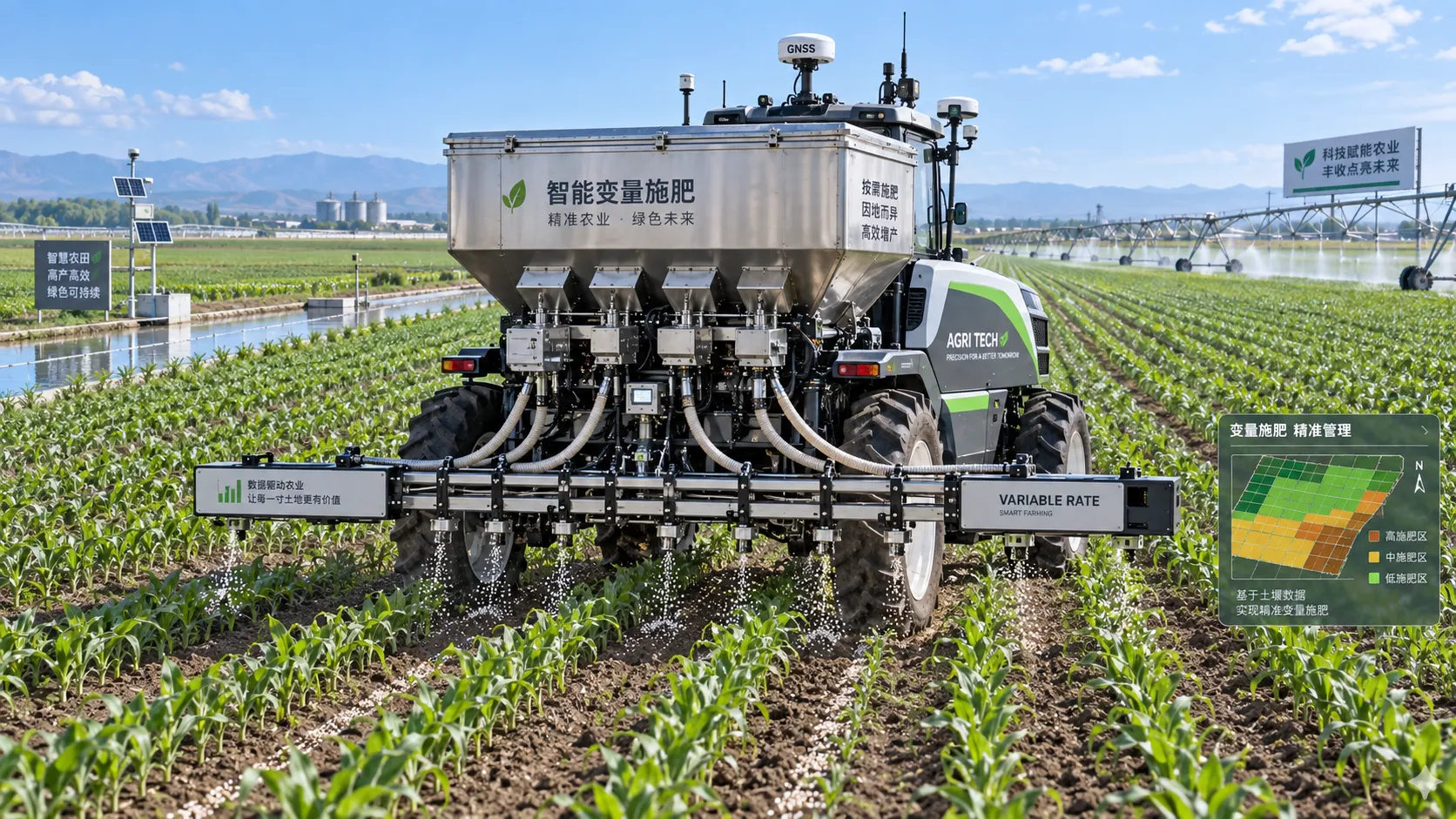
How to Evaluate Precision Fertilization System Suppliers for Farm-Scale Deployment
Precision fertilization systems suppliers: learn how to compare accuracy, integration, uptime, service, and total cost for confident farm-scale deployment.
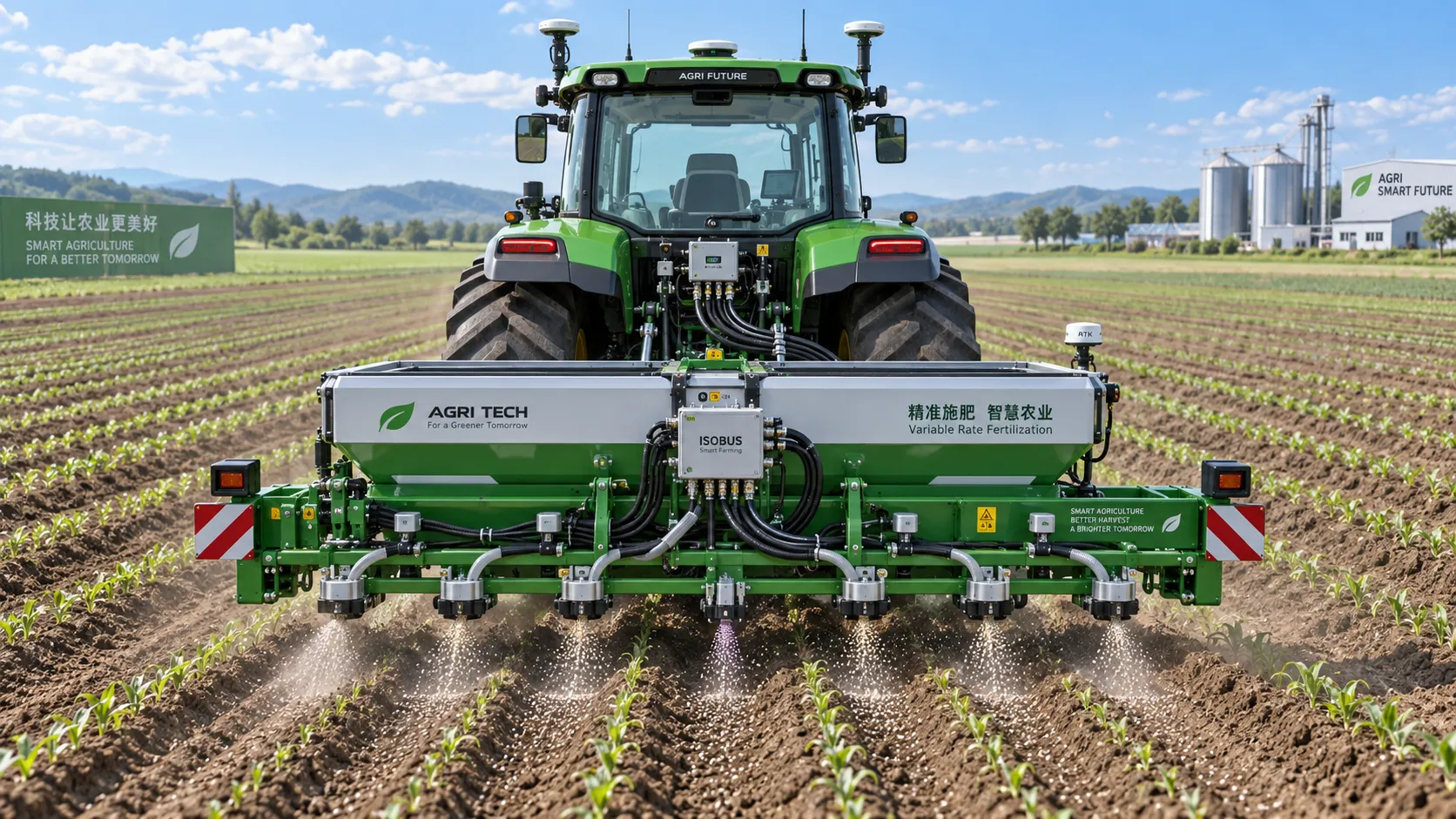
ISOBUS for Smart Agriculture: How It Connects Tractors, Implements, and Farm Data
ISOBUS for smart agriculture connects tractors, implements, terminals, and farm data—helping growers improve precision, documentation, and smarter field decisions.
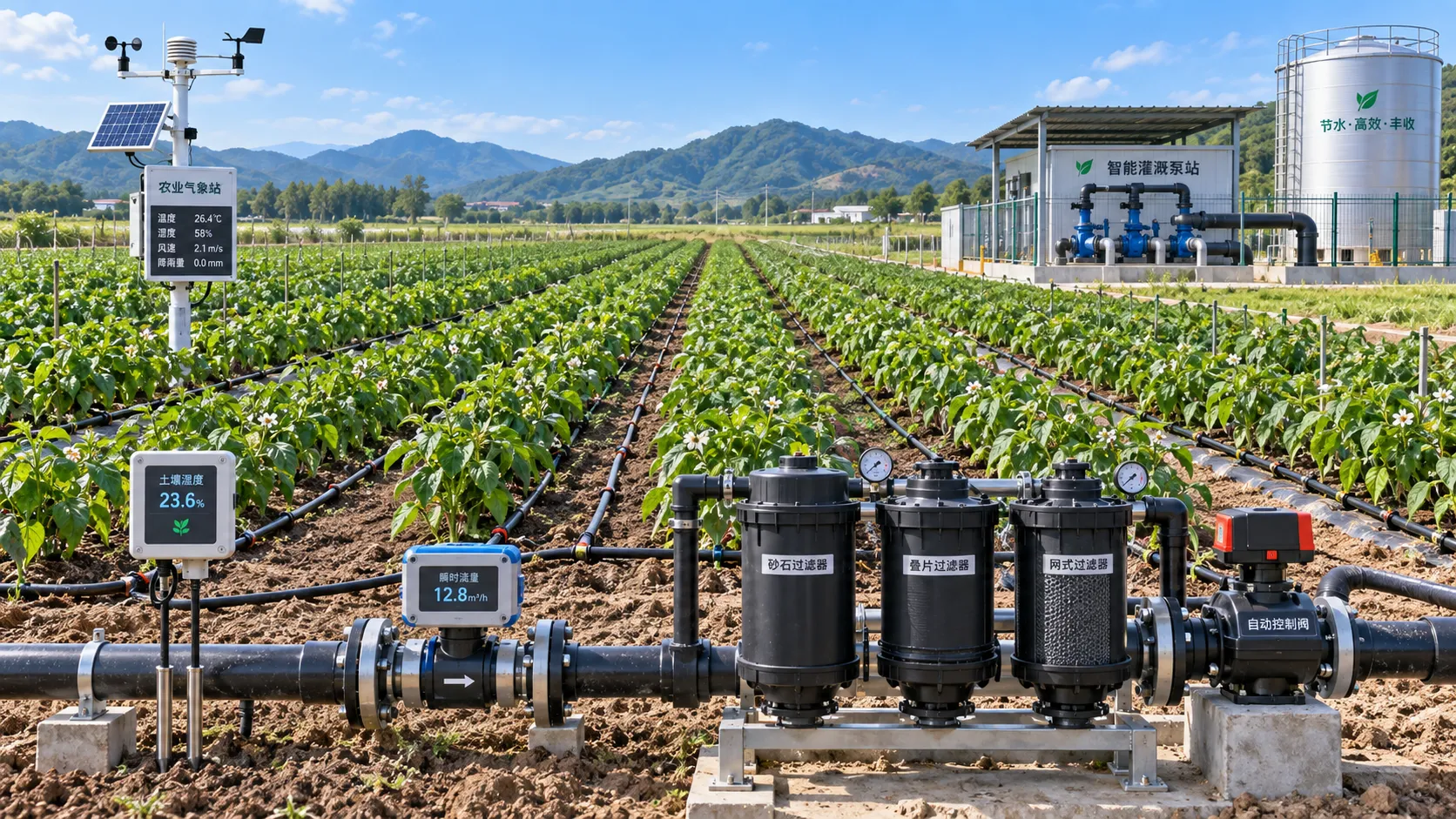
Automated Water-Saving Irrigation: How to Cut Water Use Without Reducing Crop Yields
Automated water-saving irrigation helps farms cut water use, protect crop yields, improve scheduling, and gain reliable control with sensors, flow monitoring, and smart zones.
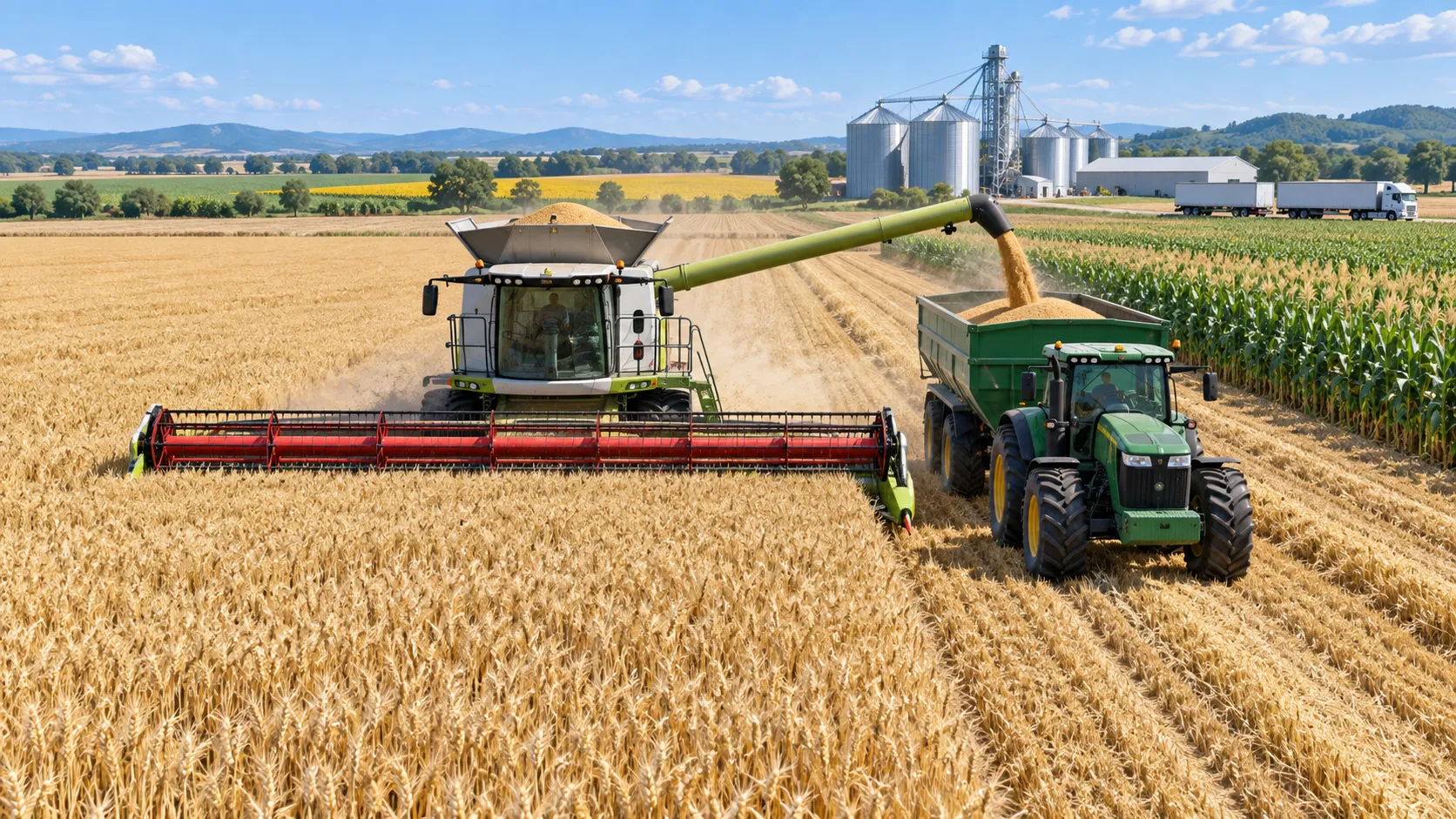
Selecting Grain Farm Equipment by Acreage, Crop Mix, and Harvest Window
Agricultural equipment selection for grain farming: match machinery to acreage, crop mix, and harvest windows to improve uptime, efficiency, and returns.
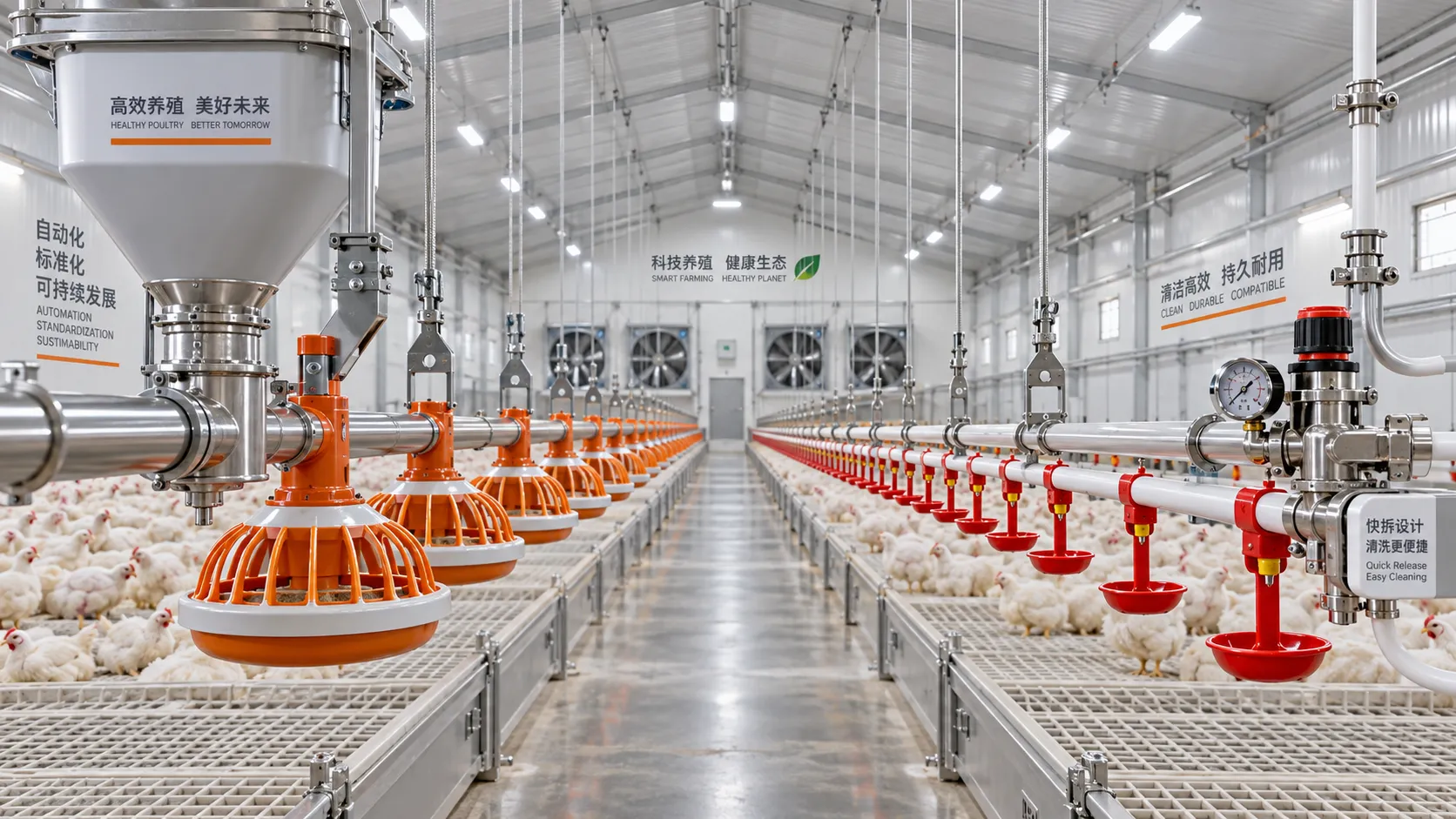
Poultry Equipment Selection: Evaluating Durability, Cleaning, and Compatibility
Poultry equipments selection guide: evaluate durability, cleaning access, and system compatibility to improve hygiene, reduce downtime, and support efficient flock management.
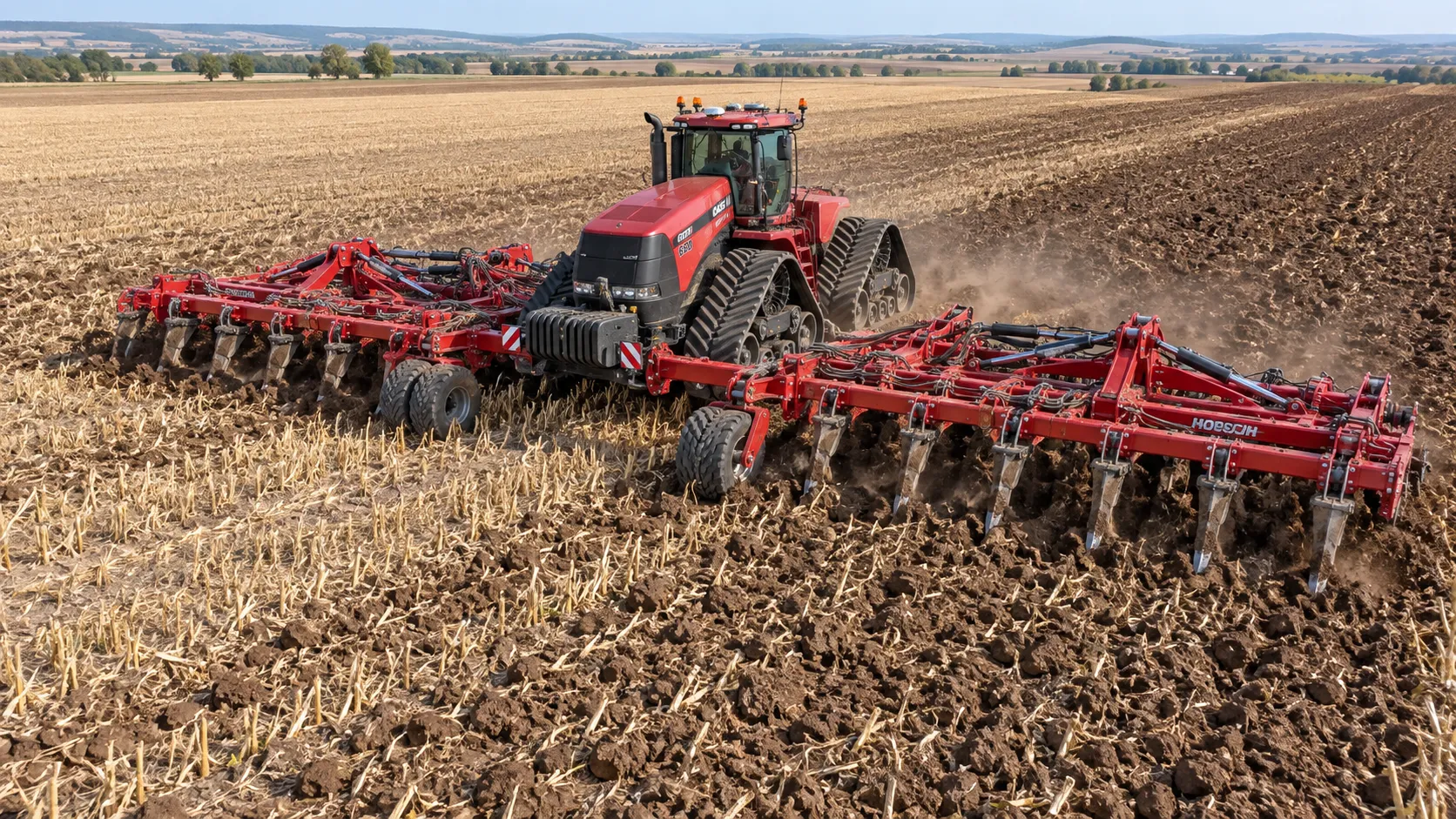
How to Select Heavy-Duty Farm Implements for High-Acreage, High-Horsepower Operations
Heavy duty farm implements: learn how to match draft, hydraulics, hitch capacity, frame strength, and field conditions for reliable high-acreage performance.
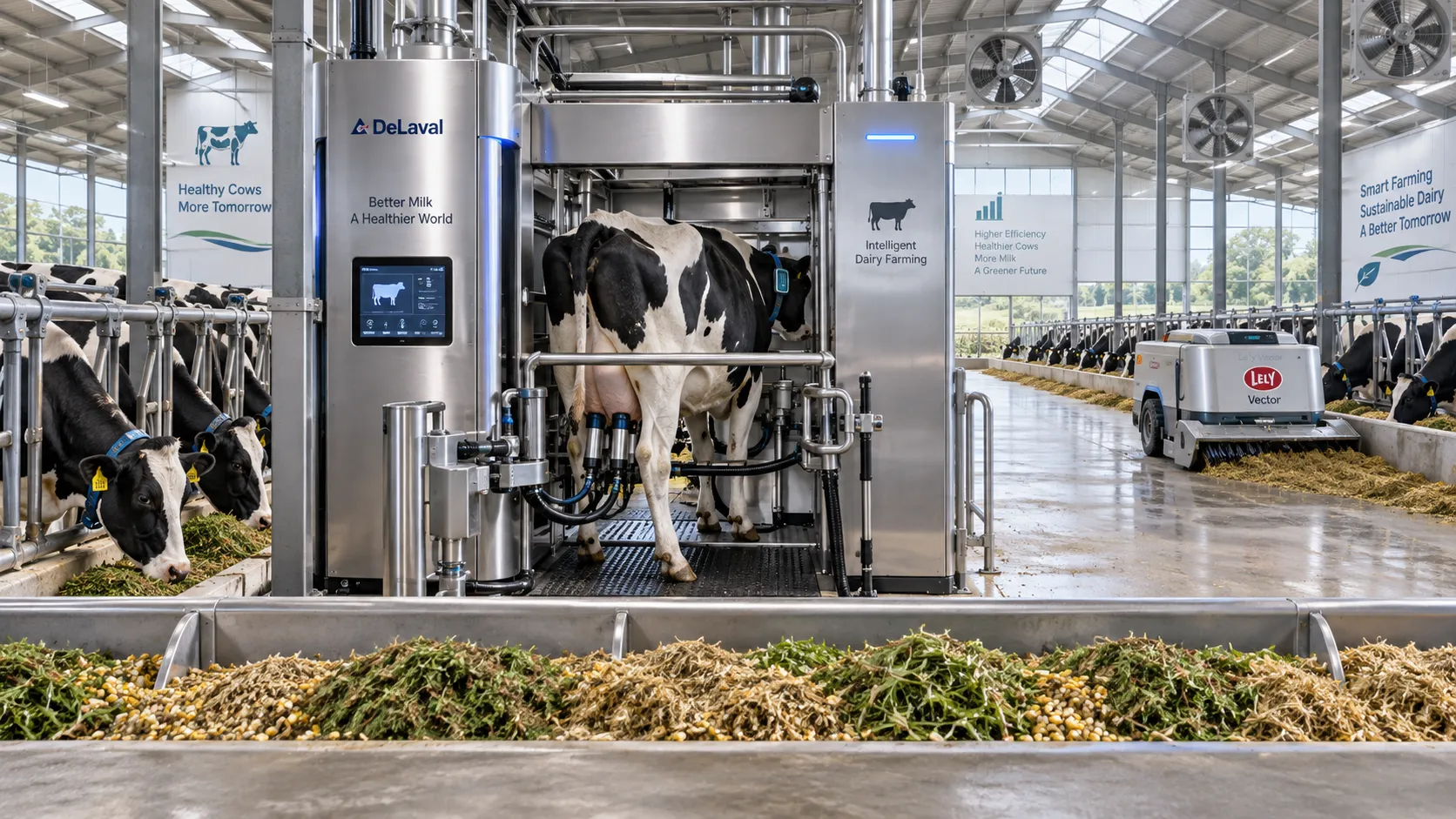
Smart Farming Technology for Dairy Farms: Where Automation Delivers Measurable ROI
Smart farming technology for dairy farms delivers measurable ROI through automation, precision feeding, health monitoring, and data-driven cost control.
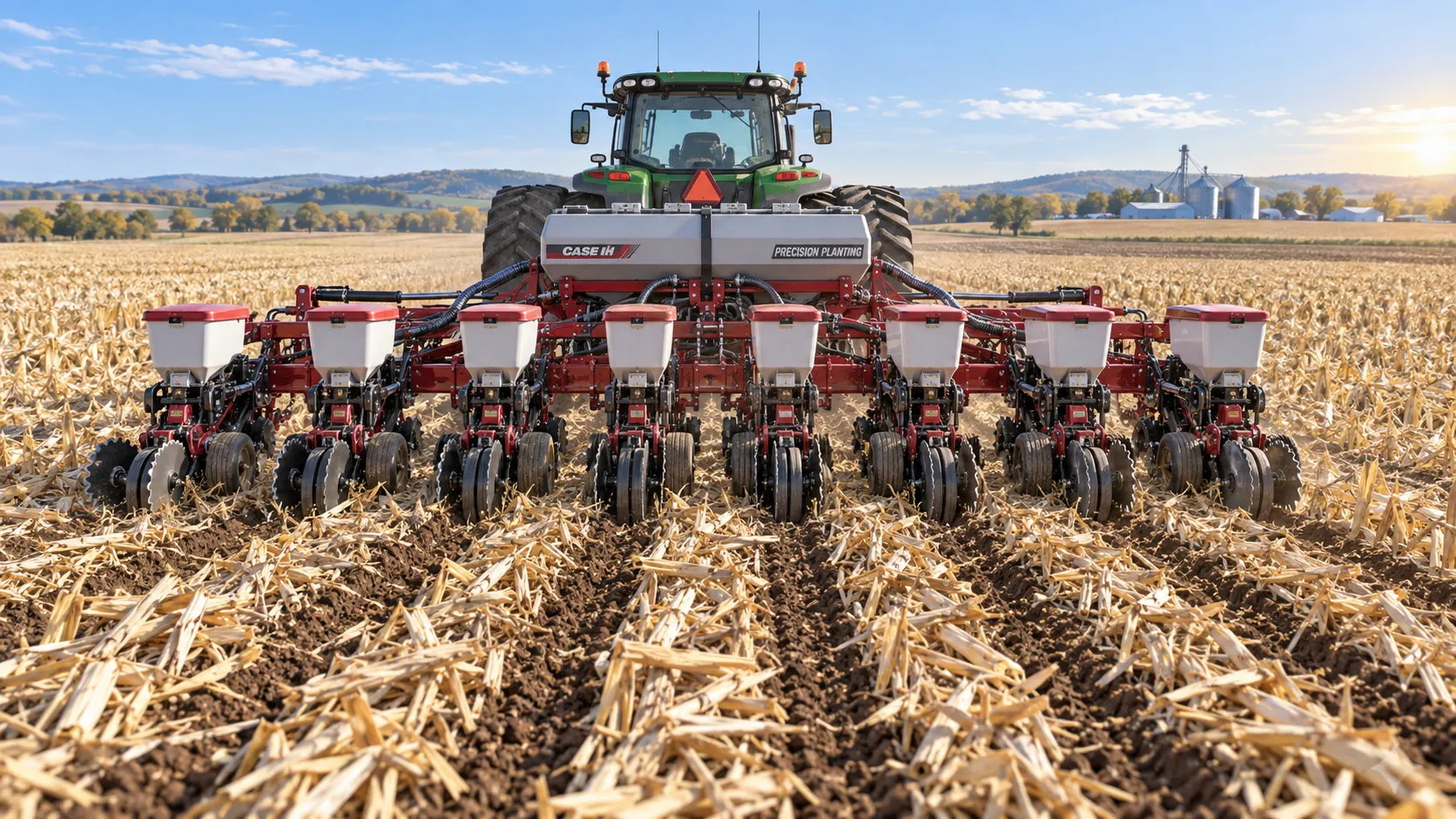
How to Select a Heavy-Duty Seeder for Large Acreage and High-Residue Fields
Heavy duty seeders for large acreage: compare residue handling, depth control, downforce, metering accuracy, and precision features to select the right model.
Related News
- 00
0000-00
How to Select a Heavy-Duty Seeder for Large Acreage and High-Residue Fields - 00
0000-00
How to Match Large-Scale Farm Equipment Working Width to Field Size and Crop Rows - 00
0000-00
Farm Implements for Seeding: How to Match Seeders to Crop Type and Soil Conditions - 00
0000-00
Ningjin Farm Machinery Cluster Strengthens Export Delivery - 00
0000-00
Ningxia Subsidy Plan Sets New Seeder Benchmarks
Popular Tags
Agri-Mechanization Fellow
Weekly Insights
Stay ahead with our curated technology reports delivered every Monday.