
How agricultural environmental policies affect irrigation plans
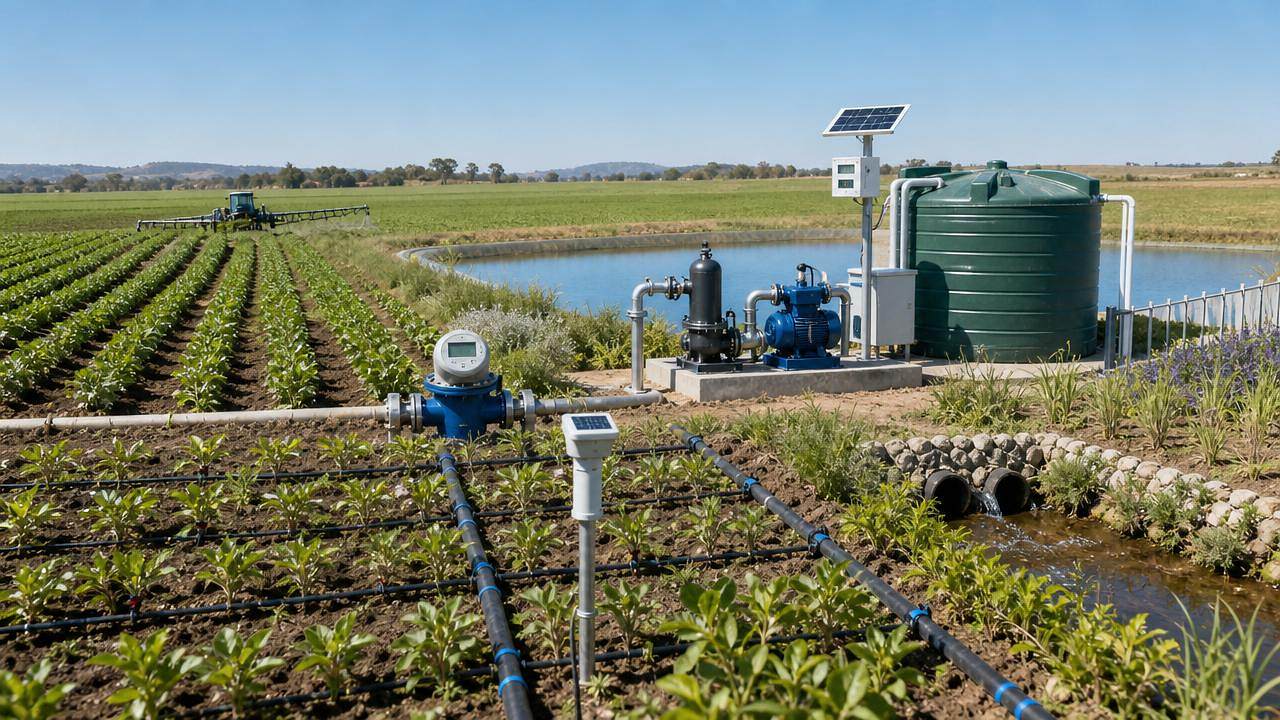




Agricultural environmental policies are reshaping how irrigation projects are planned, funded, and executed. For engineering teams, these rules now influence water sourcing, energy choice, digital monitoring, and asset life-cycle planning. In the Agriculture 4.0 era, irrigation is no longer only a hydraulic design issue. It is also a compliance, sustainability, and data-governance issue. Understanding how agricultural environmental policies affect irrigation plans helps organizations protect yields while meeting stricter standards on water efficiency, emissions, and ecosystem impact.
Why agricultural environmental policies now sit at the center of irrigation planning
The policy environment has changed quickly across major agricultural regions. Water scarcity, aquifer depletion, nutrient runoff, and climate volatility have pushed governments toward tighter oversight. As a result, agricultural environmental policies increasingly shape the earliest planning assumptions.
In many markets, irrigation plans must now address extraction permits, soil salinity control, drainage quality, habitat protection, and energy efficiency at the same time. A project that once focused on pump size and pipe layout must now prove environmental fit.
This shift matters across the broader agri-equipment ecosystem. Intelligent irrigation networks connect with tractors, field sensors, satellite guidance, and farm management software. That means agricultural environmental policies affect not only water use, but also equipment interoperability and digital reporting demands.
The strongest trend signals behind policy-driven irrigation decisions
Several signals show why policy pressure is becoming a decisive variable in irrigation planning. These signals appear in developed and emerging agricultural markets alike.
- Water allocation rules are becoming stricter in drought-prone basins.
- Environmental audits increasingly require metering, traceability, and digital records.
- Public funding is often tied to measurable water-saving performance.
- Carbon and energy targets are pushing lower-pressure and smarter pumping systems.
- Nutrient runoff controls are encouraging more precise fertigation strategies.
- Climate adaptation plans are prioritizing resilient irrigation infrastructure.
Together, these signals explain why agricultural environmental policies are no longer a late-stage checklist. They are a front-end planning framework that affects design logic, equipment selection, and project economics.
How agricultural environmental policies translate into practical design constraints
Policy language often seems abstract. However, its operational impact on irrigation plans is concrete. Teams usually face a combination of technical, financial, and reporting requirements.
This is where intelligent irrigation systems gain strategic value. Policy compliance becomes easier when flow data, soil moisture, and weather-driven scheduling are integrated into one decision framework.
The main forces driving tighter agricultural environmental policies
The rise of agricultural environmental policies is not random. It comes from a mix of environmental stress, public accountability, and technology maturity.
- Climate variability is making water supply less predictable.
- Groundwater depletion is forcing stricter regional allocation systems.
- Food security planning now links productivity with resource efficiency.
- Remote sensing makes non-compliant water use easier to detect.
- Investors and lenders increasingly review environmental risk exposure.
- Digital irrigation tools have raised expectations for measurable efficiency.
In short, agricultural environmental policies are becoming stricter because governments now have both the incentive and the technical ability to enforce better water outcomes.
Where irrigation plans feel the impact first
Water source strategy changes earlier than many expect
Source selection is often the first affected decision. Surface water access, groundwater rights, recycled water options, and on-farm storage must be compared under current and future policy conditions.
An irrigation plan based on unrestricted pumping may quickly become unviable. Agricultural environmental policies can reduce licensed volume, limit seasonal timing, or require additional ecological safeguards.
Equipment specification becomes a compliance decision
Technology choice now extends beyond agronomic performance. Drip systems, center pivots, pressure regulators, filtration units, and pump controllers may be selected partly for policy alignment.
For example, lower-pressure systems can reduce energy use. Sensor-driven scheduling can document savings. Fertigation controls can support runoff reduction goals. These features help irrigation plans meet agricultural environmental policies more effectively.
Project timelines and capital models grow more complex
Permitting, impact assessments, and reporting requirements can lengthen project schedules. At the same time, subsidy programs may improve project economics if a plan demonstrates water-saving performance.
This creates a new planning balance. Teams must weigh compliance cost against access to grants, resilience benefits, and lower long-term operating expenses.
What organizations should track as agricultural environmental policies evolve
Not every regulation matters equally. The most important task is to focus on policy variables that directly change irrigation performance, cost, or legal exposure.
- Water allocation trends by basin, district, and crop season.
- Metering, telemetry, and audit requirements for abstraction points.
- Runoff, salinity, and nutrient discharge thresholds.
- Energy pricing and emissions rules affecting pump operations.
- Funding programs for smart irrigation and water recycling.
- Local restrictions on land reshaping, drainage channels, or reservoirs.
- Data ownership and interoperability standards for digital systems.
Tracking these signals supports better equipment planning across the wider Agriculture 4.0 environment. It also helps align irrigation with field operations, machinery uptime, and seasonal yield objectives.
A practical response framework for policy-aware irrigation planning
A useful response does not start with panic. It starts with structured evaluation. The following framework helps turn agricultural environmental policies into manageable planning inputs.
This approach reduces surprises and improves long-term project resilience. It also turns data collection into a strategic asset rather than a reporting burden.
The next judgment: irrigation plans must be resilient, measurable, and adaptable
The most important takeaway is simple. Agricultural environmental policies will continue to tighten, but they will not affect all irrigation plans equally. Systems built for flexibility, measurement, and efficiency will adapt faster.
That means future-ready irrigation should combine hydraulic performance with digital visibility. It should also connect water strategy with machinery planning, field variability, and evolving sustainability targets.
AP-Strategy closely tracks these shifts across intelligent irrigation systems, precision field operations, and the wider agri-equipment landscape. The next practical step is to review current irrigation assumptions against the latest agricultural environmental policies, then identify where monitoring, equipment upgrades, or source diversification can deliver the fastest compliance and productivity gains.
Related News
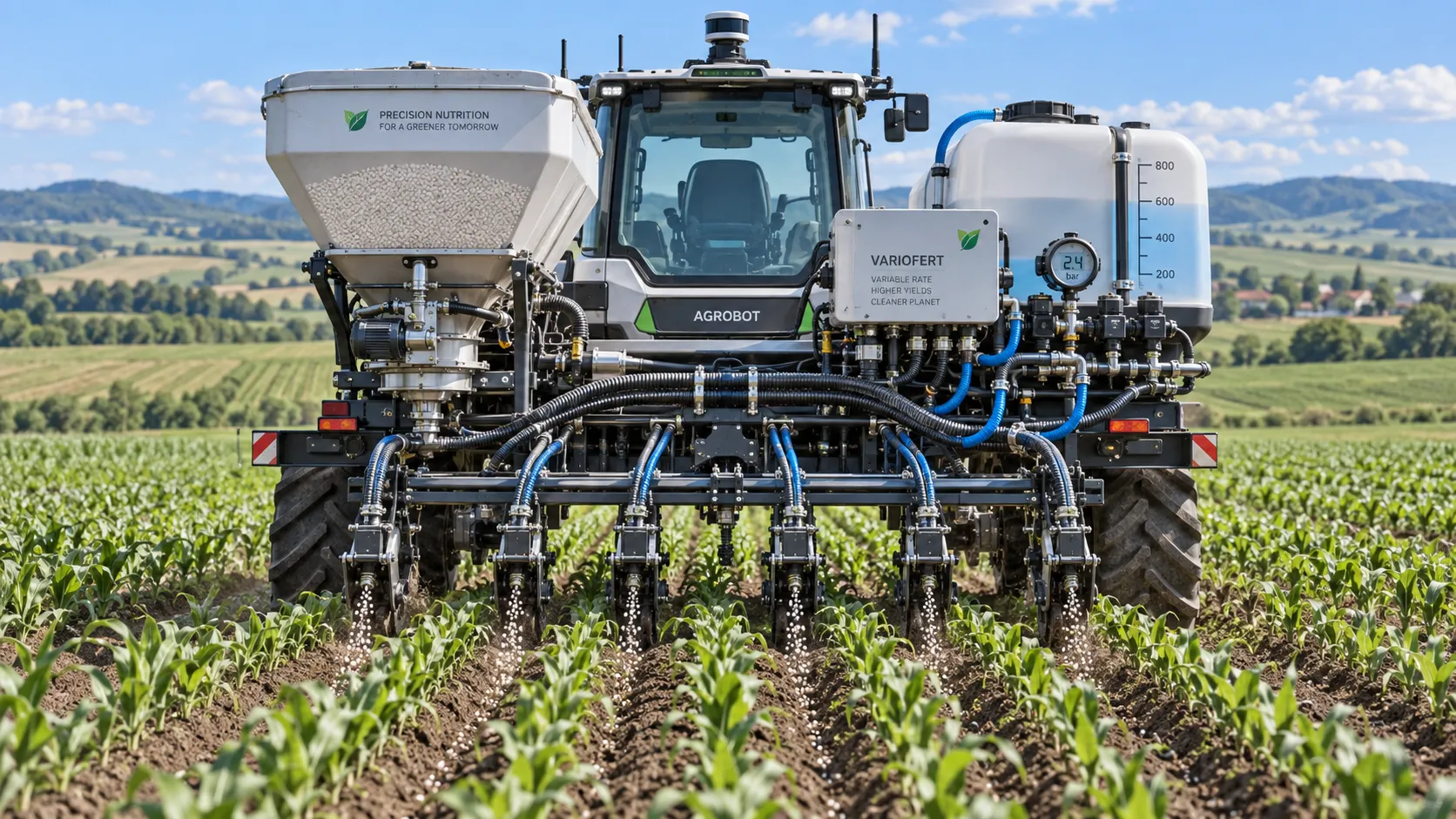
How Sensor Feedback Enables Accurate Variable-Rate Fertilization in Field Conditions
Precision fertilization systems with sensor feedback improve variable-rate accuracy by verifying flow, managing latency, and ensuring reliable field application.
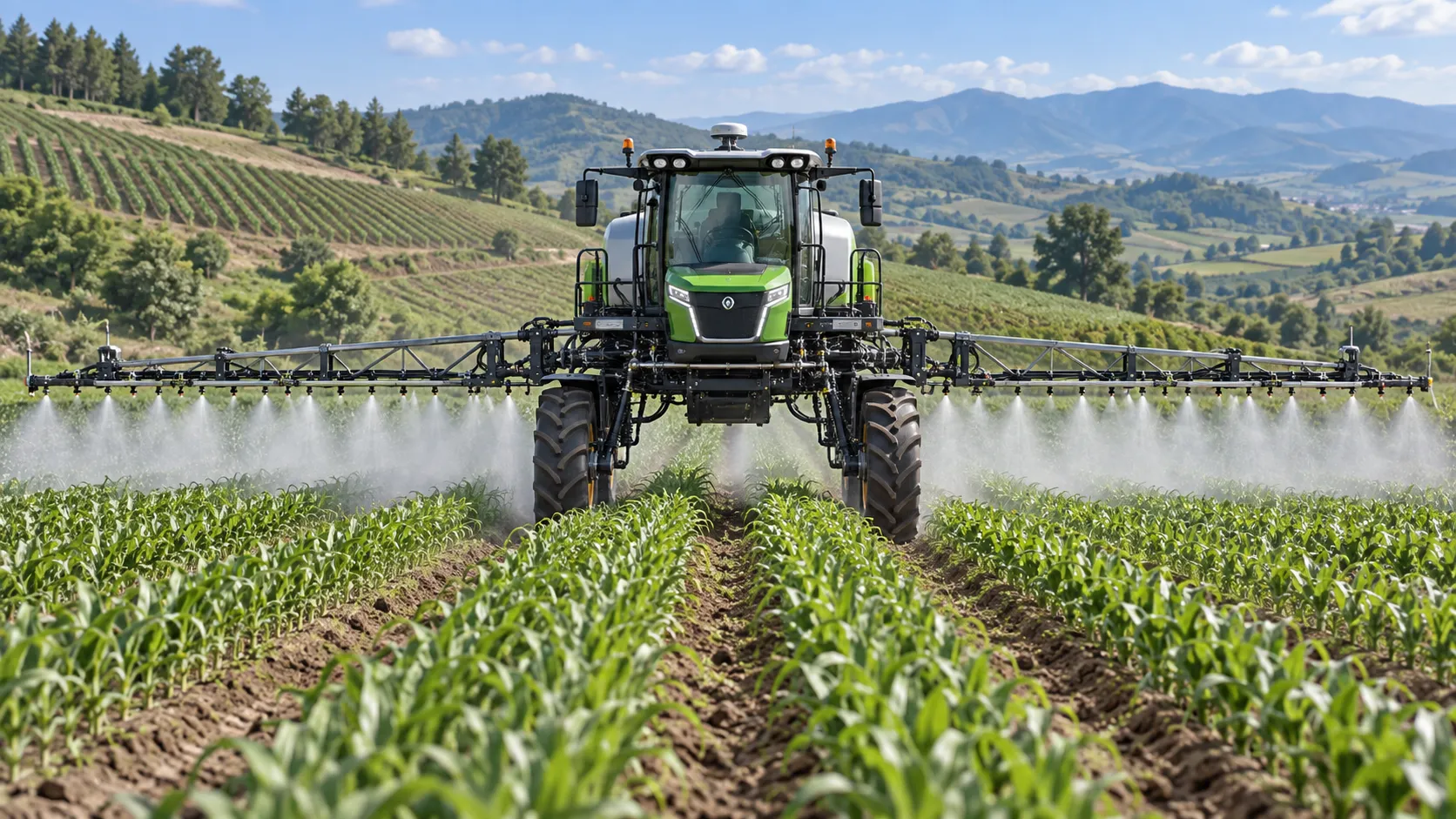
How to Select Precision Crop Protection Equipment for Variable Field Conditions
Precision crop protection equipment selection made simple: compare terrain, canopy, weather, control accuracy, and data workflows for reliable applications.

When Does Agricultural Machinery Leasing Cost Less Than Owning Equipment?
Agricultural machinery leasing can lower farm costs when use is seasonal or uncertain. Compare utilization, maintenance, cash flow, and risk to make a smarter equipment decision.

How to Evaluate Precision Fertilization System Suppliers for Farm-Scale Deployment
Precision fertilization systems suppliers: learn how to compare accuracy, integration, uptime, service, and total cost for confident farm-scale deployment.
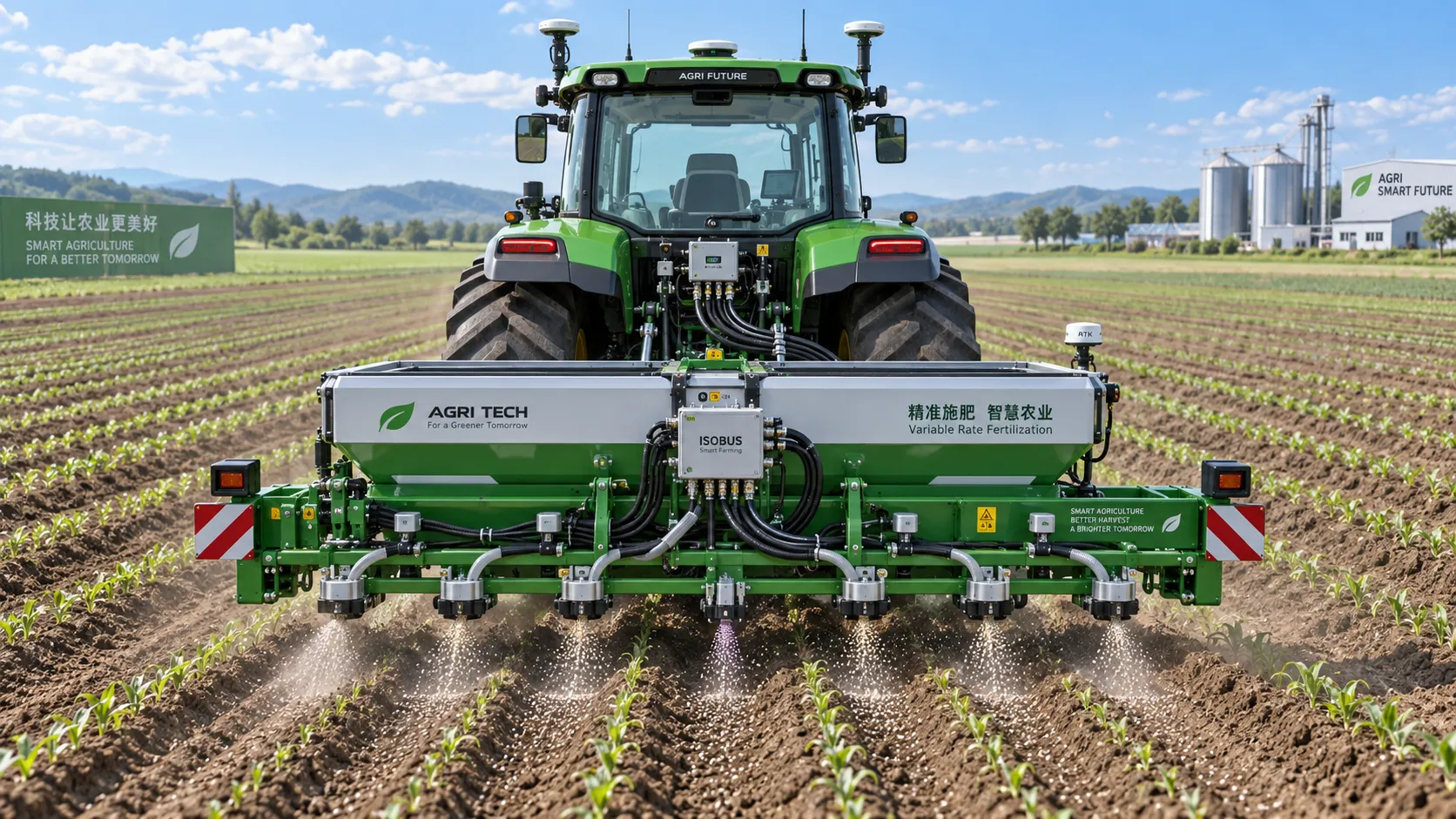
ISOBUS for Smart Agriculture: How It Connects Tractors, Implements, and Farm Data
ISOBUS for smart agriculture connects tractors, implements, terminals, and farm data—helping growers improve precision, documentation, and smarter field decisions.
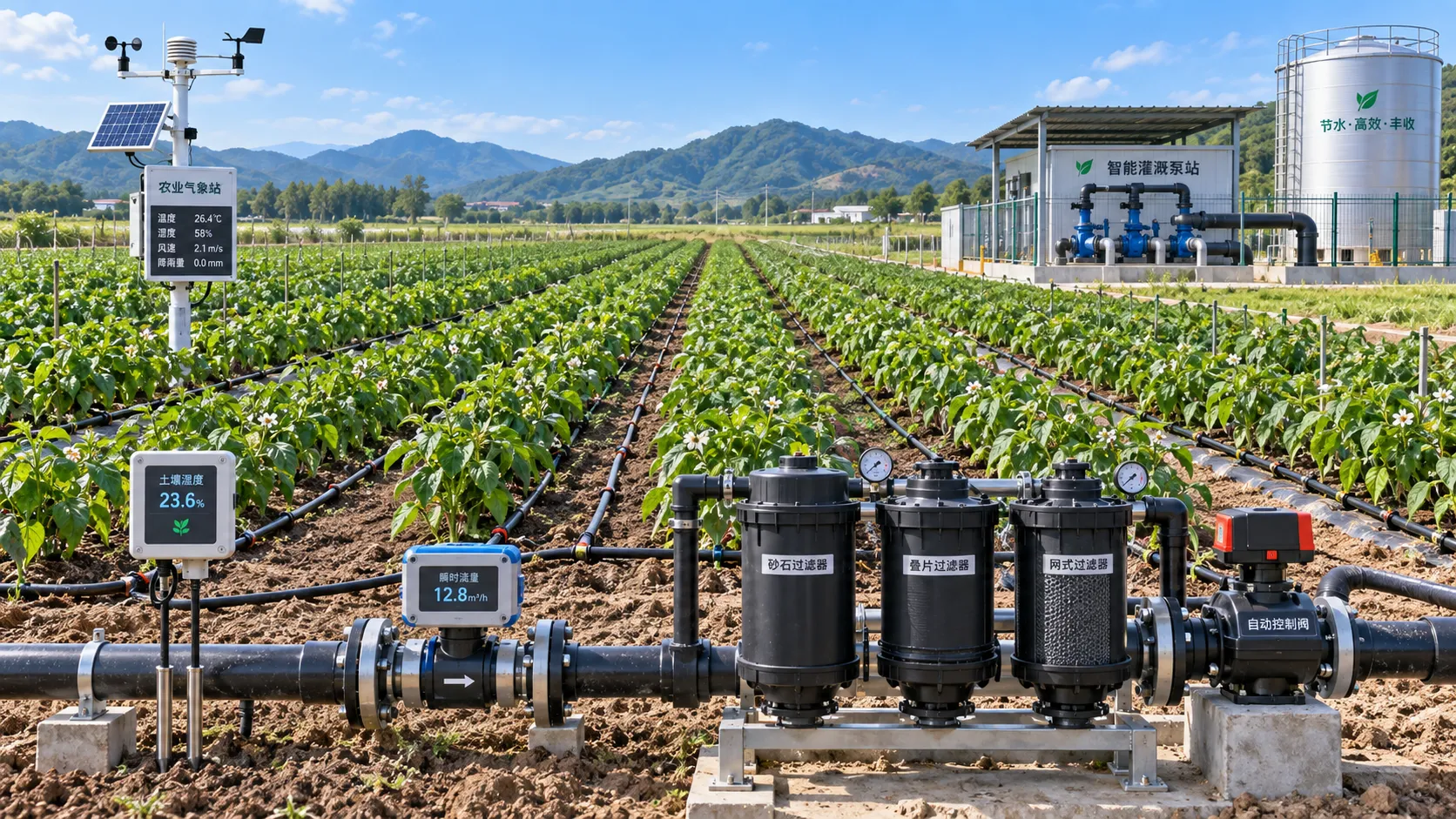
Automated Water-Saving Irrigation: How to Cut Water Use Without Reducing Crop Yields
Automated water-saving irrigation helps farms cut water use, protect crop yields, improve scheduling, and gain reliable control with sensors, flow monitoring, and smart zones.

Selecting Grain Farm Equipment by Acreage, Crop Mix, and Harvest Window
Agricultural equipment selection for grain farming: match machinery to acreage, crop mix, and harvest windows to improve uptime, efficiency, and returns.
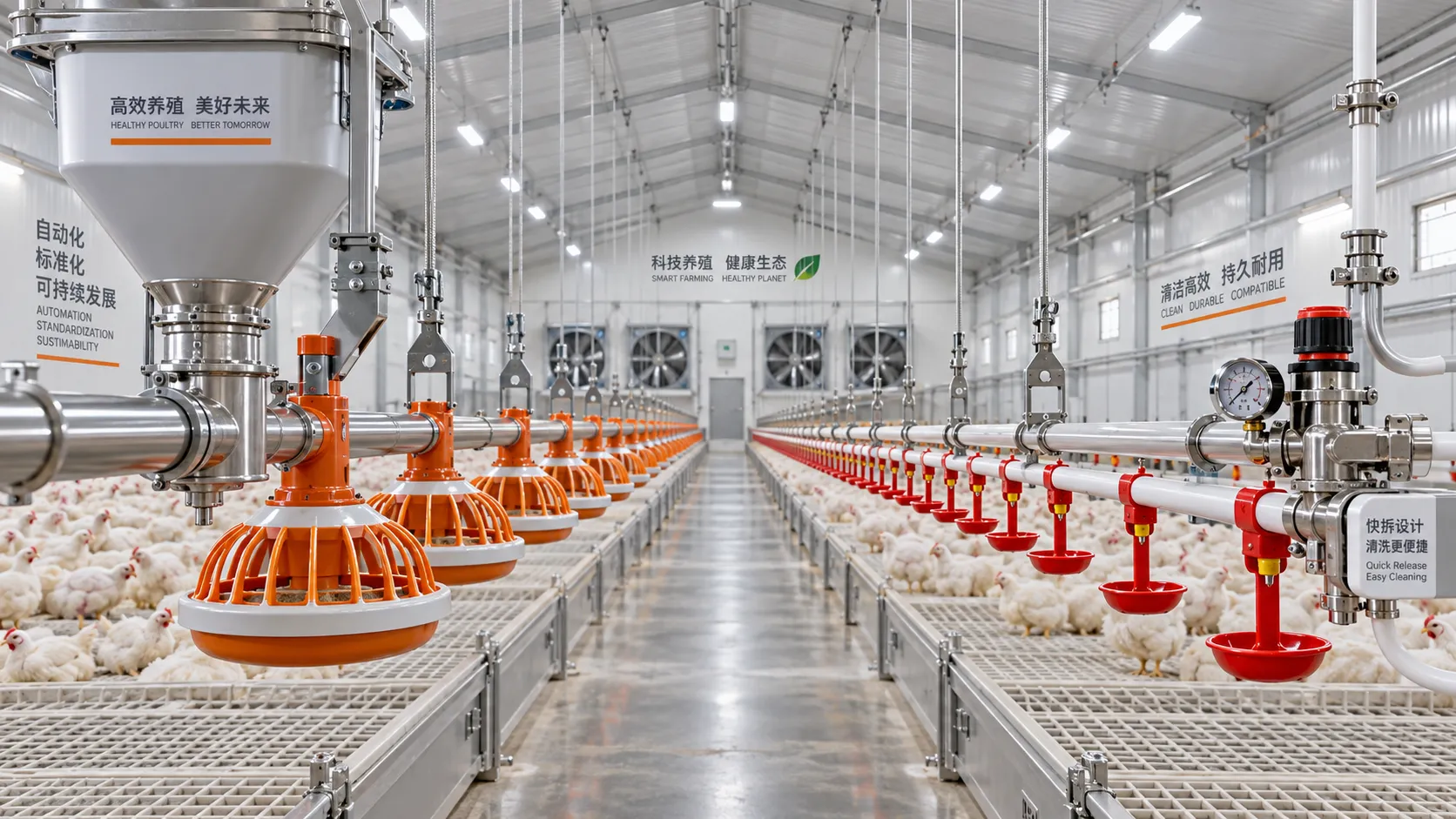
Poultry Equipment Selection: Evaluating Durability, Cleaning, and Compatibility
Poultry equipments selection guide: evaluate durability, cleaning access, and system compatibility to improve hygiene, reduce downtime, and support efficient flock management.

How to Select Heavy-Duty Farm Implements for High-Acreage, High-Horsepower Operations
Heavy duty farm implements: learn how to match draft, hydraulics, hitch capacity, frame strength, and field conditions for reliable high-acreage performance.
Related News
- 00
0000-00
India Opens Duty Relief for Center Pivot Imports - 00
0000-00
What to Check Before Working With a Precision Irrigation Systems Factory - 00
0000-00
Red Sea Shock Tightens CPS Capacity, Rates Jump 37% - 00
0000-00
Red Sea Escalation Tightens Center Pivot Shipping - 00
0000-00
Red Sea Disruption Extends Center Pivot Transit to 42 Days
Popular Tags
Hydrological Resource Strategist
Weekly Insights
Stay ahead with our curated technology reports delivered every Monday.